California Corbina Surf Fishing
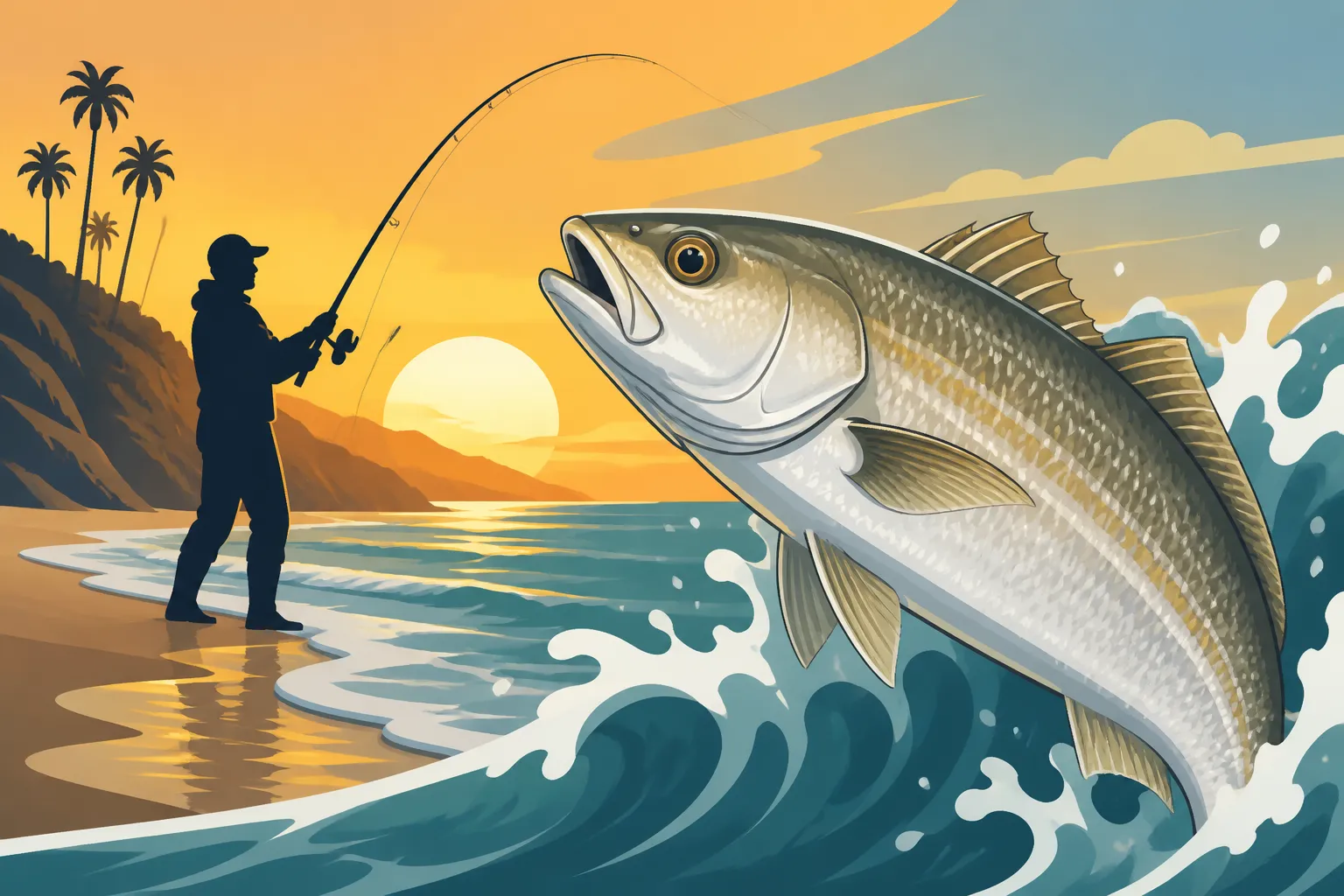
There’s nothing quite like the feeling of standing on a pristine California beach, casting a line into the surf, dreaming of that satisfying tug. But let's be honest, few fish test an angler's patience and skill quite like the California corbina. These elusive, ghostly predators are notoriously finicky, often driving even seasoned surf casters to the brink of frustration. This comprehensive guide is here to unravel the mysteries of corbina surf fishing, offering practical advice and techniques to help you finally connect with these incredible fighters.
Understanding the Elusive California Corbina
The California corbina ( Menticirrhus undulatus ) isn't just any surf fish; it's a true ghost of the shallows, known for its incredible ability to blend in and its selective feeding habits. Many anglers spend countless hours on the beach, wondering why they can't seem to entice a bite, and it often boils down to not truly understanding this unique species.
What Makes Corbina So Challenging?
Corbina are not like your typical ravenous feeders. They are highly specialized predators that primarily feed by sensing prey with a single, highly sensitive barbel located on their chin. This barbel, almost like a whiskered finger, probes the sand for sand crabs, small clams, and marine worms. This method of feeding means they aren't chasing down flashy lures or aggressively striking at fast-moving baits. They are subtle, deliberate, and incredibly wary.
Their preferred habitat also adds to the challenge. Corbina love the turbulent, oxygen-rich waters of the surf zone, especially where waves are breaking and churning up the sand, exposing their favorite crustaceans. They move with the waves, often staying in the "wash zone" just behind the breaking waves or in shallow depressions. This means they are often right at your feet, but their excellent camouflage, a silvery-gray body with wavy diagonal lines, makes them nearly invisible against the sand. Adding to the difficulty, they are easily spooked by shadows, loud noises, and heavy footfalls on the beach. Getting a bite often requires the finesse of a surgeon and the patience of a saint.
Identifying California Corbina
When you do hook into one, you'll recognize the California corbina immediately. They have that distinct, elongated, silvery body with a somewhat flattened belly. Their most defining feature is that single, prominent barbel beneath their chin, which gives them the common nickname "whiskered wanderer." The wavy, dark lines running horizontally along their sides are also a key identifier.
Typically, corbina range from 1 to 4 pounds, but they can grow significantly larger. A true trophy corbina can push 6 to 8 pounds, and even exceed that, providing an incredible fight on light tackle. The California state record, for example, is a whopping 9 pounds, 14 ounces! They possess a small, downturned mouth, perfectly adapted for rooting out prey from the sand rather than swallowing large baits whole. Knowing what they look like, and critically, how large they need to be, is essential for compliance with California fishing regulations explained.
Where and When to Find Corbina
Finding corbina isn't about blindly casting into the ocean; it's about understanding their preferred real estate. They are primarily found on open, sandy beaches along the Southern and Central California coast, from Baja California up to Point Conception and occasionally further north. You'll rarely find them around rocky jetties or kelp beds; they are true sand-dwellers.
Beach Types and Structure: Look for beaches with a moderate slope and consistent wave action. The key is to identify subtle underwater structures. These can be:
- Gutters and Troughs: Deeper depressions that run parallel to the shore, often just behind the shore break. These act like highways for corbina, allowing them to cruise for food while being protected from the full force of the waves.
- Rip Currents (Rips): While seemingly chaotic, rips can form channels where sand crabs and other food items are funneled out to sea, and corbina will often stage themselves just outside or along the edges of these currents, waiting for an easy meal.
- Sand Bars: Sometimes, corbina will feed in the calmer water just inside a sandbar.
Seasonal Patterns: While you can catch corbina year-round in some parts of Southern California, their activity peaks during the warmer months.
- Summer (June-September): This is prime time for corbina. The water is warmer, sand crabs are abundant, and the fish are actively feeding. You'll find them closer to shore and in shallower water. This is when many anglers find the most success, as detailed in guides for California fishing in summer.
- Spring and Fall: Still good, but activity might be more tide-dependent. They might be a bit deeper or less aggressive.
- Winter: Much slower, with fish moving to slightly deeper water, making them harder to target.
Tides: Tides are arguably the most critical factor for corbina fishing. They heavily influence where corbina feed.
- Incoming Tide (Mid to High Tide): This is often the sweet spot. As the tide pushes in, it washes sand crabs and other invertebrates closer to shore and into those shallow gutters and troughs where corbina love to forage. The rising water allows them to move into areas that were previously too shallow.
- Outgoing Tide (High to Mid Tide): Can also be productive, especially as the water recedes and creates small depressions and wash zones where food becomes concentrated.
- Slack Tide (High or Low): Generally the slowest periods, as water movement is minimal, and the food source isn't being agitated.
Paying close attention to these patterns will significantly increase your chances of success.
Essential Gear for Successful Corbina Surf Fishing
You can't just grab any old rod and expect to outsmart a corbina. These fish demand a specific, finesse-oriented approach, and that starts with your tackle. Don't let the thought of buying specialized gear intimidate you; often, it's about choosing the right tools for the job.
Rod and Reel Setup
The key to corbina fishing is sensitivity and casting distance with light baits. You need to feel those incredibly subtle bites, which often feel like nothing more than a faint tick or increased weight.
- Rods: Forget the heavy-duty shark rods. You'll want a surf rod that is medium-light to medium power, with a fast to moderate-fast action. The length is crucial for casting over the waves and maintaining line control.
- Length: An 8-foot to 10-foot rod is ideal for most applications. If you're frequently fishing very wide beaches or needing maximum distance, some anglers might go up to 11 feet, but this can sacrifice sensitivity.
- Material: Graphite or composite rods offer the best blend of sensitivity and casting power. Fiberglass rods tend to be too soft and lack the sensitivity needed. Brands like Okuma, Daiwa, and Penn offer excellent surf rods that won't break the bank. You can find a fantastic selection of these on Amazon, often with helpful customer reviews to guide your choice.
- Reels: A high-quality spinning reel in the 3000 to 4000 series is usually perfect. It needs to have a smooth drag system, as corbina can make surprisingly strong runs, especially larger specimens. Saltwater resistance is a huge plus, given the harsh environment. Look for models from Shimano, Penn, or Daiwa that are sealed or have good corrosion protection. A reel that can hold about 200 yards of 10-15 lb braided line is a good starting point.
Remember, the lighter and more balanced your setup, the better you'll be able to detect those elusive bites.
Line, Leaders, and Hooks
This is where many anglers make mistakes. Heavy line and hardware will absolutely spook corbina. Finesse is the name of the game.
- Main Line (Braid): I highly recommend using braided line for your main line. Its zero-stretch quality transmits even the lightest tap directly to your hands, making bite detection significantly easier. 10-15 lb test braid is usually sufficient. PowerPro or Seaguar Smackdown are popular choices for their strength and thin diameter. The thin diameter also helps with casting distance in the wind.
- Leaders (Fluorocarbon): This is non-negotiable for corbina. Fluorocarbon line is nearly invisible underwater, which is crucial for these wary fish. It also offers excellent abrasion resistance against sand and shells. You'll want to tie a 3-4 foot fluorocarbon leader directly to your braid using a strong knot like an FG knot or an Albright knot.
- Leader Test: 4-6 lb test fluorocarbon is standard. If the water is crystal clear and conditions are calm, you might even drop down to 2 lb test, but be prepared for a challenge if you hook a big one. Brands like Seaguar InvizX or Vanish are reliable.
- Hooks: Small, sharp hooks are paramount. Corbina have small mouths, and they are adept at spitting out baits that don't feel quite right.
- Size: #4 or #6 mosquito hooks, circle hooks, or short-shank bait holder hooks are ideal. The Gamakatsu Baitholder Hooks or Owner Mosquito Hooks are fantastic choices.
- Type: Many anglers prefer circle hooks because they significantly reduce gut-hooking, making catch and release much more successful. If you're using a J-hook, be ready to set it quickly.
- Weights/Sinker: You'll typically use a Carolina rig or a similar sliding sinker setup. The weight of your sinker depends on the current and wave action.
- Size: From 1/4 ounce up to 1 ounce. You want just enough weight to hold your bait in place on the bottom without being swept away, but not so much that it buries itself in the sand or hinders bite detection. Pyramid or torpedo sinkers are good options for holding in the sand.
The Best Baits for Corbina
Forget lures; corbina are almost exclusively bait fishermen's targets. And one bait reigns supreme.
- Live Sand Crabs: If you want to maximize your chances, live sand crabs are the absolute gold standard. These are their natural food source, and nothing imitates it better. You can often find them by digging in the wet sand at the water's edge, particularly during an incoming tide. Look for "V" shaped patterns in the wet sand where their antennae are poking out. A sand flea rake can make gathering them much easier.
- Rigging: Hook the sand crab through the bottom of its shell, just behind the tail flap, taking care not to pierce any vital organs. You want it to stay alive and wiggle naturally.
- Mussel or Clam Pieces: If sand crabs are unavailable, small, fresh pieces of mussel or clam can work, especially if they are local to the beach you're fishing. They need to be tough enough to stay on the hook during casting and tumbling in the surf.
- Bloodworms/Marine Worms: These are also a natural food source for corbina. If you can get fresh ones, they can be very effective, though they are often harder to come by and more expensive than sand crabs.
- Gulp! Sandworms: While not live bait, these scented artificial worms from Berkley Gulp! have proven surprisingly effective, especially the "Sandworm" or "Camouflage" colors. They're a great backup option when live bait is scarce and can be found readily on Amazon. The scent and texture are designed to mimic real worms, sometimes fooling even the pickiest corbina. I've had success with them when the sand crabs weren't biting, and they're a lot less messy to deal with!
Mastering Corbina Fishing Techniques
Now that you've got the right gear and bait, it's time to put it all into action. Catching corbina isn't just about casting and waiting; it's a mindful process that requires patience, observation, and a delicate touch.
Reading the Beach
This is perhaps the most critical skill for any surf angler, especially when targeting corbina. The ocean bottom isn't a flat, featureless plain, even on a sandy beach. It's a dynamic landscape sculpted by waves and currents, and knowing how to interpret these subtle clues can put you right where the fish are.
- Identifying Gutters and Troughs: Walk the beach at low tide if possible, to physically see the contours. Look for darker, wetter sand that indicates deeper water or depressions. During high tide, look for areas where waves are breaking further out, then reforming and breaking closer to shore – the calm water between those two break lines often indicates a trough. These are prime feeding grounds where corbina can patrol relatively safely, away from the immediate shore break.
- Spotting Rip Currents: Look for areas where waves are not breaking, or where water is flowing strongly back out to sea, creating a "river" through the incoming waves. The edges of these rips can be excellent places to target, as they transport food. Just be mindful of casting into the strongest part of the rip, as your bait will be swept away too quickly.
- Foam Lines and Disturbed Water: Corbina are often found right in the churned-up, oxygenated water where waves are actively breaking and washing up onto the sand. This foam and disturbance mean food is being dislodged. Don't be afraid to cast into these seemingly chaotic areas. When you're trying to figure out the best fishing spots in California for corbina, always remember these visual cues.
Your goal is to cast your bait into these features, allowing it to tumble naturally with the water movement, mimicking a dislodged sand crab. This often means casting only 10-30 yards out, not necessarily trying to cast to the horizon.
The Stealth Approach
Corbina are incredibly wary. Any sudden movement, loud noise, or even your shadow falling across the water can send them scattering.
- Minimal Disturbance: Walk lightly on the beach. Avoid stomping. When you find a promising spot, approach it slowly and quietly. If you see fish cruising in the shallow water, resist the urge to cast immediately. Take a moment, observe their pattern, and plan your cast.
- Low Profile: The lower your profile, the less likely you are to spook them. Consider kneeling or sitting if possible, especially in calm, clear water.
- Precise Casting: You don't need a powerful cast, but you need a precise one. Aim to land your bait just beyond the feeding zone and let it drift naturally into position. A gentle lob rather than a hard whip is often more effective, as it prevents your bait from detaching or getting tangled.
- Letting the Bait Work: Once your bait is in the water, resist the urge to retrieve it quickly. Let it sit and tumble naturally with the current. This is where your sensitive rod comes in. You might feel a slight twitch as the corbina mouths the bait, or just a feeling of added weight. Keep your line relatively slack, but not so slack that you can't feel a bite. Think of it as controlled drifting. For more specialized techniques, consider reviewing a general guide to California surf fishing tips and techniques.
Setting the Hook and Fighting
This is where the magic (and sometimes heartbreak) happens. Corbina bites are famously subtle.
- The Subtle Bite: It won't be a jarring strike like a bass or a halibut. Often, it feels like a slight "tick," a mushy resistance, or simply a feeling that your line has gone slightly heavy. It's easy to mistake for seaweed or sand. Don't hesitate if you feel anything out of the ordinary.
- Setting the Hook (if using J-hooks): When you feel that subtle bite, quickly reel in any slack until you feel tension, then give a gentle, upward sweep of the rod tip. Don't rear back like you're setting a hook on a tuna; a light, firm sweep is all that's needed to properly set a small hook in a corbina's delicate mouth.
- Fighting the Fish: Corbina are strong, surprisingly fast fighters on light tackle. They'll make short, powerful runs and can be very challenging to land in the wave wash.
- Maintain Tension: Keep a steady bend in your rod to absorb their runs. Don't horse them in.
- Use the Waves: As a wave washes back, it can help pull the fish towards you. Use this to your advantage to gain line. When the next wave comes in, brace yourself and let the rod tip absorb the surge.
- Landing: Once the fish is in the shallow wash, don't drag it up the dry sand. Wait for a receding wave and gently slide it onto the wet sand. Get your hands wet before handling the fish, as this helps protect its slime coat if you plan to release it.
Conservation and Regulations for Corbina
As passionate anglers, it's our responsibility to ensure the health and sustainability of California's fish populations, including the elusive corbina. Understanding and adhering to regulations, and practicing ethical fishing, helps guarantee these fish will be there for future generations.
California Corbina Regulations
The California Department of Fish and Wildlife (CDFW) sets specific regulations for recreational fishing, and corbina are no exception. These rules are put in place to manage fish stocks and prevent overfishing. It's absolutely crucial to check the latest regulations before you head out, as they can change annually. You can find up-to-date information in the official California fishing regulations booklet or on the CDFW website. Remember, you'll need a valid California fishing license guide to legally fish for corbina.
Here’s a general overview of common regulations, but always verify current rules:
- Minimum Size Limit: Corbina typically have a minimum size limit. This means any fish you catch below this length must be immediately released unharmed. For example, the common regulation for California corbina is a minimum size of 10.5 inches total length. Using a measuring device (like a small tape measure) is essential to ensure compliance.
- Bag Limit: There's also usually a daily bag limit, which dictates the maximum number of fish of a particular species you can keep per day. For corbina, this is often around 3 fish per angler.
- Gear Restrictions: While generally minimal for surf fishing, it's good to be aware of any specific restrictions on the number of hooks or rods allowed.
Fines for violating these regulations can be steep, so always err on the side of caution. It's also vital to understand the nuances between a California fishing license vs report card, though corbina do not require a specific report card.
Practicing Catch and Release
Because corbina are such a sought-after and often challenging species, many anglers choose to release their catch, especially if they are not planning to eat the fish or if they are targeting trophy-sized specimens. Practicing proper catch and release techniques significantly increases the fish's chances of survival.
Here are some best practices for handling and releasing corbina:
- Minimize Fight Time: While a strong fight is fun, try to land the fish as quickly as safely possible to reduce stress and exhaustion.
- Keep Fish Wet: Avoid dragging the fish onto dry sand or placing it on hot surfaces. Keep it in the shallow water or on wet sand as much as possible.
- Wet Your Hands: Always wet your hands thoroughly before touching the fish. Dry hands can remove the fish's protective slime coat, making it vulnerable to disease.
- Handle Gently: Support the fish horizontally, especially if it's a larger one. Avoid holding it vertically by the jaw or tail alone, which can damage its internal organs or spine.
- Quick Hook Removal: Use needle-nose pliers or a de-hooking tool to quickly and carefully remove the hook. If the fish is deeply hooked and removing the hook would cause significant damage, it's often better to cut the line as close to the hook as possible. Circle hooks are a great choice for minimizing deep hooking.
- Revive If Necessary: If the fish appears sluggish or stressed, gently hold it upright in the water, facing into a gentle current, until it regains its strength and can swim away on its own.
By following these guidelines, you contribute to a healthy fishing environment, ensuring that the thrill of hooking a California corbina remains a treasured experience for all.
Understanding Beach Structure and Water Movement
One of the biggest hurdles for new corbina anglers is learning to "read the water." It sounds mystical, but it's really about observation and understanding how waves and currents interact with the sandy bottom. This knowledge empowers you to place your bait precisely where corbina are most likely to feed.
Identifying Productive Water Features
The beach might look uniform from afar, but up close, the surf zone is a dynamic environment with specific features that hold fish. These aren't always obvious, but with practice, you'll start seeing them.
- The "Wash Zone": This is the area where the waves break and then surge up and recede down the sand. It’s incredibly active, constantly churning up the bottom and dislodging food. Corbina often cruise right in this shallow, bubbly water, especially on an incoming tide. Don't be afraid to cast literally a few yards out, sometimes even closer to your feet than you'd expect. Many a trophy corbina has been caught in ankle-deep water.
- Deep Seams and Cuts: Look for darker patches of water or areas where the waves seem to "disappear" or don't break as much. These usually indicate deeper channels or cuts in the sand where corbina feel more secure and can ambush prey. These can be parallel to the shore (troughs) or run perpendicular (often associated with rips).
- Points and Eddies: Where a sandbar tapers off, or a rip current creates an eddy, food items can concentrate. These transition zones are often high-traffic areas for foraging corbina. Pay attention to how the water moves around any visible structure, even subtle ones.
- Bird Activity: Gulls, terns, and other shorebirds feeding in the shallow water can often indicate a good concentration of sand crabs, which in turn means potential corbina activity.
Your ability to quickly assess these features as you walk the beach will be a game-changer. It’s less about brute force casting and more about strategic placement. For anglers fishing in the San Diego area, understanding how these features manifest on local beaches like those found in the San Diego Fishing Spots guide can be particularly helpful.
The Impact of Wave Action and Current
Waves and currents aren't just obstacles; they are the lifeblood of the corbina's ecosystem and your greatest ally in presenting your bait naturally.
- Wave Size and Frequency: Generally, a moderate wave action is ideal. Too flat, and the water isn't churning enough to dislodge food. Too large, and it can be difficult to maintain control of your bait, and the fish might move to calmer, deeper water. Look for consistent, medium-sized waves that create a good wash zone.
- Current Flow: Corbina often face into the current, waiting for food to drift to them. You want your bait to do the same. If you cast directly into a strong current, your bait might just get swept away. Instead, cast slightly upstream of where you think the fish are, allowing the current to carry your bait naturally into the strike zone.
- Reading the Break: Watch how waves break. Where they break indicates shallower water (a sandbar). The calmer, deeper water behind that break or between breaks (a trough) is often where corbina will be. Your bait should drift through these calmer, deeper lanes, not get smashed on top of a shallow bar. This nuanced approach differentiates successful anglers from those just hoping for a lucky bite.
Troubleshooting Common Corbina Fishing Problems
Even with the best advice, corbina fishing can be frustrating. It's easy to get discouraged when you're not getting bites. Let's tackle some common issues and how to troubleshoot them.
When They Just Aren't Biting
You’ve got the right bait, you’re in a good spot, the tide is perfect, and… nothing. It happens to everyone.
- Check Your Bait Presentation: Is your sand crab still alive and wiggling? Is it hooked properly so it looks natural? Is your leader twisted? Sometimes, a simple re-bait and re-cast with fresh, lively bait makes all the difference. Remember, corbina are visual feeders with an incredibly sensitive barbel, so natural movement and freshness are key.
- Adjust Your Weight: Are you using too much weight? Your bait should tumble and roll slightly with the current, not just sit dead in the sand. Try going down a sinker size to allow for more natural movement. Conversely, if your bait is constantly being swept away, you might need a slightly heavier sinker to keep it in the zone.
- Vary Your Depth: If you're casting far out, try casting closer to shore. If you're fishing in the immediate wash, try a slightly deeper cast. Corbina move with the tides and wave action, and their preferred depth can change by the minute.
- Move Down the Beach: Don't get stuck in one spot. Sometimes, moving just 50 yards down the beach can put you in a completely different feeding zone. Look for new gutters, rips, or changes in the wave break. The best fishing piers in California often concentrate fish, but on open beaches, mobility is key.
- Check Your Hooks: Is your hook still sharp? Is it clear of sand and debris? A dull hook or one fouled with seaweed will result in missed bites. Always carry extra sharp hooks.
Dealing with Wind and Surf Conditions
California beaches can be breezy, and the surf can vary wildly. These conditions can make corbina fishing even more challenging.
- Casting in Wind: Headwinds are a nightmare for light tackle. If possible, try to fish when the wind is at your back or from the side. If you must cast into the wind, use a slightly heavier sinker (but still as light as possible) and a more aerodynamic casting technique. Braided line, being thinner, also cuts through the wind better than mono.
- Heavy Surf: When the waves are really pounding, corbina often retreat to deeper, calmer water or find protected pockets. It's often best to wait for more moderate conditions. If you insist on fishing, look for those deeper troughs just behind the main break, or areas where the heaviest waves are breaking far out, creating a calmer zone closer to shore. You'll likely need heavier sinkers to hold bottom.
- Calm, Clear Water: While seemingly ideal, super calm and clear conditions can make corbina even warier. They can see you and your line much more easily. This is when going to the lightest possible fluorocarbon leader (2-4lb test) and being incredibly stealthy becomes paramount. Cast even further away from yourself and keep an extremely low profile. This might also be a good time to consider a small piece of shrimp or a Gulp! Sandworm if sand crabs are spooking them.
By systematically troubleshooting these common problems, you'll not only increase your chances of catching corbina but also deepen your understanding of surf fishing dynamics. It's a journey of learning and adaptation, and every tough day on the water teaches you something new.
| Aspect | Recommendation for Corbina Fishing | Why it Matters |
|---|---|---|
| Rod | 8-10 ft, Medium-Light to Medium Power, Fast Action | Sensitivity for subtle bites, casting distance for light baits, fights strong fish. |
| Reel | 3000-4000 series Spinning Reel, smooth drag, saltwater resistant | Handles runs, withstands corrosive environment, balances light rod. |
| Main Line | 10-15 lb Braided Line | Zero stretch for bite detection, thin diameter for casting. |
| Leader | 4-6 lb Fluorocarbon (3-4 ft length) | Nearly invisible to wary fish, abrasion resistance. |
| Hooks | #4 or #6 Circle Hooks or Mosquito Hooks (very sharp!) | Small mouths, delicate bites, good for catch and release. |
| Sinker | 1/4 – 1 oz Pyramid or Torpedo Sinker | Enough weight to hold bottom without burying bait; light for natural presentation. |
| Primary Bait | Live Sand Crabs | Their natural, preferred food source; irresistible. |
| Secondary Baits | Fresh Mussel/Clam Pieces, Bloodworms, Berkley Gulp! Sandworms | Good alternatives when sand crabs are scarce or conditions demand. (Gulp! available on Amazon) |
| Best Tide | Incoming (mid to high) | Washes food into feeding zones, allows fish into shallower areas. |
| Key Technique | Finesse, Stealth, Reading the Beach (gutters, troughs) | Corbina are wary and subtle feeders, requiring precise bait placement and minimal disturbance. |
Disclaimer
Fishing regulations and conditions in California can change frequently. Always consult the latest California Department of Fish and Wildlife (CDFW) regulations before you go fishing. This guide is for informational purposes only and does not supersede official government regulations.