California Dorado (Mahi) Fishing Guide
There's nothing quite like the thrill of offshore fishing in California, especially when those vibrant, hard-fighting Dorado, often called Mahi-Mahi, decide to show up. For many of us, the sight of their electric blue, green, and yellow flashing under the warm California sun is the stuff of dreams. This guide is all about helping you understand these incredible fish and giving you the actionable strategies to hook into your own personal best, navigating the often-tricky offshore waters with confidence.
Understanding California's Dorado Fishery
Dorado, with their stunning colors and incredible acrobatic fights, are a bucket-list fish for many anglers. But to catch them consistently in California, you need to understand where they come from, what makes them tick, and how their presence is often tied to specific ocean conditions.
What are Dorado and Why Are They Here?
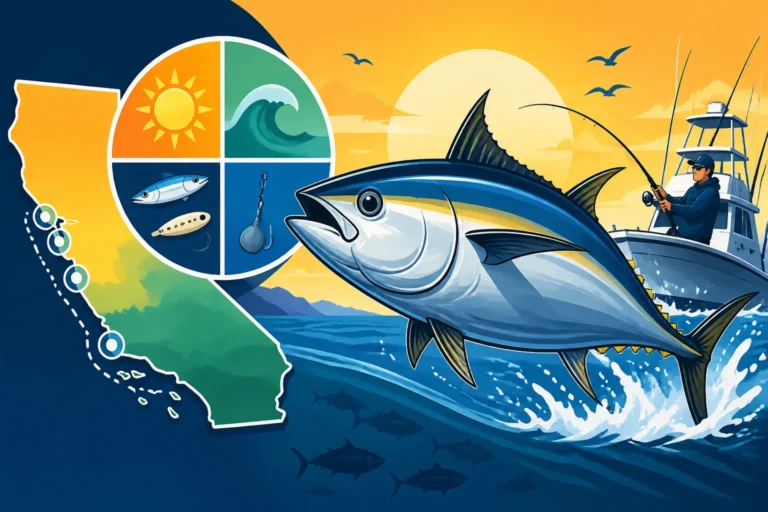
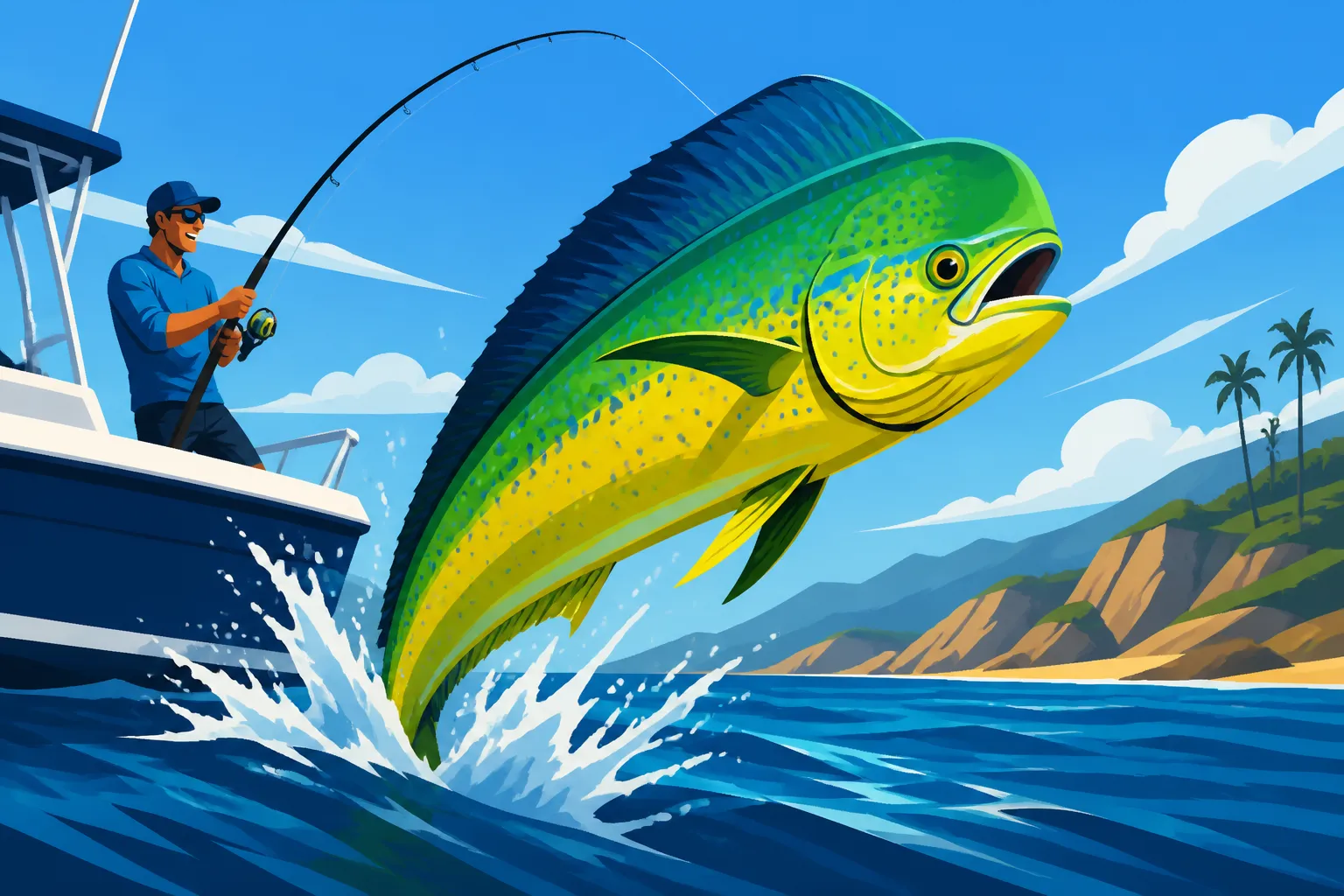
Dorado, Coryphaena hippurus, are pelagic fish, meaning they live in the open ocean, typically in warmer, tropical, and subtropical waters. They're often called Mahi-Mahi, which means "very strong" in Hawaiian, a testament to their fighting spirit. In California, their appearance is heavily influenced by warm water currents, primarily the "El Niño" phenomenon or prolonged periods of warm water pushing up from the south. When water temperatures climb into the mid-60s Fahrenheit and above, especially from late summer into early fall, these beautiful fish follow the baitfish and currents north into our fishing grounds. They're characterized by their blunt, high forehead (more pronounced in males, often called "bulls") and those unmistakable iridescent hues that can change from brilliant gold to electric blue and green when they're excited or stressed.
Key Habitat and Seasonal Presence
Dorado are notorious for associating with floating structure. This is perhaps the most critical piece of information for California anglers. Think floating kelp paddies, logs, overturned buckets, or even discarded fishing gear—anything that offers shade and a place for baitfish to congregate. These floating islands become mini-ecosystems in the vast ocean, attracting small fish, which in turn attract predators like Dorado. In California, you'll typically find them well offshore, often beyond the 30-mile mark, though in exceptionally warm years, they can push closer to shore, particularly around offshore islands or submarine canyons. The prime season generally runs from August through October, but it's entirely dependent on water temperatures and currents each year. Staying informed through local fishing reports is crucial, especially for offshore species. For a broader understanding of when different species bite, check out our guide on the California Fishing Seasons: Month-by-Month Guide.
Dorado Behavior and Diet
These fish are aggressive, opportunistic feeders with incredible eyesight. They'll readily strike at a wide variety of baits and lures, which is part of what makes them so much fun to catch. Their diet primarily consists of smaller baitfish like sardines, anchovies, mackerel, and squid. They're incredibly fast swimmers, capable of bursts of speed to chase down prey. When you find a school of Dorado, especially around a kelp paddy, they often feed in a competitive frenzy. This schooling behavior means that once you hook one, there's a good chance others are right behind it, making for exciting multi-hookup scenarios. They're also known to follow hooked fish right up to the boat, giving you an excellent opportunity to cast a follow-up bait or lure.
Essential Gear for California Dorado Fishing
Having the right tackle isn't just about catching fish; it's about making the most of your time on the water and ensuring you're ready when that school of Mahi decides to crash your party. Using undersized or inappropriate gear can lead to lost fish and a lot of frustration.
Rods, Reels, and Line Selection
For California Dorado, you'll want a setup that's versatile enough for both casting and trolling, with enough backbone to handle their powerful runs and aerial acrobatics.
- Rods: A medium to medium-heavy fast-action rod, typically 7 to 8 feet long, is ideal. This length provides good casting distance when you're pitching to kelp paddies and enough leverage to fight a strong fish. Look for a rod with a sensitive tip but a strong butt section. Brands like Penn, Shimano, and Daiwa offer excellent options that can handle offshore conditions.
- Reels: A conventional reel like a Penn Fathom or a Shimano Trinidad, in sizes equivalent to 20-40, is perfect. Many anglers also use larger spinning reels, such as a Shimano Saragosa 8000-10000 or a Penn Spinfisher VI, especially for casting lighter baits and lures. These reels need a smooth drag system and ample line capacity (at least 300 yards of 30-50 lb test). When I'm gearing up, I often browse Amazon for competitive prices and a wide selection of these reputable brands.
- Line: Spool up with 30-50 lb braided line for its strength and thin diameter, which allows for more line on the reel. Top it with a 20-30 foot fluorocarbon leader in the 30-50 lb range. Fluorocarbon is less visible to fish and offers good abrasion resistance, which is crucial around kelp. For trolling, some anglers prefer to run straight monofilament mainline in similar breaking strengths, as it offers more stretch to absorb the shock of a hard strike.
Terminal Tackle and Lures
Your terminal tackle needs to be robust. Dorado have strong jaws and can straighten out weak hooks.
- Hooks: Stick with strong, sharp, high-carbon steel hooks. Circle hooks in sizes 4/0 to 7/0 are excellent for live bait, promoting corner-of-the-mouth hookups and making release easier. J-hooks are often preferred for chunk bait or when using lures where immediate hook setting is desired.
- Swivels and Leaders: Use high-quality barrel or ball-bearing swivels in sizes appropriate for your line strength (e.g., 50-80 lb test). This prevents line twist, especially when trolling. Your fluorocarbon leaders should be at least 4-6 feet long, connected to your mainline with a strong knot like an FG knot or a Bimini Twist to a swivel.
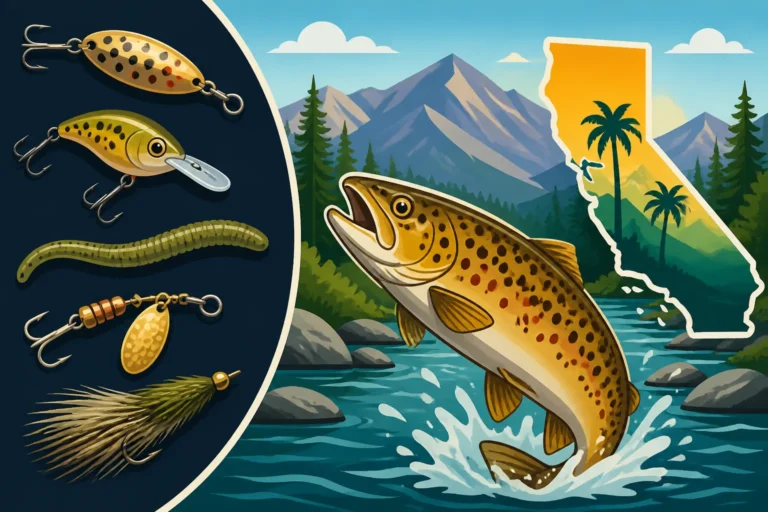
- Lures: Dorado will hit a variety of lures. Small to medium skirted trolling lures (like those from Cedar Plugs or Zuker's) in bright colors (pink, green, blue, yellow, or combinations) are highly effective. When casting to kelp paddies, consider surface poppers, stickbaits, or metal jigs (like a Salas 7X or a Tady 45) in sardine or anchovy patterns. Keep a few swimbaits handy as well.
Essential Accessories
Beyond the basic gear, a few accessories will make your Dorado fishing experience much smoother:
- Gaff: A sharp, sturdy gaff (4-6 feet) is essential for boating larger Dorado safely. Always gaff the fish in the head or shoulder area for a quick, clean kill.
- Cooler and Ice: Dorado are fantastic eating fish, but their flesh deteriorates quickly if not properly cared for. Bleed them immediately upon capture and get them on ice right away. A large cooler packed with ice is non-negotiable.
- Sun Protection: You'll be offshore, exposed to intense sun. Wide-brimmed hats, polarized sunglasses, long-sleeved UPF shirts, and plenty of sunscreen are vital.
- First Aid Kit: Accidents happen, especially on a rocking boat with sharp hooks and gaffs. A well-stocked first aid kit is a must.
Top Techniques for Catching Dorado in California
Dorado fishing in California is primarily an offshore game, and success often boils down to finding good water, locating floating structure, and employing the right tactics.
Hunting for Kelp Paddles and Debris
This is perhaps the most iconic and productive method for finding Dorado in California. As warm water pushes north, it often carries torn-off kelp fronds or other debris. These create mobile ecosystems that provide shelter and food for baitfish, which in turn attract Dorado.
- Spotting: Keep a sharp eye on the horizon for floating kelp paddies, logs, or even large pieces of trash. Often, you'll spot diving birds like terns or shearwaters working a paddy, indicating baitfish and potentially Dorado below. Your boat's radar can sometimes pick up larger paddies before you see them with your eyes.
- Approach: Once you spot a promising paddy, approach it slowly and quietly. You don't want to spook any fish. Circle the paddy at a respectful distance, looking for any signs of life – splashes, jumping bait, or Dorado flashing in the water.
- Fishing the Paddy: Once you've assessed the situation, position your boat up-current or up-wind from the paddy. This allows you to drift baits or cast lures naturally towards it. Typically, you'll start by slow-trolling around the paddy, then switch to casting live baits or lures. If the fish are active, they'll often come right out from under the kelp to investigate. If you're looking for more general advice on fishing around these natural structures, check out our guide on how to Fish California Kelp Beds.
Trolling for Dorado
Trolling is an excellent way to cover ground and locate schools of Dorado, especially when you're not seeing obvious kelp paddies or signs of fish. It allows you to prospect large areas of open ocean.
- Lure Spreads: Use a spread of 3-5 lures, varying depths and colors. Short-skirted trolling lures, often rigged with a small ballyhoo or strip bait, are highly effective. Yo-Zuri Bonitas or Rapala X-Raps can also be deadly.
- Speed and Location: Troll at speeds between 5-9 knots. Focus your efforts where you see changes in water temperature (temperature breaks), current lines, or areas with significant baitfish on your sonar. A good strategy is to troll parallel to a temperature break or along contours if you're near offshore banks.
- The "Flasher" Lure: Many anglers will run a daisy chain of plastic squid or a dredge without hooks, often called a "teaser" or "flasher," to attract Dorado closer to the boat. The commotion of these teasers can draw fish up from the depths and put them into a feeding mood, making them more likely to strike your hooked lures.
Live Bait and Chumming
Once you've found a paddy holding Dorado, or if you're targeting them on an offshore bank, live bait is often the most effective presentation.
- Live Bait Species: Sardines, anchovies, and small mackerel are prime Dorado baits. Keep them lively in a well-circulated bait tank.
- Presentation: Rig your live bait on a single circle hook, either freelined (no weight) or with a very small split shot if you need to get it down slightly. Cast it towards the paddy, letting it swim naturally.
- Chumming: If you hook a Dorado and bring it boatside, others often follow. This is the perfect time to start chumming with cut bait or a few handfuls of live bait. This creates a feeding frenzy, keeping the school around the boat and making them easier to catch. Just be careful not to over-chum; you want them hungry, not full! This strategy is similar to techniques used for other pelagic species, as detailed in our guide on California Offshore Fishing Techniques.
| Technique | Primary Application | Recommended Bait/Lure | Key Considerations |
|---|---|---|---|
| Kelp Paddy Fishing | Locating concentrated schools of Dorado | Live sardines, anchovies; surface poppers, stickbaits, jigs | Approach quietly, observe for signs of life, chum when active |
| Trolling | Covering large areas, prospecting | Skirted trolling lures (pink, green, blue), Rapalas | Vary speeds, run a spread, look for temperature breaks |
| Live Bait Freelining | Targeting active fish around structure | Live sardines, anchovies, small mackerel | Light leader, circle hooks, allow bait to swim naturally |
| Chumming | Keeping a school engaged boatside | Live or cut sardines, anchovies | Start subtle, increase as fish become active, don't overfeed |
| Casting Jigs/Poppers | When Dorado are visible and aggressive | Metal jigs (Salas, Tady), poppers, walk-the-dog baits | Accurate casts, quick retrieve, often visual strikes |
Navigating Regulations and Safe Handling
Catching Dorado is exciting, but it’s crucial to understand and adhere to California’s fishing regulations and practice responsible fish handling, both for your safety and for the health of the fishery.
Understanding California Dorado Regulations
Like all species in California waters, Dorado are subject to specific regulations designed to ensure sustainable fishing. These regulations can change, so it's always wise to check the latest California Department of Fish and Wildlife (CDFW) marine sport fishing regulations booklet or website before heading out.
Currently, for highly migratory species like Dorado (Mahi-Mahi) in California, the general sport fishing regulations typically include:
- Bag Limit: A daily bag limit, usually 10 fish per angler.
- Size Limit: Within that bag limit, there's often a sub-limit on larger fish. For Dorado, it's common to have no more than 5 fish in possession that are greater than 24 inches fork length. All other fish within the 10-fish bag limit must be 24 inches or less fork length.
These regulations are crucial to respect. Remember, conservation is key to ensuring these fisheries remain vibrant for future generations. Ignoring regulations can lead to hefty fines and loss of fishing privileges. For comprehensive details on all saltwater regulations, I highly recommend reviewing the California Saltwater Fishing Regulations guide. Also, be aware of specific rules around areas like Marine Protected Areas (MPAs). If you plan to fish in these zones, understanding California Marine Protected Areas Explained is a must.
Safe and Humane Handling Practices
Once you've hooked a Dorado, the fight isn't over until the fish is safely in the boat. These fish are known for their incredible bursts of energy and thrashing, even once gaffed.
- Fighting the Fish: Keep constant pressure on the fish and try to lead it away from any floating kelp or structure where it can get tangled. Dorado are known for their spectacular jumps; a slightly looser drag during these aerial displays can prevent the hook from tearing out.
- Gaffing: Use a sharp, sturdy gaff. Aim for the head or shoulders, just behind the gill plate. A clean gaff shot is humane and makes it easier to control the fish. Have a designated gaffer who knows what they're doing.
- Bleeding and Icing: Dorado are fantastic eating fish, but their quality deteriorates quickly if not properly handled. As soon as the fish is onboard, bleed it immediately by cutting the gills. This improves the taste and texture of the meat. Then, get it on ice in a cooler as quickly as possible. The colder, the better!
- Release Practices: If you catch a Dorado that you don't intend to keep (perhaps it's undersized, or you've reached your bag limit on larger fish), handle it minimally. Use wet hands to avoid removing its protective slime coat. Remove the hook gently with pliers or a dehooker. If using circle hooks, they usually hook the fish in the jaw, making release easier. Get the fish back into the water quickly, supporting it if necessary until it swims away strongly.
Best Spots and Seasons for Dorado in California
Pinpointing the exact "best" spot for Dorado is always a moving target because these highly migratory fish follow warm water and bait. However, there are general regions and seasonal patterns that provide the highest probability of success.
When Warm Water Drives the Fishery
The Golden State isn't typically thought of as a tropical paradise, but during specific times of the year, especially from late summer into early fall, warm offshore currents push north. This is when Dorado enter our waters.
- Peak Season: Generally, the prime window for Dorado in California is from August through October. However, this can fluctuate wildly from year to year. In strong El Niño years, we might see them arrive earlier in July and stick around well into November. Conversely, in colder water years, their presence might be very limited.
- Water Temperature: Keep a close eye on sea surface temperature (SST) charts. Dorado thrive in water temperatures ranging from the mid-60s to low 70s Fahrenheit (around 18-24°C). Look for strong temperature breaks—areas where water temperature changes rapidly—as these often concentrate baitfish and predatory species.
- Currents: Warm water currents like the Southern California Countercurrent are essential for bringing Dorado into our range. Understanding current patterns can help predict their movements.
Key Offshore Regions and Fishing Grounds
Dorado are typically found in Southern California waters, often well offshore, but sometimes closer to land around specific structures.
- Southern California Bight: This expansive area, stretching from Point Conception down to the Mexican border, is the primary target zone. Areas beyond Catalina Island, San Clemente Island, and San Nicolas Island are often productive. The deep waters surrounding these islands and offshore banks like the Coronado Islands (though those require Mexican permits) or Tanner and Cortez Banks can hold significant numbers of Dorado, especially when kelp paddies are present.
- Offshore Banks and Canyons: Submarine canyons and seamounts can create upwellings and current breaks that concentrate bait, making them excellent spots for targeting pelagic species. While Dorado are often surface-oriented, they will hold around these features.
- Reading Fishing Reports: The best way to stay current on where the Dorado are biting is to read daily fishing reports from local sportfishing landings and charter operations. San Diego, Dana Point, and Long Beach are hubs for offshore sportfishing, and their reports often provide real-time updates on conditions and catches. When you're planning an offshore adventure, knowing how to interpret these reports is invaluable. To get an idea of what to expect, you can check out our article on How to Read California Fishing Reports.
Planning Your Offshore Trip
Because Dorado fishing is an offshore endeavor, it often requires a longer trip, typically full-day or even multi-day charters. If you're considering booking a trip, looking into California Fishing Charters: Complete Guide or specialized California Deep Sea Fishing Charter Guide can provide valuable insights. Many anglers opt for a party boat experience. If that's your route, know that Do You Need a License on a Party Boat in California answers a common question, but usually, a daily or annual California sport fishing license is required regardless of whether you’re on a private boat or a charter.
For those venturing out on their own boat, having reliable electronics, including a good GPS plotter, sonar, and VHF radio, is paramount for safety and success in offshore waters. Always let someone know your float plan and expected return time.
Disclaimer
Please remember that fishing regulations, seasons, and fish populations can change frequently. Always consult the latest official regulations from the California Department of Fish and Wildlife (CDFW) before engaging in any fishing activity. This guide is for informational purposes only and should not replace official sources.