How to Catch Spotted Bass in California
It can be incredibly frustrating to hit a prime fishing spot, thinking you're after those big bucketmouths, only to find yourself struggling to hook anything. Sometimes, it’s not about the fish not being there, but about not understanding the specific habits of the species you're actually encountering. This guide is all about unraveling the mysteries of catching spotted bass in California, a fantastic game fish that often gets overshadowed but offers some seriously exciting angling opportunities once you know how to target them.
Understanding California Spotted Bass
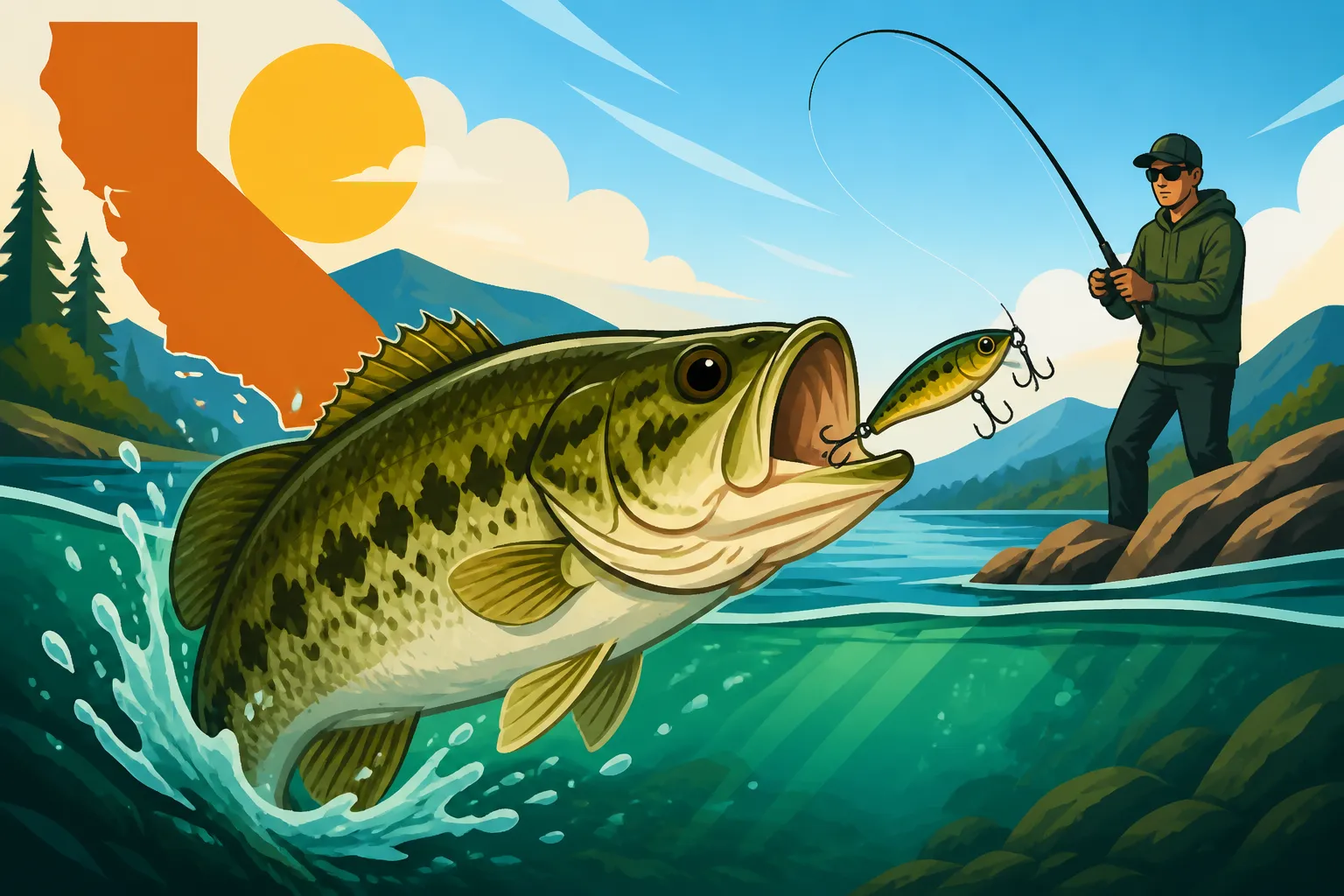
Spotted bass, or "spots" as many anglers affectionately call them, are a tenacious and hard-fighting game fish found in many of California's freshwater lakes and reservoirs. They often coexist with largemouth and smallmouth bass, but they have distinct characteristics and behaviors that make targeting them a unique and rewarding challenge.
Identifying Spotted Bass
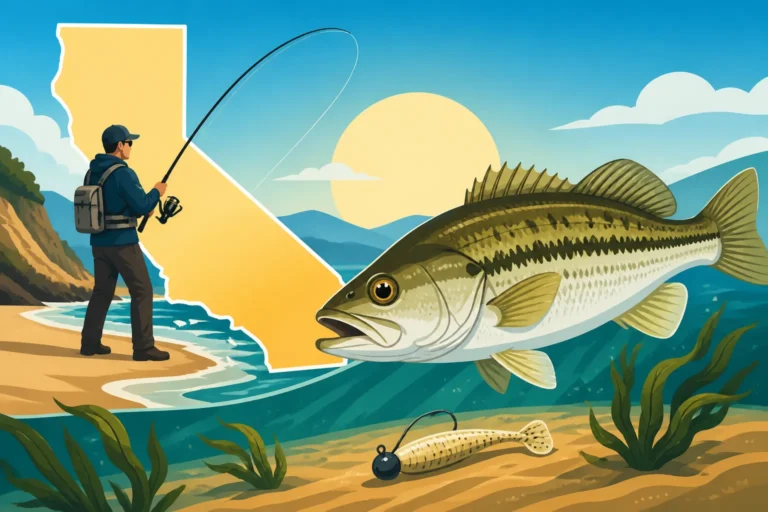
At a glance, a spotted bass can be easily mistaken for a largemouth bass, especially to an untrained eye. Both share that classic bass profile, but a few key features set the spotted bass apart. The most obvious, of course, are the rows of small, dark spots running in horizontal lines below the lateral line on their lower flanks – hence the name. Unlike a largemouth, whose jaw extends past its eye when closed, a spotted bass’s jaw typically doesn't extend beyond the center of its eye. They also have a rough patch of teeth on their tongue, which is a definitive identifier if you can safely check.
Their body shape is generally more streamlined than a largemouth, often described as more torpedo-like, especially when compared to the chunkier profile of a big largemouth. This sleekness contributes to their incredible fighting ability, allowing them to make powerful, sustained runs and deep dives. Knowing these distinctions is crucial, not just for bragging rights, but because their preferences for habitat and forage can differ slightly from their bass cousins, influencing your fishing strategy.
Spotted Bass Habitat and Behavior
Spotted bass thrive in clear to moderately clear water environments, often favoring the rocky, deeper sections of reservoirs, points, humps, and submerged timber. They're less tolerant of murky, weedy conditions that largemouth bass often prefer, and you'll typically find them deeper in the water column, especially during warmer months. This preference for depth and structure is a major clue for anglers looking to target them. They love areas with a steep drop-off, river channels, and creek beds within lakes.
Their behavior is also a bit different. While largemouth might ambush prey from thick cover, spotted bass are often more pelagic, schooling up and actively chasing baitfish in open water or along contours. They are aggressive feeders, often striking baits with a ferocity that belies their size. They feed on a variety of forage, including threadfin shad, hitch, crayfish, and smaller fish. Understanding these behavioral nuances – their schooling tendencies, their preference for deeper, rocky structure, and their aggressive pursuit of prey – is key to developing effective strategies for catching spotted bass in California.
Prime California Spotted Bass Fishing Spots
California is blessed with an abundance of fantastic fisheries, and many of them hold robust populations of spotted bass, offering thrilling opportunities for anglers willing to seek them out. While they might not get the same press as the trophy largemouth, spots often provide consistent action and strong fights.
Top Reservoirs for Spotted Bass
When it comes to prime spotted bass real estate, California's large, clear-water reservoirs are often the go-to destinations. These expansive bodies of water provide the deep, rocky habitats that spotted bass absolutely love.
- Lake Shasta: Nestled in Northern California, Lake Shasta is perhaps one of the most famous spotted bass fisheries in the state, if not the entire country. The lake's deep, clear water, countless submerged trees, and rocky points create an ideal environment for trophy-sized spots. Anglers here regularly pull out fish weighing over 5 pounds, and it's not uncommon for limits to be filled with impressive catches. The sheer size of Shasta means there's always new water to explore, and the fish are spread out but can be found schooling around main lake points, bluff walls, and the numerous creek arms. For more detailed information on this fantastic fishery, check out our Lake Shasta Fishing Guide.
- New Melones Lake: Located in the Sierra Nevada foothills, New Melones is another gem for spotted bass enthusiasts. Its deep, clear water, rocky shorelines, and extensive submerged structure make it a perfect habitat. Anglers often find success targeting points, ledges, and creek channels with various techniques. The fish here are known for their strong pulls and can reach impressive sizes.
- Lake Oroville: This massive reservoir is another Northern California standout, offering incredible spotted bass fishing. With its clear water, abundant submerged timber, and steep rocky banks, Lake Oroville provides everything a spotted bass needs to thrive. The fish here are aggressive and can be found throughout the lake, from the main body to the many feeder creeks.
- Don Pedro Reservoir: A lesser-known but equally productive lake for spotted bass, Don Pedro offers similar characteristics to its sister reservoirs: deep, clear water and plenty of rock and timber. It’s a great option if you’re looking for a slightly less crowded experience with excellent fishing.
These reservoirs often host numerous fishing tournaments, and spotted bass are frequently the target species, showcasing their popularity among competitive anglers. Remember, specific regulations can vary by body of water, so always consult the latest California Freshwater Fishing Regulations before heading out.
Lesser-Known but Productive Spotted Bass Lakes
While the big names often get the spotlight, several other California lakes offer fantastic, often less-pressured, spotted bass opportunities.
- Lake Perris: Down in Southern California, Lake Perris might be smaller than its northern counterparts, but it boasts a healthy population of spotted bass, often mixed with largemouth. Its clear water and rocky structure provide ideal conditions. You'll find spots around the rock jetties, points, and along the dam face.
- Castaic Lake: Another Southern California favorite, Castaic Lake is renowned for its trophy largemouth, but it also has a strong spotted bass presence, particularly in the clearer water sections and deeper areas. Anglers targeting deeper structure often find themselves hooking into solid spots. If you're planning a trip to this area, our Castaic Lake Fishing Guide offers more insights.
- Lake Nacimiento: Known as "Lake Naci" by locals, this Central Coast reservoir offers excellent spotted bass fishing. Its numerous coves, points, and clear water make it a prime location. The spotted bass here are aggressive and often school up, providing fast action.
- Whiskeytown Lake: Near Redding, Whiskeytown Lake is a beautiful lake that consistently produces good numbers of spotted bass. The lake's clear water and rocky terrain, along with its abundance of baitfish, create a perfect environment for these powerful fighters.
These lakes, while perhaps not as widely publicized for spotted bass as Shasta, can offer incredibly rewarding experiences. They often present less boat traffic and a chance to truly hone your spotted bass techniques without constant competition. Always check local conditions and California Fishing Reports Cards Explained before you go to ensure you have the most up-to-date information for your chosen destination.
| Lake/Reservoir | Region | Primary Habitat Type | Key Features for Spots | Known for |
|---|---|---|---|---|
| Lake Shasta | Northern CA | Deep, clear water | Submerged timber, rock points, bluff walls | Trophy spotted bass, consistent action |
| New Melones Lake | Central CA | Deep, clear water | Rocky shorelines, ledges, creek channels | Strong fighters, good numbers |
| Lake Oroville | Northern CA | Deep, clear water | Submerged timber, steep rocky banks, feeder creeks | Aggressive fish, widespread |
| Don Pedro Res. | Central CA | Deep, clear water | Rock and timber, main lake points | Quality fish, less pressure |
| Lake Perris | Southern CA | Clear water | Rock jetties, points, dam face | Good numbers, accessible |
| Castaic Lake | Southern CA | Deep, clear water | Deeper sections, open water, points | Mixed bag, strong spots |
| Lake Nacimiento | Central Coast | Clear water | Numerous coves, points, rocky structure | Aggressive schooling fish |
| Whiskeytown Lake | Northern CA | Clear water | Rocky terrain, abundant baitfish | Consistent catches, beautiful scenery |
Essential Gear for Spotted Bass
Just like any specialized fishing, having the right gear for spotted bass can significantly increase your success. While many general bass setups will work, optimizing your tackle for the specific fight and habitat preferences of spotted bass can make all the difference.
Rods, Reels, and Line Selection
Spotted bass, despite often being smaller than their largemouth cousins, are incredibly strong for their size, capable of pulling hard and diving deep. This requires a balanced setup that can handle their fighting prowess while allowing for precise lure presentation.
- Rods: A medium-heavy action rod, typically between 6'6" and 7'2" in length, is a fantastic all-around choice. This provides enough backbone for strong hooksets and to wrestle fish away from structure, yet still offers enough sensitivity to detect subtle bites. If you're throwing lighter finesse baits, a medium-light or medium action spinning rod might be preferable. For heavier reaction baits, you might lean towards the heavier end of the medium-heavy spectrum or even a heavy action rod, especially if fishing deep timber. Brands like St. Croix, Shimano, and Daiwa offer excellent options that are widely available on platforms like Amazon.
- Reels: For most spotted bass applications, a baitcasting reel with a gear ratio in the 7.1:1 to 8.1:1 range is ideal. This allows for quick line pickup, crucial for catching up to a charging fish or retrieving line after a long cast. Pair this with a reel that has a smooth, strong drag system – it's going to get a workout! For finesse techniques, a high-quality spinning reel in the 2500-3000 size range will offer excellent line management and sensitivity.
- Line: Line choice is paramount for spotted bass, largely due to their preferred clear, deep water habitats.
- Fluorocarbon: This is often the gold standard for main line or leaders when targeting spotted bass. Its low visibility in water is a huge advantage, and its low stretch provides excellent sensitivity for feeling those deep bites and strong hooksets. A 10-15 lb test fluorocarbon main line on a baitcaster or an 8-12 lb fluorocarbon leader on a spinning setup is common.
- Braided Line: While highly visible, braid offers incredible strength and zero stretch, making it excellent for feeling bites and pulling fish from heavy cover. It's often used as a main line (20-30 lb test) with a fluorocarbon leader for stealth. This combination gives you the best of both worlds.
- Monofilament: While less popular for spotted bass due to its visibility and stretch, monofilament (10-14 lb test) can be useful for topwater baits or crankbaits where its buoyancy and stretch can be an asset.
When choosing line, consider the water clarity of your specific fishing spot. In super clear lakes, you might need to drop down in line size or use a longer fluorocarbon leader.
Lures and Baits for Spotted Bass
Spotted bass are aggressive and opportunistic feeders, making them susceptible to a wide array of lures and live baits. The key is often matching the hatch – presenting something that mimics their natural forage.
- Jigs: From football jigs to spider jigs, these are absolute killers for spotted bass, especially when fished around rocky bottoms, ledges, and submerged timber. A 1/2 oz to 3/4 oz football jig in shades of green pumpkin, brown, or black and blue, tipped with a matching soft plastic trailer, is a proven producer. The slow, bottom-hugging presentation is irresistible to spots lurking in the depths.
- Drop-Shot Rigs: When the bite gets tough, or fish are holding extremely deep, a drop-shot rig is your secret weapon. This finesse technique allows you to present a small worm or creature bait off the bottom, directly in the fish's face. Small straight-tail worms (4-6 inches) in natural colors are highly effective. This method is exceptionally good for probing steep breaks and deep points.
- Swimbaits: Spotted bass love to chase baitfish, and realistic swimbaits are incredibly effective at imitating them. Small paddle-tail swimbaits (3-5 inches) rigged on a leadhead jig or a weighted swimbait hook can be slow-rolled or burned through the water column. Brands like Keitech or Warbaits offer popular swimbaits that often produce big spots. You can find a vast selection of these on Amazon.
- Crankbaits and Jerkbaits: For fish actively feeding in the mid-water column or shallow, crankbaits and jerkbaits can trigger aggressive reaction strikes. Deep-diving crankbaits are excellent for reaching fish on ledges or humps, while shallower divers work well on points. Jerkbaits, especially those with a suspending action, can be deadly when twitched and paused, mimicking a wounded baitfish.
- Topwater Lures: During low light conditions or when fish are schooling on bait near the surface, topwater lures like poppers, walking baits, or buzzbaits can provide explosive action. The excitement of a spotted bass blowing up on a topwater lure is unparalleled.
- Live Bait: If regulations allow, live bait such as minnows, shad, or even crayfish can be incredibly effective, especially for larger, more finicky fish. Rigged on a simple Carolina rig or under a slip bobber, live bait offers a natural presentation that spotted bass rarely refuse.
Choosing the right lure often depends on the season, water temperature, depth, and the specific forage in the lake. Always observe the conditions and be prepared to experiment with different presentations and colors. Remember to check California Bass Fishing Regulations for any bait or tackle restrictions in your chosen fishing spot.
Top Techniques for Catching Spotted Bass
Spotted bass are known for their aggressive nature and their tendency to school up, making them a fantastic target for a variety of fishing techniques. Adapting your approach to their preferences for structure and forage is key to consistent success.
Finesse Techniques for Deep Water
Spotted bass, especially the larger ones, often hold in deeper water, particularly during the brighter, warmer parts of the day. This is where finesse techniques truly shine, allowing you to present baits effectively to less-aggressive fish.
- Drop-Shotting: This is arguably the most effective deep-water technique for spotted bass. The beauty of the drop-shot is that it keeps your bait suspended off the bottom, directly in the strike zone, while your weight maintains contact with the substrate. Use light line (6-10 lb fluorocarbon leader), a small, sharp hook (size 1 or 2), and a slender, straight-tail worm (like a Roboworm or Yamamoto Senko) in natural colors. Fish it by casting to deep points, humps, or submerged timber, letting the weight hit bottom, and then gently shaking your rod tip to impart action to the bait. The key is slow, deliberate movements. Many anglers prefer a medium-light spinning rod for maximum sensitivity and control with this technique.
- Shaky Heads: Another excellent finesse option, a shaky head jig involves a jig head with a weighted hook and a soft plastic worm or creature bait threaded onto it. The flat or stand-up head design allows the bait to stand vertically off the bottom, mimicking a feeding or injured baitfish. Cast it to deep structure, let it sink, and then slowly drag and subtly shake it along the bottom. The subtle action often triggers bites from lethargic or pressured fish. Green pumpkin, brown, and watermelon red are go-to colors.
- Carolina Rig: While not strictly a finesse technique in the same vein as drop-shotting, a Carolina rig can be fished slowly and effectively in deep water. It consists of a heavy weight (1/2 to 1 oz), a swivel, a bead, and a long leader (2-4 feet) with a soft plastic lizard, worm, or creature bait. The weight acts as a "searcher," bouncing along the bottom and creating noise, while the bait trails behind naturally. This is fantastic for covering large areas of deep flats or long points, allowing the bait to rise and fall over varied terrain.
These techniques require patience and a keen sense of feel, but they are incredibly rewarding when you dial them in, often producing some of the biggest spotted bass. Knowing how to effectively deploy these methods is a crucial part of developing your California Bass Fishing Techniques.
Aggressive Tactics for Reaction Bites
Spotted bass are known for their aggressive strikes, especially when actively feeding or when competition is high within a school. This opens the door for more aggressive, reaction-strike-inducing tactics.
- Swimbait Fishing: As mentioned, spotted bass love to chase. Paddle-tail swimbaits rigged on jig heads (1/4 to 3/4 oz) or weighted swimbait hooks are incredibly effective. Fish them by casting parallel to points, bluff walls, or over submerged humps, and retrieve with a steady retrieve, varying the speed until you find what the fish prefer. The flash and vibration of the swimbait often elicit violent strikes. Experiment with retrieves: slow-rolling along the bottom, burning them back, or even yo-yoing them in the water column.
- Crankbaiting: Deep-diving crankbaits are phenomenal for covering water and targeting spotted bass holding on rocky ledges, creek channels, and submerged roadbeds. Choose crankbaits that reach the desired depth and "dig" into the bottom, creating deflections that often trigger strikes. Medium-to-fast retrieve speeds work well, interspersed with pauses. Lipless crankbaits can also be effective, especially when ripped through grass or yo-yoed over open water.
- Jigging Spoons and Underspins: When spotted bass are schooling on baitfish, especially in deeper water, metal jigging spoons can be deadly. Drop them to the desired depth, then quickly rip them up a few feet and let them flutter back down. The erratic action perfectly mimics a dying baitfish. Underspins, which are jig heads with a small spinner blade attached, also mimic baitfish and offer both flash and vibration, making them great for suspended fish.
- Topwater Lures: Don't underestimate the power of topwater. During early mornings, late evenings, or on overcast days, spotted bass will often move shallower to feed. Poppers, walk-the-dog style baits, and buzzbaits can all trigger explosive strikes. Cast them near points, shallow humps, or any visible cover, and work them with a steady retrieve and occasional pauses. The thrill of a spotted bass smashing a topwater lure is something every angler should experience.
When employing aggressive tactics, pay close attention to your retrieve speed and cadence. Spotted bass can be particular, and a slight change in how you work your lure can make all the difference between a slow day and a banner one.
Seasonal Strategies for Spotted Bass
Just like any other fish, the behavior and location of spotted bass change with the seasons. Understanding these shifts is crucial for consistently putting fish in the boat, or catching them from shore when How to Bank Fish California Reservoirs is your chosen method.
Spring and Spawning Season
Spring is often hailed as one of the best times to target bass, and spotted bass are no exception. As water temperatures begin to rise, these fish move shallower, making them more accessible and aggressive.
- Pre-Spawn (Water Temps 50-60°F): As the water warms, spotted bass will start migrating from their deep wintering holes to staging areas near spawning flats, points, and coves. They are actively feeding to bulk up for the spawn, making them eager to strike. This is a prime time for reaction baits like deep-diving crankbaits, jerkbaits, and swimbaits to cover water and locate schools. Jigs and shaky heads worked slowly around rocky transitions and creek channels can also be incredibly effective. Look for areas where deep water is close to shallower, warmer spawning grounds.
- Spawn (Water Temps 60-68°F): Spotted bass typically spawn slightly deeper than largemouth bass, often around rocky banks, points, and hard bottom areas in 5-20 feet of water. While not always as visible as largemouth on beds, they are still present and guarding their nests. This period can be challenging, as their focus is less on feeding. However, flipping jigs, drop-shots, and weightless worms into potential bedding areas can provoke a territorial strike. Keep an eye on California Bass Spawn Timing and Tactics as these specific timings can vary slightly each year based on weather and water conditions.
- Post-Spawn (Water Temps 68°F+): After the rigors of spawning, spotted bass can be lethargic for a short period before resuming their aggressive feeding. They often retreat slightly deeper from the immediate spawning areas but will still be found nearby. Topwater lures can be effective during low-light conditions as they recover. As they regain energy, they'll become more receptive to swimbaits, jerkbaits, and slower-moving jigs around offshore structure.
During spring, focusing on rocky transitions, points leading into coves, and areas where deep water meets shallower spawning flats will be your most productive strategy.
Summer and Fall Patterns
As the California summer heats up, spotted bass typically move to deeper, cooler waters, often suspending or holding tight to structure. Fall sees them transition back to more aggressive feeding as they prepare for winter.
- Summer (Water Temps 70-85°F): Summer fishing for spotted bass often means going deep. They'll congregate around main lake points, submerged humps, creek channels, and the deepest parts of their preferred rocky structure. This is the prime time for finesse techniques like drop-shotting, shaky heads, and Carolina rigs. Look for bait balls on your fish finder, as spotted bass will often be nearby, actively chasing. Deep-diving crankbaits and heavy football jigs can also entice bites when worked along deep contours. Early mornings and late evenings might see them move shallower for a brief feeding window, making topwater or shallow crankbaits viable options.
- Fall (Water Temps 60-70°F): Fall is a fantastic time for spotted bass fishing as the water cools, and they go on a feeding frenzy to fatten up for winter. They'll often push baitfish to the surface or against bluff walls, making them highly susceptible to reaction baits. Crankbaits, jerkbaits, and swimbaits are incredibly effective as fish chase schools of shad. Look for active feeding birds or surface boils to pinpoint schooling fish. Jigs and shaky heads remain reliable choices for fish holding tighter to structure. The key is to follow the bait and target areas where baitfish are concentrated, often in the backs of creeks or on main lake points. For specific seasonal tactics, our guide on Best Season for Bass in California can provide further insights.
By understanding these seasonal movements and adapting your techniques and lure choices accordingly, you can consistently catch spotted bass throughout the year in California's diverse fisheries.
Tips for Success and Conservation
Catching spotted bass is a fantastic experience, but a responsible angler also prioritizes the health of the fishery and ensures future generations can enjoy the same thrill. Here are some extra tips to help you maximize your success and contribute to conservation.
Reading the Water and Utilizing Electronics
The difference between a good day and a great day often comes down to effectively reading the water and leveraging modern technology. Spotted bass, with their preference for specific structures and deeper water, make this particularly important.
- Understanding Structure: Spotted bass are creatures of structure. Learn to identify main lake points, submerged humps, rock piles, ledges, creek channels, and standing timber. Pay attention to how the contour of the bank continues underwater. Steeper banks often indicate deeper water close to shore, a prime spotted bass haunt. Utilize nautical charts or mapping features on your fish finder to pinpoint these underwater features before you even cast.
- Using Your Fish Finder: A good fish finder is an invaluable tool for spotted bass fishing. Use your sonar to locate schools of baitfish, which are often a clear indicator of predator presence. Look for "arches" or "lines" on your screen that signify fish, and note their depth. Side imaging and down imaging can help you identify subtle structure, brush piles, or rock formations that hold fish. Don't just motor around; idle over promising areas, mark waypoints, and then return to fish them thoroughly. Many modern fish finders, like those from Humminbird or Lowrance, are incredibly user-friendly and can significantly improve your fishing efficiency. You can often find great deals on these units, and accessories on Amazon.
- Water Clarity and Color: Spotted bass prefer clearer water. In exceptionally clear conditions, you might need to use lighter line, smaller baits, and make longer casts to avoid spooking fish. If the water has some stain, more vibrant colors or baits with more vibration might be more effective. Pay attention to the weather; post-front conditions often mean high pressure and clear skies, making fish more lethargic and pushing them deeper.
Developing your intuition for where fish might be, combined with the precision offered by modern electronics, will dramatically improve your strike rate. It's a skill that develops over time, but actively trying to "read" the water and interpret your electronics will accelerate your learning.
Responsible Angling and Conservation
While spotted bass are generally abundant in California, practicing responsible angling ensures the health and vitality of these fisheries for years to come. Every angler plays a role in conservation.
- Handle Fish with Care: If you plan to release a fish, handle it minimally and gently. Wet your hands before touching the fish to protect its slime coat, which is crucial for disease resistance. Use a net to land larger fish to reduce stress. When unhooking, consider using needle-nose pliers or a dehooker to minimize damage, especially if the hook is deep. Release the fish quickly, ensuring it swims away strongly. For deeply hooked fish, it’s often best to cut the line rather than try to extract the hook, as this can cause more trauma.
- Adhere to Regulations: Always, always know and follow the current California Fishing Regulations Explained for the specific body of water you're fishing. This includes bag limits, size limits, and any special bait restrictions. Regulations are put in place by the California Department of Fish and Wildlife (CDFW) to manage fish populations sustainably. Ignorance of the law is no excuse, and violations can lead to hefty fines and loss of fishing privileges.
- Pack It In, Pack It Out: Leave no trace. Always take all your trash, discarded line, and old baits with you. Monofilament and braided line can be deadly to wildlife if left in the environment. Many tackle shops and boat ramps have recycling bins specifically for fishing line.
- Report Violations: If you witness any poaching or egregious violations, report them to the CDFW. Protecting our natural resources is a collective effort.
By being a conscientious angler, you're not just ensuring your own future fishing enjoyment, but you're also contributing to the broader health of California's incredible aquatic ecosystems. Enjoy the fight, savor the catch, but always prioritize conservation.
Disclaimer
Fishing regulations, seasons, and fish populations can change. Always consult the latest California Department of Fish and Wildlife (CDFW) regulations and local advisories before planning your trip. This guide is for informational purposes only and does not constitute official legal advice.