Crappie in California: Where and How to Catch
Crappie fishing in California can sometimes feel like a wild goose chase; you hear whispers of incredible hauls, but actually finding those elusive schools can be a real head-scratcher. Many anglers get frustrated trying to pinpoint where these panfish hide, especially when conditions change. This comprehensive guide will walk you through exactly where and how to track down and successfully catch crappie across the Golden State, turning those whispers into a full stringer.
Understanding Crappie in California Waters
Before you even think about casting a line, it's really helpful to understand the fish you're after. Crappie aren't just "fish" – they have distinct habits and characteristics that, once you learn them, can drastically improve your success rate. California is home to both black and white crappie, and knowing the difference and what each prefers is your first step to becoming a crappie master.
Distinguishing Black Crappie vs. White Crappie
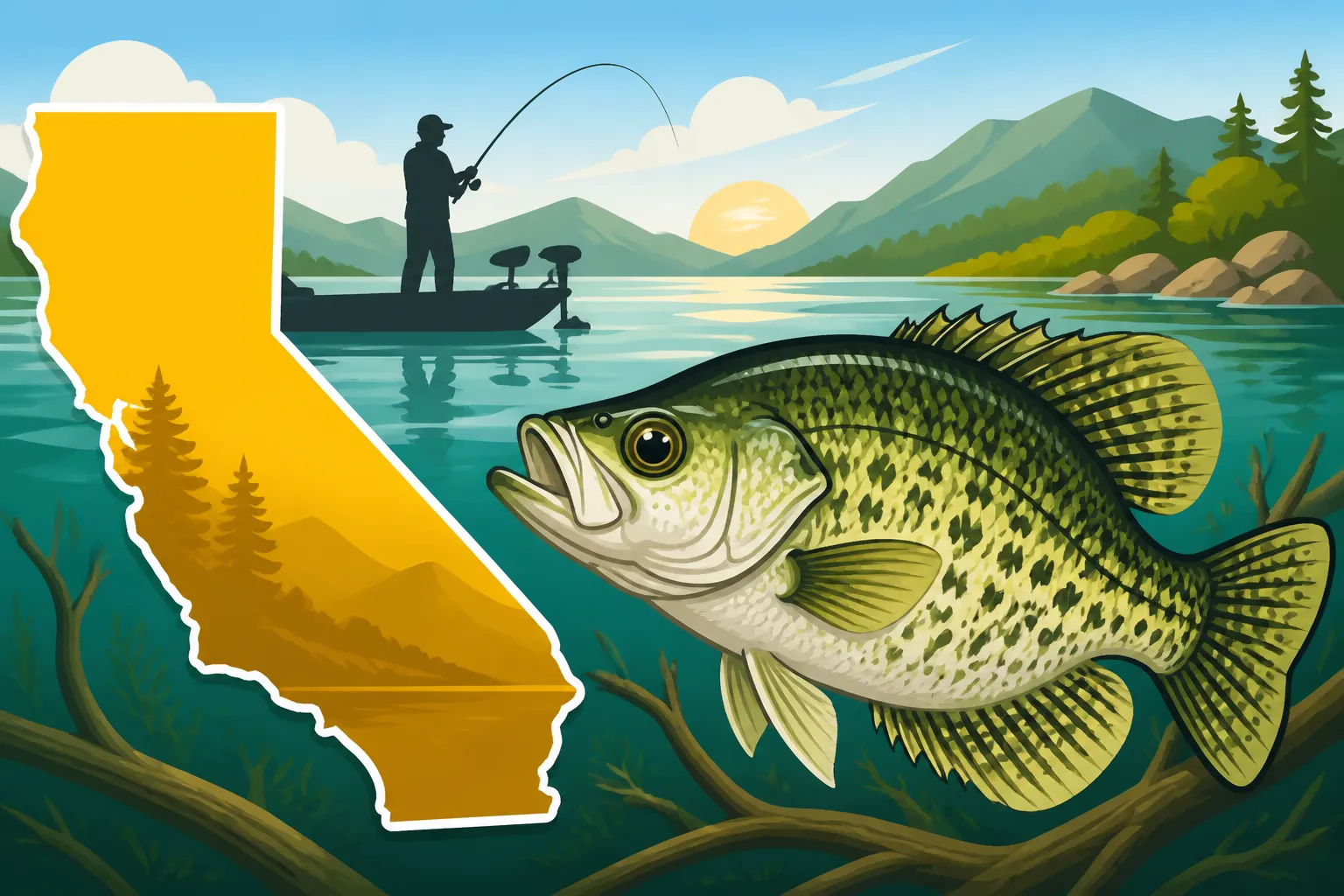
When we talk about crappie, we're generally referring to two distinct species: black crappie (Pomoxis nigromaculatus) and white crappie (Pomoxis annularis). While they both offer fantastic table fare and a fun fight on light tackle, they do have some subtle differences that can influence where you find them and how you target them. Black crappie typically have a darker, more mottled appearance with irregular dark spots scattered over their silver-gold bodies. A key identifying feature is that they usually have 7 or 8 dorsal fin spines. They tend to prefer clearer, cooler water with more vegetation and structure, making them common inhabitants of many of California's pristine reservoirs and clearer natural lakes.
White crappie, on the other hand, are generally paler, often with distinct vertical bars or stripes along their sides, though these can fade depending on water conditions. They usually have 5 or 6 dorsal fin spines. These fish are a bit more tolerant of murkier or warmer water conditions and are often found in larger rivers, shallower lakes, and more turbid environments like parts of the California Delta. Knowing which species is more prevalent in your chosen fishing spot can give you a slight edge in understanding their likely behavior and habitat preferences, helping you fine-tune your approach before you even wet a line. Both species are highly prized for their delicious, flaky white meat, making the effort to distinguish them well worth it.
Their Preferred Habitat and Behavior
Crappie are masters of structure. They absolutely love cover, whether it's submerged timber, brush piles, rock formations, docks, fallen trees, or even dense weed beds. This isn't just about hiding from predators; it's also where their primary food source, small baitfish like shad and minnows, and various invertebrates, congregates. They are schooling fish, so if you catch one crappie, there are almost certainly more nearby. This schooling behavior is a huge advantage once you locate a productive spot.
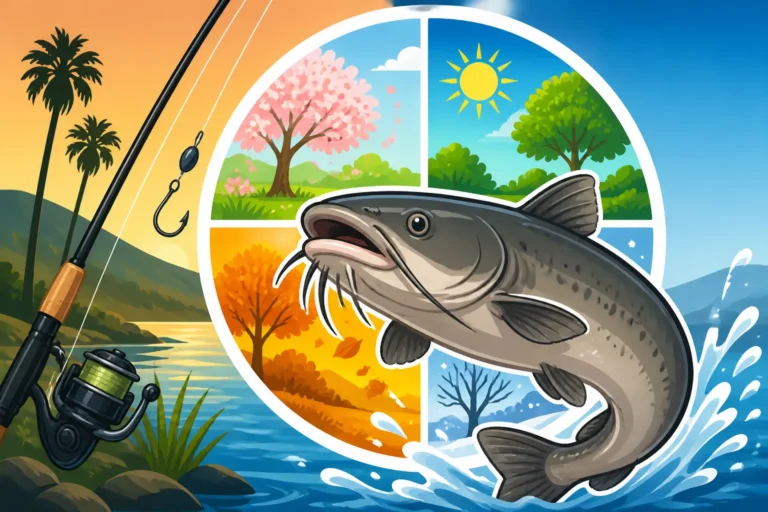
Their behavior changes throughout the year with the seasons, heavily influenced by water temperature and spawning cycles. In colder months, crappie often retreat to deeper waters, suspending over structure or congregating in deep channels or creek beds. As water temperatures rise in spring, they move shallower for their spawn, seeking out protected coves, flats, and brushy areas where they can lay their eggs. This is often when they are most accessible to bank anglers. During the heat of summer, they might move back to deeper, cooler water, but still relate to some form of structure, sometimes suspending in the water column over open water near submerged humps or brush piles. Understanding these seasonal shifts is crucial for figuring out where to start your search on any given day.
Why California Crappie Fishing is Unique
California's diverse aquatic environments offer a crappie fishing experience unlike many other states. From the vast, sprawling reservoirs of the Central Valley to the high-desert lakes of Southern California and the intricate sloughs of the Delta, crappie thrive in a variety of settings. This means that techniques and approaches can vary dramatically depending on your location. What works on a clear Sierra foothill lake might not be as effective in the murky waters of the Delta.
The sheer size and depth of many of California's reservoirs also mean crappie can spread out considerably, making that initial search a bit more challenging. However, once you dial in a pattern, the rewards can be phenomenal. The state's generally mild climate also means a longer crappie fishing season compared to areas with harsh winters, allowing anglers more opportunities to target these fantastic panfish throughout the year. Always remember to check the current California Fishing Regulations Explained for bag and size limits, as these can vary by water body and time of year, ensuring you're fishing responsibly and sustainably.
Top Spots for Crappie Fishing in California
California is truly a crappie angler's paradise, but knowing where to go is half the battle. While crappie can be found in many waters across the state, some locations consistently produce larger numbers and bigger fish. We're talking about places where crappie aren't just present, but they thrive, offering fantastic opportunities for anglers willing to put in the time.
Prime Lakes and Reservoirs
When it comes to consistent crappie action, a few key lakes and reservoirs stand out across California. One of the undisputed champions is Clear Lake, located in Lake County. While it's famous for its bass, Clear Lake also holds an incredible population of both black and white crappie. Its abundant submerged brush, tules, and docks provide ideal habitat, and during the spring spawn, crappie can be found in massive schools in relatively shallow water. You'll often find anglers jigging minnows or small crappie jigs around the docks and structure in places like Library Park in Lakeport or near the numerous resorts. The sheer volume of fish available here makes it a bucket-list destination for any serious crappie enthusiast.
Further south, Lake Isabella in Kern County is another fantastic crappie fishery, particularly for white crappie. The lake's fluctuating water levels can make fishing a bit dynamic, but when conditions are right, it can be absolutely phenomenal. Anglers often find success targeting crappie around the submerged trees and brush piles, especially in the larger coves and along the main river channels feeding the lake. Another gem is Lake Berryessa in Napa County, which consistently produces good numbers of black crappie. Its clear waters and numerous coves and steep banks offer a variety of structure where crappie can hold. Anglers often look for them suspended around rock walls or brush, particularly during cooler months. These lakes, among others like Don Pedro Reservoir or New Melones Lake, prove that California offers some of the Best Lakes to Fish in California for crappie and many other species.
Hidden Gems and Regional Hotspots
Beyond the well-known crappie factories, California has a treasure trove of smaller, often overlooked waters that can provide incredible crappie fishing opportunities if you know where to look. These "hidden gems" are often smaller community lakes, irrigation canals, or less-pressured arms of larger reservoirs. For instance, many of the smaller municipal reservoirs around major cities like Sacramento or Fresno are regularly stocked and managed, often containing healthy populations of crappie that might not get the same fishing pressure as the larger lakes. Exploring local parks with ponds or smaller reservoirs can sometimes yield unexpected results, particularly for bank anglers looking for a quick outing.
The California Delta, while primarily known for striped bass and black bass, also hosts a significant population of white crappie, especially in the more secluded sloughs and backwater channels. Targeting crappie here often involves fishing around docks, tule beds, and submerged timber in slower-moving water away from the main currents. The trick with these regional hotspots is often research and local knowledge; talking to bait shop owners, reading local fishing forums, or even just exploring with a depth finder can uncover incredible crappie honey holes that others overlook. Don't be afraid to venture off the beaten path; sometimes the best fishing is found where fewer boats are launched.
Seasonal Movements and Best Times
Understanding the seasonal movements of crappie is paramount to consistent success. In California, the spring spawn is undoubtedly the most popular and often the most productive time to target crappie. Typically, from March through May, as water temperatures climb into the 55-65°F range, crappie move into shallow water (2-10 feet deep) to reproduce. During this period, they are highly aggressive and concentrated, making them relatively easy to locate and catch, especially around brush, docks, and rocky banks. This is prime time for bank anglers and those fishing from small boats or kayaks.
As summer progresses and waters warm further, crappie tend to retreat to deeper, cooler water, often suspending over structure or schooling in the main lake basins. They'll still feed actively, but you'll need to adjust your techniques to target them at these greater depths, often using electronics to find suspended schools. Fall can offer another surge of activity as water temperatures cool and crappie become more aggressive, feeding heavily in preparation for winter. They often move back shallower during this time, mirroring some of their spring patterns. Even in winter, crappie can be caught, though they'll be slower and typically in deep water, often schooled tightly. This requires patience and a precise, vertical presentation. For a broader understanding of how the seasons affect fishing, you might want to consult a California Fishing Seasons: Month-by-Month Guide.
| Season | Water Temperature Range | Typical Depth | Key Behaviors | Best Techniques |
|---|---|---|---|---|
| Spring (Spawn) | 55-65°F | 2-10 feet | Moving shallow to spawn, highly concentrated, aggressive. | Jigging, slip bobbers, minnows. |
| Summer | 70-80°F+ | 10-30+ feet | Retreating to deeper, cooler water; suspending over structure. | Trolling, deep jigging, spider rigging. |
| Fall | 60-70°F | 5-20 feet | Actively feeding, moving between shallow and mid-depths. | Jigging, casting small cranks, minnows. |
| Winter | Below 55°F | 15-40+ feet | Slow-moving, tightly schooled in deep pockets or channels. | Vertical jigging, slow-trolling, dead-sticking minnows. |
Effective Techniques for Catching California Crappie
Once you've found a likely crappie hotspot, the next challenge is to present your bait or lure in a way that entices these often finicky fish. Crappie have delicate mouths, so light tackle and a gentle touch are usually key. There's a range of techniques that have proven effective for California crappie, each suited to different conditions and angler preferences.
Jigging and Bobber Fishing
These two techniques are probably the most classic and widely successful methods for catching crappie, especially when they are schooled up or holding tight to structure. Jigging involves using a small, lead-head jig tipped with a soft plastic body, usually a tube jig, grub, or small minnow imitation. The key is to present the jig vertically or with a very slow retrieve, imparting subtle action that mimics a struggling baitfish. In California, anglers often "dip" or "dock shoot" jigs, casting them under docks or into brush piles where crappie hide. A sensitive ultralight rod is ideal for detecting the often subtle crappie bite. You can find a huge selection of crappie jigs and soft plastics on Amazon, making it easy to experiment with different colors and sizes.
Bobber fishing, particularly with a slip bobber, is incredibly effective when crappie are at a specific depth or holding tight to cover. A slip bobber allows you to easily adjust your bait depth by sliding a small bobber stop up or down your line, which is critical when crappie are suspending. You can use a live minnow, a small piece of nightcrawler, or even a tiny crappie jig suspended under the bobber. The visual indicator of the bobber disappearing or lying flat is often the only sign of a bite. This method is particularly effective during the spring spawn when crappie are in shallower water and can be targeted around specific pieces of cover like lily pads, submerged brush, or dock pilings. It's a fantastic technique for beginners and experienced anglers alike, allowing for precise depth control and a natural presentation.
Trolling and Spider Rigging
When crappie are scattered or suspended in open water, or when you're trying to cover a large area to locate schools, trolling can be incredibly effective. Trolling for crappie typically involves moving slowly (usually less than 1 mph) with multiple lines out, each rigged with a small jig, crankbait, or a minnow-rigged setup. The idea is to present your lures at different depths and distances behind the boat until you find where the fish are holding. Specialized crappie trolling rods, which are often long and flexible, are sometimes used to spread out lines, creating a wide "umbrella" of offerings.
Spider rigging is a more specialized form of trolling, or rather, slow-drifting, often favored by serious crappie tournament anglers. It involves setting up multiple (sometimes 6-10 or more) long rods from the front of the boat, spaced out like spider legs, each with a crappie rig (usually a jig or minnow rig). The boat moves extremely slowly, often with an electric trolling motor, allowing the angler to cover a wide swath of water while presenting baits at various depths and locations simultaneously. This technique is deadly for locating scattered crappie, particularly in large reservoirs like Lake Shasta or Lake Oroville, and is especially productive when crappie are holding near subtle changes in bottom contour or suspended over deep water. This methodical approach might seem intimidating at first, but it allows for incredible coverage and versatility.
Tips for Challenging Conditions
Crappie can be notoriously finicky, and sometimes conditions just aren't ideal. When the bite gets tough – maybe after a cold front, during high winds, or in highly pressured waters – you'll need to adjust your approach. The first rule is always to slow down. Crappie in challenging conditions will rarely chase a fast-moving bait. A dead-sticked minnow under a bobber or a jig presented with minimal movement can often be the ticket. Consider downsizing your bait and line. Going from a 1/16 oz jig to a 1/32 oz or even 1/64 oz, paired with 2-4 lb test fluorocarbon or monofilament line, can make a significant difference. Crappie's delicate mouths mean lighter line also reduces the chances of tearing the hook out during the fight.
Another crucial tip is to pay extra attention to your electronics. In tough conditions, crappie often hold extremely tight to structure or suspend at very precise depths. Your fish finder can reveal these subtle details, allowing you to present your bait exactly where the fish are. Don't be afraid to experiment with different colors. Sometimes a subtle change from chartreuse to white, or black to pink, can trigger a bite when nothing else will. Lastly, consider fishing during low-light conditions, like dawn or dusk, or even at night. Crappie often become more active and less wary during these times, especially in clearer waters, providing an opportunity for a successful outing when daytime fishing proves difficult. For more general tactics, you can also explore California Bass Fishing Techniques, as some lure presentations overlap.
Essential Gear and Bait for California Crappie
Having the right gear and bait can turn a frustrating day into a fantastic one when crappie fishing. Because crappie have soft mouths and often give very subtle bites, light tackle is generally the way to go. But beyond just "light," there are specific considerations that can give you a significant advantage.
Rods, Reels, and Line Choices
For crappie, an ultralight spinning rod is your best friend. Look for a rod between 5.5 and 7 feet in length, with a fast or moderate-fast action, which means the tip bends easily but the backbone is still strong enough to handle a decent fish. A sensitive tip is paramount for detecting those subtle "tap" bites. Brands like St. Croix, Ugly Stik, or Lew's offer excellent ultralight options that won't break the bank. You can often find great deals on Amazon for these types of rods. Pair your rod with a small spinning reel in the 500 to 1000 series size. These reels are lightweight, balance well with ultralight rods, and provide smooth drag, which is essential when fighting crappie on light line.
Speaking of line, choosing the right pound test and material is critical. Most crappie anglers opt for monofilament or fluorocarbon line in the 2 to 6 lb test range. Monofilament is a popular choice due to its stretch, which acts as a shock absorber and helps prevent hooks from tearing out of a crappie's mouth. Fluorocarbon offers lower stretch, higher abrasion resistance, and near invisibility underwater, making it a great option in clear water or when fishing around abrasive structure. Braided line can also be used, especially in heavier cover, but its lack of stretch requires a very soft rod tip to avoid pulling hooks. For those newer to fishing, starting with 4 lb test monofilament is a great all-around choice for California crappie.
Best Baits and Lures for Crappie
When it comes to bait and lures, crappie can be surprisingly picky one day and aggressive the next, so having a variety is key. Live minnows are, hands down, one of the most effective baits for crappie. A small golden shiner or fathead minnow hooked lightly through the back (above the lateral line) or through the lips allows it to swim naturally and entice nearby crappie. Suspend minnows under a bobber or fish them on a simple hook and split shot rig.
For artificial lures, small jigs are the bread and butter of crappie fishing. These typically range from 1/32 oz to 1/8 oz in weight, often tipped with a soft plastic body. Popular soft plastic styles include tube jigs (like Bobby Garland's Baby Shad or Johnson Crappie Buster Tube), grub-style plastics, and small paddle-tail swimbaits. Color can be crucial; popular choices include chartreuse, white, black, pink, and various combinations like "electric chicken" (chartreuse and pink). Keep a variety of colors and sizes in your tackle box. Additionally, small inline spinners (like Mepps or Rooster Tail) and tiny crankbaits (such as Rebel Wee-Crawfish or Bandit 100 series) can be surprisingly effective, especially when trolling or casting to aggressive, feeding crappie. Remember that the size of the lure should match the size of the baitfish crappie are feeding on in that particular body of water.
Terminal Tackle and Accessories
Beyond the rod, reel, and main line, a few essential pieces of terminal tackle and accessories will make your crappie fishing experience much smoother. First, a selection of small hooks is vital. Aberdeen hooks in sizes #4 to #8 are popular because their thin wire makes them less likely to damage live bait and they straighten out when snagged, often allowing you to retrieve your rig. Jig heads in various weights (1/32 oz, 1/16 oz, 1/8 oz) and hook sizes are also indispensable.
Slip bobbers and bobber stops are a must-have for precise depth control, especially when using live minnows. A few small split shot weights, varying from 1/32 oz to 1/8 oz, will help get your bait down quickly. You'll also want a small pair of pliers or forceps for hook removal, as crappie's mouths are delicate. A good fish gripper can also help handle fish without stressing them or getting slimed. Finally, don't forget a stringer or a livewell to keep your catch fresh. A small tackle box or bag specifically for your crappie gear, easily organized, can be found on Amazon, ensuring you're always ready to adapt to the conditions and keep those delicious crappie coming in.
California Crappie Fishing Regulations and Conservation
Understanding and adhering to fishing regulations is not just about avoiding fines; it's about protecting our fisheries for future generations. California has specific rules for crappie, and these can sometimes vary by water body, so always double-check before you head out. These regulations are designed to ensure sustainable populations and healthy ecosystems throughout the state.
General Crappie Regulations in California
For most waters in California, crappie fall under the general statewide regulations for panfish. Typically, this means a daily bag limit of 25 crappie, with no minimum size limit. However, this is a general guideline, and it is absolutely crucial to consult the official California Department of Fish and Wildlife (CDFW) regulations booklet or their website for the most up-to-date and specific rules for the particular body of water you plan to fish. You can find detailed information within the California Fishing Regulations Explained guide. Some specific lakes or reservoirs might have special regulations, such as reduced bag limits, size limits, or even seasonal closures to protect spawning fish or boost populations. Ignorance of the law is not an excuse, and a quick check can save you a hefty fine.
It's also important to remember that a valid California fishing license is required for anyone 16 years of age or older to fish in public waters. You can learn more about how to obtain one in the California Fishing License Guide. Make sure your license is current and always carried with you while fishing. Beyond crappie, these regulations also cover other species you might incidentally catch, such as bass. For instance, California Bass Fishing Regulations are often stricter with size and bag limits compared to crappie. Always be prepared to identify your catch and understand the rules for each species to ensure you're fishing legally and responsibly.
Conservation Best Practices for Crappie Anglers
As crappie anglers, we have a responsibility to help conserve these valuable fisheries. While crappie are generally prolific, good conservation practices ensure that populations remain healthy and abundant. One key practice is selective harvesting. While the bag limit might be 25 fish, consider if you truly need that many. Taking only what you'll eat and releasing the rest, especially larger breeding-size fish, helps maintain a strong population structure. This is particularly true for larger female crappie, which are vital for reproduction.
Another important aspect of conservation is proper catch-and-release techniques for any fish you intend to let go. Handle crappie gently, minimize their time out of the water, and use de-hooking tools if necessary to avoid excessive injury. If a fish is deeply hooked, it's often better to cut the line as close to the hook as possible rather than trying to rip the hook out. Avoid dragging fish on rough surfaces. By practicing responsible angling, we can all contribute to the health and longevity of California's crappie fishing opportunities. Always dispose of trash properly and never leave fishing line or other debris behind, keeping our beautiful California waterways clean for everyone.
Disclaimer
Fishing regulations and conditions in California can change frequently. Always consult the latest official California Department of Fish and Wildlife (CDFW) regulations before planning your fishing trip. This guide is for informational purposes only and should not be considered a substitute for official legal guidance.