California Bluefin Tuna: Best Months and Tactics
Chasing bluefin tuna in California can feel like hunting a ghost – they're powerful, elusive, and demand respect. Many anglers spend countless hours planning, investing in gear, and hitting the water, only to come up empty-handed, leaving them frustrated and wondering if they're missing a secret. This comprehensive guide will pull back the curtain on the best months to target these magnificent pelagics and equip you with proven tactics to increase your chances of success.
Understanding California Bluefin Tuna
The bluefin tuna fishery off California has exploded in popularity over the last decade, transforming from an occasional bycatch to a highly sought-after trophy. These fish are not only incredibly strong, offering a fight that can test even the most seasoned angler, but they also represent a true pinnacle of offshore sportfishing. Understanding what drives them and what makes them unique is the first step to connecting with one.
The Allure of Bluefin in Golden State Waters
There's something uniquely captivating about bluefin tuna, especially the Pacific bluefin that grace our California waters. Unlike some other fish, these aren't just big; they're built like torpedoes, designed for speed and power, capable of tearing line off a reel at an astonishing pace. The sheer adrenaline rush of hooking into a 100-pound "football" or even a monstrous 300-pound "cow" is what keeps anglers coming back, despite the effort and expense. It’s a true test of will and gear.
Their presence in California is a seasonal marvel, part of a vast migratory pattern that sees them travel thousands of miles across the Pacific. Historically, bluefin were caught further offshore or south of the border, but in recent years, they've become more accessible closer to our coastline, particularly off Southern California. This shift has fueled a local "bluefin craze," transforming the sportfishing scene and giving more anglers a shot at these incredible fish.
Identifying Bluefin Tuna
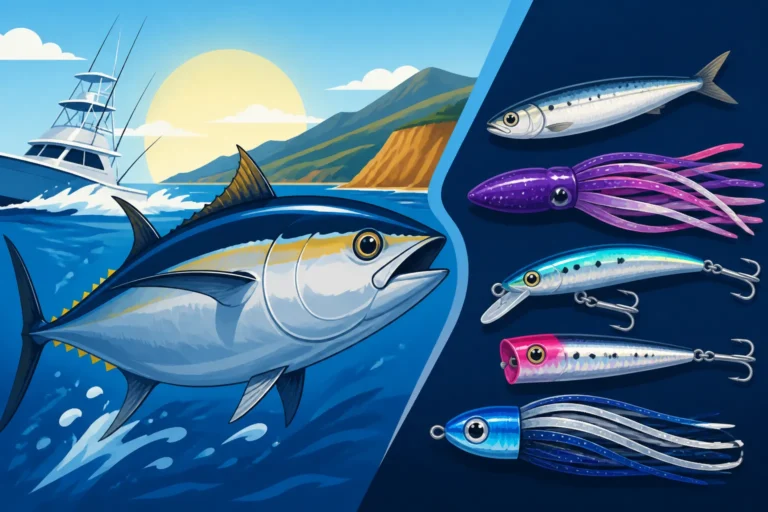
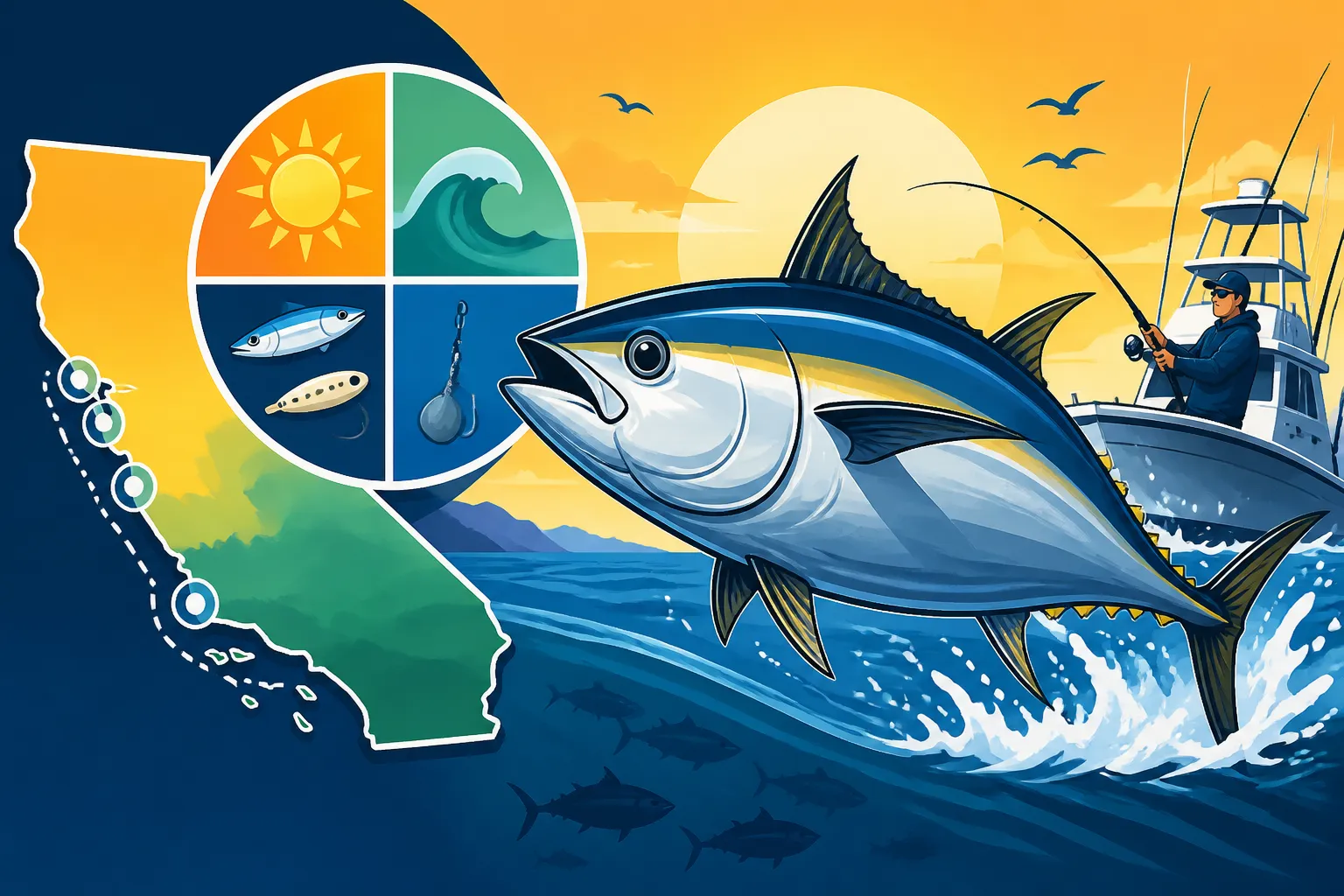
Proper identification is crucial, not just for bragging rights, but also for adhering to specific regulations that might differentiate them from other tuna species like yellowfin or albacore. Pacific bluefin tuna ( Thunnus orientalis) are generally stockier and possess a darker, almost metallic blue back that fades to a silvery-white belly. They have relatively short pectoral fins compared to a yellowfin, and their finlets (the small fins behind the dorsal and anal fins) are typically dark.
One key distinguishing feature is the absence of bright yellow finlets, which are characteristic of yellowfin tuna, or the very long pectoral fins found on albacore. While most anglers are focused on the fight, a quick glance at these physical traits ensures you're correctly identifying your catch. Their robust build and powerful, crescent-shaped caudal fin (tail) are clear indicators of the incredible power you're up against when one decides to eat your bait or lure.
Best Months and Seasons for Bluefin Tuna in California
Bluefin tuna are migratory, so pinpointing their presence in California waters depends heavily on water conditions, bait availability, and their natural cycles. While there's always an element of surprise, certain times of the year consistently offer better opportunities than others.
Peak Season Breakdown
The bluefin tuna season in California generally kicks into gear in the late spring and can run well into the fall, sometimes even touching the early winter months, depending on how warm the water stays. However, the true peak usually falls within a narrower window. For a broader overview, you can check out a general California Fishing Seasons: Month-by-Month Guide.
- Late Spring (May-June): This is when we often see the first signs of bluefin pushing into Southern California waters. These early season fish are frequently the smaller "footsball" size, ranging from 20 to 50 pounds. The bite can be inconsistent, but when they show up, it's a great opportunity for those eager to get an early start. Water temperatures are just beginning to warm up, and baitfish like anchovies and small sardines start to become abundant.
- Summer (July-August): This is arguably the prime time for bluefin tuna fishing in California. The water is consistently warm, bait is plentiful, and the schools tend to be larger and more numerous. You'll find a mix of sizes during these months, from the "footsball" to impressive fish in the 100-200 pound class. Trips departing from San Diego, Dana Point, and Long Beach are often hitting offshore banks and islands with good success. This is also when you'll find an abundance of bait, making live bait tactics particularly effective.
- Fall (September-October): For many experienced anglers, the fall months are considered the absolute best for landing trophy-sized bluefin. As the fish prepare for their longer migrations, they feed aggressively, bulking up on available forage. This often means bigger, stronger fish are more willing to bite. While the weather can become more unpredictable, a calm fall day can offer some of the most epic bluefin fishing of the year. The season can even extend into November and occasionally December if warm water pockets persist, offering a shot at late-season giants.
Factors Influencing Bluefin Movements
Bluefin tuna are slaves to their environment, constantly chasing optimal conditions and, more importantly, their next meal. Their movements are largely dictated by several key factors.
First and foremost is water temperature. Bluefin prefer a specific temperature range, typically between 60-70°F. They will follow warm water currents, especially those that create "temperature breaks" or "current lines" where different water masses meet. These breaks often concentrate baitfish, which in turn attracts the tuna. Sharp temperature changes detected on your boat's electronics or satellite imagery are prime areas to investigate.
Secondly, bait availability is paramount. Bluefin are voracious predators, and they will go wherever the food is. Common baitfish they target include anchovies, sardines, mackerel, and various species of squid. If there's a significant concentration of bait, you can bet the bluefin won't be far behind. Anglers and charter captains constantly monitor reports of bait schools, knowing that's where the action is likely to be found. The presence of dolphins and birds working an area is a strong indicator of bait, and often, bluefin below them.
Top Tactics and Techniques for California Bluefin Tuna
Hooking a bluefin requires more than just being in the right place at the right time; it demands the right approach. These are highly intelligent and powerful fish, and successful anglers employ a variety of tactics depending on the situation. If you're looking for more general knowledge, check out various California Offshore Fishing Techniques.
Live Bait Fishing
For many, live bait fishing is the most consistent and often most exciting way to target bluefin tuna. There’s nothing quite like watching a torpedo-shaped fish explode on a panicked sardine near the surface.
- Bait Selection and Presentation: Sardines are king for bluefin, but anchovies can also be effective for smaller fish, and larger mackerel for truly giant bluefin. You'll typically get your bait from a bait receiver or local bait barge before heading out. Once on the fishing grounds, the most common presentation is "fly-lining," which means using no weight or a minimal amount of split shot to allow the bait to swim naturally. Hook placement is crucial: either nose-hooking the bait or hooking it lightly just behind the dorsal fin allows it to swim freely and attractively. Using light fluorocarbon leaders, often 40-80 pound test for smaller fish and up to 100-150 pound for bigger ones, is essential for stealth.
- Chumming Strategies: Once you've located a school of bluefin, effective chumming can be the difference between a slow day and a wide-open bite. Tossing a handful of live bait into the water at regular intervals creates a feeding frenzy, drawing the tuna closer to your boat and making them more aggressive. The key is consistent, controlled chumming to keep the school interested without overfeeding them. Watch how the fish react; if they're boiling on the surface, you're doing it right.
- The Hookset and Fight: When a bluefin takes the bait, it's often a violent strike. Resist the urge to yank immediately; instead, let the fish eat, and then slowly engage the reel. With circle hooks, often required for these fish, the hook typically sets itself in the corner of the fish's mouth as it swims away. The ensuing fight can be brutal. These fish dive deep with incredible power, and it’s a grueling test of endurance. Remember to maintain steady pressure and work the fish slowly to the boat. You'll want sturdy gloves for handling the line when the fish gets close, which you can easily find on Amazon.
Jigging and Popping
When bluefin are actively feeding, especially busting on the surface or holding deeper in the water column, artificial lures like jigs and poppers can be incredibly effective and provide an exhilarating visual bite.
- Jigging Techniques: Jigging involves dropping a heavy metal lure (a jig) to a certain depth and then retrieving it with varying speeds and actions to mimic an injured baitfish. "Yo-yo" jigging uses heavy, compact jigs (e.g., Nomad Streaker, Shimano Butterfly) dropped deep and retrieved rapidly, often for fish holding at 100-300 feet. "Flat-fall" jigs are designed to flutter and wobble on the drop, mimicking a dying baitfish, and are retrieved more slowly. Jig weights and styles vary greatly, and having a selection is key. These highly specialized jigs are popular items you can browse and purchase on Amazon.
- Popping for Surface Feeders: When bluefin are crashing bait on the surface, often called "foaming," popping is a thrilling tactic. Poppers are large, buoyant lures designed to create a disturbance on the water's surface, attracting aggressive strikes. Casting a popper into a feeding school and working it with a "walk-the-dog" retrieve or sharp jerks can trigger spectacular explosions. This requires heavy spinning gear and often long casts, but the visual of a bluefin engulfing a topwater lure is unmatched.
Trolling for Bluefin
Trolling is an excellent method for covering large areas of water, especially when bluefin are scattered or hard to locate. It allows you to present multiple lures at different depths and speeds until you find what they're biting.
- Lure Selection and Spreads: Popular trolling lures for bluefin include cedar plugs, small skirted lures, daisy chains, and spreader bars. Spreader bars, like those from Sterling Tackle, mimic a school of baitfish with a larger "stinger" lure at the end. Color choice can be critical, with natural baitfish patterns (sardine, mackerel, anchovy) often performing well. A typical trolling spread involves deploying several lines at varying distances and depths from the boat using outriggers or downriggers.
- Effective Trolling Speeds and Patterns: Bluefin often respond to trolling speeds between 6 to 10 knots, but it's essential to experiment. Varying your speed and making S-turns or figure-eights can help your lures swim more erratically, mimicking injured bait and triggering strikes. Keep an eye on your fish finder for bait schools or marks, and if you get a bite, mark the spot and make another pass. Trolling is a great way to locate fish before switching to live bait or jigging once a school is found.
Essential Gear for Bluefin Tuna Fishing
Going toe-to-toe with a bluefin tuna means your gear needs to be up to the task. This isn't your average freshwater setup; we're talking about heavy-duty, high-performance equipment designed to withstand immense pressure.
Rods, Reels, and Line
The cornerstone of your bluefin setup is a balanced rod, reel, and line combination that can handle powerful runs and prolonged fights.
- Rods: For bluefin, you'll want stout conventional rods, typically rated for 80-200 pound line. Brands like Phenix, Calstar, and Seeker are popular among West Coast anglers for their durability and power. The specific action will depend on your preferred tactic: a shorter, stiffer rod for heavy jigging, and a slightly longer, more forgiving rod for live bait setups to absorb those powerful head shakes. Having at least two different setups can be beneficial.
- Reels: High-quality, lever-drag conventional reels are non-negotiable. Look for models from brands like Shimano (e.g., Talica, Stella), Penn (e.g., International, Fathom), or Daiwa (e.g., Saltiga, Sealine) that offer significant line capacity and a smooth, powerful drag system. You'll typically spool these with heavy braided line, ranging from 80 to 130 pounds, known for its strength and thin diameter. This heavy braid is then usually topped with a long (~10-50 feet) fluorocarbon leader. Finding the right setup can be daunting, but reputable brands offer excellent options. You can often compare prices and read reviews for these high-performance reels and rods on Amazon before visiting a local tackle shop.
- Line: As mentioned, braided mainline is the standard due to its incredible strength-to-diameter ratio and lack of stretch, which aids in feeling bites and setting hooks. For leaders, fluorocarbon is crucial for its invisibility underwater and abrasion resistance against the tuna's rough skin. Leader test varies from 40 lbs for very small "footsball" fish up to 150 lbs for the giants. You’ll want to have a good selection on hand.
Terminal Tackle and Accessories
The small components are just as vital as the big ones. A weak link in your terminal tackle can lead to heartbreak.
- Hooks: Circle hooks are paramount for live bait fishing, not just because they are effective, but because they are often legally required for tuna to promote healthy release practices. Sizes typically range from 4/0 to 8/0, depending on bait size and target fish. For jigs and poppers, you'll use specific treble or single hooks designed for artificial lures. Always opt for strong, corrosion-resistant hooks.
- Leaders: Besides fluorocarbon, you'll need heavy-duty barrel swivels to connect your main line to your leader. The breaking strength of these should match or exceed your mainline. Also, having a good pair of pliers or crimpers for making robust connections is essential, especially when dealing with heavier leader material.
- Accessories: Don't forget your personal protective gear. Heavy-duty fishing gloves, like those from AFTCO or Pelagic, are crucial for handling braided line during a fight and safely handling a fish boat-side. A reliable pair of line cutters or braid scissors is a must. If you're planning on keeping your catch, a sturdy gaff and a large, insulated fish bag or cooler are indispensable. These essential accessories are all readily available, and many anglers stock up on these items from online retailers such as Amazon. Don't forget sunscreen, a wide-brimmed hat, and polarized sunglasses! You can also consult our guide on What to Bring on a California Fishing Charter for a more comprehensive list.
Prime Bluefin Tuna Fishing Grounds in California
Bluefin tuna are pelagic, meaning they live in the open ocean, so their exact locations can shift daily. However, certain offshore structures and general regions consistently attract them due to favorable conditions and bait concentrations.
Offshore Banks and Islands
Some of California's most legendary bluefin spots are located far offshore, requiring dedicated long-range fishing trips. These aren't day trips; plan for overnight or multi-day excursions to maximize your chances. For those interested in these longer adventures, check out our guide to California Long-Range Fishing Trips.
- Cortez Bank: This submerged seamount, located about 100 miles off San Diego, is a world-famous bluefin hotspot. Its underwater topography creates upwellings and current breaks that concentrate baitfish, attracting large bluefin, often in the 200-pound-plus class. Fishing here often involves deep drops with heavy jigs or kite fishing live baits. It’s a serious trip for serious anglers.
- Tanner Bank: Neighboring Cortez Bank, Tanner is another prime offshore location that consistently produces big bluefin. Similar to Cortez, it's known for its deep-water structure and abundance of pelagic bait. Both banks are truly remote, demanding robust boats and experienced crews.
- Channel Islands: While closer to shore (off the coast of Santa Barbara and Ventura), the outer Channel Islands, particularly San Clemente Island and Santa Barbara Island, can hold significant numbers of bluefin, especially in warmer water years. These spots are more accessible for slightly shorter trips but still offer excellent opportunities for quality fish. They often see mixed species, so be prepared for yellowtail or other pelagics as well.
Southern California Hotspots
The Southern California coastline acts as the primary staging ground for most bluefin tuna expeditions, with several major ports serving as hubs for charter boats and private vessels.
- San Diego: Arguably the capital of bluefin fishing in California, San Diego offers unparalleled access to the offshore grounds. Reputable landings like H&M Landing, Fisherman's Landing, and Point Loma Sportfishing offer a wide range of trips, from 1.5-day to multi-day long-range adventures. These boats are specifically outfitted for bluefin, boasting large bait tanks and experienced crews. If you're considering a trip, exploring Best Fishing Charters in San Diego is a great starting point.
- Long Beach / Dana Point: Further north, ports like Long Beach and Dana Point also provide excellent access to offshore bluefin grounds, particularly the zone off Catalina Island and heading south towards San Clemente Island. Several sportfishing landings operate out of these areas, offering both private charters and "open party" trips where you book a spot on a larger boat. Remember, a valid California Fishing License Guide is a must for any fishing trip, and specific regulations, including those for California Marine Protected Areas Explained, must always be followed.
While these are prime areas, bluefin are nomads. It’s critical to consult local fishing reports, communicate with bait receivers, and listen to VHF radio chatter if you're on a private boat. The best spot today might be barren tomorrow, so flexibility and up-to-date intelligence are key.
| Month | General Location | Primary Tactics | Key Considerations |
|---|---|---|---|
| May-June | Offshore Banks, SD Coastline | Live Bait (Sardines/Anchovies), Light Jigging | Water warming, often smaller "footsball" fish, scouting trips, inconsistent |
| July-August | Cortez/Tanner Banks, Channel Is. | Live Bait (Sardines), Jigging, Popping | Peak season, highly active fish, larger schools, warmer water |
| Sept-October | Cortez/Tanner Banks, Mexico Border | Live Bait (Sardines/Mackerel), Jigging, Trolling | Trophy fish potential, aggressive feeding, cooler water, weather shifts |
| Nov-Dec | Deeper Offshore, Southern Zone | Live Bait, Heavy Jigging | Extended season if water stays warm, fewer boats, often big fish |
Disclaimer
Fishing involves inherent risks, and conditions can change rapidly. Always prioritize safety, check local weather forecasts, and adhere to all California Department of Fish and Wildlife regulations. The information provided here is for general guidance and educational purposes only. Fishing reports and conditions are dynamic and subject to change.