California Sand Bass Fishing Tips
Alright, let's talk about sand bass. If you've ever spent a day chasing these feisty fish along the California coast, you know they can be as frustrating as they are exhilarating. One day you're hooking up left and right, the next you feel like you're fishing in a bathtub. It's enough to make you scratch your head! But don't worry, you're not alone in wondering how to consistently put these hard-fighting beauties in the boat. This guide is all about cutting through the guesswork and giving you the real-world tips and tricks to successfully target California sand bass.
Understanding the Elusive California Sand Bass
Before we can even think about what lure to tie on, we need to get into the heads of these fish. California sand bass, often confused with their close cousins like the calico bass or spotted bay bass, have their own unique quirks and preferences that, once understood, can drastically improve your chances of a successful outing. They're a staple of Southern California's nearshore fisheries, offering thrilling battles for anglers of all skill levels.
What Makes a Sand Bass Tick: Biology and Habitat
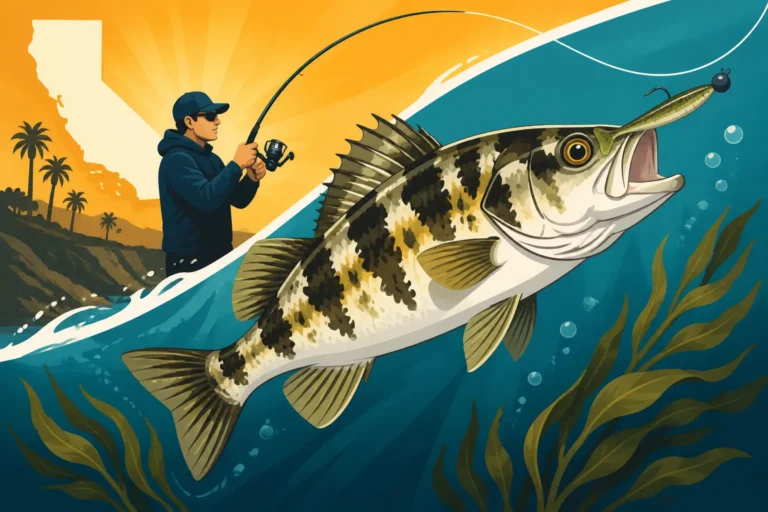
The California sand bass (Paralabrax nebulifer) is a fascinating creature, easily identifiable once you know what to look for. They typically have a mottled brown and green coloration, often with dark blotches, allowing them to blend perfectly with the sandy and rocky bottoms they call home. One key identifier is their elongated, rather pointed snout and a slightly larger mouth than, say, a calico. They also tend to have a more uniform, less patchy coloring than a calico. Sand bass are true bottom-dwellers, favoring sandy or muddy seabeds, especially those near structure. Think of them hanging out around rocky reefs, artificial wrecks, submerged pipelines, or the edges of kelp beds. These structures provide both shelter and ample ambush points for their prey.
Their preferred depth can vary quite a bit, from shallow bays and harbors at just 10-20 feet all the way out to deeper offshore areas of 100 feet or more. During the warmer months, especially from late spring through summer, you'll often find them congregating in shallower areas as they prepare for and engage in spawning. This is prime time to target them, as they become more concentrated and often more aggressive. Knowing their preferred hangouts is half the battle; if you're not fishing where the fish are, you're just casting for exercise!
Behavior and Feeding Habits: Decoding Their Menu
Sand bass are opportunistic predators with a voracious appetite. Their diet primarily consists of smaller baitfish like anchovies, sardines, and smelt, as well as squid, crabs, and various crustaceans that dwell on the seafloor. They aren't picky eaters, which is good news for us anglers, but understanding what they're most likely to be keying in on can make all the difference. They love to ambush prey, often hiding in the shadows of structure or partially burying themselves in the sand, waiting for an unsuspecting meal to swim by. This ambush predator behavior means they respond well to baits and lures that mimic injured prey or those presented directly in their strike zone.
One crucial aspect of their behavior is their schooling tendency, especially during spawning season. When you find one sand bass, there's a good chance you'll find more. This is why techniques that allow you to cover ground and locate these schools are so effective. They're also highly sensitive to current and water temperature, often moving to areas with stable conditions and a good flow of food. If the bite suddenly dies in one spot, don't be afraid to move a little, even just a hundred yards, to see if you can relocate the school.
Essential Gear and Tackle for Sand Bass Success
You wouldn't bring a butter knife to a steak dinner, right? The same goes for sand bass fishing. Having the right tools for the job isn't just about catching fish; it's about making the experience enjoyable and increasing your odds significantly. Too light, and you'll get broken off; too heavy, and you'll miss the subtle bites. It's all about balance.
Rods, Reels, and Line: The Foundation of Your Setup
For sand bass, you're generally looking for a medium to medium-heavy setup that offers both sensitivity and backbone. A good rod choice would be a 7-foot to 7-foot 6-inch graphite rod with a fast action. This allows you to feel those subtle taps and twitch your lures effectively, while still having the power to pull a decent-sized bass away from structure. Rods designed for bass fishing, particularly those for plastics or jigs, often cross over perfectly for sand bass.
When it comes to reels, a quality baitcasting reel (often called a conventional reel in saltwater) in the 2500-4000 size range, or a spinning reel in the 3000-5000 size, will serve you well. Look for reels with a smooth drag system and a retrieve ratio that allows for both slow presentations and quick retrieves. Brands like Penn, Shimano, and Daiwa offer excellent options that can withstand the corrosive saltwater environment.
Now, for fishing line, this is where personal preference and conditions come into play.
- Braided line is incredibly popular due to its thin diameter, zero stretch, and high sensitivity. A 20-30 lb braided main line is a solid choice, allowing you to feel every bump and bite.
- Fluorocarbon line is virtually invisible underwater and has excellent abrasion resistance, making it a fantastic leader material. A 15-20 lb fluorocarbon leader, about 3-6 feet long, is usually sufficient.
- Monofilament line can also be used, especially for topwater presentations or if you prefer a bit more stretch. A 15-20 lb test mono would be appropriate.
Many anglers opt for a braid-to-fluorocarbon setup, connecting the two with a strong knot like an FG or Alberto knot. For beginners, a simple double uni knot will do the trick. Remember, a good connection is key – a weak knot is often the first point of failure.
Terminal Tackle and Lures: What Gets the Bite
This is where the fun really begins! Sand bass respond to a wide array of offerings, but having a few staples in your tackle box is crucial.
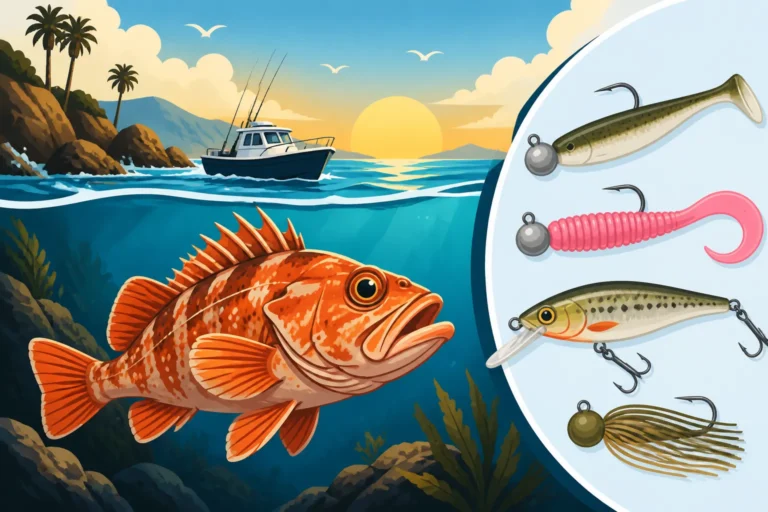
- Hooks: For live bait, octopus hooks in sizes 1/0 to 3/0 are excellent. If you're using plastics, wide gap worm hooks (3/0 to 5/0) or jig heads (1/4 oz to 1 oz, depending on depth and current) are essential. Make sure they are sharp!
- Weights: Carolina rigs and drop-shot rigs require weights. Egg sinkers, bullet weights, and cylinder weights in various sizes (from 1/4 oz to 1 oz) will cover most scenarios. Again, tailor the weight to the depth and current; you want to maintain bottom contact without being swept away.
- Swivels: Barrel swivels help prevent line twist, especially when drifting. A good quality, small barrel swivel can be indispensable.
When it comes to baits and lures, sand bass aren't terribly picky, but some options consistently outperform others:
Bait/Lure Type Description FLORA is a veteran of the California Delta fishing scene, offering invaluable insight into navigating its tricky waters.
Optimizing Your Sand Bass Fishing Success
Even with the best gear and a solid understanding of sand bass behavior, consistent success often comes down to timing, location, and presentation.
Best Times and Tides: Timing is Everything
Unlike some species that might be caught around the clock, sand bass are particularly active during certain windows. Generally, the early morning hours, just as the sun is coming up, and the late afternoon/early evening provide the best opportunities. These are often periods of lower light, which can make them more aggressive feeders. However, if the bite is on, sand bass will readily bite all day long.
Tides play an incredibly significant role in coastal fishing, and sand bass are no exception. They tend to prefer moving water, as it stirs up the bottom and carries baitfish past their ambush points. The incoming and outgoing tides, particularly around the turns (slack tide to strong current, or strong current to slack tide), are often the most productive. A strong current can make it harder to hold bottom, but it can also trigger an aggressive bite. You'll want to adjust your weight and presentation to match the current. Stronger currents often mean heavier leadheads or Carolina rig weights to maintain contact with the bottom. You can learn more about the critical role of water movement in our guide on Best Tides for California Halibut, as many of the principles apply directly to sand bass.
Locating Productive Structure: Where the Fish Hide
As bottom-dwelling ambush predators, sand bass absolutely love structure. This can include:
- Rocky Reefs and Hard Bottom: Natural rock formations, pinnacles, and areas where the seafloor transitions from sand to rock are prime holding spots. They offer hiding places and attract smaller baitfish and crustaceans.
- Kelp Beds: While calico bass dominate the heavy kelp, sand bass will patrol the sandy edges of kelp beds, particularly where the kelp thins out or forms distinct lanes. These areas provide current breaks and a conveyor belt of food. Understanding how to approach these zones is crucial, as outlined in our article, How to Fish California Kelp Beds.
- Artificial Reefs and Wrecks: These man-made structures are magnets for marine life and are consistently excellent spots for sand bass. Check local charts or ask at tackle shops for known artificial reef locations.
- Harbor Entrances, Docks, and Jetties: In bays and harbors, sand bass will school around pilings, docks, and rocky jetties that provide current and structure. These are often accessible spots for both boat and pier anglers. If you're considering fishing from shore, our guide on Fishing from a Pier in California: Rules offers great insights.
Your electronics (fish finder/chart plotter) are your best friend here. Look for bait balls, arches on the bottom near structure, and distinct changes in depth or bottom composition. Don't just motor over a spot; truly read your fish finder to identify potential holding zones.
Conservation and Regulations: Fishing Responsibly
As responsible anglers, it's our duty to understand and adhere to current fishing regulations. California sand bass are part of the broader Groundfish Management Plan, which means their regulations can change periodically based on stock assessments. Always check the latest California Ocean Fishing Regulations Requirements before you head out. Generally, sand bass have minimum size limits and daily bag limits. For example, the typical size limit has often been 14 inches total length, with a daily bag limit of 5 fish, but these can and do change. Keeping an eye on the official California Department of Fish and Wildlife (CDFW) website or picking up a current regulations booklet is a must.
Beyond regulations, practicing good catch-and-release techniques for fish you don't intend to keep is vital. Use appropriate gear to minimize stress, handle fish carefully, and release them quickly. For deeper water fishing, especially if you're targeting other species alongside sand bass that might be more susceptible to barotrauma, consider using a descending device to help fish recover and swim back down safely. Remember, a California Fishing License Guide is a must-have for nearly all fishing in California, including targeting sand bass from a boat or shore. There are also specific areas designated as California Marine Protected Areas Explained where fishing is restricted or prohibited, so always be aware of your location.
Disclaimer
Fishing regulations, seasons, and limits in California can change frequently. The information provided in this guide is for general informational purposes only and should not be considered legal advice. Always consult the latest official California Department of Fish and Wildlife (CDFW) regulations or local authorities before planning any fishing trip to ensure compliance. It is your responsibility to understand and follow all current laws.