Best Baits and Lures for Dorado in California
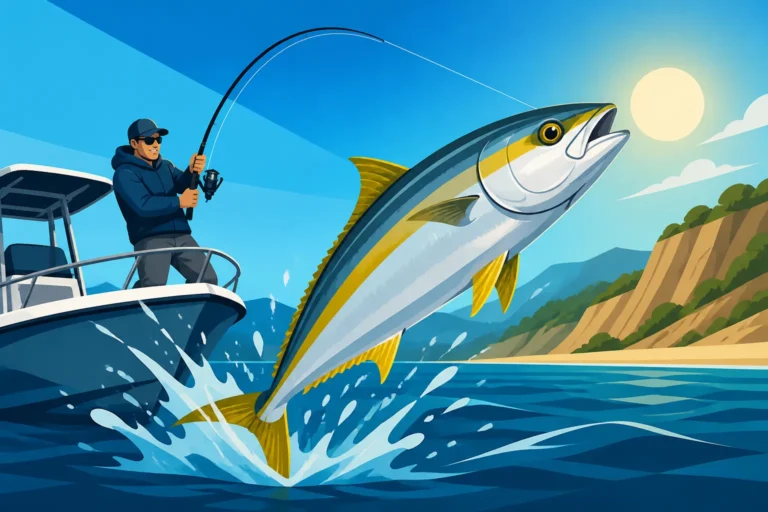
Oh, the thrill of dorado fishing in California! There's nothing quite like it – one minute you're cruising along, the next a flash of iridescent green and gold is exploding on the surface, making your heart pound out of your chest. But let's be real, convincing these incredible fighters to bite isn't always a walk in the park, especially when they're being finicky. That's why diving deep into the world of the best baits and lures for dorado in California can make all the difference between a memorable day on the water and just another boat ride. This guide is all about equipping you with the knowledge to entice those beautiful mahi-mahi when you're out there.
Understanding Dorado Behavior and Diet
Before we even talk about hooks and lines, it’s crucial to understand what makes a dorado tick. These aren't your sluggish bottom dwellers; dorado, also known as mahi-mahi or dolphinfish, are pelagic predators, meaning they live in the open ocean. They're built for speed and aggression, constantly on the hunt, and their vibrant colors are a dead giveaway to their tropical, fast-paced lifestyle. Knowing their habits and preferred meals is the first step to choosing the perfect offering.
What Makes Dorado Hunt
Dorado are opportunistic predators with an incredibly high metabolism. This means they're almost always hungry and will attack anything that looks like an easy meal. They patrol the open ocean, often congregating around floating structures like kelp paddies, logs, or even debris, because these structures provide shelter and attract smaller baitfish. When you find a good kelp paddy, you've often found a whole ecosystem, and dorado are usually at the top of that food chain. Their eyesight is phenomenal, and they'll track down prey with a combination of visual cues and speed. Their aggressive nature means they're not shy about hitting a fast-moving bait or lure, making them incredibly exciting to target.
Natural Prey in California Waters
In the waters off California, especially during the warmer months when dorado push north, their diet consists largely of small schooling baitfish. Think of what's abundant in the offshore waters: sardines, anchovies, mackerel, and occasionally squid. They're also not above munching on juvenile yellowtail or even small bonito if the opportunity arises. This natural diet dictates much of what we use as bait. If your offering looks, swims, or smells like what they’re already accustomed to, you’re well on your way to getting a bite. Understanding these preferences helps us select both the right live baits and the most convincing artificial lures.
Top Live Baits for California Dorado
When it comes to fooling a dorado, nothing beats the real thing. Live bait has a natural appeal that artificial lures, no matter how good, sometimes struggle to replicate. The frantic movements, the natural scent, the lifelike presentation – it's all designed to trigger that predatory instinct. For many seasoned anglers, a well-presented live bait is often the go-to choice when the dorado bite is tough or when trying to entice a larger, more wary fish.
The Power of Sardines and Anchovies
Sardines and anchovies are the bread and butter of live bait fishing for dorado in California. These small, oily baitfish are exactly what dorado feed on naturally. They're readily available at most bait receivers along the Southern California coast, from San Diego to Ventura. The key is to use the freshest, liveliest bait you can get your hands on. A vibrant, strong-swimming sardine, hooked correctly, will often draw a strike when nothing else will.
When fishing sardines or anchovies, a simple nose hook (through the upper jaw, avoiding the brain) allows the bait to swim freely and naturally. If the fish are deeper or scattered, you might want to use a small weight or even a dropper loop rig to get your bait down. Some anglers even chum a bit with dead or cut bait to get the dorado fired up before dropping in a live one. Remember, presentation is everything. You want that bait to look distressed but still full of life.
Mackerel and Caballito for Bigger Dorado
While sardines and anchovies are fantastic, sometimes you want a bigger bite, especially if you're targeting larger dorado or if the smaller bait is getting picked off by smaller, less desirable fish. This is where mackerel and caballito come into play. These are larger, heartier baitfish that can withstand more abuse and often attract the more aggressive, trophy-sized dorado. Mackerel, particularly greenback mackerel, are a robust choice.
Rigging these larger baits might require a bit more finesse. A bridle rig, where the hook is attached to a rubber band or dental floss that goes through the bait's eye sockets, allows the bait to swim completely unrestricted and lets the hook hang free, ensuring a solid hook-up when a dorado strikes. Another common method is to hook them through the nose or dorsal fin. The goal is always to keep the bait alive and kicking for as long as possible, mimicking their natural swimming action. Don't be afraid to experiment with how you hook your mackerel; sometimes a subtle change can make all the difference.
Rigging Live Baits Effectively
Proper rigging of live bait is paramount for success, especially with a fast-moving, aggressive fish like dorado. A poorly hooked bait will swim unnaturally, die quickly, or get torn off easily.
Here’s a quick rundown of popular rigging methods:
| Bait Type | Hook Size (Approx.) | Rigging Method | Advantages |
|---|---|---|---|
| Sardine/Anchovy | #1 to 2/0 | Nose-hook (through upper jaw) or Dorsal-hook (behind dorsal fin, avoiding spine) | Natural swim, good hook-up ratio, simple |
| Mackerel/Caballito | 4/0 to 7/0 | Bridle rig (hook behind eyes via band/floss), Nose-hook, or Tail-hook (for different swim action) | Allows free swim, good for larger baits, better hook exposure |
For smaller baits like sardines, a Gamakatsu Octopus hook in sizes #1 to 2/0 is often ideal, tied directly to your fluorocarbon leader. For mackerel, you might step up to a 4/0 to 7/0 J-hook or circle hook, depending on your preference and the fish's activity. Fluorocarbon leader is almost always preferred due to its low visibility in clear offshore waters; usually, 25-40 lb test is a good starting point. Always check your knots and leader for nicks, as dorado have rough mouths and can wear through light line quickly.
Effective Artificial Lures for Dorado
While live bait is king for many, artificial lures can be incredibly effective for dorado, especially when fishing around kelp paddies, covering large expanses of water by trolling, or when bait is scarce. The advantage of lures is their durability and the ability to cast them repeatedly without needing to re-bait. Plus, the strike on an artificial lure, especially a surface plug, is undeniably exhilarating! Many anglers stock up on their favorite lures from places like Amazon to ensure they're always prepared.
Surface Iron and Jigs
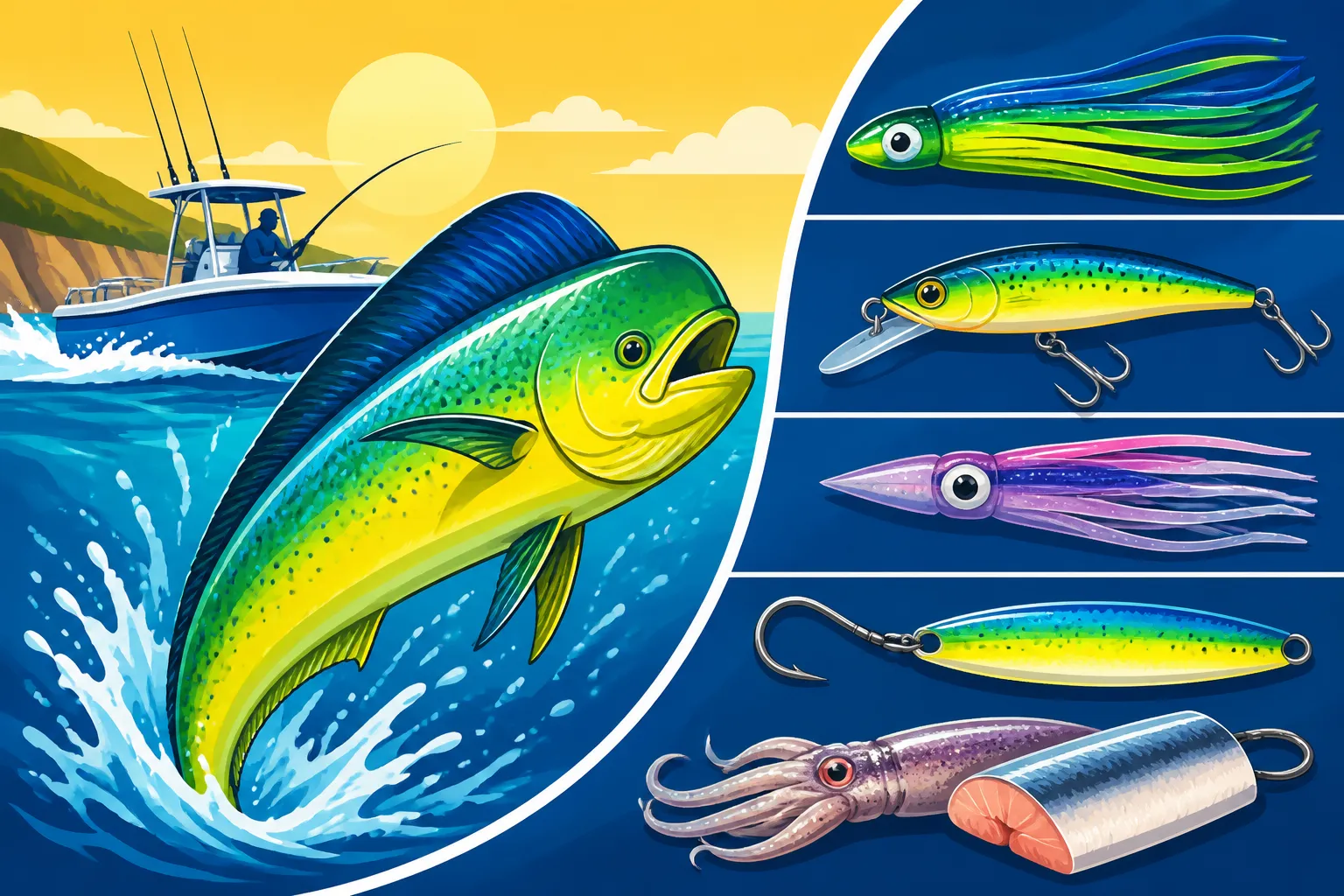
When dorado are actively feeding on the surface or just below it, nothing gets their attention like a properly worked surface iron or jig. These lures are designed to imitate fleeing baitfish and can be retrieved at high speeds to provoke an aggressive strike. Classic surface irons like those from Salas or Tady are iconic for a reason. Colors like blue and white, mint and white, or sardine patterns are perennial favorites.
The technique for surface iron involves long casts and a fast, steady retrieve with an occasional twitch or pause to mimic an injured baitfish. The lure should skip and dart just under or on the surface. For jigs, especially when dorado are deeper under a kelp paddy or a bird school, a yo-yo jigging technique can be deadly. You drop the heavy metal jig down quickly and then crank it back up as fast as you can, causing it to dart erratically. Often, the strike comes on the fall or as you start your retrieve. Having a good selection of these jigs on hand is essential for varied conditions.
Trolling Lures and Plugs
Trolling is a fantastic way to locate dorado when they're scattered in open water or when you're searching for those elusive kelp paddies. Trolling lures are designed to run cleanly behind the boat, creating enticing commotion and visual appeal. Feather jigs, cedar plugs, and various skirted lures are incredibly popular and effective. Often, you'll see boats running a spread of multiple lures at different distances and depths.
For dorado, bright, flashy colors often work best, especially combinations of green, yellow, orange, and blue. Brands like Black Bart, Melton, or Ilander make excellent trolling lures. The speed of your troll is crucial; typically, 6-9 knots is a good range, but sometimes slowing down or speeding up slightly can trigger a bite. Plugs, like Rapala X-Raps or Nomad Design Shikaris, which imitate larger baitfish, can also be very effective, especially when fished closer to the boat in the prop wash. Always make sure your lures are running true; a poorly swimming lure will rarely get a strike.
Soft Plastics and Swimbaits
For a more nuanced approach, soft plastics and swimbaits can be incredibly effective, particularly when dorado are being a bit finicky or when you want to present a subtler offering. These lures come in countless shapes, sizes, and colors, mimicking everything from baitfish to squid. The key is to match the hatch – choosing a lure that closely resembles the natural prey in terms of size and color.
Small leadhead jigs paired with soft plastic jerkbaits or grubs can be cast to kelp paddies and slowly retrieved or jigged vertically. Colors like natural baitfish patterns (sardine, anchovy) or bright chartreuse and pink can be very productive. Swimbaits, often rigged on a weighted swimbait hook, offer a natural swimming action that can be irresistible to dorado. These are typically retrieved steadily, just fast enough to get the tail kicking. The versatility of soft plastics, which can be purchased in bulk from online retailers like Amazon, allows you to experiment with different presentations until you find what the dorado are keying in on.
Matching Baits and Lures to Conditions and Techniques
The offshore environment is constantly changing, and what works one day might not work the next. Successful dorado fishing often comes down to adapting your strategy – including your bait and lure choices – to the prevailing conditions and the specific behaviors of the fish you encounter. It’s about being observant and flexible, always ready to switch things up if the bite isn't happening.
Fishing Under Kelp Paddles
Kelp paddies are absolute magnets for dorado, acting as floating islands of life in the vast ocean. When you find a healthy paddy, it’s usually teeming with baitfish, and dorado won't be far behind. The approach here is critical. You want to present your bait or lure in a way that doesn't spook the fish.
Often, live bait is supreme around paddies. Drift up to the paddy, cast live sardines or anchovies to the edges, and let them swim naturally. If the fish are deep under the paddy, a weighted live bait or a yo-yo jig might be necessary. For artificials, surface irons cast accurately to the edges and retrieved quickly can draw explosive strikes. Soft plastics can also be deadly when cast right into the heart of the paddy and worked slowly, imitating a stunned baitfish. Remember to keep a keen eye out for any signs of feeding activity, like splashes or birds diving, which will tell you exactly where to present your offering. When you find a good paddy, it can be a non-stop action, and having a variety of baits and lures ready will maximize your success. Be sure to understand the nuances of "California Kelp Bed Fishing Tips" as it can make a huge difference.
Targeting Dorado on Open Water Schools
Sometimes, you won't find a kelp paddy in sight, but you'll spot dorado crashing bait in open water, or you'll encounter a school while trolling. In these scenarios, speed and commotion are often your allies. Trolling lures are, of course, perfect for covering ground and attracting fish. When you get a strike while trolling, often the whole school will follow the hooked fish to the boat.
This is where you switch tactics. As soon as a fish is hooked, cast live baits or surface irons into the melee. The excitement of the hooked fish often triggers a feeding frenzy among the others. Topwater plugs and poppers can also be incredibly effective, as they create a lot of splash and noise that mimics distressed baitfish. Keep your eyes peeled for diving birds or porpoises, as they often indicate baitfish schools that dorado will be hunting. Being ready with a casting rod rigged with a lure while trolling can be the difference in hooking multiple fish from a scattered school.
Equipment Considerations
Having the right gear is just as important as choosing the right bait or lure. For live bait, a sensitive conventional or spinning rod with a fast action, paired with a reliable reel spooled with 25-40 lb monofilament or braided line (with a fluorocarbon leader), is ideal. Think about a setup similar to what you'd use for "California Yellowtail Fishing Guide" or "How to Catch White Seabass in California" – something capable of handling strong runs.
For artificial lures, especially surface irons and jigs, a slightly heavier setup might be preferred for longer casts and battling larger fish. A 7-8 foot rod with a medium-heavy action and a high-speed retrieve reel is excellent. Again, a braided mainline with a fluorocarbon leader is common. Don't forget a good pair of pliers for hook removal, a gaff or a large net, and plenty of sunscreen! Staying prepared means you can focus on the fishing, not fumbling with gear. When considering your entire "California Fishing License Guide", remember that having proper equipment is part of responsible angling.
Choosing the right bait and lure for dorado in California is an art, not a science. It's about combining knowledge of their habits with an understanding of what's available and what the conditions are telling you. Whether you're throwing a lively sardine under a kelp paddy or burning a surface iron through a school of open-water feeders, the satisfaction of landing one of these gorgeous, hard-fighting fish is truly unmatched. Don't be afraid to experiment, stay vigilant, and most importantly, enjoy the chase! For more specifics on what species you might encounter, check out our comprehensive guide to "Saltwater Fish of California: What to Catch".
| Bait/Lure Type | Best Use Case | Dorado Activity Level | Key Benefits |
|---|---|---|---|
| Live Sardine/Anchovy | Kelp paddies, open water schools, finicky fish | Low to High | Natural scent & action, highly effective |
| Live Mackerel/Caballito | Targeting larger dorado, tougher baits | Medium to High | Durable, attracts big fish, natural |
| Surface Iron/Jigs | Active surface feeders, deeper kelp, yo-yo jigging | Medium to High | Long casting, fast action, durable |
| Trolling Lures/Plugs | Covering open water, finding schools, blind strikes | Low to High (while searching) | Covers ground, attracts attention from afar |
| Soft Plastics/Swimbaits | Finicky fish, subtle presentation, current matching | Low to Medium | Versatile, realistic profile, easy to cast |
Disclaimer
Fishing conditions and regulations in California can change frequently. Always consult the latest California Department of Fish and Wildlife (CDFW) regulations before heading out to ensure you are compliant with all current laws and limits. This guide is for informational purposes only and does not replace official regulations.