California Spotted Bass vs Largemouth
Ever been out on a California lake, pulling in what you think is a young largemouth, only to look closer and wonder if it's something else entirely? You're not alone. Distinguishing between California spotted bass and largemouth bass can be a real head-scratcher, even for seasoned anglers, leading to confused catches and sometimes even misidentifications when reporting your hauls. This guide will walk you through the key differences, helping you confidently identify your next catch and even improve your fishing strategies for both species.
The Bass Basics: Understanding Your Catch
California is a fantastic place for bass fishing, boasting an incredible diversity of fisheries, from vast reservoirs to intricate river systems. Among the most popular targets are the largemouth bass and the spotted bass. While both are members of the black bass family and share a somewhat similar appearance, especially when they're younger, they are distinct species with different preferences, habits, and even fighting styles. Understanding these differences isn't just about showing off your fish identification skills; it genuinely helps you become a more effective and knowledgeable angler.
A Tale of Two Bass Species
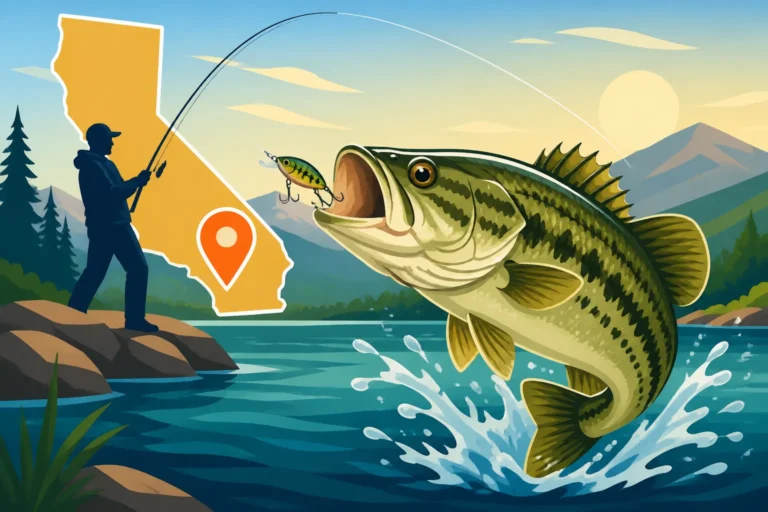
Let's start by getting to know our players. The largemouth bass (Micropterus salmoides) is arguably the most famous freshwater game fish in North America, and it certainly holds a legendary status here in California. Known for its aggressive strikes and powerful leaps, it's a favorite for many, from recreational anglers to tournament pros. Largemouth thrive in a wide range of habitats, but they particularly love warmer, shallower waters with abundant cover like submerged vegetation, timber, and docks. They are often the kings of their domain in many of our state's premier bass lakes.
The spotted bass (Micropterus punctulatus), on the other hand, is a bit more of an underdog, often overlooked or mistaken for its bigger, bolder cousin. There are a few subspecies, including the Northern spotted bass, Alabama spotted bass, and Wichita spotted bass, and California is home to introduced populations of the Northern and Alabama varieties. While not native to California, they’ve found a comfortable home in many of our reservoirs and river systems, particularly in the central and northern parts of the state. They might not always grow to the same colossal sizes as largemouth, but they offer an incredibly strong, relentless fight that often surprises anglers.
Why the Confusion is So Common
The primary reason for confusion between spotted bass and largemouth bass, especially in California, stems from their shared habitats and similar overall appearance. Many of our large, clear-water reservoirs, such as Folsom Lake, Lake Shasta, and Lake Berryessa, hold thriving populations of both species, allowing them to coexist and often be caught in the same general areas. When you're reeling in a bass, especially a smaller one, the subtle differences can be incredibly hard to spot at first glance. The dark lateral line and greenish coloring can trick even a seasoned eye, making you question whether you’ve landed a largemouth, a spotted bass, or perhaps even a smallmouth bass, which is another common California resident in certain waters.
Adding to the confusion is the fact that juvenile fish of both species tend to look even more alike. Their characteristic markings might not be fully developed, or they might be less pronounced in certain water conditions. It’s a common frustration to catch a promising young fish, only to realize later that it wasn't the "trophy largemouth" you thought it was, but a feisty spotted bass. However, once you learn a few key distinctions, identifying them accurately becomes much easier and a rewarding part of your fishing experience. Knowing exactly what you've caught can inform your next cast, helping you target specific species more effectively based on their known preferences and typical hangouts.
Spot the Difference: Key Identification Markers
Alright, let's get down to brass tacks. The best way to tell these two apart is to know exactly what to look for when you've got one in your hands. It's often not just one single feature, but a combination of characteristics that gives it away. Pay close attention to these details, and you'll be a bass ID pro in no time.
Physical Traits to Look For
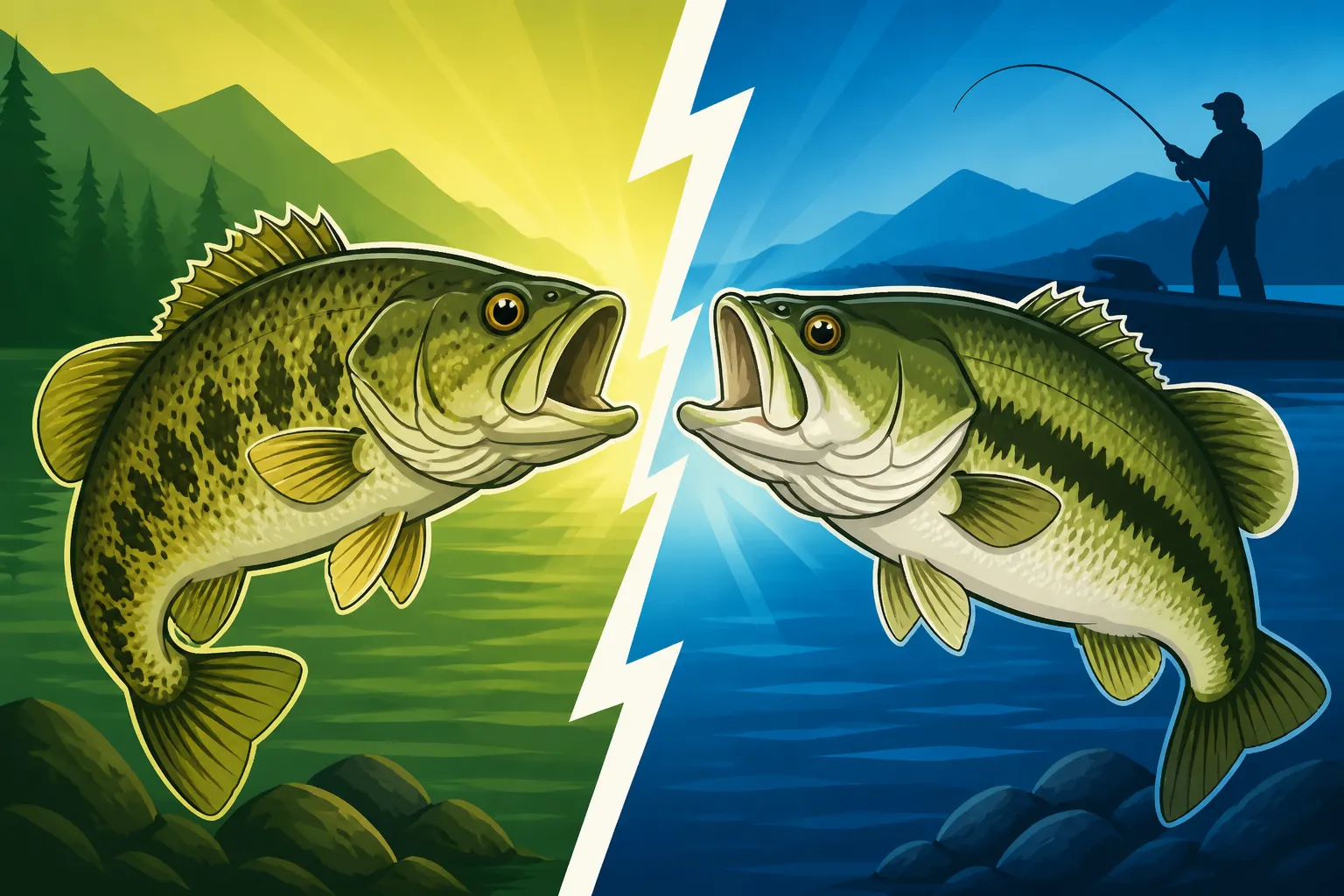
When you've got a bass on the line, the first thing many anglers instinctively look at is the mouth. This is often your first and most reliable clue. With a largemouth bass, if you close its mouth, the upper jaw (or maxillary) will extend noticeably beyond the back edge of its eye. It's almost like they have a perpetually wide grin. Contrast this with the spotted bass, where the upper jaw typically stops more or less directly under the center of the eye, or perhaps just slightly past it, but rarely as far back as a largemouth's. This difference in jaw length is a fundamental anatomical distinction that holds true across all sizes.
Next, take a peek at the fish's tongue. This is another fantastic, often overlooked, identifier. Gently press down on the lower jaw and look at the top surface of the tongue. A spotted bass will almost always have a small, rough patch of tiny teeth or cartilage on its tongue. Run your finger over it gently – you'll feel it. A largemouth bass, conversely, typically has a smooth tongue. This "tongue patch" is a definitive trait for spotted bass and is rarely present in largemouth. It’s one of those little secrets that once you know, it makes identification incredibly simple, even if other markings are faded or less clear.
Finally, let's talk about the infamous "spots." This is where the spotted bass gets its name, but it can also be a source of confusion because largemouth can have blotches too. Look closely at the fish's sides, particularly below the lateral line. A spotted bass will have distinct, dark spots arranged in rows along its lower flanks, giving it a somewhat speckled appearance. These spots are usually quite pronounced. A largemouth bass generally has a more continuous, dark, horizontal band or blotchy pattern along its lateral line, which often breaks up into irregular patches below, but typically lacks the distinct, organized rows of individual spots that define a spotted bass.
Body Shape and Fin Characteristics
Beyond the mouth and spots, the overall body shape and even subtle fin characteristics can help you make a positive identification. While not as definitive as the jaw length or tongue patch, these features contribute to the overall picture.
A largemouth bass often presents a more robust, deeper-bodied, and slightly "football-shaped" profile, especially as they grow larger and become truly chunky. Their body tends to be more compressed laterally, meaning they are flatter from side to side. This wider, taller body allows them to leverage their size during a fight, creating a powerful, head-shaking struggle often accompanied by impressive jumps out of the water. Their dorsal fin also has a very deep notch, making it appear almost separated into two distinct fins, one spiny and one soft-rayed.
In contrast, a spotted bass typically has a sleeker, more streamlined, and almost torpedo-shaped body. They tend to be more slender and cylindrical, which allows them to navigate current more effectively in riverine environments. While they might not reach the sheer bulk of a trophy largemouth, their muscular build translates into a bulldog-like fight – a powerful, deep tug that is relentless and tenacious. You'll notice they rarely jump, preferring to stay deep and pull hard, trying to bury themselves in structure. Their dorsal fin, while still having a notch, is generally less pronounced than that of a largemouth, appearing more continuous.
Here's a quick comparison table to keep these key differences straight:
| Feature | Largemouth Bass | Spotted Bass |
|---|---|---|
| Upper Jaw | Extends noticeably past the back of the eye | Stops at or slightly past the center of the eye |
| Tongue | Smooth | Has a rough patch of teeth/cartilage |
| Lateral Spots | Usually a broken, blotchy lateral stripe | Distinct rows of dark spots below lateral line |
| Body Shape | Deeper, chunkier, more "football" shaped | Sleeker, more streamlined, "torpedo" shaped |
| Dorsal Fin | Deep notch, appears almost separated | Less pronounced notch, more continuous |
| Typical Habitat | Warm, shallow, weedy areas, heavy cover | Clearer, deeper, rocky areas, moderate current |
| Fight Style | Explosive jumps, powerful head shakes | Strong, relentless pull, deep dives |
Habitat, Behavior, and Angling Tactics
Knowing how to identify spotted bass vs. largemouth bass is only half the battle. To consistently catch them in California, you also need to understand where they live, how they behave, and what lures and techniques are most likely to entice a strike. They might share water, but they don't always share tastes or preferred hangouts.
Where They Call Home in California
Largemouth bass are quintessential cover-oriented predators. They absolutely love structure and vegetation. Think about those shallow coves brimming with hydrilla, submerged trees, docks, or even shaded undercut banks. These are the classic largemouth haunts. They prefer warmer water temperatures and will often hold tight to cover, waiting to ambush unsuspecting prey. You'll find impressive populations in iconic California destinations like Clear Lake, known for its incredible largemouth fishing, and Castaic Lake, which has produced some truly giant fish. When fishing these waters, targeting areas with abundant cover is key to success for largemouth. They thrive in environments where they can hide and dart out for a meal, making shallow flats and weed lines prime real estate.
Spotted bass, on the other hand, tend to prefer different real estate. While they will use cover, they are often found in clearer, deeper water, especially around rocky points, bluff walls, submerged rock piles, and main lake points. They are also much more tolerant of current than largemouth, making them common in reservoir systems that resemble river environments. Lakes like Folsom Lake, Lake Shasta, and Lake Berryessa are well-known for their thriving spotted bass populations, often outnumbering largemouth in certain areas. You'll often find spotted bass suspended over deep water, or schooling up around channel swings and current breaks. If you're fishing a deep, clear reservoir with lots of rock, chances are you're in prime spotted bass territory, even if largemouth are present in other parts of the lake.
Feeding Habits and Aggression
Both bass species are opportunistic predators, but their typical feeding behaviors can differ, influencing the best way to target them. Largemouth bass are often described as ambush predators. They tend to wait patiently in cover, camouflaged and ready to strike at anything that swims too close. Their wide mouth is designed to engulf prey whole, and they aren't shy about smashing large baits. They're often highly reactive to topwater presentations, especially during low light conditions, and will aggressively chase down crankbaits and spinnerbaits that mimic fleeing baitfish. If you're looking for that explosive surface strike, a hungry largemouth is your prime candidate.
Spotted bass can be incredibly aggressive feeders, but they often have a reputation for being more "finesse" oriented, especially when compared to their largemouth cousins. They frequently school up and actively hunt baitfish in open water or along contours. While they will certainly hit a reaction bait, they are often caught on smaller, more subtle presentations like dropshot rigs, small jigs, and grubs that mimic bottom-dwelling creatures or smaller baitfish. Their fight, while not as flashy as a largemouth's aerial acrobatics, is a relentless, deep, head-down tug-of-war. They pull hard and consistently, making them a fantastic sport fish on lighter tackle. Sometimes, you'll feel like you're fighting a fish twice its size due to their sheer power.
Tailoring Your Approach for Each Species
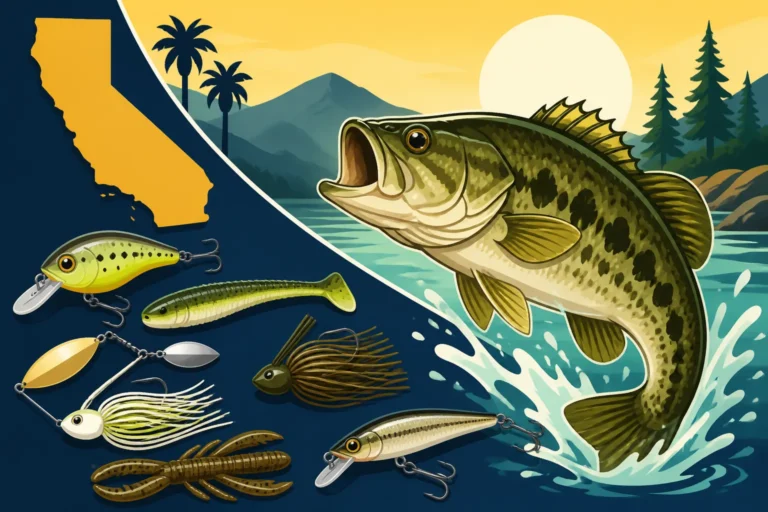
Knowing the distinct preferences of each bass can dramatically improve your success on the water. For largemouth bass, focus on presentations that trigger their ambush instincts. Think about pitching or flipping creature baits, jigs, or Texas-rigged worms into thick cover. Soft plastics like Gary Yamamoto Senkos are legendary for largemouth. Topwater lures like hollow-body frogs, poppers, and walking baits fished over matted vegetation or near docks are also incredibly effective. When the fish are active, lipless crankbaits or bladed jigs like those from Z-Man Chatterbait can draw powerful reaction strikes. The key is to get your lure right into their living room, where they're waiting in ambush.
When targeting spotted bass, you often need to adjust your mindset and your tackle. Because they frequently inhabit deeper, clearer water, finesse techniques often shine. Dropshotting small worms or plastics is a perennial favorite, allowing you to present a bait subtly in deeper water. Small swimbaits, grubs on a lead head, and shaky head jigs are also highly productive. Unlike largemouth, spotted bass will often follow schools of baitfish, so casting to open water around points and humps can be very effective. Don't be afraid to fish deeper, especially during the brighter parts of the day. You might even find success with small crankbaits or jerkbaits that imitate baitfish schooling in open water. Remember, while they are aggressive, their diet often consists of smaller forage, so "downsizing" your presentation can make a big difference. For those really tough days, a simple live minnow or shad on a light line can be irresistible to a spotted bass. Learning the nuances of California Bass Fishing Techniques can give you a significant edge.
Why Understanding the Differences Matters
Beyond just being able to correctly identify your catch (which is pretty cool in itself!), recognizing the distinctions between spotted bass and largemouth bass has tangible benefits for your fishing success and your contribution to conservation efforts in California. It truly elevates your game from just "fishing for bass" to strategically targeting specific species.
Better Angling Success and Conservation
When you can accurately identify whether you're catching more spotted bass or largemouth bass, you can start to adjust your strategy on the fly. If you're consistently pulling in spots but were hoping for largemouth, you know you might need to move shallower, seek out thicker vegetation, or switch to a different lure presentation more appealing to largemouth. Conversely, if you're hitting largemouth in a particular area, you can double down on those tactics and maximize your efforts. This adaptive approach is what separates good anglers from great ones. Articles like How to Fish for Largemouth Bass in California and How to Fish for Spotted Bass in California dive deeper into these specific strategies. Knowing the species also informs your lure choices, whether you're stocking up on finesse worms for spotted bass or heavy jigs for largemouth from retailers like Amazon.
From a conservation standpoint, accurate identification is absolutely crucial. While the California Bass Fishing Regulations are often fairly broad for black bass species, there can be subtle differences in certain waters or specific limits you need to be aware of. More importantly, understanding the distribution and health of each population helps wildlife agencies make informed management decisions. By correctly identifying and, if required, reporting your catch, you're contributing valuable data that helps ensure these fantastic fisheries remain healthy and thriving for future generations.
California's Diverse Bass Fisheries
California is truly blessed with an incredible array of freshwater fishing opportunities, and the presence of both largemouth and spotted bass contributes significantly to this diversity. It means that whether you prefer the adrenaline rush of a topwater largemouth bite in a weed-choked cove or the relentless pull of a spotted bass on a dropshot over deep structure, there's a fishery for you. Lakes like Clear Lake are renowned for their giant largemouth, while reservoirs such as Lake Shasta and Folsom Lake offer world-class spotted bass action, with many fish pushing or exceeding the 5-pound mark, which is a trophy for a spotted bass.
This rich diversity encourages anglers to expand their skill sets and explore different techniques and environments. It makes fishing in California a continuous learning experience, always offering new challenges and rewards. So, the next time you're out on the water, take a moment to really look at your catch. Is it a bucket-mouthed largemouth or a feisty, spotted battler? Knowing the difference isn't just trivia; it's a fundamental step towards becoming a more complete and successful angler in the Golden State. For further reading, check out our guide on Freshwater Fish of California: What to Catch to learn about even more species that call our lakes and rivers home.
Disclaimer
The information provided in this guide is for general informational purposes only and is subject to change. Fishing regulations, seasons, and limits can vary significantly by location and time of year in California. Always consult the latest official California Department of Fish and Wildlife (CDFW) regulations booklet or website before heading out to fish. It is your responsibility to know and follow all applicable laws.