Best Baits and Lures for Spotted Bass in California
Catching spotted bass in California can be a real challenge sometimes, especially when they seem to ignore everything you throw at them. It's frustrating to know they're there, lurking in those clear, rocky waters, but just not biting. This comprehensive guide is here to unravel the mystery, helping you select the absolute best baits and lures to entice those feisty spotted bass, no matter the conditions you face out on the water.
Understanding Spotted Bass Behavior and Habitat
Before you even think about tying on a lure, it’s crucial to understand what makes a spotted bass tick. Unlike their largemouth cousins who often lurk in dense vegetation, spots have a distinct preference for certain environments and feeding habits that greatly influence your bait and lure choices. Knowing their natural tendencies is half the battle won.
Where Spotted Bass Live in California
Spotted bass, or "spots" as many anglers affectionately call them, thrive in California's clear, deep lakes and reservoirs. Think about bodies of water like Lake Shasta, New Melones Lake, Lake Oroville, or even the sprawling expanses of Pine Flat Lake. These aren't your typical murky, weed-choked ponds; spots prefer environments with rocky bottoms, submerged timber, steep drop-offs, and plenty of access to open water. They often relate to points, ledges, and deep humps, using these structures as ambush points or resting areas. They're particularly fond of areas where current might bring food their way or where they can easily transition between deep and shallow water. This preference for structure and clear water means your presentations often need to be more precise and natural-looking than what you might use for largemouth bass in heavy cover.
What Spotted Bass Eat Naturally
When you look at what spotted bass naturally forage on, a clear picture emerges for lure selection. Their diet typically consists of a variety of prey, including threadfin shad, hitch, kokanee salmon, and various species of minnows. Beyond baitfish, they're also big fans of crawfish, particularly in the spring and fall. Smaller insects, frogs, and even other juvenile fish round out their opportunistic menu. This diverse diet tells us that lures that mimic these natural food sources, whether through their profile, action, or color, are going to be your most effective tools. The key is often to "match the hatch," as they say, by using baits that resemble what the bass are actively feeding on at that specific time and location.
Top Lures for Spotted Bass in California
Spotted bass are notoriously aggressive for their size, and they'll readily strike a wide array of artificial lures. However, certain lure categories and specific designs tend to be much more productive than others, especially when targeting these powerful, deep-water dwelling fish.
Hard Baits for Aggressive Spotted Bass
When spotted bass are on the hunt and actively feeding, hard baits can be absolutely deadly. They excel at covering water quickly and drawing reaction strikes from active fish.
Crankbaits for Covering Water
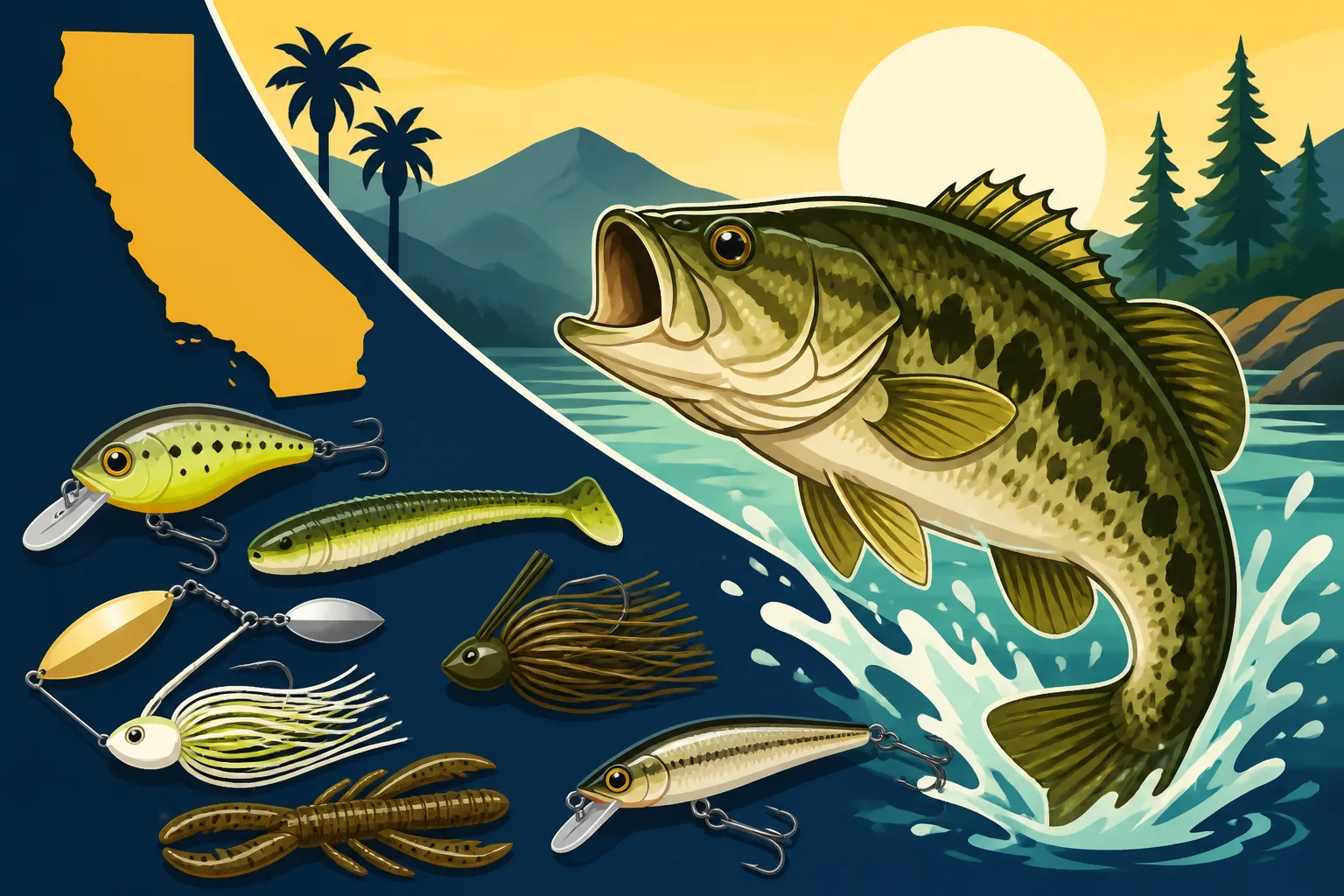
Crankbaits are fantastic for locating spotted bass, especially when you're not sure exactly where they're holding. Shallow-diving crankbaits work well around points and shallower flats, while medium and deep divers are essential for reaching fish holding on ledges, humps, and submerged rock piles. Brands like Strike King, Rapala, and Lucky Craft offer excellent crankbaits in various diving depths and profiles. For clear California waters, natural baitfish patterns like shad, hitch, and perch are usually winners. On brighter days or in slightly stained water, something with a bit more flash or chartreuse can sometimes trigger a bite. The key with crankbaits is to retrieve them at a consistent speed, occasionally bumping them off structure to create a natural "escape" action. You can find a huge selection of crankbaits, often with great deals, on Amazon for your next outing.
Jerkbaits for Reaction Strikes
Jerkbaits are another hard bait staple, particularly effective in cooler water or when bass are a bit sluggish. Their erratic, darting action perfectly imitates a wounded baitfish, which spotted bass find irresistible. Suspending jerkbaits, like the Lucky Craft Pointer or Megabass Vision 110, are particularly potent because you can pause them right in the fish's face, allowing the bass to commit to the strike. A typical retrieve involves a series of sharp jerks followed by pauses of varying lengths. This "twitch, twitch, pause" cadence is what often seals the deal. Natural colors, especially those mimicking shad or trout, are usually best. These lures are fantastic for targeting fish suspended over deeper water or along steep rocky banks, which are common areas for spotted bass.
Topwater Lures for Explosive Action
There's nothing quite like a spotted bass exploding on a topwater lure. While not always the most consistent bite, when conditions are right, it can be incredibly exciting. Poppers, walking baits (like a Heddon Zara Spook), and prop baits can all draw impressive strikes. Topwater action is usually best during low light conditions – early morning, late evening, or on overcast days – and when the water temperature is warmer. Focus on areas near main lake points, rocky shorelines, or around submerged timber. The key is to work the lure with a walk-the-dog retrieve for walking baits or short pops for poppers, creating a disturbance on the surface that mimics a struggling baitfish. Sometimes, a long pause after a series of twitches is exactly what convinces a hesitant spot to strike.
Soft Plastics for Finesse and Structure Fishing
Soft plastics are, without a doubt, a cornerstone of spotted bass fishing. Their versatility, natural action, and ability to be presented in a myriad of ways make them indispensable. These are often the baits you reach for when the bite is tough or when fish are holding tight to structure.
Drop Shot Worms for Vertical Presentation
The drop shot rig is arguably one of the most effective finesse techniques for spotted bass in California's clear waters. It allows you to present a small, soft plastic worm (like a Roboworm, Yamamoto Senko, or Berkley Gulp! Minnow) horizontally at a specific depth, right in the strike zone, above a weight. This setup is fantastic for targeting suspended fish, bass holding on deep points, or those hunkered down on ledges. Light line (6-8 lb fluorocarbon) and a sensitive rod are crucial for detecting the subtle bites. Common colors range from natural green pumpkin and brown to brighter shades like morning dawn or shad patterns. The beauty of the drop shot is its ability to keep the bait still and tantalizing, even with current, which can be a game-changer when bass are finicky.
Grub Baits and Swimbaits for Imitating Baitfish
Small grub baits, often rigged on a leadhead jig, are incredibly versatile for spotted bass. A 3-inch curl-tail grub or a small paddle-tail swimbait can effectively mimic small baitfish. Grubs are particularly effective when fished with a steady retrieve, a slow roll, or jigged along the bottom. For larger profile imitation, small soft plastic swimbaits, from brands like Keitech or Warbaits, are fantastic. Rig them on a weighted swimbait hook or a jig head, and retrieve them with a steady motion, varying the speed until you find what the fish prefer. These work exceptionally well in open water, along bluff walls, and over submerged rock piles where baitfish are present. Don't forget to check out the wide range of soft plastic options on Amazon before your next trip.
Creature Baits and Flipping Baits for Heavy Cover
While spotted bass aren't as much cover dwellers as largemouth, they will still use submerged timber, brush piles, and thick rock gardens for ambush. When targeting these areas, creature baits and flipping baits that imitate crawfish or small critters are highly effective. Baits like a Strike King Rage Bug or a Zoom Speed Craw, rigged Texas-style with a tungsten weight, allow you to penetrate cover with minimal snagging. Pitching and flipping these into tight spots and working them slowly along the bottom can elicit aggressive strikes from territorial spots. Pay close attention to subtle line movement, as these bites can be very light, even from a big fish.
Jigs and Underspins
Jigs are a cornerstone of bass fishing, and spotted bass are no exception. They offer a compact, realistic presentation that can imitate crawfish or baitfish depending on the style.
Football Jigs for Rocky Bottoms
Football jigs are tailor-made for rocky bottom environments, which spotted bass adore. Their unique head shape allows them to crawl over rocks and ledges without getting hung up as easily as other jig styles. Tipping them with a soft plastic crawfish or grub trailer completes the illusion of a crawfish scurrying along the bottom. Black and blue, brown, or green pumpkin are classic colors. Fish these jigs slowly, dragging or hopping them along the contours of the bottom. This is a deadly technique on deep points and humps where spots often congregate. For tips on other techniques, consider reading up on California Bass Fishing Techniques|California Bass Fishing Techniques.
Finesse Jigs for Clear Water
When the water is exceptionally clear, and the bass are pressured or shy, a finesse jig can be the answer. These are smaller, lighter jigs, often paired with a compact trailer. They present a subtle, natural profile that doesn't spook wary fish. You can skip them under docks, pitch them to isolated rocks, or drag them slowly along subtle transitions. Again, natural colors are usually best, mimicking crawfish or small bluegill. This is a stealthy approach that can pay off big time when other, more aggressive presentations fail.
Underspins for Open Water and Schooling Fish
An underspin jig head, which combines a leadhead jig with a small spinner blade, offers the best of both worlds: the profile of a jig and the flash and vibration of a spinnerbait. These are excellent for imitating schooling baitfish and can be particularly effective when spotted bass are actively chasing shad in open water. Rig them with a small paddle-tail swimbait or grub trailer. The flash of the blade, even a small one, can draw strikes from a distance and is often the key to unlocking a bite when fish are chasing schools. Work them with a steady retrieve, varying the depth by counting them down, to find where the active fish are holding.
Effective Baits for Spotted Bass in California
While artificial lures dominate most discussions, sometimes the real deal is exactly what you need. Live bait, when legal and accessible, can be an absolute game-changer, especially for larger, more cautious spotted bass.
Live Baits
There's no substitute for the real thing, and live baits are often irresistible to hungry spotted bass. Before using live bait, always double-check the local regulations; what's allowed in one body of water might be prohibited in another. You can always refer to the detailed California Freshwater Fishing Regulations|California Freshwater Fishing Regulations to ensure you're compliant.
Minnows and Shad: The Natural Preference
Live minnows or shad are incredibly effective, mimicking the primary forage of spotted bass. Rigged on a simple hook under a bobber, or slow trolled, they present a natural, struggling meal that bass find hard to resist. The movement of live bait is something no artificial lure can perfectly replicate. In some California lakes, stocking of specific baitfish might mean an abundance of a certain species, making that your best live bait choice. Check with local tackle shops for the most common baitfish available and effective rigging techniques for your specific body of water.
Crawfish: A Spotted Bass Delicacy
If you know crawfish are present in the lake, a live crawfish can be an absolute magnet for big spotted bass. Rig them carefully through the tail or the very edge of the carapace to keep them alive and active. Fish them slowly along the bottom, especially near rocky cover, and prepare for a vicious strike. Spotted bass see crawfish as a high-protein meal, and they won't hesitate to ambush one. This is particularly effective in spring and fall when crawfish are more active and bass are aggressively feeding on them.
Scented Artificial Baits
Sometimes, bass need a little extra encouragement. Scented artificial baits combine the convenience of plastics with the drawing power of natural attractants.
PowerBait and Berkley Gulp! for Added Attraction
Brands like Berkley, with their PowerBait and Gulp! lines, have created soft plastics infused with powerful scents that drive fish wild. These baits release a scent trail in the water, mimicking natural prey and often convincing hesitant bass to hold onto the bait longer, giving you more time to set the hook. They come in various shapes and sizes, from worms and minnows to crawfish imitations. They are especially useful when the water is cold, or the bite is slow, as the scent can overcome a bass's reluctance to strike. You can rig them just like traditional soft plastics, but their added scent makes them shine in challenging conditions.
Matching Baits and Lures to Conditions
Even with the best lures, success often hinges on adapting your presentation to the specific conditions you face. Water clarity, temperature, and season all play a significant role in what baits and lures will be most effective.
Water Clarity and Color Choices
California's spotted bass often inhabit very clear water, which necessitates a more subtle approach.
Clear Water: Natural Hues and Finesse
In gin-clear water, spotted bass can be incredibly wary and visually scrutinize your offering. This is where natural colors like green pumpkin, brown, watermelon, clear with glitter, or shad patterns really shine. You want your bait to blend in, mimicking the subtle colors of their natural prey. Finesse presentations, such as a drop shot, a light finesse jig, or a small swimbait on light fluorocarbon line, become paramount. The goal is to make the bait look as realistic and non-threatening as possible. Too much flash or unnatural color can easily spook these sophisticated predators. For more on this, check out California Fishing Seasons: Month-by-Month Guide|California Fishing Seasons: Month-by-Month Guide to understand optimal times.
Stained or Murky Water: Brighter Colors and Vibration
While less common for spotted bass, there are times when run-off or heavy boat traffic can slightly stain the water. In these situations, the rules change. Brighter colors like chartreuse, white, or firetiger, along with baits that create more vibration (like a lipless crankbait or a bladed jig), can become more effective. The reduced visibility means bass rely more on their lateral line to detect prey, so a bait that pushes more water or offers a starker contrast will stand out. This is when you might reach for a spinnerbait or a chatterbait, even for spots, to help them locate your lure.
Water Temperature and Fish Activity
Water temperature dictates the metabolism and activity level of spotted bass, directly impacting how they feed and what lures they prefer.
Cold Water: Slow, Small, and Deep
In colder water (typically below 50-55°F), spotted bass become more lethargic. Their metabolism slows, and they're less likely to chase down a fast-moving meal. This is the time for slow, deliberate presentations. Think small finesse jigs, drop shot rigs with tiny worms, or slow-rolling grubs along the bottom. Downsizing your baits and slowing down your retrieve is crucial. Fish will often be congregated in deeper water, so vertical presentations or baits that stay in the strike zone longer are key.
Warm Water: Aggressive, Fast, and Varied
As water temperatures rise (above 60°F), spotted bass become much more active and aggressive. They're willing to chase and strike faster-moving baits. This is when crankbaits, jerkbaits, and even topwater lures become highly effective. You can speed up your retrieve and use larger profile baits. Spotted bass will often chase schools of baitfish in warmer conditions, making reaction baits like underspins, small swimbaits, and bladed jigs excellent choices. They might be found shallower in the mornings and evenings, moving deeper during the heat of the day.
Seasonal Considerations
The time of year dramatically affects where spotted bass will be and how they feed, thus dictating the most effective bait and lure choices.
Spring: The Spawn and Post-Spawn Periods
Spring is all about the spawn. As water temperatures climb into the 50s and 60s, spotted bass move shallower to build nests. Before the spawn, they'll often feed aggressively to build energy, making jerkbaits, small crankbaits, and spinnerbaits good choices. During the spawn, sight fishing with soft plastics like tubes or creature baits can be effective as bass protect their beds. After the spawn, fish can be lethargic, requiring finesse baits, or they might aggressively feed on fry, making small swimbaits and topwater lures effective.
Summer: Deep Water and Early/Late Bites
Summer often sees spotted bass retreating to deeper, cooler waters during the day. Targeting them on deep points, humps, and ledges with football jigs, drop shots, and deep-diving crankbaits is often the most productive strategy. Early mornings and late evenings can offer a topwater bite or shallow crankbait action as bass move up to feed. When the sun is high, focus on structure in 20-40 feet of water. For further information on specific lake conditions, consider exploring articles like Lake Shasta: Fish Species and Best Spots|Lake Shasta: Fish Species and Best Spots or New Melones Lake: Fish Species and Best Spots|New Melones Lake: Fish Species and Best Spots.
Fall: Schooling and Chasing Baitfish
Fall is a fantastic time for spotted bass fishing. As water temperatures begin to cool, baitfish schools become more active, and spotted bass will aggressively chase them. This is when reaction baits shine: crankbaits, jerkbaits, underspins, and even larger swimbaits can be incredibly effective. Look for birds diving or baitfish schooling on your electronics; where the bait is, the bass won't be far behind. They'll often be found near main lake points, channel swings, and over open water humps.
Winter: Slow and Deep Presentations
Winter fishing for spotted bass often mirrors cold water tactics. Fish will be deep and relatively inactive. Vertically presenting baits like spoons, blade baits, or a slow-dragged football jig are excellent choices. Drop shots with very small worms are also highly effective. The key is to be patient, fish slowly, and accurately target deep structure where fish are staging. Remember, even in winter, California offers great fishing opportunities; learn more by reading California Fishing in Winter|California Fishing in Winter.
Here's a quick summary table of bait and lure applications:
| Lure Type | Best Conditions | Spotted Bass Target | Common Colors/Sizes | Retrieval Style |
|---|---|---|---|---|
| Crankbaits | Covering water, active fish, varying depths | Open water, ledges | Shad, hitch, perch, chartreuse (natural) | Steady retrieve, occasional deflections |
| Jerkbaits | Cooler water, suspended fish, reaction bites | Points, bluff walls | Shad, clear, trout patterns (3-5 inches) | Twitch, twitch, pause |
| Topwater Lures | Low light, warm water, aggressive fish | Shallow, near cover | Shad, white, black (poppers, walking baits) | Walk-the-dog, short pops, long pauses |
| Drop Shot Worms | Finesse, clear water, deep/suspended fish | Deep structure | Green pumpkin, morning dawn, shad (4-6") | Static, subtle shakes |
| Grub/Paddle Tails | Versatile, active fish, baitfish imitation | Open water, structure | Shad, white, green pumpkin (3-4 inches) | Steady retrieve, slow roll, jigging |
| Creature Baits | Heavy cover, crawfish imitation | Timber, rock piles | Green pumpkin, black & blue (3-5 inches) | Pitching, flipping, slow dragging |
| Football Jigs | Rocky bottoms, crawfish imitation | Deep points, humps | Black & blue, brown, green pumpkin (3/8-1/2 oz) | Dragging, hopping along bottom |
| Underspins | Schooling fish, open water | Open water, baitfish | Shad, white (3/8-1/2 oz jig, 3-4" swimbait) | Steady retrieve, varying depth |
| Live Minnows/Shad | Tough bite, targeting larger fish | Any | Natural (varies by baitfish) | Free-lined, under bobber, slow trolled |
| Live Crawfish | Spring/Fall, rocky areas, trophy hunting | Rocky structure | Natural brown/red | Slow drag along bottom |
Remember, spotted bass are tenacious fighters, and understanding their preferences will vastly improve your catch rate. Whether you're chasing them in the sprawling reservoirs of the Sierra foothills or the clear waters further south, having the right bait or lure, and knowing how to present it, makes all the difference.
Disclaimer
Fishing regulations, seasons, and limits can change frequently. Always consult the latest California Department of Fish and Wildlife (CDFW) regulations booklet or their official website before heading out on the water to ensure you are compliant with all current rules.