Best Eating Fish in California
There's nothing quite like the satisfaction of reeling in a beautiful fish, knowing that it's destined for your dinner plate. But let's be honest, not every fish is created equal when it comes to taste and texture. If you've ever wondered which of California's abundant aquatic residents make for the most delicious meals, you're not alone. This guide will walk you through the top contenders, delve into what makes them so good, and offer tips to ensure your catch is culinary perfection.
California's Premier Saltwater Table Fare
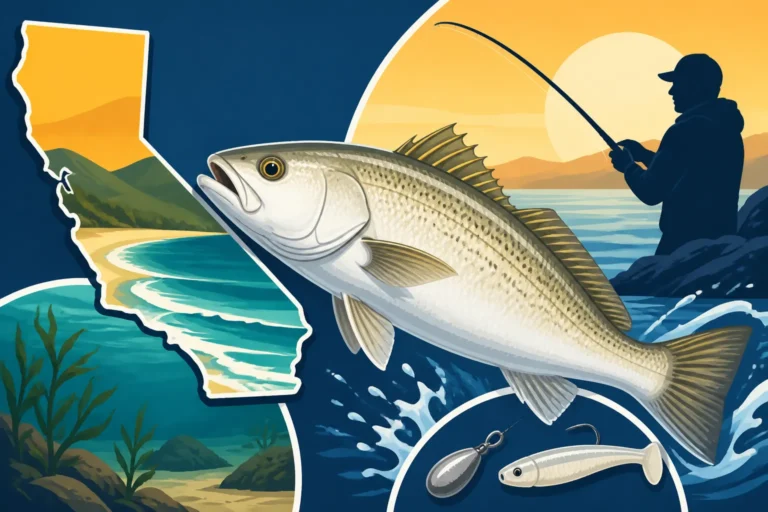
When you think about fishing in California, often your mind immediately goes to the vast, rich Pacific Ocean. And for good reason! Our coastline is teeming with some truly exceptional eating fish, offering a range of flavors and textures to suit any palate. From delicate flakes to firm, meaty steaks, the saltwater scene provides an incredible bounty.
California Halibut: The Flaky Favorite
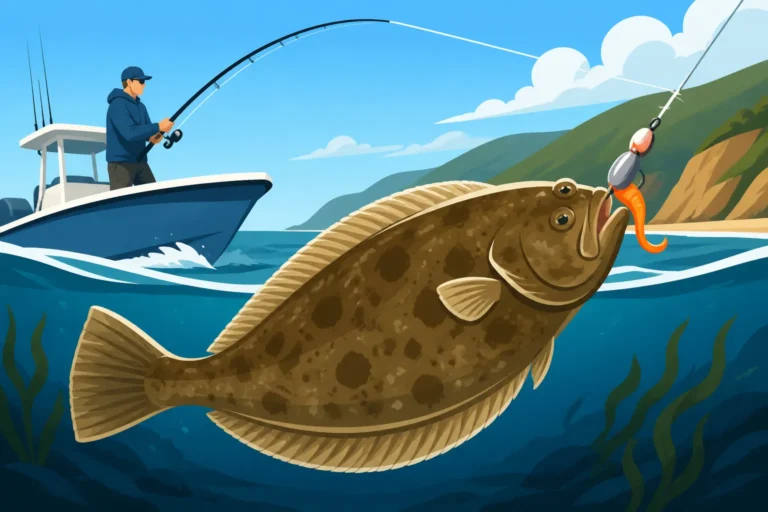
Ah, the California Halibut! This flatfish is a true gem and consistently ranks high on any angler's list of best-eating fish. They're often found lurking in sandy or muddy bottoms, from bays to offshore structures, and catching one can be a real thrill. What makes them so special, though? It's their incredibly mild, sweet flavor and firm, white, flaky flesh that holds up beautifully to almost any cooking method.
Imagine pulling a nice halibut out of the waters near San Diego or drifting for them in San Francisco Bay. Once cleaned and filleted, you'll notice how pristine the meat looks. There's very little "fishy" taste, which makes them a fantastic choice for those who might be a bit wary of stronger-flavored seafood. You can pan-fry it, grill it, bake it, or even ceviche it – it's incredibly versatile. Many chefs prefer halibut because its delicate flavor doesn't overpower other ingredients, allowing it to shine with just a squeeze of lemon and a sprinkle of herbs. Just remember to check the California Halibut Size and Bag Limits before you head out, as regulations are in place to protect these prized fish.
Rockfish: A Diverse and Delicious Group
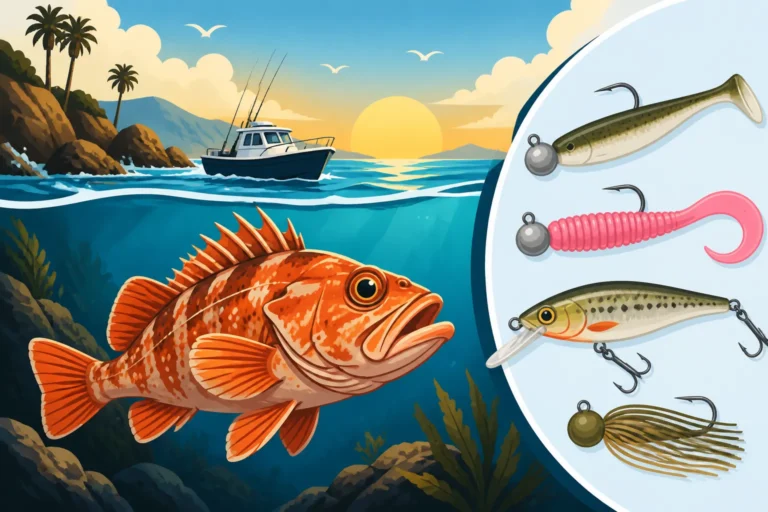
When we talk about "rockfish" in California, we're actually referring to a huge group of species – over 50 of them! Think vermilion, bocaccio, copper, kelp, and chilipepper rockfish, just to name a few. These vibrant bottom-dwellers are a staple of California's coastal fishing scene, particularly when targeting structure or kelp beds. While they vary in color and size, many share similar qualities on the plate: white, firm, and flavorful meat.
Rockfish are known for their consistent quality and are often a go-to for fish tacos or a simple pan-fried fillet. The flesh is lean and moderately firm, flaking nicely when cooked. Because there are so many species, you might notice subtle differences in taste and texture, but generally, they are all excellent eating. They hold up well to deep-frying, baking, or even steaming. When you're out on a charter specifically targeting rockfish, like those found in the nutrient-rich waters off Monterey, you'll often come back with a mixed bag, which is fantastic for culinary variety. Remember that California Rockfish Depth Restrictions and specific bag limits apply, so it's crucial to stay informed about current regulations to ensure a sustainable harvest.
Yellowtail: The Sashimi Star
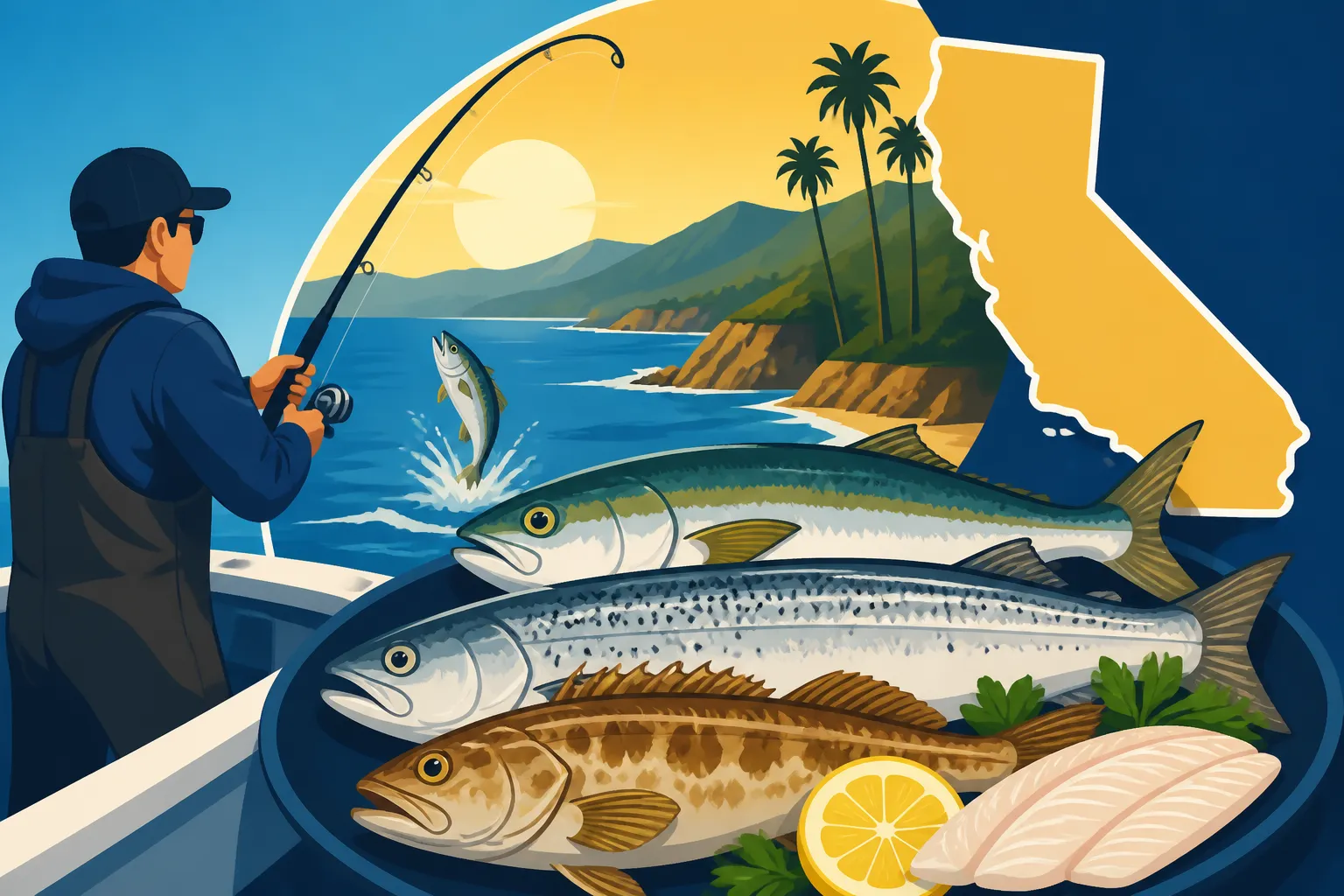
For those who love a firmer, richer, and more full-flavored fish, Yellowtail is an absolute champion. These hard-fighting pelagic fish are a favorite target for sport anglers, especially in Southern California, and are renowned not just for their battle but for their incredible culinary value. Often likened to a milder, less oily tuna, yellowtail boasts beautiful pinkish-red meat that turns white when cooked.
What truly sets yellowtail apart is its versatility, especially for raw preparations. If you've ever had fresh sashimi or poke, chances are you've enjoyed yellowtail, or "hamachi" as it's known in Japanese cuisine. The rich, buttery texture and clean, savory flavor make it exquisite when eaten raw. When cooked, it becomes firm and moist, perfect for grilling as steaks or baking with bold marinades. Many anglers swear by a fresh yellowtail fillet grilled over an open flame with just salt, pepper, and a touch of lime. It's truly a premium fish experience, especially if you get a chance to hook one yourself offshore near Catalina Island or out of a San Diego port. Learning How to Catch Yellowtail in California can lead to some truly memorable meals.
Delectable Freshwater Catches Worth Savoring
While the ocean often steals the spotlight, California's vast network of lakes, rivers, and reservoirs offers a fantastic array of freshwater fish that are equally delicious. For many, nothing beats the peace of a tranquil morning by a lake, pulling in a trout destined for a shore lunch.
Rainbow Trout: The Classic Stream Delight
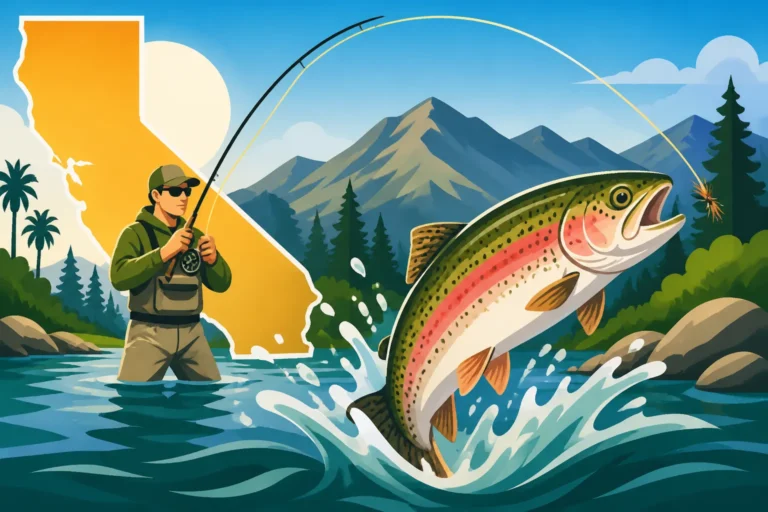
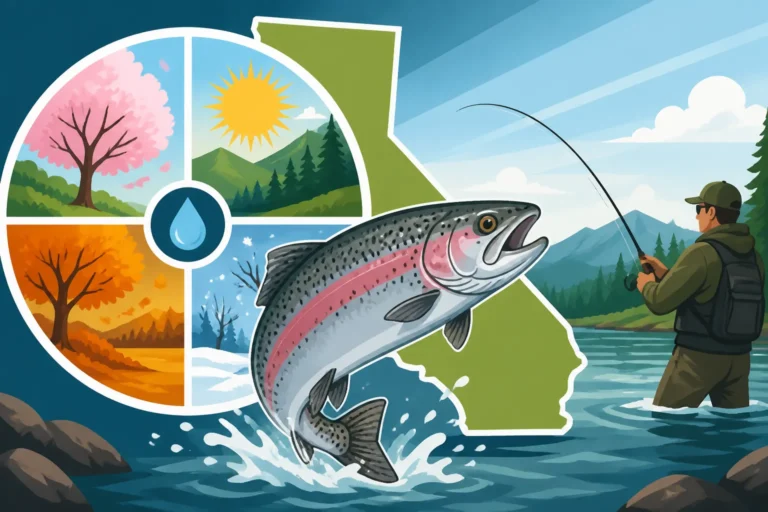
When it comes to freshwater eating, the Rainbow Trout is practically synonymous with delicious. Found throughout California's pristine mountain streams, rivers, and stocked lakes, these beautiful fish are a favorite among anglers of all skill levels. Their flavor is mild and delicate, with a soft, flaky texture that's incredibly appealing.
A fresh-caught rainbow trout, especially one from cold, clean mountain water, is a culinary treat. Many describe its taste as subtly nutty and fresh, a far cry from the muddy flavor some associate with other freshwater species. They’re fantastic baked whole with lemon and herbs, pan-fried with a simple dusting of flour, or even smoked. Imagine camping in the Eastern Sierra and cooking a trout you just caught over an open campfire – it’s an iconic California experience. For tips on catching these beauties, explore our guide on How to Fish for Trout in California. Whether you’re targeting wild trout or those regularly stocked by the Department of Fish and Wildlife, they’re a superb choice for the dinner table.
Crappie: Panfish Perfection
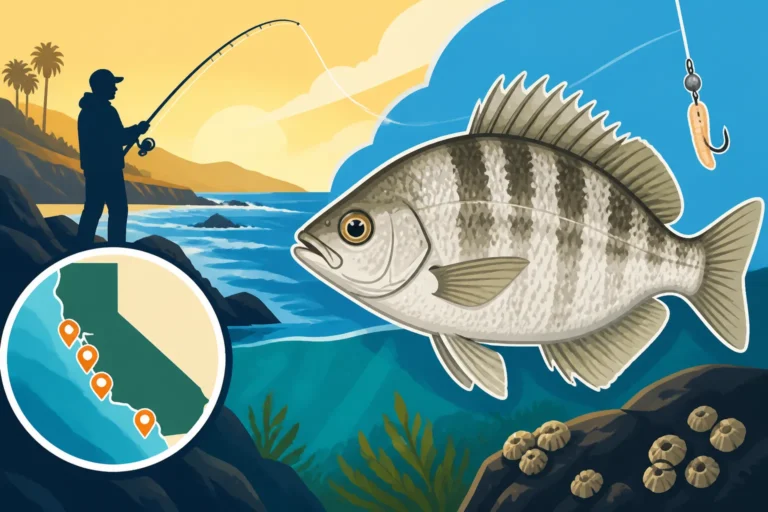
Crappie might not get the same attention as a trophy bass or a leaping trout, but for pure eating pleasure, these panfish are hard to beat. Both black crappie and white crappie are common in many of California's warmer reservoirs and lakes, like Clear Lake or the California Delta. They might be small, but what they lack in size, they more than make up for in flavor.
The meat of a crappie is incredibly white, delicate, and sweet. They're often considered among the best-tasting freshwater fish, renowned for being consistently delicious. They are perfect for pan-frying whole (scaled and gutted, of course) or filleted, creating crispy, golden-brown morsels. Many anglers specifically target crappie not for sport, but purely for the table, as a stringer full of these little fish promises a magnificent meal. Their small size makes them quick to clean and cook, ideal for a spontaneous fish fry with family or friends.
Catfish: Hearty and Versatile
While some anglers are on the fence about eating catfish, channel catfish, in particular, can be a fantastic table fish, especially when caught from clean, cool water. They are prevalent in many of California's larger lakes and reservoirs, including the Central Valley's vast system of waterways and even urban ponds. When prepared correctly, catfish offers firm, mild, and moist white meat that’s incredibly versatile.
The key to good-tasting catfish is often its environment and proper handling. Catfish from murky, warm water can sometimes have a "muddy" taste, but those from clear, cooler environments are excellent. Their texture is firmer and meatier than trout or crappie, making them ideal for frying, baking, or even grilling. Catfish nuggets, breaded and fried, are a classic Southern comfort food, and they translate perfectly to a California backyard BBQ. You can find excellent quality catfish in places like Lake Isabella or the Delta. For best results, consider removing the darker, reddish meat along the lateral line when filleting, as this can sometimes contribute to a stronger flavor.
Beyond the Bite: Factors Influencing Fish Flavor and Texture
It's not just about the species; several factors play a huge role in how good your catch tastes. Understanding these can elevate a good eating experience to a truly exceptional one. From where the fish lives to how you handle it, every step matters.
Habitat and Diet Make a Difference
Just like with any animal we eat, a fish's environment and what it consumes directly impact its flavor and texture. A fish living in cold, clean, well-oxygenated water, feeding on a natural, diverse diet, will almost always taste better than one from warm, stagnant, or polluted water. For example, a Rainbow Trout from a pristine Sierra stream often has a cleaner, sweeter flavor than a stocked trout from a warmer, muddier pond.
Consider the difference in a salmon's diet; those feeding on krill and smaller baitfish in the ocean will have that characteristic rich, red-orange flesh and buttery flavor. Similarly, a Yellowtail that's been feasting on squid and sardines offshore will have a much richer, cleaner flavor than one that might have been scrounging near a less desirable food source. This is why location matters so much when choosing your fishing spot – anglers often seek out areas known for healthy fish populations and clean water. This attention to detail can drastically improve the quality of your catch for the dinner table.
Immediate Handling and Storage
This is arguably one of the most crucial, yet often overlooked, factors in fish quality. The moment a fish leaves the water, its quality begins to degrade. Proper handling immediately after the catch can make an enormous difference in taste, texture, and shelf life. The goal is to cool the fish down as quickly as possible and keep it clean.
The best practice is to bleed the fish immediately upon landing, especially larger species like Yellowtail or Halibut. This removes blood from the flesh, which can cause a "fishy" taste and hasten spoilage. Then, get it on ice, and lots of it. A quality cooler filled with an ice-and-water slurry is ideal, ensuring the fish's core temperature drops rapidly. Avoid letting fish flop around in a dry bucket or lay in the sun; this stresses the fish and warms the meat, leading to a mushy texture and stronger flavors. Even a simple, affordable cooler and a bag of ice can make all the difference. Many experienced anglers keep a dedicated fish cooler and a bag of ice readily available, a small investment that pays off big time in the kitchen.
From Water to Plate: Best Practices for Quality and Sustainability
Bringing your catch from the water to your dinner plate involves more than just reeling it in. To truly enjoy the best eating fish California has to offer, it's vital to follow best practices for both quality preservation and environmental stewardship. After all, we want to ensure these delicious resources are available for future generations.
The Importance of Quick and Clean Processing
Once you've made your catch, the clock starts ticking. The sooner you can get your fish cleaned and processed, the better the final product will be. This means having the right tools on hand and knowing how to use them effectively. A sharp fillet knife is paramount; dull knives make the job harder and can damage the delicate flesh.
Whether you're filleting, gutting, or steaking your fish, aim for cleanliness. Work on a clean surface, and rinse your fillets or whole fish thoroughly with cold water to remove any blood or scales. Pat them dry before storing. For larger fish, like a Lingcod, you might opt for steaks rather than fillets, which can be easier to manage and cook. Investing in a good fillet knife set, perhaps found on Amazon, can make this task much more enjoyable and efficient, turning what might seem like a chore into a seamless part of the fishing experience. Properly processed fish, vacuum-sealed if possible, can be frozen for several months without significant loss of quality, allowing you to enjoy your harvest long after your trip.
Understanding Regulations and Sustainable Harvesting
As passionate anglers, we have a responsibility to protect California's incredible fisheries. This means not just following the rules, but understanding the why behind them. Regulations on bag limits, size limits, and seasons are all designed to ensure fish populations remain healthy and abundant. For example, knowing the current California Salmon Season Dates is crucial for targeting these highly sought-after fish responsibly.
Participating in sustainable fishing means taking only what you need and what is legally allowed. It also means releasing fish carefully when practicing catch-and-release, giving them the best chance of survival. Being aware of California Marine Protected Areas Explained is also vital, as fishing is highly restricted or prohibited in these sensitive ecological zones. Many tackle shops and online resources provide up-to-date information, and keeping a copy of the California Sport Fishing Regulations booklet is always a good idea. By being informed and responsible, we contribute to the long-term health of our fisheries, ensuring that the best eating fish in California continue to thrive.
Mastering the Kitchen: Preparing Your California Catch
You've put in the hard work: battled the elements, outsmarted the fish, and meticulously handled your catch. Now comes the rewarding part – transforming it into a meal. The way you prepare and cook your fish can make all the difference, enhancing its natural flavors and textures.
Simple Cooking Methods for Maximum Flavor
Often, the best way to enjoy a fresh, quality fish is to keep the cooking simple. Overpowering delicate flavors with too many spices or heavy sauces can mask the true taste of your catch. The goal is to highlight the fish itself.
For white, flaky fish like California Halibut or rockfish, a quick pan-fry or bake is often perfect. A little olive oil, salt, pepper, and a squeeze of lemon are sometimes all you need. For firmer, richer fish like Yellowtail, grilling or broiling in steaks can bring out fantastic flavors. Try a simple marinade of soy sauce, ginger, and garlic for grilled yellowtail. Freshwater species like Rainbow Trout shine when baked whole with fresh herbs like dill or parsley stuffed in the cavity. A fish basket, easily found on Amazon, can be a great tool for grilling whole fish or delicate fillets, preventing them from sticking or falling apart on the grates. Don't be afraid to experiment, but always start with the basics to truly appreciate the fish's natural deliciousness.
Beyond the Fillet: Exploring Different Cuts and Recipes
While filleting is common, different cuts of fish can offer unique culinary experiences. Whole roasted fish, especially smaller to medium-sized specimens like crappie or a 2-pound trout, can be incredibly moist and flavorful. The bones and skin help to retain moisture and impart depth of flavor.
For larger fish like Yellowtail, consider cutting them into thick steaks, which are excellent for grilling and prevent overcooking. The belly meat of many species, particularly tuna and yellowtail, is often prized for its higher fat content and rich, melt-in-your-mouth texture, perfect for sashimi or quickly seared. Even fish collars, often discarded, can be grilled or broiled to succulent perfection. Don't limit yourself to just the standard fillet; explore different preparation methods and parts of the fish to truly maximize your culinary enjoyment. A good fish cookbook can be a valuable resource to inspire new dishes and techniques.
Here’s a quick overview of some of California’s best eating fish:
| Fish Species | Typical Flavor Profile | Texture | Best Cooking Methods | Notes |
|---|---|---|---|---|
| California Halibut | Mild, Sweet | Firm, Flaky | Pan-fry, Grill, Bake, Ceviche, Sashimi | Premium white fish, very versatile. |
| Rockfish (various) | Mild | Firm, White, Flaky | Pan-fry, Bake, Deep-fry, Tacos, Steamed | Excellent all-around eating fish, especially good for tacos. |
| Yellowtail | Rich, Clean, Savory | Firm, Buttery | Sashimi, Poke, Grill, Broil, Sear | Highly prized for raw preparations; meaty when cooked. |
| Rainbow Trout | Mild, Nutty, Fresh | Soft, Flaky | Pan-fry, Bake (whole), Smoke | Classic freshwater choice, best from cold, clean water. |
| Crappie | Sweet, Delicate | White, Very Flaky | Pan-fry (whole or fillets), Deep-fry | Small panfish with superb eating quality, often called "poor man's lobster." |
| Channel Catfish | Mild, Earthy | Firm, Moist | Fry, Bake, Grill | Best from clean, cool water; can be very hearty. |
| Lingcod | Mild, Sweet | Firm, Large Flake | Bake, Roast, Poach, Steam, Fry | Another great white fish, often targeted alongside rockfish. Check California Lingcod Regulations and Limits. |
| Pacific Sardine | Rich, Oily, Strong | Soft | Grill (whole), Pan-fry, Smoke, Canned | Small but mighty, incredibly healthy. |
| White Seabass | Mild, Buttery | Firm, Large Flake | Grill, Broil, Bake, Pan-sear, Sashimi | Highly prized for its white, buttery flesh; similar to yellowtail in quality. |
| California Sheephead | Sweet, Lobster-like | Firm, White | Pan-fry, Bake, Grill | Unique taste profile, very popular among divers and spearfishermen. |
Disclaimer
Fishing regulations, seasons, and limits can change frequently. Always consult the latest California Department of Fish and Wildlife (CDFW) regulations before heading out. This guide is for informational purposes only and should not replace official sources.