King Salmon in California: Where and How to Catch
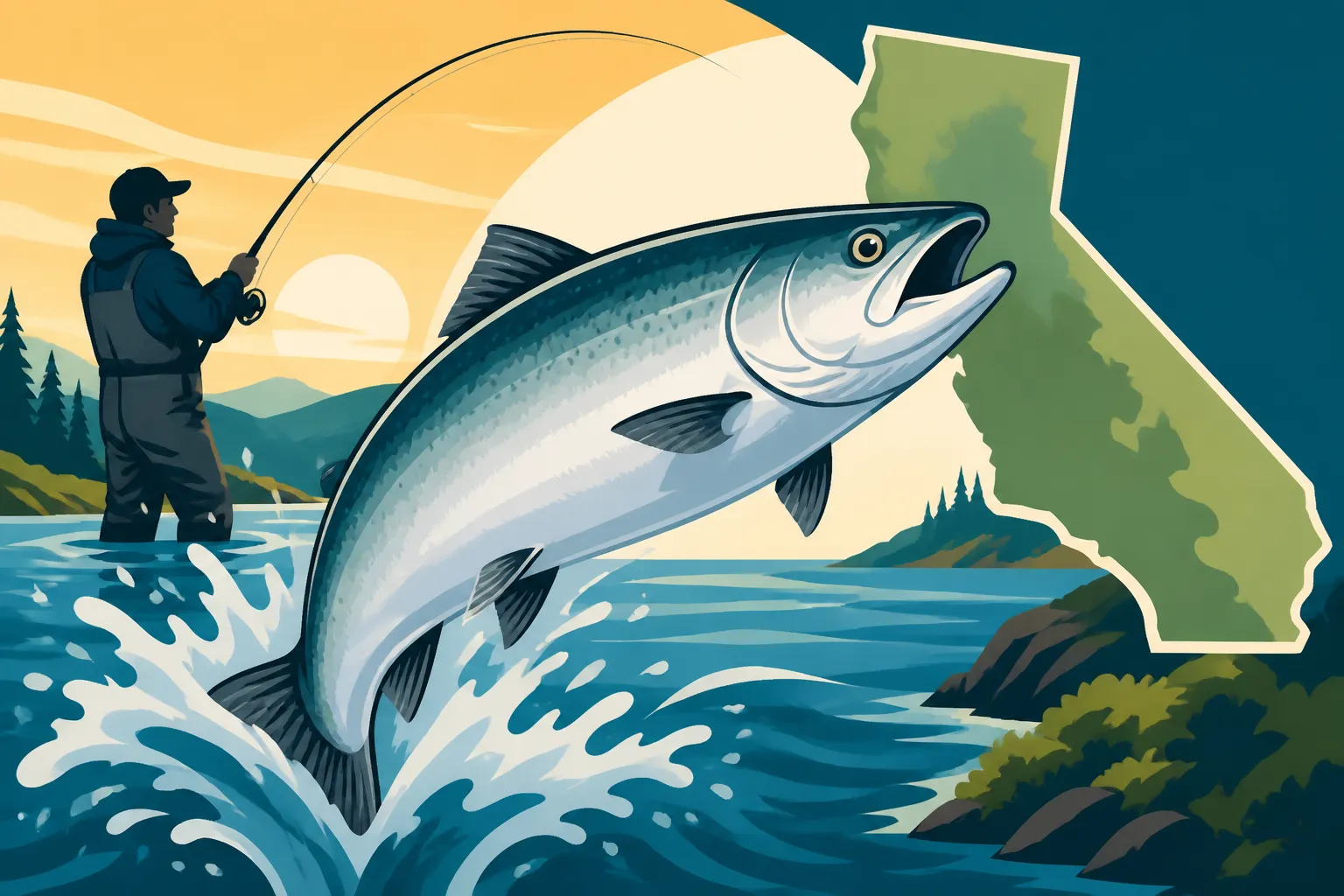
Dreaming of hooking into a powerful King Salmon in California? It’s a pursuit that fuels the passion of countless anglers, but let’s be real – figuring out where and when these majestic fish are running, and then what mysterious bait or lure will entice them, can feel like you’re trying to solve a puzzle with half the pieces missing. The seasons shift, the regulations change, and what worked last year might not work today. This comprehensive guide is here to cut through the confusion, offering you practical, no-nonsense advice on locating and successfully catching King Salmon, also known as Chinook, in the Golden State's diverse and often challenging waters.
Understanding King Salmon Migrations in California
King Salmon are anadromous fish, which means they spend the majority of their lives growing and feeding in the ocean before returning to their natal freshwater rivers to spawn. This incredible life cycle dictates where and when you'll find them, creating distinct fishing opportunities in both saltwater and freshwater environments. Missing a run or trying to fish a barren stretch of river can be incredibly frustrating, so understanding their journey is key.
Coastal Ocean Fisheries: The First Opportunity
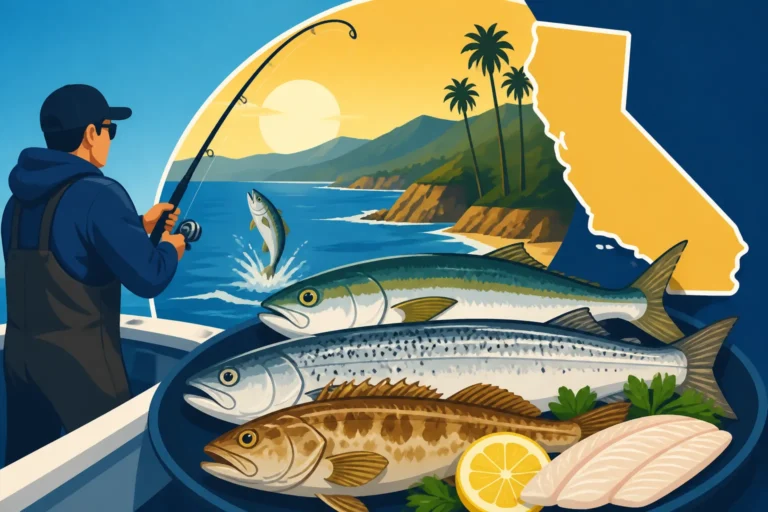
For many anglers, the first crack at King Salmon happens out on the big blue. These fish spend years at sea, growing to impressive sizes by feasting on nutrient-rich prey like anchovies, sardines, and squid. They roam the vast expanse of the Pacific Ocean off California's coast, often congregating in areas with upwellings, bait balls, and temperature breaks. These are effectively their buffet lines, and smart anglers know to look for these signs.
When conditions are right, vast schools of King Salmon will gather offshore, sometimes just a few miles from the coast, making them accessible to sportfishing boats. The exact locations vary from year to year, influenced by ocean currents, water temperature, and baitfish availability. Historically, areas off Fort Bragg, the San Francisco Bay entrance, and Monterey Bay have been famous for their robust ocean salmon seasons. This phase of their life cycle is all about feeding and bulking up, making them incredibly strong fighters when hooked. The sheer size and power of an ocean-run King Salmon is something you truly have to experience to believe.
Freshwater Spawning Runs: River Systems
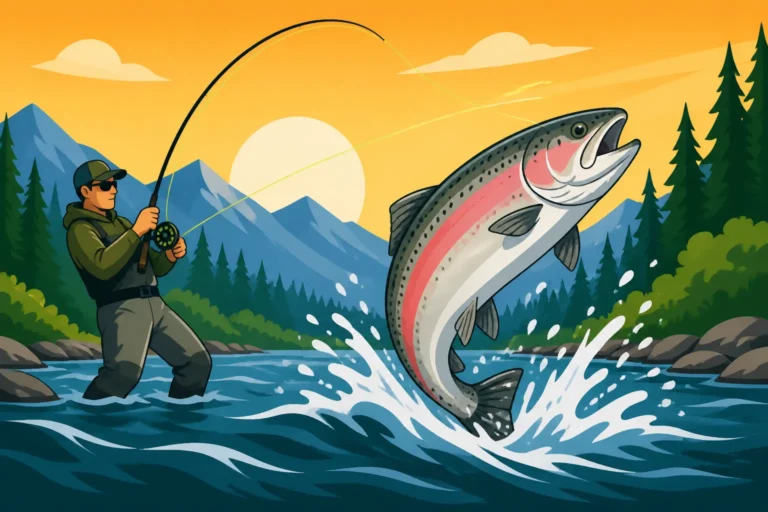
After years at sea, usually between two to five years, mature King Salmon feel the undeniable call to return to the very rivers where they hatched. This instinct-driven journey upstream, often against powerful currents, is a true marvel of nature. These "spawning runs" occur in many of California’s major river systems, including the mighty Sacramento River, the Klamath River, and tributaries like the Feather River and American River.
The timing of these runs is critical and can be heavily influenced by rainfall and water levels. Salmon need enough water to navigate rapids and shallow stretches, so a dry year can significantly delay or diminish a run, causing immense disappointment for hopeful river anglers. Once they enter the freshwater, their focus shifts from feeding to reproduction. While they might still strike a lure out of aggression or instinct, they are not actively feeding in the same way they were in the ocean. This makes river fishing a different challenge, often requiring more precise presentations and a keen understanding of fish behavior in current. It's not just about finding the fish, but about getting them to react.
Prime Time and Locations for King Salmon Fishing
Knowing when and where to intercept these migratory fish is half the battle. King Salmon fishing in California is highly seasonal and location-dependent, changing dramatically from the ocean to the rivers. It’s not uncommon for anglers to miss a prime window by just a week or two, which can be incredibly disheartening after all the preparation.
Ocean Seasons and Hotspots
California's ocean salmon seasons are notoriously variable, set annually by state and federal agencies based on population forecasts and conservation needs. Historically, these seasons often open in late spring or early summer and can run through early fall, but this isn't a guarantee. Some years, seasons are heavily restricted or even closed in certain areas due to low fish returns. It’s absolutely essential to check the latest California Fishing Regulations Explained before planning any trip.
When the ocean season is open, several ports become bustling hubs for salmon enthusiasts.
- Northern California: Ports like Crescent City, Eureka, and Fort Bragg often see the earliest action. The waters here are cooler and can hold baitfish earlier in the season.
- Central California: Bodega Bay, Half Moon Bay, and the San Francisco Bay area are legendary for their ocean salmon fisheries. Boats from these ports often target feeding grounds near the Farallon Islands, or along the coast where currents create ideal conditions.
- Monterey Bay: Another fantastic option, with charters departing from Monterey and Santa Cruz. The deep canyon in Monterey Bay often holds rich feeding grounds.
Anglers on party boats and private charters often rely on marine electronics like fish finders to locate bait balls and schools of salmon. Looking for diving birds can also indicate where bait is concentrated, and thus where salmon might be feeding. A good quality fish finder, which you can find a wide selection of on Amazon, is virtually indispensable for successful ocean salmon fishing. Understanding the currents, water temperature breaks, and even the subtle changes in ocean color can lead you right to the fish.
River Seasons and Key Stretches
As the ocean season winds down, or sometimes overlapping with it, King Salmon begin their push into freshwater rivers to spawn. This typically occurs from late summer through fall, with exact timing again depending on the specific river system and environmental factors like rain. For a more detailed look at the best times, check out our guide on the Best Season for Salmon in California.
- Sacramento River: Without a doubt, the most famous King Salmon river in California. The run usually starts in late summer, with fish pushing all the way from the San Francisco Bay Delta upriver. Key stretches include the Redding area (especially below Keswick Dam), Anderson, Red Bluff, Chico, and down to Verona. The "mouth of the Feather" at Verona can be a major congregation point. Many anglers consult the Sacramento River Fishing Guide for up-to-date information.
- Klamath River: Located in Northern California, the Klamath sees significant fall-run Chinook. Fishing regulations here can be complex due to tribal fishing rights and specific zones with different bag limits. Key areas are the estuary near Requa, and upriver sections. Always refer to the Klamath River Fishing Guide and specific regulations for this river.
- Feather River: A major tributary to the Sacramento, the Feather River offers excellent salmon fishing, especially in its lower stretches below Oroville Dam. The fish often stack up in the cooler waters released from the dam. Our Feather River Fishing Guide can provide more details.
- American River: Another vital tributary to the Sacramento, entering just east of downtown Sacramento. The American River has strong salmon runs, particularly in the fall, with popular spots below Nimbus Dam and throughout the lower river. Refer to the American River Fishing Guide for detailed insights.
Timing is everything in river fishing. Anglers often watch river flows, water temperatures, and fishing reports like a hawk. A sudden rise in river level due to rain can trigger a fresh push of fish upstream, electrifying the fishing. Conversely, low, clear water can make the fish skittish and harder to catch.
| Location Type | Peak Season (General) | Key Fishing Methods | Common Gear |
|---|---|---|---|
| Ocean | June – October | Trolling, Moocing | Downriggers, Flashers, Spoons, Live/Cut Bait |
| Rivers | August – November | Back-bouncing, Side-drifting, Plugs | Roe, Yarnies, Plugs (Kwikfish), Heavy Sinkers |
Essential Techniques and Gear for California King Salmon
Once you've nailed down the "where" and "when," the next challenge is the "how." King Salmon are powerful, intelligent fish, and success often comes down to employing the right techniques and having reliable gear. Trying to use trout gear for a 30-pound King Salmon is a recipe for heartbreak and lost fish.
Ocean Fishing Strategies: Trolling and Moocing
Out on the ocean, the primary methods for King Salmon are trolling and moocing. Both require patience and a good understanding of boat control and fish behavior.
- Trolling: This is perhaps the most common method for ocean salmon. It involves dragging lures or bait behind a moving boat. The goal is to cover ground and present your offering at the precise depth where salmon are feeding.
- Gear: Downriggers are essential to get your lures down to specific depths, which can range from 20 to over 100 feet depending on bait location. Anglers often run multiple lines at different depths to find the "strike zone."
- Lures/Bait: Popular choices include metal spoons (like Apex, Coyote, or Silver Horde), plastic hoochies (squid imitations), or classic cut-plug herring or anchovy rigs. Often, these are paired with flashers or dodgers, which are large, reflective attractors designed to mimic baitfish or create vibrations that draw salmon in.
- Technique: Pay close attention to your boat speed; slow trolling (1.5-3 mph) is often key, and subtle S-turns can make your lures dance enticingly. Watch your fish finder for signs of bait or fish, and always keep an eye on the other boats – if one boat hooks up, there’s likely a school nearby.
- Moocing: This technique is particularly effective when salmon are concentrated in a specific area and you want to present live bait as naturally as possible.
- Gear: A slightly lighter setup than heavy trolling gear, often involving a mooching reel (a large, single-action fly reel-like reel) or a baitcasting reel with a sensitive rod. You'll use heavier sinkers (4-12 oz) to get your bait down.
- Lures/Bait: Live anchovies or sardines are king here. If live bait isn't available, a well-prepared cut-plug herring or a whole dead anchovy can also be deadly.
- Technique: You drift with the current, dropping your bait to the desired depth and slowly reeling up a few feet, then dropping it again. This creates a tantalizing jigging motion. Many anglers incorporate a slow "rise and fall" action, letting the bait drop and then slowly retrieving it a few feet. Knowing how to properly rig a cut-plug herring or a live anchovy to spin correctly in the water is a skill that takes practice but pays off handsomely. If you're looking to refine your technique, our guide on Mooching for Salmon in California offers more in-depth advice.
For any of these ocean techniques, you’ll want a robust rod and reel combo capable of handling powerful runs. You can find a wide selection of reputable brands like Penn, Shimano, or Okuma on Amazon.
Freshwater Fishing Methods: Back-Bouncing, Side-Drifting, Plugs
River fishing for King Salmon presents a completely different set of challenges and requires specialized techniques adapted to current, snags, and fish behavior in freshwater. Trying to troll like you would in the ocean would be impractical, if not impossible, in most river settings.
- Back-bouncing: This is a highly effective method for presenting bait to salmon holding in deeper holes or behind structure.
- Gear: A medium-heavy to heavy casting rod (8-10 feet), paired with a robust baitcasting reel spooled with strong braided line (50-80 lb) and a fluorocarbon leader. You'll use heavy lead sinkers (often 1-4 oz, sometimes more depending on current) attached via a slider or three-way swivel, with a leader (2-4 ft) to your hook.
- Lures/Bait: Cured salmon roe (eggs) is the go-to bait, often presented in a spawn sack or "yarnie." Other options include Brad's Super Baits or small clusters of roe.
- Technique: You cast upstream and allow your bait and sinker to "bounce" along the bottom with the current, slowly dropping your rod tip to let the line out. The goal is to keep the bait in the strike zone directly in front of the fish, which are often facing upstream. When you feel a subtle "thump," it could be a fish, or it could be a rock – distinguishing the two takes practice!
- Side-drifting: This method is often used from a drift boat or raft, allowing anglers to cover long stretches of river.
- Gear: Lighter gear than back-bouncing, often a medium-heavy spinning or casting rod (8-10.5 feet) with a reel spooled with 20-30 lb braided line and a fluorocarbon leader. Small lead weights (1/4 – 1 oz) or pencil lead are used to keep the bait near the bottom.
- Lures/Bait: Again, cured roe is popular, often fished with a small float or simply free-drifting. Spin-n-Glos or Cheaters can be added for attraction.
- Technique: From a moving boat, anglers cast slightly upstream and let their bait drift naturally downstream, trying to match the speed of the current. The idea is to present the bait right into the fish's face as the boat glides past.
- Plugs: Diving plugs are excellent for aggressive salmon, particularly in deeper runs or when fish are holding in distinct slots.
- Gear: A medium-heavy casting rod (7-9 feet) and a reliable baitcasting reel.
- Lures: Kwikfish, Brads Killerfish, or FlatFish are classic choices. These plugs dive and wobble, imitating an injured baitfish. Many anglers "wrap" their plugs with a small piece of sardine or anchovy fillet, adding scent and extra enticement.
- Technique: Plugs are often fished by back-trolling (using the boat's motor to slow its drift downstream) or anchoring in prime holding water and letting the plug work in the current. It's an active way to fish, as you're constantly adjusting to the current and boat speed. For lures, I often stock up on proven brands like Kwikfish, Brad's Killerfish, or various spoon manufacturers, easily available on Amazon.
No matter the method, a sturdy landing net is crucial, as is a good quality fillet knife and a cooler to keep your catch fresh. Don't forget essentials like a sturdy landing net, a quality fillet knife, and a cooler – all readily available on Amazon, ready for your next big catch. For a more exhaustive exploration of techniques, dive into our article on How to Fish for Salmon in California.
Navigating King Salmon Regulations and Conservation
Here’s where things often get tricky, and where a lot of anglers, unfortunately, run into trouble. California’s fishing regulations, especially for King Salmon, are dynamic and subject to frequent changes, often even mid-season. It's not just about what to catch, but what you can keep, and under what specific conditions. Ignoring these rules can lead to hefty fines and loss of fishing privileges.
Understanding Bag and Size Limits
The California Department of Fish and Wildlife (CDFW) sets strict bag limits (how many fish you can keep) and size limits (the minimum length a fish must be to be kept) for King Salmon. These limits are not uniform across the state and can vary significantly based on:
- Ocean vs. Freshwater: Ocean regulations often differ from river regulations.
- Specific Rivers: Rivers like the Klamath and Sacramento often have unique rules, sometimes even different limits for different sections of the same river.
- Time of Year: Limits can change throughout the season.
- Conservation Status: If a particular run is struggling, emergency closures or reduced limits can be implemented without much notice.
For example, ocean salmon regulations might allow for two King Salmon per person, with a minimum size of 20 inches, while a river might have a one-fish limit and a different size restriction, or even specific days of the week when fishing is allowed. This variability can be frustrating, but it's crucial for managing and conserving these valuable fish stocks. Before every single trip, you absolutely must check the latest regulations. The CDFW website is your best friend here, or pick up a copy of the official California Fishing Regulation Booklet Explained. Our specific guide on California Salmon Regulations and Limits can also offer a helpful overview, but always double-check with the most current official sources.
Report Cards and Special Regulations
Beyond bag and size limits, there are other critical regulations you need to be aware of:
- Salmon Report Card: A King Salmon is considered a "sport-caught anadromous salmonid" and requires a dedicated report card in addition to your standard California Fishing License. This is not just a suggestion – it’s a mandatory requirement. You must fill out the card immediately upon catching a salmon and return it to CDFW at the end of the season. This data is vital for fisheries management. Learn more about the California Salmon Report Card.
- Barbless Hook Requirements: In many California waters, especially those designated for salmon and steelhead, the use of barbless hooks is mandatory. This is a conservation measure designed to increase the survival rate of released fish. If you plan on fishing any salmon-bearing river, assume barbless hooks are required unless explicitly stated otherwise. Get more details on California Barbless Hook Requirements.
- Special Regulation Waters: Certain stretches of rivers might have additional rules, such as specific gear restrictions (e.g., artificial lures only), bait restrictions, or even catch-and-release only zones. Always read the fine print for the specific body of water you intend to fish.
Navigating these regulations can feel like a bureaucratic headache, but remember that these rules are in place to ensure that King Salmon populations remain healthy for future generations of anglers. It’s our responsibility as ethical fishermen and women to understand and abide by them. Always prioritize conservation, and if in doubt, release the fish or err on the side of caution. Even something as simple as a good pair of polarized sunglasses and appropriate rain gear, which can be found with ease on Amazon, can make your time on the water more comfortable and productive, allowing you to focus on the fishing and the regulations.
Disclaimer
Fishing regulations and seasons, especially for migratory species like King Salmon, can change frequently due to biological data and management decisions. While this guide provides general information, it is crucial to always consult the latest official California Department of Fish and Wildlife (CDFW) regulations before any fishing trip. Compliance with all local, state, and federal laws is the responsibility of the angler.