Yellowtail in California: Where and How to Catch
Catching yellowtail in California can be an incredibly rewarding experience, but it often feels like you're chasing ghosts, doesn't it? One day they're boiling on the surface, the next they've vanished without a trace, leaving anglers frustrated and empty-handed. This guide is here to cut through the mystery, providing you with the essential knowledge on where to find these powerful fighters and the most effective techniques to get them on your line across California's diverse waters.
Understanding California Yellowtail (Seriola lalandi)
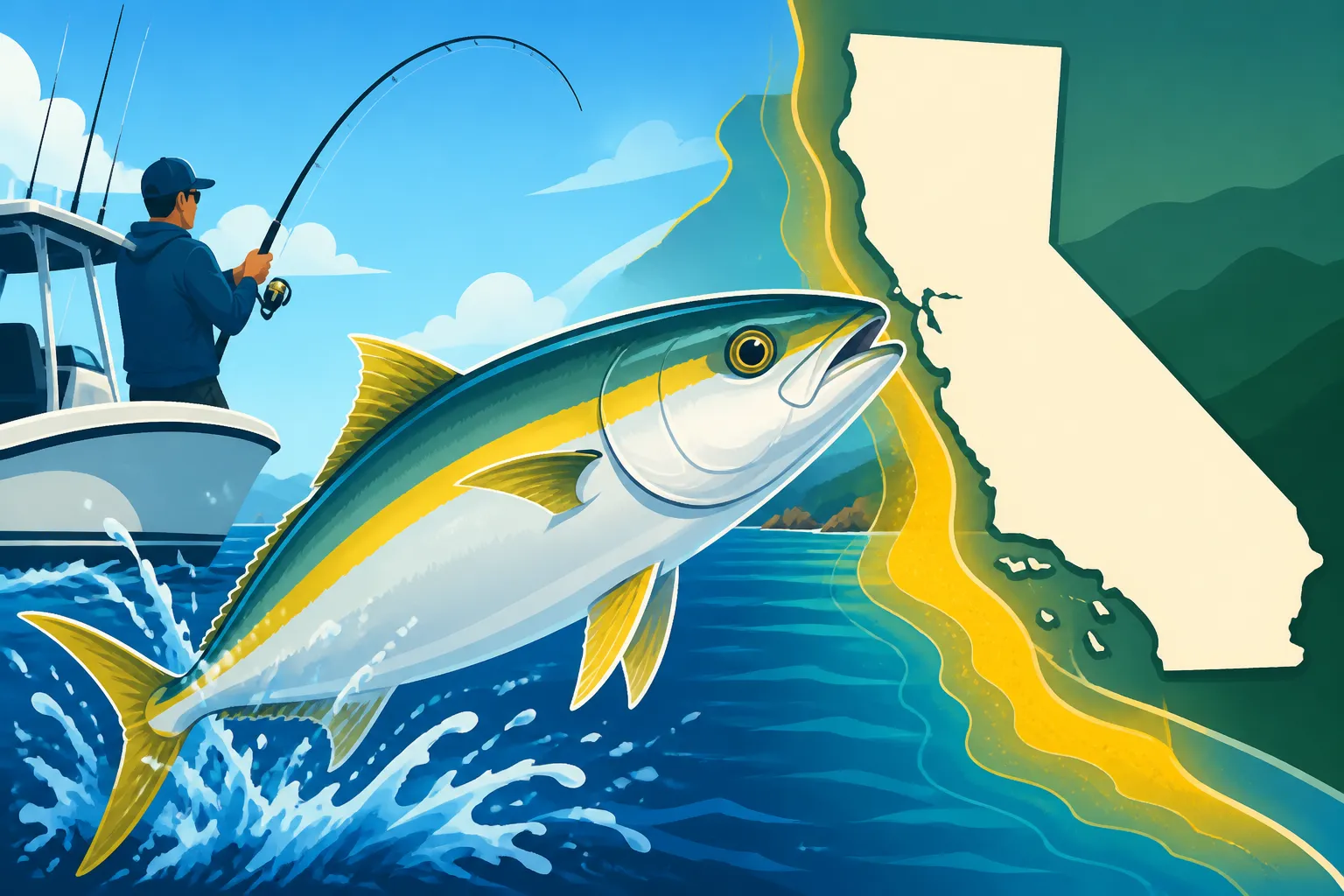
California yellowtail, often affectionately called "forktails" by local anglers due to their distinctive forked tails, are truly one of the ocean's most exhilarating catches. They're not just beautiful, with their iridescent golden stripe running down their side; they're also notoriously hard-fighting, making them a prime target for sport fishermen up and down the California coast. Before we dive into the "where" and "how," let's get a good grasp on who we're dealing with.
Identifying Yellowtail and Their Habits
Yellowtail are members of the jack family, and their powerful, streamlined bodies are built for speed and agility. They typically have a dark blue or greenish-blue back that fades to silver on their sides, highlighted by that striking yellow lateral stripe that gives them their name. Their fins are often yellowish, particularly the caudal (tail) fin. Size-wise, they can range from small "firecrackers" in the 5-10 pound class to true "mossbacks" exceeding 40 pounds, with larger specimens being a real test of an angler's strength and gear.
These pelagic predators are highly opportunistic feeders, often hunting in schools. They'll chase down anchovies, sardines, mackerel, squid, and even smaller finfish. Their aggressive feeding habits are what make them such a blast to catch – they hit hard and fight dirty, often making long, powerful runs and diving for cover. Understanding their preferred prey and how they react to different stimuli is key to successfully targeting them. They can be found near kelp beds, offshore islands, submerged high spots, and even breaking surf lines when baitfish are abundant.
Yellowtail Migration Patterns and Seasons in California
Yellowtail are a migratory species, and their presence in California waters is largely tied to water temperature and bait availability. Generally, the warmer waters of Southern California see a more consistent yellowtail presence. They tend to move north as ocean temperatures rise in the late spring and summer, sometimes pushing as far north as Monterey Bay or even beyond, though these northern appearances are less predictable. The season typically kicks off in earnest in late spring (April/May) and can run well into the fall (October/November), with peak activity often in the summer months.
However, it's not a hard-and-fast rule. There are always resident populations, especially around the Channel Islands and some of the more southerly banks, that can be targeted year-round, albeit with varying degrees of success depending on conditions. El Niño years, with their warmer-than-average ocean temperatures, often bring an abundance of yellowtail closer to shore and farther north than usual, creating epic fishing opportunities. Keeping a close eye on California Fishing Seasons: Month-by-Month Guide and local fishing reports is absolutely crucial for tracking their movements and finding the best bite windows.
Top Spots for Yellowtail Fishing in California
California is a vast state with a diverse coastline, offering a range of yellowtail opportunities from accessible shorelines to distant offshore islands. Knowing where to focus your efforts can drastically improve your chances of success.
Southern California Hotspots
When most people think of yellowtail fishing in California, their minds immediately go to Southern California, and for good reason. This region is the undisputed king of yellowtail action. The waters around San Diego are legendary, particularly Point Loma, Coronado Islands (though these are in Mexican waters and require specific permits), and the various offshore banks like the Cortez Bank and Tanner Bank. These areas are magnets for yellowtail due to their rich baitfish populations and complex underwater structures.
Further north, the Channel Islands—including Santa Catalina, San Clemente, San Nicolas, and Santa Cruz Islands—are perennial hotspots. These islands provide abundant kelp beds, rocky reefs, and currents that congregate bait, making them ideal hunting grounds for yellowtail. Many reputable charter boats operate out of San Diego, Dana Point, Long Beach, and Ventura, specializing in trips to these productive areas. If you're looking for a serious offshore adventure, consider a multi-day trip on one of the larger sportfishing boats out of landings like Fisherman's Landing or H&M Landing, especially if you're targeting those larger "mossbacks." You can learn more about booking these kinds of trips by checking out a guide on Best Fishing Charters in San Diego.
Central and Northern California Opportunities
While Southern California is the primary domain, yellowtail can and do make appearances further north, particularly during warmer water years or late summer and early fall. Areas around Monterey Bay and even up towards Half Moon Bay can occasionally see schools of yellowtail, especially during strong pushes of warm water. These opportunities are generally less consistent and more fleeting than in the south, but when they do show up, they can offer spectacular fishing for anglers who are ready for them.
Anglers in Central and Northern California often monitor water temperatures diligently and keep an eye on unusual bait aggregations, as these are usually the precursors to a yellowtail visit. Shore anglers might even get a crack at them from prominent points or piers if schools of bait push close to the coast. It's truly a testament to the diverse waters of California that a fish typically associated with the warmer south can surprise anglers much further north.
Fishing from Shore, Piers, and Boats
Yellowtail fishing isn't just for offshore boats; it can be accessible from various platforms, each with its own advantages and challenges.
- Shore Fishing: While challenging, catching yellowtail from shore is a coveted feat. Look for areas with deep water access, kelp stringers, or rocky points where baitfish gather. Early mornings and late evenings are often the best times. You'll need long casting rods and the ability to cast heavy lures or baits a good distance. Places like La Jolla Cove in San Diego, or certain rocky sections of Palos Verdes, can occasionally yield a shore-caught yellowtail.
- Pier Fishing: Piers generally offer less consistent yellowtail action than boats, but it's not impossible. Large, deep-water piers like the Oceanside Pier or the Imperial Beach Pier, especially those near kelp beds or structure, can sometimes have yellowtail pass through. Live bait, like mackerel or sardines, fished under a balloon or slid down your line, is often the most effective method here. Remember to always check California Pier Fishing License Rules as rules can vary.
- Boat Fishing: This is by far the most effective way to consistently target yellowtail. Whether it's a private boat, a six-pack charter, or a large party boat, getting out on the water opens up access to kelp beds, islands, and offshore banks where yellowtail thrive. Experienced captains know how to locate bait schools, spot "boiling" fish, and put you on the bite. For the best chances, booking a dedicated yellowtail trip with an experienced operator is highly recommended. These trips often last from half-day to full-day excursions, and sometimes even longer for prime offshore zones.
Essential Gear and Tackle for Yellowtail
You wouldn't bring a butter knife to a sword fight, right? The same goes for yellowtail fishing. These fish are powerful, and if your gear isn't up to snuff, you'll be left with snapped lines and broken hearts. Equipping yourself correctly is half the battle.
Rods, Reels, and Line Selection
Choosing the right rod and reel combo is paramount. For yellowtail, you need gear that can handle strong, sustained runs and has enough backbone to turn a powerful fish away from kelp or structure.
- Rods: A medium-heavy to heavy conventional rod, typically 7-8 feet long, with a fast action is ideal. Look for rods rated for 20-50 lb line. For casting jigs or small live baits, a slightly lighter but equally powerful rod might be preferred, often in the 7-9 foot range. Brands like Phenix, Calstar, and Seeker are popular among seasoned California anglers for their durability and sensitivity. When shopping, you'll find a wide selection of suitable rods on platforms like Amazon.
- Reels: Conventional reels are the workhorses for yellowtail. They offer better cranking power and line capacity for those long runs. A reel in the 20-30 size class, like a Penn Fathom, Shimano Trinidad, or Daiwa Saltiga, spooled with plenty of line, is a solid choice. For those who prefer spinning gear, heavy-duty saltwater spinning reels (e.g., Shimano Saragosa, Daiwa BG) in the 8000-14000 size range, paired with a stout spinning rod, can also be effective, especially for casting jigs or lures to breaking fish.
- Line: Braided line has become the standard for its strength-to-diameter ratio, sensitivity, and lack of stretch. Most anglers spool up with 50-80 lb braided mainline. A fluorocarbon leader is then attached to the braid, typically 30-60 lb test, depending on the size of the fish and the clarity of the water. Fluorocarbon is nearly invisible underwater, which can make a huge difference in getting finicky yellowtail to bite. The length of the leader can vary from 3-6 feet or more.
Baits, Lures, and Rigging Strategies
Yellowtail are opportunistic, but they definitely have preferences. Having a variety of options in your tackle box is a smart move.
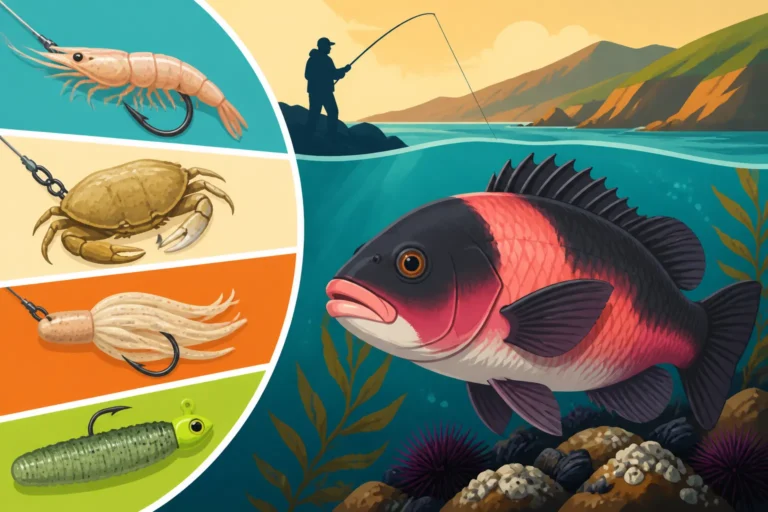
- Live Bait: This is often the most effective method, especially for larger, more cautious yellowtail. The go-to baits are live anchovies, sardines, and mackerel. If you're on a charter, they'll usually have a bait tank full of lively baits. When fishing your own boat, a good bait receiver or bait tube is essential to keep your offerings frisky. Rigging live bait typically involves a single hook (owner Mutu Light or similar) through the nose or dorsal fin, fished with or without a small weight, depending on current and depth.
- Jigs (Metal Lures): Metal jigs are incredibly versatile and can imitate fleeing baitfish. "Yo-yo" jigs, like those from Salas or Tady, are heavy, compact lures designed to be dropped to the depth where fish are holding and then rapidly reeled up. They're excellent when yellowtail are deep or congregated on structure. Surface iron (lighter jigs like the Salas 7X or Tady 45) are cast to breaking fish or kelp paddies and retrieved quickly to simulate a wounded baitfish. They create an exciting topwater strike. Mastering Yo-Yo Jigging for Yellowtail is a skill every yellowtail angler should develop.
- Surface Poppers and Stickbaits: When yellowtail are actively feeding on the surface, often called "boiling," these lures can be deadly. They create a commotion that mimics panicked bait, drawing aggressive strikes. Brands like Nomad Design and Shimano have excellent options.
- Soft Plastics: Swimbaits, often rigged with lead heads, can also be effective, especially for subtler presentations or when mimicking squid. These are retrieved with a steady retrieve, often with a slight twitch.
The key to successful rigging is matching your hook size to your bait and leader strength to the expected size of the fish and the conditions. Always check your knots and inspect your leader for abrasions after every fish or snag.
Proven Techniques for Hooking California Yellowtail
Once you've got the gear and you're in a good spot, it's time to talk tactics. Yellowtail fishing requires a mix of patience, observation, and quick reflexes.
Live Bait Tactics
Fishing live bait is often the most productive method for yellowtail, especially for those bigger, smarter fish. The goal is to present your live bait as naturally as possible, making it irresistible to hungry yellowtail.
- Fly-lining: This is perhaps the most common and effective technique. You simply cast a lively bait (like a sardine or anchovy) with no weight, allowing it to swim freely away from the boat. The natural action of the bait is often enough to entice a strike. Pay close attention to your line; a sudden burst of speed or a bump often indicates a bite. When a fish strikes, resist the urge to set the hook immediately. Let the fish "eat" the bait for a few seconds before slowly sweeping the rod to set the hook. This technique is particularly effective when yellowtail are feeding near the surface or are finicky.
- Dropper Loop Rig: When yellowtail are deeper, or currents are strong, a dropper loop rig with a sinker can get your bait down to where the fish are holding. This involves tying a loop in your main line for the hook, and a tag end for a sinker. Match your sinker size to the current, using just enough weight to get to the desired depth without dragging too much. This method is great for targeting yellowtail holding on structure or at a specific depth.
- Balloon Fishing: For fishing a large live mackerel or a small bonito, a balloon can be used to keep your bait at a specific depth or carry it away from the boat in the current. This is often used when targeting trophy yellowtail or when covering a wider area. The balloon acts as both a bobber and a float, giving your live bait maximum freedom to swim.
Artificial Lure Presentations
While live bait is king, artificial lures can be incredibly effective, especially when yellowtail are aggressive and feeding actively.
- Surface Iron Retrieves: This is a thrilling way to catch yellowtail. Cast a surface iron jig as far as you can, let it sink for just a second, then retrieve it at a fast, steady pace with your rod tip pointed towards the water. The jig should "swim" or "kick" erratically on the surface, mimicking a panicked baitfish. Yellowtail will often explode on these lures with spectacular surface strikes. If you see fish boiling, cast right into the action or just past it.
- Yo-Yo Jigging: When yellowtail are marked on the sonar deep below the boat, or holding around structure, yo-yo jigging comes into its own. Drop a heavy metal jig (like a Salas 6X or 7X) directly down to the depth where the fish are holding or to the bottom. Once it hits the target depth, reel it up as fast as you can, using a sweeping motion with your rod. The sudden, erratic movement of the jig often triggers an instinctual strike. It's a physically demanding technique, but incredibly effective when done right.
- Casting Poppers and Stickbaits: Similar to surface iron, but these lures create more splash and disturbance, which can be irresistible to aggressive yellowtail. Cast them out, and work them back with a walk-the-dog retrieve for stickbaits or a chug-and-pause for poppers. The key is to make noise and draw attention.
Reading the Conditions and Water
Successful yellowtail fishing isn't just about bait and tackle; it's about being a keen observer of your environment.
- Water Temperature: Yellowtail prefer warmer waters, typically above 60°F (15.5°C). Keep an eye on sea surface temperature charts. Warm water pushes often bring yellowtail closer to shore or into areas where they weren't previously.
- Current and Tides: Strong currents can concentrate baitfish and, consequently, yellowtail. Fishing around tide changes, especially the incoming tide, can often be productive as bait is pushed around.
- Bird Activity: Diving birds are almost always a sign of baitfish, and where there's bait, there are often predators like yellowtail or even How to Catch Bluefin Tuna off California. Keep a lookout for terns, shearwaters, and gulls actively diving.
- Kelp Patties and Structure: Floating kelp paddies provide shelter and food for baitfish, which in turn attracts yellowtail. Always investigate kelp paddies carefully. Offshore banks, reefs, and submerged canyons also hold bait and provide ambush points for yellowtail.
- Fish Finders and Sonar: On a boat, your fish finder is your best friend. Look for schools of bait, arches that indicate larger fish, and structure. Understanding how to interpret your sonar screen can make a huge difference in locating fish.
No matter which technique you choose, remember that yellowtail are powerful fighters. Be ready for strong runs and sudden changes in direction. Keep your drag set correctly, and be prepared for a memorable battle. It's worth noting that staying up-to-date on California Fishing Regulations Explained and California Marine Protected Areas Explained is essential, as rules can change and certain areas are off-limits to fishing.
Here's a quick reference for common yellowtail fishing scenarios:
| Scenario | Recommended Technique | Primary Bait/Lure | Ideal Gear | Notes |
|---|---|---|---|---|
| Yellowtail "Boiling" on Surface | Fly-lining / Surface Iron / Poppers | Live Anchovies/Sardines / Salas 45/7X / Nomad Popper | Medium-Heavy Rod (7-8ft), Conventional/Spinning (50lb braid) | Cast past the boil, retrieve quickly. Let fish eat bait on fly-line. |
| Fish Marked Deep (50-150ft) | Yo-Yo Jigging / Dropper Loop | Salas 6X/7X / Live Mackerel | Heavy Conventional Rod (7ft), Conventional (60lb braid) | Drop jig to depth, reel up fast. Use just enough weight for bait. |
| Around Kelp Beds/Paddies | Fly-lining / Light Jigging | Live Sardines/Mackerel / Soft Plastics / Surface Iron | Medium-Heavy Rod (7-8ft), Conventional/Spinning (40lb braid) | Target edges of kelp. Be ready for fish to dive into structure. |
| Shore/Pier Fishing | Fly-lining (balloon) / Heavy Jigging | Live Mackerel/Sardines / Heavy Metal Jigs | Long Casting Rod (9-12ft), Large Spinning (50-65lb braid) | Requires long casts. Look for deep water access. |
Disclaimer
Always check the latest regulations from the California Department of Fish and Wildlife before heading out, as rules and seasons can change. This information is for general guidance only and should not replace official regulatory documents.