California Lingcod Fishing Guide
There’s something truly exhilarating about the tug of a big lingcod on your line, isn't there? But let's be honest, figuring out where these gnarly bottom-dwellers hang out, what gear actually works, and navigating California's ever-changing regulations can feel like a riddle wrapped in an enigma. If you've ever felt frustrated trying to crack the code of lingcod fishing in our beautiful state, you're absolutely not alone. This comprehensive guide is here to unravel all those mysteries, from understanding their habits to mastering the techniques that put them in your cooler, all while staying on the right side of the law.
Understanding California Lingcod
Lingcod are one of California's most sought-after bottom fish, known for their aggressive strikes, tenacious fights, and delicious white meat. But before you can even think about baiting a hook, it helps to understand a bit about these fascinating creatures.
What is a Lingcod Anyway
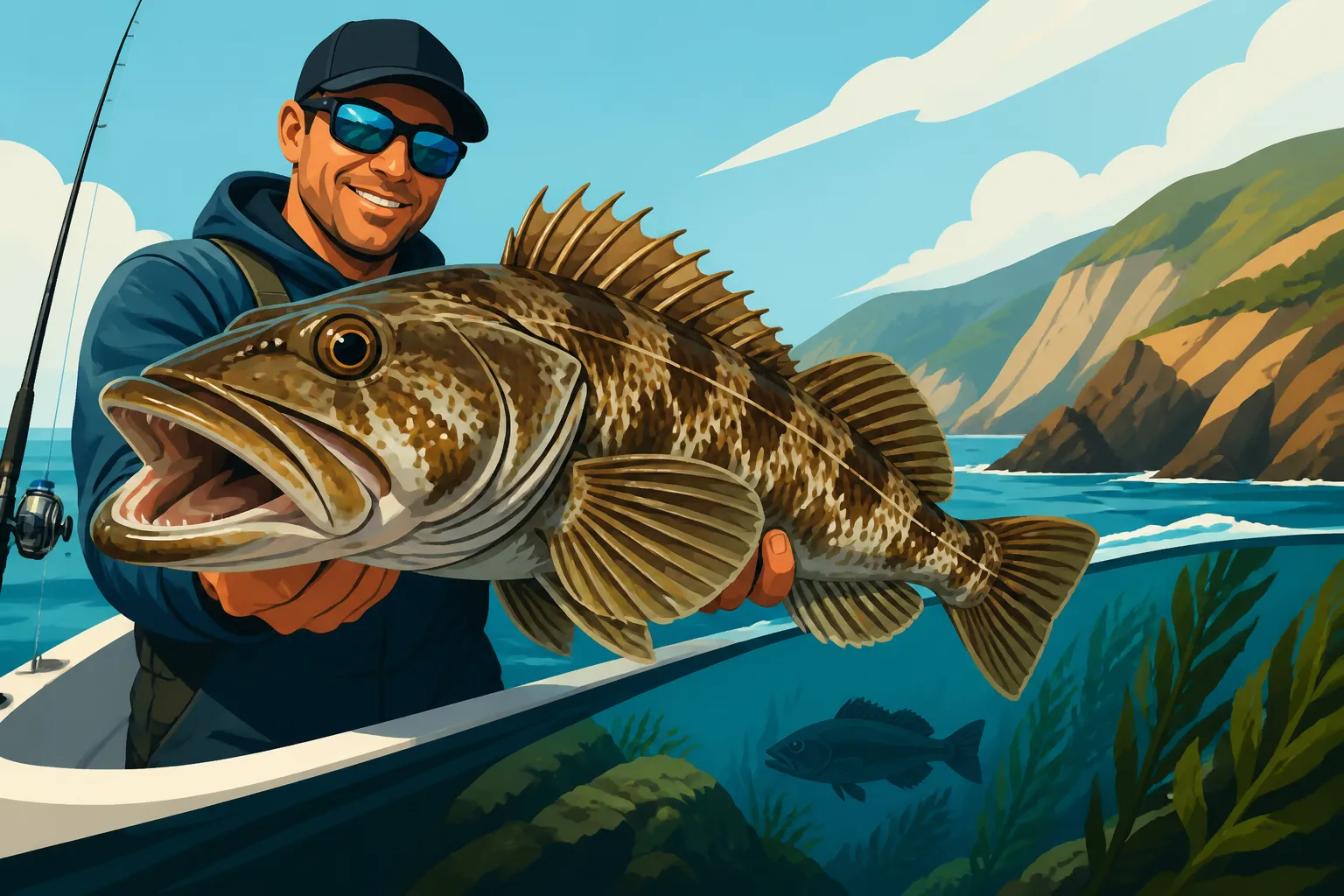
Despite their name, lingcod aren't actually true cod. They belong to the greenling family, which makes them a close relative of other Pacific groundfish. What sets them apart immediately is their appearance: they're typically elongated, with a large, gaping mouth armed with an impressive array of sharp, needle-like teeth. Their coloration can vary wildly, from mottled brown, grey, or greenish to a striking blue, depending on their habitat and diet. It's truly a sight to see a vibrant blue lingcod come over the rail, only for its flesh to cook up pearly white! They can grow quite large, with some specimens exceeding 50 pounds, though most recreational catches are in the 5 to 25-pound range.
These fish are ambush predators, perfectly camouflaged to blend into their rocky surroundings. They'll lurk in crevices, behind boulders, or within kelp forests, waiting for an unsuspecting meal to swim by. This predatory nature is exactly what makes them so much fun to target – they hit baits and lures with an almost violent enthusiasm, making for an unforgettable fight. They're highly territorial, especially the larger females, and will fiercely defend their chosen spot on the reef.
Their diet is pretty varied, encompassing just about anything that swims by and fits into their cavernous mouths. This includes various rockfish species, smaller flatfish, octopus, squid, and crabs. This opportunistic feeding habit is a key factor in choosing the right baits and lures, which we'll dive into shortly. Knowing what they eat in their natural environment gives you a huge advantage when you're trying to fool them into biting your offering.
Where to Find Lingcod in California
Lingcod are predominantly found in the colder, nutrient-rich waters of the Pacific Ocean, from Alaska down to Baja California. In our state, while they can be found throughout, the prime real estate for targeting larger specimens generally begins north of Point Conception and extends all the way up the coast. However, don't let that discourage you if you're fishing further south; healthy populations exist, especially around offshore islands and deeper rocky structures off San Diego, Orange County, and Santa Barbara.
These fish are inextricably linked to structure. Think rocky reefs, pinnacles, kelp forests, underwater canyons, and even shipwrecks. They need places to hide, ambush prey, and stake out their territory. When you're out on the water, whether you're on your own boat or a California Fishing Charters: Complete Guide, paying close attention to your sonar is paramount. Look for tell-tale signs of uneven bottom, drastic depth changes, and hard bottom readings. Areas where rock meets sand can be particularly productive transition zones. In places like Monterey Bay, the Farallon Islands, or off the Central Coast, finding these deep, rugged rockpiles is key.
While primarily a boat-based fishery, it's not impossible to catch lingcod from shore in specific, deep-water locations. Think rocky jetties, breakwaters, or points with immediate access to deep water and structure. For most anglers, though, venturing out on a boat, whether it's a private vessel or a party boat, will significantly increase your chances of finding these elusive fish. They typically prefer depths ranging from 20 feet in kelp forests to several hundred feet on offshore banks, although they can be caught even deeper. Remember that for many bottom fish, including lingcod, the California Rockfish Depth Restrictions can influence where you're legally allowed to fish, so always verify the current rules.
Best Times to Target Lingcod
Timing is everything in fishing, and lingcod are no exception. Their seasons are often closely tied to the broader "groundfish" management complex, which includes many rockfish species. This means that lingcod seasons can open and close at different times depending on which of California's coastal management areas you're fishing in – Northern, Central, or Southern. Generally, the season runs for several months of the year, but it's crucial to consult the latest CDFW regulations booklet or online resources like the California Fishing Regulations Explained before you even leave the dock. A surprise closure or a misunderstanding of the season can quickly turn a fun day into a frustrating one.
Beyond the regulatory seasons, there are also optimal times within the day and specific tidal conditions that can increase your success. Many anglers find that lingcod are most active during periods of slower current or slack tide. This is because it makes it easier for them to ambush prey without fighting a strong current, and it also makes it easier for you to present your bait or lure effectively without it being swept away too quickly. Early mornings and late evenings, or even overcast days, can often trigger feeding activity, much like with many other predatory fish.
Water conditions also play a role. Clear, clean water is generally preferred, as it allows lingcod to use their excellent eyesight to spot prey. However, a slight swell or a bit of chop on the water can sometimes activate them, creating more movement in the water column that mimics fleeing baitfish. After a significant storm, the water might be stirred up, but once it starts to settle, fishing can often be excellent as baitfish are disoriented and easier targets for the lingcod. Keep an eye on the California Fishing Seasons: Month-by-Month Guide to plan your trips effectively throughout the year.
Essential Gear and Techniques for Lingcod Fishing
Successfully targeting lingcod requires a specific setup designed to handle their aggressive nature and the deep, rocky environments they inhabit. You can't just show up with a trout rod and expect success!
Rods, Reels, and Line Selection
When it comes to lingcod, you need robust gear that can withstand a serious tug-of-war. For rods, think heavy-action conventional rods, typically 7 to 9 feet in length, with a fast tip and a strong backbone. A rod rated for 40-80 lb line is a good starting point. This kind of power is essential for pulling a heavy jig or a big live bait out of deep water and away from abrasive rocks once a lingcod has latched on. A sturdy rod ensures you have the leverage to keep that fish from burying itself in the nearest crevice, which they will absolutely try to do.
Matching that rod, you'll want a reliable conventional reel with a powerful drag system and ample line capacity. Reels like the Penn Fathom or Senator series, or various Shimano TLD or Charter Special models, are popular choices among seasoned lingcod anglers. Conventional reels offer superior cranking power and allow for better control when dropping heavy weights straight down, which is a common technique for these bottom dwellers. Ensure your reel is spooled with at least 200-300 yards of line, especially if you're fishing deeper spots. You can find a great selection of these on reputable fishing tackle sites or even on popular online marketplaces like Amazon, ensuring you're ready for the fight.
For your main line, 50 to 80-pound braided line is the way to go. Braid offers incredible strength-to-diameter ratio, allowing for more line on your reel, and its near-zero stretch provides unparalleled sensitivity. This means you can feel every subtle bump and tap on your lure, even in deep water. To prevent break-offs on sharp rocks and from the lingcod's formidable teeth, you'll want to attach a heavy fluorocarbon leader, typically 60 to 100 pounds test, anywhere from three to ten feet long. Fluorocarbon is highly abrasion-resistant and nearly invisible underwater, giving you an edge. This braid-to-fluoro setup is a common and highly effective strategy when fishing for various bottom species, including those covered in our How to Catch Rockfish in California guide.
Baits and Lures That Lingcod Can't Resist
Lingcod are aggressive predators, and they're not particularly picky when they're in the mood to feed, which is great news for anglers! One of the most effective ways to entice a lingcod is with live bait. Whole mackerel, sardines, anchovies, or even small rockfish (check local regulations regarding using game fish as bait) are irresistible. Rigging live bait, often with a large circle hook through the nose or back, and letting it swim naturally near structure, can trigger explosive strikes. The frantic movement of a live baitfish is a powerful attractant that a territorial lingcod often can't ignore.
If live bait isn't an option, artificial lures are incredibly effective. Large lead-head jigs, often weighing anywhere from 6 to 16 ounces (or even more in strong currents or deep water), tipped with a large plastic swimbait are a staple. Brands like Big Hammer and MC Swimbaits are highly popular for their realistic profiles and tantalizing tail action. The weight of the jig allows you to get down to the bottom quickly and stay there, while the swimbait provides the visual appeal. For artificials, you'll want to stock up on heavy lead-head jigs and large swimbaits, which are readily available from tackle shops or online retailers like Amazon, giving you plenty of options to experiment with.
Metal jigs, often called "iron," are another excellent choice, especially for jigging techniques. These can be yo-yoed or slowly retrieved, mimicking a wounded baitfish. Colors can vary, but natural baitfish patterns, greens, blues, and even bright chartreuse or pinks often work well. Some anglers also find success with large plastic scampi-style baits or curly-tail grubs fished on heavy jig heads. Don't forget that a little scent applied to your artificials, whether from a commercial attractant or even a piece of squid, can sometimes make a difference, especially on slower days.
Effective Fishing Techniques
There are several tried-and-true methods for putting lingcod in the boat, and often, the most effective approach involves adapting to the conditions and the specific spot you're fishing.
Vertical Jigging is arguably the most popular and effective technique. This involves dropping a heavy lead-head jig or metal jig directly to the bottom, letting it hit, and then rapidly lifting and dropping it. The idea is to make the lure appear like a wounded or fleeing baitfish. The lift can be aggressive, 2-5 feet off the bottom, followed by a controlled drop. Pay close attention on the drop, as many strikes occur as the lure flutters back down. You want to stay as vertical as possible directly over the structure where the lingcod are hiding. This technique is often used in combination with techniques you might use for California Offshore Fishing Techniques when targeting other deep-water species.
Drifting is another highly productive method, especially when you're covering a larger area of reef or rockpile. Here, you allow your boat to slowly drift with the current or wind over promising structure, letting your bait or lure bounce along the bottom. The key is to maintain bottom contact without snagging excessively. You might need to adjust your weight constantly as the depth changes. A sea anchor (drogue) can be incredibly useful to slow your drift, giving the lingcod more time to see your offering and ensuring your bait stays in the strike zone longer. This method allows you to prospect various depths and structures within a single drift.
Live Bait Rigging combines the appeal of live bait with specific presentation techniques. A common rig involves a dropper loop or a sliding sinker rig. With a dropper loop, your sinker is on the bottom, and your hook (or hooks) are on a short leader above it, allowing your live bait to swim freely just off the bottom. A sliding sinker rig uses a weight that slides freely on the main line above a swivel, leading to a leader and hook. This allows the lingcod to pick up the bait and swim off without feeling the resistance of the weight immediately, leading to more solid hookups. Ensure your hooks are sharp and appropriately sized for the bait and potential catch – remember, lingcod have massive mouths!
While less common, Trolling can also be effective in certain situations, particularly when you're trying to cover expansive areas with less drastic depth changes. Using large diving plugs, swimming plugs, or even weighted swimbaits trolled slowly near the bottom can sometimes elicit a strike. However, trolling requires a good understanding of the bottom contours to avoid constant snagging. Regardless of the technique, mastering boat control and knowing how to read your electronics to stay on top of the structure are paramount to consistent lingcod success.
California Lingcod Regulations and Conservation
Fishing for lingcod in California isn't just about knowing where to find them and what gear to use; it's also about respecting the resource and understanding the rules. California's fishing regulations can be complex, and they change frequently, so staying informed is crucial for a sustainable fishery.
Size and Bag Limits
To ensure healthy lingcod populations for future generations, the California Department of Fish and Wildlife (CDFW) implements strict size and bag limits. For recreational anglers, the typical size limit for lingcod is 22 inches total length. This means the fish must measure at least 22 inches from the tip of its snout to the tip of its tail, with the mouth closed. It's incredibly important to measure accurately. If you're caught with an undersized fish, even accidentally, the penalties can be significant. The bag limit usually stands at 2 fish per person. These two lingcod also count towards your overall 10-fish aggregate limit for certain groundfish species, which you can read more about in our guide to California Fishing Bag and Size Limits.
These limits aren't arbitrary; they are carefully determined by scientific data to allow enough fish to reach reproductive maturity and sustain their numbers. It’s an angler's responsibility to know these rules before casting a line. Always carry a measuring device with you, and if you're ever in doubt about a fish's size, it's always best to release it unharmed. Remember, these regulations are designed to protect the resource, and by following them, we all contribute to better fishing for everyone.
Seasons and Closures
The recreational lingcod season in California is not a static, year-round affair. It's highly dynamic and often varies significantly by geographical management area along the coast. These management areas are typically divided into Northern, Central, and Southern California zones, each with its own specific opening and closing dates for groundfish, which include lingcod. For instance, what's open in May in Southern California might not be open until later in the year, or even be closed, in Central or Northern California. These regulations are designed to protect spawning fish and manage overall fishing pressure on groundfish stocks.
Compounding this complexity are depth restrictions. The CDFW frequently imposes depth limitations, particularly for rockfish, which directly impacts where you can fish for lingcod since they share similar habitats and are often caught together. These depth limits can also change seasonally or by management area. For example, some areas might restrict fishing to depths shallower than 100 feet for part of the year, while others might allow deeper access. Understanding these nuances is critical, and a thorough review of the current California Lingcod Season and Limits and the overall California Saltwater Fishing Regulations is non-negotiable before planning any trip.
Furthermore, anglers must be acutely aware of California Marine Protected Areas Explained (MPAs). These are designated zones along the coast where fishing activities are either heavily restricted or completely prohibited to protect marine ecosystems. Accidentally fishing within a "no-take" MPA can lead to severe fines and penalties. Always consult detailed MPA maps and understand the specific rules for any area you plan to fish. You can find up-to-date information on the CDFW website or by picking up a physical copy of the regulation booklet from a tackle shop or license agent.
Best Practices for Sustainable Lingcod Fishing
Beyond adhering to the letter of the law, ethical anglers strive to practice sustainable fishing. One important consideration is the use of barbless hooks. While not always legally mandated for lingcod, using barbless hooks, or crimping down the barbs on your barbed hooks, makes it significantly easier to remove hooks from fish, especially those you intend to release. This minimizes tissue damage and stress, greatly increasing the chances of survival for released fish. It's a simple, effective way to be a more responsible angler.
When fishing in deeper waters, lingcod, like many other bottom fish, can suffer from barotrauma when brought quickly to the surface. This is caused by the rapid change in pressure, leading to an expansion of gases in their swim bladder, which can cause internal damage and make it difficult for them to swim back down. For fish that need to be released (undersized, out of season, or exceeding your bag limit), using a descending device is crucial. Tools like the Shelton Fish Descender or simply a weighted hook that can carry the fish back down to its original depth can greatly improve survival rates. This device allows the fish to recompress gradually, giving it a much better chance of recovery. Always minimize air exposure for released fish and handle them gently to protect their slime coat and internal organs.
| Regulation Type | Detail | Notes |
|---|---|---|
| Season | Varies by management area (Northern, Central, Southern California). | Check current CDFW regulations for specific opening/closing dates. |
| Size Limit | 22 inches total length (recreational). | Measure from tip of snout to tip of tail, mouth closed. |
| Bag Limit | 2 fish per person. | Counts towards your overall 10-fish RCG (Rockfish, Cabezon, Greenling) aggregate limit. |
| Method | Hook and line only. | Barbless hooks are recommended for easier, safer release. |
| Depth | Subject to groundfish depth restrictions, which change by region and season. | Always check current California Rockfish Depth Restrictions and CDFW updates. |
| Location | Prohibited in California Marine Protected Areas Explained. | Verify boundaries with CDFW maps. |
Preparing and Enjoying Your Lingcod Catch
Congratulations, you've battled a feisty lingcod and brought it aboard! Now comes the equally rewarding part: preparing your catch for the dinner table. Lingcod is a truly delicious fish, known for its mild flavor and firm, flaky white meat.
Handling and Cleaning Your Lingcod
The way you handle your lingcod immediately after catching it can significantly impact its quality on your plate. As soon as you land a lingcod you intend to keep, it's best practice to bleed it immediately. You can do this by making a quick cut behind the gills, allowing the heart to pump out the blood. This process helps to preserve the quality of the meat, making it taste cleaner and less "fishy." After bleeding, get your fish on ice as quickly as possible. A cooler full of ice slurry is ideal, ensuring the fish is chilled thoroughly to prevent spoilage. This quick cooling stops bacterial growth and ensures your lingcod remains fresh and firm.
Once you're home, it's time to clean and fillet your catch. Be extremely careful when handling lingcod; those teeth are no joke, and their pectoral fins can also have sharp spines. Many anglers wear cut-resistant gloves for protection. Filleting a lingcod is relatively straightforward if you're familiar with basic fish filleting techniques. The fish yields thick, generous fillets that are a joy to work with. Don't be alarmed if the raw flesh has a blue-green tint; this is completely natural and caused by a bile pigment in their diet. It will cook up beautifully white, guaranteed! If you're a beginner, watching a few online tutorials on filleting large fish can be incredibly helpful before you tackle your first lingcod.
Delicious Ways to Cook Lingcod
Lingcod is truly a chef's dream. Its mild, slightly sweet flavor profile and firm, flaky texture make it incredibly versatile in the kitchen. Unlike some fish that can be delicate or oily, lingcod holds up well to various cooking methods without falling apart, making it one of the Best Eating Fish in California.
One of the simplest yet most delicious ways to prepare lingcod is to pan-sear it. Lightly flour or bread the fillets, then sear them in a hot pan with a bit of butter or olive oil until golden brown and cooked through. The firm flesh creates a beautiful crust while remaining moist and tender inside. It's fantastic served with a squeeze of lemon and some fresh herbs.
For a healthier option, baking or grilling lingcod fillets is also excellent. You can marinate them in a simple mixture of olive oil, garlic, lemon juice, and your favorite herbs (dill, parsley, thyme all work wonderfully) for about 30 minutes, then bake at 400°F (200°C) for 12-15 minutes, or grill over medium-high heat until the fish flakes easily with a fork. It’s a clean, fresh taste that truly lets the fish shine. If you're looking for a classic comfort food, lingcod also makes fantastic fish and chips! Its firm meat doesn't get mushy when battered and fried, providing a satisfying bite. No matter how you choose to prepare it, your lingcod catch will undoubtedly be a delicious reward for your angling efforts.
Disclaimer
Fishing regulations, seasons, and limits are subject to change by the California Department of Fish and Wildlife (CDFW). Always consult the latest official CDFW regulations before engaging in any fishing activity. This guide is for informational purposes only and should not be considered a substitute for current legal regulations.