California Fishing License Expiration Explained
It’s happened to the best of us: you’re geared up for a fantastic day on the water, you arrive at your favorite fishing spot, only to realize with a sinking feeling that your fishing license might have expired. That sudden knot in your stomach is a common feeling for anglers in California, where navigating the ins and outs of fishing regulations can feel like trying to untangle a particularly stubborn bird’s nest of fishing line. Nobody wants to face a hefty fine or, even worse, have their fishing trip cut short. This comprehensive guide is here to untangle all that confusion, breaking down exactly when your California fishing license expires and how to ensure you're always legal and ready to cast.
Understanding the California Fishing License Cycle
One of the biggest sources of confusion for California anglers is figuring out exactly when their fishing license actually expires. It seems like it should be straightforward, right? You buy it, you use it, and then it’s good for a year. Well, not always. California has a pretty specific system, and understanding it is key to avoiding any unwelcome surprises from a game warden.
The Standard Annual Expiration Date
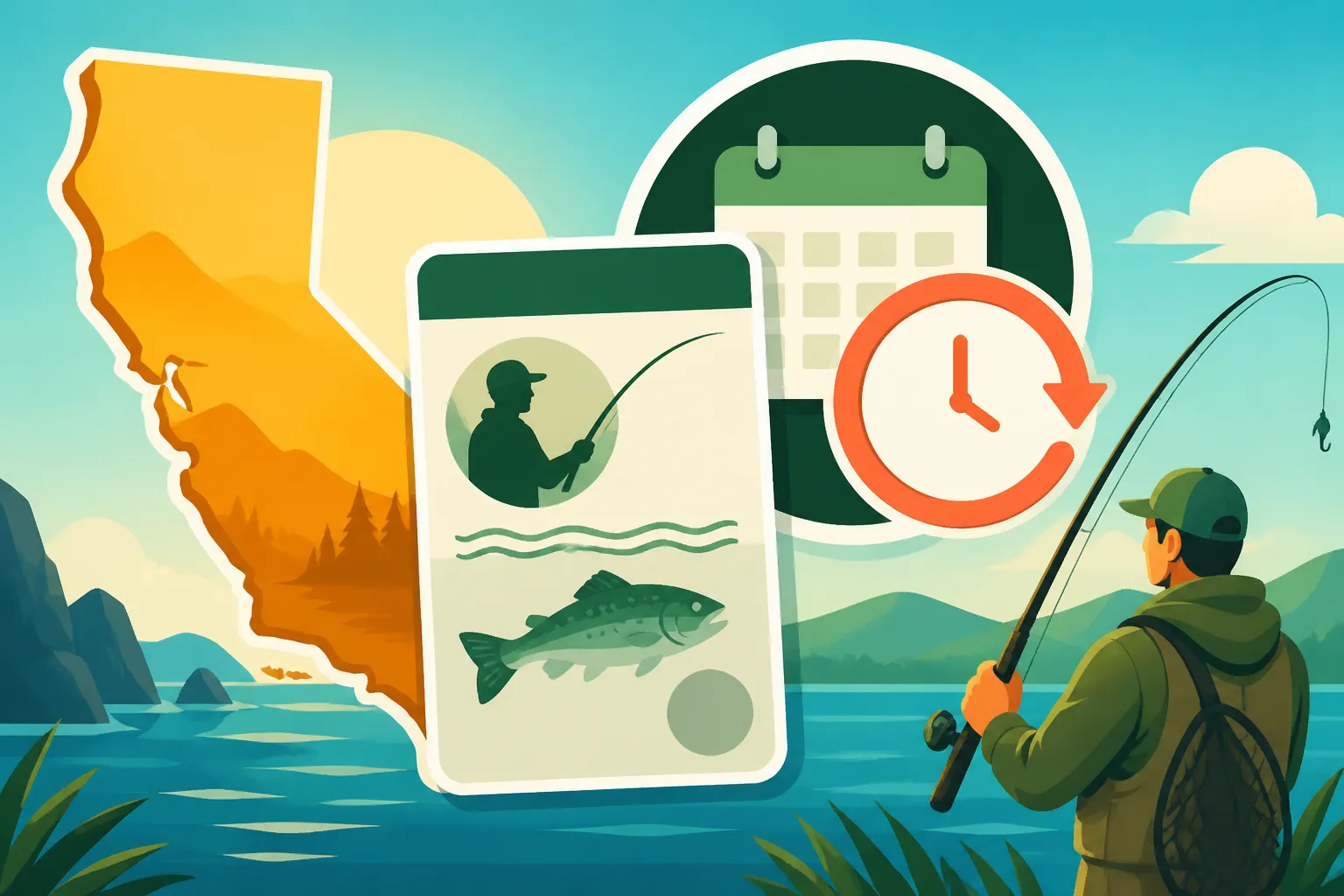
For the vast majority of sport fishing licenses in California, there's a fixed, statewide expiration date that catches a lot of people off guard. Unlike many other states that issue licenses valid for a full 365 days from the purchase date, California operates on a calendar year system. This means that if you buy an annual resident or non-resident sport fishing license, it will always expire on December 31st of the year it was issued.
Let's think about this for a second. If you buy your annual license on January 15th, you get almost a full year of fishing. Fantastic! But what if you decide to pick one up in, say, November? Well, that same license, regardless of when you purchased it during the year, will still expire on December 31st. You essentially get a very short-term license for the price of an annual one. This is why you often hear seasoned anglers advise against buying your annual license too late in the year, unless you only plan to fish for a month or two. It's a system designed to simplify record-keeping for the state, but it can feel a little counterintuitive if you're not used to it. The important takeaway here is that December 31st is your magic date to remember for your main annual license.
Exceptions for Short-Term and Specialty Licenses
Of course, nothing is ever entirely simple, and California does offer some flexibility with its license options, especially for those who aren't full-time anglers or are just visiting. These special licenses have their own unique expiration rules, which you absolutely need to be aware of.
First up are the short-term options: the California One-Day Fishing License and the California Two-Day Fishing License. These are pretty self-explanatory and designed for quick trips. A one-day license is valid for 24 consecutive hours, and a two-day license for 48 consecutive hours. The clock starts ticking from the specific date and time you designate at the point of purchase. So, if you buy a one-day license and specify it to start at 6:00 AM on a Saturday, it will expire at 5:59 AM on Sunday. This makes them super convenient for a weekend getaway or a spontaneous fishing adventure without committing to a full annual license. You'll find these easily available from the California Department of Fish and Wildlife (CDFW) website or authorized license agents.
Then there are lifetime licenses, which are truly a one-and-done deal for residents. Once you've secured a California Lifetime Fishing License, the "expiration" is essentially non-existent for the license itself. You're covered for life! However, this doesn't mean you're free from all reporting obligations. While the license itself doesn't expire, specialized report cards for species like California Steelhead Report Card, California Sturgeon Report Card, or California Salmon Report Card still need to be obtained annually and often have their own specific return deadlines, usually by January 31st of the following year, even if you didn't catch anything. It's vital to remember that these cards are supplementary and their expiration and reporting requirements are distinct from your main fishing license.
How to Check Your California Fishing License Expiration
So, you're not quite sure when that license you bought way back when actually expires? Don't fret! The California Department of Fish and Wildlife (CDFW) has made it pretty straightforward to look up your information, saving you the anxiety of an expired license when you're already out on the water. It’s always best practice to verify before you head out, especially if it’s been a while since you bought it.
Online Verification Through CDFW
In this digital age, checking your fishing license status is easier than ever, thanks to the CDFW's online system. You can quickly verify your license validity from the comfort of your home, or even on your phone at the boat launch (though it's better to do it beforehand!). The primary tool for this is the CDFW's Automated License Data System (ALDS).
To check your license online, you'll typically need your "Go ID" or some other identifying information such as your date of birth, last name, and sometimes your zip code. Your "Go ID" is a unique customer identification number assigned to you by the CDFW the first time you purchase any license, tag, or report card. It's usually printed on your physical license. Once you input this information into the ALDS portal on the CDFW website, you'll be able to see all your active licenses, their purchase dates, and most importantly, their expiration dates. This is a fantastic resource that eliminates guesswork and ensures you're always in compliance. It's quick, accurate, and available 24/7, which is a huge convenience when you're planning a last-minute fishing trip.
Physical License and Purchase Receipts
While digital verification is super handy, sometimes the simplest method is just to look at the license itself. Every physical California fishing license, whether printed at home or issued by an authorized vendor, will clearly display the expiration date. It's usually prominently located on the card or paper printout. Take a moment to glance at it before you tuck it into your wallet or tackle box.
Beyond the license itself, your purchase receipt is another crucial piece of documentation. When you buy a license, whether online or in person, you'll get a receipt detailing your purchase. Keep this! If you ever lose your physical license or your printer runs out of ink right before you head out, the receipt serves as excellent proof of purchase and can often contain the necessary details to prove your license is current. Many online purchases, for example, will send you a digital receipt that you can save to your phone or cloud storage. This is particularly useful if you need to quickly reference your license details or confirm its validity, especially if you bought it through a major retailer like those found on Amazon, where digital receipts are standard. Having multiple forms of proof can really save you a headache in a pinch.
Checking Through Authorized Vendors
Let's say you're old school, or maybe you're just out and about and want to check your license status in person. You're in luck! California has a robust network of authorized license agents scattered across the state. These are typically sporting goods stores like Big 5 Sporting Goods, Walmart, local bait and tackle shops, and even some department stores.
These agents have access to the same ALDS system as the CDFW. If you walk in and provide them with your Go ID or other identifying information (like your driver's license), they can look up your record and tell you exactly when your license expires. They can also print a duplicate if you've lost yours, for a small fee, of course. This is a great option if you prefer face-to-face interaction or if you're already at a tackle shop stocking up on gear and want to double-check before heading to the water. It's a valuable service that ensures you have multiple convenient ways to stay informed about your license status.
Here’s a quick overview of how to check your license:
| Method | What You Need | Benefits |
|---|---|---|
| CDFW Online (ALDS) | Go ID, Date of Birth, Last Name | 24/7 access, immediate verification |
| Physical License | The printed license itself | Quick visual check, always with you |
| Purchase Receipt | Digital or paper receipt | Proof of purchase, backup for lost license |
| Authorized Vendor | Go ID or ID (e.g., Driver's License) | In-person assistance, print duplicates |
The Consequences of an Expired License and How to Renew
Ignoring your license expiration date might seem like a small oversight, especially if you only fish occasionally. But trust me, fishing without a valid California fishing license can lead to some pretty significant headaches and can put a real damper on what should be a relaxing day on the water. It’s far better to be proactive and informed than to deal with the aftermath.
Penalties for Fishing Without a Valid License
This is where reality bites. If a game warden checks your license and finds it expired, you're not just getting a stern talking-to. Fishing without a current, valid California fishing license is a violation of state law. The penalties can range from substantial fines to, in more severe or repeated cases, equipment confiscation and even misdemeanor charges. Imagine having your prized fishing rod and reel taken away, or facing hundreds of dollars in fines because you forgot to renew. It's a harsh lesson, and one that's easily avoided.
The exact fines can vary depending on the specific circumstances, location, and the discretion of the enforcement officer and the court. However, you can expect the cost of a fine to far exceed the cost of an annual license. Moreover, a violation can go on your record, potentially affecting your ability to purchase licenses in the future. The state takes its natural resources seriously, and proper licensing is a critical part of managing those resources. Don't fall into the trap of thinking "no one will check." Game wardens are out there, and they're diligent. You can learn more about specific consequences in our guide on California Fishing License Fines and Penalties. It's a clear reminder that ignorance of the law is never an acceptable excuse.
Easy Ways to Renew Your Fishing License
Alright, so we've covered the doom and gloom. Now for the good news: renewing your California fishing license is incredibly easy, so there’s truly no excuse to let it expire! The CDFW has streamlined the process to make it as convenient as possible for anglers.
The most popular and often easiest way to renew is online, directly through the CDFW website's Automated License Data System (ALDS). You simply log in with your Go ID, select the licenses you want to renew, pay with a credit card, and you're good to go. You can print your temporary license right away, and your official license should arrive in the mail shortly after. This method is available 24/7, meaning you can renew at midnight if that's when you remember. If you prefer to renew in person, you can visit any of the numerous authorized license agents mentioned earlier. They can process your renewal on the spot and provide you with a printed license. Some agents might also have fishing gear available, which makes it easy to grab some new lures or bait while you're there. For those who prefer snail mail, there are typically mail-in options as well, though these take longer to process. Many anglers choose to renew in December or early January to ensure they're covered for the entire upcoming year. For a more detailed walkthrough, check out our guide on California Fishing License Renewal.
Setting Up Reminders for Future Renewals
Given that annual licenses expire on December 31st, it's easy to get caught up in holiday festivities and completely forget about renewing until it's too late. But with a little planning, you can set yourself up for success. Proactive reminders are your best friend here.
One simple yet effective strategy is to mark your calendar – both your physical and digital ones. Set a recurring annual reminder for early December or even November, giving yourself plenty of time to renew before the New Year rush. Your phone's calendar app (like Google Calendar or Apple Calendar) can be programmed to send you notifications year after year. Another great idea is to subscribe to the CDFW's email list; they often send out reminders about license renewals as the end of the year approaches. You can also make it a habit to check your license status whenever you buy new fishing supplies. For example, if you're adding a new reel to your cart on Amazon, quickly check your license expiration date as well. Some payment methods, like those associated with major credit card companies, even offer reminder services for recurring bills or annual purchases, which you might be able to leverage. The key is to create a system that works for you, ensuring you never have to face the disappointment of an expired license again.
Common Expiration Scenarios and FAQs
Even with the standard rules, certain situations can still cause confusion about fishing license expiration in California. Let's dig into some of these common questions and scenarios to make sure you're fully prepared for whatever your fishing adventures throw your way.
Understanding Report Card Expiration
We touched on this briefly, but it's such a critical point for many California anglers that it deserves its own deeper dive. Report cards for species like Steelhead, Sturgeon, and Salmon are not fishing licenses. They are separate documents required in addition to your general fishing license, and they have their own specific rules for validity and, crucially, for reporting.
Typically, these report cards are valid for the calendar year, just like your annual fishing license, expiring on December 31st. However, the absolute most important date to remember for these is the return deadline, which is usually January 31st of the following year. This deadline applies even if you didn't catch a single fish, or even if you never used the card. Failure to return a report card by the deadline can result in non-issuance of future report cards or other penalties. These cards provide vital data for fisheries management, so the CDFW takes their return very seriously. Always check the specific report card regulations for the species you're targeting; for instance, understanding the California Steelhead Report Card rules is paramount if you're chasing those elusive chrome beauties. You can find extensive details in our California Fishing Report Cards Explained guide.
What if I Buy My License Late in the Year?
This is a recurring frustration for many anglers new to California's system. As established earlier, an annual California fishing license expires on December 31st of the year it was issued, regardless of the purchase date. This means if you buy your license on November 1st, it's only valid for two months. If you buy it on December 15th, you get just over two weeks. It's a stark contrast to a 365-day validity period from the purchase date that many other states employ.
So, what’s the best strategy here? To maximize the value of your annual license, it's generally best to purchase it as early in the calendar year as possible, ideally in January or February. That way, you get the full benefit of almost 12 months of fishing. If you find yourself wanting to fish late in the year, say in November or December, and you've already missed the bulk of the fishing season, consider if a short-term option like a California One-Day Fishing License or Two-Day Fishing License might be more cost-effective. These short-term licenses are valid for their specified duration from the exact date and time you activate them, offering better value for brief, late-season trips. Understanding When to Buy a California Fishing License can save you money and ensure you get the most out of your purchase.
Special Considerations for Visitors and Youth
California welcomes anglers from all over, and it also encourages the next generation of fishermen! But there are distinct rules regarding licenses for these groups that affect expiration.
For visitors, California offers non-resident annual licenses that follow the same December 31st expiration as resident annual licenses. However, the short-term licenses—the 1-day and 2-day options—are particularly popular and well-suited for out-of-state anglers planning a brief trip to California. These provide excellent flexibility and are a cost-effective way to enjoy the state's diverse fisheries without committing to a full annual license. If you're visiting for an extended period, the annual non-resident license might be worth it, but for a quick vacation, the short-term options are usually the way to go. You can learn all about the specific rules in our California Fishing License Requirements for Visitors guide.
When it comes to the younger generation, California has a wonderfully encouraging policy: kids under the age of 16 do not need a sport fishing license to fish in California. This is fantastic news for families wanting to introduce their children to the joys of fishing. This means there's no expiration date to worry about for them until they hit their 16th birthday. Once a child turns 16, they are legally required to purchase a fishing license to continue fishing, and at that point, they fall under the same annual license rules as adults, meaning their first annual license will expire on December 31st of that calendar year. It's a great incentive to get them hooked on fishing early! For more specific information, check out California Youth Fishing License Rules.
Disclaimer
The information provided in this guide is for general informational purposes only and does not constitute legal advice. Fishing regulations in California can be complex and are subject to change by the California Department of Fish and Wildlife (CDFW). While we strive to provide accurate and up-to-date information, it is ultimately the angler's responsibility to consult the official CDFW regulations booklet or website for the most current and complete rules before engaging in any fishing activity. Always verify all regulations, seasons, and limits with the CDFW directly.