California Free Fishing Day Dates
Oh, the sheer joy of fishing in California! There's nothing quite like casting a line into our diverse waters, whether it's a tranquil mountain lake or the vast expanse of the Pacific. But let's be honest, the thought of navigating all the regulations, permits, and, yes, the cost of a fishing license can be a real buzzkill, especially for someone just thinking about dipping their toes in the water. It can feel overwhelming, like you need a law degree just to figure out if you're allowed to fish. That's where California's Free Fishing Days come in – a fantastic, pressure-free opportunity to experience the thrill of fishing without needing to buy a state fishing license. This guide is all about giving you the lowdown on these special days, what they mean for you, and how you can make the absolute most of them.
Understanding California's Free Fishing Days
So, what exactly are these "Free Fishing Days" and why does California have them? It's a question many new anglers, and even some seasoned ones, ponder. Simply put, these are specific days designated by the California Department of Fish and Wildlife (CDFW) where you can legally fish in public waters throughout California without needing a state fishing license. It's a brilliant initiative designed to encourage people of all ages to try fishing, perhaps for the very first time, and foster a connection with our natural aquatic resources.
The Purpose Behind the Program
The idea behind free fishing days isn't just a random act of kindness from the state. It’s a strategic move to promote angling and conservation. Fishing license sales are a primary funding source for the CDFW's vital programs, including fish stocking, habitat restoration, and enforcement. By offering these free days, the state hopes to introduce new people to the sport, who might then become regular anglers and, in turn, purchase an annual license. It’s a win-win: you get to try fishing for free, and the state potentially gains a new advocate for its conservation efforts. It removes that initial barrier of entry, making fishing accessible to families, tourists, and anyone curious about the sport without the upfront commitment of a license purchase. It's truly a fantastic gateway into the world of fishing, letting you experience the peace and excitement without the paperwork.
What "Free" Really Means
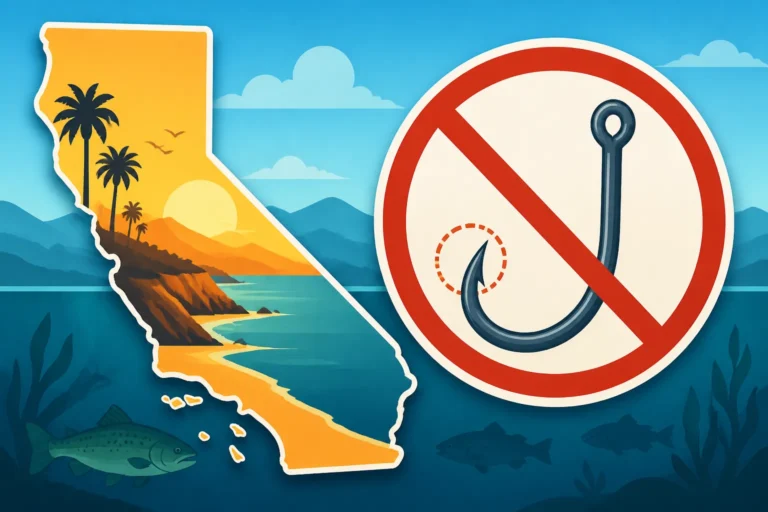
Now, here's where we need to get realistic. While the fishing license requirement is waived on these designated days, "free" doesn't mean "anything goes." This is a common misunderstanding that can lead to unintentional violations. All other fishing regulations remain firmly in place. This includes crucial aspects like bag limits (how many fish you can keep), size limits (how big or small a fish needs to be to keep), gear restrictions (e.g., barbless hooks in certain waters), and specific area closures. You might not need a general fishing license, but you absolutely still need to adhere to the rules designed to protect our fish populations and ensure sustainable angling for everyone. Ignoring these rules, even unknowingly, can still result in hefty fines, so it’s essential to be prepared and informed.
Official California Free Fishing Day Dates
Alright, let's get down to brass tacks: when are these magical days when you can cast a line without a license? The California Department of Fish and Wildlife typically designates two Free Fishing Days each year. These days are strategically chosen to align with popular weekend holidays, making it easier for families and individuals to plan a fishing outing.
For the current year, 2024, the official California Free Fishing Day dates are:
- Saturday, July 6, 2024
- Saturday, August 31, 2024
These dates often fall on holidays like the Fourth of July weekend or Labor Day weekend, which is perfect for a long weekend trip or a family day out. It’s a fantastic opportunity to explore a new fishing spot or introduce a friend to your favorite pastime without the initial cost of a license.
Confirming the Dates Annually
While these dates are generally consistent, it's always, always a good idea to confirm them directly with the California Department of Fish and Wildlife (CDFW) each year. Regulations and dates, like the tides, can sometimes shift. A quick check on the official CDFW website or their fishing regulations booklet is the best way to ensure you have the most up-to-date information. Nothing ruins a planned fishing trip faster than showing up on the wrong day and realizing you need a license you don't have. They typically announce these dates well in advance, so you have plenty of time to mark your calendar.
Here's a quick look at the typical Free Fishing Day schedule:
| Year | Free Fishing Day 1 | Free Fishing Day 2 | Notes |
|---|---|---|---|
| 2023 | July 1, 2023 | September 2, 2023 | Aligned with Fourth of July and Labor Day weekends. |
| 2024 | July 6, 2024 | August 31, 2024 | Mark your calendars! These are your prime opportunities to fish license-free. |
| 2025 | To Be Announced | To Be Announced | Always check the official CDFW website for the most current information as the year approaches. |
What You Still Need to Know and Do on Free Fishing Days
This is perhaps the most critical section for anyone planning to take advantage of California's Free Fishing Days. While the license itself is waived, many other regulations designed to protect our fisheries remain fully in effect. Ignoring these can lead to fines, even on a "free" day. It’s like getting a free concert ticket but still needing to buy parking and adhere to venue rules.
Understanding Report Card Requirements
One of the biggest gotchas for new anglers on Free Fishing Days is the requirement for certain report cards. Even without a general fishing license, if you plan to target specific species, you must still purchase and possess the relevant report card. These cards are essential data collection tools for the CDFW, helping them monitor populations and manage seasons.
For instance, if you're dreaming of catching a majestic Steelhead or a prehistoric Sturgeon, you will need a California Steelhead Report Card or a California Sturgeon Report Card respectively. The same goes for the Dungeness crab fishery if you're using hoop nets or traps. These aren't just minor details; they are legally mandated. You fill out these cards with your catch information and return them to the CDFW by a specific deadline, regardless of whether you caught anything. Failure to possess the correct report card or to return it can result in significant penalties. It's a small fee for a lot of crucial information that directly supports the health of these valuable fisheries.
Adhering to Bag and Size Limits
This cannot be stressed enough: bag and size limits are still in full force. You can't just keep every fish you catch, no matter how small or how many. These limits are scientifically determined to ensure that enough fish survive to reproduce and maintain healthy populations.
- Bag Limit: This refers to the maximum number of fish of a particular species you can keep in a single day. For example, if the limit for Rainbow Trout is 5, you cannot keep a sixth one, even if you catch it.
- Size Limit: This dictates the minimum or maximum length a fish must be for you to legally keep it. Many species, like Halibut or certain Bass, have strict size requirements. If a fish is too small or, in some cases, too large (often for trophy fish that are important breeders), it must be immediately released unharmed.
You are responsible for knowing these limits for the specific species you are targeting and the waters you are fishing. It's a good idea to carry a measuring tape and, if you're not planning to eat your catch immediately, a cooler or stringer to keep them fresh and legal. Always consult the official California Fishing Regulations Explained booklet or the CDFW website for the most current information, as these can vary by region and species.
Navigating Gear and Bait Restrictions
California's diverse waterways mean diverse rules, and that includes what gear and bait you can use. Even on a Free Fishing Day, you're not exempt from these restrictions.
- Barbless Hooks: Many sensitive trout streams, particularly those with wild trout populations or designated "catch-and-release" sections, require the use of barbless hooks. This minimizes harm to fish that are released.
- Artificial Lures Only: In some areas, especially "wild trout waters" or specific fly-fishing-only sections, only artificial lures with a single barbless hook are permitted. Live bait is strictly prohibited to prevent the introduction of invasive species or diseases.
- Lead Restrictions: California has been proactive in reducing lead contamination in aquatic environments. There are restrictions on using lead fishing tackle in certain areas or for certain species, especially waterfowl.
Before you head out, do a quick check on the specific body of water you plan to visit. The California Freshwater Fishing Regulations and California Saltwater Fishing Regulations guides will have all the detailed information you need. A quick search for the lake or river's name and "fishing regulations" should give you clarity. Bringing the wrong gear can mean you can't fish or worse, you get cited. It's always better to be prepared!
Maximizing Your Free Fishing Day Experience
Now that you know the rules, let's talk about making your Free Fishing Day truly memorable! These days are a perfect opportunity to explore new waters, practice your casting, and maybe even reel in your first fish.
Best Spots for Beginners and Families
When you're trying fishing for the first time, or introducing kids to the sport, accessibility and a higher chance of success are key. California is blessed with an abundance of beginner-friendly fishing locations.
- Local Piers: This is a top-tier recommendation! You actually don't need a license to fish from public piers and jetties in California any day of the year. So, while Free Fishing Days waive the license for all public waters, piers are always a license-free zone. They offer easy access, often have bait shops nearby, and provide a safe, communal atmosphere. Think iconic spots like Santa Monica Pier, Berkeley Pier, or the many fantastic piers along the coast. You can often catch mackerel, perch, halibut, and even some smaller sharks from piers.
- Stocked Lakes and Ponds: The CDFW regularly stocks many lakes and ponds across the state with trout, particularly in urban and suburban areas, making them prime spots for new anglers. These "plantings" are designed to boost catch rates. Check the CDFW's fish planting schedule for locations near you. Lakes like Lake Cuyamaca near San Diego or Santa Ana River Lakes in Orange County are popular choices.
- Community Fishing Programs: Many local parks and recreation departments offer youth fishing programs or events on Free Fishing Days, sometimes even loaning out gear. This can be a fantastic way to get guidance and support.
Remember, the goal is to have fun and enjoy the experience. Don't worry about catching a record-breaker on your first try. Focus on the simple pleasures of being outdoors and the excitement of a tug on your line. You can find more ideas in our comprehensive guide to the Best Fishing Spots in California.
Essential Gear to Get Started
You don't need to break the bank to start fishing. For a Free Fishing Day, a basic setup is all you really need. Think simple, functional, and easy to manage, especially if you're bringing kids along.
Here's a basic checklist:
- Rod and Reel Combo: A medium-light spinning combo around 6-7 feet long is versatile and easy for beginners to handle. You can find decent starter kits on platforms like Amazon for a very reasonable price.
- Line: 6-10 lb monofilament or fluorocarbon line is a good all-around choice.
- Hooks: A variety of sizes (e.g., #6 to #10) for different bait and fish sizes. Make sure to check if barbless hooks are required in your chosen spot.
- Weights/Sinkers: Split shot or small egg sinkers to get your bait down.
- Bobbers/Floats: Great for visual bite detection, especially with kids.
- Bait: Live worms, PowerBait, or corn are universal freshwater baits. For saltwater piers, shrimp, squid, or mackerel pieces work wonders.
- Pliers/Forceps: Essential for removing hooks safely from fish.
- Small Tackle Box: To keep everything organized.
- Measuring Tape: Crucial for checking size limits.
- Cooler with Ice/Stringer: To keep your legal catch fresh.
- Sun Protection: Hat, sunglasses, sunscreen.
- Water and Snacks: Stay hydrated and energized!
- Trash Bag: Always pack out what you pack in. Leave no trace.
Safety and Etiquette on the Water
Even on a free day, safety and respect for others are paramount.
- Wear a Life Vest: If you're fishing from a boat, kayak, or float tube, wearing a personal flotation device (PFD) is non-negotiable. It could save your life.
- Be Aware of Your Surroundings: Watch for slippery banks, changing tides, and other anglers. Keep an eye on kids around water.
- Respect Other Anglers: Give others space, avoid casting over their lines, and keep noise levels down. Many people go fishing for the peace and quiet.
- Handle Fish Responsibly: If you're releasing fish, do so quickly and gently. Wet your hands before touching them to protect their protective slime layer.
- Leave No Trace: Pack out all your trash, including discarded fishing line. Monofilament fishing line is particularly dangerous for wildlife.
Free Fishing Days are a gift, a chance to rekindle an old passion or spark a new one. By understanding the rules, preparing adequately, and showing respect for the environment and fellow anglers, you can ensure a fantastic experience for everyone. If you find yourself hooked after your free fishing day, then exploring options like a California One-Day Fishing License or an annual license is your next step!
Frequently Asked Questions About Free Fishing Days
It's natural to have questions, especially when navigating something new like free fishing days. Here are some of the most common queries I hear, along with straightforward answers.
Can Kids Fish for Free Any Day in California?
This is a great question, and it's a common misconception. While kids definitely benefit from the Free Fishing Days, the general rule is that children under the age of 16 do not need a California fishing license at any time of the year. So, if you're taking out a young one, they're typically covered. However, Free Fishing Days are still fantastic because they mean you, the accompanying adult (if you're 16 or older), can fish without a license alongside them. It creates a completely license-free family outing. For more detailed information on age-related rules, check out our guide on Can Kids Fish Without a License in California.
Do I Need an Ocean Enhancement Stamp on Free Fishing Days?
The California Ocean Enhancement Stamp is usually required for anyone 16 years or older fishing in ocean waters south of Point Arguello (Santa Barbara County). This stamp helps fund projects that increase ocean fish populations. However, on designated California Free Fishing Days, you are generally exempt from needing the Ocean Enhancement Stamp along with the general fishing license. This is part of the broader license waiver for those specific days. Always a good idea to double-check the latest regulations from the CDFW, but historically, the stamp is waived on these days.
What About Fishing in Marine Protected Areas (MPAs)?
Marine Protected Areas (MPAs) are designated zones in California's ocean waters designed to protect marine life and habitats. They come with very strict rules about what activities are allowed, including fishing. These rules absolutely still apply on Free Fishing Days.
MPAs can range from "No-Take" zones where no fishing or collection of any kind is allowed, to "State Marine Conservation Areas" where certain types of recreational fishing might be permitted, but others are not. It is your responsibility to know if you are in an MPA and what the specific regulations are for that area. Ignorance is not an excuse, and fines for violating MPA rules can be substantial. Before heading to any coastal spot, consult the California Marine Protected Areas Explained information on the CDFW website or use online MPA maps to understand the boundaries and permitted activities. Free Fishing Days only waive the license; they do not grant you special access or exemptions from conservation rules like those in MPAs.
Are there any specific species I cannot target on Free Fishing Days?
Generally, if a species is legal to fish for recreationally in California with a license, it's legal to target on a Free Fishing Day, provided all other regulations are met. The key is "all other regulations," which includes:
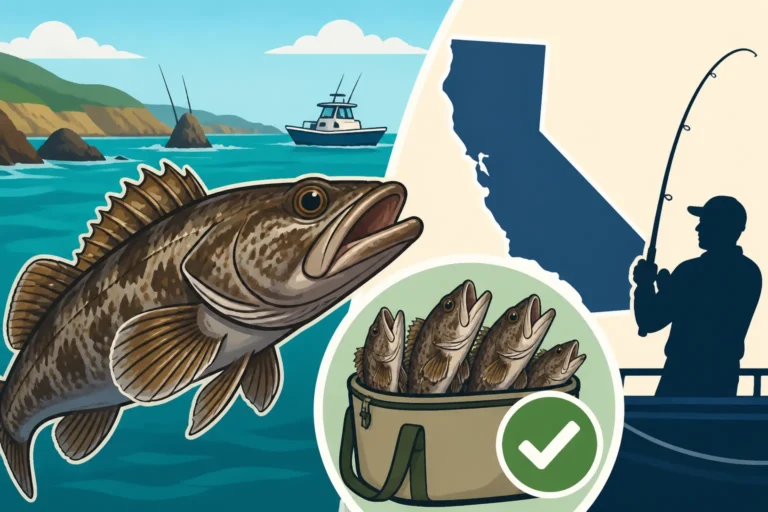
- Seasons: Some species, like certain types of Salmon, Lingcod, or Rockfish, have very specific open and closed seasons. Fishing for them outside the open season is illegal, license or no license. Always refer to the California Salmon Season Dates, California Lingcod Season and Limits, or other species-specific guides.
- Report Cards: As mentioned, species requiring a report card (e.g., Steelhead, Sturgeon) still require that card, even if the general license is waived.
- Protected Species: Obviously, fishing for any federally or state-protected endangered or threatened species is strictly prohibited at all times.
So, while the license is waived, it's not a free-for-all on species. You still need to be a responsible angler and know what you're trying to catch and if it's currently allowed.
Conclusion: Take Advantage of These Opportunities!
California's Free Fishing Days are truly a gift, offering a wide-open invitation to explore the incredible fishing opportunities our state has to offer without the initial hurdle of purchasing a license. It's a chance to connect with nature, create lasting memories with family and friends, and maybe even discover a new lifelong passion. Whether you're casting for trout in a serene mountain lake, chasing perch off a bustling pier, or simply enjoying the peaceful rhythm of the water, these days make it easier than ever to get out there. Just remember to treat these days as a learning experience, abide by all the other crucial regulations like bag limits and report card requirements, and respect our precious natural resources. So mark your calendars for July 6, 2024, and August 31, 2024, gather your basic gear, and get ready to experience the pure joy of fishing in California! Who knows, you might just find yourself hooked and ready to get your very own California Fishing License Guide for the rest of the year!
Disclaimer
The information provided in this guide is for general informational purposes only and is subject to change. Fishing regulations in California are complex and can vary by location, species, and time of year. Always consult the official California Department of Fish and Wildlife (CDFW) regulations booklet or their website for the most current and accurate information before engaging in any fishing activities. Failure to comply with all applicable regulations can result in fines and penalties.