How to Read a California Charter Fish Count
It can be incredibly frustrating to scroll through daily fishing reports from charter boats, seeing a jumble of numbers and species names, and wondering what it all really means for your next trip. You're left trying to decipher cryptic abbreviations and compare disparate data, often feeling more confused than informed. This guide is here to unravel the mystery of California charter fish counts, helping you understand how to interpret these vital reports to make the best decisions for your angling adventures.
Why Fish Counts Matter for Your Trip Planning
When you're dreaming of a day out on the Pacific, landing that trophy tuna or a limit of rockfish, the daily fish count is one of your most powerful tools. It’s not just a brag sheet for the boat; it’s a snapshot of the ocean's productivity and a peek into what’s biting, where, and how well. Ignoring these reports is like heading out on a road trip without checking traffic – you might get there, but it won’t be the most efficient or enjoyable ride.
Gauging Success and Planning Trips
Daily fish counts are essentially performance reports for individual boats and specific fishing grounds. They tell you, in concrete numbers, what species were caught, in what quantities, and often under what conditions. This information is invaluable for managing your expectations. If you see consistent limits of California Halibut, you know the bite is on. Conversely, if a boat is only catching a handful of fish with a large number of anglers, it might indicate a slower bite or tougher conditions that day. By carefully monitoring these reports, you can pick the charter, the trip duration, and even the time of year that aligns best with your angling goals. It helps you decide if you want to target specific species or just go where the action is hottest.
Understanding Patterns and Species Trends
Beyond a single day's success, observing fish counts over time helps you identify broader patterns. You'll start to notice seasonal shifts, like when the Bluefin Tuna off California begin to show up in numbers, or when the Rockfish season really kicks into gear. These trends are crucial for planning well in advance, especially if you're aiming for a specific species or type of trip. For instance, if you're keen on landing a big White Seabass, consistent reports of "ghosting" (catching nothing) for a few weeks might suggest delaying your trip or targeting a different species altogether. Many savvy anglers, myself included, spend time reviewing archives, if available, to correlate past success with current conditions, refining their strategy for the Best Times to Fish in California.
Deconstructing the Numbers: Key Elements of a Fish Count
Daily fish counts, especially from busy landing operations like Fisherman's Landing, H&M Landing, or Point Loma Sportfishing in San Diego, tend to follow a pretty standard format. Learning what each piece of information means is the first step in becoming a master interpreter. Don't let the abbreviations or dense paragraphs intimidate you; each one holds a clue.
Boat Name and Trip Type
Every fish count will clearly state the name of the vessel and the type of trip it completed. Was it the "Dolphin" on a full-day offshore trip, or the "Malihini" on a twilight run? This context is critical. A full-day offshore trip targeting pelagics like tuna and yellowtail will have vastly different expectations and results than a half-day nearshore trip focusing on rockfish. Knowing the boat also helps you track its consistent performance and whether it specializes in certain types of fishing. If you're looking for California Offshore Fishing Techniques, you'll want to pay close attention to the vessels renowned for those longer runs.
Date and Duration
The date is obvious, but its importance cannot be overstated. Fishing conditions can change dramatically from one day to the next due to weather, currents, or bait movements. A stellar report from last Tuesday might not reflect today's reality. The duration of the trip (e.g., half-day, full-day, 1.5-day, overnight) directly impacts the potential catch. Longer trips allow boats to travel further, explore more grounds, and spend more time fishing, naturally leading to higher overall numbers for the boat. This is an important distinction when you are evaluating California Half-Day vs Full-Day Charters.
Number of Anglers
This is a crucial detail that many people overlook. A boat returning with 200 fish is impressive, but if there were 40 anglers on board, that's an average of only 5 fish per person. If another boat reports 100 fish with just 10 anglers, that's 10 fish per person – a much more productive individual experience! Always divide the total catch by the number of anglers to get a more accurate picture of individual success. This metric is especially important on popular party boats where many people are fishing simultaneously. Websites like FishingBooker often include this detail in their aggregated reports, making it easier to compare.
Species and Catch Totals
This is the heart of the report – what was caught and how many. You'll see species listed (e.g., Yellowtail, Rockfish, Lingcod, Bonito, Bluefin Tuna) with corresponding numbers. Sometimes, they'll specify "limits" if every angler achieved their legal bag limit for a particular species. Pay attention to the mix of species. Did they catch a variety, or was it dominated by one or two "hot" species? This tells you what the primary targets were and what was most active. For instance, a report might show "20 Yellowtail, 50 Rockfish, 10 Lingcod." This tells you Yellowtail were biting, but the Rockfish bite was even stronger, and a few lucky anglers pulled up some Lingcod.
Notable Catches and Observations
Beyond the raw numbers, many reports include additional narrative details. This might include "big fish" mentions (e.g., "1st fish over 100 lbs for the season!"), specific bait that worked well, or general comments on ocean conditions like "flat calm seas" or "choppy in the afternoon." These observations offer qualitative insights that numeric data alone cannot provide. A note about abundant bait in the area, for example, could indicate a promising trend for the coming days. Some reports might even mention specific techniques that were most effective, which can be invaluable for your own California Fishing Techniques preparation.
Interpreting the Data: What the Numbers Really Tell You
So you've broken down the components – now what? The real skill lies in interpreting what these pieces of information together are communicating. It’s not just about seeing big numbers; it’s about understanding the context and implications.
Average Catch Per Angler
As mentioned, this is paramount. Divide the total number of a specific species by the number of anglers. This gives you a clear individual success rate. For instance, if a boat with 30 anglers reports 90 Rockfish, that's an average of 3 Rockfish per person. If the legal limit for Rockfish is 10, then it wasn't a "limit" day for everyone, but still a decent bite. If another boat with 20 anglers reports 200 Rockfish, that's 10 per person – a full limit for everyone, and a much better individual experience. This average helps you set realistic expectations for your own potential haul.
Species Mix and Hot Bites
Look for consistency in the reports across multiple boats and days for a specific species. If several boats from different landings are reporting excellent Yellowtail catches, it’s a strong indicator that the Yellowtail are biting well in the region. Conversely, if one boat has a stellar report for a particular species while others are struggling, it might be an outlier rather than a widespread trend. Pay attention to how many different species are being caught. A mixed bag could mean diverse fishing opportunities, or it could mean no single species is biting particularly hard, and the crew is working to put a few of everything on deck. This is critical for understanding what fish are active during the specific California Fishing Seasons: Month-by-Month Guide.
Conditions and Location Context
Fish counts often hint at where the boat fished. "Outer banks," "nearshore reefs," "kelp patties," or "local waters" give you clues. Connect these locations with the species caught. For instance, if a boat fished the offshore banks and caught mostly Bluefin Tuna, that's expected. If they were in local waters and had limits of Rockfish, that’s a good sign for nearshore opportunities. Weather and sea conditions (wind, swell, water temperature) also play a massive role. A slower day might be attributed to rough seas, while a calm, warm day could explain an exceptional bite. Consider these factors when reading the reports, as they can heavily influence the outcome of any given trip.
Red Flags and Green Lights
When you're reading fish counts, certain indicators can be either encouraging or discouraging. A "green light" might be multiple boats consistently limiting out on a desirable species, coupled with good weather. A "red flag" could be reports of very low angler counts on a typically crowded boat, suggesting slow fishing, or an unusually high number of "miscellaneous" or "variety" fish, which can sometimes mask a lack of target species. If the average catch per angler is consistently very low for the species you want, that's a signal to adjust your plans or expectations.
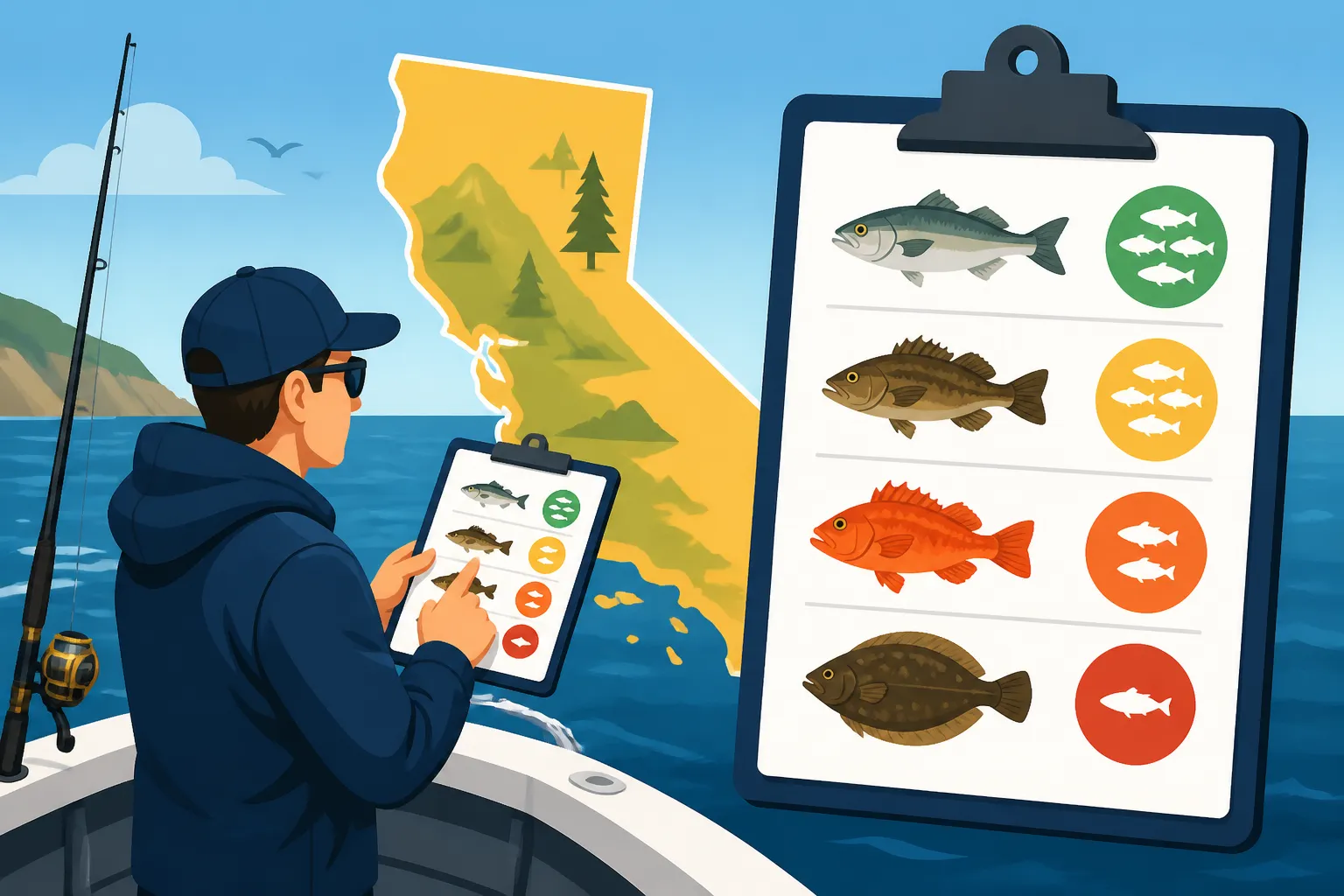
Here's a quick reference table to help you dissect those numbers:
| Metric | What to Look For | What it Might Indicate |
|---|---|---|
| Total Fish Caught | High numbers for target species. | Strong bite, abundant fish. |
| Number of Anglers | Compare to total fish for per-person average. | Individual success rate (higher average per angler is better). |
| Species Diversity | Mix of preferred species, or strong numbers for one. | Varied fishing, or a "hot" bite on a specific species. |
| "Limits" Mention | Frequent reports of limits for specific species. | Excellent fishing, easy to reach bag limits. |
| Trip Duration | Correlate with catch (e.g., full day vs. half day). | Longer trips typically yield more, but compare per-hour productivity. |
| "Scratchy" / "Slow" | Explicit mention of tough conditions or slow bite. | Warning sign; fishing is challenging, adjust expectations. |
| "Good Grade Fish" | Mention of larger-than-average fish. | Potential for trophy catches. |
| Location Hint | "Offshore," "local," "banks," "kelp." | Helps narrow down where the action is happening and what gear might be appropriate. |
Beyond the Basics: Advanced Tips for Savvy Anglers
Once you've got the hang of the fundamentals, you can start digging deeper to truly maximize the utility of fish counts. This is where you move from just reading reports to actively interpreting them like a seasoned pro.
Cross-Referencing Multiple Sources
Don't rely on just one landing or one boat's report. Check multiple sources. Reputable landings like H&M Landing, Davey's Locker, and Cisco's Sportfishing all post their daily counts. Websites like FishingBooker often aggregate data from various charters, giving you a broader overview of regional activity. Comparing reports from different boats fishing the same general area on the same day can reveal inconsistencies or confirm widespread trends. If all the boats are reporting similar results, you can be more confident in the assessment. If there's a huge discrepancy, it might be worth looking into why (e.g., one boat fished a different zone, had a different captain, or simply got lucky). This approach helps you get a more holistic view of the Best Fishing Charters in California.
Understanding Seasonal and Daily Variations
Fish behavior is heavily influenced by seasons, tides, and even time of day. A fish count from April will look very different from one in August due to the migratory patterns of species like tuna and yellowtail, or the spawning seasons for others. Also, consider the timing within the day. Early morning bites are common for many species. If a report indicates a slow morning but a good afternoon bite, it could be tied to tidal changes or bait movement. Knowing the California Salmon Season Dates or California Halibut Season and Limits for your target species will add critical context to the reports you're reading. Fishing in California is a year-round activity, but the targets change drastically.
The "Story" Behind the Numbers
Sometimes, the most important information isn't explicitly stated but is implied. For example, if a boat typically targets Rockfish and Lingcod on a half-day trip, but the report shows an unusually high number of mackerel or bonito, it could mean the primary targets weren't biting, and the crew switched to catching what was available to ensure anglers had some action. Similarly, if a boat known for offshore Yellowtail is suddenly reporting excellent Calico Bass numbers in nearshore kelp, it could indicate a temporary shift in tactics due to offshore conditions or a lack of pelagic activity. Reading between the lines helps you understand the captain's strategy and the true state of the fishery. It's not just about the numbers, but the narrative they weave about the day's events. Knowing How to Choose a California Fishing Guide also helps, as a skilled guide will adapt to conditions and potentially deliver a good catch even on a challenging day.
Disclaimer
Fishing conditions and regulations in California can change frequently. Always consult the latest official California Department of Fish and Wildlife (CDFW) regulations booklet or website before heading out to ensure compliance. This guide is for informational purposes only.