What License You Need on a California Charter
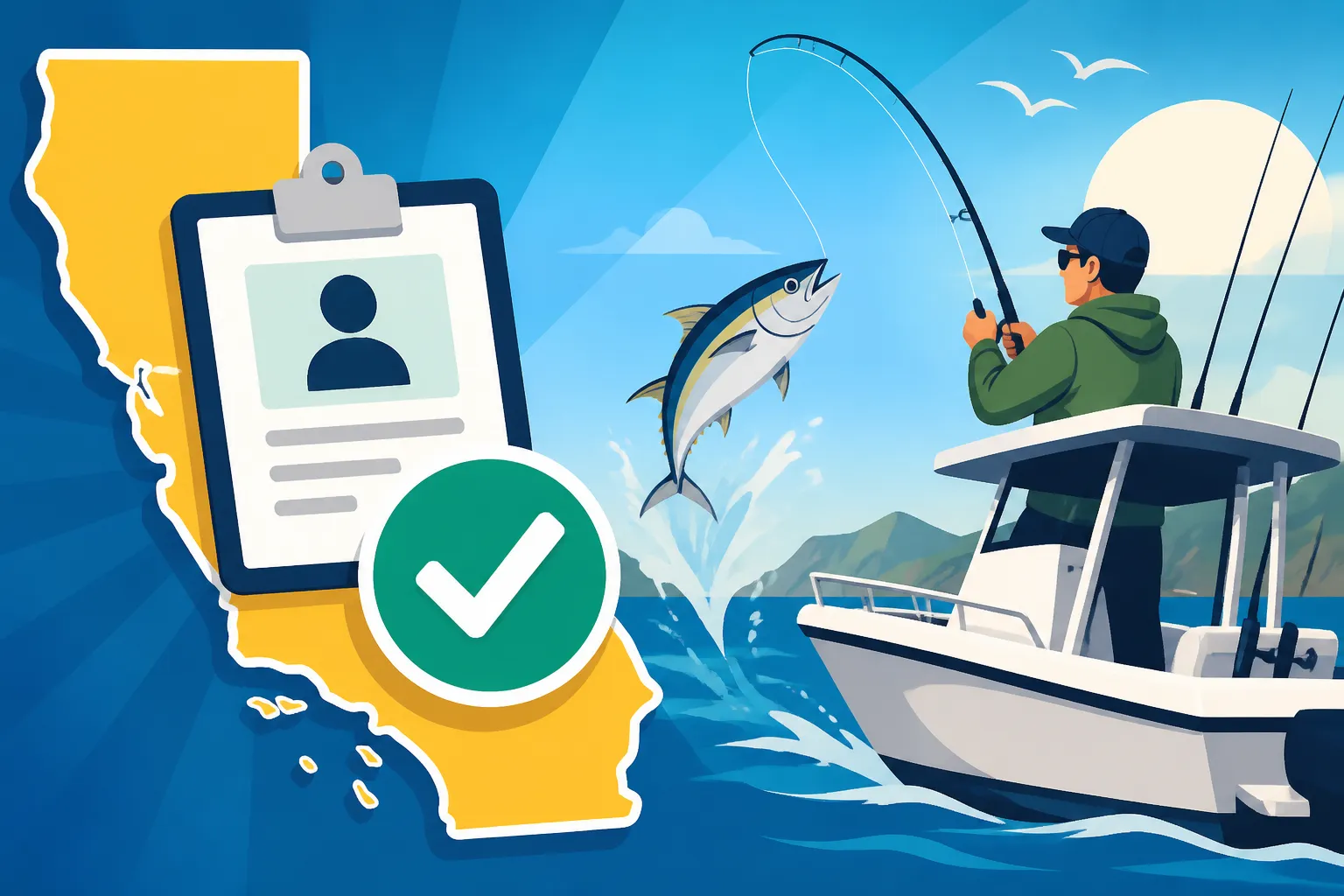
It's a common misconception, and frankly, a source of major confusion for many anglers heading out on a charter boat in California: do you actually need your own fishing license, or does the charter cover it? The truth is, while charter boats provide the vessel, gear, and expertise, the responsibility for carrying a valid California fishing license almost always falls squarely on your shoulders, the individual angler. This guide will cut through the fog, explaining exactly what license you need to ensure your charter trip is legal, fun, and penalty-free.
Understanding Your Fishing License Requirements on a California Charter
Before you even step foot on a fishing vessel in California, whether it's a private boat or a bustling party boat, you need to understand the fundamental rules regarding fishing licenses. Getting caught without one isn't just embarrassing; it can lead to hefty fines and a ruined day on the water.
The Fundamental Rule for Anglers
Let's get this straight right off the bat: nearly everyone who plans to fish in California, regardless of whether they're casting from shore, a private boat, or a commercial charter, needs a valid California fishing license. This isn't just a suggestion; it's the law. The California Department of Fish and Wildlife (CDFW) mandates this for anyone 16 years of age or older. The only real exceptions for license requirements are usually for those fishing from a public pier in ocean waters (where a license isn't needed, but regulations like bag limits still apply) or during specific, designated California Free Fishing Days which happen only a couple of times a year. Your charter trip will almost certainly not fall under these exceptions.
Think of it like driving a car. The charter company provides the "vehicle" and the "driver" (the captain), but you, as the "passenger" who wants to "drive" (fish), still need your individual "driver's license" (fishing license). It's all about responsible resource management, ensuring that revenue from licenses goes back into conservation efforts, fish stocking programs, and habitat restoration, which ultimately benefits all of us who love to fish. Don't be that person who holds up the boat or, worse, gets a ticket from a warden checking licenses.
When Charters Don't Cover Your License
This is perhaps the biggest point of confusion for first-time charter clients, or even seasoned anglers visiting California from out of state. Many assume that since they're paying for a guided trip, the license is somehow included in the price. Unfortunately, this is almost never the case for sportfishing charters in California. While a charter boat carries commercial licenses and permits to operate, these do not cover the individual fishing license required for each passenger.
The charter operator's permits allow them to run a for-hire fishing business, but they do not grant their clients permission to fish without their own personal license. Some less reputable charter services might imply otherwise, or simply not mention it, which can lead to an unpleasant surprise for anglers when a game warden boards the boat. Always confirm directly with the charter company, but expect to be told you need your own license. Many reputable booking platforms, like FishingBooker, clearly state that licenses are separate from the trip cost in their FAQs or booking details, saving you from a pre-trip panic. It's truly your responsibility, not theirs, to ensure you're legally equipped.
Navigating Specific License Types for Your Charter Adventure
California offers several types of fishing licenses, and choosing the right one for your charter trip depends on how long you plan to fish and whether you're a California resident. Understanding these options is key to a smooth fishing experience.
Short-Term vs. Annual Licenses
For many who book a California fishing charter, especially visitors or those who only hit the water once or twice a year, a short-term license is the most convenient and cost-effective option.
- One-Day Fishing License: This is perfect for a single charter trip. If you're coming for a weekend getaway to San Diego and planning one offshore tuna trip, the California One-Day Fishing License is your go-to. It covers you for 24 hours from the time of purchase. While it might seem like a small detail, purchasing this in advance saves you from scrambling on the morning of your trip.
- Two-Day Fishing License: If your plans include multiple days on the water, perhaps a deep-sea trip one day and some bay fishing the next, a California Two-Day Fishing License offers slightly better value than buying two one-day licenses. This is a great choice for vacationers looking to maximize their fishing time.
- Annual Resident/Non-Resident Licenses: For dedicated local anglers, or visitors who plan several trips throughout the year, an annual license makes more sense. The California Resident Fishing License Cost is significantly lower than the California Non-Resident Fishing License Cost. An annual license is valid from January 1st to December 31st of the calendar year it's purchased for. If you live in California and fish regularly, or if you're a non-resident making multiple trips, this will ultimately save you money and hassle compared to buying several short-term licenses.
Before you make your purchase, do a quick calculation of the California Fishing License Cost for each option to ensure you're getting the best deal for your specific fishing plans.
Don't Forget Report Cards and Special Endorsements
A common oversight, even for experienced anglers, is forgetting that a basic fishing license is often just the beginning. Depending on what species you're targeting on your charter, you might need additional report cards or stamps. These are crucial for tracking specific fish populations and are mandatory for certain species.
- Ocean Enhancement Stamp: If your charter is heading into ocean waters south of Point Arguello (Santa Barbara County) and you're 16 or older, you'll need an California Ocean Enhancement Stamp. This is often required for most Southern California offshore and nearshore charters targeting species like yellowtail, barracuda, or rockfish. This stamp helps fund programs to enhance ocean fish stocks.
- Steelhead Report Card: If your charter (more likely a guided trip in freshwater) is targeting steelhead, you must have a California Steelhead Report Card. This card tracks your catch and effort, providing vital data for conservation.
- Sturgeon Report Card: Similarly, if you're hoping to battle a White Sturgeon in the Sacramento-San Joaquin Delta or similar waters, a California Sturgeon Report Card is mandatory. These prehistoric fish are closely monitored.
- Salmon Report Card: While not always a physical "card" in the same vein as steelhead or sturgeon, strict reporting requirements and often a California Salmon Report Card or equivalent tracking method are in place for salmon fishing, especially on specific rivers or during certain seasons. Check current regulations meticulously.
Failing to possess the correct report card or stamp, even with a valid fishing license, is a violation. Always ask your charter captain or guide specifically about any additional requirements for the species you plan to target. They are the local experts and will know the latest regulations.
What to Do Before You Board: Essential Pre-Trip Checks
The last thing you want on the morning of your highly anticipated fishing trip is to be scrambling for a license or realizing you've forgotten something critical. A little preparation goes a long way to ensure a stress-free start to your adventure.
Confirming with Your Charter Operator
Even after reading this guide, it’s always a smart move to have a direct conversation with your charter operator. Don't be shy! A simple phone call or email a few days before your trip can clarify any lingering questions and confirm specific requirements. Ask them directly: "Do I need a California Fishing License Guide for this trip, and are there any specific report cards or stamps required for the fish we'll be targeting?" They’ll appreciate your proactiveness, and you’ll gain peace of mind.
This is especially important if you're fishing near sensitive areas or targeting species with complex regulations, such as certain rockfish species with depth restrictions or specific salmon seasons that vary year to year. While a booking service like FishingBooker provides a great overview of available trips and general requirements, the on-the-ground knowledge of your specific captain is invaluable. They might even have a quick link or a nearby tackle shop recommendation for last-minute purchases.
Where and How to Purchase Your License
Once you know exactly what you need, purchasing your license is straightforward. You have a few convenient options to get your How to Get a California Fishing License and any necessary endorsements.
- Online: The easiest and often preferred method is to purchase your license directly from the California Department of Fish and Wildlife (CDFW) website. This allows you to buy and print your license from the comfort of your home, avoiding any last-minute rushes. You can typically How to Buy a California Fishing License Online in minutes. Make sure to print a physical copy, as some wardens prefer a paper license, even if digital versions are generally accepted.
- Licensed Agents: You can also purchase licenses in person at various California Fishing License Agents Explained across the state. These often include tackle shops, sporting goods stores (like Big 5 Sporting Goods or Bass Pro Shops), and even some convenience stores or marinas. This can be a good option if you have questions or need to buy your license on short notice, though it's always better to do it beforehand.
- CDFW Offices: While less convenient for most, you can purchase licenses directly from CDFW license sales offices during business hours.
Always purchase your license and any required report cards before you head to the dock. Trying to buy one as the boat is ready to leave is a recipe for stress and delays.
Remember, a valid fishing license (and any required report cards or stamps) is personal to you. It cannot be transferred or shared. Ensure the name on the license matches your identification.
| Charter Type | License Required (16+) | Common Report Cards/Stamps | Notes |
|---|---|---|---|
| Offshore/Deep Sea | Yes (1-day, 2-day, Ann.) | Ocean Enhancement Stamp | Often targets tuna, yellowtail, rockfish, etc. |
| Bay/Estuary | Yes (1-day, 2-day, Ann.) | N/A (unless targeting specific species) | Targets halibut, striped bass, leopard shark. |
| Freshwater Lake/River | Yes (1-day, 2-day, Ann.) | Steelhead, Sturgeon, Salmon Report Cards (seasonal) | Targets trout, bass, salmon, sturgeon. |
| Pier Fishing (Ocean) | No (License-Free) | N/A | Regulations (bag/size limits) still apply. |
This table provides general guidelines. Always verify specific requirements with your charter captain and the latest CDFW regulations booklet.
Common Pitfalls and How to Avoid Them
Even with the best intentions, it's easy to make mistakes when dealing with fishing regulations. Being aware of common pitfalls can help you avoid unnecessary hassle.
Misinformation from Online Sources
The internet is a treasure trove of information, but it's also rife with outdated or incorrect details. A quick Google search for "California fishing license" might bring up forum posts from five years ago, or articles referencing old regulations that no longer apply. This is a real frustration for anglers trying to do the right thing! Fishing regulations in California, especially regarding specific species or seasons, can change annually due to environmental factors, fish stock assessments, or emergency closures. Relying on an old blog post could lead you astray.
Always, and I mean always, prioritize information directly from the California Department of Fish and Wildlife (CDFW) website or the current year's California Fishing Regulations Explained booklet. These are the definitive sources. While I'm here to help clarify, the CDFW website is your final authority. When booking a trip through a platform like FishingBooker, make sure to check their current advice on licenses, but also cross-reference with the CDFW site if you have any doubts. Don't let old information ruin your trip.
Forgetting Your License at Home
You've done everything right: you've researched, you've purchased your California Sport Fishing License Options, and you've got your gear packed. Then, in the rush of the morning, you leave your printed license on the kitchen counter. Talk about a facepalm moment! This happens more often than you'd think, and it's a surefire way to start your trip with unnecessary stress. While many game wardens can look up your license electronically, it's not a guarantee, and having a physical copy (or at least a clear photo on your phone) is highly recommended.
Before you leave the house, establish a "fishing wallet" or "fishing pouch" where you always keep your license, report cards, and any other necessary permits. Make it a habit to check for it, along with your ID, keys, and phone, before you head out the door. Better yet, if you purchased it online, keep a digital copy saved on your phone's home screen or in your email for easy access. A quick glance at your pre-trip checklist will save you from that sinking feeling when the captain asks for your license and you realize it's miles away.
Assuming a Charter Covers Everything
We touched on this earlier, but it bears repeating because it's such a common and potentially costly assumption. A fishing charter is a service that provides access to a boat, experienced crew, and often bait and tackle. It is not a blanket pass that negates your personal responsibility to comply with state fishing laws. This includes having your own license, understanding California Fishing Bag and Size Limits, and adhering to California Saltwater Fishing Regulations or California Freshwater Fishing Regulations, depending on your trip.
When you're out on the water, you are still an individual angler, subject to all the same rules as someone fishing from their own kayak or dinghy. The charter crew's job is to put you on fish safely and to help you fish legally, but they aren't your legal guardians. They cannot issue you a license, nor can they shield you from a citation if you're non-compliant. Always verify all requirements well in advance, and if you have any doubts, err on the side of caution and get the license or endorsement. The small cost of a license pales in comparison to the fine for fishing without one.
Disclaimer
Please note that fishing regulations are subject to change. While this guide provides comprehensive information, it is always recommended to check the official California Department of Fish and Wildlife (CDFW) website or consult the most current California Sport Fishing Regulations booklet for the most up-to-date rules and requirements before your fishing trip.