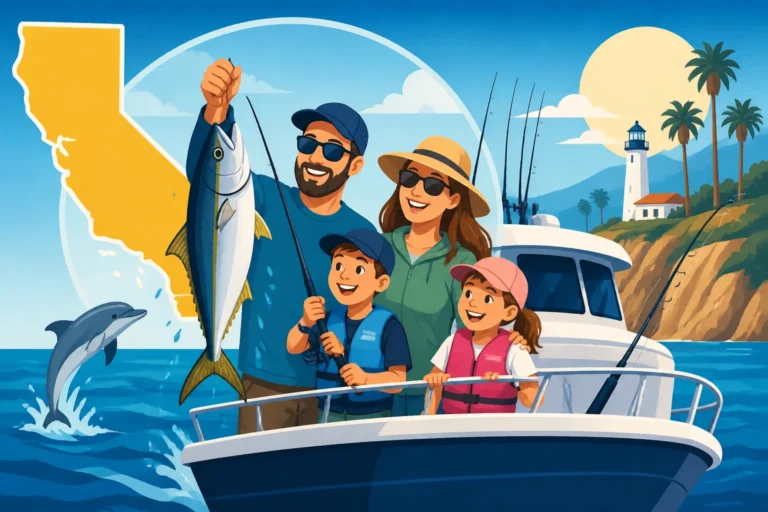
What to Expect on a Monterey Fishing Trip
Thinking about hitting the abundant waters off Monterey for a fishing trip can be incredibly exciting, yet a little overwhelming if you're not sure what to expect. From understanding the best seasons to knowing what to pack and how to navigate local regulations, there's a lot to consider. Don't worry, I've got you covered. This guide will walk you through everything you need to know to ensure your Monterey fishing adventure is both productive and enjoyable, helping you feel confident from the moment you book until you're reeling in your catch.
Discovering Monterey Bay's Rich Fisheries
Monterey Bay is an absolute gem for anglers, offering an incredibly diverse marine ecosystem that supports a wide array of fish species. It's not just a beautiful place; it's a vibrant underwater world teeming with life, thanks in large part to the deep Monterey Canyon, which brings nutrient-rich upwellings close to shore. This unique geography creates a fantastic habitat for everything from bottom dwellers to pelagic predators.
Primary Target Species in Monterey
When you head out on a Monterey fishing trip, your target species will largely depend on the season and the type of trip you book. The bay is renowned for its rockfish and lingcod, which are staples of the local fishery year-round. However, depending on the time of year, you might also have the chance to pursue more migratory species.
- Rockfish (Vermilion, Canary, Copper, Bocaccio, etc.): These colorful and tasty bottom dwellers are a consistent catch in Monterey Bay. They reside near rocky structures, reefs, and kelp beds, making them accessible on most trips. There's a huge variety of rockfish, each with its own unique appearance and flavor profile. You'll typically be using lead-head jigs with plastic swimbaits, or bait like squid and sardines on dropper loops to target them. It's crucial to be aware of the specific California Rockfish Regulations and Limits as rules can vary by species and management area.
- Lingcod: Often found in the same habitats as rockfish, lingcod are aggressive predators known for their formidable teeth and delicious white meat. These fish put up a fantastic fight and are highly prized. They can grow quite large, making them a thrilling catch. Heavy jigs, large swimbaits, or even live bait such as mackerel or smaller rockfish are effective for lingcod. Just like rockfish, be mindful of California Lingcod Regulations and Limits.
- Salmon (Chinook/King): When the salmon season is open, usually from spring through fall, trolling for Chinook salmon becomes a major draw. These powerful fish are a true sportfishing challenge and offer some of the best eating in the ocean. The pursuit of salmon often involves specialized trolling gear, using flashers and bait like anchovies or herring, or various artificial lures. Keep a close eye on the ever-changing California Salmon Season Dates Explained because these can vary drastically year to year due to conservation efforts.
- Halibut (California Halibut): While less common on general rockfishing trips, California halibut can be targeted by drift fishing or trolling along sandy bottoms, particularly within the calmer waters of the bay. These flatfish are masters of camouflage and can be tricky to entice, but they offer a rewarding fight and are excellent table fare. Live anchovies or sardines are prime bait. Be sure to check the current California Halibut Size and Bag Limits.
- Tuna (Bluefin, Albacore, Yellowfin): This is a different type of offshore trip entirely, generally requiring longer excursions, often 1.5-day or even multi-day trips, venturing far offshore into warmer waters. While less frequent from Monterey compared to Southern California ports, if conditions are right and the tuna are around, some specialized charters will target them. This is typically a summer and early fall fishery.
Common Fishing Techniques Utilized
Monterey Bay's diverse fishing opportunities mean charter boats employ various techniques to put you on fish. Understanding these methods can help you appreciate the tactics your captain and crew are using.
- Bottom Fishing (Drift Fishing/Anchored): This is the most common method for rockfish and lingcod. Whether the boat is drifting slowly over a reef or anchored directly over a known fishing spot, anglers drop their lines to the seafloor. You'll often use a "dropper loop" rig with bait or a lead-head jig. The goal is to keep your bait or lure near the bottom, where these species live and feed.
- Trolling: Predominantly used for salmon, trolling involves dragging lures or bait behind a moving boat at a specific speed and depth. This technique covers a lot of water, mimicking a fleeing baitfish and enticing predatory species like salmon to strike. Downriggers are often used to get lures to the desired depth.
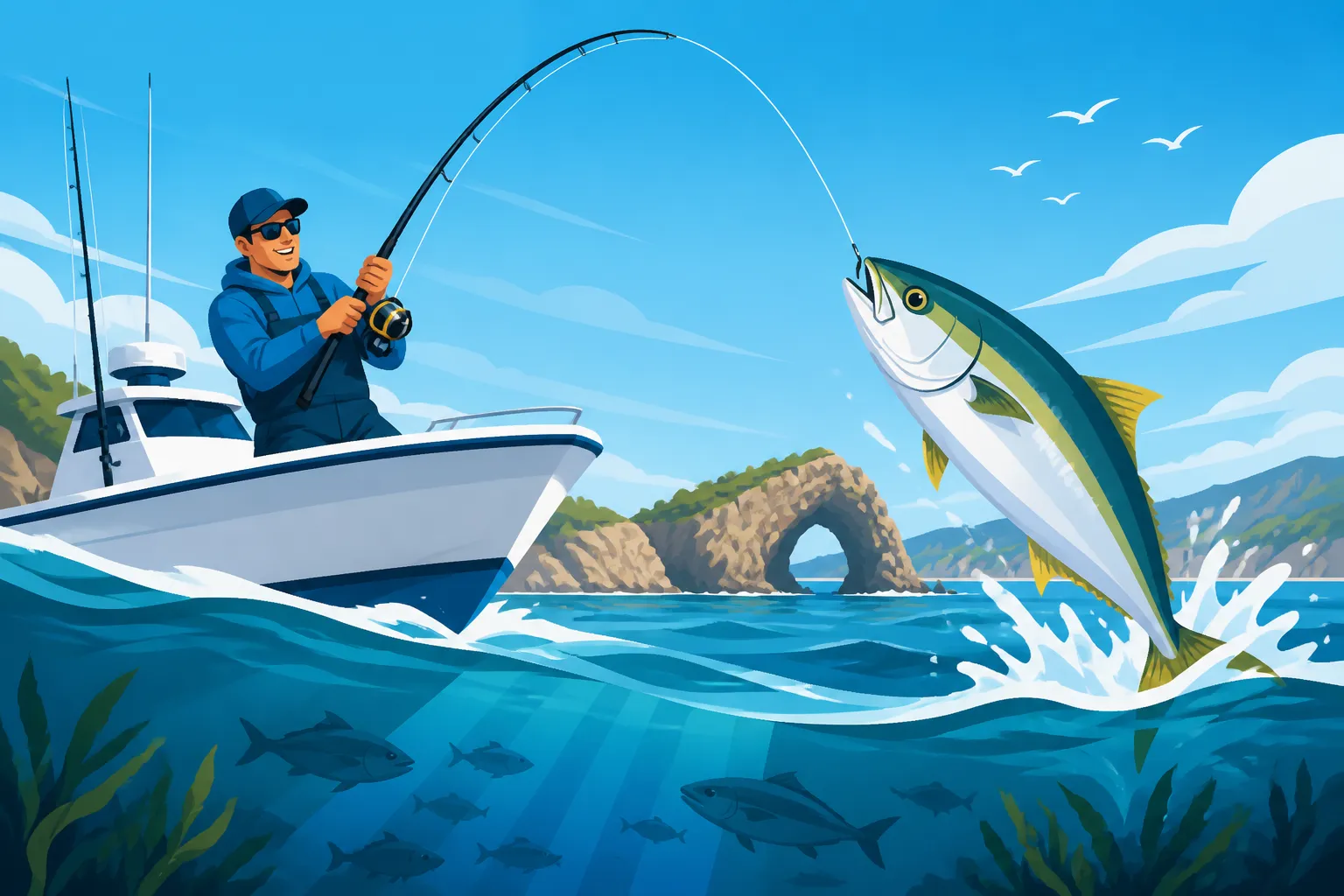
- Jigging: This active technique involves rapidly raising and lowering a weighted lure (a jig) to mimic an injured baitfish. It's effective for a variety of species, including rockfish, lingcod, and even some pelagics like bonita. Vertical jigs, especially those that flutter on the fall, can be deadly when fish are aggressive.
Booking Your Monterey Fishing Adventure
Choosing the right charter is key to a great Monterey fishing experience. There are several reputable operations in Monterey, many departing from Monterey Harbor's Municipal Wharf.
Types of Charters Available
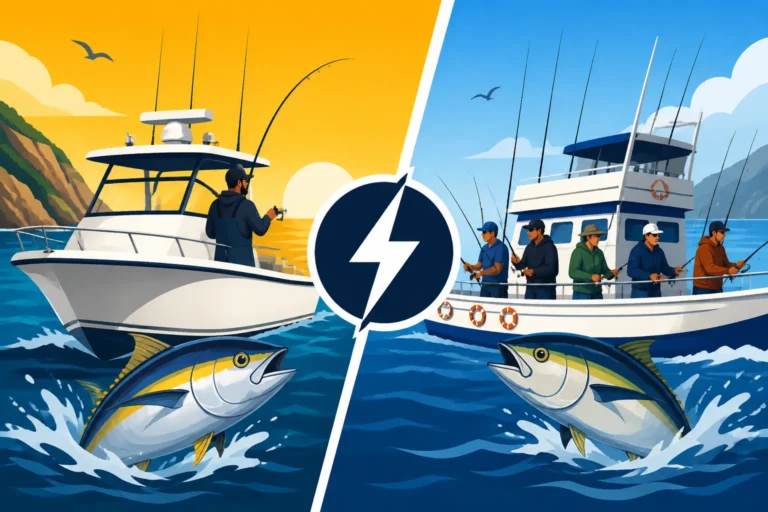
You typically have two main options when booking a fishing trip out of Monterey: party boats (also known as open party or head boats) and private charters.
- Party Boats (Open Party): These are the most common and budget-friendly option. You pay per person and join a group of other anglers on a larger vessel. Party boats are fantastic for individuals, small groups, or families, offering a communal experience. They usually run scheduled half-day (4-5 hours) or full-day (7-9 hours) trips, primarily targeting rockfish and lingcod, and salmon when in season. Boats like the Star of Monterey or New Captain Pete are well-known names in the area. Expect deckhands to assist with baiting, netting fish, and explaining techniques.
- Private Charters: If you're looking for a more personalized experience, a private charter is the way to go. You rent the entire boat for your group, allowing for greater flexibility in terms of departure times, target species, and fishing locations. This is ideal for corporate outings, family reunions, or serious anglers who want dedicated attention from the captain and crew. While more expensive, the tailored experience can be well worth it. You can find a wide range of options, including smaller six-pack boats (carrying up to six passengers) for a more intimate feel, perfect for a focused pursuit of specific species. Websites like FishingBooker are excellent resources for comparing private charter options and reading reviews from other anglers.
What's Typically Included in Your Trip
Most charters aim to make your experience as hassle-free as possible, but it's always good to confirm what's provided.
- Rod and Reel Rental: On party boats, fishing rod and reel rentals are almost always available, often for an additional fee, but sometimes included in the fare. Private charters generally include all necessary gear as part of the booking. The gear provided is usually appropriate for the target species, meaning heavy-duty tackle for deep-water rockfish or specialized trolling setups for salmon.
- Bait and Tackle: Standard bait, typically squid or anchovies/sardines, is usually supplied on party boats. Lures like lead-head jigs might be provided or available for purchase on board. For private charters, bait and a selection of appropriate tackle are almost always included.
- Basic Instruction and Assistance: If you're a beginner, deckhands on party boats are fantastic. They’ll help you rig your line, show you how to drop your bait, and assist with netting your catch. On private charters, the captain and crew offer personalized guidance, which can be invaluable for refining your technique.
- Fish Cleaning: Most charters offer fish cleaning services, usually for a small fee per fish or by the pound. The deckhands are incredibly skilled and efficient at filleting your catch, making it ready for the cooler. Don't forget to tip your deckhands for this service – they work hard! If you're interested in understanding the overall costs, our guide on How Much Does a California Fishing Charter Cost provides a detailed breakdown.
Booking Logistics and Considerations
Monterey fishing can be popular, especially during peak seasons, so planning ahead is wise.
- Seasonal Considerations: Salmon season (when open) and summer weekends are prime times, meaning boats can book up quickly. For rockfish and lingcod, winter and spring can also be very productive. Always check the specific seasons for your desired species.
- Making Reservations: It's highly recommended to book your trip in advance, especially if you're planning for a weekend or holiday. Many operators allow online booking, and sites like FishingBooker make it easy to compare and secure your spot.
- Weather and Cancellations: Monterey Bay can be notoriously foggy, and offshore conditions can change rapidly. Charters will typically fish in light rain or fog, but will cancel for high winds or dangerous seas. Always check the weather forecast before your trip and confirm with the charter if you have any doubts. Most charters have a clear cancellation policy regarding weather.
Preparing for Your Monterey Fishing Adventure
A little preparation goes a long way in ensuring a comfortable and successful day on the water. Monterey's weather can be unpredictable, often changing dramatically throughout the day, so dressing in layers is non-negotiable.
What to Pack for Your Trip
You might be out on the water for several hours, so bringing the right gear will make a huge difference.
- Dress in Layers: This is probably the most crucial piece of advice. Even on a warm summer day, the marine layer can bring cold, damp fog in the morning, which might burn off to bright sunshine by midday, only to return with a chilly breeze in the afternoon. Think t-shirt, long-sleeve shirt, fleece jacket, and a waterproof/windproof outer shell. A warm hat and gloves are also a good idea, especially for early mornings or cooler months.
- Food and Drinks: Pack a lunch, snacks, and plenty of water or other non-alcoholic beverages. Most boats have small coolers on board, but a personal soft-sided cooler is handy.
- Sun Protection: Even on cloudy days, UV rays reflect off the water. Bring good quality sunglasses (polarized are a huge plus for spotting fish), a wide-brimmed hat, and plenty of sunscreen.
- Seasickness Medication: If you're prone to motion sickness, or even if you're not sure, take preventative measures. Monterey Bay can get choppy, especially outside the bay's protective arm. Taking medication like Dramamine or Bonine before you board the boat is much more effective than waiting until you feel queasy. Our guide on How to Prevent Seasickness on a California Charter offers more in-depth advice.
- Cooler for Your Catch: Bring a large cooler filled with ice to transport your fresh fillets home. Leave it in your car until the boat returns to avoid clutter on deck.
- Camera: Monterey's coastline and wildlife are stunning. You might spot dolphins, whales, sea otters, and various seabirds, in addition to your catches.
- Fishing License: This is non-negotiable for anyone aged 16 or older. You must have a valid California fishing license. You can purchase one online from the California Department of Fish and Wildlife (CDFW) website or from authorized license agents like tackle shops. Make sure you understand the nuances by reading our guide on the California Fishing License Guide. Depending on what you're targeting, you might also need a specific report card, such as a California Salmon Report Card or a California Steelhead Report Card. It's always a good idea to refresh your memory on the general California Fishing Regulations Explained.
What to Leave Behind
While you want to be prepared, too much gear can be a hindrance on a boat, especially a crowded party boat.
- Excessive Gear: Unless you're on a private charter specifically bringing your own specialized gear, leave your extra rods, tackle boxes, and large bags at home. Most boats have limited space.
- Alcohol in Excess: While some charters permit moderate consumption of alcohol, check with the specific boat operator first. Hard liquor is usually prohibited.
- Strong Scents: Avoid strong perfumes or colognes, as some believe they can deter fish, and they can be unpleasant in close quarters on a boat.
Your Day on a Monterey Fishing Charter
A typical day on a Monterey fishing charter is a blend of anticipation, action, and relaxation. Knowing the general flow can help you feel more at ease and make the most of your trip.
The Morning Routine and Departure
Your day will start bright and early, often before the sun fully rises, especially for full-day trips.
- Check-in: Arrive at the dock at least 30-45 minutes before departure. You'll check in at the charter office, pay any remaining balances, and pick up your rod rentals if needed. This is also a good time to ask any last-minute questions.
- Boarding and Safety Briefing: Once instructed, you'll board the boat. Deckhands will help you stow any personal gear. Before departing, the captain or a deckhand will conduct a mandatory safety briefing, covering emergency procedures, life vest locations, and general rules of the boat. Pay close attention – it’s for your safety.
- The Ride Out: As the boat motors out of Monterey Harbor, you'll pass iconic sights like Cannery Row and the Monterey Bay Aquarium. Keep an eye out for sea otters, harbor seals, and various seabirds. The journey to the fishing grounds can take anywhere from 20 minutes to an hour or more, depending on where the fish are biting. This is often a great time to enjoy a cup of coffee, watch the sunrise, and enjoy the crisp ocean air.
Fishing in Action
Once you reach the fishing grounds, the real fun begins. The captain will typically use sonar to locate promising structures or schools of fish.
- Deckhand Assistance: The deckhands are your best friends. They'll hand out baited hooks or jigs, explain the technique (usually how to "bounce" the bottom for rockfish), and help untangle lines, which happens to everyone! Don't be shy about asking for help. Their goal is for you to catch fish.
- The Bite: When you feel a tug, it’s exhilarating! Follow the deckhand’s instructions on how to set the hook and reel in your catch. Rockfish often have a distinctive head-shake, while lingcod can feel like a heavy weight that suddenly comes alive.
- Handling Your Catch: Once landed, deckhands will usually unhook your fish and place it into a communal fish hold. This is to keep the deck clear and your catch fresh. If you plan to keep your fish, remember the California Fishing Bag and Size Limits and any specific regulations regarding releasing certain species or venting fish caught from deep water.
- Wildlife Encounters: Beyond the fish you're targeting, Monterey Bay is rich with marine wildlife. It's not uncommon to see humpback whales feeding, playful dolphins surfing the bow wake, or sea lions curious about your catch. Respect these animals and enjoy the show!
The Journey Home and Fish Processing
After a few hours of fishing, the captain will call "lines up," and it's time to head back to port.
- The Ride Back: Use this time to relax, recount your day’s adventures with fellow anglers, or simply enjoy the scenic cruise back into the harbor.
- Fish Filleting: Once back at the dock, the deckhands will typically begin filleting everyone's catch. They work quickly and efficiently. Make sure you know which fish are yours – sometimes they'll tag your bag. Tipping the deckhands is standard practice for their hard work throughout the day, including filleting your fish. A common tip is 15-20% of your ticket price, or a few dollars per fish if the charter doesn't suggest a percentage.
- Packing Your Catch: Transfer your fresh fillets into your cooler with plenty of ice. They're now ready for your dinner table!
Preparing for Diverse Species and Seasons
Monterey's fishing scene is dynamic, influenced heavily by seasons and conservation efforts. Being aware of these fluctuations helps manage expectations and plan your trip for the best success.
Seasonal Species Availability
Different times of the year bring different opportunities in Monterey Bay. Understanding these patterns is key, especially if you have a particular fish in mind.
- Winter (December – February): While cooler, winter can still offer great rockfishing and lingcod opportunities, particularly on calm weather days. The waters tend to be clearer, and sometimes less crowded. Crab season often coincides with early winter, offering a chance for Dungeness crab if charters offer crabbing trips.
- Spring (March – May): This is often when the fishing really starts to pick up. Rockfish and lingcod remain strong. If the ocean salmon season is open, spring is when many anglers eagerly await the chance to target these prized fish. Weather can still be unpredictable, with occasional rough seas or fog.
- Summer (June – August): Peak fishing season! Warmers waters can sometimes bring in species like bonito or barracuda closer to shore, though these are more common further south. Rockfish and lingcod are plentiful, and if the salmon season is robust, this is a prime time for it. This is also a popular time for marine wildlife viewing.
- Fall (September – November): Often considered one of the best times to fish in Monterey. The weather tends to be calmer and clearer than other seasons, and fishing for rockfish and lingcod remains excellent. Salmon can still be present, and this is typically when the bigger fish are caught as they fatten up.
Understanding Management Areas and Regulations
California's fishing regulations are complex and can change frequently. Monterey Bay falls under specific management areas, and it's vital to be informed.
- Groundfish Management: Rockfish, lingcod, and other bottom-dwelling species are managed under specific "Groundfish Regulations." These regulations include bag limits, size limits, and sometimes even depth restrictions or seasonal closures for certain species or areas. These rules are designed to ensure sustainable fishing. For example, there are specific California Rockfish Depth Restrictions that apply in certain areas and seasons.
- Marine Protected Areas (MPAs): Monterey Bay has several Marine Protected Areas (MPAs) where fishing is either restricted or completely prohibited. These areas are vital for conservation, allowing fish populations to thrive. Your charter captain will certainly be aware of these zones and avoid them, but it’s good to be generally aware of California Marine Protected Areas Explained and where you can and cannot fish. You'll often see buoys marking their boundaries.
- Reading the Regulation Booklet: The California Department of Fish and Wildlife (CDFW) publishes an annual "California Sport Fishing Regulations Booklet." While your captain will be well-versed, taking a moment to review it yourself, or our guide on How to Read the California Fishing Regulations Booklet, for the current year is always a good idea. This booklet outlines all necessary licenses, report cards, seasons, limits, and special regulations for specific waters.
Charter Company Reputation and Services
When you're trying to decide between different charter operations, consider a few factors beyond just the price. Reading reviews on platforms like FishingBooker can give you a real sense of other anglers' experiences.
- Experience of the Crew: A seasoned captain and deckhands can make a world of difference. They know the local spots, the current conditions, and how to help anglers of all skill levels.
- Boat Condition: While safety is paramount on all licensed charters, some boats offer more comfort or amenities than others. Larger boats generally handle rougher seas better.
- Customer Service: Friendly, helpful staff both in the office and on the boat contribute significantly to a positive experience. A good charter wants you to have fun and catch fish.
| Aspect of Trip | Party Boat (Open Party) | Private Charter |
|---|---|---|
| Cost | Lower per person ($80 – $150 for half/full day) | Higher overall cost ($700 – $1500+ for half/full day), but comparable per person for large groups |
| Group Size | Large group of individuals (20-60+ anglers) | Exclusive to your party (1-6 anglers on a "six-pack," larger for bigger groups) |
| Flexibility | Fixed schedule, target species, and fishing locations | Customizable schedule, target species, and fishing grounds |
| Attention | Shared deckhand assistance; might wait for help | Dedicated attention from captain and crew |
| Ideal For | Individuals, small groups, beginners, budget-conscious anglers | Families, serious anglers, corporate groups, those seeking a tailored experience |
| Fish Cleaning | Available for a fee, usually done by deckhands | Often included or done by crew, sometimes for a tip |
| Booking Platform | Direct with operator, or aggregators like FishingBooker | Direct with operator, or aggregators like FishingBooker |
Monterey Bay offers an incredible fishing experience, whether you're a seasoned angler or casting a line for the very first time. By understanding what to expect, from the species you might encounter to the gear you'll need and the local regulations, you can ensure your trip is not just successful, but truly unforgettable. So, pack your layers, grab your license, and get ready to create some fantastic fishing memories on the beautiful California coast!
Disclaimer
Fishing regulations and conditions in California can change frequently. Always consult the latest California Department of Fish and Wildlife (CDFW) regulations or check with your chosen charter operator or local bait and tackle shop before heading out. The information provided here is for general guidance only and should not be considered a substitute for official regulations.