Best Fly Fishing Guides on the Truckee River
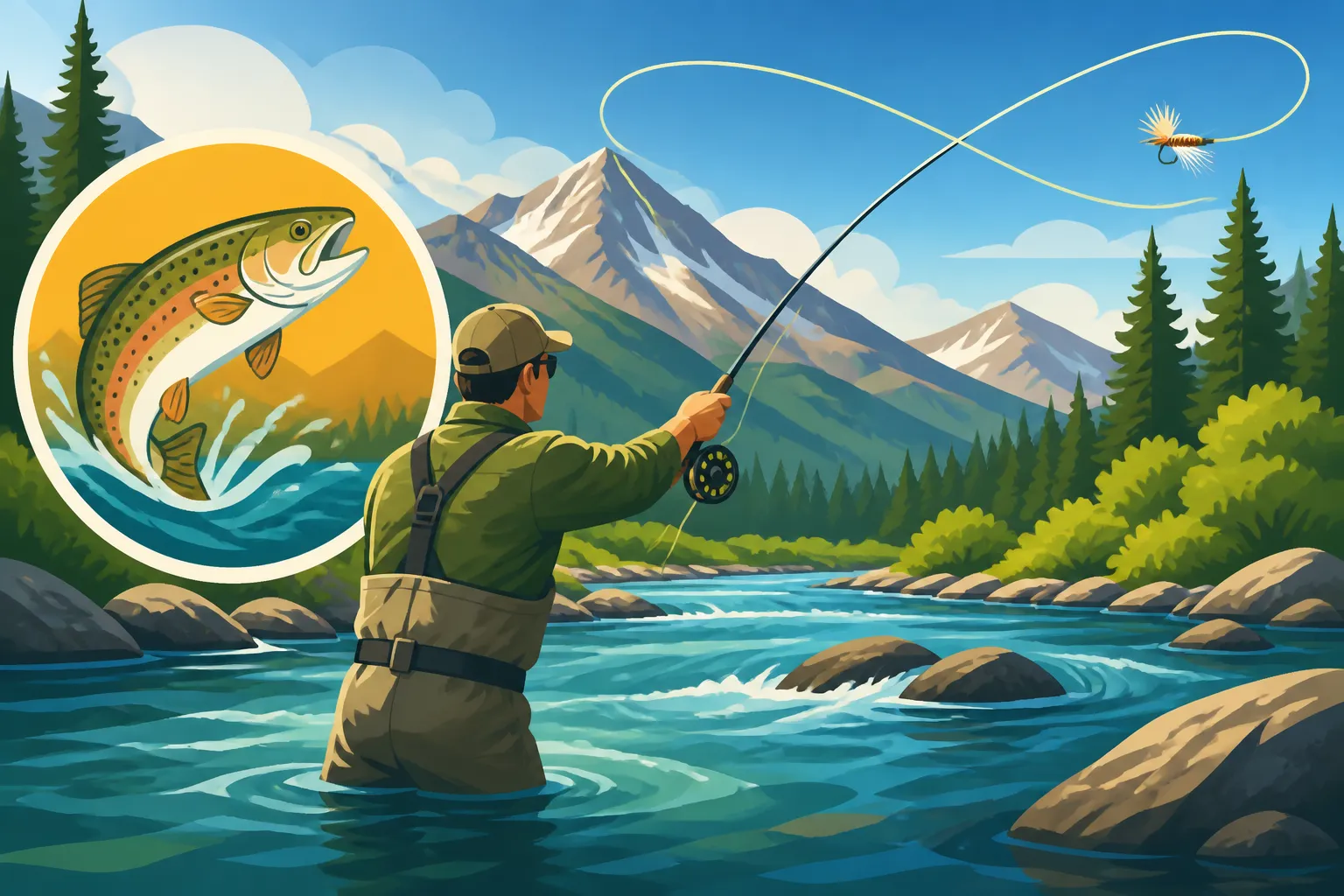
Fly fishing on the Truckee River, running through the stunning Sierra Nevada, is truly a world-class experience, but let's be real, it can also be incredibly challenging. Its reputation for wild, wary trout in clear, cold waters means that without local insight, you might spend more time untangling knots or spooking fish than actually hooking them. This comprehensive guide is here to demystify the process of finding and choosing the absolute best fly fishing guides on the Truckee River, ensuring your trip is not just beautiful, but genuinely successful and deeply rewarding.
Why a Fly Fishing Guide is a Game-Changer on the Truckee River
If you've ever stood on the banks of the Truckee, staring at its inviting currents and wondering why the fish just aren't biting, you're not alone. This isn't your average trout stream. It’s a technical river, demanding specific knowledge and precise techniques. A local fly fishing guide isn't just someone to row your boat; they're an invaluable key to unlocking the river's secrets and dramatically improving your chances of a memorable day.
Navigating the Truckee's Unique Challenges
The Truckee River, from its origins at Lake Tahoe all the way down to Pyramid Lake, presents a diverse range of fishing environments. You've got everything from wide, slow-moving sections near Hirschdale to faster, rockier pockets closer to the town of Truckee, not to mention the more urban stretches through Reno. Each bend and riffle holds its own nuances, and what works in one spot might be completely useless a mile downstream. The trout here, primarily wild brown and rainbow trout, are notoriously picky. They've seen it all, and they demand a perfect drift, the right fly, and often, an advanced presentation to even consider a bite.
Think about it: the water can be incredibly clear, especially after a good cold snap, making fish highly visible but also hyper-aware of your presence. Then there's the ever-present challenge of private property versus public access points, which can be a real headache to figure out on your own. A guide knows exactly where you can legally cast a line and, more importantly, where the fish are holding based on current conditions. They're tuned into the subtle changes in insect hatches, water flows, and even barometric pressure that dictate how and where trout feed. Without a guide, you could easily spend your entire day figuring out just one of these variables, let alone stringing them all together. This local intelligence is exactly what makes a guide so essential for a successful trip, especially if you're looking to consistently hook into some quality fish.
Maximizing Your Learning Experience
Beyond just catching fish, a guided trip on the Truckee River is an incredible learning opportunity. For beginners, it's a fast-track to understanding everything from basic casting mechanics to reading water, knot tying, and fly selection. Imagine having an expert by your side, correcting your form in real-time, explaining why a certain cast is better for a particular lie, or how to mend your line to achieve that perfect, drag-free drift. They can teach you the subtle art of nymphing, the excitement of dry fly fishing during a hatch, or even how to swing a streamer for bigger, aggressive fish.
Even seasoned anglers benefit immensely. Maybe you're a whiz on smaller creeks but struggle with the Truckee's powerful currents, or perhaps you want to refine your tight-line nymphing game. A good guide will identify your skill gaps and tailor their instruction to help you overcome them, introducing you to advanced techniques and local patterns that might otherwise take years to discover. They'll also share deep insights into the river's ecosystem, conservation efforts, and the life cycles of local insects, enriching your overall understanding and appreciation for this incredible fishery. It's an investment in your skills that pays dividends on every future fishing trip, not just the one on the Truckee.
What Defines a Truly Exceptional Truckee River Fly Fishing Guide
Okay, so you're convinced a guide is the way to go. But how do you sort through the options to find someone who's not just good, but truly exceptional? It's not just about who has the flashiest website or the lowest price. A great guide possesses a unique blend of skills, knowledge, and personality that can turn a regular day on the water into an unforgettable adventure.
Deep Local Knowledge and River Expertise
This is non-negotiable. A top-tier Truckee River guide lives and breathes this water. They know every rock, every eddy, and every deep run like the back of their hand. They're constantly on the river, monitoring conditions, water flows, and insect activity. This isn't knowledge gleaned from a book; it's hard-won experience forged through countless hours of observation and fishing. They can tell you where the fish are likely to be holding based on the time of year, water temperature, and recent weather patterns. Need to know the best spots to hit during the California Salmon Season Dates Explained? A local expert will have the inside scoop.
They understand the subtle changes in pressure from nearby dams, how a recent rain might affect clarity, or when a specific hatch is about to explode. This hyper-local intelligence means they can put you on fish when others are struggling, guiding you to productive stretches that might be overlooked by less experienced anglers. They’ll also be intimately familiar with the California Freshwater Fishing Regulations, ensuring you stay compliant with all catch-and-release rules, specific gear restrictions, and California Trout Limits and Regulations. This expertise isn't just about catching fish; it's about navigating the river safely and respecting its delicate ecosystem.
Patience, Teaching Acumen, and Personality
A stellar guide isn't just a great angler; they're also an exceptional teacher and a genuinely enjoyable companion for the day. Fly fishing can be frustrating, especially on a technical river like the Truckee. A patient guide understands this and knows how to break down complex techniques into manageable steps, offering constructive feedback without ever making you feel inadequate. They should be able to adapt their teaching style to your experience level, whether you're a complete novice or an advanced caster looking to fine-tune your presentation.
The best guides have a passion for sharing their knowledge and seeing their clients succeed. They're enthusiastic, encouraging, and possess a good sense of humor, making the learning process fun and stress-free. Your personality fit with a guide is surprisingly important – you'll be spending a full day with them, often in close quarters. Look for guides who are known for their calm demeanor, positive attitude, and ability to connect with people from all walks of life. Reviews on platforms like FishingBooker often highlight these personal qualities, giving you a good sense of what to expect from different guides.
Essential Gear and Ethical Practices
A truly professional guide will come prepared with high-quality gear, including rods, reels, lines, and an extensive fly box stocked with proven patterns. This is especially helpful if you're traveling light or just starting out and don't want to invest heavily in equipment immediately. They should provide waders and boots if needed, ensuring you're comfortable and safe in the water. Beyond the gear, their commitment to ethical fishing practices is paramount. The Truckee River is a wild trout fishery, and responsible angling is crucial for its sustainability.
This means strict adherence to catch-and-release principles, using barbless hooks, and minimizing stress on the fish. A great guide will educate you on proper fish handling techniques, demonstrating how to quickly unhook and release a trout without causing harm. They are stewards of the river, and their actions reflect a deep respect for the environment. When you're researching guides, pay attention to their stated conservation ethics and how they describe their approach to handling fish. It's not just about catching, it's about preserving the fishery for future generations.
Finding Your Perfect Truckee River Fly Fishing Guide
With so many choices out there, it can feel a little overwhelming trying to pick the right guide. But don't fret! There are several excellent avenues to explore, each with its own advantages. The key is to do your homework and consider what kind of experience you're truly seeking.
Reputable Fly Shops and Booking Platforms
One of the most reliable ways to find an excellent guide is through local fly fishing shops that specialize in the Truckee River region. Shops like Trout Creek Outfitters in Truckee or Reno Fly Shop in Reno often have a roster of experienced guides on staff or affiliations with independent guides they trust implicitly. These shops typically only work with guides who have a proven track record, deep river knowledge, and a strong commitment to client satisfaction. They can match you with a guide whose expertise aligns with your goals, whether you want to target trophy browns on streamers or learn the delicate art of dry fly fishing.
In addition to local shops, online booking platforms have revolutionized the way anglers connect with guides. Sites like FishingBooker provide a vast directory of guides, complete with detailed profiles, customer reviews, and transparent pricing. You can often filter by location, species, and even specific techniques, making it incredibly easy to find guides specializing in the Truckee River. Reading past client reviews on FishingBooker is a fantastic way to gauge a guide's teaching style, patience, and ability to put clients on fish. It offers a layer of social proof that traditional word-of-mouth sometimes lacks, helping you feel confident in your choice.
Independent Guides and Word-of-Mouth Recommendations
Many exceptional Truckee River guides operate independently, building their reputations through years of consistent success and happy clients. These guides often rely heavily on word-of-mouth, which can be a powerful indicator of their quality. If you know other anglers who have fished the Truckee, ask them for recommendations. Hearing a firsthand account of a fantastic day on the water with a particular guide can be incredibly reassuring.
You can often find independent guides through local fishing forums, social media groups dedicated to California fly fishing, or even by visiting events like fishing expos in the region. When considering an independent guide, make sure to ask for references if reviews aren't readily available online. Don't hesitate to reach out to them directly for a conversation. A good guide will be happy to chat about their experience, their approach to guiding, and what you can expect from a day on the water. This personal interaction is key to determining if their style and personality are a good fit for your desired experience.
Here’s a quick overview of what to look for when researching:
| Feature | What to Look For | Why It Matters |
|---|---|---|
| Local Knowledge | Specific experience on your target section of the Truckee | Ensures they know the best spots, flies, and techniques for current conditions. |
| Experience Level | Years guiding, familiarity with various techniques | More experience often means better problem-solving and teaching skills. |
| Teaching Style | Patient, adaptable, clear communication | Crucial for learning and enjoying the day, especially for beginners. |
| Client Reviews | Consistent positive feedback, specific praise for skills | Provides objective insight into their performance and personality. |
| Gear Provided | High-quality rods, reels, lines, flies, waders (if needed) | Reduces your need to bring extensive gear and ensures you have the right tools. |
| Conservation Ethics | Adherence to catch & release, proper fish handling | Important for the long-term health of the fishery. |
| Safety Training | First aid, swiftwater rescue certification (preferred) | Peace of mind knowing you're in capable hands. |
| Licensing/Insurance | Proper permits and liability insurance | Professionalism and protection for both you and the guide. |
Preparing for Your Guided Truckee River Fly Fishing Trip
You’ve done your research, booked your guide, and now the excitement is building! To make sure your guided trip on the Truckee River goes as smoothly as possible and that you get the most out of the experience, a little preparation on your part can go a long way.
Essential Gear and What to Bring
Even if your guide provides most of the heavy tackle, there are a few personal items you’ll definitely want to have with you. First and foremost, you absolutely need to secure your California Fishing License Guide before your trip. Your guide can't legally take you out without one, and getting it online beforehand is the easiest way. Don't forget any necessary stamps, like the California Ocean Enhancement Stamp if you plan to do any saltwater fishing during your visit to California, although for the Truckee, a freshwater license is typically sufficient.
Beyond the license, think in layers for clothing. The Sierra Nevada weather can change rapidly, from chilly mornings to warm afternoons, and back to cold evenings, even in summer. Waterproof outer layers are a must, along with a warm hat, gloves, and polarized sunglasses to cut the glare off the water and protect your eyes. Sunscreen, bug spray (depending on the season), and plenty of water are also crucial. A small backpack to keep your personal items organized is always a good idea. Your guide will typically have a first-aid kit, but carrying any personal medications you might need is your responsibility.
Communicating Your Expectations
Before your trip, have an honest conversation with your guide about your experience level and what you hope to achieve. Are you a beginner just hoping to catch any fish? Are you an intermediate angler looking to refine your dry fly presentation? Or are you an experienced fly fisher targeting a specific species or size of trout? The more information you provide, the better your guide can tailor the day to your needs and ensure your expectations align with what's realistically possible on the river that day.
Don't be shy about asking questions! Ask about the typical duration of a guided trip, what kind of fishing techniques they anticipate using (e.g., nymphing, dry fly, streamers), and what fish species you’re likely to encounter. This upfront communication helps avoid misunderstandings and allows your guide to plan the perfect day for you. For instance, if you're particularly interested in How to Fish for Trout in California using specific methods, let them know. They might suggest a different section of the river or adjust the timing to maximize your chances.
Tipping and Appreciation
Just like in other service industries, tipping your fly fishing guide is customary and a huge part of their income. A general guideline for tipping on a California fishing charter or guided trip is usually 15-20% of the trip's total cost, assuming you had a good experience and the guide worked hard. If they went above and beyond, consider tipping more. This covers their expertise, hard work, the wear and tear on their equipment, and the effort they put into making your day successful and enjoyable.
Tips are typically given directly to the guide at the end of the trip. If you had an exceptional day and learned a lot, a heartfelt "thank you" along with a generous tip shows your appreciation for their dedication and effort. They truly work hard to ensure you have a memorable day on the water, and recognizing that effort is always appreciated.
Embarking on a guided fly fishing trip on the Truckee River is an investment in an unparalleled experience. By choosing the right guide and preparing thoughtfully, you’re setting yourself up for not just a fishing trip, but a truly immersive and educational adventure in one of California’s most iconic wild trout fisheries.
Disclaimer
The information provided in this guide is for general informational purposes only and does not constitute professional advice. Fishing regulations, seasons, and conditions on the Truckee River can change frequently. Always consult the latest California Department of Fish and Wildlife regulations and local authorities before fishing. Engage a professional guide for expert advice and adherence to all safety protocols.