What to Expect on a San Diego Fishing Trip
So, you're dreaming of a San Diego fishing trip, huh? The thought of reeling in a trophy tuna or battling a feisty yellowtail is absolutely exhilarating, but if you've never gone before, it can feel a little daunting to figure out what exactly to expect once you step foot on that boat. Between the different trip durations, target species, and the general logistics of a charter, it's easy to feel overwhelmed. This comprehensive guide is going to walk you through every step, from choosing your adventure to fish cleaning, ensuring you're fully prepared for an unforgettable Southern California fishing experience.
Deciding on Your San Diego Fishing Adventure
The first step in planning your trip is figuring out what kind of experience you're really looking for. San Diego offers an incredible variety of fishing charters, from quick jaunts to multi-day offshore expeditions. Understanding these options is key to picking the right one for you and your group.
Half-Day and Full-Day Trips: Quick Bites and Solid Sessions
These are by far the most popular choices, especially for families, beginners, or those who aren't quite ready for a full-on offshore marathon. A half-day trip usually runs about five to six hours, while a full-day trip will have you out for a good eight to ten hours. The beauty of these trips is their accessibility; they often depart in the morning or early afternoon, meaning you don't need to commit to an overnight excursion.
On a half-day trip, you're typically staying closer to shore, targeting species like rockfish, calico bass, bonito, or barracuda. These are great options for constant action, and it’s a fantastic way to introduce kids or new anglers to the sport without too much downtime. You might fish kelp beds or shallower reefs, learning basic techniques like bait fishing or light jigging. Full-day trips, however, give you a bit more range. Captains can head further out, sometimes reaching the Coronado Islands (if you have your passport and Mexican fishing permits ready!) or other productive offshore banks where yellowtail, larger calico bass, or even some smaller tuna might be lurking depending on the season. The extra time allows for more travel to prime spots and longer fishing sessions, increasing your chances of a more significant catch. When considering your options, it's helpful to compare the offerings; you can often find a good rundown of various options through platforms like FishingBooker, which makes it easy to see what different boats are specializing in.
Overnight and Long-Range Trips: The True Offshore Challenge
Now, if you're a seasoned angler, or you're just feeling adventurous and have a serious case of tuna fever, San Diego's overnight and long-range trips are where it's at. These are truly epic adventures that will test your endurance and reward you with some of the most exciting fishing California has to offer.
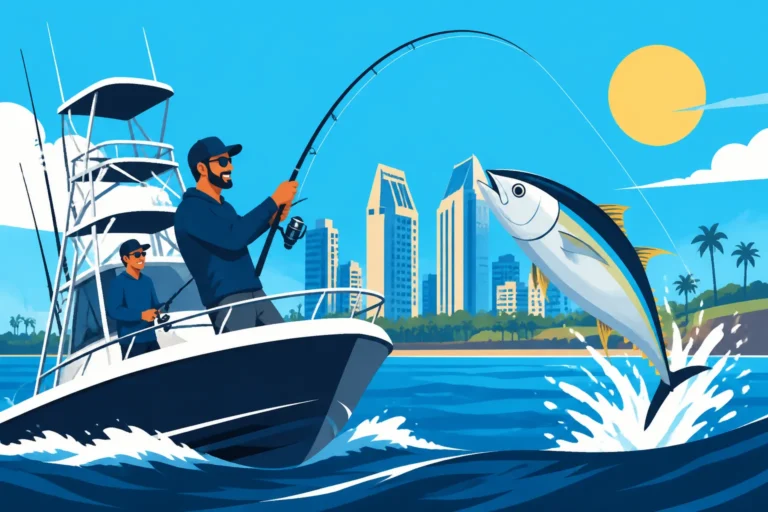
An overnight trip generally means you're leaving in the evening, traveling through the night to offshore banks, and waking up to fish for a full day before heading back. These trips usually target bluefin tuna, yellowfin tuna, dorado (mahi-mahi), and sometimes yellowtail that are schooling far offshore. They require a different level of commitment, both in terms of time and physical stamina, but the payoff can be immense. Imagine battling a 100-pound bluefin under the Southern California sun – that's the kind of experience these trips deliver. If you’re really looking to dive deep into big game fishing, the San Diego Overnight Tuna Trips Explained article can give you even more insights. Long-range trips take this a step further, lasting anywhere from 1.5 days to multiple weeks, venturing hundreds of miles down the Baja coast. These trips are for the ultimate trophy hunters, seeking giant yellowfin tuna, wahoo, and other pelagic species. They are serious expeditions, and you'll want to be well-prepared, both mentally and physically, for the challenge.
Party Boats vs. Private Charters: Group Fun or Personalized Experience
When you book a fishing trip, you'll generally have two main choices: a "party boat" (also known as an open party boat or head boat) or a private charter. Each has its own distinct advantages and feel.
Party boats are exactly what they sound like – you're buying a spot on a larger vessel with other anglers, usually anywhere from 20 to 60 people, sometimes even more. These trips are more budget-friendly and a fantastic way to meet fellow fishing enthusiasts. The crew on a party boat is usually very experienced and incredibly helpful, especially for beginners. They'll show you how to bait your hook, cast, and even help you land your fish. It's a lively atmosphere, often with plenty of camaraderie and shared excitement when the fish are biting. Many of the half-day and full-day trips operate as party boats.
A private charter, on the other hand, means you're booking the entire boat for your group. This offers a much more personalized experience. You often get to decide the target species (within reason and season, of course) and even influence the fishing spots. The captain and crew's attention is entirely on your group, providing tailored advice and assistance. While significantly more expensive than a party boat spot, a private charter can be ideal for corporate outings, family reunions, or groups of experienced anglers who want a specific fishing experience. Websites like FishingBooker can help you sort through available private charter options, allowing you to filter by boat size, target species, and price point. Understanding the differences between California Half-Day vs Full-Day Charters and how they apply to both private and party boats will help you make an informed decision.
Preparing for Your Day on the Water
Once you’ve picked your trip, the next step is getting yourself ready. A little preparation goes a long way in ensuring a comfortable and successful day of fishing.
Essential Gear and What to Bring
You might be wondering, "Do I need to bring my own fishing gear?" For most party boat trips, particularly the shorter ones, your fishing rod and reel, tackle, and even bait are often included in the price or available for a small rental fee. However, if you have your own preferred setup, you're usually welcome to bring it. For private charters or longer, specialized trips, discussing gear with the captain beforehand is a good idea. They can advise on the appropriate tackle for the target species.
Beyond the fishing equipment, there's a list of personal items that are absolute must-haves for any San Diego fishing trip:
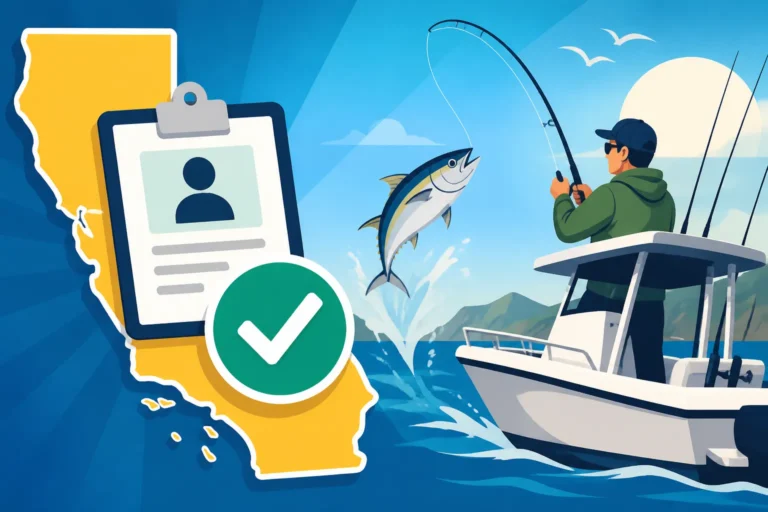
- California Fishing License: This is non-negotiable. Anyone 16 years or older needs a valid California Fishing License Guide, and for offshore trips into Mexican waters (like the Coronado Islands), you'll also need a Mexican fishing permit. Most landings sell these, but it's best to get yours online beforehand to save time.
- Photo ID: Always have your identification with you, especially if you plan to venture into international waters.
- Warm Layers: Even on a sunny San Diego day, the ocean can be surprisingly chilly, especially in the morning or evening, and when the boat is running at speed. Dress in layers that you can easily add or remove. A waterproof outer layer is also a smart idea.
- Sun Protection: Sunscreen (reapply often!), a wide-brimmed hat, and polarized sunglasses are critical. The sun's reflection off the water is intense.
- Food and Drinks: While some boats have galleys that sell snacks and drinks, it's usually more cost-effective and convenient to bring your own. Pack plenty of water to stay hydrated.
- Motion Sickness Medication: If you're at all prone to seasickness, take medication before you board the boat, not once you start feeling queasy. Dramamine or Bonine are common choices, but consult your doctor. The article How to Prevent Seasickness on a California Charter offers excellent advice.
- Small Cooler: For your food and drinks, and later, for your filleted catch. Some boats have large communal coolers, but a personal one is handy.
- Camera: To capture those memorable moments!
- Cash: For tips for the hardworking deckhands (more on this later) and potentially for fish cleaning services.
Checking Weather and Sea Conditions
Before any trip, especially offshore ones, always check the weather forecast and sea conditions. A little chop is usually fine, but high winds and large swells can make for a very uncomfortable day, even for seasoned anglers. Most charter operators will keep a close eye on the weather and will notify you if a trip needs to be canceled or rescheduled due for safety reasons. Never hesitate to call the landing the day before your trip if you have concerns about the conditions. They prioritize your safety and comfort.
Life Onboard: What Happens During Your Trip
So, you've arrived at the landing, checked in, and are ready to board. What's next?
Check-In and Boarding Procedures
Most San Diego sportfishing landings, like H&M Landing, Fisherman's Landing, or Point Loma Sportfishing, are bustling hubs of activity, especially in the early morning. You'll check in at the main office, often receiving a boarding pass or number. This is also where you might rent a rod or purchase your fishing license if you haven't already.
Once it's time to board, listen for instructions from the crew. They'll guide you to the boat and help you find a spot for your gear. Head directly to your chosen spot on the rail, set down your gear, and then you're free to explore the boat a bit, find the head (restroom), or grab some coffee from the galley if available.
Safety Briefing and Departure
Before the boat leaves the dock, the captain or a deckhand will conduct a mandatory safety briefing. Pay close attention! They'll cover important information like the location of life jackets, emergency procedures, and how to properly use the boat's facilities. They'll also typically outline the plan for the day – where you're heading, what you'll be targeting, and any specific regulations you need to be aware of, like California Fishing Regulations Explained or particular Rockfish depth restrictions.
Once the briefing is done, the boat will depart, often a picturesque journey out of San Diego Bay, past Coronado and Cabrillo National Monument, and into the open ocean. This is a great time to relax, enjoy the scenery, and prepare your gear.
Fishing Etiquette and Deckhand Assistance
On a party boat, you'll be fishing shoulder-to-shoulder with other anglers, so good fishing etiquette is crucial. Be mindful of your casting, avoid tangling lines with your neighbors, and always communicate if you hook a fish and need to move. The deckhands are the unsung heroes of any charter trip. They work tirelessly to help you bait hooks, untangle lines, gaff fish, and generally keep the deck running smoothly. Don't be shy about asking them for help or advice – that's what they're there for! They are a wealth of knowledge about local techniques and conditions. If you're targeting California Yellowtail or California Rockfish Charter Trips, they'll often have specific tips that can make all the difference.
After the Catch: Handling Your Haul
You've done it! You've battled and landed some incredible fish. Now what?
Fish Cleaning Services and Costs
Once the fishing is done and the boat is heading back to port, the deckhands will usually start cleaning fish. This is a fantastic service, as cleaning a boatload of fish can be a messy and time-consuming task. They'll fillet your catch, often bagging it for you. This service usually comes with a small fee, typically a few dollars per fish or a per-pound rate. It's customary to tip them for this service in addition to their general trip tips. Many anglers also factor in a bit extra for exceptionally large or difficult-to-clean fish.
Here’s a general idea of common target species and typical cleaning charges (these are estimates and can vary):
| Species | Typical Fillet Size | Estimated Cleaning Cost (per fish) | Notes |
|---|---|---|---|
| Rockfish (various) | Small to Medium | $1 – $3 | Often filleted, sometimes left whole for smaller sizes. |
| Bonito / Barracuda | Medium | $2 – $5 | Can be difficult to fillet cleanly, so deckhands earn their keep. |
| Yellowtail | Medium to Large | $5 – $10 | Yields excellent fillets, sometimes steaked for larger fish. |
| Dorado (Mahi-Mahi) | Medium to Large | $5 – $10 | Beautiful white fillets, great for grilling. |
| Bluefin/Yellowfin Tuna | Large to XL | $10 – $25+ (per fish/pound) | Often steaked or cut into large loins. Prices can vary significantly by size. |
| Lingcod | Medium to Large | $5 – $10 | Very thick, flaky white meat. |
Note: Always confirm current pricing with the crew or landing before your trip.
Preserving Your Catch
Once your fish are cleaned and bagged, you'll want to get them on ice as quickly as possible. Bring that small cooler we talked about, filled with ice, to the boat. This keeps your fillets fresh on the drive home. If you have a longer drive, consider bringing a larger cooler for your car, or even stopping at a local market for more ice before heading out of San Diego. Properly iced fish can last several days in the fridge, or you can freeze them for longer storage.
Tipping Your Crew
Tipping is an essential part of the sportfishing culture, and it's how deckhands make a significant portion of their income. These folks work incredibly hard, often from before dawn until long after sunset, ensuring you have a great (and safe!) trip. A general guideline is to tip 15-20% of your trip fare. For exceptional service, or if a deckhand went above and beyond for you (like spending extra time teaching a beginner, or helping you land a trophy fish), consider tipping more. Hand the tip directly to the deckhand or the captain at the end of the trip. If you're curious about the specifics, our article on Tipping on a California Fishing Charter covers all the details.
Making the Most of Your San Diego Fishing Trip
To truly enjoy your San Diego fishing adventure, remember that it's not just about catching the biggest fish, but about the experience itself.
Embracing the Unexpected
Fishing, by its very nature, is unpredictable. Some days the fish bite like crazy, and other days they play hard to get. Don't let a slow bite ruin your day. Enjoy the fresh air, the beautiful ocean scenery, the camaraderie with other anglers, and the chance to disconnect from daily life. Every trip is an opportunity to learn something new, whether it's a new technique or simply a greater appreciation for the marine environment. Even if the bluefin aren't showing, you might have an incredible day on a California Rockfish Charter Trips, so stay open to possibilities!
Learning from the Pros
The captains and deckhands on San Diego fishing charters are true experts. They spend hundreds of days a year on the water and know the local conditions, fish behavior, and effective techniques like the back of their hand. Don't hesitate to ask questions. How do they rig their bait? What's the best way to fight a California Yellowtail? What are the current California Bluefin Tuna Charter Trips strategies? You'll be amazed at how much you can learn from their insights, helping you become a more skilled angler yourself.
A San Diego fishing trip is an incredible opportunity to create lasting memories, whether you're targeting huge tuna on a multi-day excursion or enjoying a leisurely half-day trip with family. With the right preparation and a good attitude, you're set for an unforgettable day on the Pacific.
Disclaimer
Please note that fishing regulations, seasons, and prices can change. Always check the latest information with the California Department of Fish and Wildlife (CDFW) and your chosen charter operator before your trip. This guide provides general information and recommendations, but individual experiences may vary.