Best Overnight Fishing Trips in California
Let's be real, sometimes a quick morning run out to your favorite fishing spot just isn't enough. You're yearning for something more, a real adventure where you can chase bigger fish, explore more distant waters, and truly immerse yourself in the angling experience without watching the clock. The thought of spending a night or even a few days offshore in California, miles from the coast, might sound daunting but it promises an unparalleled connection to the ocean and some truly epic catches. This guide is all about breaking down the best overnight fishing trips in California, helping you navigate the options for an unforgettable multi-day offshore experience.
What Makes an Overnight Fishing Trip So Special?
If you've only ever done half-day or full-day trips, you might be wondering what the big deal is about staying out overnight. Trust me, it's a completely different ballgame, and for many anglers, it's the pinnacle of their fishing year. It's not just about more time on the water; it's about the full experience, the camaraderie, and the kind of fishing that simply isn't possible closer to shore.
Beyond the Day Trip Experience
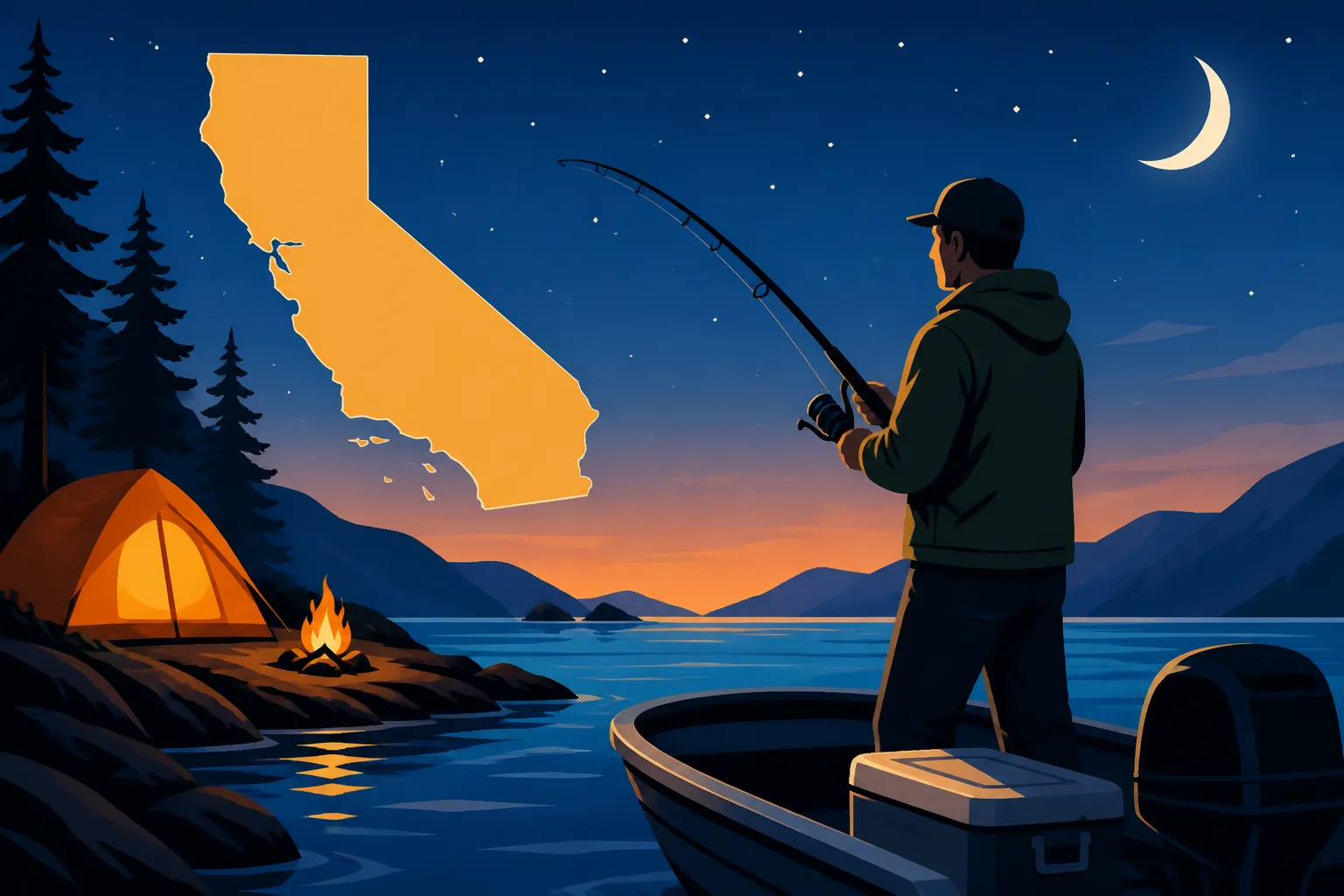
One of the biggest frustrations with a typical day trip is the constant pressure of time. You're always rushing – rushing to the spot, rushing to get lines in, rushing to limit out, and then rushing back to the dock. An overnight trip, often called a "1.5-day" or "2-day" trip (and sometimes even longer), completely flips that script. You get to travel further offshore, sometimes hundreds of miles, to reach pristine fishing grounds that day boats can only dream of. This extended travel time means you're often fishing at dawn and dusk, prime feeding times for many pelagic species, when the bite can be absolutely red-hot. Imagine watching the sunrise or sunset over the open ocean, far from any city lights, with nothing but the sound of the waves and the anticipation of a screaming reel. It's truly a magical experience that a quick in-and-out trip just can't deliver.
The Thrill of the Chase: Target Species
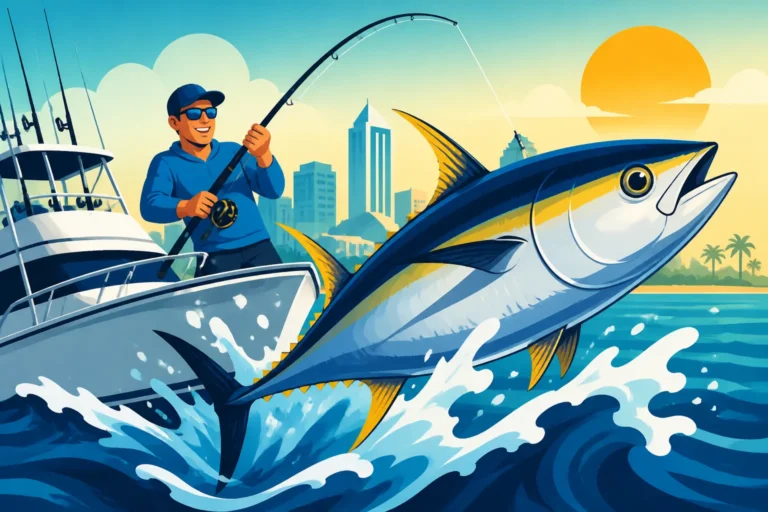
When you venture further offshore for these extended trips, you're usually targeting the big game, the pelagic species that patrol the open ocean. We're talking about species like hard-fighting yellowtail, dorado (mahi-mahi) with their vibrant colors, and of course, the kings of the offshore realm: tuna. Depending on the season and location, you could be pursuing colossal bluefin tuna, football-sized yellowfin tuna, or speedy albacore. These fish put up an incredible fight, pushing your gear and your stamina to their limits. Successfully landing one after a long battle is an adrenaline rush like no other. These trips aren't just about quantity; they're often about quality, giving you a real shot at trophy-sized fish that simply don't come close to shore. If you're looking for an in-depth look at how to catch Bluefin Tuna off California, there's a great guide that can help you prepare.
Building Bonds and Memories
Another often-overlooked aspect of overnight trips is the community. You're sharing a vessel with a group of fellow anglers, all with the same passion and drive. There's an incredible sense of camaraderie that develops over the course of a multi-day trip. You're sharing stories, cheering each other on, helping net fish, and even sharing meals together. You learn from seasoned veterans, teach newcomers, and forge friendships that often last long after you've stepped off the boat. There's something truly special about being out in the vastness of the ocean with a group of like-minded individuals, all united by the thrill of the chase. These trips aren't just about the fish you catch; they're about the unforgettable memories you create and the bonds you strengthen (or form) with your fishing companions.
Premier Destinations for California Overnight Fishing
California boasts some fantastic opportunities for overnight fishing, with different regions offering unique experiences and target species. Most of the action, especially for tuna, is concentrated in Southern California, but don't count out the central and northern coasts for different multi-day adventures.
Southern California's Offshore Hotspots
When most anglers think of overnight fishing in California, their minds immediately go to Southern California, and for good reason. The waters off San Diego, Orange County, and Los Angeles are the epicenter for pelagic species, especially during the warmer months. Boats frequently depart from iconic landings like Fisherman's Landing, H&M Landing, and Point Loma Sportfishing in San Diego, as well as Dana Point Harbor and Long Beach. These ports offer a variety of trips, from 1.5-day to 3-day and even longer multi-day expeditions.
The prime target here is often the bluefin tuna, which can range from smaller "football" sizes to genuine giants exceeding 300 pounds. These trips often involve heading well into Mexican waters (don't worry, your charter takes care of the permits) or far offshore to find kelp paddies and schools of tuna, yellowtail, and dorado. The Channel Islands, while closer to shore, also offer excellent multi-day opportunities, particularly for yellowtail, white seabass, and a diverse range of rockfish, especially if you're looking to explore different ecosystems. For those really chasing the big ones, San Diego overnight tuna trips explained in another article will give you all the details you need.
Northern/Central California's Multi-Day Opportunities
While the Northern and Central California coasts might not see the same massive tuna runs as their southern counterparts, they offer their own incredible overnight fishing experiences, primarily focusing on salmon, rockfish, and lingcod, and sometimes even a shot at sturgeon in the bays and delta. Departures from ports like Monterey, Half Moon Bay, Bodega Bay, and San Francisco Bay are common.
These multi-day trips often concentrate on specific seasonal fisheries. For instance, during the salmon season (which can fluctuate wildly from year to year, so always check the latest California Salmon Season Dates Explained), boats will target offshore feeding grounds. For rockfish and lingcod, these overnight excursions allow access to deeper reefs and more remote pinnacles that are simply too far for a day trip. This often means less fishing pressure and a better chance at larger, more varied catches. The Farallon Islands, a national wildlife refuge located west of San Francisco, are a prime example of a distant, productive fishing ground often accessed via multi-day trips for rockfish, lingcod, and sometimes even white seabass. Understanding how to Identify California Rockfish Species is key to appreciating the diversity you'll find here.
Choosing the Right Overnight Trip for You
With so many options, picking the perfect overnight fishing trip can feel a bit overwhelming. It's not just about where to go, but also how long to go, what kind of boat you prefer, and what you expect from the overall experience.
Trip Duration and What It Means
Overnight trips typically fall into a few categories, each offering a different commitment of time and money, and often targeting different species or fishing grounds.
- 1.5-Day Trips: These are incredibly popular, especially out of Southern California. You depart in the evening, travel through the night, fish all the next day, and return to the dock that following morning. This gives you a full day of fishing in prime offshore waters without the commitment of multiple nights away. It's often the sweet spot for many anglers, balancing adventure with accessibility.
- 2-Day Trips: These trips extend the adventure, giving you two full days of fishing and often allowing the boat to travel even further to less-pressured areas. You'll spend two nights on the boat. This is ideal for targeting more elusive species or for when the fish are concentrated very far offshore. It also provides more opportunities to dial in your technique and really get into a rhythm.
- 2.5-Day to 5-Day+ "Long-Range" Trips: These are the ultimate California offshore adventures, almost exclusively departing from San Diego. These trips venture hundreds of miles down the Baja California coast into prime tuna grounds, often staying out for a week or more. They are serious expeditions for serious anglers, often requiring heavy-duty gear and a real commitment to the chase.
Consider your budget, your tolerance for being at sea, and the specific species you're hoping to target when making your choice. If you're new to overnight trips, a 1.5-day trip is a fantastic starting point.
| Trip Duration | Typical Departure Port(s) | Primary Target Species | Experience Level |
|---|---|---|---|
| 1.5-Day | San Diego, Dana Point | Bluefin Tuna, Yellowtail, Dorado | Intermediate |
| 2-Day | San Diego, Dana Point | Bluefin Tuna, Yellowtail, Dorado, Wahoo | Intermediate/Advanced |
| 2.5-Day | San Diego | Bluefin Tuna, Yellowfin Tuna, Wahoo | Advanced |
| 3-Day+ | San Diego | Bluefin Tuna, Yellowfin Tuna, Dorado, Wahoo, Marlin | Expert |
Understanding Different Boat Types and Amenities
The boats used for overnight trips in California are specialized vessels, often called "sportfishers" or "long-range boats." They are typically much larger and more stable than day trip boats, designed for comfort and safety on the open ocean. You'll find features like:
- Bunk Rooms/Berths: Most boats offer shared bunk rooms where anglers can sleep. Some newer or more premium vessels might offer private staterooms for an additional cost. Don't expect luxury; these are functional bunks, often with curtains for privacy.
- Galley and Dining Area: All overnight boats have a galley (kitchen) that serves hot meals. Food is usually included in the trip cost, offering breakfast, lunch, and dinner, along with snacks and drinks. The quality can vary, but most offer hearty, satisfying fare.
- Showers and Restrooms: Basic marine restrooms are standard. Some larger boats might even have a limited number of showers, a welcome amenity after a long day of fishing.
- Large Deck Space: Ample fishing room is crucial, allowing many anglers to fish simultaneously, often with designated spots or rail assignments for managing lines.
- Fish Holds and Processing: These boats are equipped with large, refrigerated fish holds to keep your catch fresh. The deckhands will also typically process your fish, filleting and bagging it for you at the end of the trip, usually for a small fee or tip.
When booking, it's a good idea to check the boat's specific amenities. You can find many of these boats and compare their features on platforms like FishingBooker, which makes researching different options much easier. For a more general overview of types of vessels, check out our guide on California Fishing Charters: Complete Guide.
What to Expect: From Deckhands to Fish Processing
The crew on an overnight trip is truly the backbone of the operation. The captain and deckhands work tirelessly to find the fish, keep you safe, and ensure everyone has a great experience. They're often experts in their field, with years of experience navigating these waters and knowing the habits of the target species. Don't hesitate to ask them questions; they're usually happy to share their knowledge. They'll help you with rigging, baiting, casting, and most importantly, netting your prized catch. Remember that tipping on a California fishing charter is customary and greatly appreciated, as the deckhands put in long, hard hours.
As for fish processing, once you're back at the dock, the crew will typically have your fish filleted and ready to go. You'll usually need to bring your own coolers for transport. The amount of fish you might take home can be significant, so be prepared for some serious cooler space!
Preparing for Your Overnight Adventure
Going on an overnight trip requires a bit more preparation than a casual day trip. You'll be away from land for an extended period, so having the right gear and mindset is crucial for a comfortable and successful outing.
Essential Gear and What Not to Forget
One of the biggest anxieties for first-timers is often "What to bring on a California fishing charter?" For an overnight trip, this list gets a bit longer. Here’s a rundown of the essentials:
- Fishing Rods and Reels: While many boats offer rental gear, bringing your own setup for specific techniques (like jigging for tuna or bait fishing for yellowtail) can be a real advantage. Discuss with the charter what gear is recommended for your specific trip. Generally, you'll want a medium-heavy to heavy conventional setup for tuna and yellowtail, and possibly a lighter spinning outfit for smaller species or surface iron.
- Tackle: Bring an assortment of hooks, sinkers, swivels, and leader material. Lures like jigs (yo-yo jigs, surface irons), poppers, and swimbaits are also good to have. Again, check with the charter for their recommendations – they know what's been working!
- Comfort Items:
- Warm Layers: Even on sunny days, offshore nights can be chilly, and sea spray adds to the cold. Think waterproof and windproof outerwear.
- Sleeping Bag/Blanket & Pillow: Essential for comfort in the bunks.
- Toiletries: Toothbrush, toothpaste, sunscreen, lip balm are must-haves.
- Towels: Quick-drying towels are ideal.
- Personal Medications: Especially if you have specific needs.
- Headlamp: Invaluable for moving around the boat in the dark.
- Coolers: Bring at least one large cooler for your processed fish to take home.
- California Fishing License: A valid California Fishing License is non-negotiable, even on a charter boat. If you're going into Mexican waters, the charter will provide the necessary Mexican permits, but you still need your CA license. Double-check all the requirements, especially if you're targeting specific species that require a California Fishing Report Cards Explained, like salmon or sturgeon. For more information, check out our comprehensive California Fishing License Guide.
Preventing Seasickness and Staying Comfortable
Seasickness can absolutely ruin an otherwise fantastic trip. The good news is, there are steps you can take to prevent it. Over-the-counter medications like Dramamine or Bonine work well for many people, but they need to be taken before you feel sick, ideally the night before your trip and again in the morning. Patches like Scopace can also be effective but require a prescription.
Beyond medication, staying on deck in the fresh air, focusing on the horizon, avoiding reading or looking at your phone, and eating light, bland foods can help. Hydration is also key. If you're prone to seasickness, it's definitely worth consulting your doctor before your trip. You can also dive into our dedicated guide on How Seasickness Works on California Offshore Trips for even more prevention tips.
Understanding Regulations and Report Cards
Fishing in California comes with a lot of rules, and offshore overnight trips are no exception. Knowing the California Fishing Regulations Explained is critical. This includes understanding bag and size limits for various species you might encounter, as well as season closures. For instance, rockfish have specific depth restrictions and seasonal closures that vary by management area. Tuna and yellowtail generally have generous bag limits but always check the latest regulations before you go.
For certain species, like salmon or sturgeon, you'll also need a specific report card. These cards are used to track catch data, which helps manage fish populations. It's your responsibility to properly fill out and return these cards. Your charter crew will usually provide guidance on how to comply with all regulations, but it's always smart to be informed yourself.
There's nothing quite like an overnight fishing trip in California. It's an opportunity to truly disconnect from the daily grind and reconnect with the wild, untamed beauty of the Pacific. Whether you're chasing massive bluefin tuna or exploring distant rockfish reefs, the memories you make on these longer excursions will last a lifetime. So, start planning, gather your gear, and get ready for an unforgettable adventure!
Disclaimer
Please note that fishing regulations, seasons, and limits in California are subject to change by the California Department of Fish and Wildlife (CDFW). Always check the latest official CDFW regulations before embarking on any fishing trip. This guide provides general information and recommendations, but it is the angler's responsibility to adhere to all current laws and regulations.