Best Trout Guides on Lake Shasta
Oh, the allure of Lake Shasta! It's such a magnificent body of water, absolutely massive, and brimming with fishing opportunities. But let's be real, finding the best trout guides on Lake Shasta can feel like searching for a needle in a haystack. This huge lake, with its countless coves, inlets, and ever-changing conditions, can be incredibly intimidating, especially when you're specifically after those elusive trout. This guide is all about helping you cut through the noise and connect with the real pros who can make your Lake Shasta trout fishing dreams a reality.
Why You Need a Dedicated Trout Guide on Lake Shasta
You might be thinking, "Can't I just rent a boat and figure it out myself?" And sure, you could. But Lake Shasta is a beast, and trout fishing here, especially for the larger strains, is often a game of precision, local knowledge, and specialized techniques. A great guide isn't just driving the boat; they're your personal encyclopedia and strategist for the day.
Navigating Lake Shasta's Vastness
Lake Shasta isn't just a lake; it's a sprawling network of arms and tributaries, covering over 30,000 acres at full capacity with hundreds of miles of shoreline. This isn't your average neighborhood pond. For someone unfamiliar with its intricate geography, just finding good water can eat up half your fishing day.
Imagine spending hours motoring around, staring at a fish finder that looks like a tangled mess of lines, all while the best trout are holding tight in specific thermoclines or feeding lanes that only a seasoned local knows. A dedicated Lake Shasta trout guide has spent countless hours on these waters. They know the subtle contours, the hidden channels, and the underwater structures that hold fish at different times of the year. They understand how wind, sun, and changing water levels affect fish distribution, allowing them to take you directly to the productive spots without wasting precious fishing time. This kind of intimate knowledge is absolutely priceless on a lake of this scale, making a guide almost a necessity for a truly successful trout outing.
Understanding Trout Behavior and Patterns
Trout are smart, finicky fish. Their behavior changes with the seasons, water temperature, depth, and even time of day. What works in spring won't necessarily work in late summer, and what catches rainbows might not entice a brown trout. A truly skilled Lake Shasta trout guide lives and breathes this information.
They know the migratory patterns of trout, where they spawn, and where they hold during different phases of their feeding cycle. They understand the nuances of the thermocline – that invisible layer where cold, oxygen-rich water meets warmer surface water, often concentrating baitfish and, consequently, trout. They can interpret what the fish finder is telling them beyond just "fish are here," understanding if those marks are bait, bass, or the specific trout you're after. This expertise extends to knowing what the trout are feeding on at any given moment, whether it's kokanee fry, shad, or even insects. They'll show you exactly how to present your offering to get the bite, which is a game-changer when you're trying to fool these often-wary fish. Learning these insights firsthand is one of the biggest benefits of spending a day with a pro.
The Right Gear and Techniques for Shasta Trout
Trout fishing on Lake Shasta, especially for larger specimens, often involves specialized gear and techniques. We're talking about precision trolling with downriggers, planer boards, and a specific array of lures, dodgers, and baits. It's not usually a simple cast-and-retrieve affair.
A top-notch guide will have a boat fully equipped with high-end electronics, multiple rod setups calibrated for different depths and lure presentations, and an arsenal of proven baits and lures that have been effective on Lake Shasta. They know how to set up downriggers to perfectly target the desired depth, how to select the right dodger or flasher to attract attention, and which spoon or plug is currently "hot." More importantly, they understand trolling speeds, turns, and retrieves that trigger strikes. If you've ever tried to manage multiple trolling rods with downriggers by yourself, you know it can be a tangled mess. A guide handles all that complexity, allowing you to focus purely on the fishing experience. Plus, they can teach you these advanced techniques, empowering you to become a more skilled angler in the long run. Many of the techniques for catching trout here are specific to large bodies of water like Shasta, and a guide will have them dialed in.
Key Qualities of a Top Lake Shasta Trout Guide
Choosing a guide isn't just about picking the first name you see. You want someone who aligns with your fishing goals and provides a truly exceptional experience. Here's what to look for when you're trying to find the best of the best for trout on Shasta.
Experience and Local Expertise
This might seem obvious, but it’s worth digging into. You don't just want a guide; you want a Lake Shasta trout specialist. There's a big difference between someone who fishes the lake occasionally and someone who spends hundreds of days a year chasing trout specifically on Shasta.
Look for guides who have been operating on Lake Shasta for many years, not just a season or two. This longevity indicates a deep understanding of the lake's seasonal changes, its various arms (like the Sacramento, McCloud, and Pit River arms), and how these different areas produce trout. They should be able to tell you not just where the fish are, but why they are there – for example, how water inflows from melting snow affect clarity and temperature, or how recent fish plants might impact activity. A guide with true local expertise can adapt quickly to changing conditions, whether it's a sudden weather shift, an unexpected change in water levels, or a subtle change in the trout's preferred forage. This isn't knowledge you can get from a quick internet search; it's earned through thousands of hours on the water. When researching potential guides, platforms like FishingBooker often allow you to see how long a guide has been in business and read reviews that speak to their local knowledge.
Specialization in Trout Fishing
While some guides offer multi-species trips, if trout are your primary target, you absolutely want someone who specializes in them. A guide focused on trout will have their boat set up optimally for trout trolling, their tackle box filled with the most effective trout lures and baits, and their mental database overflowing with trout-specific strategies.
A trout specialist understands the nuances of targeting rainbow trout, brown trout, and even kokanee salmon, which often share similar habitats and can be caught using similar methods. They'll know the subtle differences in presentation that might tempt a trophy brown versus a feisty rainbow. They'll also be up-to-date on the latest trout fishing trends and gear specific to Shasta, always refining their approach. A generalist guide might catch you fish, but a specialist will significantly increase your chances of finding and consistently hooking into quality trout, and perhaps even that trophy you're dreaming of. Don't be afraid to ask potential guides if trout fishing is their primary focus or just one of many offerings.
Professionalism and Communication
A great fishing trip isn't just about catching fish; it's about the entire experience. This is where professionalism and communication really shine. From the moment you inquire about a trip until you're back at the dock, a top guide will be clear, organized, and courteous.
Good communication starts before the trip even begins. A professional guide will confirm your booking, provide clear instructions on meeting times and locations, and offer advice on what to bring (e.g., proper clothing, snacks, your California Fishing License Guide, and any necessary report cards like the California Steelhead Report Card if targeting anadromous trout). On the water, they maintain a safe and clean vessel, prioritize your safety, and clearly explain what's happening. They'll communicate fishing strategies, explain why they're trying certain techniques, and be patient in answering your questions. You want a guide who is punctual, prepared, and genuinely committed to making your day enjoyable, regardless of the bite. A truly professional guide sets realistic expectations about the fishing conditions, ensuring you have a fun day even if the fish aren't biting aggressively.
Client-Focused Approach and Teaching Skills
The best guides aren't just fish-catchers; they're also fantastic teachers and hosts. They understand that for many clients, especially those new to Lake Shasta or trout fishing, part of the joy is learning and improving their own skills.
A client-focused guide will take the time to explain the gear, the techniques, and the reasons behind their strategies. They're happy to let you be as hands-on as you want, whether it's setting lines, netting fish, or even learning how to read the electronics. They adapt their teaching style to your experience level, ensuring that beginners feel comfortable and experienced anglers still learn something new. They celebrate your catches, big or small, and make sure everyone on board feels engaged and valued. This empathetic approach makes the day much more rewarding, turning a simple fishing trip into a valuable learning experience. If you’re looking to truly deepen your understanding of How to Fish for Trout in California, a guide who enjoys teaching is invaluable.
How to Find and Book the Best Trout Guides on Lake Shasta
So you're convinced a guide is the way to go. Now, how do you actually find that perfect person to lead your Lake Shasta trout adventure? It takes a bit of research and knowing what questions to ask.
Starting Your Search: Online Platforms and Local Word-of-Mouth
In today's digital age, online platforms have made finding fishing guides incredibly convenient, but don't underestimate the power of local recommendations.
Online Platforms: Websites like FishingBooker are excellent starting points. They aggregate numerous fishing guides, often with detailed profiles, customer reviews, photos, and availability calendars. You can filter by location (Lake Shasta), target species (trout), and even trip duration. The reviews are particularly valuable as they offer unfiltered insights from previous clients about the guide's professionalism, fish-finding ability, and overall demeanor. This allows you to compare several options side-by-side, read about their specific offerings, and get a feel for their reputation before even making contact. When browsing FishingBooker, pay attention to guides who explicitly mention "trout" or "kokanee" as their specialties.
Local Word-of-Mouth: This remains one of the most reliable methods. If you're already in the Lake Shasta area, stop by local tackle shops, marinas, or resorts. Places like Shasta Lake Sports or Phil's Propeller will often have business cards or brochures for local guides. The staff at these establishments often have first-hand knowledge of who's consistently putting clients on fish and who has a great reputation. Strike up conversations with other anglers you meet at boat ramps or campgrounds. Their personal experiences and recommendations can lead you to a hidden gem of a guide that might not be as heavily advertised online.
Questions to Ask Before Booking
Once you've identified a few potential guides, it's crucial to ask the right questions before you commit. This ensures there are no surprises and that the guide's services align with your expectations.
- "How often do you specifically target trout on Lake Shasta?" This helps confirm their specialization.
- "What kind of trout species can we expect to catch?" (Rainbow, Brown, Kokanee) – A good guide will give realistic expectations based on the season.
- "What techniques do you typically use for trout on Shasta?" They should mention trolling with downriggers, specific lures, bait, etc., which aligns with effective California Trolling Tips and Techniques.
- "What's included in the trip price?" Clarify if it covers tackle, bait, fuel, bottled water, snacks, fish cleaning, and report cards like the California Salmon Report Card.
- "What should I bring?" Get specific advice on clothing, food, beverages, and your valid California fishing license.
- "What's your cancellation policy?" Life happens, so understand the terms for rescheduling or canceling due to weather or personal issues.
- "Do you offer any guarantees?" While no ethical guide can guarantee fish, they should guarantee effort and a good experience.
- "What's your experience level with novice anglers/kids?" If you're bringing beginners or children, ensure the guide is patient and accommodating.
- "What kind of boat do you run?" Knowing the boat size and amenities can help you assess comfort and suitability for your group. For longer trips, comfort can be key.
Understanding Pricing and Inclusions
Fishing guide services, especially for a full day on a large lake like Shasta, represent an investment. Understanding what you're paying for is essential.
Typical Costs: Prices for Lake Shasta trout guides can vary significantly based on the duration of the trip (half-day, full-day), the number of anglers, and the guide's experience level. Expect half-day trips (4-5 hours) to range from $350-$600, while full-day trips (7-9 hours) might be anywhere from $500-$900, sometimes more for specialty or longer excursions. Remember, you're not just paying for a boat ride; you're paying for expertise, specialized equipment, fuel, bait, and the guide's time.
What's Usually Included: Most reputable guides will provide:
- All necessary fishing tackle and rods: High-quality gear suited for Lake Shasta trout.
- Bait and lures: A wide selection of proven offerings.
- Fuel for the boat.
- Fish cleaning and bagging: Many guides will fillet and bag your catch for you at the end of the day.
- Safety equipment: Life vests, first-aid, etc.
What's Usually NOT Included (and you need to plan for):
- California Fishing License: Every angler 16 and older needs a valid license. You can typically buy these online or at local sporting goods stores. Make sure you understand the requirements outlined in the California Fishing License Guide.
- Report Cards: If you're targeting species that require them (like salmon or steelhead, which can be found in Shasta's tributaries), you'll need the appropriate report card. Check the current California Fishing Report Cards Explained.
- Food and Beverages: While some guides might offer water, it's generally a good idea to bring your own snacks and drinks.
- Gratuity for the Guide: Tipping is customary and highly appreciated if you've had a good experience. A typical tip ranges from 15-20% of the trip cost.
- Sun Protection: Sunscreen, hats, and sunglasses are vital on the open water.
- Appropriate Clothing: Dress in layers, as mornings can be chilly and afternoons can be hot on Lake Shasta.
By clarifying these points upfront, you can avoid any misunderstandings and ensure your trip goes smoothly.
What to Expect on Your Lake Shasta Trout Fishing Trip
Alright, you've booked your guide and the day is finally here! Knowing what to expect can help you prepare and maximize your enjoyment of the experience.
Preparing for Your Day
The better prepared you are, the more you'll enjoy your time on the water. A good guide will have given you a checklist, but here's a general rundown of essentials.
First and foremost, double-check that you have your valid California fishing license. This is non-negotiable, and wardens do patrol. If you don't have one, your trip might be cut short, or you won't be able to legally fish. Next, think about comfort. Lake Shasta can experience dramatic temperature swings, from chilly mornings to hot afternoons, even sometimes on the same day. Dressing in layers is key. A waterproof outer shell is always a good idea, even if rain isn't in the forecast, as boat spray can still get you wet. Bring a good wide-brimmed hat, polarized sunglasses (they're essential for spotting fish and protecting your eyes), and plenty of high-SPF sunscreen. Hydration is crucial, so pack water or other non-alcoholic beverages, and don't forget snacks or a lunch. A small cooler is often handy. While your guide will likely have a first aid kit, it's wise to bring any personal medications you might need. If you're prone to seasickness, consider taking preventative measures before you even leave the dock. If you plan on keeping fish, make sure to ask your guide if they have a cooler on board for your catch or if you should bring your own for the ride home.
Common Techniques Employed by Guides
Trout fishing on Lake Shasta is predominantly a trolling game, and your guide will be a master of this technique. They'll typically use specialized equipment to get lures down to the fish's feeding zones.
The most common technique you'll experience is deep trolling with downriggers. Downriggers are essentially winches that lower heavy weights (often called "cannonballs") with release clips to a precise depth. Your fishing line is clipped into this release, allowing your lure to run at the exact depth where the trout are holding, often in the thermocline. When a fish strikes, the line releases from the clip, and you fight the fish directly on your rod. Guides will run multiple lines at different depths, sometimes staggered, to cover more of the water column and identify the active feeding depth. They'll use a variety of lures, from spoons and plugs to minnow imitations, often paired with dodgers or flashers that create attraction and vibration in the water. The guide will constantly monitor the boat's speed, direction, and the fish finder to put your lures right in front of the fish. They understand the intricacies of how to Troll for Lake Trout in Tahoe (and similar larger lakes like Shasta), often adjusting tactics based on what the electronics are showing and what the fish are telling them through the bites.
Targeting Specific Trout Species
Lake Shasta is home to several desirable trout species, and a good guide will know how to target each one, though often they'll be caught using similar methods.
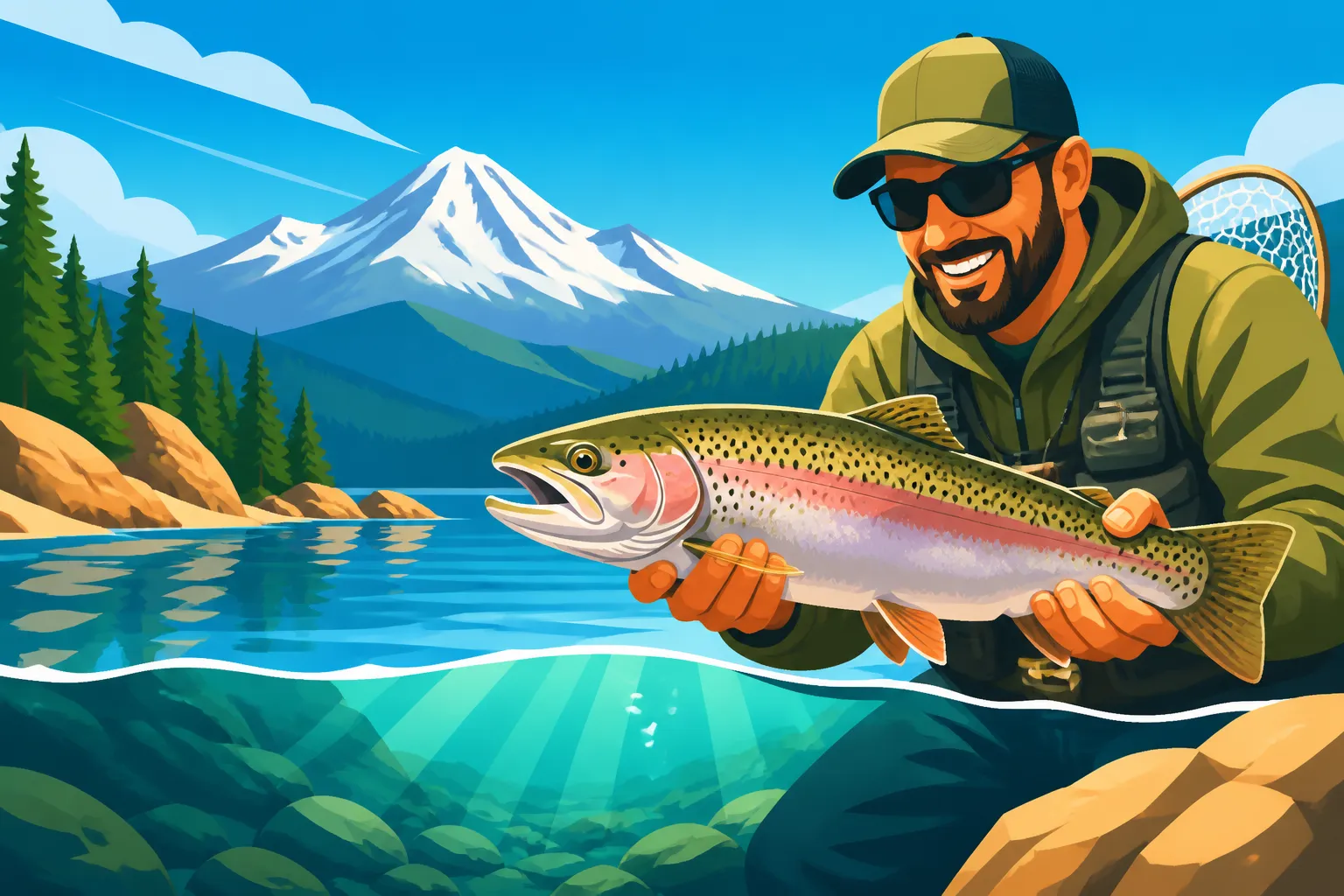
- Rainbow Trout: These are the most common trout species in Lake Shasta, often stocked by the California Department of Fish and Wildlife (CDFW). They're known for their acrobatic fights and willingness to chase a trolled lure. Guides will target them throughout the lake, often near structure or in open water following bait schools. The California Trout Limits and Regulations will apply here.
- Brown Trout: While less numerous than rainbows, Lake Shasta holds some truly impressive brown trout, including potential trophy fish. Browns are often more solitary and prefer to hide near submerged structure or steep drop-offs. They can be more challenging to entice, requiring precise lure presentation and sometimes larger baits. When you connect with a big brown, be ready for a powerful fight!
- Kokanee Salmon: While technically a landlocked sockeye salmon, kokanee are often targeted with similar trolling methods as trout and coexist in the same waters. They're smaller but offer excellent table fare and a spirited fight. Guides will switch to specific kokanee setups if they find a concentrated school, often using bright, small hoochies or wedding rings behind a dodger. Knowing How to Catch Kokanee Salmon in California is another string in a good guide's bow.
Understanding what fish species are prevalent during your trip and what to expect will enhance your overall experience. Your guide will tailor the trip to maximize your chances of success for the desired species.
| Guide Specialty Category | Key Focus & Expertise | Ideal For | Typical Techniques |
|---|---|---|---|
| Trophy Trout Specialist | Deep knowledge of large brown/rainbow holding patterns, advanced electronics, specific big-fish lures. | Experienced anglers seeking large fish, those looking to learn advanced techniques. | Deep trolling with large plugs/spoons, precise downrigger work, targeting structure. |
| Family-Friendly Trout Trip | Patient with children, focus on consistent action, simpler explanations, safety-conscious. | Families, beginners, those prioritizing fun and learning over trophy hunting. | Trolling for active rainbows, demonstrating basic rod handling, positive encouragement. |
| Multi-Species Focus | Ability to adapt to different species based on bite, may target trout, bass, or salmon (if in season). | Groups with varied interests, those wanting to try different fishing styles. | Trolling for trout/kokanee, might switch to bass jigs or plastics if the bite dictates. |
| "Local Legend" Guide | Years of experience, hyper-local knowledge of specific coves/patterns, often booked far in advance. | Anglers seeking the deepest insights, those who trust long-standing reputation. | Whatever's working that day, often involves unique local tricks and spots. |
Disclaimer
Please remember that fishing conditions, regulations, and guide availability can change frequently. Always verify current California Fishing Regulations Explained, license requirements, and book your guide well in advance. This article is for informational purposes only and does not constitute professional advice.