Where Pier Fishing Is License-Free in California
Navigating California's fishing regulations can feel like trying to untangle a hundred-pound snarl of fishing line – confusing, frustrating, and seemingly endless. Many aspiring anglers, especially those new to the Golden State or just looking for a casual day out, often wonder if they need a license to simply cast a line from a local pier. This guide is here to untangle that knot, clearly explaining where and why you can enjoy pier fishing in California without the need for a state fishing license.
Understanding California's Fishing License Requirements for Piers
Let's face it, getting into fishing can seem daunting with all the rules and licenses. The good news is, California has a fantastic provision for pier fishing that makes it incredibly accessible for everyone. However, it's crucial to understand the specifics so you don't inadvertently break any rules.
The General Rule: Piers as Public Access Points
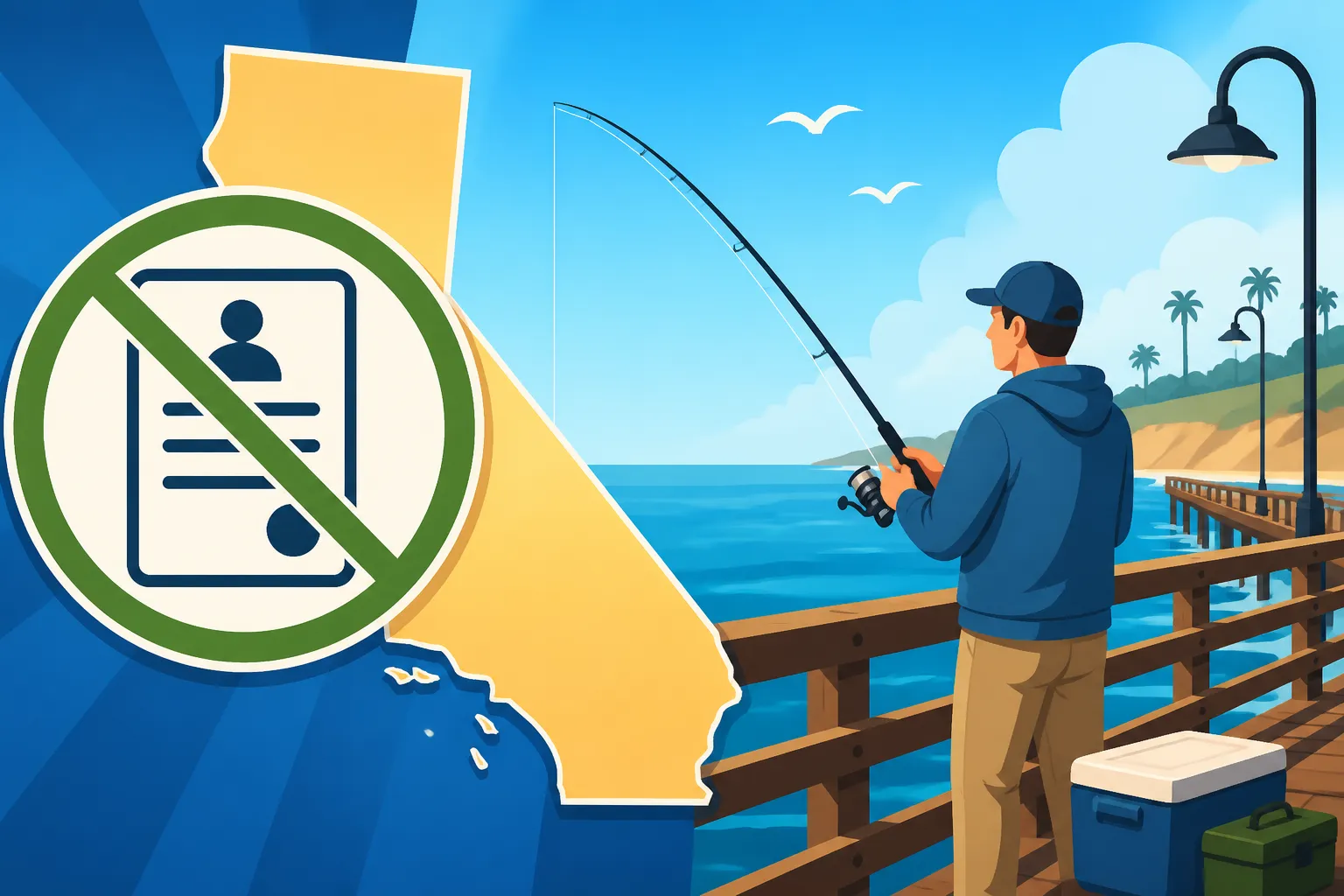
One of the most angler-friendly regulations in California centers around public piers. The California Department of Fish and Wildlife (CDFW) recognizes these structures as vital public access points to marine environments. For this reason, anyone can fish from a public pier in California without needing to purchase a state fishing license. This rule has been a long-standing tradition, designed to encourage recreational fishing and allow people of all ages and backgrounds to experience the joy of catching a fish without an initial financial barrier. It's truly a wonderful way to introduce kids to fishing or just enjoy a spontaneous afternoon by the ocean. Think about it: no need to worry about purchasing a California Fishing License Guide or checking the California Fishing License Cost before you head out. Just grab your rod and go!
This public access philosophy extends beyond just the act of fishing; it also aims to foster appreciation for marine life and conservation efforts. By making pier fishing license-free, the state hopes more people will engage with coastal environments, which can lead to a greater understanding and desire to protect them. It's not just about catching fish; it's about connecting with nature.
Defining "Public Pier"
Now, this is where a little clarity goes a long way. The key phrase here is "public pier." What exactly qualifies as one? According to the CDFW, a public pier is generally defined as a publicly owned structure that extends into ocean waters or bays, specifically designed for public use and access, including fishing. This is important because not all structures extending into the water are created equal in the eyes of the law.
For instance, private docks, jetties, breakwaters, or even some privately-owned municipal piers that charge an access fee or are primarily used for mooring boats might not fall under this license-free umbrella. The spirit of the law is truly about accessible, free-to-use public infrastructure. So, if you're pulling up to a bustling pier with lots of people, shops, and public facilities, chances are it's a public pier. If you're looking at a small, isolated dock attached to a private residence or a fishing club, it's highly unlikely to be license-free. Always err on the side of caution; if in doubt, assume a license is required or check with the local harbor patrol or a bait and tackle shop nearby. Knowing the difference can save you from a potential fine.
Exceptions and Nuances
While the public pier rule is fantastic, it's not a blanket exemption for all things aquatic. There are a few important nuances you absolutely need to be aware of:
Firstly, this license exemption applies only when fishing from the pier itself. If you decide to launch a kayak or a small boat from the pier, or if you're fishing from a vessel that is tied to the pier, you will need a valid California fishing license. The moment your feet (or your fishing gear's point of origin) leave the solid ground of the public pier and touch a floating vessel, the exemption vanishes. It's a common mistake, especially for those who see others with boats near piers and think the rules are the same.
Secondly, the license-free rule primarily applies to saltwater fishing from ocean and bay piers. If you're fishing from a dock or pier on a freshwater lake or reservoir, even if it's publicly owned, you will almost certainly need a California freshwater fishing license. The exemption is specific to the marine environment. This is a critical distinction, as many large lakes in California, like Lake Tahoe or Lake Shasta, have public docks, but the license requirement still stands for freshwater fishing. So, while you might be able to fish Where You Can Fish Without a License in California in some very specific, often youth-oriented scenarios, a public freshwater pier is generally not one of them for adults.
Finally, remember that the "public pier" rule typically refers to the main structure. If there are extensions, private sections, or designated areas that are clearly marked as private or restricted, those might not be covered. Always respect signage and local ordinances.
Specific Public Piers Where You Don't Need a License
California is blessed with hundreds of miles of coastline, and with that comes an incredible array of public piers where you can cast a line without a license. From bustling tourist hubs to more serene local favorites, there's a pier for every kind of angler.
Iconic Southern California Piers
Southern California is synonymous with sunny beaches and expansive piers, many of which are fantastic spots for license-free fishing. These piers often come with amenities like bait shops, restaurants, and plenty of space to spread out.
- Santa Monica Pier: This iconic pier is not just an amusement park; it's a genuine fishing spot. Located right off Santa Monica Beach, you can often catch mackerel, perch, halibut, and even occasional sharks here. It's a bustling place, perfect for a family outing. You can even rent fishing rods and buy bait directly on the pier. The vibe is always lively, with street performers and vendors adding to the quintessential California experience.
- Huntington Beach Pier: Often called "Surf City USA," Huntington Beach boasts a pier that stretches out a remarkable 1,850 feet into the Pacific Ocean. It's a prime location for surfperch, croaker, mackerel, and occasionally halibut. The pier offers stunning views, especially at sunset, and is a popular spot for both local anglers and visitors. There are bait shops and tackle rentals right on the pier itself, making it incredibly convenient for impromptu fishing trips.
- Oceanside Pier: One of the longest wooden piers on the West Coast, Oceanside Pier is a fantastic spot for a variety of species, including mackerel, bonito, halibut, and even some smaller sharks. It's a clean, well-maintained pier with ample space and a friendly atmosphere. You'll often see families enjoying a day out, and it's a great place to try your hand at pier fishing. For more specific local insights, you might want to look up a Oceanside Fishing Guide before your trip.
- Ocean Beach Pier (San Diego): Tucked away in the laid-back community of Ocean Beach, this pier in San Diego is known for its unique Y-shape at the end, providing extra fishing real estate. Anglers frequently pull in mackerel, bonito, corbina, and various types of perch. It's less commercialized than some of its northern counterparts, offering a more tranquil fishing experience while still being easily accessible.
These piers are incredibly popular because they offer convenience. You don't need a boat, you don't need a specific launch point, and you definitely don't need a fishing license. Just pack your gear (or pick some up at a local shop or even Amazon beforehand), grab some bait, and you're good to go.
Notable Central and Northern California Piers
Moving up the coast, Central and Northern California also offer some incredible, license-free pier fishing opportunities, each with its own unique charm and fishing prospects.
- Santa Cruz Wharf: This isn't just a pier; it's a major attraction. Stretching far into Monterey Bay, the Santa Cruz Wharf offers excellent fishing for mackerel, perch, lingcod, and sometimes even salmon, depending on the season and local regulations. You'll find bait shops, restaurants, and seal sightings are almost guaranteed. It's a vibrant spot, great for both serious anglers and casual visitors. It's a truly iconic California landmark.
- Municipal Wharf 2 (Monterey): While Monterey Bay has a few wharves, Municipal Wharf 2 is a popular fishing destination. It's generally less touristy than its neighbor, Old Fisherman's Wharf, and offers better opportunities for catching species like mackerel, squid, and various rockfish. The deep waters of Monterey Bay can provide some exciting catches, and fishing here allows you to experience the rich marine ecosystem firsthand. Anyone interested in fishing this area might also find value in a general Monterey Bay Fishing Guide.
- Berkeley Pier: Extending well into San Francisco Bay, Berkeley Pier offers a fantastic opportunity to catch striped bass, leopard sharks, sturgeon, and various types of perch. It's a well-known spot for local anglers, offering impressive views of the Golden Gate Bridge and the San Francisco skyline. While you might not land a massive tuna, the variety of bay species makes for an exciting day. It's easily accessible and a great place to spend an afternoon.
- Pacifica Pier: This is a gem for Northern California anglers, often boasting salmon runs when the season is open and providing excellent crabbing opportunities (with the proper gear and report card, of course). Beyond salmon, you can hook into Dungeness crab, surfperch, and even striped bass here. It’s one of the few piers that consistently produces salmon, making it a very special place. Just remember that even without a fishing license, you'll need a California Salmon Report Card if you're targeting salmon or a California Crab Regulations and Limits report card for crabs.
These piers, like their Southern California counterparts, serve as vital community hubs and gateways to the ocean. They provide a safe and regulated environment for people to engage with fishing, fostering a love for the sport and respect for marine conservation.
Inland Piers and Other Structures
It’s important to reiterate that the "license-free pier fishing" rule is specific to ocean and bay public piers. If you venture inland to California's many beautiful lakes and reservoirs, even if there's a public dock or pier, you will almost certainly need a valid California fishing license.
For example, places like Lake Tahoe, Clear Lake, or any of the numerous reservoirs that dot the state – even if they have publicly accessible fishing docks – require a freshwater fishing license. The ecological systems are different, the species are different, and so are the regulations. Don't assume that because a structure looks like an ocean pier, the same rules apply. Always check the specific regulations for inland waters, which you can usually find through the CDFW website or by consulting a local bait and tackle shop. Misunderstanding this distinction is a common reason for anglers to accidentally run afoul of the law, and we definitely don't want that for you.
So, while the joy of pier fishing is widespread, remember to keep the saltwater/freshwater distinction clear in your mind. This guide focuses strictly on those wonderful ocean piers that offer a truly barrier-free entry into the world of angling.
What You Still Need to Know for License-Free Pier Fishing
Alright, so you know you don't need a license for many California piers – awesome! But just because the license requirement is waived doesn't mean it's a free-for-all. There are still crucial regulations and best practices you need to follow to ensure a legal, safe, and enjoyable fishing experience for everyone.
Species-Specific Regulations and Report Cards
This is perhaps the most important caveat: while the license is waived, all other fishing regulations still apply. This includes bag limits, size limits, season dates, and specific gear restrictions for certain species. You can't just keep every fish you catch; you must adhere to the rules set by the CDFW for the species you're targeting. For example, if you catch a halibut, you must make sure it meets the California Halibut Size and Bag Limits. Similarly, if you manage to hook a striped bass, you'll need to know the California Striped Bass Regulations.
Furthermore, for certain highly regulated species, you might still need a report card, even if you don't have a full fishing license. The most common examples that could potentially be encountered from a pier (though less frequently than from a boat) are for species like Dungeness crab. If you're targeting crabs from a pier, you need to be aware of California Crab Regulations and Limits and obtain the appropriate report card. These report cards are essential for the CDFW to monitor fishing pressure and manage fish populations. They are typically inexpensive and can be purchased at most sporting goods stores or licensed vendors. Always check the current California Sport Fishing Regulations booklet (available online or at tackle shops) before you go, as these rules can change annually.
Gear and Bait Considerations
Even though you're fishing without a license, having the right gear can make all the difference. You don't need anything fancy to start, but a basic setup will greatly enhance your experience.
- Rod and Reel: A medium-action spinning rod, about 7 to 9 feet long, paired with a matching spinning reel spooled with 10-20 lb monofilament or braided line, is a versatile choice for most pier fishing. It's strong enough for many common pier species but light enough to be fun. You can find excellent starter combos on Amazon or at any local tackle shop like a Big 5 Sporting Goods or Dick's Sporting Goods.
- Terminal Tackle: This includes hooks (various sizes, from #2 to 2/0 are usually good), sinkers (pyramid or egg sinkers from 1/2 oz to 2 oz), swivels, and leader material. Having a small tackle box with a variety of these items is always a good idea.
- Bait: Live bait like anchovies, sardines, or ghost shrimp are often highly effective. Cut bait such as squid, mackerel, or even shrimp from the grocery store also works well. For artificials, small Kastmasters, Crocodiles, or soft plastic grubs can entice species like mackerel, bonito, and even some rockfish. A decent selection of artificial lures can be found on Amazon for convenience.
- Essentials: Don't forget a bucket for your catches (if keeping), a small cooler with ice, a rag or towel, pliers for hook removal, a tape measure to check fish sizes, and a pair of sturdy scissors or clippers. A pier cart can be a lifesaver for hauling all your gear! Even a simple folding chair from Amazon can make your day much more comfortable.
Etiquette and Safety on Piers
Pier fishing is a communal activity, and respecting others and staying safe are paramount.
- Be Mindful of Space: Piers can get crowded, especially on weekends and holidays. Be respectful of other anglers' space. Avoid casting directly over someone else's line. A good rule of thumb is to maintain a reasonable distance, giving everyone ample room to cast and reel in.
- Casting Etiquette: Before you cast, always look around to ensure no one is in your line of fire. It's a busy environment with pedestrians, cyclists, and other anglers. A misplaced cast can cause injury or tangle multiple lines, leading to frustration for everyone. A simple glance can prevent a lot of headaches.
- Keep It Clean: Pack out everything you pack in. Dispose of all trash, including discarded fishing line and bait containers, in appropriate receptacles. Leaving hooks or line on the pier can be dangerous for people, pets, and wildlife.
- Watch for Pedestrians: Piers are shared spaces. Many people are there to simply walk, sightsee, or enjoy the view. Be aware of your surroundings, especially when casting or reeling in a large fish that might swing onto the walkway.
- Safety First: Be aware of your footing, especially if the pier is wet. Piers can be slippery. Keep an eye on children and pets, as railings might not be secure enough for very young kids to lean on unsupervised. Be cautious when handling fish with sharp fins or teeth, and use pliers to remove hooks safely.
- Know Your Limits: Even if you're excited, don't over-limit your catch. Adhere strictly to California Fishing Bag and Size Limits to ensure the sustainability of fish populations.
By following these simple guidelines, you'll contribute to a positive atmosphere on the pier and ensure that everyone, including you, has a great time fishing.
California Public Piers: A Snapshot
Here's a quick look at some popular license-free public piers in California and what you might catch there. Remember, fishing success varies with conditions, seasons, and a bit of luck!
| Pier Name | Location | Common Species Caught | Notable Features |
|---|---|---|---|
| Santa Monica Pier | Santa Monica | Mackerel, Perch, Halibut, White Croaker | Amusement park, restaurants, bait shop, lively atmosphere |
| Huntington Beach Pier | Huntington Beach | Surfperch, Croaker, Mackerel, Halibut | Long pier, restaurants, bait shops, great views |
| Oceanside Pier | Oceanside | Mackerel, Bonito, Halibut, Various Perch | Wooden pier, restaurants, local favorite |
| Ocean Beach Pier | San Diego | Mackerel, Bonito, Corbina, Perch, Leopard Shark | Y-shaped end, less commercialized, bait shop |
| Santa Cruz Wharf | Santa Cruz | Mackerel, Perch, Lingcod, Cabezon | Restaurants, shops, marine life viewing, bustling |
| Municipal Wharf 2 | Monterey | Mackerel, Squid, Various Rockfish | Authentic fishing wharf, quieter than Fisherman's Wharf |
| Berkeley Pier | Berkeley | Striped Bass, Leopard Shark, Sturgeon, Perch | San Francisco Bay views, spacious, well-known |
| Pacifica Pier | Pacifica | Salmon (seasonal), Dungeness Crab, Surfperch | Best for salmon & crab, bait shop, often windy |
This table is just a brief overview, but it gives you a good starting point for exploring California's incredible pier fishing opportunities. Each pier has its own personality, and discovering your favorite is part of the fun!
Disclaimer
Please be aware that fishing regulations, including those concerning licenses, bag limits, and seasons, are subject to change by the California Department of Fish and Wildlife (CDFW). Always consult the most current CDFW sport fishing regulations booklet or their official website before you head out to fish. This guide provides general information and should not be considered legal advice.