California Pier Fishing Without a License Explained
It’s a scenario many of us have faced, rods in hand, standing on a bustling California pier, a nagging thought in the back of our minds: "Do I actually need a fishing license for this?" The worry about accidentally breaking a rule or getting a fine can definitely put a damper on what should be a relaxing day of angling. This guide is here to clear up that common confusion, explaining exactly when and where you can enjoy pier fishing in California without a license, and what other crucial regulations you still need to keep in mind to have a legal and successful trip.
The Welcome Exemption: Public Piers and Jetties
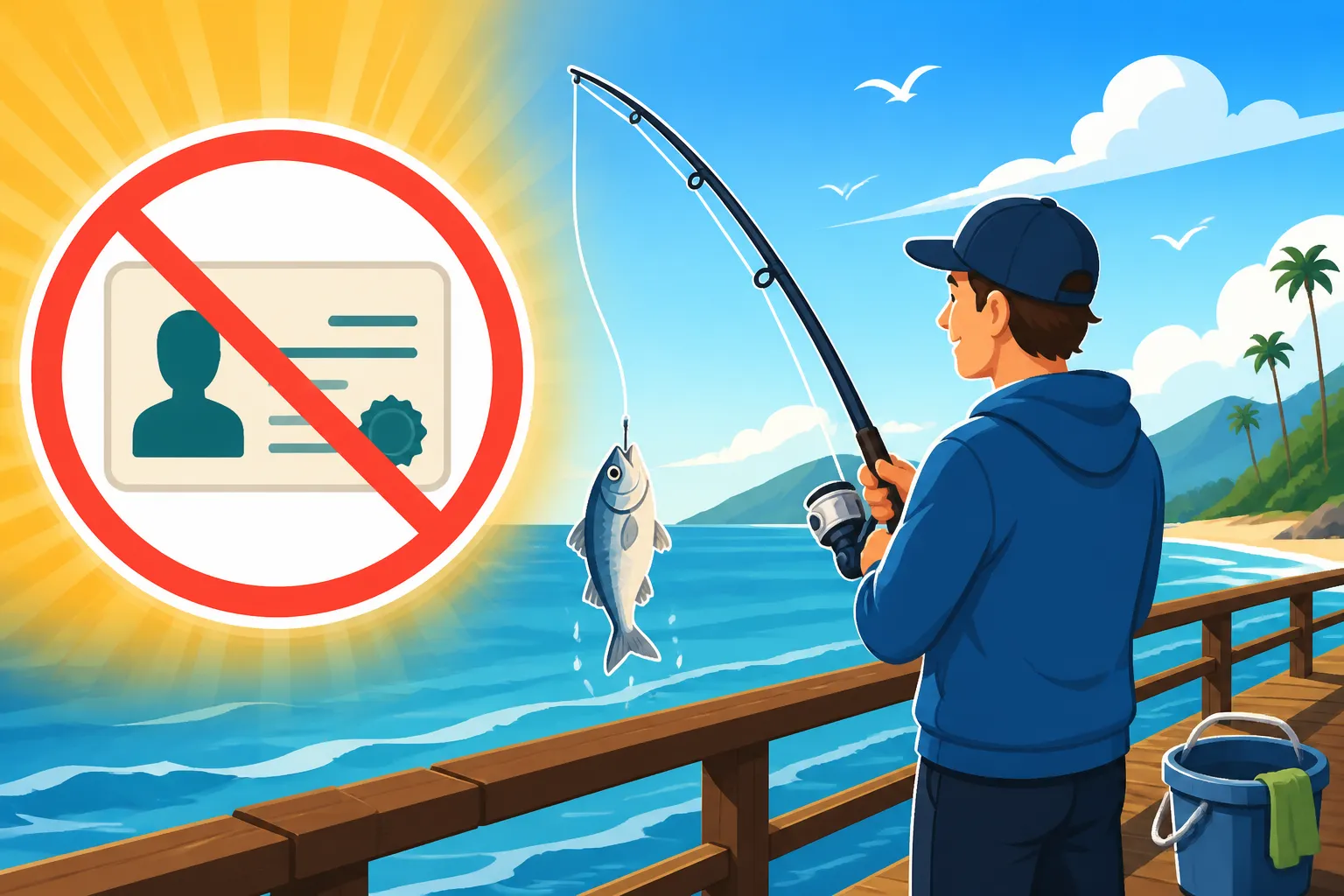
Let’s get right to the good news that brings a sigh of relief to countless anglers, especially those just starting out or visiting California: Generally, you do not need a California fishing license to fish from a public pier or jetty in ocean waters. This exemption is one of the most angler-friendly rules in the state, designed to make fishing accessible to everyone, regardless of age or experience level. It means you can grab a simple rod, some bait, and head down to many of California's iconic coastal structures for a day of fishing without the upfront cost or paperwork of a license.
This rule applies to most publicly owned ocean piers, jetties, and breakwaters. Think of those long wooden or concrete structures stretching out into the Pacific, buzzing with activity, often with bait shops and even restaurants nearby. These are precisely the spots where you can cast a line freely, enjoying the ocean breeze and the possibility of a catch. It's a fantastic way to introduce kids to fishing or just enjoy an impromptu outing.
Defining "Public Ocean Pier" and "Ocean Waters"
While the "no license" rule sounds straightforward, it's important to understand the specific definitions. A "public ocean pier" generally refers to a structure extending from the land over ocean waters, open for public use without a fee for access. This isn't just a simple dock or a private marina. These are usually maintained by cities, counties, or the state, and are clearly accessible to the public. Popular examples include the Santa Monica Pier, San Clemente Pier, and the Berkeley Pier, which all offer great opportunities for license-free fishing.
"Ocean waters" are also key. This means salt water, typically the Pacific Ocean itself, but also includes bays and estuaries that are open to the ocean. So, if you’re fishing from a pier that extends into San Francisco Bay, Monterey Bay, or even a coastal lagoon that connects directly to the sea, you're usually covered by this exemption. The intent is to encourage engagement with our marine environment.
However, if you find yourself on a private pier, a pier within a private marina, or a structure that charges a specific fishing fee, you might want to double-check their rules. While many still operate under the general exemption, it's always best to be sure. Most of the time, the "no license" rule applies broadly to almost all publicly accessible oceanfront structures.
Freshwater Piers and Other Exceptions
Here’s where a crucial distinction comes in: the no-license rule for piers does not extend to freshwater bodies. If you're looking to fish from a pier on a lake, river, or reservoir, even if it's a public pier, you absolutely will need a valid California fishing license. This is a common point of confusion, and it’s important to clarify it to avoid any issues.
For instance, if you're planning a trip to fish on Lake Tahoe, Clear Lake, or any of the numerous reservoirs across the state, a license is mandatory, even if you’re just casting from a designated pier or shoreline. The rules for freshwater fishing are distinct from saltwater, especially when it comes to licenses. So, while you can enjoy the freedom of ocean pier fishing, remember that the inland waters operate under different regulations. You can learn more about specific requirements by checking out our guide on the California Freshwater Fishing Regulations. Always double-check where you are fishing to ensure you're in compliance.
Beyond the License: Regulations You Still Need to Follow
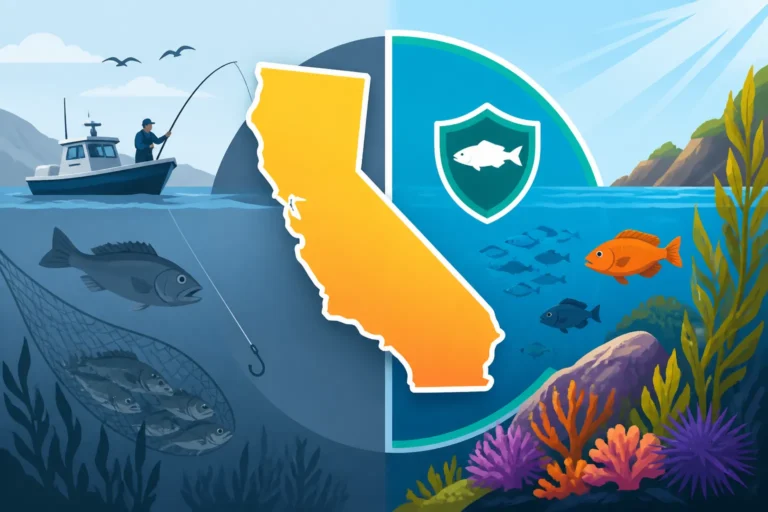
Okay, so you don't need a license for a public ocean pier – fantastic! But don't let that fool you into thinking it's a free-for-all. California has extensive fishing regulations in place to protect its marine resources, and these rules absolutely apply to pier anglers, license or no license. Ignoring these can lead to hefty fines, confiscation of gear, and even legal trouble. It’s about being a responsible angler and ensuring future generations can enjoy the same opportunities we do.
Bag and Size Limits
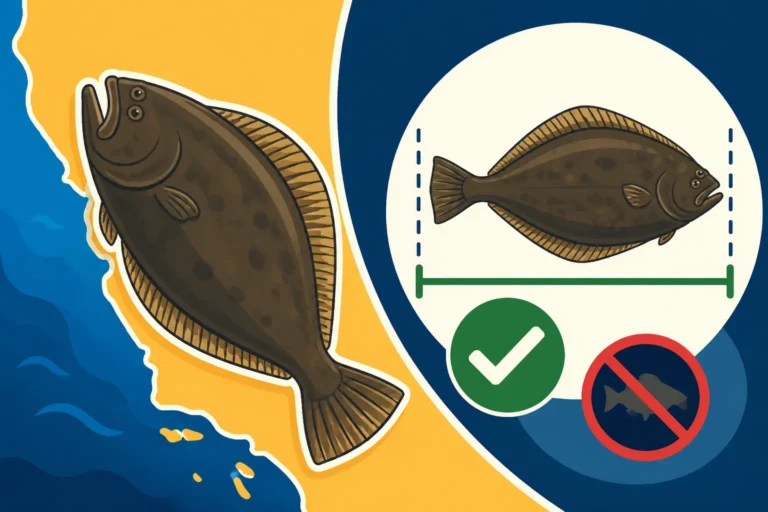
This is perhaps the most critical set of regulations you need to know. For almost every species of fish, crabs, and other marine life you might catch from a pier, there are specific limits on how many you can keep (bag limit) and how large or small they must be (size limit). These limits vary widely by species, region, and even time of year. For example, if you're targeting halibut, there's a specific minimum size and bag limit. The same goes for rockfish, mackerel, perch, or even crabs.
It’s your responsibility to know these rules before you cast your line. A great way to stay informed is to carry a copy of the current California Sport Fishing Regulations booklet, which you can often pick up at tackle shops or download from the California Department of Fish and Wildlife (CDFW) website. Many anglers keep a laminated card with common pier fish limits readily available, perhaps even one they ordered from Amazon that fits in a tackle box. This handy guide will help you understand the daily limits and minimum sizes for various species you might encounter. For instance, the limits for Pacific Mackerel are quite generous, while California Halibut Size and Bag Limits are much stricter. Always measure your fish carefully and release anything that doesn't meet the legal requirements.
Report Cards and Stamps
While you don't need a general fishing license for pier fishing, there are specific species that require a report card, regardless of whether you have a license or not. The most common one for pier anglers is the Dungeness Crab Report Card, which is mandatory if you plan on taking Dungeness crab. Other report cards might apply if you were to target highly migratory species or anadromous fish, though these are less commonly caught from piers.
It's also worth noting the California Ocean Enhancement Stamp. While this stamp is typically required for anglers fishing south of Point Arguello (Santa Barbara County) who do possess an annual sport fishing license, it’s not required if you're exclusively pier fishing without a license. However, understanding its purpose – to fund projects that increase ocean fish populations – highlights the broader conservation efforts in California. Always check the current regulations if you plan on targeting specific species like California Sturgeon Report Card or California Salmon Report Card, as the rules can be quite detailed.
Gear and Bait Restrictions
California also has rules about the type of gear and bait you can use, even from a pier. These are in place to promote fair chase and prevent harm to non-target species or the environment.
- Hook Restrictions: Pay attention to rules regarding the number of hooks you can use, especially for certain species or in specific areas. For example, snagging fish (intentionally hooking them in a part of the body other than the mouth) is generally illegal. While many multi-hook rigs are fine for species like mackerel, always verify for others.
- Bait Collection: There might be rules about collecting your own bait from the pier area, such as mussels, clams, or small crabs. While buying bait from a local shop is usually fine, know the regulations if you plan to gather your own.
- Barbless Hooks: For some freshwater fisheries or specific species, barbless hooks are mandatory. While less common in ocean pier fishing, it's a good practice, especially for catch-and-release, to minimize harm to the fish.
Always consult the CDFW regulations booklet for the most current information. These rules are detailed in the "General Provisions" and "Ocean Fishing" sections of the California Fishing Regulations Explained.
Here's a quick overview of some common pier fishing regulations:
| Regulation Type | Applies to Pier Fishing (License-Free) | Details/Examples |
|---|---|---|
| Fishing License | NO (for public ocean piers/jetties) | Required for freshwater piers, private piers (check rules), and any fishing from a boat or shoreline (not a public pier). |
| Bag & Size Limits | YES | Mandatory for ALL species. You must know the daily possession limit and minimum/maximum size for every fish kept. Examples: Halibut (2 fish, 22" min), Rockfish (10 fish, 5.5" min for some species, depth restrictions apply). |
| Report Cards | YES (for specific species) | Required for Dungeness crab, Spiny lobster, Sturgeon, Steelhead, and Salmon, regardless of license status. Ensure you have the correct report card if targeting these. |
| Gear Restrictions | YES | Rules on number of hooks, types of nets, and spearfishing. Snagging is illegal. Check for specific regulations on fishing methods. |
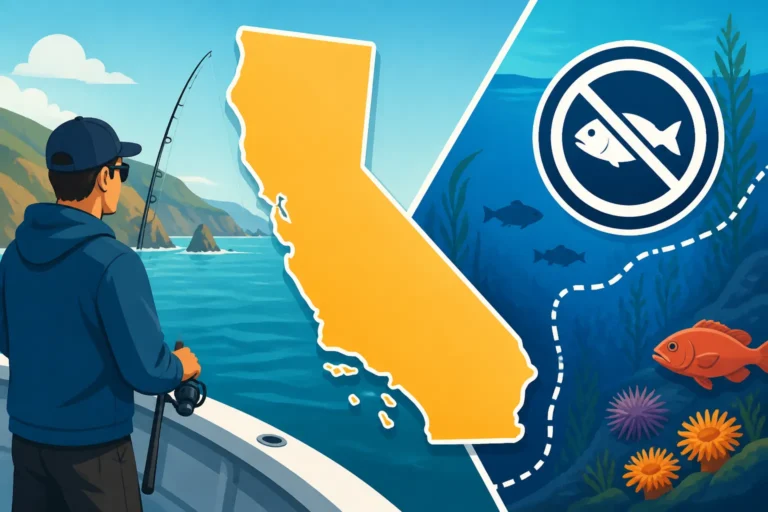
| Marine Protected Areas | YES | Fishing is prohibited or highly restricted in Marine Protected Areas (MPAs). It's your responsibility to know if your pier is within an MPA's "no-take" zone. |
| Season Closures | YES | Seasons for certain species (e.g., California Rockfish Regulations and Limits, California Salmon Season Dates) still apply, even when fishing from a pier. |
Navigating Pier Etiquette and Safety
Fishing from a pier is often a lively, social experience, but it also comes with its own set of unwritten rules and safety considerations. Being mindful of those around you and respecting the environment ensures a pleasant experience for everyone.
Sharing the Space
Piers can get crowded, especially on weekends or during good fishing weather. Good etiquette goes a long way:
- Respect Personal Space: Give fellow anglers enough room to cast and retrieve their lines without entanglement. A good rule of thumb is to allow at least 10-15 feet between you and the next angler if space permits.
- Watch Your Casts: Before you cast, always look around to ensure your line won't cross other lines or endanger passersby. Overhand casting can be dangerous in crowded areas. A gentle sidearm or roll cast is often safer and more effective on a pier.
- Mind Your Noise and Trash: Keep noise levels reasonable, and absolutely pack out everything you pack in. Dispose of all fishing line, bait containers, and other trash properly. Leaving hooks or monofilament on the pier is not only unsightly but also a hazard for wildlife and people.
- Sharing a Catch: If you accidentally hook someone else's fish or they hook yours, communicate calmly. Most anglers are happy to help resolve tangles or share in the excitement of a combined catch.
- Fish Cleaning: Most piers have designated fish cleaning stations. Use them, and dispose of offal appropriately to avoid attracting unwanted pests or creating unpleasant odors for others.
Essential Pier Fishing Gear
Even though you don't need a license, a few basic items will make your pier fishing experience much more enjoyable and effective:
- Rod and Reel: A medium-action spinning rod (7-9 feet) paired with a 3000-4000 series reel spooled with 10-20 lb monofilament or braided line is a versatile setup for most pier species. You can find excellent, affordable options for beginners on Amazon.
- Tackle Box Essentials: Stock up on various hooks (sizes 2-6 for bait, larger for specific species), sinkers (1-3 oz pyramid or egg sinkers work well), swivels, and a few pre-tied rigs (like high-low rigs or sabiki rigs for baitfish).
- Bait: Live bait (like anchovies, sardines, or ghost shrimp) and cut bait (squid, mackerel, or mussels) are popular and effective. Local bait shops near the pier are your best bet for fresh supplies.
- Pliers/Forceps: Essential for removing hooks safely from fish and cutting line.
- Measuring Device: A simple tape measure or a fish ruler (often available at tackle shops or online) is critical for checking size limits.
- Bucket/Cooler: To hold your catch, keep bait fresh, and carry water.
- Sun Protection: Hat, sunglasses, and sunscreen are a must, as you’ll be exposed to the sun for extended periods.
- Comfortable Shoes: You'll be standing a lot, so comfortable footwear is key.
Remember, many of these essential items can be easily purchased from online retailers like Amazon, ensuring you're well-prepared before you even hit the pier.
Exploring California's Best License-Free Pier Fishing Opportunities
California boasts an incredible array of public piers, each with its own charm and fishing potential. From bustling city piers to quieter, more rustic structures, there's a perfect spot for every angler looking to take advantage of the license exemption.
Top Piers to Explore
While nearly any public ocean pier will allow license-free fishing, some stand out for their accessibility, amenities, and diverse fishing opportunities. These spots are often mentioned in Best Fishing Piers in California guides for good reason.
- Santa Monica Pier (Southern California): One of the most famous piers in the world, offering fishing for mackerel, perch, croaker, and even occasional halibut. It’s a lively spot with plenty of amenities.
- San Clemente Pier (Orange County): A beautiful pier known for excellent surfperch and croaker fishing. It's usually less crowded than some of the larger city piers, offering a more relaxed atmosphere.
- Huntington Beach Pier (Orange County): Another iconic Southern California pier that stretches far out into the Pacific, providing access to deeper water species. Common catches include mackerel, bonito, and barracuda during warmer months.
- Oceanside Pier (San Diego County): A fantastic pier for a variety of species, including mackerel, corbina, and even leopard sharks. It’s well-maintained and has bait shops nearby.
- Berkeley Pier (San Francisco Bay Area): While in San Francisco Bay, this pier is a saltwater powerhouse. Anglers here can target striped bass, halibut, sturgeon, and various types of perch. Its length offers access to deeper channels.
- Pacifica Pier (San Mateo County): Famous for its seasonal crab fishing (Dungeness crab, with the appropriate report card!) and year-round opportunities for perch and striped bass. It’s a popular spot when the bite is on.
These are just a few examples; countless other public piers dot the California coastline, from Crescent City in the north to San Diego in the south. Each offers its unique experience and opportunities to catch fish without the need for a license.
Best Species to Target from Piers
The species you'll encounter from a pier can vary greatly depending on the location and time of year, but some are perennial favorites:
- Mackerel (Pacific and Jack): These schooling fish are abundant and provide fast action, especially with sabiki rigs. Great for kids!
- Surfperch (Barred, Walleye, Redtail): A staple of pier fishing, often caught close to the pilings or in the surf line. They offer a good fight for their size.
- Croaker (Spotfin, Yellowfin, Corbina): These bottom feeders are sought after for their fighting ability and good eating. They often bite on small pieces of shrimp or mussel.
- Halibut (California): While less common, larger halibut can be caught from piers, especially those with access to deeper water or sandy bottoms. Live bait like anchovies or sardines are effective. You can learn more about California Halibut Regulations and Limits.
- Striped Bass: In bays and estuaries (like San Francisco Bay), striped bass are a prized catch from piers, especially during their migratory runs.
- Crabs (Dungeness, Rock): During open seasons, crabbing from piers is immensely popular, though remember that a Dungeness Crab Report Card is mandatory. Check California Crab Regulations and Limits for details.
Remember, the fish populations and bite can change daily, so check local fishing reports and ask experienced anglers on the pier for the most up-to-date information.
How to Stay Informed and Plan Your Trip
Even with the license exemption, staying informed about current regulations, conditions, and best practices is crucial for a successful and legal pier fishing trip.
Official Resources and Local Knowledge
The California Department of Fish and Wildlife (CDFW) website is your ultimate official resource. They publish the annual Sport Fishing Regulations booklet, which details all bag limits, size limits, season closures, and other important rules for both freshwater and saltwater fishing. While it can be a bit daunting to read through, it's the definitive source. Many fishing supply stores also carry physical copies, and these are a great reference.
Local bait and tackle shops near piers are goldmines of information. The folks who work there are usually passionate anglers themselves and can give you real-time updates on what's biting, what bait to use, and any localized regulations or conditions you should be aware of. They can also point you to current California Fishing Reports. Don't be shy about asking questions! These local experts can make a huge difference in your success.
When to Buy a License (and Why It's Still a Good Idea)
While you don't need a license for public ocean piers, there are many reasons why you might eventually consider getting one:
- Expanded Opportunities: A California fishing license opens up vast possibilities. You can fish from the shoreline, a boat, a kayak, or any freshwater body. This means access to different species, techniques, and environments. If you ever want to try California Surf Fishing Guide or go after trout in the Eastern Sierra, a license will be essential.
- Support Conservation: The revenue from fishing license sales directly funds conservation efforts, fish stocking programs, habitat restoration, and enforcement of fishing regulations by the CDFW. By purchasing a license, you're directly contributing to the health and future of California's fisheries.
- Reporting Your Catch: If you venture into areas or target species that require a report card (like salmon or steelhead) with a general license, your reported catches provide vital data for fisheries management.
- It's Easy to Get: You can easily obtain a license online through the CDFW website, or in person at many bait shops, sporting goods stores, and tackle stores. You can even find helpful guides like How to Buy a California Fishing License Online.
Even if you're content with pier fishing, understanding the broader context of California Fishing License Guide can only enhance your appreciation for the sport and the resources it protects.
Fishing from California's public ocean piers without a license is a wonderful opportunity, but it comes with the crucial responsibility of understanding and adhering to all other fishing regulations. By respecting bag and size limits, being aware of protected areas, practicing good etiquette, and staying informed, you can enjoy countless hours of rewarding fishing on the Golden State's beautiful coastline. So grab your gear, check the tides, and head out to the pier for some license-free angling fun!
Disclaimer
The information provided in this guide is for general informational purposes only and is not intended as legal advice. Fishing regulations in California are subject to change by the California Department of Fish and Wildlife (CDFW). It is the sole responsibility of each angler to consult the most current official California Sport Fishing Regulations booklet and any relevant local ordinances before engaging in any fishing activity. Failure to comply with regulations can result in significant penalties.