California Striped Bass Regulations and Limits
It can be incredibly frustrating to head out for a fantastic day of fishing, only to realize you're not entirely sure about the ever-changing rules for your target species. Many of us have been there, reeling in a beautiful striped bass, then staring at it, wondering if it's a keeper or if we're inadvertently breaking the law. This comprehensive guide is here to untangle the complexities of California Striped Bass regulations and limits, ensuring you can enjoy your time on the water with confidence and peace of mind.
Understanding California Striped Bass Regulations
Let's face it, keeping up with fishing regulations can feel like a full-time job. One year it's one thing, the next it's slightly different, and sometimes it feels like they change the rules just to keep us on our toes! But there's a good reason for it, especially when it comes to popular species like striped bass, which face pressure from both recreational anglers and environmental factors. Knowing these rules isn't just about avoiding a hefty fine; it's about being a responsible angler and contributing to the sustainability of this incredible fishery for generations to come.
Why Regulations Exist
The primary reason for fishing regulations, especially for a species as sought-after as the striped bass, is conservation. Stripers are an anadromous fish, meaning they spend most of their lives in saltwater but migrate to freshwater to spawn. This life cycle makes them particularly vulnerable, as they can be targeted in various environments during different stages of their lives. Regulations like size limits, bag limits, and seasonal closures are put in place to ensure enough fish survive to reproduce, maintaining healthy populations. Without these rules, overfishing could quickly decimate the stock, leading to a complete collapse of the fishery, which would be a tragedy for everyone who loves chasing these powerful fish. Think of it as a delicate balancing act, trying to provide ample opportunity for anglers while safeguarding the future of the species.
Beyond conservation, regulations also aim to distribute the catch fairly among anglers and to manage the ecosystem as a whole. For instance, sometimes regulations on striped bass might be influenced by concerns for other species that inhabit the same waters or are part of the striper's diet. It's a complex web, and the California Department of Fish and Wildlife (CDFW) is constantly monitoring populations, habitat health, and angler impact to make informed decisions. These decisions aren't arbitrary; they're based on scientific data, angler input, and a deep understanding of the ecological needs of the species.
Key Regulatory Bodies
In California, the main authority overseeing fishing regulations, including those for striped bass, is the California Department of Fish and Wildlife (CDFW). They are the ones who conduct the research, propose rule changes, and ultimately enforce them. It's a vast undertaking, covering everything from freshwater lakes and rivers to the extensive California coastline. They publish comprehensive guides and updates that every angler should familiarize themselves with. You can often find the most current information directly on their website, which is usually the first place I check if I have a question about a new season or a specific area.
While the CDFW sets the statewide rules, some local jurisdictions might have additional ordinances or restrictions that apply to specific bodies of water. For instance, a particular reservoir or city park lake might have its own set of rules regarding fishing hours, bait restrictions, or even different size and bag limits for certain species. It’s always a good idea to check with the local authority or the specific lake's concessionaire before you wet a line, especially if you're venturing to a new spot. Generally, however, the CDFW regulations are the baseline you must always adhere to. Make sure you understand the nuances by checking out our guide on California Fishing Regulations Explained.
Specific Striped Bass Size and Bag Limits
This is where the rubber meets the road, isn't it? Knowing the exact numbers can save you a lot of grief and ensure you're fishing legally. Striped bass are a prize catch, known for their powerful fights and delicious meat, but that means they're also heavily targeted. The specific limits are designed to protect the breeding stock and allow younger fish to mature before they're harvested. It’s not just a suggestion; it’s the law, and wardens take it seriously.
Minimum Size Requirements
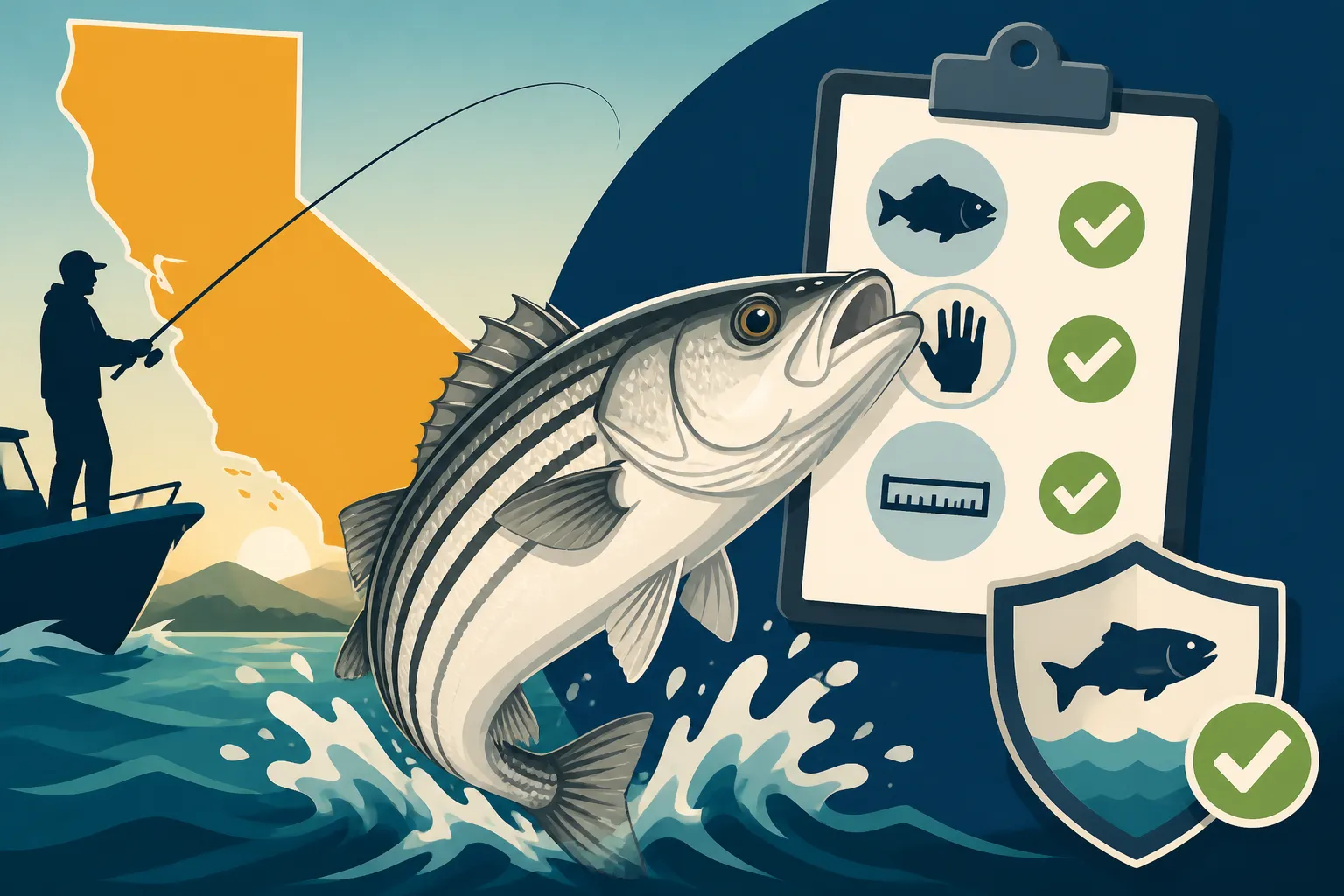
For striped bass in California, there's a minimum size limit you need to be aware of. Currently, as of my last check, the statewide minimum size limit for striped bass is 18 inches total length. This means from the tip of the snout to the farthest tip of the tail, the fish must measure at least 18 inches. Any fish shorter than this must be immediately released back into the water with as little harm as possible. This rule is crucial because it allows juvenile fish to grow, reach sexual maturity, and contribute to the spawning population before they become part of the recreational harvest. Releasing those smaller fish ensures that there will be more stripers for everyone to catch in the future.
It's absolutely essential to carry a reliable measuring device with you. A standard tape measure will do, or you can find specialized fish rulers at most tackle shops or even on Amazon. Some anglers even mark their rods at the 18-inch mark for quick checks. Imagine the disappointment of landing a beautiful striper, only to realize it's an inch too short! Always measure carefully, and when in doubt, it's better to release the fish. For a deeper dive into the specifics, you can refer to our article on California Striped Bass Size Limit Explained.
Daily Bag and Possession Limits
Beyond just size, you also need to know how many striped bass you're allowed to keep. The daily bag limit refers to the maximum number of fish you can keep in a single day, regardless of how many times you go out or where you fish within that 24-hour period. For striped bass in California, the daily bag limit is generally two fish. This means you can keep up to two legal-sized striped bass per day.
The possession limit, which is often the same as the daily bag limit, refers to the maximum number of fish you can have in your possession at any given time, whether they're fresh or frozen. This includes fish at your home, in your cooler, or in your vehicle. So, if you've already kept two legal stripers, you cannot go out again the same day and keep more. This rule prevents anglers from stockpiling fish and helps distribute the catch more evenly across the angling community. It's designed to promote sustainable harvesting and prevent individuals from taking an excessive number of fish. For more details on this, check out our guide on California Striped Bass Bag Limit Explained.
Special Regulation Areas
While the 18-inch minimum and two-fish bag limit are the general statewide rules for striped bass, California is a huge state with diverse waterways, and sometimes specific areas might have slightly different or additional regulations. These "special regulation areas" are usually designated to protect particularly vulnerable populations, manage unique ecosystems, or address specific localized issues. For instance, certain rivers during spawning runs might have temporary closures, different tackle restrictions, or even catch-and-release-only sections.
A prime example of an area with significant striped bass fishing, and sometimes unique considerations, is the vast California Delta. The Delta, with its intricate network of sloughs and channels, is a critical habitat for striped bass, and regulations there are carefully managed. While the general rules typically apply, it's always wise to double-check the latest CDFW regulations booklet or online resources specifically for the Delta region. Another common variation involves areas where federal and state regulations might overlap, or where a specific waterway has unique seasonal nuances. Always consult the official California Fishing Regulation Booklet Explained for any specific local rules that might supersede or add to the general statewide regulations. It’s always better to be safe than sorry, especially when visiting new fishing grounds.
Essential Gear and Techniques for Striped Bass Adherence
Following regulations isn't just about knowing the numbers; it's also about having the right tools and practices in place to comply. A good angler is a prepared angler, and that preparation includes being ready to measure, release, and carry the proper documentation. This isn't just about avoiding a fine; it’s about showing respect for the fish and the sport.
Measuring Your Catch Accurately
Having an accurate measuring device on hand is non-negotiable when targeting striped bass. You need to be able to quickly and precisely determine if your fish meets the 18-inch minimum length requirement. There are several types of measuring tools you can use: a simple tape measure, a specialized fish ruler that often has a built-in bump to align the fish's nose, or even a sticker ruler applied to your boat or cooler. I personally prefer a sturdy, bright-colored measuring board or mat that lays flat and allows me to measure quickly without fumbling. You can find excellent options on Amazon, and a good one will last for years.
When measuring, lay the fish flat on its side. Pinch the tail together to get the maximum length from the tip of the snout to the end of the longest lobe of the tail. Make sure the fish is calm and handled gently, especially if it's going to be released. Avoid hanging the fish vertically by the jaw or gills for measuring, as this can cause internal damage. Accuracy is key – an inch or two can make all the difference between a legal fish and one that needs to go back. If there's any doubt, err on the side of caution and let it swim.
Proper Release Practices
Not every fish you catch will be a keeper, and that's perfectly fine! Practicing proper catch-and-release techniques for undersized striped bass is vital for their survival and the health of the fishery. When you reel in a fish that's too small, your goal should be to get it back into the water as quickly and unharmed as possible. First, try to minimize the time the fish spends out of the water. Have your pliers or de-hooking tool ready.
If the fish is deeply hooked, especially in the gills or gut, it's often best to cut the line as close to the hook as possible rather than trying to rip the hook out. Many hooks are made of materials that will eventually corrode, allowing the fish a better chance of survival. Avoid touching the fish's body with dry hands if possible, as this can remove their protective slime layer, making them more susceptible to disease. Instead, use wet hands or a wet towel, or consider a rubberized net. Gently place the fish back into the water, headfirst, and if necessary, hold it upright and move it back and forth to force water over its gills until it swims away under its own power. These practices are crucial for the long-term health of the striped bass population in California.
Licensing Requirements for Striped Bass Fishing
Just like with any other game fish in California, you absolutely need a valid California fishing license to legally target striped bass, whether in freshwater or saltwater. There’s no getting around this, even if you’re just doing catch-and-release. The funds from fishing license sales directly support the CDFW's conservation efforts, including habitat restoration, fish stocking programs, and enforcement of regulations. Think of it as your contribution to keeping our fisheries healthy and vibrant. If you're wondering how to get one, our guide on How to Get a California Fishing License is a great place to start.
There are various types of licenses available, from annual resident and non-resident licenses to short-term options like a California One-Day Fishing License or California Two-Day Fishing License. Children under 16 generally don't need a license, but it's always best to confirm the latest rules regarding California Youth Fishing License Rules. It's your responsibility to know what license you need and to have it with you while fishing. A warden can ask to see it at any time, and fishing without one can lead to significant fines. It's a simple step that ensures you're fishing legally and supporting the sport you love.
Common Pitfalls and How to Avoid Them
Even seasoned anglers can sometimes make mistakes, especially when regulations shift or when they're fishing in unfamiliar territory. Being aware of these common pitfalls can help you avoid unnecessary trouble and ensure your fishing trip is nothing but enjoyable. A little foresight goes a long way.
Misidentifying Species
California waters, both fresh and salt, are home to a wide variety of fish, and sometimes a fish might look similar to a striped bass, but actually be a different species with entirely different regulations. For example, in some areas, you might encounter hybrid striped bass or even white bass, which can be easily confused with smaller stripers. While all three are part of the Morone genus, their appearances, sizes, and habitats can overlap, leading to potential confusion. This is particularly true for anglers who are new to California's diverse fisheries or who are accustomed to fishing for stripers in other states with different regulations.
To avoid misidentification, take the time to learn the key characteristics of a true California striped bass. Look for the distinct, unbroken horizontal stripes along its silver sides. Hybrid stripers, for instance, often have broken or mottled stripes. If you're ever in doubt, it's always best to release the fish. A good fish identification app or a waterproof fish ID card can be invaluable tools to carry with you. There are many excellent resources on Amazon, and a quick visual check can prevent a lot of headaches down the line. Remember, ignorance of the law is no excuse.
Forgetting Your Fishing License
This might seem like a no-brainer, but it's an incredibly common mistake. You've packed your rods, reels, tackle box, snacks, and drinks, only to realize halfway to your favorite spot that your California fishing license is sitting on your kitchen counter. Or worse, you arrive at the water, start fishing, and then a game warden approaches, asking to see your license. This oversight, while seemingly innocent, can result in a fine for California Fishing Without a License Penalty. And trust me, those fines are not cheap and definitely put a damper on your day.
To prevent this, make it a habit to keep your fishing license with your tackle box or in a dedicated fishing wallet. Many anglers now purchase their licenses online and can keep a digital copy on their phone, which is a fantastic backup, but always double-check if a physical copy is also required in your specific situation (though generally, a digital copy displayed on a device is accepted). Before every trip, do a quick mental checklist: license, measuring device, and proper gear. It's a small step that ensures compliance and peace of mind.
Staying Updated on Regulation Changes
Fishing regulations are not set in stone; they can and do change. These changes might be annual, seasonal, or sometimes even emergency closures due to environmental factors like droughts, fish diseases, or sudden population declines. Relying on outdated information is a sure-fire way to find yourself in violation. The CDFW works diligently to provide current information, but it's ultimately the angler's responsibility to stay informed.
The best way to stay updated is to regularly check the official CDFW website, especially before the start of a new calendar year or a major fishing season. You can also sign up for their email newsletters or follow their social media channels for real-time updates. Visiting your local tackle shop can also be a great resource, as they often have the latest printed regulations and are usually well-informed about any local nuances. Never assume that because a rule was in place last year, it's still current today. A quick check of the California Freshwater Fishing Regulations or California Saltwater Fishing Regulations can save you from a potential violation and ensure you’re always fishing by the book.
California Striped Bass Regulations Summary
To make things a bit easier, here’s a quick overview of the general statewide regulations for striped bass in California. Keep in mind that local exceptions can exist, so always double-check the latest CDFW regulations for your specific fishing area.
| Regulation Type | Detail | Notes |
|---|---|---|
| Minimum Size | 18 inches total length | Measure from snout to tip of the longest tail lobe. |
| Daily Bag Limit | 2 fish | Maximum allowed per person per day. |
| Possession Limit | 2 fish | Maximum allowed in possession at any time, including at home or in transit. |
| Licensing | Valid California Fishing License required | Mandatory for all anglers 16 years and older. |
| Methods | Refer to CDFW general regulations | Typically, standard angling methods with legal bait or lures. |
| Special Areas | Check local regulations for areas like the Delta | Some areas may have specific closures, tackle rules, or different limits. |
These are the core tenets of California's striped bass rules. By adhering to them, you’re doing your part to ensure healthy populations for future angling adventures. If you’re ever unsure, consult the official CDFW website or their most recent regulations booklet.
Fishing for Striped Bass in California
Once you've got the regulations down, it's time to think about actually catching these magnificent fish! Striped bass are incredibly fun to target and offer a fantastic challenge, whether you're fishing from shore, a pier, or a boat. Knowing when and where to find them, along with the right techniques, can drastically improve your chances of success. Our guide on How to Fish for Striped Bass in California can give you a fantastic overview to get started.
When it comes to locations, California boasts some phenomenal spots for striped bass. The Sacramento-San Joaquin River Delta is arguably the most famous, offering vast stretches of water where stripers congregate, particularly during their spawning runs. Other notable areas include bays like San Francisco Bay and Suisun Bay, where they spend much of their lives feeding. Even some larger freshwater reservoirs occasionally hold landlocked striped bass, offering unique angling opportunities. Each location offers different challenges and rewards, and understanding the specific nuances of a spot, perhaps through our California Delta Fishing Guide, can truly make a difference.
Technique-wise, striped bass respond well to a variety of presentations. Trolling with plugs or swimbaits is popular in open water, while casting with soft plastics, topwater lures, or live bait is effective in shallower areas or around structure. For bait fishing, understanding the Best Bait for California Striped Bass is key; popular choices include anchovies, sardines, bloodworms, and even live minnows. No matter your preferred style, the thrill of a striper taking your line is an unforgettable experience.
Disclaimer
Please remember that fishing regulations can change. While I strive to provide the most current and accurate information, it is always your responsibility as an angler to check the official California Department of Fish and Wildlife (CDFW) regulations before heading out. This guide is for informational purposes only and should not be considered a substitute for the official CDFW regulations.