California Trout Bag Limit Explained
It can feel like you need a law degree just to understand California's fishing regulations, especially when it comes to something as fundamental as trout bag limits. Anglers often get confused by the mix of statewide rules, regional exceptions, and special water designations, leading to honest mistakes that can still result in penalties. This comprehensive guide is here to untangle the complexities of California trout bag limits, helping you understand the rules, avoid common pitfalls, and enjoy your time on the water without worry.
Understanding the Basics of California Trout Bag Limits
Diving into trout fishing in California means navigating a labyrinth of rules designed to protect our precious fish populations while still allowing us to enjoy the sport. The bag limit and size limit are two of the most critical regulations you need to grasp before even casting a line. These aren't just arbitrary numbers; they're carefully set by the California Department of Fish and Wildlife (CDFW) based on scientific data, conservation goals, and the health of specific fisheries.
Why Bag and Size Limits Exist
At its core, the reason we have bag and size limits for trout (and all fish, really) is to ensure sustainable fishing for generations to come. Imagine if everyone kept every fish they caught, regardless of size or quantity. Our lakes and rivers would be depleted in no time. Bag limits prevent overfishing by restricting the number of fish an individual can keep in a single day or have in their possession. This directly impacts the spawning stock, allowing enough fish to survive and reproduce.
Size limits, on the other hand, often serve a dual purpose. Minimum size limits protect juvenile fish, giving them a chance to mature and spawn at least once before being harvested. This is especially important for species that take several years to reach reproductive age. Maximum size limits, sometimes called "slot limits," protect large, often highly reproductive, trophy-sized fish, ensuring they remain in the ecosystem to contribute their superior genetics to future generations. For example, a larger trout typically produces more eggs, making them vital for population health. Without these carefully considered rules, California's diverse and abundant trout fisheries simply wouldn't thrive as they do.
General Statewide Trout Bag and Possession Limits
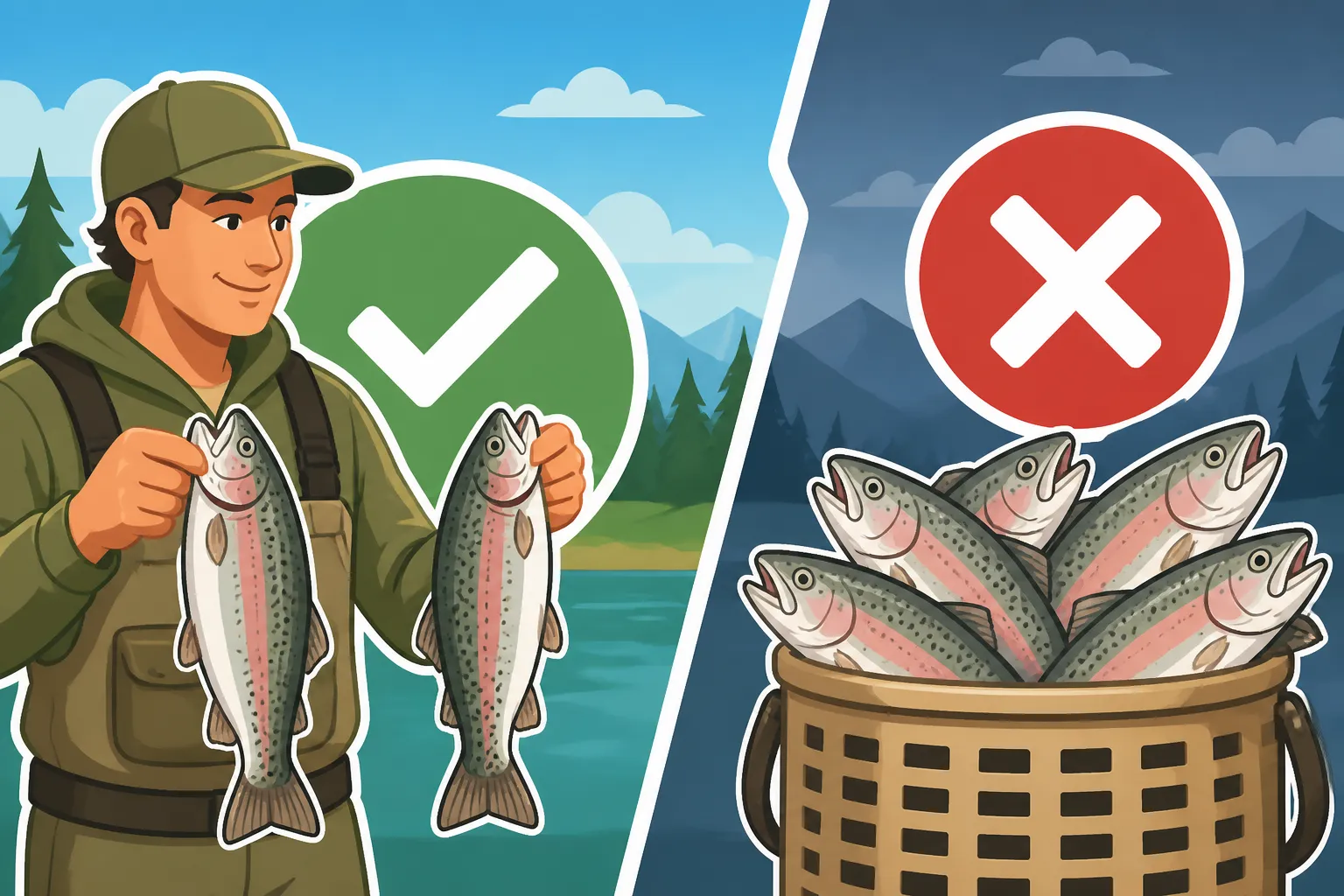
While specific waters often have their own unique rules, there's a foundational statewide regulation for trout that acts as a default. Currently, for most open waters in California, the general daily bag limit for trout is five fish. The possession limit is ten fish. Now, let's break down what that actually means, because it's not as straightforward as it sounds for new anglers.
The "daily bag limit" refers to the maximum number of fish of a particular species you can legally keep in any single calendar day, from midnight to midnight. So, if you catch five trout and put them on your stringer, you've hit your daily limit, and any additional trout you catch must be immediately released, unless you release one of your kept fish to replace it (which has its own rules about being alive and healthy). The "possession limit" is the maximum number of fish you can have in your physical control, whether they are fresh, frozen, or otherwise processed. This means if you go fishing for two days and catch five trout each day, you can have ten trout in your cooler on the way home, as long as you didn't exceed five fish on any single day of fishing. This distinction is crucial, particularly if you're on a multi-day trip to places like the Eastern Sierra. Always remember that any fish in your cooler, vehicle, or home count towards your possession limit. To ensure you're always compliant, it's highly recommended to consult the official California Freshwater Fishing Regulations booklet, which you can often find at bait shops or download directly from the CDFW website.
Specific Bag and Size Limits for Common Trout Species
California is home to a fantastic array of trout species, each with its own characteristics and, often, its own set of regulations. While the general statewide limits provide a baseline, many specific species and locations have modified rules to cater to their unique ecological needs and fishing pressures. It’s absolutely essential not to assume the general rule applies everywhere, especially if you’re targeting a particular species.
Rainbow Trout Regulations
Rainbow trout are arguably the most popular trout species in California, found in countless lakes and rivers across the state. They're also heavily stocked by the CDFW, especially in urban fishing programs and easily accessible waters to enhance recreational opportunities. For most of these stocked waters and general regulation areas, the statewide limit of five fish per day and ten in possession applies. There usually isn't a specific minimum size limit in these general waters, allowing anglers to keep fish of varying sizes within the bag limit.
However, things get interesting when you venture into waters that hold wild rainbow trout, particularly in some designated wild trout streams or specific sections of larger rivers. These areas often have reduced bag limits (sometimes as low as two fish or even catch-and-release only) and may impose strict size restrictions, such as an 8-inch minimum or even a slot limit (e.g., only fish between 10 and 14 inches can be kept). These stricter rules are vital for protecting the genetic integrity and self-sustaining populations of wild rainbows. For instance, sections of the Lower Yuba River might have specific restrictions to protect its wild steelhead (sea-run rainbow trout) populations. Always check the specific regulations for the body of water you intend to fish, as rules can change annually.
Brown Trout and Brook Trout Limits
Brown trout and brook trout are also highly sought after in California, particularly in the high-elevation lakes and streams of the Sierra Nevada. Brown trout are known for their evasiveness and larger potential size, while brook trout, though smaller, are often abundant in remote alpine settings. The statewide default of five trout per day and ten in possession generally applies to these species in most areas.
However, specific waters, especially those managed for trophy brown trout or delicate brook trout populations, will have deviations. For instance, certain lakes in the Eastern Sierra might have specific seasons or size limits for brown trout, sometimes allowing only one fish over a certain size (e.g., one brown trout over 18 inches) to encourage the growth of truly large specimens. Brook trout, often found in smaller, more remote streams, sometimes have more liberal limits in certain areas where they are considered overpopulated or non-native, but this is less common for bag limits and more often applies to other species like bass. Always be diligent in checking the California Trout Limits and Regulations for the specific lake or stream, as even a small tributary can have different rules than the main river or nearby lake.
Lake Trout (Mackinaw) Regulations
Lake trout, also known as Mackinaw, are the behemoths of California's trout species, primarily found in deep, cold lakes like Lake Tahoe and some high Sierra reservoirs. These are entirely different beasts from rainbows and browns, and their regulations reflect their slower growth rate and the unique ecosystems they inhabit. The bag limits for Mackinaw are typically much more restrictive than for other trout species.
For example, in Lake Tahoe, the daily bag limit for lake trout is often two fish, with a minimum size limit (e.g., 10 inches). This is a stark contrast to the five-fish limit for other trout species in general waters. The specific regulations for Lake Tahoe are particularly nuanced, with different rules sometimes applying depending on whether you're in California or Nevada waters (though this guide focuses on California rules). Always be precise when checking these regulations, as catching a prized Mackinaw over the limit, or under the size, can lead to significant penalties. These limits are designed to protect these long-lived, slow-growing fish, which are a vital part of the deepwater ecosystem. If you're heading out for a shot at a trophy Mackinaw, ensure your fish ruler is handy – you can find reliable options on platforms like Amazon – and know the specific rules inside and out.
Here's a quick summary table of common trout regulations in California, but remember this is general and always verify with the official CDFW regulations for your specific fishing location and time of year:
| Trout Species / Type | General Daily Bag Limit | General Possession Limit | Common Size Restrictions | Notes |
|---|---|---|---|---|
| Rainbow Trout (stocked) | 5 fish | 10 fish | No minimum (most areas) | Widely stocked, most common. |
| Rainbow Trout (wild) | Varies (often 2-5) | Varies (often 4-10) | Varies (e.g., 8" min, slot) | Specific wild trout waters have stricter rules. |
| Brown Trout | 5 fish | 10 fish | No minimum (most areas) | Some trophy waters may have 1 over 18" limits. |
| Brook Trout | 5 fish | 10 fish | No minimum (most areas) | Often found in high-elevation streams. |
| Lake Trout (Mackinaw) | 2 fish (Lake Tahoe) | 4 fish (Lake Tahoe) | 10-inch minimum (Lake Tahoe) | Much more restrictive, check specific lake rules. |
| Golden Trout | 0 fish (catch & release) | 0 fish | Catch & Release Only | Protected species in most native waters. |
Regional and Special Regulation Waters
This is where many anglers, even seasoned ones, can get tripped up. California is a vast state with incredibly diverse ecosystems, and it's simply impossible for one set of rules to apply everywhere. What works for a heavily stocked urban lake won't work for a pristine high-alpine wilderness stream. Understanding these nuances is key to staying legal and contributing to conservation.
Eastern Sierra and High Mountain Lakes
The Eastern Sierra is a trout fishing mecca, drawing anglers from all over for its stunning scenery and abundant fish. However, it's also a prime example of an area with highly specific, often complex, regulations. Many of the high mountain lakes and streams are designated as California Wild Trout Waters Rules or have unique management plans. You'll find regulations that vary from the general statewide limit, often featuring reduced bag limits (e.g., 2 fish), higher minimum size limits, or even entirely catch-and-release sections.
For example, a popular lake might have a general five-trout limit, but a small stream feeding into it, known for its spawning wild trout, could be catch-and-release only with artificial lures and barbless hooks required. The DFW manages these waters to protect fragile native populations, enhance trophy fishing opportunities, or balance recreational use with conservation. It's not uncommon to find signs posted at trailheads or boat ramps indicating special rules, but your ultimate source of truth should always be the current official CDFW regulations booklet. Neglecting to check these specifics can easily lead to a violation, even if you were just "following the general rule" from elsewhere.
Wild Trout and Special Regulation Water Designations
Beyond broad regional categories, California has specific "Special Regulation Waters" that have rules distinctly different from the statewide norms. These are often established to protect unique genetic strains of trout, manage threatened populations like Lahontan Cutthroat Trout, or create specialized fishing experiences (e.g., "trophy" waters). These regulations are usually more restrictive, often including:
- Reduced Bag Limits: As low as one or two fish, or even zero (catch-and-release).
- Specific Size Limits: Often a higher minimum or a slot limit.
- Gear Restrictions: Barbless hooks, artificial lures/flies only, no bait, or specific hook gap rules.
- Season Restrictions: Shorter fishing seasons or specific times of day when fishing is allowed.
A classic example would be sections of the Upper Owens River, which is a renowned wild trout fishery. Its regulations can be intricate, changing from season to season or even from one bridge crossing to the next, often imposing catch-and-release with artificial lures only. It's a prime example of why you can't rely on assumptions. Before heading out, always look up the specific section of the river or lake you plan to fish in the California Fishing Regulations Explained booklet. If you're passionate about specific techniques, you might even consider researching California Fly Fishing Guide resources that often highlight these special regulation areas.
Catch-and-Release Only Areas
Some trout waters, or specific sections of them, are designated as "catch-and-release only." This means that any trout you catch, regardless of size or species, must be immediately and carefully returned to the water unharmed. These areas are crucial for preserving brood stock, protecting particularly sensitive populations, or creating unique fishing experiences where the focus is entirely on the sport rather than the harvest.
Adhering to catch-and-release rules means more than just throwing the fish back. It involves minimizing stress and injury to the fish. This typically includes using barbless hooks (which makes removal much easier), handling the fish as little as possible, keeping it in the water, and reviving it before release. If you're fishing in a catch-and-release area, make sure you're equipped with the right tools, like forceps for hook removal, and the knowledge to properly release fish. Many anglers find the challenge of catch-and-release fishing incredibly rewarding, focusing on technique and the thrill of the fight rather than filling a cooler. You can learn more about ethical practices in our guide on California Catch-and-Release Rules.
Common Mistakes and How to Avoid Penalties
Navigating California's trout regulations can be tricky, and even experienced anglers can sometimes make honest mistakes. However, ignorance of the law is no excuse, and violating fishing regulations can lead to significant fines, loss of fishing privileges, and even confiscation of gear. The key is diligence, preparation, and a commitment to understanding the rules for your specific adventure.
Miscounting or Misidentifying Your Catch
One of the most frequent mistakes is simply miscounting the number of fish kept, especially after a successful day on the water or if you're mixing species. It's easy to lose track, particularly if you're fishing with friends or moving from one spot to another. Another common pitfall is misidentifying fish species. While many trout look distinct, some juvenile trout species can look similar, or you might accidentally keep a species with a different bag limit than what you were targeting. For instance, a small golden trout (which is often protected) could be mistaken for a rainbow by an inexperienced eye.
To avoid these issues:
- Count Carefully: Develop a habit of counting your kept fish regularly. If you're nearing your limit, be extra cautious.
- Separate Catches: If fishing with others, ensure each person's catch is clearly separate to prevent accidental over-counting for an individual.
- Learn Your Species: Invest time in learning how to identify the different trout species in California. The CDFW publishes excellent guides that can help. A good fish identification guide, perhaps available on Amazon, can be a valuable tool in your tackle box.
- When in Doubt, Release: If you're unsure about the species or if keeping it would put you over the limit, it's always best to err on the side of caution and release the fish unharmed. This approach will save you potential headaches and fines.
Not Checking Local and Annual Regulations
This is probably the biggest and most critical mistake. Relying on outdated information, assuming general statewide rules apply everywhere, or simply forgetting to check the current year's regulations are recipes for trouble. California's fishing regulations can and do change annually, and sometimes even mid-season, due to environmental factors like droughts, fish populations, or new conservation efforts. What was legal last year or in another part of the state might not be today.
Before every fishing trip, without fail, you absolutely must:
- Consult the Current Booklet: Obtain the most recent California Fishing Regulation Booklet Explained from the CDFW website, a local tackle shop, or a sporting goods store. Read it thoroughly, paying close attention to the section relevant to the specific body of water you intend to fish.
- Check Online Updates: The CDFW website is the official source for any emergency closures or in-season regulation changes. Always check for recent notices before you head out.
- Ask Locals: Local bait and tackle shops are invaluable resources. They often have the most up-to-date information on local conditions and specific regulations for the area.
- Be Specific: Don't just look up "trout regulations." Look up the regulations for "Lake Tahoe trout" or "Upper Owens River trout," as rules can be hyper-local. Our guide on How to Read the California Fishing Regulations Booklet can provide a step-by-step approach to deciphering these complex documents.
Fines and Penalties for Violations
The consequences of violating trout bag and size limits in California can be severe. These aren't minor infractions; they are taken very seriously by wildlife officers. Penalties can range from hefty monetary fines to the forfeiture of your fishing equipment and even the suspension of your fishing license. For serious or repeat offenses, you could face misdemeanor charges.
Here's what you might expect:
- Fines: A first offense for exceeding a bag limit can easily result in fines starting from several hundred dollars and going upwards, depending on the number of fish over the limit and the species involved.
- Forfeiture: Your fishing gear, including rods, reels, and even your boat, could be confiscated, especially if a significant violation occurred.
- License Suspension: Your California fishing license could be suspended for a period of time, preventing you from legally fishing in the state. Our article on California Fishing License Fines and Penalties delves deeper into the potential repercussions.
- Criminal Charges: In extreme cases, particularly involving egregious over-limits or the taking of protected species, you could face criminal charges, including jail time.
It's clear that the risks far outweigh any perceived benefit of bending the rules. The goal is to enjoy the incredible fishing opportunities California offers responsibly and legally. Remember that conservation is a shared responsibility, and adhering to bag and size limits is a crucial part of that.
Disclaimer
Please be aware that fishing regulations, including bag and size limits for trout in California, are subject to change. Always consult the most current official regulations published by the California Department of Fish and Wildlife (CDFW) before you go fishing. This article is intended for informational purposes only and should not be considered a substitute for the official CDFW regulations.