How to Book a California Fishing Charter
Deciding to book a fishing charter in California can feel like navigating a kelp forest blindfolded. With so many options, regulations, and unknowns, it’s easy to get overwhelmed trying to figure out where to start, who to trust, and what you really need. This comprehensive guide is here to untangle all those lines, offering a clear, step-by-step path to confidently booking the perfect California fishing charter for your next unforgettable adventure.
Why Book a Fishing Charter in California?
California offers some of the most diverse and exciting fishing opportunities on the planet, from the high mountain lakes of the Sierra Nevada to the deep canyons off the coast of San Diego. But let's be real, tackling these waters on your own can be a monumental task, especially if you're not a local or don't own a fully equipped boat. That's where a fishing charter really shines, turning a potential headache into a hassle-free, exhilarating day on the water.
The Benefits of Guided Trips
Hiring a professional fishing charter isn't just about getting a ride to the fish; it's about unlocking a world of expertise, local knowledge, and specialized equipment that would be incredibly expensive and time-consuming to acquire yourself. Imagine trying to learn the migration patterns of Bluefin Tuna, understand the nuances of the tides in San Francisco Bay, or invest in all the rods, reels, and tackle needed for deep-sea rockfishing. It's a lot! A good captain and crew are seasoned pros who spend hundreds of days a year on the water, honing their craft. They know the current bite, the best spots, and the most effective techniques for whatever species you're chasing.
Beyond the raw fishing advantage, there’s the sheer convenience and safety. You step onto a well-maintained vessel, often equipped with top-tier electronics like sonar and radar, and state-of-the-art safety gear. No need to worry about launching a boat, navigating unfamiliar waters, or dealing with mechanical issues. The crew handles the bait, the tackle, and often even the fish cleaning at the end of the day. For families, beginners, or even experienced anglers looking to relax and focus solely on the fishing, a charter is an invaluable investment in a stress-free experience. Plus, having a guide means you're much more likely to return with fish, making that delicious fresh catch a much more attainable dream.
Different Types of California Fishing Experiences
California's vast coastline and abundant inland waters mean there’s a charter experience for every type of angler. It's not a one-size-fits-all situation, and understanding the main categories will help you narrow down your search. Are you looking for a thrilling offshore adventure targeting powerful pelagics, or a calmer bay trip chasing smaller, plentiful species? Each offers a unique vibe and requires different gear and expertise.
For saltwater enthusiasts, you have options ranging from the pulse-pounding chase of offshore giants like tuna and dorado, often found far out in the Pacific, to the more consistent action of rockfish and lingcod in nearshore reefs and kelp beds. Then there's the excitement of targeting migratory species like California halibut in the bays and estuaries. Freshwater anglers aren't left out either, with guided trips available on many of California's best lakes and rivers for species like trout, bass, and even sturgeon. These can range from drift boat fly fishing trips on the Truckee River to power-fishing expeditions for trophy largemouth bass on Clear Lake. Knowing what kind of environment and challenge excites you most is the first step in finding your ideal trip.
Understanding Your California Fishing Goals
Before you even think about looking at boats or dates, take a moment to consider what you truly want out of your fishing trip. This introspection will be your compass, guiding you through the myriad of choices and ensuring you end up on a charter that perfectly matches your expectations and desires. There's nothing worse than booking a trip only to realize it's not the kind of fishing experience you truly had in mind.
Deciding on Your Target Species
California is a paradise for anglers because of the sheer variety of fish available. However, different species require different locations, seasons, techniques, and specialized gear. Trying to catch bluefin tuna when all the charters are focused on rockfish, or aiming for a trophy bass in a saltwater bay, will lead to disappointment. Therefore, your target species is often the most important decision you'll make.
Are you dreaming of the epic battles with hard-fighting offshore species like bluefin tuna, yellowtail, or dorado? These require specialized boats, often running far offshore, and typically involve techniques like trolling, jigging, and live bait. Perhaps you're more interested in a steady bite and a cooler full of delicious bottom fish like rockfish and lingcod, which are caught closer to shore over reefs. Or maybe the thrill of freshwater bass fishing on a lake like Lake Shasta or Diamond Valley Lake, or chasing wild trout in the Eastern Sierra, is more your speed. Researching "California Fishing Seasons: Month-by-Month Guide" can give you a great overview of what's biting when, helping you align your trip dates with your desired catch. Once you have a target in mind, you can then look for charters that specialize in that particular fishery.
Choosing Between Freshwater and Saltwater Adventures
California's geography offers a truly incredible contrast between its vast Pacific coastline and its expansive inland lakes and rivers. This means you have a fundamental choice to make right at the outset: do you want to feel the ocean spray on your face, or the serene calm of a mountain lake or meandering river? Each environment presents its own set of challenges, rewards, and unique experiences.
Saltwater fishing often means dealing with ocean swells, potentially longer runs to fishing grounds, and a wider array of tackle for diverse species. It can be exhilarating, with the chance for truly massive fish. However, it also comes with a higher risk of seasickness and can be more unpredictable due to rapidly changing ocean conditions. Freshwater fishing, on the other hand, typically offers calmer waters, often closer access, and a more intimate experience with nature. Whether you're fly-fishing for trout in a pristine stream or casting for bass from a comfortable boat on a reservoir, the vibe is usually more laid-back. Your personal comfort level with boat motion, your desire for big game vs. calmer sport, and even your proximity to certain fishing grounds should all play a role in this initial decision.
Party Boat vs. Private Charter: Which is Right for You?
This is often one of the biggest decisions anglers face when booking a California fishing charter. Both offer fantastic opportunities, but they cater to very different preferences and budgets. Understanding the pros and cons of each will help you decide which experience aligns best with your group and your fishing style.
Party Boats (Open Party Trips): These are larger vessels, sometimes called "head boats" or "open party boats," that take numerous anglers (from 20 up to 100 or more) out together. They operate on a per-person fare, making them a much more affordable option, especially for solo anglers or small groups. You typically pay for your spot, and the boat goes where the fish are biting, often targeting a variety of species like rockfish, lingcod, or bonito. Think of it like a public bus for fishing; you share the experience, the deckhands are there to assist everyone, and you're part of a larger, often lively, crowd. It's a great way to experience offshore fishing without breaking the bank, and you can learn a lot from watching other anglers. For more details, you might want to check out our guide on California Party Boat Fishing Explained.
Private Charters: As the name suggests, a private charter means you book the entire boat for your group, whether it's just you and a friend or a larger party of six to ten people (depending on the boat's capacity). While significantly more expensive on a per-person basis, a private charter offers unparalleled flexibility and personalization. You get to decide the target species, the fishing style, and even the pace of the day. The captain and crew are dedicated solely to your group, offering more personalized instruction and attention. It’s perfect for families with kids, corporate outings, or serious anglers who want to dictate their fishing adventure. If you're looking for a tailor-made experience, a private charter is the way to go.
Here's a quick comparison to help you weigh your options:
| Feature | Party Boat (Open Party) | Private Charter |
|---|---|---|
| Cost | Lower per-person | Higher overall, but fixed price for the boat |
| Group Size | Large (20-100+ anglers) | Small (1-10 anglers, depending on boat size) |
| Flexibility | Limited, follows boat's planned itinerary | High, customized to your group's preferences |
| Personalization | Low, general assistance from deckhands | High, dedicated crew attention |
| Target Species | Often general (e.g., rockfish, mixed bag) | You choose (e.g., Bluefin Tuna, Halibut, Bass) |
| Ideal For | Solo anglers, small budgets, meeting new people | Families, corporate groups, serious anglers, privacy |
| Booking | Book individual spots | Book the entire vessel |
Navigating California's Diverse Fishing Regions
California is a colossal state with an equally colossal variety of fishing environments. What might be an excellent charter experience in San Diego could be entirely different from one in Eureka. To find the right charter, it’s crucial to understand the distinct fishing opportunities and challenges presented by each major region. Don't assume a charter operator in Southern California will offer the same kind of trip as one up north, as the target species, ocean conditions, and fishing culture can vary wildly.
Southern California Hotspots (San Diego, Orange County, LA)
Southern California is arguably the epicenter of offshore sportfishing in the state, drawing anglers from around the globe. Ports like San Diego, Point Loma, Oceanside, Dana Point, Long Beach, and Marina del Rey are bustling hubs for charter operations. This region is famous for its proximity to deep ocean canyons and migratory patterns of pelagic species.
During the warmer months, these areas become prime territory for chasing the highly prized Bluefin Tuna, Yellowfin Tuna, and Dorado (Mahi-Mahi), often requiring overnight or multi-day trips to reach offshore banks and kelp paddies. Charters here range from massive long-range boats that spend a week or more chasing tuna far into Mexican waters, to smaller six-pack boats specializing in day trips for yellowtail and barracuda closer to the Coronado Islands. If you're looking for an adrenaline-fueled fight with a powerful game fish, this is your zone. Nearshore options are also abundant for rockfish, lingcod, and halibut, especially during the cooler seasons. For specific options, check out our guide on the Best Fishing Charters in San Diego.
Central Coast Charters (Santa Barbara, Monterey, Morro Bay)
Moving north, California's Central Coast offers a slightly different, but equally rewarding, fishing landscape. Ports like Santa Barbara, Port San Luis, Morro Bay, and Monterey are known for their stunning scenery and diverse ecosystems. This region is characterized by significant kelp forests, rocky reefs, and dramatic underwater terrain, making it excellent for bottom fishing and specific migratory species.
Rockfish and lingcod are staples here, with charters regularly heading out to structure-rich areas. Monterey Bay, in particular, is famed for its deep canyon, which can hold a variety of species. While the offshore tuna bite isn't as consistent as in Southern California, these areas do see good runs of salmon, especially King Salmon, during their seasons, as well as opportunities for California halibut in the bay areas. Charters here often emphasize sustainable practices due to the sensitive marine environment, including numerous Marine Protected Areas. It's a great region for those who appreciate cooler weather, incredible marine wildlife viewing (whales, dolphins, sea otters are common sights), and a steady bite of quality table fish.
Northern California's Offshore and Bay Options (San Francisco, Bodega Bay)
Northern California's fishing scene is rugged, productive, and heavily influenced by the cooler, often rougher, Pacific waters and the immense San Francisco Bay Delta system. Key departure points include Half Moon Bay, San Francisco, Emeryville, Berkeley, and Bodega Bay.
The highlight here for many is the pursuit of King Salmon, which migrate in significant numbers through these waters, particularly off the coast and into the San Francisco Bay. Salmon seasons are highly regulated and can vary year to year, but when they're open, the action can be phenomenal. Beyond salmon, rockfish and lingcod charters are a mainstay, heading out to the Farallon Islands or along the coast. San Francisco Bay itself offers incredible opportunities for California Halibut and Striped Bass, often caught on lighter tackle, making for an exciting inshore experience. The proximity to the massive California Delta also opens up freshwater opportunities for striped bass and sturgeon, though these are typically separate guide services rather than ocean charters. Anglers here should be prepared for potentially choppier seas and cooler temperatures, but the rewards can be substantial, especially for those targeting the highly sought-after King Salmon.
Key Factors When Choosing a Charter Operator
Once you have a clearer picture of your fishing goals and preferred region, the next crucial step is selecting the right charter operator. This isn't a decision to rush. A fantastic captain and crew can make your trip memorable, while a subpar one can turn it into a disappointment. There are several key areas to investigate to ensure you book a reputable and effective charter.
Researching Reputable Companies and Captains
In the world of fishing charters, reputation is everything. You're entrusting your safety, your time, and your money to these professionals, so thorough research is paramount. Start by looking for companies with a strong track record and positive reviews across multiple platforms. Websites like FishingBooker are excellent resources, as they aggregate reviews and allow you to compare various operators in a given area. Don't just skim the star ratings; read the actual comments. Look for mentions of the captain's knowledge, the crew's helpfulness, the condition of the boat, and whether customers felt they got their money's worth.
Beyond online reviews, consider asking for recommendations from local tackle shops, marinas, or fellow anglers. Word-of-mouth is still one of the most reliable indicators of a quality operation. Pay attention to how long a company or captain has been in business. Longevity often speaks to consistent performance and customer satisfaction. A good captain is not only skilled at finding fish but also excellent at communicating with their clients, ensuring a safe and enjoyable experience regardless of the bite. They'll manage expectations realistically and work hard to put you on fish.
Understanding Licenses, Permits, and Regulations
This is where things can get a little tricky, but it's absolutely vital. California fishing regulations are complex and ever-changing, designed to protect fish stocks and ensure sustainable angling. When you book a charter, you need to understand what responsibilities fall to you and what the charter covers. Typically, anyone 16 years or older will need a California Fishing License. This is usually not included in the charter price, so you'll need to purchase it beforehand. Many charters will remind you, but it's ultimately your responsibility. You can often buy these online directly from the California Department of Fish and Wildlife (CDFW) website or through authorized vendors. Our "California Fishing License Guide" provides all the details you'll need.
Beyond the basic license, certain species require specific "report cards" or stamps. For instance, if you're targeting Salmon, Steelhead, or Sturgeon, you'll need the appropriate report card. For ocean fishing, an Ocean Enhancement Stamp might be required in certain Southern California waters. A reputable charter will be operating under all necessary commercial licenses and permits, but they won't typically provide your personal angling license or report cards. Always confirm these requirements with your chosen charter operator well in advance of your trip. Also, be aware that even on a charter, you are subject to California Fishing Bag and Size Limits, and the captain will ensure compliance. Don't be shy about asking your captain about their knowledge of the current California Fishing Regulations Explained, especially concerning specific areas like California Marine Protected Areas Explained or California Rockfish Depth Restrictions.
Equipment, Amenities, and What's Included
Charter boats aren't created equal, and neither are their offerings. Clarifying what's included in the price and what you're expected to bring is crucial to avoid any unwelcome surprises on the day of your trip. Most reputable charters will provide all the necessary fishing gear: rods, reels, tackle, and bait. This is a huge convenience, as charter-grade equipment is often robust and specialized for the target species. However, it's always wise to confirm this explicitly. Some high-end trips might even offer specific lures or terminal tackle you get to keep.
Beyond the fishing essentials, consider amenities. Will there be a head (toilet) on board? Is there a galley or a cooler for your snacks and drinks? Some longer trips might include meals. Safety equipment, such as life vests, first-aid kits, and emergency communication devices, should always be present and up to Coast Guard standards; a good captain will highlight this. If you have specific needs, like needing an accessible boat or a particularly kid-friendly setup, discuss this with the charter in advance. Things like fish cleaning at the end of the trip are often included, but it's good to clarify this too, as some operations might charge an additional fee or expect the deckhand to be tipped generously for the service. Our guide on What to Bring on a California Fishing Charter can help you prepare your personal items.
The Booking Process: Step-by-Step
You’ve done your homework, you know what you want, and you've identified a few potential operators. Now it's time to actually make the booking. While it might seem straightforward, there are a few important steps and considerations to ensure a smooth reservation and a clear understanding of what to expect.
Online Platforms and Direct Bookings
In today's digital age, you have two primary avenues for booking a California fishing charter: online booking platforms or directly with the charter operator. Both have their advantages.
Online Platforms: Websites like FishingBooker have revolutionized the booking process. They act as aggregators, listing numerous charters in various locations, often with detailed descriptions, photos, availability calendars, and genuine customer reviews. This allows for easy comparison shopping, and many offer secure online payment systems and clear cancellation policies. For anglers unfamiliar with a region, these platforms are fantastic for discovering options and reading unbiased feedback. They can also provide a layer of protection, acting as a mediator if any issues arise. When using these platforms, pay close attention to the operator's specific policies, as these can vary even within the same booking site.
Direct Bookings: If you've received a strong personal recommendation, or you're dealing with a smaller, highly specialized guide service, booking directly via their website or a phone call might be your preferred method. This allows for direct communication with the captain or owner, giving you the opportunity to ask very specific questions and sometimes even negotiate aspects of the trip. The downside is that you might have to do more legwork researching reviews independently, and payment processing or cancellation policies might be less standardized. However, for a truly customized experience, direct communication is often key. Whichever method you choose, always ensure you receive a written confirmation of your booking, including dates, times, cost, and what's included.
Asking the Right Questions Before You Commit
Never be afraid to ask questions. This is your trip, your money, and your experience. A professional charter operator will welcome your inquiries and provide clear, honest answers. If they seem annoyed or vague, that's a red flag. Here are some essential questions to ask:
- What's currently biting, and what are our realistic chances of catching it? (A good captain will be honest about recent fishing conditions.)
- What's included in the price? (Be specific: license, bait, tackle, fish cleaning, food, drinks?)
- What should I bring? (Sunscreen, hat, jacket, snacks, drinks are usually on the list.)
- What's the maximum number of people on the trip, and what's your typical group size?
- What's your cancellation policy for weather or other unforeseen circumstances? (Crucial, especially for ocean trips.)
- What are the specific licensing and report card requirements for our trip?
- Are there any age restrictions, especially for children?
- Do you have a first mate or deckhand? (On larger boats, a deckhand is invaluable for assistance.)
- What safety equipment is on board? (They should be able to confidently answer this.)
- What's the typical duration of the trip, and how much of that is actual fishing time versus travel time?
Asking these questions upfront will clarify expectations for both you and the charter, leading to a much better experience.
Deposit, Payment, and Cancellation Policies
Before you hand over any money, ensure you fully understand the financial terms. Most charters will require a deposit to secure your booking, with the balance due on the day of the trip. Deposits are generally non-refundable if you cancel within a certain window (e.g., 72 hours, one week). However, if the captain cancels due to unsafe weather conditions or mechanical issues, you should always receive a full refund or the option to reschedule. This is a standard industry practice.
Always get the cancellation policy in writing. This protects both you and the operator. What constitutes "unsafe weather"? Usually, this is at the captain's discretion, as they are responsible for your safety. They will typically communicate any weather-related cancellations well in advance. Some charters might offer travel insurance for longer or more expensive trips, which can be a good idea if you're traveling a long distance. Be clear on acceptable payment methods (cash, credit card, Venmo, etc.) for the remaining balance on the day of the trip, as some smaller operations might prefer cash. Remember, communication is key here; a good charter will make these policies clear from the outset.
Preparing for Your California Fishing Charter
You've booked your trip, the anticipation is building, and now it's time to get ready! Proper preparation can significantly enhance your comfort, safety, and overall enjoyment on the water. It’s not just about showing up; it’s about being ready for whatever the California elements and fish might throw your way.
What to Bring on Your Trip
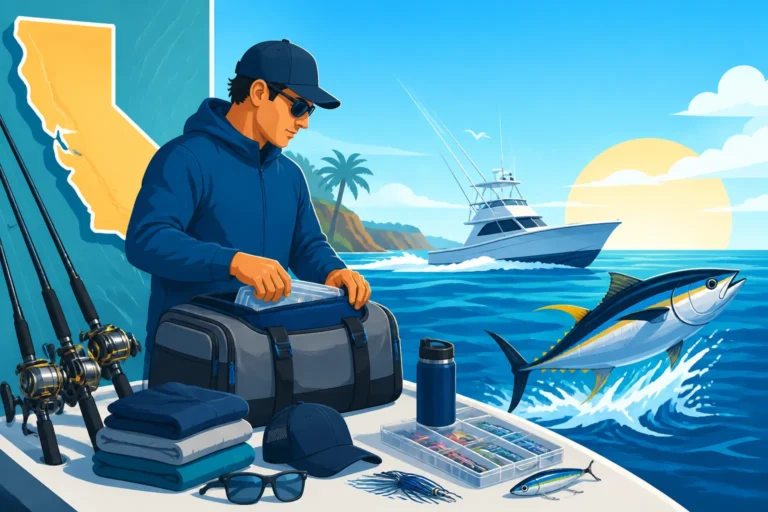
Even though charters provide most of the fishing gear, there are essential personal items you'll need to pack to ensure a comfortable and enjoyable day. Think layers, protection, and personal comfort.
- Sun Protection: California sun can be intense, even on cloudy days. Bring a wide-brimmed hat, sunglasses (polarized are great for spotting fish!), and high-SPF sunscreen. Reapply frequently.
- Layered Clothing: Mornings can be chilly, even in summer, especially on the water. Dress in layers that you can easily add or remove as the day warms up or cools down. A windbreaker or waterproof jacket is almost always a good idea, as ocean spray can be a factor.
- Food and Drinks: While some charters offer provisions, it's always wise to bring your own snacks and beverages, especially water. Staying hydrated is key. Pack items that are easy to eat on a boat.
- Cooler: Bring a separate cooler to leave in your car for your catch. Most charters will clean and bag your fish, but you'll need a way to keep it fresh on the ride home.
- Camera: Capture those memorable moments! Just be mindful of keeping it secure and dry.
- Personal Medications: If you have prescription medications or specific needs, ensure you bring them. This includes any motion sickness remedies you might plan to use.
- Cash: Essential for tipping the crew (more on that below) and potentially for any extra services or purchases.
- Fishing License & Report Cards: Make sure these are purchased and readily accessible. For a full breakdown, check our guide on the California Fishing License Guide.
Leave unnecessary valuables at home. Space is often limited on boats, so pack efficiently.
Managing Expectations and Weather Contingencies
This is a big one. Fishing is called "fishing," not "catching," for a reason. While professional charters work incredibly hard to put you on fish, success is never guaranteed. Weather, ocean conditions, fish migration patterns, and even fishing pressure can all impact the bite. Go into your trip with a positive attitude but realistic expectations. Focus on the experience – being on the water, learning new techniques, and enjoying the camaraderie – rather than solely on the size or quantity of your catch.
Weather in California, especially on the ocean, can change rapidly. Fog can roll in, winds can pick up, and swells can increase. Reputable captains monitor forecasts constantly and prioritize safety above all else. If a captain cancels a trip due to weather, it's for a very good reason, even if it looks calm from shore. Respect their decision; they are the experts on local conditions. Have a backup plan if your trip gets rained out or blown out. This might mean rescheduling, booking with another operator if they have availability, or simply exploring other local attractions. It's an inconvenience, but a necessary one for safety.
Tipping Etiquette and Post-Trip Follow-Up
Just like in other service industries, tipping on a fishing charter is customary and greatly appreciated. The deckhands and captain work incredibly hard, often starting hours before you arrive and finishing long after you leave, cleaning fish and maintaining equipment. They rely on tips as a significant portion of their income.
The general rule of thumb for tipping is 15-20% of the total charter cost. If you had an exceptional experience – the crew was particularly helpful, patient, knowledgeable, or went above and beyond – consider tipping closer to 20% or even a bit more. It's usually best to give the tip directly to the deckhand, who will then typically share a portion with the captain. If there's no deckhand, give it directly to the captain. Always bring cash for tips. For a deeper dive, read our guide on Tipping on a California Fishing Charter.
After your trip, if you had a great experience, consider leaving a positive online review for the charter. This helps other anglers find quality operations and rewards the captain and crew for their hard work. It's a small gesture that goes a long way in supporting the fishing community.
Common Questions and Mistakes to Avoid
Booking and going on a fishing charter, especially for the first time, can bring up a lot of questions. Knowing what to anticipate and what pitfalls to sidestep can make your adventure much smoother and more enjoyable. Let's tackle some common concerns and mistakes.
Seasickness and How to Prevent It
Ah, the dreaded mal de mer! Seasickness can quickly turn a dream fishing trip into a miserable ordeal. The good news is, there are many ways to prevent or alleviate it, and preparation is key. The number one rule: don't wait until you feel sick. Take preventative measures before you even step on the boat.
Over-the-counter medications like Dramamine or Bonine are effective for many people. Take them according to the package directions, often an hour or more before departure. Non-drowsy formulas are available. Acupressure wristbands (like Sea-Bands) can also help some individuals. On the boat, try to stay on deck in the fresh air, focus on the horizon, and avoid reading or looking at your phone. Steer clear of greasy foods or excessive alcohol the night before and the morning of your trip. Staying hydrated with water and ginger ale can also be beneficial. If you do start to feel queasy, let a crew member know; they often have tips or remedies to help. Remember, it's better to be safe than sorry, so if you're prone to motion sickness, take precautions.
Understanding Fish Counts and Seasons
When you’re browsing charters or reading fishing reports, you’ll often hear about "fish counts" or "season dates." These are crucial pieces of information but can sometimes be misinterpreted by new anglers.
Fish Counts: These refer to the number and type of fish caught by a specific boat or fleet on a particular day. They are valuable indicators of current fishing success in an area. However, it’s important to remember that they are historical data – what happened yesterday doesn't guarantee today's results. A "hot bite" can cool off quickly, and a slow day can pick up. Use fish counts as a guide to identify productive times and areas, but manage your expectations. A good captain will give you a realistic assessment of the current fishing conditions when you call to book. You can often find these on landing websites or specific charter operator pages, updated daily.
Season Dates: California fishing, especially for species like salmon, rockfish, and even some types of crab, is heavily regulated with specific open and closed seasons. These seasons are set by the California Department of Fish and Wildlife (CDFW) to manage fish populations sustainably. For instance, California Salmon Season Dates Explained can change year to year based on stock assessments. Fishing during a closed season, even inadvertently on a charter, is illegal. A reputable charter operator will always be aware of and abide by current season dates. When you're planning your trip, double-check that your desired species will be in season during your travel window. This helps avoid disappointment and ensures you're participating in legal, ethical angling. Always consult resources like our California Fishing Regulations Explained for the most up-to-date information.
Hidden Costs and Unexpected Surprises
No one likes unexpected charges, especially when they're supposed to be relaxing on vacation. While most reputable charters are transparent about their pricing, it's important to be aware of potential costs that might not be immediately obvious in the base fare.
The most common "hidden" costs are your personal California Fishing License and any required report cards (like the California Sturgeon Report Card or California Steelhead Report Card). These are almost never included in the charter price. Another significant cost is the tip for the crew, which, as discussed, is customary. Beyond that, consider fuel surcharges (especially on long-range tuna trips if fuel prices spike), fish cleaning services (though often included, it's worth asking), and the cost of any lost tackle (if you lose a high-end jig, some boats might charge you for a replacement). Bait is usually included, but sometimes premium bait for specific targets might be an extra, though this is rare. By asking thorough questions during the booking process, you can get a clear, all-inclusive picture of the anticipated expenses, allowing you to budget accordingly and avoid any unwelcome surprises on the day of your trip.
Making the Most of Your California Fishing Adventure
Booking a charter is more than just getting on a boat; it's about crafting an experience. With a little extra thought, you can elevate your trip from simply "a day of fishing" to a truly memorable and enriching adventure.
Photography and Catch Care
Capturing the moments on your charter is a fantastic way to preserve the memories. Whether it's the sunrise over the Pacific, the joy of a child reeling in their first fish, or a triumphant shot with your prized catch, photos are priceless. However, ensure your camera or phone is secure and protected from water. Consider a waterproof case or a lanyard. Always ask the crew for help taking photos, especially with fish, as they know the best angles and how to handle fish safely for a quick picture before release or proper storage.
Speaking of catch care, if you plan to keep your fish, understanding how the crew handles it is important. On most reputable charters, especially party boats, the deckhands will bleed, gut, and ice your catch immediately to preserve its quality. Some might even fillet it for you at the end of the trip, or offer it for an additional fee. This professional handling makes a huge difference in the taste and texture of your fish. If you're on a private charter, you might have more input into the process. Always bring a dedicated cooler with ice in your vehicle so you can transport your carefully prepared catch home safely and keep it fresh until you're ready to cook it.
Local Attractions and Extending Your Trip
California is a treasure trove of attractions beyond its fishing grounds. Don't let your fishing charter be the only reason you visit a particular area. Consider making your fishing trip part of a larger adventure. If you're fishing out of San Diego, for example, you could spend extra days exploring Balboa Park, visiting the San Diego Zoo, or enjoying the vibrant Gaslamp Quarter. A trip from Monterey could include a visit to the world-renowned Monterey Bay Aquarium or a scenic drive along Highway 1.
Many fishing ports are situated in beautiful coastal towns or near iconic natural landmarks. Extend your stay for a night or two, explore the local dining scene, visit a winery, or simply relax on the beach. This not only makes your journey more worthwhile but also provides a fantastic backup plan if your fishing trip gets postponed due to weather. By combining your passion for fishing with California's myriad other offerings, you're not just booking a charter; you're planning an unforgettable Golden State experience.
Disclaimer
Please remember that fishing regulations, seasons, and conditions can change rapidly. Always consult the official California Department of Fish and Wildlife (CDFW) website or your chosen charter operator for the most current and accurate information before planning your trip. Safety on the water is paramount, and responsible angling practices help preserve California's incredible fishing resources for future generations.