Fishing Charters in Long Beach
Venturing out for a fishing trip in a bustling coastal city like Long Beach, California, can feel a bit daunting. With so many options, how do you even begin to pick the right boat or know what you're getting into? This guide is designed to cut through the confusion, offering a clear, comprehensive look at fishing charters in Long Beach so you can book your next angling adventure with confidence and reel in some unforgettable memories.
Why Long Beach is a Prime Fishing Charter Destination
Long Beach, with its iconic harbor and immediate access to the rich Pacific waters, is truly a fantastic launchpad for anglers. It's not just a city known for its Queen Mary and bustling port; it’s a gateway to some incredible fishing experiences that appeal to everyone from novice families to seasoned big-game hunters. The unique geography here creates a perfect storm (the good kind!) for diverse marine life and accessible fishing opportunities.
Diverse Marine Ecosystem
The waters off Long Beach are a biological hotspot, thanks to a combination of factors. You’ve got the deep offshore canyons, kelp forests, rocky reefs, and sandy flats all relatively close to shore. This variety of habitats means a wide array of fish species call these waters home at different times of the year. Unlike some areas that might specialize in one type of fishing, Long Beach offers a smorgasbord, from bottom fishing for rockfish to trolling for pelagics. The convergence of currents and varying water temperatures also contributes to this incredible biodiversity, making every trip a potential surprise.
Accessibility and Convenience
One of the biggest advantages of fishing out of Long Beach is its sheer accessibility. Located just south of Los Angeles, it's a relatively easy drive for millions of Californians. The marinas are well-equipped, offering ample parking, bait shops, and tackle stores right on the docks. This convenience means less time worrying about logistics and more time focused on the excitement of the upcoming trip. Whether you're coming from the Inland Empire or further north, getting to your charter departure point in Long Beach is typically straightforward, allowing you to maximize your precious fishing time. Plus, many charter operations here are highly professional, streamlining the check-in and boarding process to get you out on the water efficiently.
Abundance of Target Species
Anglers in Long Beach are truly spoiled for choice when it comes to what they can target. Nearshore, you'll find healthy populations of calico bass hugging the kelp, sandy areas holding California halibut, and rocky structures teeming with a variety of rockfish and lingcod. Head a bit further offshore, and the possibilities expand dramatically. Depending on the season, you could be battling hard-fighting yellowtail, chasing acrobatic dorado (mahi-mahi), or even hooking into powerful bluefin or yellowfin tuna. The local fishing reports from Long Beach routinely show a fantastic mix of catches, underscoring the rich fishery right on its doorstep. This abundance means that no matter your preference or skill level, there’s usually a great opportunity to catch fish.
Types of Fishing Charters Available in Long Beach
When you decide to book a fishing charter in Long Beach, you'll quickly realize there's a whole spectrum of options. It’s not just one-size-fits-all; instead, you can tailor your experience to exactly what you’re looking for, whether it’s a quick afternoon outing with the family or an intense, multi-day offshore expedition. Understanding these different types of charters is key to picking the perfect adventure.
Half-Day and Full-Day Trips
These are perhaps the most common and accessible charter options in Long Beach. Half-day trips typically last around 4-6 hours, making them ideal for beginners, families with young children, or anyone looking for a shorter, less intensive experience. They often focus on nearshore fishing for species like calico bass, sand bass, or a variety of rockfish. While you won’t venture as far offshore, these trips still offer plenty of action and a fantastic introduction to ocean fishing.
Full-day trips, usually running for 8-12 hours, allow for more travel time and often target a wider range of species, including larger game fish. With more time on the water, captains can take you further offshore to deeper reefs or kelp paddies, increasing your chances of encountering yellowtail, halibut, or even some smaller tuna species during peak season. These trips require a bit more stamina but offer a more comprehensive fishing experience. You can learn more about the differences in our guide on California Half-Day vs Full-Day Charters.
Open Party Boats vs. Private Charters
This is a fundamental choice that impacts the entire dynamic of your trip.
Open Party Boats: Also known as "head boats," these are larger vessels where you purchase a single spot (or a few spots) and share the deck with other anglers you may not know.
- Pros: They are generally more affordable per person, making them a great option if you're fishing solo or with a small group and don't want to break the bank. The crew is usually excellent at helping everyone, from baiting hooks to netting fish. They're also often larger and more stable, which can be a plus for those prone to seasickness.
- Cons: You'll have less personalized attention, and you'll be fishing alongside many others, which means less space and potentially tangled lines. The target species and fishing style are typically decided by the captain for the entire boat. However, for a social and cost-effective day on the water, they are a fantastic choice, and popular Long Beach landings like Harbor Breeze Cruises or Pierpoint Landing offer excellent open party options.
Private Charters: With a private charter, you book the entire boat for your group.
- Pros: This offers unparalleled flexibility and customization. You and your group get to decide the target species, the fishing style, and even the pace of the day. The captain and crew's attention is entirely on your group, providing personalized instruction and assistance. It's a more intimate and exclusive experience, perfect for special occasions, corporate outings, or serious anglers who want to dictate their day.
- Cons: The cost is significantly higher, as you're covering the entire boat's expense. While it offers privacy and control, it's a premium experience.
Specialized Offshore Adventures
For the truly adventurous and experienced anglers, Long Beach also serves as a launching point for specialized offshore trips. These can range from 1.5-day trips to multi-day excursions, sometimes stretching to several days, venturing hundreds of miles offshore into Mexican waters (with proper permits, of course). The primary target on these trips is often trophy-sized pelagic species.
- Tuna Trips: These are hugely popular when the bluefin tuna, yellowfin tuna, and even dorado are biting offshore. These trips are intense, often involving long runs, overnight fishing, and battling powerful fish that can weigh over a hundred pounds. Anglers often employ techniques like kite fishing, chunking, or jigging.
- Long-Range Trips: These are multi-day expeditions that head far south, sometimes to areas like Cedros Island or beyond. These are serious fishing adventures for serious anglers, often targeting a wide variety of species, from Wahoo to Yellowtail, over several days. They require specific gear and a robust constitution!
Choosing a specialized trip means committing to a more challenging and often more rewarding experience, perfect for those seeking to push their angling limits and catch truly epic fish.
What Fish Species Can You Expect to Catch?
The waters off Long Beach are incredibly fertile, offering a dazzling array of fish species throughout the year. Knowing what’s biting and when can help you plan your trip and manage your expectations. From the rocky reefs to the open ocean, there’s always something to chase.
Nearshore Delights: Rockfish, Calico Bass, Halibut
When you’re sticking closer to the coast, often on half-day or shorter full-day trips, you're likely targeting a fantastic variety of bottom dwellers and kelp residents.
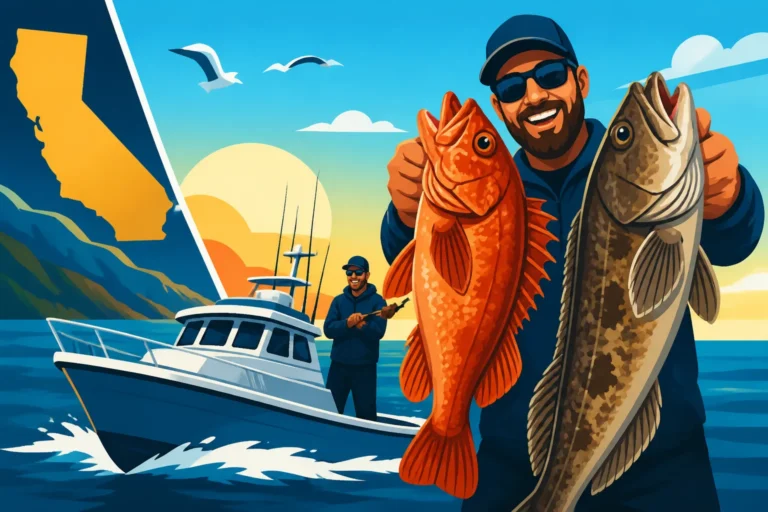
- Rockfish: California is famous for its diverse rockfish populations, and Long Beach is no exception. You can expect to catch species like vermilion rockfish (often called "reds" or "snappers"), bocaccio, chilipeppers, bank rockfish, and many others. These fish are found over rocky reefs and wrecks, often at varying depths. They’re excellent eating and provide steady action, making them a favorite for many anglers. Knowing your California Rockfish Regulations and Limits is crucial here, as depth restrictions and bag limits apply depending on the species and management area.
- Calico Bass: Also known as kelp bass, these feisty fighters are a quintessential Southern California sport fish. They love to ambush bait and lures around kelp paddies, rocky structures, and even pier pilings. Catching a good-sized calico on light tackle is a blast, and while they're primarily a catch-and-release species for many, they are permitted to keep within specific limits. They put up a fantastic fight and are a prime target for those who enjoy casting artificial lures.
- California Halibut: These flatfish are masters of camouflage, burying themselves in sandy bottoms waiting for unsuspecting prey. They’re highly prized for their delicious white meat and strong fight. Halibut fishing in Long Beach often involves drift fishing with live bait (like anchovies or sardines) over sandy flats or near structure. The thrill of hooking a "doormat" halibut is unparalleled, and our guide on How to Catch California Halibut can give you even more specialized tips.
Offshore Thrills: Tuna, Yellowtail, Dorado
When you head further out, into the deeper waters and often warmer currents, a whole different class of pelagic game fish comes into play. These species are known for their powerful runs, impressive size, and incredible fighting ability.
- Tuna: The big draw for many serious anglers in Long Beach. Bluefin tuna are a massive target, often weighing 50-200 pounds, and they put up a brutal fight that tests even the most seasoned fisherman. Yellowfin tuna, while typically smaller than bluefin in California waters, are incredibly strong and fast. Albacore tuna, known for their long pectoral fins and delicious meat, are also a seasonal target. Tuna fishing often involves long boat rides and specific techniques like kite fishing, "flat-fall" jigging, or slow-trolling live bait. If you're considering a trip specifically for these giants, checking out How to Catch Bluefin Tuna off California would be a great idea.
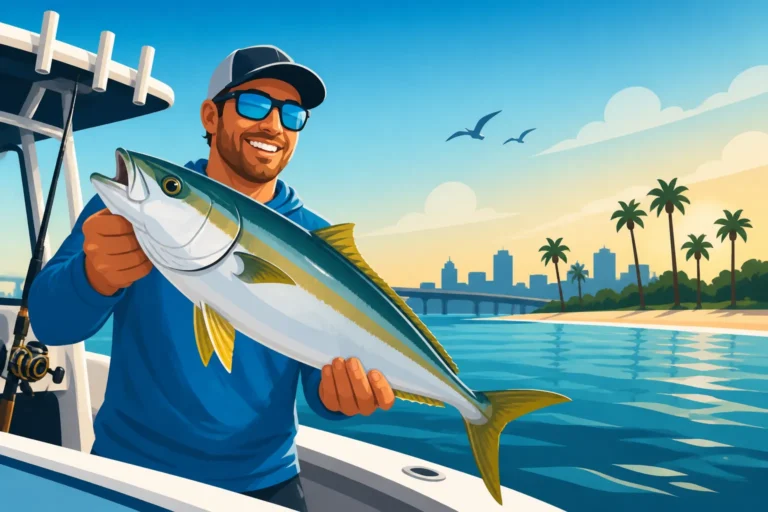
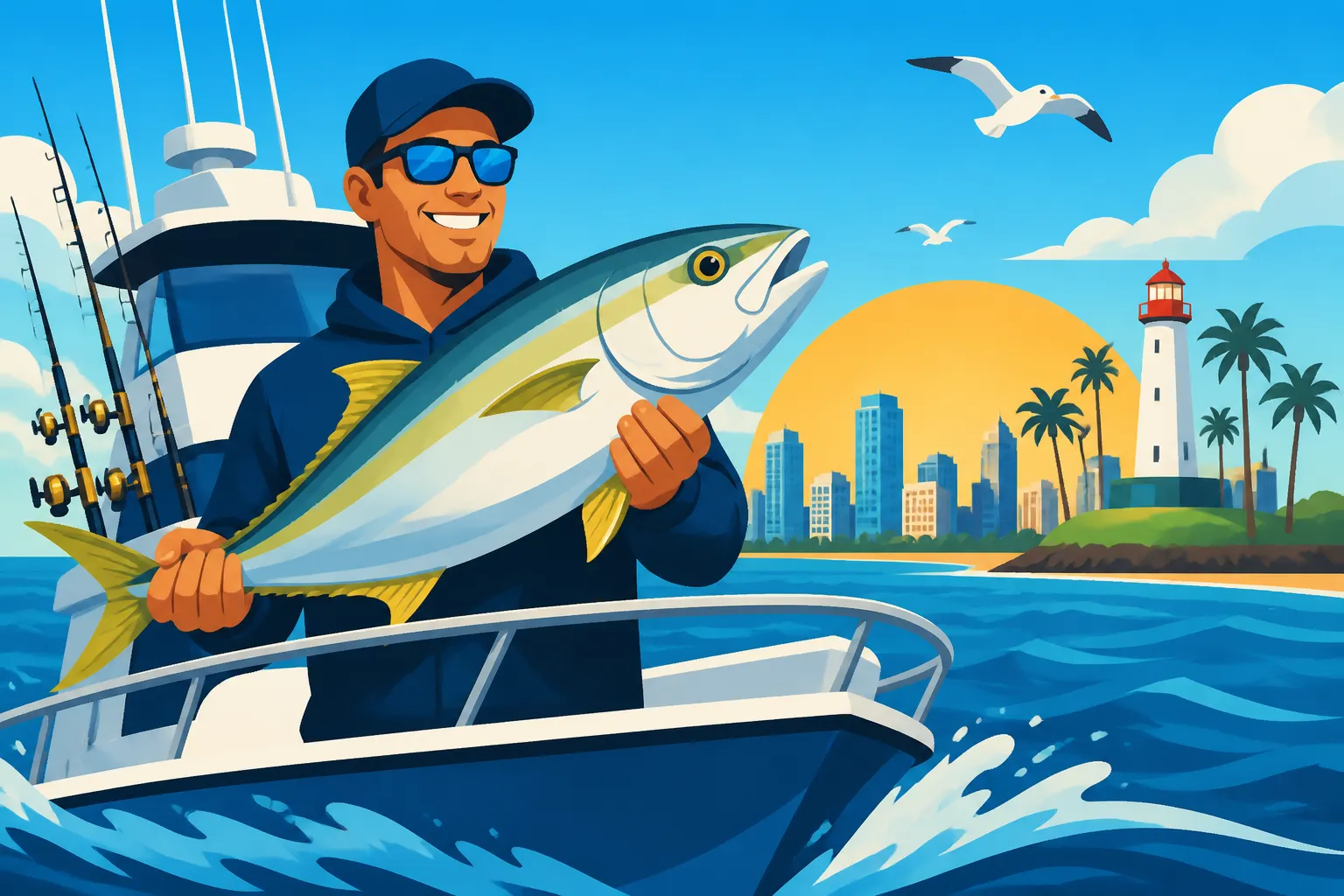
- Yellowtail: These "hoodlums of the kelp" are powerhouse fighters, known for their aggressive strikes and drag-screaming runs. Yellowtail are often found around kelp paddies, offshore islands (like Catalina or San Clemente Islands, which are reachable from Long Beach), or even biting on open party boats closer to shore when the conditions are right. They respond well to both live bait and artificial lures, making them a versatile and exciting target.
- Dorado (Mahi-Mahi): Instantly recognizable by their vibrant colors and unique head shape (especially the males), dorado are a summer-time favorite in Southern California. They're typically found cruising under kelp paddies or other floating debris offshore, hunting for baitfish. Dorado are incredibly acrobatic, putting on a spectacular aerial show once hooked. Their beautiful colors, delicious meat, and fierce fight make them a bucket-list fish for many.
Seasonal Specialties
Fishing in Long Beach is definitely seasonal, and understanding the general patterns can help you plan your trip for the best success.
- Spring (March-May): As water temperatures start to rise, baitfish become more active. This is often an excellent time for rockfish, lingcod, and sometimes early-season yellowtail around the islands. Halibut fishing can also pick up in the bays and sandy areas.
- Summer (June-September): This is prime time for offshore pelagics. Bluefin, yellowfin, and albacore tuna can be abundant, and dorado will often make an appearance. Yellowtail are typically strong around the islands and offshore banks. Calico bass fishing in the kelp is usually red-hot. This is arguably the most exciting time for diversity and big game.
- Fall (October-November): Many summer species can linger, especially yellowtail and some tuna. Rockfish fishing remains solid as they prepare for winter. The crowds thin out a bit, making for a more relaxed experience with potentially great fishing.
- Winter (December-February): While offshore options might dwindle, winter is often excellent for deepwater rockfish and lingcod. Sculpin and sand bass can also be caught nearshore. Even in the colder months, there’s still plenty of action to be had, often with fewer boats on the water.
This seasonal variability means that the best time to book your charter depends entirely on what you hope to catch. Always check recent fishing reports and consult with charter operators directly for the most current information.
Choosing the Right Long Beach Fishing Charter for Your Trip
Deciding on a Long Beach fishing charter can feel like navigating a maze with all the options out there. But by focusing on a few key factors and asking the right questions, you can confidently select the perfect boat and crew for your fishing adventure. It’s about finding the right fit for your budget, your group, and your fishing goals.
Factors to Consider: Experience, Amenities, Cost
These three pillars should guide your decision-making process.
- Experience of the Crew and Captain: This is paramount. An experienced captain knows the local waters like the back of their hand, understands fish behavior, and can adapt quickly to changing conditions. A seasoned crew ensures your safety, provides excellent service, and can assist with everything from baiting hooks to filleting your catch. Look for charters with captains who have been operating in Long Beach for years and consistently get good reviews for their knowledge and professionalism. Platforms like FishingBooker are excellent for reading reviews and checking the experience levels of different charter operations.
- Boat Amenities and Condition: Not all boats are created equal. Consider the size of the boat – larger vessels often offer more stability in rougher seas and more deck space, which is great for open party trips or larger groups. Check if the boat has essential amenities like a head (restroom), shaded areas, and comfortable seating. For longer trips, amenities like bunks, a galley, or even air conditioning might be important. Also, ensure the boat is well-maintained and equipped with modern electronics (fish finders, radar, GPS) for safety and success. Some charters provide all the necessary fishing gear, while others might require you to bring your own or rent it – clarify this upfront.
- Cost and Inclusions: Charter costs vary widely based on duration, boat size, private vs. open party, and what's included. Always get a clear understanding of the total cost and what it covers. Does it include bait, tackle, fish cleaning, and the required California Ocean Enhancement Stamp? Are gratuities for the crew expected or included? Sometimes a slightly higher upfront cost can actually save you money if it includes these often-forgotten extras. Remember that a California fishing license is almost always not included and must be purchased separately.
Researching and Booking Your Charter
In today's digital age, researching and booking a charter is easier than ever, but it still requires diligence.
- Online Platforms and Websites: Reputable booking platforms like FishingBooker specialize in connecting anglers with charters. These sites allow you to filter by location (Long Beach), trip type, species, and price, and critically, they host genuine customer reviews. Reading multiple reviews gives you a balanced perspective on a charter's strengths and weaknesses. Also, visit the individual charter company websites directly, as they often have more detailed information about their specific boats, crew, and trip offerings.
- Local Marinas and Bait Shops: Don't underestimate the power of local knowledge. A quick call or visit to a Long Beach marina or a tackle shop like Sav-On Tackle can provide invaluable, up-to-date recommendations. These folks often know which boats are "on the fish" and which captains have a reputation for going the extra mile. They can also offer insight into what species are currently biting best.
- Word of Mouth: Ask friends, family, or fellow anglers for their recommendations. Personal endorsements can be incredibly helpful in finding a charter that truly delivers.
Essential Questions to Ask Before Booking
Once you've narrowed down your choices, don't hesitate to reach out to the charter operator directly with these crucial questions:
- What's included in the price? (e.g., bait, tackle, terminal gear, fish cleaning, California Ocean Enhancement Stamp, food/drinks)
- What kind of fish are you targeting on this trip? (Align this with your personal goals.)
- What are the current fishing conditions and expected catch? (Good captains will give you a realistic assessment, not just hype.)
- What's the boat's capacity, and how many anglers will be on board? (Important for comfort and space, especially on open party trips.)
- What’s your cancellation policy in case of bad weather or other unforeseen circumstances? (Always good to know upfront.)
- Do I need a California fishing license, and where can I get one? (The answer is almost always yes, but they can guide you. Our California Fishing License Guide can help.)
- What should I bring? (This sets expectations for packing.)
- Is there a specific meeting time and location? (Confirm exact details to avoid any last-minute stress.)
By asking these questions, you’ll ensure there are no surprises and that your Long Beach fishing charter meets your expectations for a fantastic day on the water.
Preparing for Your Long Beach Fishing Charter
You've booked your charter, the excitement is building, but now it's time for the practical stuff: getting ready. Proper preparation can make or break your fishing trip, ensuring you're comfortable, safe, and ready to make the most of your time on the water. It’s more than just grabbing your lucky hat; it’s about anticipating the conditions and requirements of ocean fishing.
What to Bring: Essentials and Nice-to-Haves
Packing smart is key to a comfortable and successful charter. Here’s a breakdown of what you should definitely consider:
- Clothing: Dress in layers! Even on a warm Long Beach day, it can be chilly on the water in the morning and evening, or windy at speed. A waterproof and windproof outer layer is highly recommended. Wear comfortable, non-slip shoes with good traction.
- Sun Protection: The sun's reflection off the water intensifies its rays. Bring a wide-brimmed hat, polarized sunglasses (they help you see fish better!), and plenty of high-SPF sunscreen. Even on overcast days, you can get a serious burn.
- Food and Drink: While some charters might offer light refreshments, it's always a good idea to bring your own snacks and drinks. Hydration is crucial, especially on longer trips. Pack items that are easy to eat with one hand and won't make a mess.
- Cooler (for your catch): If you plan on keeping fish, bring a cooler with ice to store your fillets for the ride home. Most charter boats have fish holds, but having your own for the drive ensures freshness.
- Camera: To capture those memorable moments, especially if you land a trophy fish! Just make sure it’s secured or waterproof.
- Fishing Gear (if not provided): If your charter doesn't include gear, or you prefer your own, double-check that your rod, reel, line, and terminal tackle are appropriate for the target species. Our What to Bring on a California Fishing Charter guide offers a more exhaustive list.
Nice-to-Haves:
- A small backpack or dry bag to keep your personal items safe and dry.
- Lip balm with SPF.
- A small towel.
- Motion sickness medication (see below).
Understanding Licensing and Regulations
This is probably the most overlooked, yet critical, aspect of preparing for any fishing trip in California. Don't let a technicality ruin your day or lead to fines.
- California Fishing License: Almost everyone over the age of 16 needs a valid California fishing license to fish in the ocean, even on a charter boat. There are very few exceptions, such as during California Free Fishing Days or when fishing from a public pier, which generally does not require a license. You can purchase your license online through the California Department of Fish and Wildlife (CDFW) website, or at authorized license agents like tackle shops. Make sure your license is valid for the dates of your trip. Our post on California Fishing License Requirements for Visitors is a good resource if you're coming from out of state.
- Ocean Enhancement Stamp: For most fishing south of Point Arguello (Santa Barbara County), including Long Beach, you'll also need to purchase an California Ocean Enhancement Stamp. This stamp supports programs that help enhance fishing opportunities. Some charters will include this in their trip price, but often it's an additional purchase with your license.
- Report Cards: For certain species like white seabass, rock crab, or lobster, you might also need a separate report card to track your catch. Always confirm with your charter captain if any specific report cards are needed for your target species and ensure you fill them out correctly.
- Bag and Size Limits: California has strict bag and size limits for various species to ensure sustainable fishing. Your charter captain and crew are experts on these regulations and will guide you, but it’s always good practice to have a general awareness of the rules, especially for species you plan to target. Refer to the CDFW's official California Fishing Regulations Explained booklet, often available online, for full details.
Tackling Seasickness and Safety Tips
Nothing ruins a fishing trip faster than a bout of seasickness. Taking preventative measures is always better than trying to cure it mid-trip.
- Preventative Measures:
- Medication: Over-the-counter options like Dramamine or Bonine work best when taken before you board the boat, typically 30 minutes to an hour prior. Talk to your doctor for prescription options if you're particularly prone to motion sickness.
- Ginger: Some people find ginger (candied, tea, or capsules) helpful for settling their stomach.
- Stay Hydrated and Avoid Greasy Foods: Drink plenty of water and avoid heavy, greasy meals or excessive alcohol the night before and the morning of your trip.
- Focus on the Horizon: Once on the boat, try to stay on deck in the fresh air and keep your eyes fixed on the horizon, not on your phone or inside the cabin.
- Acupressure Bands: "Sea-Bands" or similar acupressure wristbands are a non-medicinal option that some find effective.
- Read our comprehensive guide on How Seasickness Works on California Offshore Trips for more detailed advice.
- Safety Briefing: Pay close attention to the captain's safety briefing at the beginning of the trip. They will cover important information about life jackets, emergency procedures, and areas of the boat that might be off-limits.
- Listen to the Crew: The crew is there to help you, keep you safe, and ensure a smooth trip. Always follow their instructions, especially when moving around the boat or handling fish. They know the dangers of hooks, sharp fins, and slippery decks.
- Stay Alert: Be aware of your surroundings, especially when lines are being cast or fish are being reeled in. A flying sinker or hook can cause serious injury.
By taking these steps, you’ll be well-prepared for your Long Beach fishing charter, ready to relax, enjoy the ocean, and hopefully, bring home a cooler full of delicious fish!
Comparing Long Beach Fishing Charter Options
To help you visualize the different charter experiences available out of Long Beach, here's a comparison table outlining the typical characteristics, pros, and cons of each type.
| Feature | Half-Day Open Party | Full-Day Open Party | Private Nearshore Charter | Private Offshore Charter |
|---|---|---|---|---|
| Duration | 4-6 hours | 8-12 hours | 6-8 hours (customizable) | 10+ hours, often 1.5-2+ days |
| Cost (per person) | Low (e.g., $50-$90) | Medium (e.g., $90-$150) | High (boat total, e.g., $1000-$2000 shared by group) | Very High (boat total, e.g., $2000-$5000+ shared) |
| Group Size | Large (20-60+ anglers) | Large (20-60+ anglers) | Small to Medium (1-6 anglers typically, up to 10-12) | Small (1-6 anglers, for focused fishing) |
| Target Species | Calico Bass, Sand Bass, Rockfish, Sculpin, Perch | Rockfish, Lingcod, Halibut, Yellowtail (seasonal/closer) | Calico Bass, Halibut, Rockfish, Yellowtail, Barracuda | Bluefin/Yellowfin Tuna, Yellowtail, Dorado, Wahoo |
| Distance from Shore | Nearshore (0-10 miles) | Nearshore to Medium Offshore (10-30 miles) | Nearshore to Medium Offshore (0-30 miles, customizable) | Far Offshore (30-100+ miles, to outer banks/islands) |
| Experience Level | Beginner-Friendly | Intermediate-Friendly | All Levels (customizable instruction) | Experienced Anglers (often intense) |
| Pros | Affordable, social, good for families/first-timers, steady action | More fishing time, wider species range than half-day | Customizable, private, personalized attention, flexible | Focus on big game, high potential for trophy fish, intense |
| Cons | Less deck space, less personalized attention, limited range | Can be crowded, longer commitment, fixed targets | More expensive per person, requires coordinating a group | Very expensive, long travel times, physically demanding, weather dependent |
Disclaimer
The information provided in this guide is for general informational purposes only and does not constitute professional advice. Fishing regulations, seasons, and limits in California are subject to change. Always consult the latest official regulations from the California Department of Fish and Wildlife (CDFW) before engaging in any fishing activities. Ensure you have the proper licenses and permits. Fishing can be a dangerous activity; always prioritize safety and follow the instructions of your charter captain and crew.