What to Expect on a Morro Bay Fishing Trip
Venturing out for a fishing trip in a new area can feel a bit daunting, especially when you're dreaming of reeling in some fantastic catches but aren't quite sure what to expect. Morro Bay, with its stunning coastline and diverse fisheries, offers incredible opportunities, but understanding the local scene is key to a successful outing. This guide is designed to walk you through everything, from the types of fish you might target to how to prepare for your day on the water and what happens once you’re back at the dock, ensuring you have a memorable and rewarding experience.
Exploring the Fishing Opportunities in Morro Bay
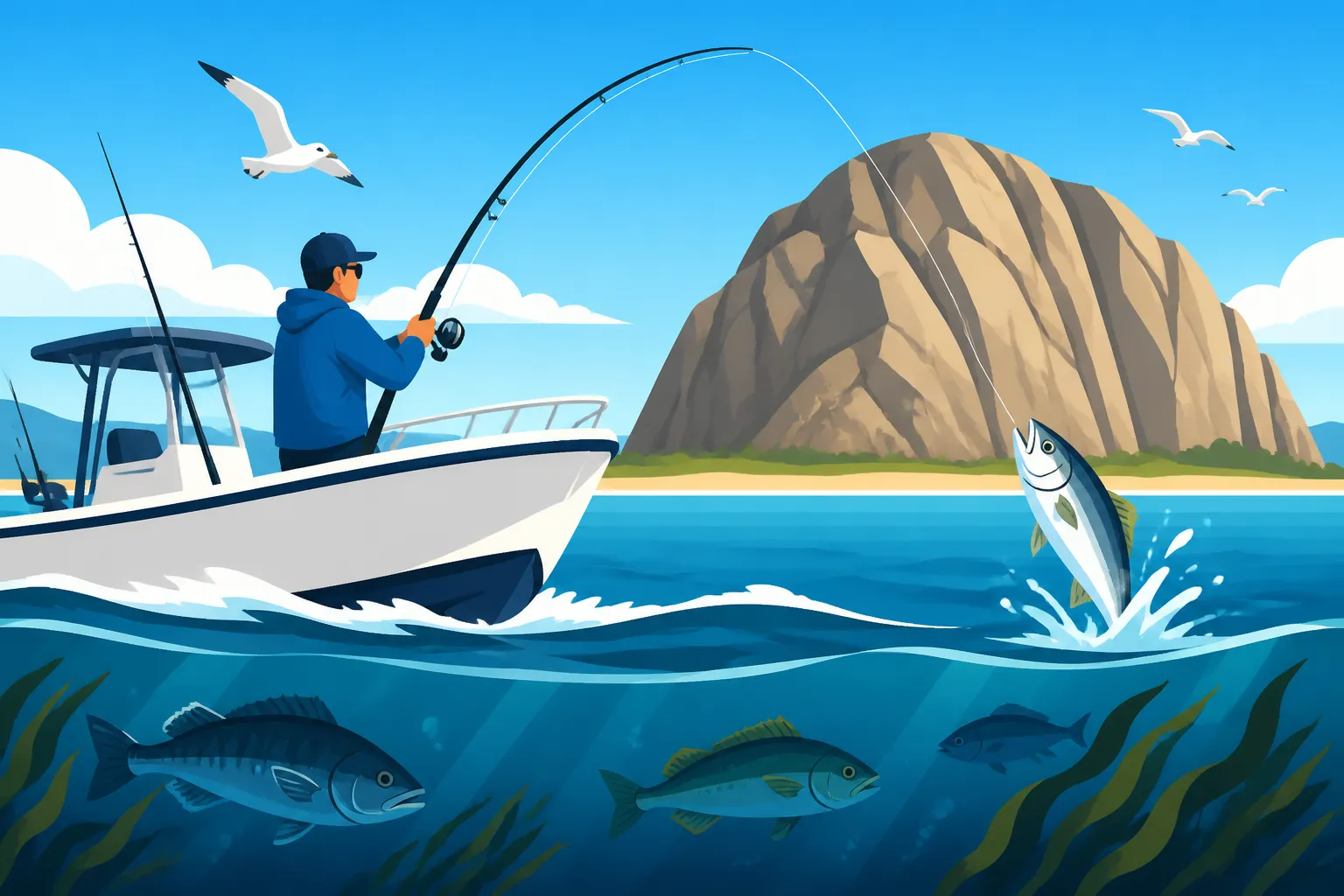
Morro Bay is a gem on the Central Coast, famous for its iconic Morro Rock and its surprisingly rich fishing grounds. Whether you're a seasoned angler or just starting out, there’s a type of trip here that’s perfect for you. The waters around Morro Bay offer a fantastic mix of deep-sea adventures and more sheltered bay fishing, providing a diverse range of species to target throughout the year.
Deep Sea Rockfishing and Lingcod
When most folks think of ocean fishing out of Morro Bay, they're probably picturing a rockfishing trip. These trips are incredibly popular for a good reason: they offer consistent action and a chance to fill your cooler with delicious fish. You’ll typically head out on a party boat, sometimes called an "open party" boat, or a private charter, venturing anywhere from a few miles offshore to 20-30 miles out, depending on where the fish are biting and what the regulations allow. The boats often target rocky reefs, pinnacles, and ledges where these bottom-dwelling species congregate. It’s a fantastic way to experience offshore fishing without having to go too far out into the deep blue.
On these trips, you'll be dropping lines into depths that can range from 60 to over 300 feet. The primary targets are various species of rockfish, like vermilion, copper, bocaccio, and chilipepper rockfish. These fish are known for their vibrant colors and excellent table fare. Beyond the myriad rockfish, the true prize for many anglers on these deep-sea excursions is the lingcod. These toothy predators are a blast to catch, offering a much stronger fight and growing to impressive sizes. It’s not uncommon for anglers to hook into a 15-20 pound lingcod, providing a thrilling battle and a substantial amount of delicious white meat. Your deckhands will be invaluable resources, helping you rig up, teaching you the techniques, and even gaffing those big lingcod as they come to the surface. Just remember to check the current California Rockfish Regulations and Limits before you go, as depths and bag limits can change.
Salmon and Halibut Opportunities
While rockfish are a year-round staple, Morro Bay also offers seasonal opportunities for highly prized species like salmon and halibut. The Pacific salmon season, primarily targeting Chinook (King) salmon, is something many local anglers eagerly anticipate each year. These fish are often caught by trolling with flashers and spoons or bait, typically anchovies, creating a dynamic and exciting form of fishing. When the salmon bite is on, the atmosphere on the boats is electric, with multiple fish hooked simultaneously, leading to a frenzy of action. However, the salmon season can be quite variable, heavily dependent on fish populations and regulatory decisions, so it’s essential to check the latest California Salmon Season Dates Explained for the current year.
California halibut fishing is another fantastic option, especially during the warmer months. These flatfish are masters of camouflage, burying themselves in sandy or muddy bottoms, waiting to ambush prey. Anglers usually target halibut by drifting live bait, like anchovies or sardines, near the bottom, or by slow-trolling artificial lures. While some halibut are caught offshore, many can also be found closer to shore, sometimes even within the bay itself or just outside the harbor mouth. They offer a good fight and are highly sought after for their delicate, flaky meat. Just like salmon, halibut have specific size and bag limits, so familiarize yourself with the California Halibut Regulations and Limits before you cast your line.
Bay Fishing for Smaller Species
Beyond the offshore adventures, Morro Bay's calm, protected waters offer excellent opportunities for bay fishing. This is often a more relaxed style of fishing, perfect for families, beginners, or those who prefer not to brave the open ocean swells. You can fish from various spots along the shore, from the public piers, or even hire a smaller skiff or kayak to explore the bay. Fishing from a pier in California: Rules can vary, so it's good to check local signs. The bay environment supports a different ecosystem, home to a variety of smaller, but no less fun, species.
Within Morro Bay itself, you'll commonly encounter species like surfperch, small rockfish, jacksmelt, and even small leopard sharks or bat rays. These fish are often caught with lighter tackle, using bait such as squid, shrimp, or even Gulp! soft plastics. It’s a fantastic way to introduce kids to fishing, as the action can be steady, and the bay is sheltered from larger waves. Plus, the backdrop of Morro Rock and the bustling bay activity makes for a truly scenic and enjoyable day. Sometimes, larger predatory fish like striped bass can also venture into the bay, especially during seasonal runs, adding an exciting, albeit less frequent, possibility to your catch list.
Preparing for Your Morro Bay Fishing Adventure
A successful fishing trip in Morro Bay isn't just about showing up; it's about smart preparation. Thinking ahead about what to bring, understanding licensing, and knowing how to book your trip will make all the difference between a good day and a great one. Don't let a forgotten item or a misunderstanding of the rules dampen your spirits.
Essential Gear and What to Wear
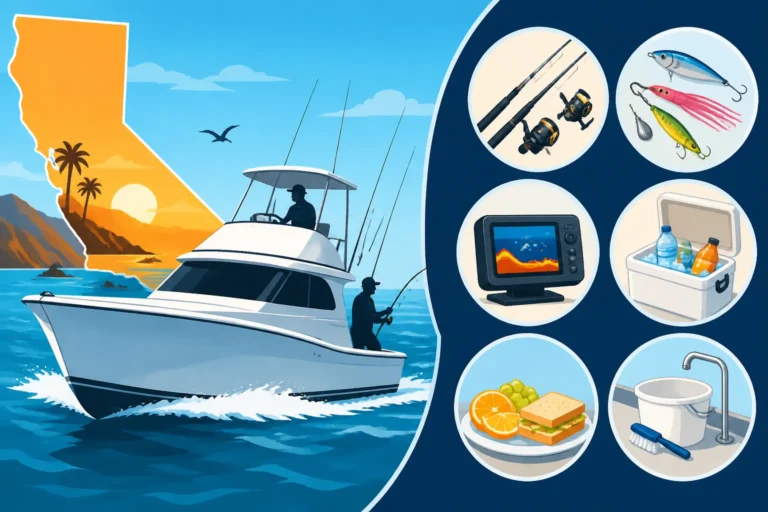
When heading out on a Morro Bay fishing trip, especially if you're on a party boat, most charters provide rods, reels, and tackle. However, bringing your own gear if you prefer can be an option, but always check with the charter first. Regardless of whether you use their gear or yours, what you wear is paramount. The weather on the Central Coast can be famously fickle, often changing dramatically from morning to afternoon. Even on a seemingly warm day, offshore breezes can bring a significant chill. Layers are your best friend! Start with a moisture-wicking base layer, add a warm fleece or sweatshirt, and top it off with a waterproof and windproof jacket. You'll thank yourself when the fog rolls in or the boat picks up speed.
Beyond clothing, think about sun protection – even on cloudy days, UV rays are strong. A wide-brimmed hat, sunglasses, and sunscreen are non-negotiables. Comfortable, non-slip shoes are also crucial, as boat decks can get wet and slick. Many seasoned anglers also bring a small backpack with snacks, drinks, a motion sickness remedy (just in case!), and a camera to capture those memorable moments. Remember that space can be limited on party boats, so pack efficiently. If you want a deeper dive, check out our guide on What to Bring on a California Fishing Charter.
California Fishing License Requirements
This is a big one, and it’s where many first-timers get tripped up. Almost everyone fishing in California needs a valid California fishing license, regardless of whether you're on a private boat, a party boat, or fishing from the shore. The good news is that if you're going on a charter, they usually have licenses available for purchase on board, or you can easily get one online or at a local tackle shop before your trip. However, don't assume the charter provides it for free; it's almost always an additional cost.
There are different types of licenses available: annual, one-day, or two-day. For most visitors or casual anglers, a one-day or two-day license is usually sufficient for a Morro Bay fishing trip. Kids under 16 generally don't need a license, but it's always best to verify the current rules. Also, depending on what you're fishing for (like certain species of salmon or steelhead), you might need a separate report card in addition to your license. It’s always a good idea to visit the California Department of Fish and Wildlife (CDFW) website or consult a local tackle shop to ensure you're fully compliant. For a more detailed breakdown, our comprehensive California Fishing License Guide is an excellent resource.
Booking Your Charter
Booking a fishing charter in Morro Bay is straightforward, but a little planning goes a long way, especially during peak seasons like summer or holiday weekends. Morro Bay has several reputable sportfishing operations, with "Virg's Landing" and "Patriot Sportfishing" being two of the most well-known. These companies offer a range of trips, from half-day rockfishing excursions to full-day adventures or even specialized trips for salmon or halibut when in season.
You can often book directly through their websites, over the phone, or by using online booking platforms like FishingBooker. When booking, consider the length of the trip (half-day, full-day), the target species, and the type of boat (party boat vs. private charter). Party boats are usually more economical and social, while private charters offer a more personalized experience. Always confirm what's included in the price (e.g., tackle, bait, fish cleaning) and what you need to bring. Reading recent reviews can also give you a good sense of the current fishing conditions and the crew's demeanor. If you're looking for guidance, our article on How to Book a California Fishing Charter offers some great tips.
On the Water: The Fishing Trip Experience
Once you've boarded your charter and left the harbor, the real adventure begins. The experience on the water is often a mix of anticipation, action, and learning, guided by an experienced crew who know these waters like the back of their hand.
Departure and Safety Briefing
The morning hustle at the docks is part of the experience. Boats typically depart early, often before sunrise, to get to the best fishing grounds when the bite is hot. You'll check in, get your boarding pass, and find your spot on the boat. Once everyone is aboard and settled, the captain or a deckhand will conduct a mandatory safety briefing. This isn’t just a formality; pay attention! They’ll cover important information like where the life jackets are, how to use emergency equipment, and basic boat rules to ensure everyone has a safe trip. They’ll also usually give you an idea of what to expect for the day – what they’re targeting, where they plan to go, and maybe even a quick weather update.
As the boat motors out of Morro Bay's harbor and past the iconic Morro Rock, you'll feel the rhythm of the ocean. For those prone to seasickness, this is often when remedies are most effective if taken beforehand. The ride out to the fishing grounds can be a fantastic opportunity to take in the coastal scenery, spot marine wildlife like dolphins or whales, and chat with fellow anglers. The crew will be busy preparing bait and getting things ready for the first drop. Don't be shy about asking questions; they're there to help make your trip enjoyable and productive.
Fishing Techniques You'll Encounter
The specific fishing techniques will largely depend on the target species. For deep-sea rockfishing, you'll typically be vertical jigging or bait fishing right on the bottom. The deckhands will usually distribute rods and help you rig up with a lead-head jig or a bait rig (often with squid or cut bait). They'll show you how to drop your line to the bottom, feel for the bite, and retrieve your catch. The key to successful bottom fishing is staying in contact with the bottom, adjusting for depth changes, and knowing when to reel up to avoid getting snagged. It’s an active style of fishing where you're constantly feeling for bites and working your lure.
For salmon or halibut, the techniques differ. Salmon are often caught by trolling, which involves dragging lures or bait behind the boat at a specific speed and depth. You might be assigned a rod in a rod holder, and your main job is to watch for strikes. Halibut, as mentioned, are frequently caught by drifting live bait. This involves letting your bait drift naturally with the current, allowing it to cover a larger area of the seabed. The crew is always there to demonstrate, untangle lines, and provide encouragement. Don’t hesitate to ask for help if you’re unsure; that’s what the deckhands are for! You'll pick up a lot of valuable knowledge just by observing and asking questions.
Common Catches and Bag Limits
While the dream is always to land a monster, it's important to have realistic expectations. On a typical Morro Bay rockfishing trip, you can expect to catch a variety of rockfish species, with vermilion and bocaccio being common. Lingcod are less frequent but highly prized. For salmon or halibut trips, a few legal-sized fish per angler would be considered a good day, but sometimes you hit a hot bite and fill your limits quickly.
It's crucial to be aware of California Fishing Bag and Size Limits, which are strictly enforced. Deckhands are experts at identifying fish and ensuring compliance, often measuring and counting fish as they come aboard. Some species might have minimum size limits, while others have maximum depth restrictions or specific seasons. For instance, in the Central Management Area (which includes Morro Bay), rockfish regulations often change, sometimes with specific depth restrictions to protect certain species. It's not uncommon to catch fish that need to be released due to size or species restrictions. Always handle these fish carefully to give them the best chance of survival. Learning about California Rockfish Regulations and Limits will help you understand what's legal to keep.
| Species Targeted | Typical Season | Common Method | Daily Bag Limit (General) | Notes |
|---|---|---|---|---|
| Rockfish (various) | Year-round (seasonal closures possible) | Bottom fishing, jigging | 10 fish in aggregate | Subject to depth limits and species-specific rules; check CDFW |
| Lingcod | Year-round (seasonal closures possible) | Bottom fishing, jigging | 2 fish | Minimum size of 22 inches |
| California Halibut | Spring through Fall | Drifting live bait, trolling | 2 fish | Minimum size of 22 inches |
| Chinook Salmon | Summer (variable dates) | Trolling | 2 fish | Minimum size of 20 inches; highly season-dependent |
| Surfperch | Year-round | Shore/pier fishing, light tackle | 10 fish | Some species have lower limits; check specific rules |
Note: This table provides general information. Regulations are subject to change by the California Department of Fish and Wildlife (CDFW). Always consult the latest official regulations before fishing.
After the Trip: Fillet, Regulations, and Local Enjoyment
Your fishing adventure doesn't end when the boat docks. There are a few important steps to take care of once you’re back on solid ground, and plenty of ways to enjoy the charming town of Morro Bay itself.
Fish Filleting Services
Once the boat returns to the dock, there's usually a lively atmosphere as the day's catch is offloaded. Most charter boats offer a fish filleting service, often performed by the deckhands. This is usually for an additional fee, typically a few dollars per fish or a set rate per cooler. These deckhands are incredibly skilled and efficient, turning your whole fish into clean fillets ready for cooking. It's a fantastic service, saving you the messy and time-consuming task of filleting back home. It's also a great way to thank the deckhands for their hard work throughout the day, in addition to any gratuity you might offer for their help on the boat.
If you opt to take your fish whole, be sure to have a good cooler with plenty of ice ready. The general recommendation is to fillet your fish as soon as possible to maintain freshness. If you're staying locally, many accommodations might have facilities for cleaning fish, or you might find designated public cleaning stations. However, for convenience and quality, the boat's filleting service is hard to beat. Just make sure you know what to expect regarding cost and packaging before they start slicing and dicing your catch.
Understanding Post-Trip Regulations
While the deckhands ensure you comply with regulations while fishing, it's good to be aware of rules that apply once you've left the boat. For instance, transporting your fish: generally, fish must be kept in such a condition that their species, length, and number can be determined. If you have fillets, there are often minimum size requirements for fillets from certain species. For example, specific parts of a rockfish must remain attached to the fillet to allow for identification and size verification. This is less of an issue if the fish are filleted right at the dock into standard sizes.
Another important aspect, especially if you caught a salmon or sturgeon, is reporting your catch. If you purchased a California Salmon Report Card or a California Sturgeon Report Card, you are legally required to record your catch immediately after landing it and return the card to the CDFW by the specified deadline, even if you didn't catch anything. This data is crucial for fisheries management and ensuring sustainable fishing for future generations. Don't forget this step, as failing to report can lead to fines!
Enjoying Morro Bay After Your Trip
After a thrilling day on the water, you'll probably be tired, exhilarated, and maybe a little salty. Morro Bay itself is a charming town with plenty to offer. You can grab a delicious meal at one of the many waterfront restaurants, many of which specialize in fresh seafood – perhaps even offering to cook your freshly caught fish! Imagine enjoying a plate of your own lingcod, expertly prepared. Check with local eateries about their "cook your catch" options; many places are happy to accommodate.
Beyond dining, take some time to explore the Embarcadero, browse the unique shops, or simply relax and watch the sea otters and harbor seals playing in the bay. There are opportunities for kayaking, paddleboarding, or just enjoying a leisurely stroll. Many anglers like to visit local tackle shops to share stories, get tips, and maybe pick up some new gear. Morro Bay offers a relaxed coastal vibe, and spending some time soaking it all in after your fishing adventure is the perfect way to cap off your trip. It's truly a fantastic spot for a fishing vacation, offering a blend of exciting angling and laid-back seaside charm.
Disclaimer
Please note that fishing regulations, seasons, and limits are subject to change by the California Department of Fish and Wildlife (CDFW). Always consult the latest official regulations and obtain the necessary licenses and report cards before engaging in any fishing activities. This guide is for informational purposes only and should not be considered legal advice.