Best Rockfish Charters in California
Finding the perfect rockfish charter in California can feel like trying to navigate a dense kelp forest blindfolded – there are so many options, so many boats, and each promising a fantastic day on the water. It’s easy to get overwhelmed trying to figure out which one will truly deliver the experience you’re hoping for, especially when you're targeting specific species or looking for a particular kind of trip. This comprehensive guide is here to untangle that confusion, helping you understand what makes a great rockfish charter and pinpointing some of the best operations across the Golden State so you can book your next successful fishing adventure with confidence.
Why Rockfish Charters Are a Must for California Anglers
Rockfish fishing in California is more than just a pastime; it's an institution. These bottom-dwelling beauties are plentiful, diverse, and offer fantastic action, making them a prime target for anglers of all skill levels. While you can target some rockfish from piers or kayaks, hopping on a dedicated charter boat significantly ups your game, opening up access to prime, productive grounds that are otherwise unreachable.
The Abundance and Diversity of California Rockfish
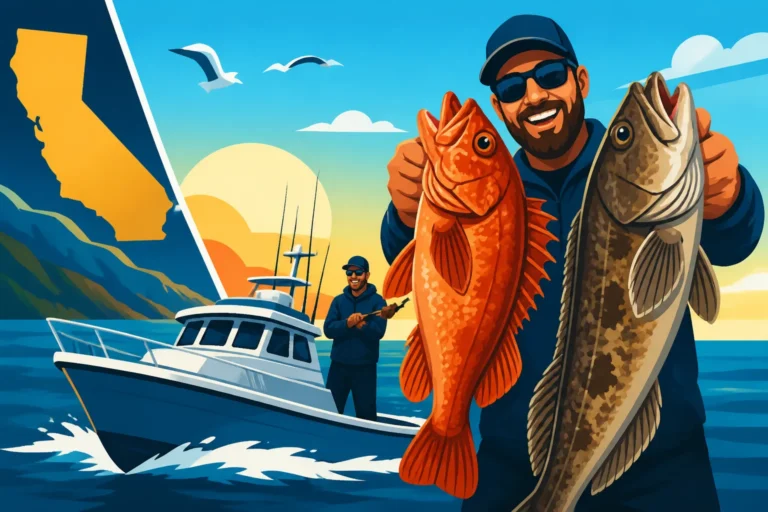
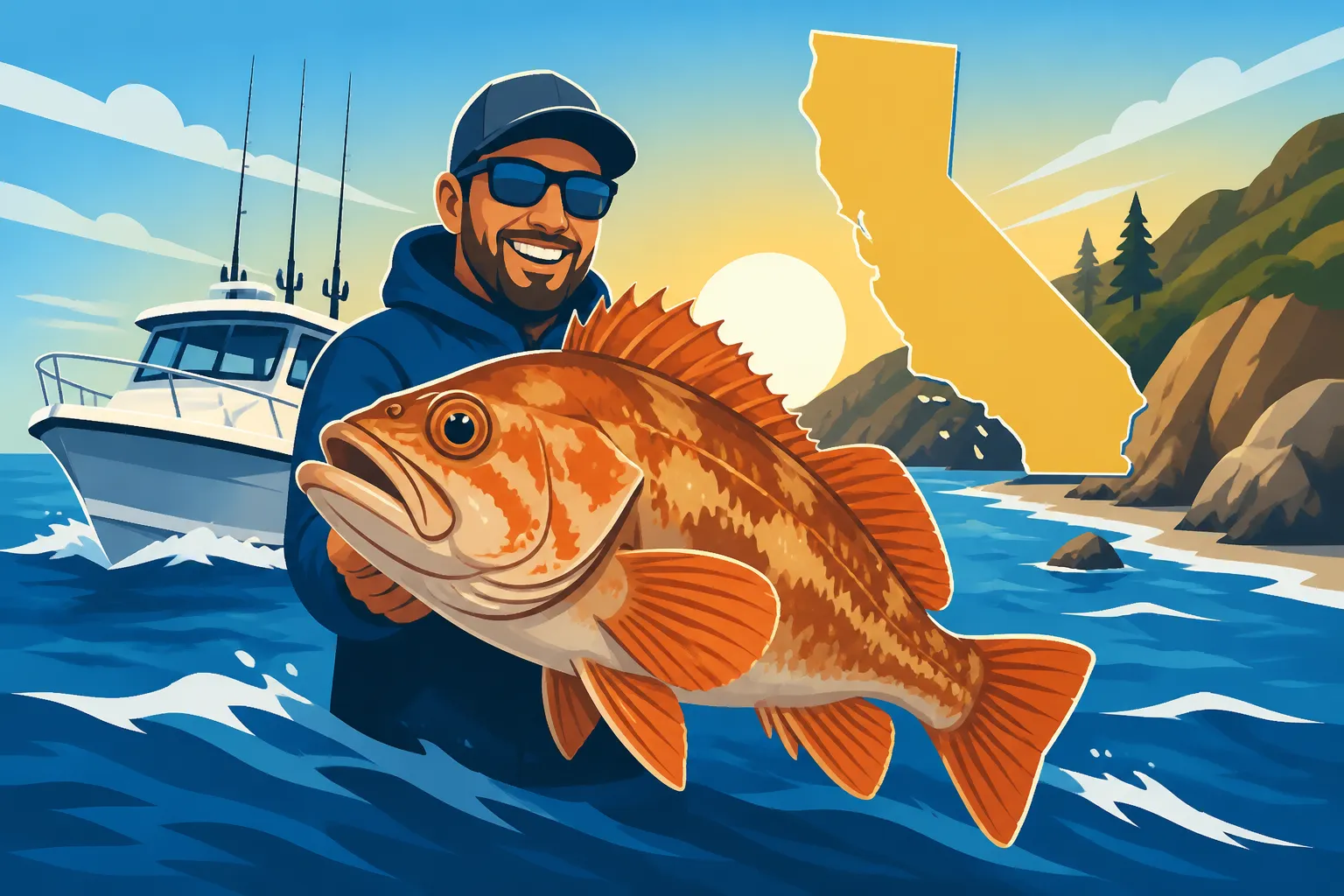
California's coastline is a haven for an incredible variety of rockfish, often collectively referred to as "rock cod." We're talking about dozens of distinct species, from the vibrant vermilion rockfish and the feisty copper rockfish to the highly sought-after bocaccio and various types of greenspots, gophers, and reds. Each species has its own subtle nuances in appearance and fighting style, making every catch a unique surprise. The sheer numbers of these fish in the deeper, rocky structures offshore mean that a good day of rockfishing can lead to a cooler full of delicious fillets, ready for the dinner table. It’s not uncommon to catch a half-dozen different species on a single trip, showcasing the rich biodiversity that makes California’s marine environment so special. This incredible diversity makes for a dynamic fishing experience, as you never quite know what colorful creature will come up on your line next.
Maximizing Your Chances with Expert Guides and Gear
One of the biggest advantages of a rockfish charter is the expertise that comes with it. These captains and deckhands aren't just driving a boat; they're seasoned professionals who spend hundreds of days a year on the water. They know the exact GPS coordinates of productive reefs, pinnacles, and wrecks where rockfish congregate. They understand the currents, the tides, and how different depths affect fish behavior. Furthermore, charter boats are equipped with state-of-the-art fish finders, sonar, and sometimes even underwater cameras to help locate the schools. They provide all the necessary heavy-duty gear—rods, reels, weights, and specialized rigs designed to target rockfish—which means you don't have to invest in expensive equipment yourself. They'll show you the best techniques, bait presentation, and how to effectively fish in deeper water, turning a novice into a successful angler in no time.
Navigating Regulations and Seasons with Ease
California's fishing regulations, especially for groundfish like rockfish and lingcod, can be complex and change frequently. There are specific seasons, bag limits, size limits, and even depth restrictions that vary by region and time of year. Trying to keep track of all the current rules can be a real headache. This is where a charter boat shines. The captain and crew are intimately familiar with all the current California Rockfish Regulations and Limits, ensuring that every fish caught is legal. They’ll instruct you on how to correctly identify species, measure your catch, and adhere to all legal requirements, protecting you from potential fines and penalties. This peace of mind allows you to focus purely on the fishing experience, knowing you're in compliance with all the latest rules. They're also often plugged into the latest California Fishing Report Cards Explained requirements, helping you stay compliant without a worry.
Key Factors to Consider When Choosing a Rockfish Charter
Not all rockfish charters are created equal, and what might be perfect for one angler could be a mismatch for another. Before you book your trip, it’s worth thinking about a few critical aspects that will shape your overall experience.
Vessel Type and Onboard Amenities
The type of boat you choose can significantly impact your comfort and fishing style. California offers a range of options, from larger "party boats" (also known as open-party boats or head boats) to more intimate private charters. Party boats, like those operated by Dana Wharf Sportfishing or H&M Landing, typically carry a larger number of anglers, offer a more budget-friendly price point per person, and often have amenities like galleys serving hot food, restrooms, and plenty of deck space. They're great for solo anglers or small groups who want a social experience. Private charters, on the other hand, offer exclusivity for your group, allowing for more personalized attention from the crew and greater flexibility in where you fish and what species you target. These are often smaller, faster boats. Consider also what amenities are important to you: Is a heated cabin essential for early morning runs? Do you need ample space to move around? Will you appreciate a full-service galley or prefer to bring your own snacks? Think about the trade-offs between cost, comfort, and personalization.
Trip Duration and Target Species Specifics
Rockfish trips typically range from half-day (5-6 hours) to full-day (8-10 hours) excursions, with some boats even offering twilight or extended trips. Your choice of duration often dictates how far offshore the boat can travel and, consequently, the variety and size of fish you might encounter. Shorter trips might stay closer to shore, targeting shallower reefs, while longer trips can venture further to deep-water pinnacles and canyons that hold larger, often more diverse, rockfish species. Some charters specialize in "mixed-bag" trips, aiming for rockfish, lingcod, and perhaps even white seabass if conditions are right. Others might focus specifically on specific bottomfish species. If you have a particular species in mind, like trophy lingcod or a specific rockfish, confirm with the charter if they target those fish and if their trip duration allows them to reach those grounds. This is where a platform like FishingBooker can be really useful, as it often provides detailed descriptions of trip types and target species for each charter.
| Trip Duration | Typical Range (Hours) | Distance from Shore | Common Targets | Pros | Cons |
|---|---|---|---|---|---|
| Half-Day | 4-6 | Nearshore (1-10 miles) | Smaller rockfish, some lingcod, occasional sculpin | More affordable, less time commitment, good for beginners/kids | Limited access to deeper spots, fewer species variety |
| Full-Day | 7-10 | Mid-shore to Offshore (5-30 miles) | Larger rockfish, lingcod, possibly halibut, cod | Greater variety, better chance at larger fish, more fishing time | Longer commitment, higher cost, can be more physically demanding |
| 3/4 Day | 6-8 | Mid-shore (5-20 miles) | Good mix of rockfish and lingcod | Good balance of time and cost, wider fishing area than half-day | Not always available, still may not reach furthest grounds |
Crew Expertise and Reputation
The quality of your fishing experience heavily relies on the captain and crew. An experienced captain will know the local waters like the back of their hand, constantly adjusting drifts, moving spots, and putting you on the fish. Equally important are the deckhands, especially on party boats, who are there to help you with everything from baiting hooks and untangling lines to gaffing fish and filleting your catch at the end of the day. A good crew is patient, helpful, knowledgeable, and prioritizes safety. Look for charters with a strong reputation for customer service, successful trips, and a positive, encouraging atmosphere. Reading recent reviews on platforms like Google, Yelp, or dedicated fishing forums can give you a real sense of a charter's vibe and success rate. Pay attention to comments about how helpful the deckhands are and the captain's ability to find fish consistently. You can often glean a lot about the crew's dedication from these real-world accounts.
Top Regions for Rockfish Charters in California
California’s long coastline means that excellent rockfish opportunities exist from San Diego all the way up to Crescent City. However, specific regions tend to stand out for their consistent action and the quality of their rockfish grounds.
Southern California's Productive Waters
Southern California, stretching from San Diego up through Los Angeles and Ventura, is a renowned hotspot for rockfish. The offshore islands like the Channel Islands (Santa Cruz, Santa Rosa, San Miguel, Anacapa) and Catalina Island create incredible deep-water structures, kelp forests, and pinnacles that are magnets for rockfish. Areas like Cortez Bank and Tanner Bank, though further offshore, are legendary for their prolific groundfish populations.
You'll find numerous reputable operations in harbors like Point Loma Sportfishing, H&M Landing, and Fisherman's Landing in San Diego. These landings offer a wide range of trips, from half-day excursions targeting local reefs to extended full-day trips venturing out to the islands. Further north, Dana Point Sportfishing and Davey's Locker in Newport Beach are popular choices, accessing productive reefs off Orange County. Up in Ventura and Oxnard, boats departing from Channel Islands Sportfishing are perfectly situated to fish the fertile Channel Islands National Park waters. Here, you can expect to encounter a diverse bag including vermilion, copper, bocaccio, chucklehead, and sometimes even impressive lingcod. The sheer number of boats and diverse options in Southern California means you can almost always find a trip going out, even last minute. You can find many great options for Fishing Charters in San Diego or even discover the Best Offshore Fishing Charters in California from this region.
Central Coast's Rich Reefs and Pinnacles
The Central Coast, from Santa Barbara through Monterey and Morro Bay, offers a slightly different, but equally rewarding, rockfish experience. This region is known for its dramatic underwater topography, featuring extensive rocky reefs, deep canyons, and nutrient-rich waters that support a robust ecosystem. Morro Bay, for instance, is famous for its productive lingcod and rockfish grounds, with many boats like Morro Bay Landing or Virg's Landing consistently putting anglers on fish.
Monterey Bay is another fantastic area, known for its deep canyon system that holds a remarkable variety of deepwater rockfish species. Charter operations out of Monterey, such as those found at Sam's Sportfishing or Chris' Fishing Trips, will often explore these unique geological features, providing opportunities for species less commonly caught in shallower waters. The fishing here can be incredibly diverse, yielding everything from chilipepper rockfish to various shelf and slope rockfish species. The conditions can sometimes be a bit choppier than in the more protected Southern California waters, but the rewards are often well worth it for the dedicated angler.
Northern California's Diverse Rockfish Grounds
As you move north of San Francisco, the coastline becomes wilder, and the rockfish grounds are equally robust. Bodega Bay, Half Moon Bay, and Fort Bragg are key hubs for rockfishing in Northern California. The waters here are cooler and often rougher, but they hold some truly impressive rockfish and lingcod. The rocky shorelines and offshore structures off places like Point Reyes, the Farallon Islands, and near the Russian River estuary are prime habitat.
Charters from places like Bodega Bay Sportfishing or Sea Wolf Sportfishing in Emeryville often target these areas. You'll find a strong emphasis on larger lingcod and a wide array of rockfish, including brown, olive, canary, and the prized vermilion. The seasons and specific regulations, such as California Rockfish Rules in the Northern Management Area, can be quite distinct from the southern parts of the state, so it's crucial to fish with a local expert. The rugged beauty of the Northern California coast adds another layer of enjoyment to these fishing trips, making them popular for those seeking a more adventurous offshore experience.
Booking Your California Rockfish Adventure
Once you’ve got a good idea of where you want to go and what kind of trip you're after, it's time to actually make that booking. A little preparation goes a long way in ensuring a smooth and enjoyable experience.
Understanding Pricing and Inclusions
Charter pricing for rockfish trips can vary significantly based on location, boat type (party boat vs. private), and trip duration. Half-day party boat trips might run you anywhere from $60-$100 per person, while full-day trips often range from $90-$150. Private charters will be considerably more, often starting at $800-$1000 for a half-day and going up from there, but you’re paying for exclusivity and personalized service.
It's crucial to understand what's included in the price. Most charters will include bait and standard tackle (rods and reels). However, tackle rentals (if you don't bring your own) for party boats, fishing licenses, report cards (like a California Steelhead Report Card or California Salmon Report Card if targeting those species), fish cleaning/filleting, and gratuities for the crew are almost always extra. Always confirm these details when booking. Some platforms, like FishingBooker, clearly list what's included and what's not, which can save you from unexpected costs. Don’t forget snacks, drinks, and sunscreen are also usually on you!
Essential Gear and What to Pack
Even though charters provide much of the necessary fishing gear, there are some essentials you'll want to bring for a comfortable trip:
- Fishing License: A valid California Fishing License Guide is non-negotiable for anyone 16 years or older. You can often purchase a one-day license if you don't have an annual one.
- Warm Layers: Even on sunny days, offshore winds can make it surprisingly chilly. Dress in layers that you can easily add or remove.
- Rain Gear: A waterproof jacket and pants are highly recommended, especially in Northern California or on rougher days.
- Hat & Sunglasses: Protection from the sun is key.
- Sunscreen: Apply generously and often.
- Non-Skid Shoes: The deck can get wet and slippery.
- Motion Sickness Medication: If you're prone to seasickness, take preventative measures well before the boat departs.
- Snacks & Drinks: While some boats have galleys, it’s always good to have your favorites.
- Cooler: Leave it in your car to transport your fresh catch home. Most boats will have ice for your fish.
- Camera: To capture those memorable catches!
- Small Backpack: To keep your essentials organized and dry.
Making Your Reservation and What to Expect
Once you've chosen your charter, booking is typically straightforward. Many popular charters allow you to book directly through their website, or you can use an online platform like FishingBooker, which aggregates listings from various operators and allows for easy comparison and booking. Be prepared to pay a deposit or the full fare upfront. Confirm the departure time, location, and check-in procedure. It’s always a good idea to call the charter office the day before your trip to confirm conditions and departure status, especially if weather might be an issue.
On the day of your trip, arrive at least 30-60 minutes before departure. This gives you time to check in, get your gear sorted, and find a good spot on the boat. Listen carefully to the captain's safety briefing and the deckhands' instructions on fishing techniques and regulations. Be respectful of other anglers and the crew. And most importantly, relax and enjoy the incredible experience of fishing for rockfish in the beautiful waters of California! When the trip is over, don't forget that Tipping on a California Fishing Charter is customary and greatly appreciated by the hard-working crew.
Disclaimer
Please note that fishing regulations, seasons, and bag limits are subject to change by the California Department of Fish and Wildlife (CDFW). Always consult the latest official CDFW regulations booklet or website before heading out on any fishing trip. Information provided in this guide is for general informational purposes only and should not be considered legal advice.