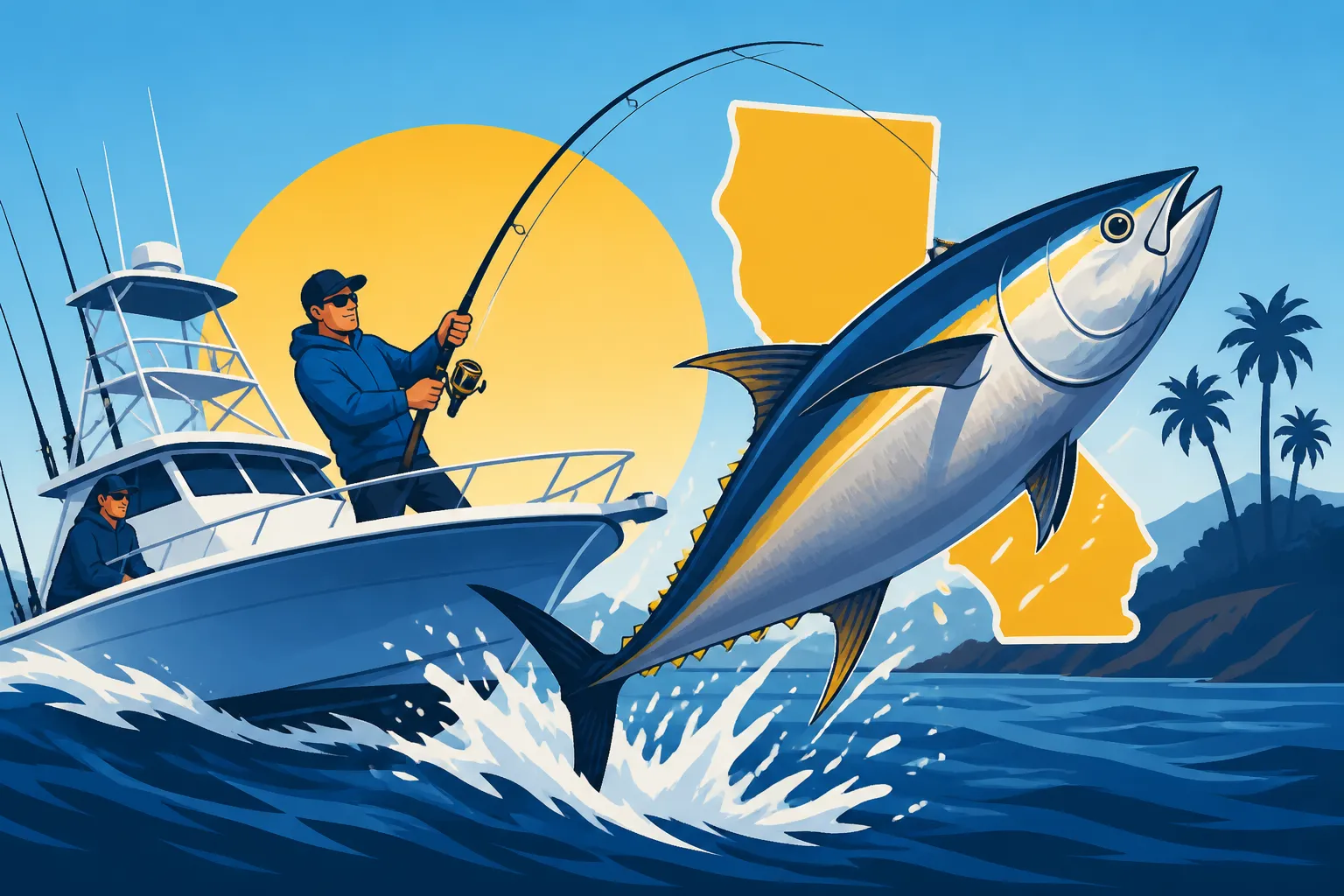
Best California Charters for Bluefin Tuna
The exhilarating pursuit of Bluefin tuna in California can often feel like searching for a needle in a haystack, especially when you're trying to figure out which charter will truly deliver a shot at these ocean giants. It's a demanding fishery, requiring specialized knowledge, robust equipment, and a skilled crew. This comprehensive guide will equip you with the insights needed to navigate the world of California Bluefin tuna charters, helping you identify the best operations to maximize your chances of a successful and memorable trip.
Understanding the California Bluefin Tuna Fishery
Chasing Bluefin tuna off the California coast isn't just fishing; it's an adventure into the realm of truly powerful pelagic predators. These fish, known for their incredible speed, strength, and stamina, represent a significant challenge for even the most seasoned anglers. Understanding the dynamics of this unique fishery is the first step in preparing for a successful charter trip.
The Thrill and the Challenge of Bluefin Tuna Fishing
There's a reason Bluefin tuna fishing has such a dedicated following: the sheer adrenaline rush. Hooking into a Bluefin often feels like tying your line to a runaway freight train. These fish are notorious for their blistering runs that can strip hundreds of yards of line in seconds, testing the limits of your gear and your endurance. Many anglers describe the fight as an epic battle of wills, often lasting an hour or more for larger fish. The challenge isn't just in the fight, however. Bluefin can be incredibly finicky, sometimes ignoring vast schools of bait and only biting on very specific presentations. They can be here today and gone tomorrow, making every opportunity to hook one feel like a precious gift. This unpredictability, coupled with their immense power, is what draws so many to the fishery, making a successful Bluefin trip one of the most coveted achievements in sportfishing.
When and Where Bluefin Tuna Show Up
Bluefin tuna in California are primarily found in the offshore waters of Southern California, though their exact movements can be highly migratory and influenced by water temperature, bait concentrations, and ocean currents. Generally, the season kicks off in late spring, typically around May or June, and can extend well into the fall, sometimes even through early winter, depending on water conditions. The peak months are often July, August, and September, when the water is warmest and baitfish like anchovies and sardines are abundant.
You'll find most of the Bluefin action happening anywhere from a few miles to over a hundred miles offshore, often around offshore banks, islands, and seamounts. Areas south of Los Angeles, particularly off San Diego and Orange County, are considered prime hunting grounds. However, given their pelagic nature, Bluefin can be anywhere the conditions are right, which means captains are constantly on the move, tracking water temperature breaks, bird activity, and sonar readings. It's a fishery where adaptability is key, and the best charters are those with captains who spend countless hours scouting and have a deep understanding of oceanography. You might want to check out our guide on the best season for Bluefin Tuna in California to get a more detailed breakdown.
Key Factors in Choosing a Bluefin Tuna Charter
Selecting the right charter for Bluefin tuna fishing is crucial to your success and overall experience. It's not just about finding an available boat; it's about matching your expectations and skill level with a vessel and crew that specialize in this demanding type of fishing.
Boat Type and Size for Bluefin Expeditions
The kind of boat you choose can significantly impact your Bluefin tuna experience. For serious Bluefin fishing, you'll generally encounter two main types: dedicated sportfishing yachts (often referred to as private charters) and larger "party boats" or "open party" boats.
- Private Charters (Sportfishers/Center Consoles): These range from 30-foot center consoles to 60-foot luxury sportfishing yachts. They offer a more personalized experience, allowing you to dictate the itinerary (within reason) and providing more one-on-one attention from the crew. Smaller groups mean less tangling of lines and more space to fight a fish. These boats are typically faster, giving you more fishing time and the ability to chase distant schools of fish. They also tend to carry specialized gear like kite fishing setups or advanced sonar, essential for targeting larger, more elusive Bluefin. This is often the preferred choice for serious anglers or groups looking for a dedicated Bluefin hunt.
- Party Boats (Open Party Boats): These are larger vessels, sometimes over 80 feet, that take many anglers out on a single trip. They are a more economical option and great for those looking to experience offshore fishing without the cost of a private charter. While they do catch Bluefin, the experience is different. You'll be sharing rail space, and the captain must cater to the entire group, which might mean less focus on specific Bluefin tactics if other species are biting. However, some party boats specialize in multi-day tuna trips, like the San Diego overnight tuna trips explained, and are very well-equipped and experienced in targeting Bluefin.
When considering a vessel, think about speed, range, comfort in offshore conditions, and the amount of deck space available for fighting fish. A boat that's too small might struggle in rough seas, while one that's too large might lack the agility needed to stay on a fast-moving school.
Crew Expertise and Experience with Bluefin
This is arguably the most critical factor. Bluefin tuna fishing is not for the faint of heart, and the crew makes all the difference. You need a captain and deckhands who live and breathe tuna fishing.
- Captain's Knowledge: A seasoned Bluefin captain will have an encyclopedic knowledge of the local waters, understanding migratory patterns, preferred feeding grounds, and how to read subtle signs on the water like bait balls, bird activity, and temperature breaks. They should be proficient with advanced electronics, from chirp sonar to satellite imagery, to locate fish. More importantly, they need to know how to approach and stay on Bluefin, which can be incredibly challenging.
- Deckhand's Skill: The deckhands are your lifeline. They need to be lightning-fast at rigging baits, gaffing fish, clearing lines during a fight, and providing coaching to anglers. For Bluefin, their ability to keep the chaos under control when multiple fish are hooked, or when a massive tuna is at the rail, is invaluable. A good deckhand can make or break your trip, ensuring your bait is presented perfectly and you have the best chance to land your catch. Don't underestimate the importance of experienced deckhands when looking for the best California charters for big-game fishing.
Look for charters with a proven track record specifically for Bluefin, not just general offshore fishing. Read reviews from other anglers on platforms like FishingBooker, paying close attention to comments about the crew's Bluefin-specific skills.
Essential Gear, Tackle, and Techniques
Bluefin tuna demand heavy-duty gear. This isn't your average freshwater setup. Most reputable Bluefin charters will provide top-of-the-line rods, reels, and terminal tackle, but it's good to know what to expect.
- Rods and Reels: Expect stout rods paired with powerful 2-speed conventional reels spooled with heavy braided line (80-130 lb test) and a fluorocarbon leader (60-150 lb test). Brands like Penn, Shimano, and Accurate are common for their reliability and drag power. These setups are designed to handle the immense pressure exerted by a fighting Bluefin.
- Baits and Lures: Live bait is king for Bluefin. Sardines, anchovies, mackerel, and sometimes even smaller skipjack tuna are used. Charters often spend time catching bait before heading offshore. Artificial lures include heavy jigs (knife jigs, flat-fall jigs), stick baits, poppers, and even specialized soft plastics.
- Techniques:
- Live Bait Fishing: This is the most common method. Anglers will "fly-line" a live bait with minimal weight, or use a small sinker, letting the bait swim naturally in the chum line.
- Jigging: Dropping heavy metal jigs down to depths where Bluefin are marked on sonar is highly effective, especially for fish holding deeper in the water column.
- Kite Fishing: For trophy-sized Bluefin, kite fishing is a specialized technique where baits (often flying fish or mackerel) are suspended from a kite, keeping them on the surface and making them appear natural to wary tuna.
- Trolling: While less common for the largest Bluefin, trolling with specific lures can be used to locate schools or target smaller models.
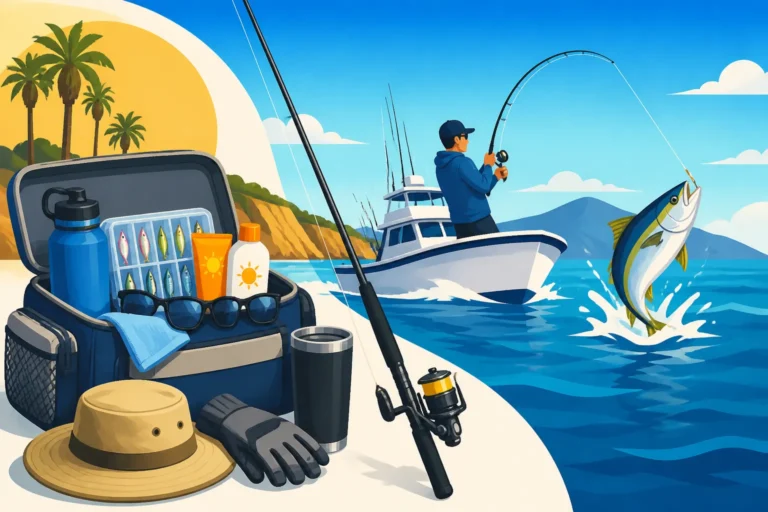
Make sure to inquire about what gear the charter provides and if there's any specific tackle you should bring or are welcome to use. Understanding what to bring on a California fishing charter, beyond just your personal items, can make a difference.
Top Bluefin Tuna Charter Destinations and Operations
California's Bluefin tuna fishery is largely concentrated in the southern half of the state, with various ports serving as launchpads for offshore adventures. Knowing which areas are most productive and how to identify top-tier operations will refine your search.
Southern California: The Bluefin Hub
When it comes to Bluefin tuna, Southern California is undeniably the epicenter. The warm currents and rich baitfish populations create ideal conditions for these migratory predators.
- San Diego: Widely considered the capital of California sportfishing, San Diego offers the most extensive fleet of offshore charters and party boats specializing in tuna. Ports like Point Loma and Mission Bay are home to legendary landings such as H&M Landing, Fisherman's Landing, and Point Loma Sportfishing, which run multi-day and overnight trips that frequently target Bluefin. Many of these operations have decades of experience chasing tuna. If you're looking for the best fishing charters in San Diego, this is often where the most dedicated tuna boats are found.
- Orange County (Dana Point, Newport Beach): Charters departing from Dana Point Harbor and Newport Beach also have access to productive Bluefin grounds. While perhaps not as numerous as San Diego's fleet, many highly skilled captains operate out of these ports, offering excellent day trips and longer excursions.
- Los Angeles Area (Long Beach, Marina del Rey): These ports provide convenient access for anglers in the greater Los Angeles area. You'll find a mix of party boats and private charters that focus on offshore tuna fishing, particularly during the peak season.
Choosing a departure point often depends on your geographical convenience and the specific type of trip you're seeking (e.g., a quick day trip versus a multi-day marathon).
Reputable Charter Companies and Booking Platforms
Finding a reputable charter goes beyond just picking a name off a list. It involves research, checking reviews, and sometimes personal recommendations.
Researching Charters:
- Online Reviews and Forums: Websites like Yelp, Google Reviews, and dedicated fishing forums (e.g., Bloodydecks for Southern California) are invaluable. Look for consistent praise regarding the crew's expertise, the boat's condition, and, most importantly, their Bluefin specific success.
- Social Media: Many charters maintain active social media pages (Facebook, Instagram) where they post daily fish counts, photos of catches, and updates on fishing conditions. This gives you a real-time glimpse into their operations.
- Word of Mouth: Ask fellow anglers or local tackle shops for recommendations. Personal experiences are often the most reliable endorsements.
Booking Platforms:
Platforms like FishingBooker make it easier to browse, compare, and book charters across various locations. You can filter by species, boat type, trip duration, and budget. These platforms also host extensive customer reviews, which are incredibly helpful. When using such a platform, make sure to read not just the overall rating, but also detailed comments about the captain's communication, the crew's attentiveness, and the quality of the gear provided. Another great aspect of using platforms like FishingBooker is the transparency of pricing and availability, helping you easily plan your trip. They often have customer support to assist with any questions or issues you might encounter during the booking process or even during your trip.
Here's a quick comparison of general charter types for Bluefin tuna:
| Charter Type | Ideal Group Size | Typical Trip Duration | Cost (Approx. per person) | Pros | Cons |
|---|---|---|---|---|---|
| Private Charter | 1-6 anglers | Full-day, 1.5-day, 2-day | $$$$ | Personalized, focused, faster, dedicated crew | Most expensive, requires coordinating a group |
| Open Party Boat | 20-50+ anglers | Full-day, 1.5-day, 2-day | $$ | More affordable, good for solo anglers, communal vibe | Less personalized, crowded rail, shared focus |
Remember that the cost for a California fishing license guide and any necessary report cards (like a California ocean enhancement stamp) are usually separate from the charter fee. Make sure you have all your paperwork in order before you head out. For longer trips, it's also worth understanding how to prepare for a long-range tuna trip to ensure you bring all the essentials.
Disclaimer
The information provided in this guide is for general informational purposes only. Fishing conditions, regulations, and availability of charters can change rapidly. Always consult the latest California Department of Fish and Wildlife regulations and communicate directly with your chosen charter operator for the most current and accurate information before planning your trip. Fishing inherently involves risks, and safety should always be your top priority.