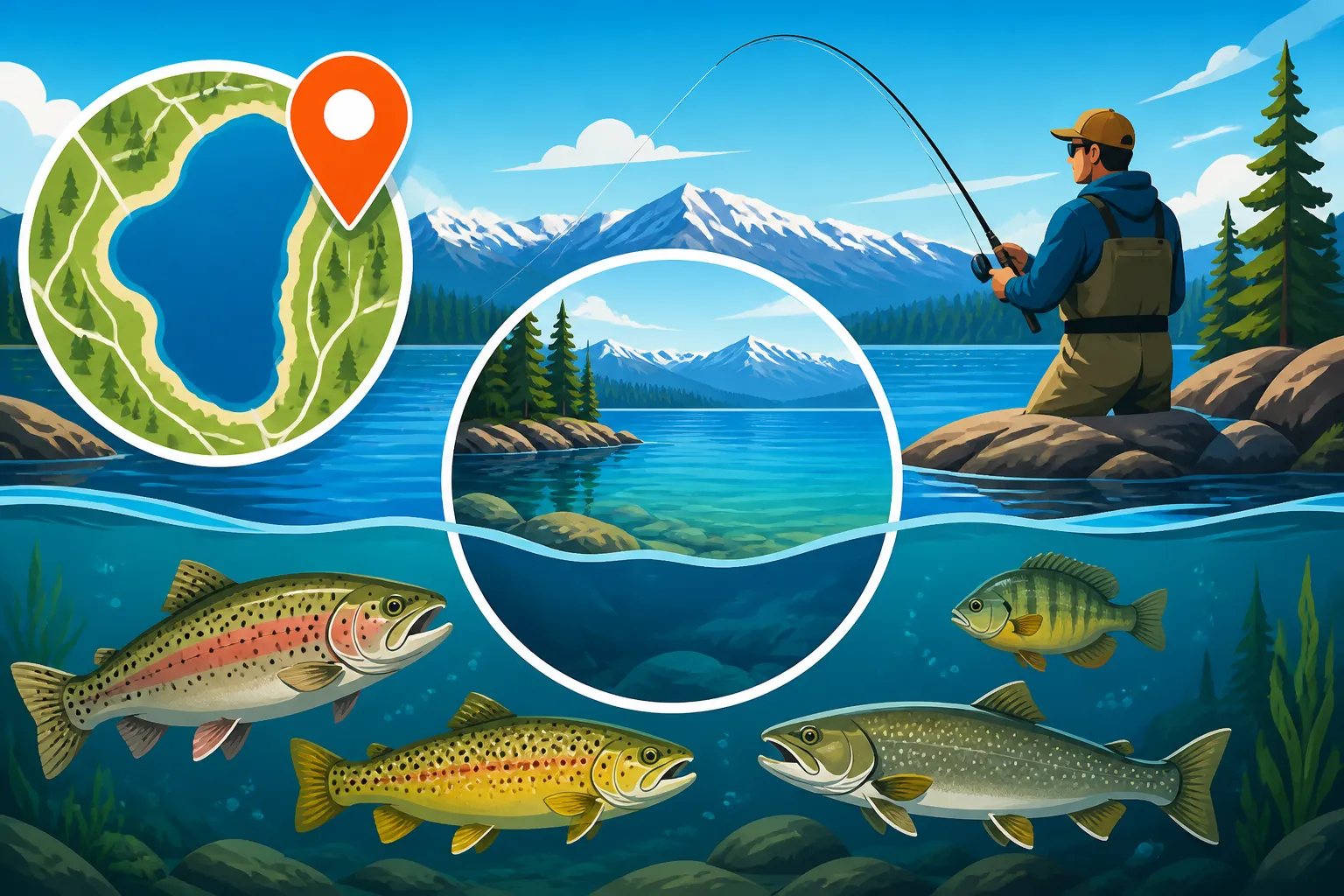
Lake Tahoe: Fish Species and Best Spots
Lake Tahoe. Just hearing the name conjures up images of stunning blue waters, majestic mountains, and pure, unspoiled beauty. But for us anglers, it also brings a bit of a head-scratching challenge. How do you even begin to tackle a lake this massive, this deep, and with such a diverse population of fish? It can feel overwhelming, like trying to find a needle in a haystack of crystal-clear water. This guide is here to unravel the mysteries of fishing Lake Tahoe, helping you understand what finned friends lurk beneath its surface and, crucially, where to find them.
Unveiling the Diverse Fish Species of Lake Tahoe
When you think of Lake Tahoe, you might just picture a few types of fish, but this incredible body of water is home to a surprisingly varied population. From elusive giants of the deep to shimmering schools of salmon, there's something here for every angler's taste. Understanding what you're targeting is the first step to a successful day on the water.
Trophy Mackinaw Lake Trout
Let's start with the undisputed king of Lake Tahoe: the Mackinaw, also known as Lake Trout. These aren't your average trout; we're talking about serious, deep-dwelling predators that can grow to impressive sizes. It’s not uncommon for anglers to pull out Mackinaw weighing 10-20 pounds, and true giants pushing 30 pounds or more are always a possibility, making them a prime target for trophy seekers. Many seasoned anglers consider the chance to land a hefty Mackinaw a quintessential Lake Tahoe experience.
Mackinaw thrive in the cold, oxygen-rich depths of Tahoe. They prefer the cooler waters, typically congregating in depths ranging from 80 to 300 feet, sometimes even deeper. This means traditional bank fishing often won't cut it. You'll need specialized gear like downriggers or heavy jigs to get your bait or lure down to where these magnificent fish reside. They’re notorious for their powerful runs once hooked, putting up a fantastic fight that truly tests your tackle and your resolve. For more in-depth techniques, check out our guide on how to Catch Lake Trout in California.
Feisty Kokanee Salmon
If speed and beauty are what you’re after, the Kokanee salmon will be right up your alley. These landlocked sockeye salmon are absolutely stunning, with their vibrant silver scales and, during their spawning runs, brilliant red coloration. While they don’t get as large as the Mackinaw, typically ranging from 12 to 18 inches, what they lack in size, they more than make up for in fight and flavor. They’re a blast to catch on lighter tackle, and their schooling behavior means if you find one, you’ve likely found a whole school!
Kokanee are pelagic fish, meaning they spend most of their lives in the open water column, feeding on zooplankton. This makes trolling a highly effective method for targeting them. They are particularly active in the spring and fall, and their seasonal spawning runs up feeder creeks like Taylor Creek can be a sight to behold (though fishing during these specific runs is often heavily regulated or prohibited to protect spawning fish). When these runs happen, it’s a truly unique spectacle of nature. You can learn more about specific tactics in our guide on How to Catch Kokanee Salmon in California.
Rainbow and Brown Trout
No guide to trout fishing would be complete without mentioning the beautiful Rainbow and Brown Trout. While not as dominant in the deep waters as the Mackinaw, these spirited fish are still a significant part of Lake Tahoe's fishery, particularly in shallower areas and near tributary mouths. They're often stocked in various parts of the lake and its feeder streams, providing excellent opportunities for both boat and bank anglers.
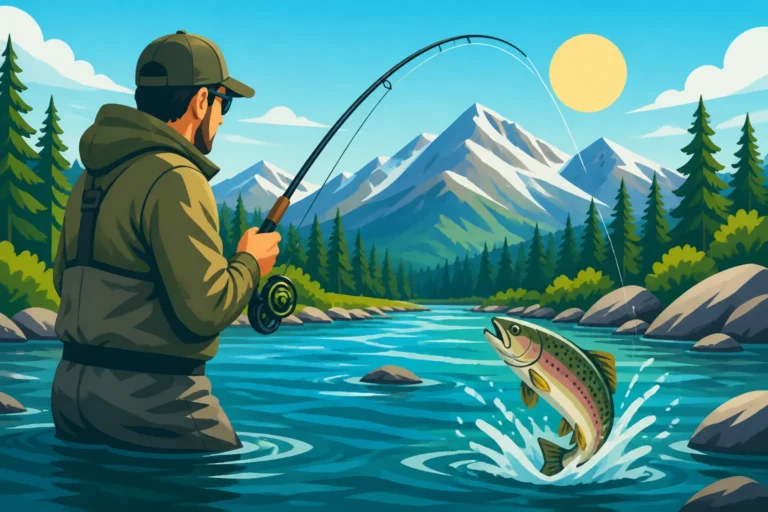
Rainbow Trout, known for their dazzling iridescent stripe, are often found cruising closer to shore, especially in the early mornings and late evenings. They respond well to both bait and lures, and fly anglers can have a field day targeting them where streams flow into the lake. Brown Trout, with their distinctive dark spots and often a more predatory nature, tend to be a bit more elusive but can grow quite large, offering a thrilling challenge. They often lurk around submerged structures or rocky points. Understanding the nuances of their behavior can significantly increase your chances of success. Our article on How to Catch Rainbow Trout in California offers valuable insights.
Other Notable Species
While Mackinaw, Kokanee, and Rainbow/Brown Trout are the main attractions, Lake Tahoe is also home to a few other species that might surprise you. Historically, the native Lahontan Cutthroat Trout once dominated these waters. While their populations declined significantly, conservation efforts are slowly working to reintroduce and support these magnificent trout, primarily in specific managed areas. Catching a Lahontan Cutthroat is a rare and special event for dedicated anglers.
Additionally, you might encounter Smallmouth Bass in certain warmer, rockier sections of the lake, particularly on the Nevada side. These feisty bass offer a different kind of angling experience, known for their aggressive strikes and aerial acrobatics. They typically prefer shallower, rock-strewn areas where they can ambush baitfish and crawfish. While not as prevalent as in some other California lakes, they certainly add another layer of diversity to Tahoe's fishing scene.
Navigating Lake Tahoe's Best Fishing Spots
Lake Tahoe is immense, stretching over 22 miles long and 12 miles wide, with depths plunging over 1,600 feet in some areas. Saying "I'm going fishing in Lake Tahoe" is like saying "I'm going hiking in the Sierra Nevada" – it's a huge area! Knowing where to drop your line is absolutely critical to success. Different species prefer different habitats, and Tahoe offers a range of options, from deep water to shallow coves and bustling piers.
Deep-Water Haunts for Mackinaw
For those chasing the legendary Mackinaw, the strategy revolves around depth and structure. These fish prefer the cool, dark sanctuaries hundreds of feet below the surface. Key areas for Mackinaw fishing are often referred to as "shelves" or "drops," where the lake floor quickly plunges into deeper abysses. The challenge here is not just finding the fish but getting your offering down to their level.
One of the most renowned spots for Mackinaw is the "Stateline Shelf," located on the south end of the lake near the California-Nevada border. Here, the lake bottom drops off dramatically, creating perfect ambush points for large Mackinaw. Anglers often target depths between 150 and 300 feet using downriggers with dodgers and large trolling spoons or live bait like minnows. Another popular area is off "Dollar Point" on the North Shore, where similar deep-water structures hold good numbers of fish. When planning your trip, consider hiring a local guide who knows these specific deep-water contours like the back of their hand; platforms like FishingBooker are excellent for finding experienced Tahoe captains.
Shallow Coves for Kokanee and Trout
While the deep offers Mackinaw, the shallower coves, points, and stream mouths are where you'll often find Kokanee, Rainbow, and Brown Trout. These areas provide more accessible fishing opportunities, sometimes even from shore, and can be incredibly productive, especially during certain seasons.
Taylor Creek: On the south shore, Taylor Creek is famous for its incredible Kokanee salmon run in the fall. While the creek itself is typically closed to fishing to protect spawning fish (check current California Freshwater Fishing Regulations), the area just outside its mouth in Lake Tahoe can be a hotspot for Kokanee staging before their journey upstream. Anglers often troll small Kokanee dodgers and hoochies or small spoons in these waters. The sheer volume of fish can be astounding, making for some truly exciting action.
Camp Richardson and Pope Beach: These areas, also on the south shore, offer excellent access for both shore anglers and small boats. The shallower waters here, especially around the weed lines and submerged structures, can hold Rainbow and Brown Trout. Casting lures like Kastmasters, Thomas Buoyants, or even bait like powerbait or worms can be effective. During the spring, as water temperatures rise, these areas become more active as fish move in to feed.
North Shore Points: Towards the northern end of the lake, various rocky points and coves near areas like Carnelian Bay, Tahoe City, and Incline Village offer great opportunities. Fish congregate around these structures, especially where there are deeper drop-offs adjacent to shallower flats. Trolling for trout or even casting from shore with spoons or Rapala-style lures can yield good results. Remember to review the California Fishing Regulations Explained before you head out, as rules can vary.
Pier Fishing Opportunities
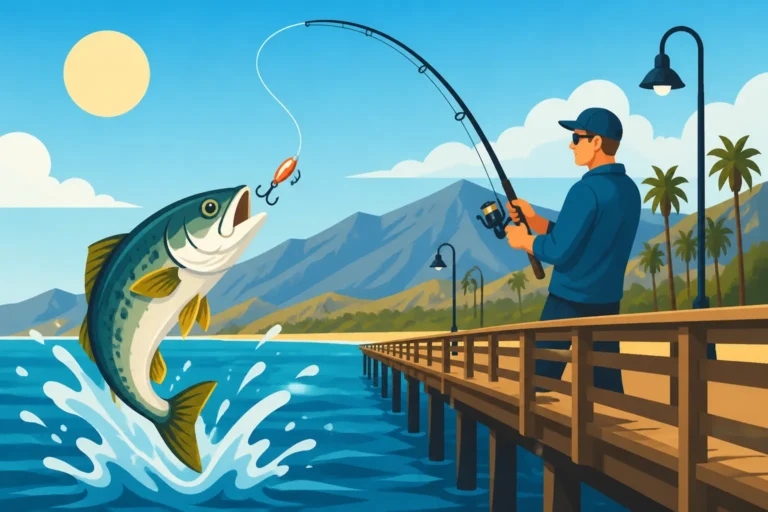
For those who prefer to keep their feet on solid ground or simply enjoy the convenience of pier fishing, Lake Tahoe has a few options that can be surprisingly productive, especially for Rainbow and Brown Trout. Pier fishing offers an easy entry point for beginners or a relaxing day for seasoned anglers without the need for a boat.
Cave Rock Pier (Nevada side): This pier offers stunning views and decent fishing. Anglers here often target Rainbow and Brown Trout using powerbait, worms, or small spoons and spinners. Because it's on the Nevada side, be sure to have the correct state fishing license. The deep water adjacent to the pier can sometimes even yield smaller Mackinaw, especially during cooler months when they might venture closer to structure. It’s a popular spot for families and provides consistent action for pan-sized trout.
Ski Run Marina Pier (California side): Located in South Lake Tahoe, this pier offers easy access and is a good spot for catching pan-sized trout. It’s a convenient location for those staying in the South Lake Tahoe area. Using light tackle with basic bait setups or small lures can be effective here. The main draw of pier fishing is the accessibility and the chance to enjoy the incredible scenery while waiting for a bite.
| Species | Preferred Depth | Best Season | Typical Method | Recommended Bait/Lure |
|---|---|---|---|---|
| Mackinaw (Lake Trout) | 80-300+ feet | Year-round (best Spring/Fall) | Trolling, Jigging | Live Minnows, Spoons, Jigs |
| Kokanee Salmon | 30-100 feet (open water) | Spring, Fall (Spawning runs) | Trolling | Dodgers/Hoochies, Small Spoons |
| Rainbow Trout | 0-50 feet (shore, coves) | Spring, Summer, Fall | Casting, Trolling, Fly Fishing | Powerbait, Worms, Spinners, Flies |
| Brown Trout | 0-60 feet (rocky areas) | Spring, Fall | Casting, Trolling | Minnow imitations, Spoons, Jerkbaits |
| Smallmouth Bass | 0-30 feet (rocky areas) | Summer | Casting, Jigging | Soft Plastics, Crankbaits, Jigs |
Essential Tips for Success on Lake Tahoe
Fishing Lake Tahoe isn't just about knowing what and where; it's also about understanding the unique environment and preparing properly. The sheer scale, depth, and clarity of the water present challenges and opportunities that differ from smaller, shallower lakes. Being well-prepared and respectful of this natural wonder will not only increase your chances of success but also ensure a more enjoyable experience.
Gear Up for Tahoe's Unique Challenges
Lake Tahoe isn't a place for flimsy gear. The vastness and depth of the lake mean you often need specialized equipment, especially if you're targeting Mackinaw. For these deep-water giants, a good quality boat equipped with a reliable fish finder and downriggers is almost essential. Downriggers allow you to precisely present your bait or lure at the exact depth where the fish are holding, which can be hundreds of feet down. Without them, you're mostly guessing, and in such a large body of water, guessing is often a recipe for disappointment.
For your rod and reel setup, think sturdy. Medium-heavy to heavy conventional or spinning rods with matching reels spooled with at least 20-30 lb test braided line are ideal for Mackinaw. You'll need the backbone to handle their size and the strength to pull them up from extreme depths. For Kokanee and shallower trout, lighter gear is perfectly fine and actually more enjoyable. A medium-light spinning rod with 6-10 lb test fluorocarbon or monofilament line will provide excellent sport. Don't forget a net with a long handle; once you've brought a fish to the surface, landing it cleanly is crucial, especially when you're out on the open water. For general advice on what to carry, consult our guide on Best Times to Fish in California.
Understanding Regulations and Seasons
Perhaps one of the most critical aspects of fishing Lake Tahoe is understanding its complex web of regulations. Because the lake spans two states – California and Nevada – and includes specific zones managed by federal and state agencies, the rules can be confusing. You absolutely need to have the correct fishing license for the state you are actively fishing in, or a reciprocal license if you plan to move between state lines. Our California Fishing License Guide is a great starting point for understanding the requirements.
Beyond licenses, pay close attention to species-specific regulations, including bag limits, size limits, and seasonal closures. For example, the season for certain trout species might differ from that of Kokanee, and spawning closures in tributary mouths are common. Marine Protected Areas Explained or specific wild trout waters may also have unique rules, such as artificial lures only or catch-and-release requirements. Always consult the latest California Freshwater Fishing Regulations booklet, provided by the California Department of Fish and Wildlife (CDFW), and cross-reference with Nevada Department of Wildlife (NDOW) regulations. FishingBooker also often provides helpful summaries of regulations for specific areas when you're looking to book a charter, but always double-check the official sources.
Hiring a Local Guide for an Edge
Let's be real: Lake Tahoe is a beast. Its size and depth can intimidate even experienced anglers. This is where a professional fishing guide or charter captain truly shines. Hiring a local expert isn't just for beginners; it's a savvy move for anyone wanting to maximize their time and increase their chances of success on Tahoe's vast waters. A good guide knows the lake like the back of their hand, understands the current patterns of fish, and possesses the specialized equipment necessary for deep-water fishing.
They'll have the right boat, the downriggers, the sonar to locate fish, and perhaps most importantly, decades of local knowledge about where the fish are biting right now. They can teach you the specific techniques that work best for Tahoe's unique conditions, from the subtle art of jigging for Mackinaw to the precise speed and depth for trolling Kokanee. This can save you hours, even days, of trial and error. You can find highly rated and experienced guides for Lake Tahoe on platforms like FishingBooker, making it easy to compare options and book a memorable trip. Investing in a guide often means the difference between a frustrating day of searching and a successful day of catching. Consider checking out our Comprehensive Guide to California Fishing Charters: Complete Guide to learn more about selecting the right charter.
Disclaimer
The information provided in this guide is for general informational purposes only and is subject to change. Fishing regulations, seasons, and fish populations in Lake Tahoe can vary significantly due to environmental factors and management decisions by the California Department of Fish and Wildlife (CDFW) and the Nevada Department of Wildlife (NDOW). Always consult the most current official fishing regulations booklets and local advisories before planning your fishing trip to ensure compliance and a safe, enjoyable experience.