California Bait Fishing Tips and Techniques
California's vast and varied waters can be intimidating for anglers, especially when it comes to bait fishing. It often feels like there’s a secret handshake or an unwritten rulebook that everyone else seems to know, leaving you wondering why your trusty worm isn't performing like it used to. This guide is here to demystify the art and science of bait fishing in the Golden State, offering practical tips and techniques to help you consistently hook more fish, whether you're targeting freshwater giants or saltwater species.
Understanding California's Bait Fishing Landscape
Fishing in California is a choose-your-own-adventure story, from tranquil mountain lakes to the rugged Pacific coastline. The sheer diversity means that what works in one spot might be completely useless a few miles away. It's not just about throwing a hook in the water; it's about understanding the specific environment you're in and the fish that call it home.
Freshwater vs. Saltwater Bait Fishing Differences
One of the biggest frustrations anglers face is assuming a bait or technique that slays in a freshwater lake will magically transfer to the ocean. Spoiler alert: it rarely does. The ecosystems are vastly different, demanding unique approaches. In freshwater, you're often dealing with more localized, calmer conditions, where stealth and subtle presentations can be key. Think of a quiet stream where a carefully presented nightcrawler can entice a wary trout. Lakes might require a bit more casting distance or a different presentation to get to the fish holding deeper or near structures.
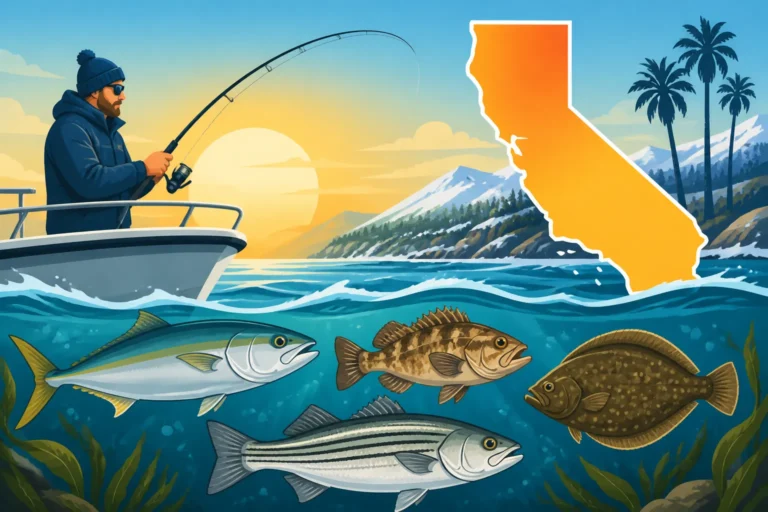
Saltwater, on the other hand, is a dynamic beast. Tides, currents, and wave action play a huge role in how your bait behaves and how fish feed. The species themselves are often larger, stronger, and more aggressive, requiring heavier tackle and robust baits. Imagine the difference between a small bass gently mouthing a worm in a pond versus a powerful yellowtail aggressively chasing a live sardine off the coast. The bait choices, the rigging, and even the way you retrieve or present your bait will shift dramatically. Understanding these fundamental differences is the first step to becoming a more versatile and successful angler in California. Whether you're casting into a quiet river or braving the surf, knowing your environment dictates your bait strategy. You'll also want to familiarize yourself with the nuances of California Freshwater Fishing Regulations and California Saltwater Fishing Regulations, as they differ significantly.
Essential Gear for Bait Fishing Success
Before you even think about what bait to use, you need the right tools for the job. Walking into a tackle shop can be overwhelming, with aisles of rods, reels, lines, and an endless array of terminal tackle. It feels like you need to take out a second mortgage just to get started! But don't despair; you can build a solid foundation without breaking the bank. For most general bait fishing, a medium-action spinning rod around 7 feet long, paired with a matching spinning reel spooled with 8-12 pound monofilament or fluorocarbon line, is a fantastic starting point. This setup is versatile enough for many freshwater species and even some lighter inshore saltwater applications.
When it comes to terminal tackle – that's the hooks, weights, and swivels – having a good variety is crucial. For hooks, an assortment of sizes from small #8 bait holders for panfish and trout to larger 2/0-4/0 circle hooks for bigger bass or surfperch will cover most bases. Sinkers, or weights, come in many forms: split shot, egg sinkers, pyramid sinkers, and bullet weights. Each has its purpose, from adding a little weight to a float rig to keeping your bait pinned to the bottom in strong currents. Swivels are your unsung heroes, preventing line twist, especially when using cut baits that might spin. A well-stocked tackle box, even if it starts small, can be easily expanded. You can find excellent starter kits and individual components on platforms like Amazon, offering a convenient way to get organized without overwhelming physical store choices. Don't forget a pair of pliers, line clippers, and a measuring tape to ensure you're adhering to all the California Fishing Bag and Size Limits.
Common Bait Types and Their Applications
Choosing the right bait can feel like trying to solve a riddle. Fish are fickle creatures, and what they're biting on can change day by day, even hour by hour. But knowing the general categories of bait and their typical applications will give you a significant edge. It’s about more than just what looks appetizing; it’s about scent, texture, and how the bait moves in the water.
Live Baits: The Irresistible Choice
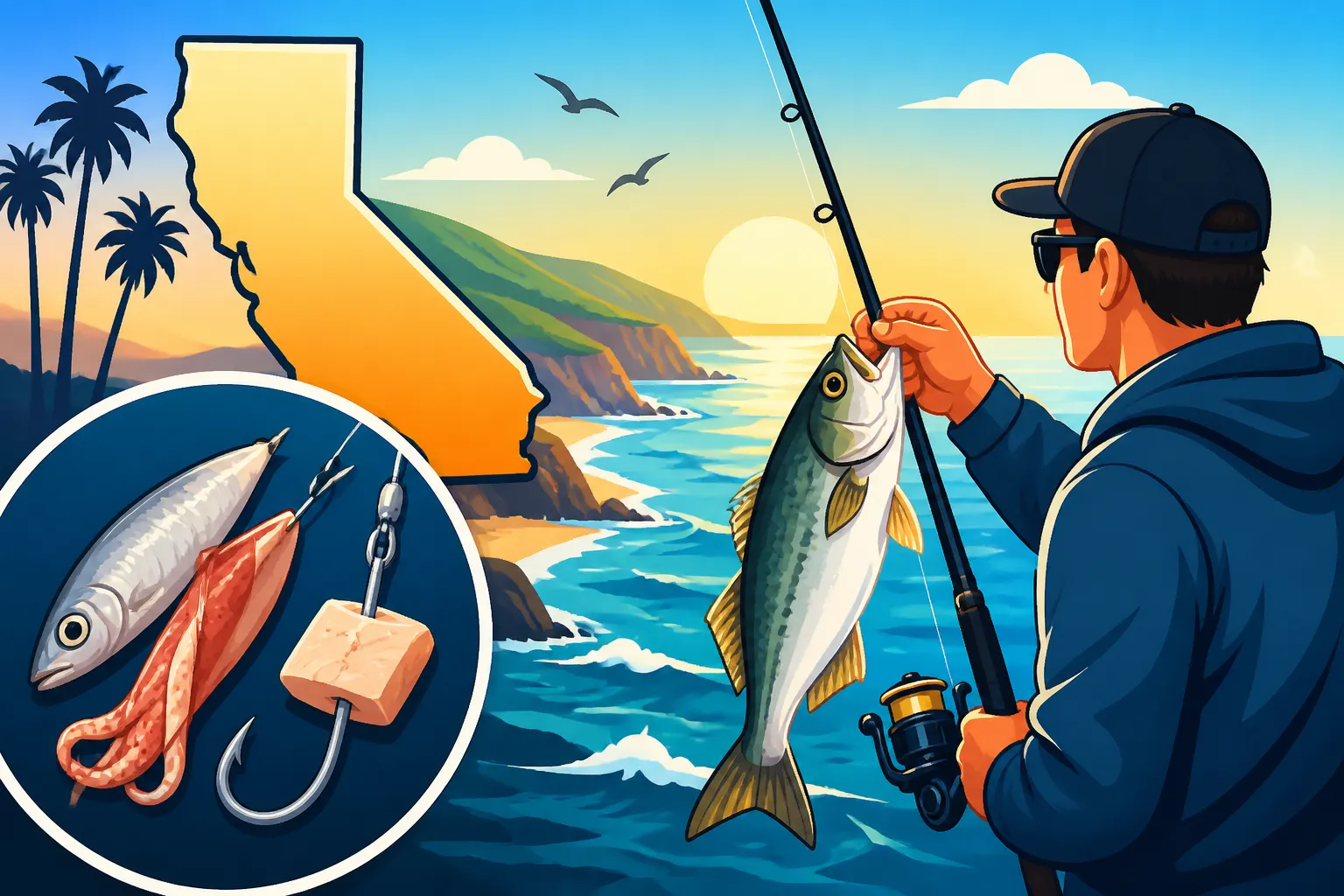
There's just something about live bait that fish find almost impossible to resist. The natural movement, the frantic vibrations, and the undeniable scent scream "easy meal." This is often why seasoned anglers swear by it, even though it can be a bit more work to source and keep alive. Common live baits in California include nightcrawlers and red worms for freshwater species like trout, bass, and catfish, often available at local bait shops or even your backyard compost pile. For saltwater, live anchovies and sardines are king, especially for targeting predatory species like yellowtail, tuna, and halibut. These are usually purchased at bait barges or specific tackle shops near coastal areas, often costing a pretty penny.
Keeping live bait healthy is key. Minnows and anchovies need aerated water, which means a good bait tank is essential, especially on warmer days. Worms do well in breathable containers with moist bedding. A common frustration is investing in live bait only to have it die off before you even get to your fishing spot. Always check the health of your bait before you buy, and keep them cool and oxygenated. The livelier the bait, the better your chances. For instance, a frisky anchovy swimming naturally will attract a much wider range of game fish than a sluggish, half-dead one.
Cut Baits: Scent and Simplicity
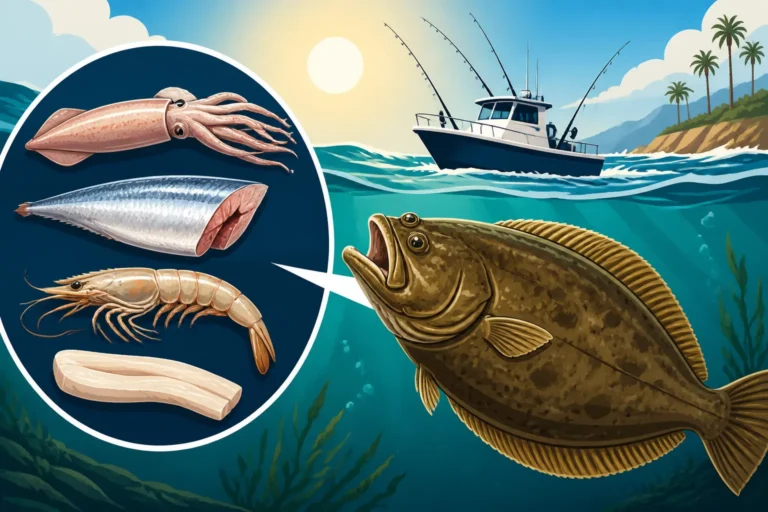
While live bait offers movement, cut bait excels in scent dispersion. When a fish can't see your bait in murky water or during low light conditions, that strong scent trail becomes an undeniable beacon. Cut baits are also incredibly versatile, often more durable than live bait, and can be easier to manage. Popular choices in California include squid, mackerel, and chunks of sardine or anchovy. Squid is a fantastic all-around bait, tough enough to withstand smaller nibblers and incredibly attractive to everything from rockfish and lingcod to sharks and even some larger halibut. Mackerel and sardine chunks release a powerful oil slick that can draw in fish from a distance, making them perfect for bottom fishing or drift fishing.
Preparation is simple: just slice your bait into appropriately sized pieces for your target species. For larger predatory fish, you might use a whole fillet of mackerel, while for rockfish, a one-inch strip of squid might be perfect. Presentation is still important; you want the bait to look natural, not like a clump of meat. Threading it onto a hook so it stays secure and doesn't spin excessively in the current is a good technique. Cut baits are particularly effective when targeting species like California Halibut Regulations and Limits. Don't be afraid to experiment with different sizes and shapes of cut bait, as fish preferences can vary daily.
Artificial Baits with Natural Appeal
Sometimes, the convenience and durability of artificial baits, especially those enhanced with natural scents, can't be beaten. These aren't your typical lures, but rather soft plastics or dough baits designed to mimic the texture, appearance, and crucially, the scent of natural forage. Products like Berkley PowerBait and Gulp! are incredibly popular in California, especially for trout and inshore saltwater species. PowerBait, often shaped into small nuggets or worms, is a staple for stocked trout in lakes and rivers, its potent scent proving irresistible to recently planted fish.
Gulp! baits, available in a huge variety of shapes like minnows, worms, and shrimp, are a game-changer for many saltwater applications. They release a powerful scent trail that's been scientifically proven to be as effective, and sometimes even more effective, than live bait. The big advantage here is their durability; one piece of Gulp! can often catch multiple fish, unlike live bait that's usually good for one bite. This also eliminates the hassle of keeping live bait alive. Are they "cheating"? Not at all. They're a smart tool in an angler's arsenal, offering a practical solution for busy anglers or when live bait isn't readily available. They're also often quite affordable, and you can stock up on a variety of options from retailers like Amazon without having to worry about refrigeration.
Mastering Bait Presentation Techniques
Having the best bait in the world won't matter if you don't present it correctly. This is where many anglers get frustrated – they know the fish are there, they know what they should be eating, but they just can't get a bite. Presentation is everything; it’s about making your bait look like a natural, easy meal and getting it into the fish's strike zone.
Fundamental Rigs for Various Species
The world of fishing rigs can seem incredibly complex, but most boil down to a few fundamental setups that can be adapted for a multitude of situations and species. The goal is always to present your bait effectively.
One of the most common and versatile freshwater rigs is the Carolina Rig. This involves a sliding sinker (usually an egg or bullet weight) above a swivel, followed by a leader and your hook. The sliding weight allows the fish to pick up the bait without feeling immediate resistance, which is crucial for wary bass. It's fantastic for fishing soft plastics or live worms along the bottom of lakes and rivers, letting the bait float naturally just above the structure.
For freshwater trout and panfish, especially when fishing from shore or a pier, a simple Float Rig (often called a bobber rig) is incredibly effective. A bobber is attached to your line, followed by a split shot or two to add casting weight, and then your hook with a worm or PowerBait. This suspends your bait at a predetermined depth, keeping it off the bottom and in the visible strike zone for cruising fish. It’s visually satisfying too, watching that bobber dip when a fish bites!
In saltwater, particularly when fishing from a pier, boat, or the surf, the Hi-Lo Rig (or dropper loop rig) is a workhorse. This rig typically features two hooks tied on dropper loops, one above the other, with a sinker at the very bottom. This allows you to present two baits at different depths simultaneously, increasing your chances of finding where the fish are holding. It's excellent for rockfish, perch, and even small sharks. When fishing for California Rockfish Regulations and Limits, this rig is practically standard.
Another popular bottom fishing rig, especially for halibut and other flatfish, is the Sliding Sinker Rig (often called a "Carolina Rig" in saltwater too). A sliding egg sinker is above a swivel, connected to a fluorocarbon leader (say, 2-3 feet long) and a single hook. This allows the fish to pick up the bait and run a short distance without feeling the weight of the sinker, giving you a better chance to set the hook. Using this rig with a live anchovy or a strip of squid can be deadly for halibut lurking on the sandy bottom.
| Rig Type | Primary Application | Key Components | Advantages | Best for (Example Species) |
|---|---|---|---|---|
| Carolina Rig | Bottom fishing (freshwater & saltwater) | Sliding sinker, swivel, leader, hook | Natural bait presentation, minimal resistance | Bass, Catfish, Halibut |
| Float Rig | Suspending bait at depth (freshwater) | Bobber, split shot, hook | Keeps bait off bottom, visual bite indicator | Trout, Panfish |
| Hi-Lo Rig | Multi-depth bottom fishing (saltwater) | Two dropper loops, sinker, two hooks | Presents multiple baits, covers more water | Rockfish, Perch, Small Sharks |
| Drop Shot Rig | Vertical presentation, suspended bait (freshwater) | Sinker at bottom, hook tied directly to line | Keeps bait in strike zone, subtle presentation | Bass, Crappie |
Reading the Water and Choosing Your Spot
Knowing how to rig your bait is only half the battle; you also need to know where to put it. This is where "reading the water" comes in, a skill that separates consistent anglers from those who only catch fish by luck. It involves observing your surroundings and understanding how fish relate to their environment. In lakes and rivers, look for structure: submerged timber, rock piles, weed lines, drop-offs, or changes in bottom composition. These are natural ambush points or areas where baitfish gather. For example, when targeting bass, fishing the edges of weed beds or rocky points can be incredibly productive. Shallow flats often hold fish during warmer parts of the day, while deeper channels offer refuge in colder temperatures.
In saltwater, tides and currents are your best friends (or worst enemies). Fish use currents to ambush prey, so understanding tidal flow, especially in bays and estuaries, is critical. Look for rips, eddies, and areas where currents create natural food funnels. Structure still matters here – kelp beds are like underwater cities for many species, offering food and shelter. Rock outcroppings, submerged reefs, and even pier pilings are prime locations. When surf fishing, understanding wave breaks and troughs can tell you where fish like surfperch and corbina are feeding in the churn. If you're wondering about specific locations, checking out some of the Best Fishing Piers in California or the Best Surf Fishing Beaches in California can give you a head start. The better you can interpret the water, the more precisely you can place your bait where fish are actively feeding.
Hooking and Fighting Fish with Bait
You've got the right bait, the perfect rig, and you've placed it in a prime spot. Then comes that glorious moment: the bite! But how do you turn that nibble into a landed fish? This is where many anglers struggle, often pulling the hook too soon or not setting it properly.
With bait fishing, especially when using natural baits, patience is often key. Fish might "mouth" the bait for a bit before fully committing. For a sensitive species like trout or smaller panfish, a gentle "peck" on your line or bobber might mean a quick, light hookset is needed. For larger, more aggressive fish like bass or many saltwater species, you might need to let them really take the bait before sweeping the rod back firmly to set the hook. With circle hooks, often recommended for their effectiveness and reduced deep-hooking, you generally don't "set" the hook in the traditional sense; instead, you apply steady pressure as the fish swims away, and the hook will typically find the corner of the mouth.
Once hooked, the fight begins. Keep your rod tip up, creating a natural arc that acts as a shock absorber. This maintains pressure on the fish while allowing your rod to absorb sudden runs and headshakes, preventing the hook from pulling free. Adjust your drag as needed; it should be tight enough to fight the fish but loose enough to allow line to peel off when a fish makes a strong run. This prevents your line from breaking or your hook from straightening. Losing a fish right at the boat or shore due to poor fighting technique is incredibly frustrating, so practice makes perfect. It's a dance between angler and fish, a give and take that, when executed well, results in a triumphant catch.
Bait Fishing Strategies for Popular California Species
California's waters are teeming with fish, and each species often has its preferred dining habits and hangout spots. Knowing these tendencies can dramatically improve your success rate when bait fishing. It's all about tailoring your approach to the specific fish you're targeting.
Freshwater Favorites: Trout, Bass, Catfish
California's freshwater fisheries offer incredible opportunities for bait anglers, with trout, bass, and catfish being among the most popular targets. Each requires a slightly different approach.
For Trout, especially stocked rainbow trout in lakes and rivers, PowerBait (in various colors like garlic, rainbow, or chartreuse) or live worms (nightcrawlers or red worms) are exceptionally effective. When fishing lakes, a light Carolina rig or a float rig can be deadly. For rivers and streams, a split shot rig with a single worm, drifted naturally with the current, can entice even the wariest of wild trout. Consider fishing near inlets, outlets, or deeper pockets. Learning How to Fish for Trout in California is a rite of passage for many anglers. Check the California Trout Limits and Regulations before heading out to ensure compliance.
Largemouth and Smallmouth Bass are notorious ambush predators. While they hit lures aggressively, live shiners or crawfish presented on a Carolina rig or under a slip bobber are often irresistible. For largemouth, target weed edges, submerged timber, and rocky points in reservoirs like Clear Lake or Lake Shasta. Smallmouth prefer rocky bottoms and clear water in lakes and rivers. How to Fish for Largemouth Bass in California involves understanding their habitat and feeding patterns, which often means getting your bait right in their face. Artificial scented worms like those from Berkley Gulp! can also fool them when rigged weightless or on a light Texas rig.
Catfish are bottom-dwelling scavengers with an incredible sense of smell. They're less picky, often hitting pungent baits. Stink baits, chicken livers, cut mackerel, or even hot dogs are excellent choices. A simple bottom rig with an egg sinker above a swivel and a short leader with a large circle hook is perfect. Target deeper holes, river bends, and areas with slower currents, especially in the evening or at night. The California Delta is a prime spot for channel catfish, as are many of the state's larger reservoirs.
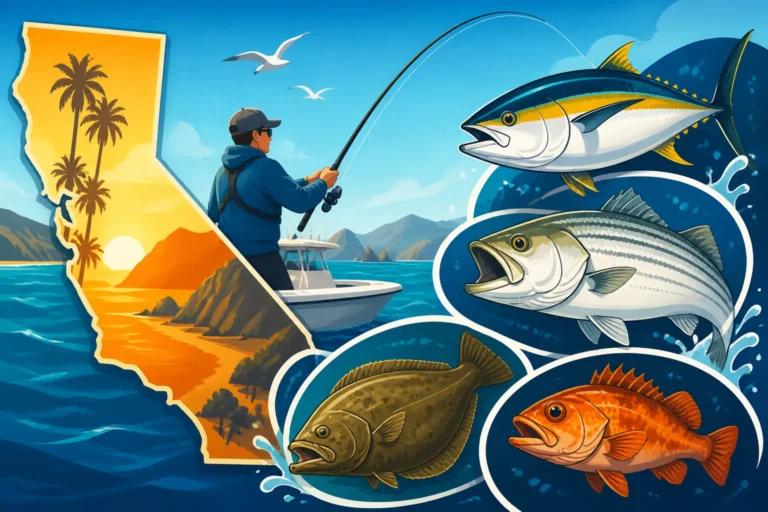
Coastal Catches: Halibut, Rockfish, Surfperch
The Pacific Coastline provides a different arena for bait anglers, with species like California halibut, rockfish, and surfperch being highly sought after.
California Halibut are masters of camouflage, burying themselves in the sand to ambush prey. Live anchovies or sardines are the absolute best bait for halibut, either drifted slowly over sandy bottoms from a boat or fished with a sliding sinker rig from a pier or kayak. If live bait isn't available, large swimbaits or strips of squid or mackerel can also be effective. You'll want to focus on areas where sand meets structure, like the edges of kelp beds or rocky reefs, and along sandy beaches where an outgoing tide creates current. How to Fish for California Halibut requires patience and a good understanding of tidal movements.
Rockfish, a diverse group including Bocaccio, Vermilion, and Lingcod, love rocky habitats, kelp forests, and offshore reefs. A Hi-Lo rig with strips of squid, mackerel, or anchovy is standard for these fish. You can also use live anchovies on a dropper loop rig. Drop your bait directly to the bottom in rocky areas and retrieve slowly, bouncing the sinker along the structure. Knowing the California Rockfish Regulations and Limits is paramount, especially regarding depth restrictions and bag limits. The deeper offshore reefs accessible by charter boats are often prime rockfish territory. For anglers buying supplies, Amazon offers a wide selection of durable hooks and heavy sinkers needed for this type of bottom fishing.
Surfperch are a favorite among beach anglers, offering consistent action right from the sand. They're often caught on small pieces of sand crabs, Gulp! sandworms, or small pieces of shrimp. A classic surf fishing rig involves a pyramid sinker at the bottom, with two snelled hooks on short leaders extending off the main line. Cast into the surf zone, especially around troughs and areas where waves break, and slowly retrieve. Surf fishing for perch is an accessible way to enjoy coastal fishing.
Seasonal Considerations and Bait Availability
Fish behavior, and consequently bait effectiveness, changes significantly with the seasons. Just like we crave different foods in summer versus winter, fish adapt their feeding patterns based on water temperature, spawning cycles, and the availability of their natural forage. Ignoring these seasonal shifts can lead to frustrating days on the water.
Matching Bait to the Season and Fish Behavior
Understanding California Fishing Seasons: Month-by-Month Guide is crucial for bait selection. In Spring, as waters warm, many fish become more active after a sluggish winter. This is a prime time for bass and trout, as they prepare for or engage in spawning. Bass might be found in shallower waters, making them more receptive to live shiners or crawfish presented slowly. Trout, especially stocked ones, will eagerly take PowerBait or worms as they spread out in their new environment.
Summer brings warmer water temperatures, which can make some fish like trout seek deeper, cooler waters, while others, like bass, become incredibly active. This is often when predatory saltwater species like yellowtail and tuna are abundant offshore, gorging on schools of anchovies and sardines. Live bait is absolutely king during these summer runs. Freshwater panfish and catfish are also very active, and a variety of baits, from worms to stink baits, will work.
Fall sees waters beginning to cool, triggering a pre-winter feeding frenzy for many species. This is an excellent time for salmon and steelhead runs in rivers, where roe and cured baits can be incredibly effective. Bass fishing remains strong as they fatten up for winter, and live bait or artificial scented worms can be highly productive. Many saltwater species are still active, but their locations might start to shift.
Winter often means colder, clearer waters, and fish generally become less active, conserving energy. Baits need to be presented slower, and sometimes smaller, more subtle offerings are best. For trout, still fishing with PowerBait or worms can still produce in lakes. Sturgeon fishing in the California Delta becomes a popular winter pursuit, with shrimp, ghost shrimp, and eel being top bait choices. During this time, the fish are often more sluggish, so a bait that sits and releases scent over time is often more effective than something requiring a lot of active presentation.
Where to Source Your Baits
One of the biggest headaches for bait anglers is finding reliable, fresh bait. It's incredibly frustrating to plan a trip only to discover your local tackle shop is out of anchovies or doesn't carry the specific worms you need.
For freshwater baits, your local tackle shop is usually the best bet for nightcrawlers, red worms, and even some minnows. Larger sporting goods stores like Bass Pro Shops or even Walmart often carry a selection of packaged artificial scented baits like PowerBait. Some larger lakes and reservoirs might have concessionaires or marinas that sell bait right on site. If you're really committed, raising your own worms in a compost bin is a sustainable and cost-effective option.
For saltwater live baits like anchovies and sardines, you'll need to head to a bait receiver or a specialized tackle shop near a harbor. San Diego's Point Loma Sportfishing or H&M Landing often have excellent live bait available for purchase. Call ahead, especially during peak season, to confirm availability and pricing. For cut baits like squid and mackerel, many local markets (like Asian markets) can be a surprisingly good source, offering fresh frozen options that are often cheaper than tackle shops. Of course, pre-packaged scented soft plastics like Gulp! can be easily ordered online from platforms like Amazon, ensuring you always have a backup, even if your local bait shop runs dry. Learning how to properly store and transport your bait, regardless of where you get it, is key to its longevity and effectiveness.
Disclaimer
Fishing regulations and conditions in California can change frequently. Always consult the latest California Department of Fish and Wildlife (CDFW) regulations booklet or website before you head out. This guide is for informational purposes only and should not replace official sources.