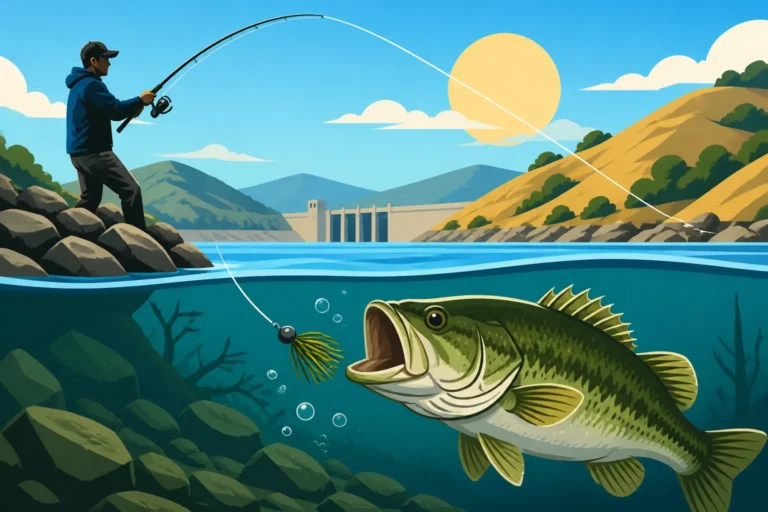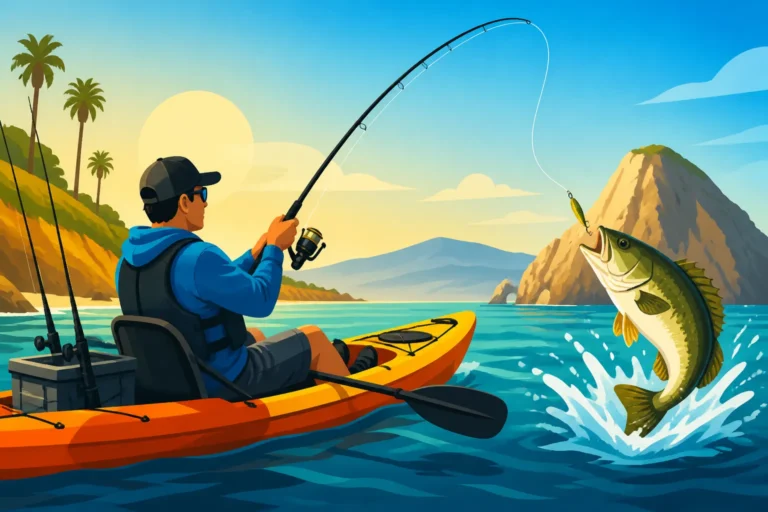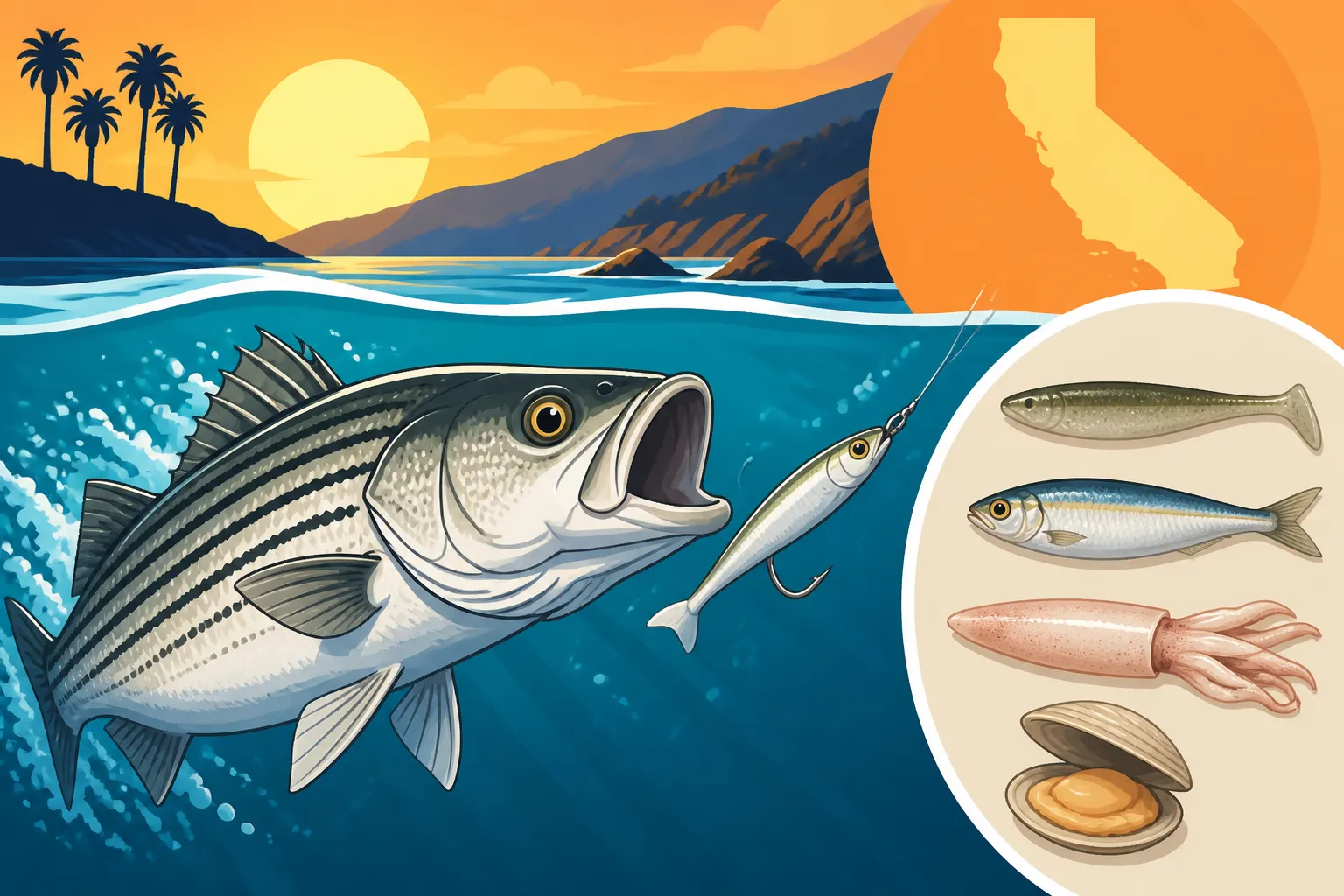
Best Bait for California Striped Bass
Oh, the elusive California striped bass! If you've spent any time chasing these formidable fish, you know the frustration of a quiet day when they just won't bite. They can be finicky, unpredictable, and downright stubborn. But don't you worry, because cracking the code of what baits they prefer can turn a slow outing into an unforgettable one. This comprehensive guide is here to shed light on the very best bait for California striped bass, helping you understand their preferences and put more fish on the line.
Understanding Striped Bass Behavior in California Waters
Before we even talk about specific baits, it's crucial to understand a bit about striped bass themselves. These powerful predators are found in a variety of California's waters, from the vast freshwater expanse of the California Delta Fishing Guide to the salty surf lines of our expansive coastline. Their behavior, including what they eat and where they lurk, is heavily influenced by their environment and the time of year. Knowing this foundational information is like having a secret weapon in your tackle box.
Their Preferred Habitat and Feeding Patterns
Striped bass are opportunistic predators, meaning they'll pretty much eat whatever is readily available and easy to catch. In the Delta and large river systems, they tend to hang out in deeper channels, around submerged structures, and along current breaks where they can ambush baitfish like American shad, minnows, and crawfish. They often feed more aggressively during low light conditions, like dawn and dusk, or on overcast days. Their powerful bodies and large mouths are perfectly adapted for gulping down smaller fish whole.
Along the coast, in bays and the open surf, stripers frequent areas with structure such as rocky outcroppings, jetties, and sandbars where baitfish congregate. They're also notorious for shadowing schools of anchovies and sardines, pushing them against the shore or into tight balls, making for easy meals. Understanding these patterns means you can predict not just where they might be, but also what they're likely to be feeding on at that moment. The more you observe the water and its inhabitants, the better equipped you'll be to make an informed bait choice.
Seasonal Influences on Bait Choice
Just like us, striped bass have changing appetites throughout the year. Their metabolism, and thus their feeding intensity, is directly tied to water temperature. In warmer months, from late spring through fall, when water temperatures are higher, stripers are generally more active and feed aggressively. This is often when live bait is king, as the active presentation appeals to their heightened predatory instincts. They're chasing bigger meals to fuel their energy.
Conversely, in colder winter months, their metabolism slows down, and they become less active. During this time, a slow-moving, subtle bait or lure presentation can be more effective. They might prefer a dead bait that requires less effort to consume or a soft plastic that can be slowly dragged along the bottom. Paying attention to the California Fishing Seasons: Month-by-Month Guide can give you a significant advantage, allowing you to fine-tune your bait selection to match the stripers' current mood and energy levels.
The All-Stars of Live Bait for Striped Bass
When it comes to the Best Bait for California Striped Bass, live bait often reigns supreme, especially for larger fish. There's just something about a struggling, natural presentation that stripers can't resist. These baits mimic their natural forage perfectly, triggering an instinctive strike that artificial lures sometimes struggle to replicate.
Anchovies and Sardines: The Go-To Choice
If there's one bait that consistently produces for California stripers in saltwater and even parts of the Delta, it's the anchovy or sardine. These oily baitfish are a staple in the striper diet. Their shimmering scales and erratic movements are like a siren call to hungry stripers. You can often buy them fresh or frozen from local bait shops, but catching your own with a sabiki rig can ensure you have the freshest, liveliest bait possible. Many anglers even invest in a good aerated bait tank to keep them lively throughout the day, which you can easily find on Amazon, along with quality sabiki rigs.
Rigging them properly is key. For live anchovies or sardines, you'll typically hook them lightly through the nose or just in front of the dorsal fin. This allows them to swim naturally and present themselves as an easy meal. For dead or cut bait, a chunk of sardine or anchovy on a Carolina rig near structure or in a current can be incredibly effective, especially when the fish are less aggressive or you're fishing deeper water. The scent trail alone can bring them in from a distance.
American Shad and Ghost Shrimp: Local Delicacies
While anchovies and sardines get a lot of glory, especially along the coast, other live baits are absolutely deadly, particularly in freshwater systems like the Delta. American shad, particularly juvenile shad, are a primary food source for stripers in these areas. Catching shad can be a sport in itself, often requiring specialized techniques like shad darts or small spoons. Once caught, a live shad hooked through the back can be a game-changer for targeting trophy-sized stripers. Their size and natural swimming action are irresistible to larger bass.
Another unsung hero, especially for bank anglers and those fishing shallower channels, is the ghost shrimp. These small, burrowing crustaceans are a natural part of the Delta ecosystem and a readily available food source for stripers. They have a distinct scent and a soft texture that stripers love. Ghost shrimp are best fished on a light Carolina rig or even a simple bait holder hook with minimal weight, allowing them to drift naturally with the current. You can pump them yourself from mudflats at low tide or sometimes find them at specialty bait shops in the Delta region.
Effective Artificial Baits for California Stripers
While live bait often out-produces artificials, there are certainly times and places where lures can shine, offering a more active and often more exciting way to catch stripers. Plus, for anglers who prefer to cast and retrieve without the hassle of keeping bait alive, artificials are a fantastic option. Understanding How to Fish for Striped Bass in California with lures requires a different set of skills, but can be incredibly rewarding.
Swimbait and Soft Plastics: Mimicking Natural Prey
Soft plastic swimbaits are incredibly versatile and can imitate almost any baitfish in a striper's diet. Brands like Keitech, Megabass, and Huddleston offer a range of sizes, colors, and actions. For stripers, choosing a swimbait that matches the prevalent baitfish in size and color is a smart move. Think silver, blue, green, and white patterns for anchovy and sardine imitations. These are often rigged on a jig head and retrieved with a steady retrieve, sometimes with a few pauses or twitches to mimic a wounded fish. You can find a huge selection of these plastics and jig heads on Amazon, allowing you to experiment with different combinations.
Larger soft plastics, like fluke-style baits or even big plastic worms, can also be effective, especially when fished slowly along the bottom or near structure. The key is to impart a natural, lifelike action. When fishing in areas like San Francisco Bay Fishing Spots, where stripers are keenly tuned into local bait, having a variety of soft plastics that can mimic different forage can make all the difference.
Topwater Plugs and Jerkbaits: Excitement on the Surface
For sheer adrenaline, nothing beats a striper blowing up on a topwater plug. This is a visual and audible thrill that every angler should experience. Topwater lures, such as poppers, walk-the-dog baits, and prop baits, are most effective during low light conditions or when stripers are actively schooling and feeding on the surface. Casting these lures into a feeding frenzy or along a promising piece of structure and working them with an erratic, splashy retrieve can draw explosive strikes.
Jerkbaits, on the other hand, are designed to imitate a wounded baitfish just below the surface. They typically have a tight wobbling action when retrieved steadily but really come alive with a "twitch, twitch, pause" retrieve. The pause is crucial, as it often triggers a strike from a following striper. Long, slender jerkbaits in natural baitfish colors are excellent choices for both freshwater and saltwater stripers, particularly when they are chasing schools of baitfish. They can be incredibly effective in areas with clear water where visual presentation is paramount.
Rigging and Presentation Techniques for Success
It's not enough to just have the Best Bait for California Striped Bass; you also need to know how to present it. The way you rig your bait and work your lure can be just as important as the bait itself. A perfectly natural presentation can make all the difference between a strike and a missed opportunity.
Live Bait Rigs: Keeping Them Enticing
For live bait, a simple and effective rig is often the best. The Carolina rig is a staple for many striper anglers. It involves threading an egg sinker onto your main line, followed by a bead to protect your knot, and then tying on a swivel. To the other end of the swivel, you attach a leader (usually 2-4 feet of fluorocarbon) and then your hook. This rig allows the sinker to sit on the bottom while your live bait swims freely above it, making it look natural. The length of your leader can be adjusted based on how high you want your bait to swim off the bottom.
Another popular choice, especially in current, is a simple slip-sinker rig. A torpedo or bullet sinker slides freely on your main line, again followed by a bead and then tied directly to your hook. This allows the bait to drift more naturally with the current, while the sinker keeps it in the strike zone. The key with any live bait rig is to use a hook size appropriate for your bait and the size of the fish you're targeting, ensuring a good hookset without hindering the bait's natural movement. For smaller baits like anchovies, a single, sharp circle hook can be very effective and minimize gut-hooking.
Lure Presentation: Actions Speak Louder Than Words
When it comes to artificial lures, the way you work them is everything. A swimbait retrieved at a consistent speed can be deadly, but adding subtle twitches, pauses, or changes in speed can often elicit more strikes. Think about what a real baitfish does when it's trying to escape or when it's injured – it rarely swims in a perfectly straight line at a constant speed. Experiment with different retrieve speeds and cadences until you find what the fish are reacting to on a given day.
For topwater lures, the "walk-the-dog" retrieve is iconic. This involves twitching the rod tip while reeling in slack, causing the lure to zig-zag across the surface. Poppers require a harder twitch to create a splash and gurgle. Jerkbaits are all about the "rip and pause" – a series of sharp jerks followed by a dead stop, letting the bait suspend or slowly rise. Becoming proficient with these techniques will dramatically increase your success with artificials, allowing you to effectively target stripers in different conditions, whether you're trying to fool a wary fish in clear water or trigger a reaction strike in a feeding frenzy.
Matching Bait to Location: Freshwater vs. Saltwater
California's striped bass population is unique in that they thrive in both expansive freshwater systems and diverse saltwater environments. Their diet, and therefore the best bait, can vary significantly depending on whether you're fishing inland or on the coast. Understanding these distinctions is critical for choosing the right approach.
Delta and River Systems: What Works Inland
In the vast Sacramento-San Joaquin River Delta, which is a prime location for the California Delta Fishing Guide, stripers primarily feed on freshwater and anadromous species. Juvenile American shad, various minnows, and even crawfish make up a large part of their diet. As such, live American shad is perhaps the most highly regarded bait for trophy stripers in the Delta. Shiner perch and bullheads are also very effective, especially when fished near rocky banks or submerged cover. For artificials, swimbaits that mimic these local baitfish, especially in colors like chartreuse, white, or green, can be incredibly productive.
Sturgeon also inhabit these waters, so if you're targeting stripers, be aware of California Sturgeon Regulations. For dead bait, cut shad or anchovy chunks can be excellent, particularly when fishing the deeper holes and channels. The scent trail they release in the current is a powerful attractant. Many anglers also find success with large, scent-infused soft plastics that can be jigged or slowly retrieved along the bottom, mimicking a crawfish or a stunned baitfish. Local knowledge, often gained from a California Bass Guide Trip on the Delta, can be invaluable here.
Surf and Bay Fishing: Coastal Considerations
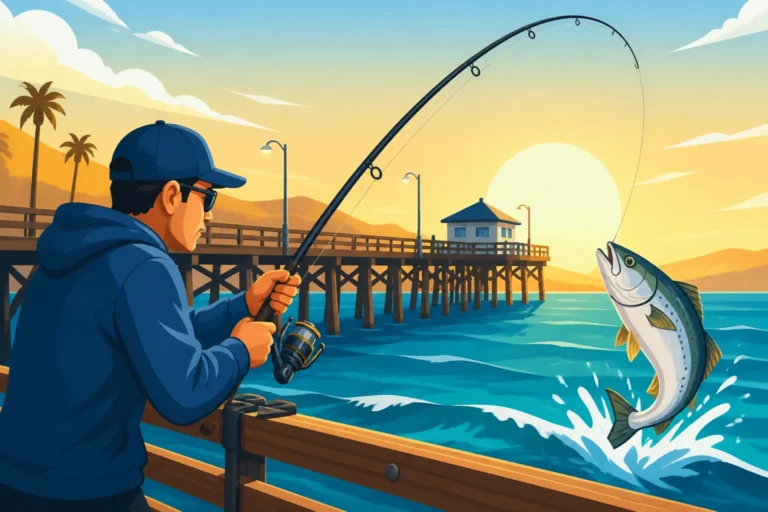
Along the Pacific coast, from the surf to the bays like San Francisco Bay Fishing Guide, striped bass are typically keyed into marine baitfish. Anchovies and sardines are the undisputed champions here, both live and as cut bait. Whether you're casting from a pier or hitting the surf, these oily morsels are hard to beat. Other effective natural baits include various types of surfperch (which stripers love to eat), sand crabs, and even ghost shrimp if fishing in calmer bay waters or estuaries. When surf fishing, a Carolina rig with a pyramid sinker to hold bottom in the waves is common, allowing a chunk of sardine or a live sand crab to flutter naturally.
For artificials in saltwater, lures that imitate anchovies and sardines are paramount. Chrome or blue/silver Kastmasters, Megabait-style swimbaits, and even large bucktail jigs can be incredibly effective when cast into schools of bait or along turbulent areas where stripers ambush prey. Topwater plugs are also a blast when stripers are actively chasing bait on the surface near the beaches or jetties. Be sure to check California Saltwater Fishing Regulations before heading out, as limits and seasons can vary by species and location.
Bait Comparison for California Striped Bass
To help you make an informed decision, here's a quick comparison of some of the most popular and effective baits for California striped bass:
| Bait Type | Pros | Cons | Ideal Conditions / Locations |
|---|---|---|---|
| Live Anchovies | High natural appeal, irresistible action, strong scent. | Fragile, requires careful handling and aerated bait tank. | Saltwater, bays, surf, chasing baitfish schools. |
| Live Sardines | Larger profile than anchovies, great action, very oily scent. | More robust than anchovies but still requires careful handling. | Saltwater, bays, for larger stripers. |
| Live Shad | Excellent for trophy stripers, mimics natural Delta forage. | Harder to acquire, often requires catching your own, delicate. | Freshwater (Delta, rivers), targeting big fish. |
| Ghost Shrimp | Natural Delta food source, strong scent, good for bank fishing. | Small, can be easily picked off by smaller fish, requires pumping. | Freshwater (Delta, estuaries), shallower waters, slow retrieve. |
| Cut Bait (Sardine/Anchovy) | Strong scent, durable, easy to cast. | Lacks natural movement, can attract unwanted species. | Both fresh & saltwater, bottom fishing, less active fish, strong current. |
| Soft Plastic Swimbaits | Versatile, mimics various baitfish, reusable, wide color range. | Requires proper retrieve technique, less scent than live bait. | Both fresh & saltwater, mimicking prevalent forage, active retrieve. |
| Topwater Plugs | Highly exciting strikes, covers water quickly. | Limited effectiveness in choppy water or non-feeding fish. | Both fresh & saltwater, low light, active surface feeding. |
| Jerkbaits | Great wounded baitfish imitation, effective suspending action. | Requires specific retrieve cadence, can be costly if lost. | Both fresh & saltwater, clear water, target wary fish. |
The Final Cast: Choosing Your Striper Bait
Ultimately, the "best" bait for California striped bass isn't a single magic bullet. It's a dynamic decision based on a few key factors: where you're fishing (freshwater vs. saltwater), the time of year, current water conditions, and what the fish are actively feeding on. Don't be afraid to experiment! Sometimes, the stripers are dialed into live bait, and other times, a well-presented artificial lure is all it takes.
My personal advice? Always start by observing. Look for baitfish activity, diving birds, or any signs of feeding stripers. Talk to local bait shop owners – they're a wealth of real-time information. And don't be afraid to try a few different options. You might have one rod rigged with live bait and another with a swimbait, covering your bases. The thrill of figuring out the puzzle and landing a powerful California striped bass makes all the effort worth it. Tight lines!
Disclaimer
Fishing regulations, including bag and size limits, seasons, and licensing requirements, can change. Always consult the latest official California Department of Fish and Wildlife (CDFW) regulations before heading out to fish. This article is for informational purposes only and does not constitute legal or regulatory advice.