Best Season to Catch Largemouth Bass in California
Oh, the quest for that bucketmouth! If you've spent countless hours staring at a still lake, wondering if the largemouth bass are even there, let alone biting, you're not alone. Figuring out the absolute sweet spot for largemouth bass in California can feel like trying to solve a complicated riddle, with water temperatures, weather shifts, and spawning cycles all playing a part. But don't you worry, because this guide is going to break down exactly when and why certain times of the year offer the best chances to land those magnificent green machines across the Golden State.
The Golden Window: Spring for California Largemouth Bass
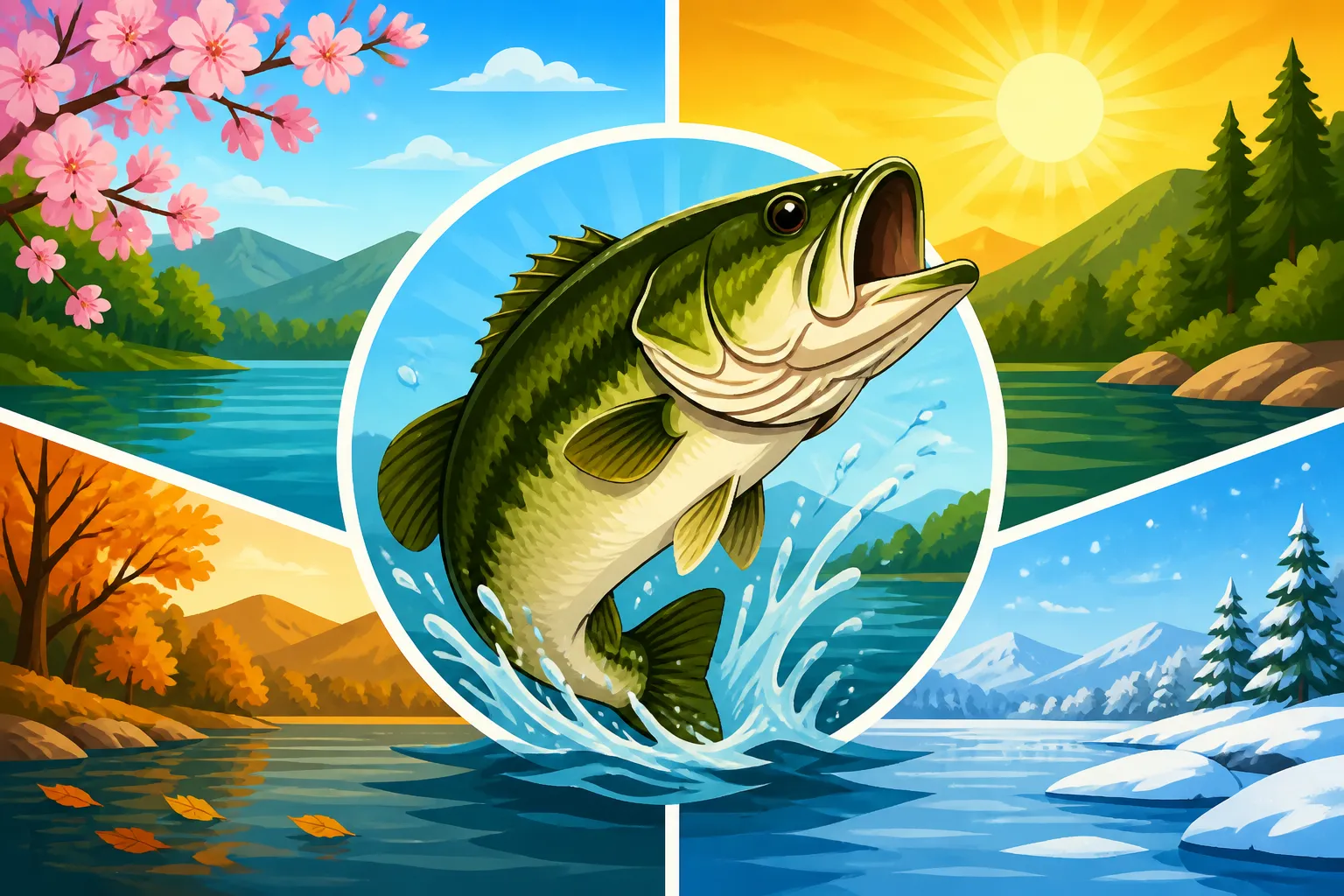
When it comes to consistently excellent largemouth bass fishing in California, spring isn't just a good time – it's often the best time. As the days lengthen and water temperatures begin to climb steadily after the chill of winter, everything in a bass's world shifts into high gear, primarily driven by the ancient urge to spawn. This period, roughly from March through June, offers a dynamic range of fishing opportunities, from aggressive pre-spawn feeding to the intense protection of beds, and finally, a post-spawn recovery that still sees plenty of action.
Pre-Spawn Aggression
Before the actual spawning begins, typically when water temperatures hit the low to mid-50s Fahrenheit, largemouth bass are in a serious feeding mood. They've been relatively lethargic through the colder months, burning fewer calories, but now they need to pack on weight and energy for the exhausting spawning process ahead. This is a fantastic time to target them because they’re actively searching for larger meals. You'll often find them cruising the shallower areas adjacent to deeper water, like points, submerged humps, and the edges of weed lines, looking for an easy ambush.
Anglers often have great success during this phase with reaction baits. Think about throwing a lipless crankbait that you can rip through emerging vegetation, or a spinnerbait that creates a lot of flash and vibration, mimicking a panicked baitfish. Even jigs pitched into cover can draw a powerful strike from a bass looking to beef up. The fish are still somewhat grouped up, making it possible to catch multiple bass from a single promising spot if you present your lure correctly. It's a truly exhilarating time to be on the water, feeling those strong, hungry tugs.
The Spawning Spectacle
Once water temperatures consistently reach the upper 50s to low 60s Fahrenheit, the largemouth bass spawning season truly kicks into gear. This is when the male bass move into very shallow, protected areas – often less than 10 feet deep, sometimes even just a few feet – to construct and guard their nests, called "beds." Females will then move onto these beds to lay their eggs, and the males will protect them ferociously from any perceived threat. This biological imperative means the bass are incredibly territorial and often easy to spot and provoke into striking.
While some anglers consider "bed fishing" controversial, it's undeniably a period of intense activity. Sight fishing becomes a primary technique, where you visually locate a bass on a bed and try to tempt it with a lure. Soft plastic baits like Senkos, creature baits, or lizards dropped right onto the bed can often elicit an aggressive strike, not because the bass is hungry, but because it wants to remove the perceived intruder. Understanding the nuances of this stage, including how bass relate to cover and the importance of respecting the fish's role in the ecosystem, is crucial. Remember to check the latest California Bass Fishing Regulations regarding catch-and-release during spawning periods for specific bodies of water.
Post-Spawn Recovery and Feeding
After the rigors of spawning, usually when water temperatures are in the mid to upper 60s, bass enter a post-spawn recovery phase. The females, especially, are often quite thin and exhausted. They'll typically move slightly deeper to recuperate, but their hunger quickly returns as they need to replenish their energy stores. The males will stay on the beds a bit longer, guarding the fry, but soon they too will begin to feed more actively. This phase, extending through late spring and early summer, still offers fantastic fishing, albeit with a slight shift in tactics.
During post-spawn, bass often relate to submerged cover such as brush piles, boat docks, and weed lines that offer both shade and ambush points near deeper water. They're still looking for a good meal, and slower presentations can often be very effective. Try working a Texas-rigged worm or a shaky head jig around cover. As the water warms, topwater baits can also become incredibly exciting, especially during low-light conditions early in the morning or late in the evening. A walking bait or a popper can draw explosive strikes from bass that have regained their strength and are looking for an easy meal on the surface. To really hone your approach, you might want to delve into our comprehensive guide on California Bass Fishing Techniques.
Navigating the Seasons: Summer, Fall, and Winter Bass Fishing
While spring undeniably steals the show for largemouth bass, that doesn't mean the rest of the year is a bust! Each season presents its own unique challenges and opportunities, requiring different strategies and a keen understanding of bass behavior. California's diverse climate, from the scorching Central Valley to the cooler coastal regions, means these seasonal shifts can vary a bit, but the general principles hold true.
Summer's Deepwater Game
When California summers really kick in and water temperatures soar into the 70s and 80s, largemouth bass often seek refuge in deeper, cooler waters. This can be a frustrating time for anglers who prefer shallow-water action, but it's also a period where you can consistently find fish if you know where to look. Bass will often suspend in the water column or relate to deep structure like points, humps, submerged islands, and creek channels where they can find cooler temperatures and access to baitfish.
Techniques like dropshotting become incredibly effective during summer, allowing you to present a small, subtle bait right in the face of deep-holding bass. Jigging spoons, deep-diving crankbaits that reach those thermal clines, and Carolina rigs worked slowly along the bottom can also entice bites. Don't forget the early morning and late evening bites, especially with topwater lures around shaded cover, before the sun gets too high and drives the bass deep. For those long summer days, make sure you've stocked up on appropriate gear – Amazon has a fantastic selection of deep-diving lures and dropshot weights to get you started. Fishing the shady side of docks or under bridges where there's overhead cover can also produce surprisingly good results, even in the middle of the day.
Fall's Feeding Frenzy
Ah, fall! As the days shorten, air temperatures cool, and the water slowly begins to drop into the 60s and 50s, largemouth bass enter another intense feeding period. This "fall turnover" or "feed up" is similar to pre-spawn, where bass aggressively gorge themselves in preparation for the upcoming winter. They're trying to pack on as many calories as possible, making them highly susceptible to a wide range of baits. You'll often find them pushing baitfish into shallower coves and creek arms, creating explosive feeding frenzies.
This is a fantastic time for power fishing with reaction baits. Crankbaits in shad or bluegill patterns, spinnerbaits, and chatterbaits can be incredibly effective when retrieved quickly through likely holding areas. If you find schools of baitfish, chances are the bass won't be far behind. Soft plastic jerkbaits can also mimic dying baitfish, a tempting target for hungry bass. It’s also a great time to experiment with different topwater presentations, especially on overcast days, as bass are often willing to chase a meal to the surface. This is one of the most exciting times of the year to be on the water, with fish often busting bait on the surface.
Winter's Slow Grind
Winter fishing for largemouth bass in California, when water temperatures dip into the 40s and low 50s, can be tough, but it's certainly not impossible. Bass metabolism slows dramatically, and they become less active and more lethargic. They tend to congregate in deeper, more stable water, often around steep drops, rock piles, or channel swings. Their feeding windows become much shorter, and they prefer a very slow, subtle presentation.
Success in winter often comes down to patience and precision. Vertical presentations with baits like spoons, jigs, or small, heavily weighted soft plastics are key. Dropshot rigs can still be effective, but you'll need to work them agonizingly slowly. Look for areas with a slightly warmer water temperature, perhaps a sunny bank or a discharge from a power plant (if legal and safe to fish). Smallmouth Bass in California often respond well to these cold-water tactics too. While you might not catch as many fish, the ones you do hook are often larger, as the biggest bass tend to conserve energy more efficiently. Don't forget that a good pair of insulated gloves and waterproof layers from Amazon can make all the difference in your comfort during these colder trips!
Here's a quick overview of what to expect:
| Season | Water Temperature (F) | Bass Behavior | Preferred Locations | Recommended Baits/Techniques |
|---|---|---|---|---|
| Spring (Mar-Jun) | 50s-60s | Pre-spawn feeding, spawning, post-spawn recovery | Shallow coves, points, weed lines, beds | Jigs, spinnerbaits, crankbaits, soft plastics, topwater |
| Summer (Jul-Aug) | 70s-80s | Deepwater refuge, early/late feeding | Deep structure, main lake points, shade | Dropshot, deep crankbaits, jigging spoons, topwater (low light) |
| Fall (Sep-Nov) | 60s-50s | Aggressive feeding frenzy | Baitfish schools, shallow coves, creek arms | Crankbaits, spinnerbaits, chatterbaits, soft jerkbaits |
| Winter (Dec-Feb) | 40s-low 50s | Lethargic, deeper holding, short feeding windows | Deep channels, rock piles, steep breaks | Dropshot, jigs, spoons, slow presentations |
Key Factors Influencing Bass Activity
Beyond the general seasons, several crucial factors dictate when and where largemouth bass will be most active. Understanding these elements can help you predict fish behavior and fine-tune your approach, regardless of the month on the calendar.
Water Temperature is King
If there's one single factor that drives largemouth bass behavior more than any other, it's water temperature. Bass are cold-blooded creatures, and their metabolism is directly tied to the temperature of their environment. This is why you see such predictable patterns linked to the seasons. For instance, the optimal temperature range for largemouth bass activity and feeding is generally considered to be between 65-75°F. Below 50°F, they become sluggish; above 80°F, they often seek deeper, cooler water.
Knowing this, you can often find bass by locating areas of a lake or river that match their preferred temperature range. In spring, that means searching for the warmest, sunniest coves. In summer, it means looking for thermoclines or deep springs. Even small temperature changes, sometimes just a few degrees, can concentrate bass. Having a good fishfinder with a reliable temperature gauge is an invaluable tool for any serious bass angler looking to understand the intricacies of Best Times to Fish in California.
Forage and Habitat
You've heard the saying "find the bait, find the bass," right? It's absolutely true. Largemouth bass are apex predators in most freshwater ecosystems, and their movements are heavily influenced by the availability and location of their prey. Whether it's threadfin shad, hitch, bluegill, crayfish, or even smaller bass, these forage species dictate where the bass will be hunting. If baitfish are schooling in open water, bass will often be close by, possibly suspending beneath them. If bait is hiding in dense weed beds, that's where the bass will set up their ambushes.
The type of habitat also plays a huge role. Bass love cover and structure. This means natural features like submerged trees, rock piles, weed beds, and creek channels, as well as man-made structures such as boat docks, bridge pilings, and rip-rap. These areas provide protection, ambush points, and often hold concentrations of bait. Understanding these relationships is key to knowing How to Fish for Largemouth Bass in California. When you're out there, always be observing the signs of life – birds diving, baitfish flickering, or even just subtle changes in bottom contour that signal a potential ambush point.
Weather Patterns and Their Impact
Beyond seasonal temperature swings, daily and weekly weather patterns can dramatically affect bass behavior. A sudden cold front pushing through can shut down a bite, making fish lethargic and less willing to chase. Conversely, stable weather with consistent temperatures often leads to more predictable and active fish. Overcast days can sometimes extend the bite into midday, as bass are less sensitive to bright sunlight. Wind, too, plays a crucial role – a light chop can break up the water's surface, making it harder for bass to see you and often stimulating a bite, while heavy winds can make boat control and lure presentation difficult.
Barometric pressure is another, often overlooked, factor. A falling barometer often precedes a storm and can trigger an aggressive feeding spree as fish sense the impending change. A rising barometer, after a storm has passed, typically corresponds with a tougher bite. While you can't control the weather, being aware of these patterns and checking the forecast before your trip can help you adjust your tactics and expectations. This can mean the difference between a frustrating day and a successful outing, even when targeting particular species like Largemouth Bass in California.
Regional Hotspots and Seasonal Nuances
California is a massive state, and while the general seasonal patterns hold true, there are definite regional differences and specific lakes that shine for largemouth bass at different times. Knowing these nuances can give you a significant edge.
Central Valley Reservoirs and the Delta
The Central Valley of California is a largemouth bass mecca, boasting some of the best bass fisheries in the entire country. Lakes like Clear Lake Fishing Guide, Lake Shasta, Lake Oroville, Folsom Lake, and New Melones Lake are legendary for their abundant and often very large bass populations. These impoundments typically warm up earlier in the spring and stay warmer longer into the fall, extending the prime fishing windows compared to cooler, higher-elevation lakes. The California Delta Fishing Guide, a vast network of sloughs and channels, is another world-class fishery, famous for its giant largemouth. Its complex structure and abundant forage make it productive almost year-round, though spring and fall are often exceptional.
During the spring, the shallow coves and protected areas of these reservoirs, especially those with rock or timber, become bass spawning grounds, offering incredible sight fishing and reaction bait opportunities. In summer, bass often retreat to main lake points, submerged islands, and deeper creek channels. The fall bite can be explosive in these lakes, with bass aggressively chasing shad schools. The California Bass Spawn Timing and Tactics often dictate the very best periods for trophy hunting in these waters, so understanding the specific timings for each lake is essential. For many, a trip to Clear Lake is a pilgrimage, offering a real chance at a double-digit bass.
Southern California Lakes
Southern California also holds some phenomenal largemouth bass fisheries, with lakes like Castaic Lake Fishing Guide, Diamond Valley Lake Fishing Guide, San Luis Reservoir, and Pyramid Lake being prime examples. These lakes, often large municipal water reservoirs, are known for their deep, clear waters and the potential for true trophy-sized bass. Due to the generally warmer climate, the bass season here can sometimes start a bit earlier in spring and extend later into the fall compared to their northern counterparts. However, the clear water often means bass are more wary, and finesse techniques might be required more frequently.
In these Southern California giants, the spring pre-spawn and spawn can be incredible, with fish moving into shallower coves and points. Summer fishing often requires anglers to go deep, using dropshot rigs and deep-diving crankbaits to target bass holding off structure in 20-60 feet of water. The night bite can also be very productive in these clear-water lakes during the summer, as bass move shallower under the cover of darkness. Fall sees another surge of activity as bass fatten up, with a mix of reaction baits and slower presentations working well. Always check the specific regulations, such as California Freshwater Fishing Regulations, for each lake, as some may have unique rules regarding bait or fishing methods.
Disclaimer
Fishing conditions and regulations in California can change frequently. Always consult the latest California Department of Fish and Wildlife (CDFW) regulations booklet or website before heading out to ensure you are compliant with all current laws, including bag limits, size limits, and specific water body rules. This guide is for informational purposes only and should not replace official CDFW resources.