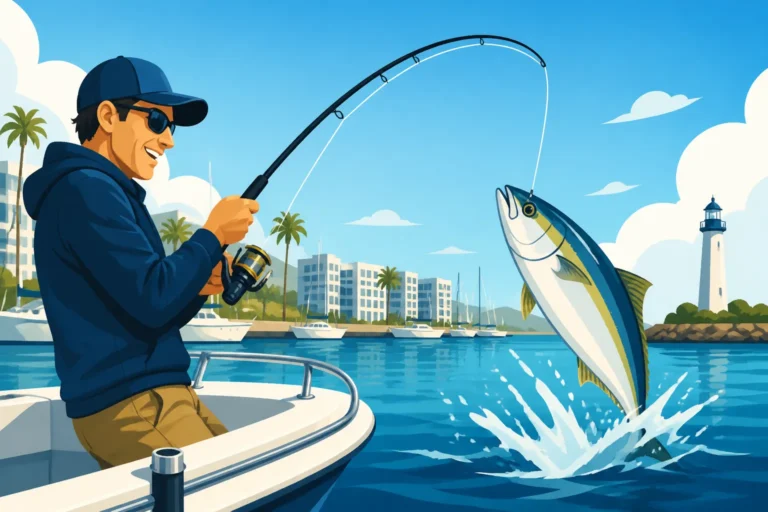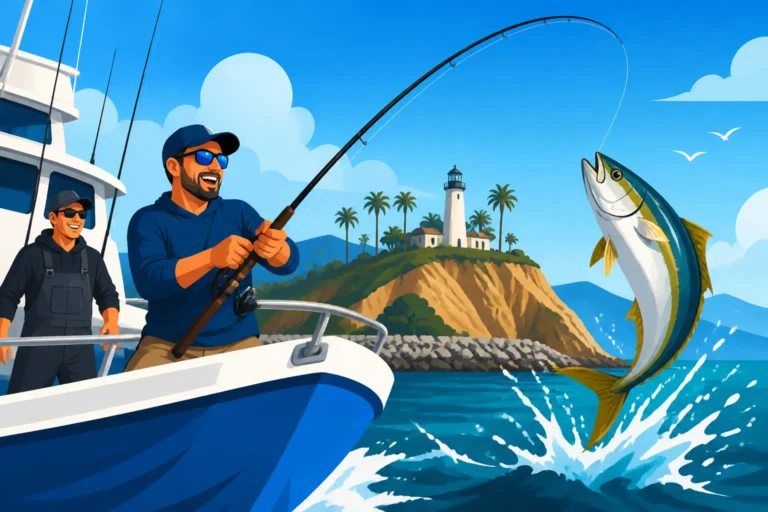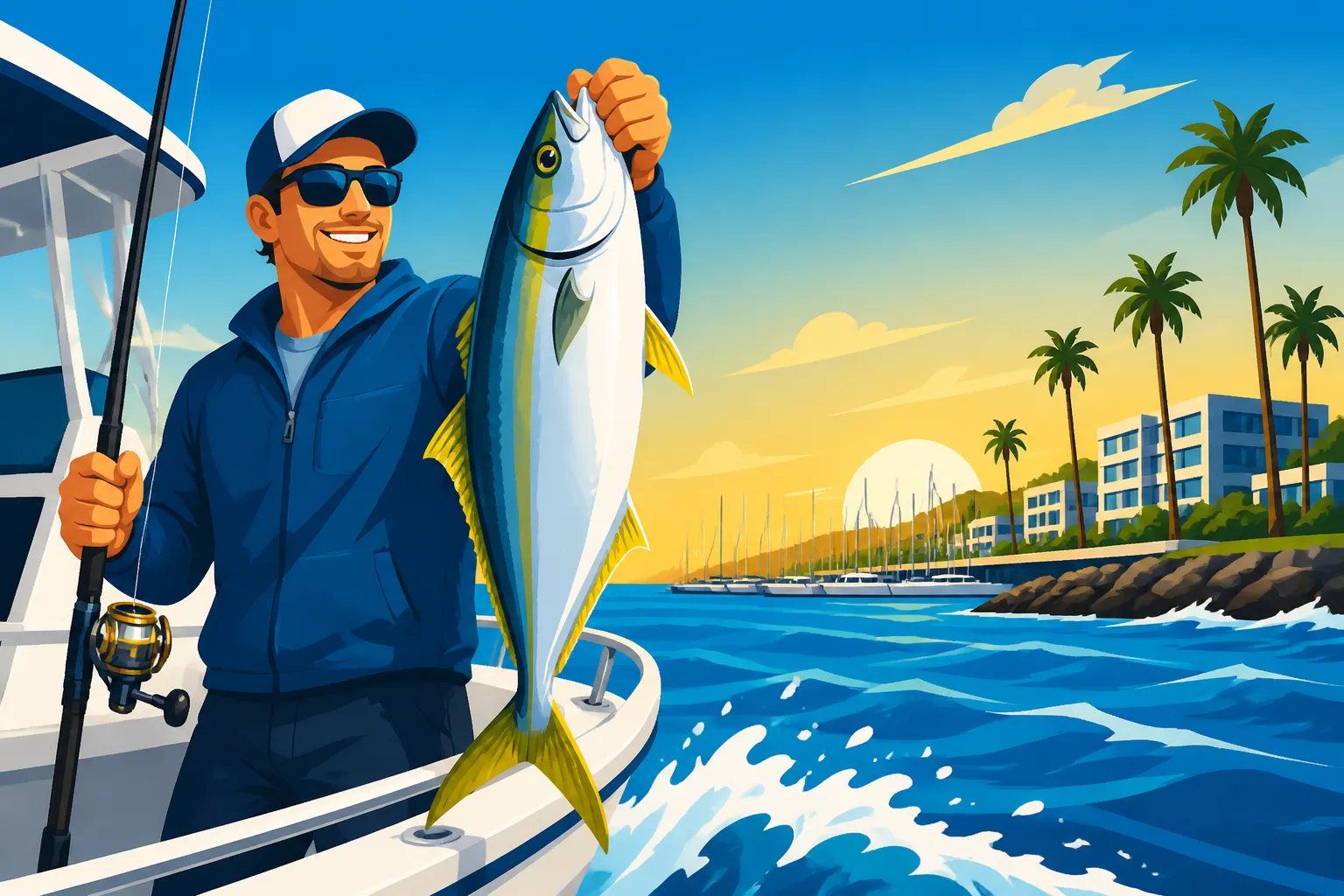
Fishing Charters in Marina del Rey
Feeling a bit overwhelmed trying to figure out the best way to hit the water for some prime angling in Los Angeles? Marina del Rey offers incredible access to Southern California's rich fisheries, but navigating the world of fishing charters can feel like casting into the dark. This guide is here to untangle the lines, offering you a clear, comprehensive look at everything you need to know about fishing charters in Marina del Rey, helping you confidently book the perfect trip.
Why Marina del Rey is a Premier Fishing Destination
Marina del Rey isn't just a picturesque harbor for yachts and sailboats; it's a strategically perfect launchpad for some fantastic fishing adventures in Southern California. Its unique position and the natural bounty of the Pacific Ocean right on its doorstep make it a top choice for anglers of all stripes.
Geographic Advantages and Accessibility
One of Marina del Rey's biggest draws is its sheer accessibility. Nestled along the coast of Los Angeles County, it's surprisingly easy to get to from almost anywhere in the greater LA area, avoiding the heavier traffic bottlenecks you might find heading to other ports further south. This convenience means less time stuck in your car and more time with a line in the water, which, let's be honest, is what we all want. The marina itself is well-equipped with ample parking, bait and tackle shops, and provisions, making your pre-trip logistics a breeze.
Beyond its easy access on land, Marina del Rey boasts an enviable geographic position at sea. It opens directly into Santa Monica Bay, a vast, productive body of water known for its diverse marine life. Just a short run from the harbor, you can find significant changes in depth, structure, and habitat, from shallow sandy flats perfect for halibut to deeper canyons and rocky reefs teeming with rockfish and lingcod. The proximity to these varied ecosystems means that charter captains have many options depending on the season, weather, and what fish are biting, increasing your chances of a successful day. Many offshore banks and even the Channel Islands are within reasonable striking distance for longer trips, offering even more opportunities.
Diverse Marine Environment
The waters off Marina del Rey are a true melting pot of marine life, thanks to the confluence of different oceanographic conditions. You have cooler, nutrient-rich upwellings that bring baitfish close to shore, supporting robust populations of predatory species. The extensive kelp forests, which are essentially underwater cities, provide shelter and hunting grounds for species like Calico Bass and White Seabass. Further offshore, the deeper waters become highways for migratory pelagic species when conditions are right.
This biological richness means that whether you're looking for a challenging fight with a Yellowtail or a more relaxed day catching a variety of bottom fish, Marina del Rey has something to offer. The ecosystem here is dynamic, constantly changing with the seasons, water temperature, and currents. This dynamism keeps things exciting for experienced anglers and provides a broad introduction to saltwater fishing for newcomers. Plus, with the diligent efforts of the California Department of Fish and Wildlife (CDFW) and local conservation groups, the marine environment is carefully managed, ensuring that these fishing opportunities remain viable for years to come.
Types of Fishing Charters Available in Marina del Rey
When you decide to go fishing out of Marina del Rey, you'll find a fantastic array of charter options designed to fit every schedule, budget, and angling ambition. Understanding these different types of trips is the first step to ensuring you book the perfect adventure.
Half-Day, Full-Day, and Twilight Trips
The most common types of charters are usually categorized by their duration. Half-day trips are fantastic for beginners, families with young children, or those simply looking for a quick escape on the water without committing to a full day. These typically run for about 4-6 hours, often in the morning or afternoon. On a half-day trip, captains usually focus on nearshore fishing spots, targeting species like Calico Bass, Sand Bass, Barracuda, or perhaps even some smaller Rockfish, depending on the season. The cost is generally lower, and the shorter duration makes it less taxing.
Full-day charters, on the other hand, offer a more immersive experience, usually lasting 8-12 hours. This extended time allows the boat to travel further offshore, explore multiple fishing grounds, and target a wider variety of species, including larger Halibut, White Seabass, or even offshore Yellowtail and various Tuna species if they're in range. These trips are ideal for more serious anglers who want ample fishing time and the potential for bigger, more elusive catches. The additional time also allows for experimenting with different techniques and covering more ground if the fish aren't biting in one spot.
A unique offering, particularly popular during the warmer months, are twilight trips. These usually run for about 4-5 hours in the late afternoon and into the evening, coinciding with prime feeding times for certain species. Often, these trips target species like Calico Bass, Sand Bass, or even Mackerel and Bonito, which can be very active as the sun goes down. The experience of watching the sunset over the Pacific from a fishing boat, often with cooler temperatures and fewer crowds, is an added bonus, making it a favorite for many.
Private Charters vs. Open Party Boats
This is one of the biggest decisions you'll make when booking a Marina del Rey fishing charter, and each option comes with its own set of pros and cons.
Private Charters: If you're looking for an exclusive experience, a private charter is the way to go. You book the entire boat for your group, whether that's a few friends, family, or a corporate outing. The main advantage here is flexibility: you dictate the target species (within reason and season), the fishing style, and even the schedule. The captain and crew are entirely focused on your group's experience, providing personalized instruction and attention. This is perfect for celebrating special occasions, for experienced anglers who want to try specific techniques, or for beginners who prefer a more private learning environment. However, this exclusivity comes at a higher price point, as you're covering the entire cost of the boat, fuel, and crew yourself. Many private charter operators in Marina del Rey offer fantastic service, ensuring a memorable trip customized to your preferences.
Open Party Boats (Head Boats): Also known as "party boats" or "sportfishing boats," these are a more budget-friendly option where you pay per person for a spot on a larger vessel. These boats accommodate anywhere from a dozen to fifty or more anglers, depending on the size of the boat. The trip is scheduled, and the captain determines the fishing grounds and target species based on current conditions and what's been biting. Open party boats are a fantastic way to meet fellow anglers, learn from more experienced fishermen, and enjoy a full day on the water without the significant cost of a private boat. While you might not get the same level of individual attention as on a private charter, the deckhands are usually very helpful, assisting with baiting hooks, untangling lines, and gaffing fish. Many local landings in Southern California, like those found in nearby Long Beach or San Pedro, operate large party boats, and some of those same excellent operations might run specialized trips out of Marina del Rey or be easily accessible from there.
Specialized Trips and Target Species
Beyond the general half-day and full-day options, many Marina del Rey charters offer specialized trips focusing on particular species or techniques. If you're obsessed with landing a trophy Halibut, you might find charters specifically designed for drift fishing these elusive flatfish over sandy bottoms. For those chasing the thrill of a surface bite, there are trips that specifically target Barracuda or Bonito, often employing fast-trolling or casting light tackle techniques.
When the offshore scene heats up, typically during the warmer summer and fall months, specialized trips for Yellowtail, Dorado (Mahi-Mahi), and various Tuna species (Bluefin, Yellowfin, Albacore) become available. These are often longer-range, full-day, or even multi-day excursions that venture far offshore, sometimes even past the Channel Islands. Targeting these powerful pelagic species requires specialized gear, techniques, and often involves live bait. Anglers considering these longer trips should ensure they're prepared for potential seasickness and the physical demands of battling big game fish. Being informed about current regulations, such as California Bluefin Tuna Season Explained, is crucial before embarking on such an adventure.
What Species Can You Expect to Catch in Marina del Rey?
The rich and varied marine environment off Marina del Rey makes it a hotspot for a wide range of fish species. What you catch largely depends on the season, water conditions, and how far offshore your charter ventures.
Nearshore Species
When you're fishing closer to shore, typically within a few miles of the coast or in Santa Monica Bay, you'll encounter a fantastic mix of sportfish. Calico Bass are perhaps the quintessential Southern California nearshore game fish. They love to ambush prey around kelp paddies, rocky reefs, and structure, offering a feisty fight on light tackle. Anglers often target them with plastics, swimbaits, or live bait. You'll also frequently find their cousins, Sand Bass and Spotted Bay Bass, over sandy or muddy bottoms, especially during their spawning season in the warmer months.
Another highly sought-after species is the California Halibut. These delicious flatfish are often found ambushing baitfish on sandy or muddy flats, particularly near structure or drop-offs. Drifting with live bait like anchovies or sardines, or slow-trolling spoons and swimbaits, are common methods. Keep a close eye on the current California Halibut Regulations and Limits as they can change. Barracuda are common visitors, especially in spring and summer, known for their aggressive strikes and sharp teeth. They're often caught trolling jigs or with live bait. While less common, the elusive White Seabass can also be targeted in nearshore waters, particularly around kelp beds, though they often require specialized techniques and a bit of luck. During certain times of the year, usually late spring through fall, schools of Yellowtail might push into nearshore waters, offering an incredible light-tackle fight, especially around floating kelp patties.
Offshore Species
For those willing to venture further out, the offshore waters of Southern California, accessible from Marina del Rey, hold the promise of true big-game fishing. The most iconic of these are the various Tuna species. Bluefin Tuna have become a major draw in recent years, with schools of these powerful fish appearing anywhere from 20 to 100+ miles offshore. Catching them often involves kite fishing, jigging, or slow-trolling live bait. Knowing the California Bluefin Tuna Season Explained is key to planning these trips.
Yellowfin Tuna and Albacore Tuna are also seasonal visitors, often found in warmer waters further south or offshore. These species offer incredible speed and stamina, providing an epic battle for any angler. Alongside tuna, you might encounter vibrant Dorado (Mahi-Mahi), especially around floating kelp paddies or debris in warmer waters. These highly acrobatic fish are a blast to catch and are fantastic table fare. Larger Yellowtail can also be found offshore, often around islands or offshore banks, where they grow to impressive sizes. Targeting these offshore pelagic species often requires longer trips, specialized boats, and robust tackle, but the reward of landing one of these magnificent fish is truly unforgettable.
Seasonal Highlights
Understanding the seasonal patterns is crucial for planning your Marina del Rey fishing trip. While some species like certain rockfish are available year-round (with specific depth and bag limits), many others have distinct seasons.
- Spring (March – May): This is often an excellent time for Halibut as they move into shallower waters. Calico Bass start to become more active, and you might see the first signs of Barracuda moving in. The deeper water California Rockfish Regulations and Limits might open up, allowing anglers to target various species like Vermilion Rockfish, Bocaccio, and Lingcod.
- Summer (June – August): This is prime time for many pelagic species. Barracuda are abundant, and Bonito provide fast action. This is when the offshore bite for Yellowtail, Dorado, and various Tuna species typically ignites, depending on water temperature and currents. Nearshore Calico Bass fishing remains strong around the kelp.
- Fall (September – November): Often considered the sweet spot by many, fall can offer a mix of summer and winter species. Offshore tuna and dorado can still be around, sometimes reaching their peak. Yellowtail can be very active both nearshore and offshore. Inshore, Halibut remain a possibility, and the bass fishing can continue to be productive before winter sets in.
- Winter (December – February): While the offshore scene slows down, winter is a fantastic time for bottom fishing. Rockfish and Lingcod are the primary targets, often found in deeper water. Winter also offers opportunities for larger Halibut in certain areas. This is a great time for those who enjoy a slower pace and want to fill their cooler with delicious bottom dwellers.
Captains stay abreast of these patterns, but checking a current California Fishing Report before your trip can give you a real-time idea of what's biting.
How to Choose the Right Fishing Charter for Your Trip
Selecting the perfect fishing charter out of Marina del Rey can feel a bit like dating – you want a good match! With so many options, it's easy to get overwhelmed. But by considering your goals and doing a little homework, you can ensure a fantastic experience on the water.
Matching Your Skill Level and Goals
Before you even start looking at boats, take a moment to honestly assess what you want out of the trip and who you're fishing with. Are you a seasoned angler looking to tackle a specific species with advanced techniques, or are you a complete beginner hoping to just catch something and enjoy the ocean?
For beginners and families with young children, look for charters that explicitly welcome first-timers. Many open party boats are excellent for this, as the deckhands are accustomed to helping novices. Private charters can also be great for beginners, as you get personalized instruction and don't feel pressured by other anglers. Ask about the crew's patience and willingness to teach. Often, half-day trips are a perfect introduction.
If you're an experienced angler with specific targets in mind (say, trophy Bluefin Tuna or a limit of Lingcod), a private charter is usually your best bet. You can discuss your goals directly with the captain beforehand and ensure they have the expertise, boat, and gear suitable for your ambition. Don't be shy about asking about their success rates for specific species or their preferred techniques. Some charters specialize in certain types of fishing, like fly fishing for bass or deep dropping for swordfish, so make sure their specialty aligns with yours.
Consider also the social aspect: do you want a quiet, intimate trip with close friends, or are you happy to share the rail with a group of strangers on a lively party boat? The choice between private and open party will largely depend on this.
Researching Boats and Captains
This is where your detective skills come in! A good charter is only as good as its captain and crew.
Start by looking at reviews on platforms like Google, Yelp, and specialized fishing charter booking sites like FishingBooker. Pay attention to comments about the captain's knowledge, the crew's helpfulness, the condition of the boat, and the overall atmosphere. A well-maintained boat with professional, friendly, and safety-conscious crew is paramount. Look for consistent positive feedback.
Don't hesitate to contact the charter operator directly. This is your chance to ask questions and get a feel for their customer service. Here are some key questions to consider:
- Experience and Local Knowledge: How long has the captain been fishing out of Marina del Rey? Do they regularly fish the areas you're interested in? Local knowledge is invaluable for finding fish.
- Boat and Safety: What type of boat is it? What safety equipment do they have on board (life vests, first aid, radios)? How many passengers can they comfortably accommodate? Is it Coast Guard inspected and certified?
- Crew: How many deckhands will be on board? Are they experienced and helpful?
- Success Rates: While no charter can guarantee fish, a reputable captain will be honest about recent fishing conditions and what species have been biting.
- Cancellation Policy: What happens if the weather is bad or if you need to cancel?
Finally, trust your gut. If a boat or captain seems unprofessional or gives you a bad feeling, move on. There are plenty of excellent options available.
Understanding Inclusions and Costs
Charter prices can vary widely, and it's essential to understand exactly what you're paying for to avoid any surprises.
Most charters will include the boat, captain, fuel, and usually a deckhand. Beyond that, what's included can differ:
| Feature | Standard Open Party | Standard Private Charter | Potential Add-ons (Both) |
|---|---|---|---|
| Boat & Crew | Included | Included | |
| Fishing Rods | Usually included | Usually included | Upgraded tackle rentals |
| Bait | Often included | Often included | Live bait charges (some) |
| Tackle | Basic tackle incl. | Basic tackle incl. | Lures, lost tackle |
| Fishing License | NOT included | NOT included | |
| Report Cards | NOT included | NOT included | |
| Food/Drinks | BYO | BYO (some catering avail.) | Purchased onboard |
| Fish Cleaning | Fee often applies | Fee often applies |
Hidden Costs to Watch For:
- Fishing Licenses: You absolutely need a valid California fishing license, which is never included in the charter price. You can usually purchase one online or at bait and tackle shops before your trip. For more details, check out our guide on How to Get a California Fishing License.
- Report Cards: If you're targeting species like Steelhead, Sturgeon, or Salmon, you'll need specific report cards in addition to your license. Ensure you understand California Fishing Report Cards Explained and acquire any necessary ones.
- Ocean Enhancement Stamp: If fishing in ocean waters south of Point Arguello (Santa Barbara County), you'll also need an California Ocean Enhancement Stamp.
- Tackle and Lures: While basic gear is usually provided, you might be charged for lost lures, sinkers, or specialized tackle. Clarify this upfront.
- Bait: Live bait, especially for offshore trips, can sometimes be an additional charge.
- Fish Cleaning: Most charters offer fish cleaning services at the end of the day, but it's typically for an additional fee per fish or per pound.
- Gratuity: Tipping the deckhands and captain is customary and expected. We'll cover this in more detail later.
Always get a clear, itemized breakdown of costs before you book. A reputable charter will be transparent about all potential fees. When comparing prices, make sure you're comparing apples to apples in terms of what's included.
What to Expect and How to Prepare for Your Marina del Rey Charter
Embarking on a fishing charter in Marina del Rey is an exciting prospect, but a little preparation can go a long way in ensuring you have a comfortable, productive, and enjoyable trip. Knowing what to expect both before and during your time on the water will help you make the most of your adventure.
Essential Gear and Clothing
Even though many charters provide the necessary fishing equipment, there are several personal items you should absolutely bring to be prepared for a day at sea:
- California Fishing License and Report Cards: This is non-negotiable. Make sure your license is current and any required report cards (e.g., for Sturgeon or Salmon, if applicable) are purchased and validated. The penalties for fishing without one can be steep, so don't risk it. You can learn more about the specifics in our California Fishing License Guide.
- Layers of Clothing: The weather on the ocean can change dramatically. It might be warm and sunny at the dock, but chilly and windy a few miles offshore. Dress in layers that you can easily add or remove. A waterproof outer shell is always a good idea, even if rain isn't in the forecast, as sea spray can be persistent.
- Non-Slip Shoes: Boat decks can get wet and slippery. Wear comfortable, closed-toe shoes with good grip. Avoid flip-flops or sandals.
- Sun Protection: Even on cloudy days, the sun's reflection off the water can be intense. Bring a wide-brimmed hat, sunglasses (polarized are a huge advantage for spotting fish or structure), and high-SPF sunscreen.
- Food and Drinks: While some charters might offer snacks or drinks for purchase, it's always best to bring your own. Pack plenty of water to stay hydrated, and bring snacks and a lunch that won't spoil easily. A small cooler is often useful.
- Seasickness Medication: If you are prone to seasickness, or even if you're not sure, take preventative measures before you board the boat. Options like Dramamine, Bonine, or ginger chews can make a huge difference. Don't wait until you feel ill; it's often too late by then.
- Camera: To capture those epic catches and scenic views! Just be mindful of keeping it dry.
- Cooler (for your catch): After a successful day, you'll need a place to store your fresh fish. Bring a separate cooler to leave in your car, ready to transport your cleaned fillets home.
- Small Backpack/Dry Bag: For personal items like your phone, wallet, keys, and any medications, kept secure and dry.
Remember, if you're on a private charter, you might have more flexibility with what you bring. On an open party boat, space can be limited, so try to pack efficiently.
Onboard Experience and Etiquette
Once you're on board, there are a few unwritten rules and expectations that help ensure a smooth and enjoyable trip for everyone:
- Listen to the Crew: The captain and deckhands are there for your safety and to help you catch fish. Pay close attention to their instructions regarding safety, fishing techniques, and where to cast. They know the boat, the water, and the fish better than anyone.
- Respect Other Anglers' Space: On open party boats, space at the rail can be limited. Be mindful of your casting, and avoid encroaching on another angler's line. If lines get tangled, politely ask a deckhand for assistance. Patience is key.
- Ask for Help: Don't be afraid to ask the deckhands for assistance with baiting, casting, or unhooking fish, especially if you're new to fishing. That's what they're there for!
- Handle Fish Carefully: If you plan to release a fish, handle it gently and quickly. Minimize its time out of water. If you're keeping your catch, place it immediately into the fish hold or cooler.
- Keep the Boat Clean: Dispose of trash properly in designated bins. This keeps the boat safe and pleasant for everyone.
- Tipping: This is a big one. Tipping the deckhands is customary and expected, usually 15-20% of your trip cost, depending on their service. They work incredibly hard, from preparing bait to untangling lines, gaffing fish, and cleaning up. Even if the fishing is slow, they've still put in the effort. For an in-depth look, check out our guide on Tipping on a California Fishing Charter. While the captain typically owns the boat or is salaried, a tip for exceptional service is always appreciated.
Post-Trip Considerations
After the lines are reeled in and the boat heads back to Marina del Rey, there are still a few things to consider:
- Fish Cleaning: Most charters offer fish cleaning services, usually for a nominal fee. The deckhands will expertly fillet and bag your catch, making it ready for your cooler. Be sure to have your cooler ready in your vehicle for immediate transfer.
- Photos: Don't forget to get those brag-worthy photos of your catch! The crew is usually happy to snap a few for you.
- Reporting Your Catch: For certain species, like Sturgeon, you might have specific reporting requirements for your report card. Make sure you understand how to accurately fill out and return your report card by the deadline, as explained in California Fishing Report Cards Explained.
- Share Your Experience: If you had a great time, consider leaving a positive review for the charter. It helps other anglers choose wisely and supports the hard-working crew.
By keeping these points in mind, your Marina del Rey fishing charter will be a memorable and rewarding experience from start to finish.
Booking Your Marina del Rey Fishing Charter
Booking your fishing charter in Marina del Rey should be an exciting part of the planning, not a stressful one. With the right approach, you can easily find and secure the perfect trip.
Online Platforms and Direct Bookings
In today's digital age, you have a couple of primary avenues for booking your Marina del Rey fishing adventure: online booking platforms or directly with the charter company.
Online Booking Platforms: Websites like FishingBooker have revolutionized how anglers find and book charters. These platforms act as a central hub, allowing you to browse numerous charters operating out of Marina del Rey (and other ports), compare prices, read reviews from other anglers, and see detailed information about the boat, captain, and target species.
- Pros: Convenience, wide selection, transparent pricing, verified reviews, and often secure payment processing. You can filter by boat type, trip duration, target species, and even amenities. For instance, if you're looking for a specific type of trip, like a California Rockfish Charter Trips or a particular kind of boat, FishingBooker can help you sort through the options quickly.
- Cons: While generally reliable, sometimes booking through a third-party means less direct communication with the captain until closer to the trip. Also, commission fees might be built into the price, though often the convenience outweighs this.
Direct Bookings: Many established charter operations in Marina del Rey, especially the smaller, privately-owned businesses, prefer direct bookings. You can often find their websites or phone numbers through local searches or recommendations.
- Pros: Direct communication with the captain or owner from the start, potentially more flexibility with trip customization, and you might get a better deal as there are no third-party commissions. It allows you to build a relationship with the crew before you even step on the boat.
- Cons: Requires more individual research to find and vet different operators. You might not have the same breadth of comparison information as on a large platform.
My personal recommendation? Start with a platform like FishingBooker to get a broad overview of what's available, read reviews, and narrow down your choices. Once you have a few top contenders, consider reaching out directly to those operators with specific questions or to discuss booking, especially for a private charter.
Key Questions to Ask Before Booking
Regardless of how you book, having a list of key questions ready can save you headaches down the line and ensure there are no surprises. Don't be shy – a good charter operator will appreciate your thoroughness.
- What's included in the price? (As discussed above, clarify rods, bait, tackle, fish cleaning, and any potential hidden fees.)
- What is your cancellation policy? This is crucial, especially for weather-related cancellations or if something unexpected comes up on your end. What's the refund policy? Is rescheduling an option?
- Do I need a fishing license, and where can I get one? (Always yes, but confirm if they sell them or have recommendations.) Remember to check out the California Fishing License Guide for complete information.
- Are there any age or physical restrictions? For very young children or individuals with mobility issues, some boats might be better suited than others. If you're considering a trip for kids, looking for California Charter Fishing with Kids is a great way to start.
- What species are we targeting, and what's the likelihood of catching them? A good captain will give you a realistic assessment based on current conditions and historical data.
- What should I bring? (Confirm their specific recommendations for clothing, food, drinks, cooler, etc.) Refer to our detailed guide on What to Bring on a California Fishing Charter for a comprehensive list.
- What time should I arrive at the dock? Give yourself plenty of buffer time, especially if you're coming from further afield in LA traffic.
- Where exactly is the departure point? Get precise directions and parking information. Marina del Rey is large, so specifics are important.
- What is your policy on alcohol or smoking onboard? Be aware of any restrictions.
- What are the tipping customs for the crew? Reconfirm their expectations.
By asking these questions, you'll feel confident and well-prepared for your Marina del Rey fishing charter, ready to cast your line and make some unforgettable memories on the beautiful California coast.
Disclaimer
Fishing regulations and conditions in California are subject to change. Always consult the latest California Department of Fish and Wildlife (CDFW) regulations booklet or website before your trip to ensure compliance. This guide is for informational purposes only and does not constitute legal advice.