Fishing Charters in Half Moon Bay
Feeling the pull of the Pacific, but totally overwhelmed by where to start for a truly memorable fishing experience in Northern California? It’s a common frustration, trying to sift through all the options to find that perfect charter that matches your hopes for a fantastic day on the water. This comprehensive guide is going to walk you through everything you need to know about fishing charters out of Half Moon Bay, ensuring your next angling adventure is smooth, productive, and exactly what you dreamed of.
Why Half Moon Bay is a Premier Destination for Fishing Charters
Half Moon Bay, nestled just a short drive south of San Francisco, isn't just a picturesque coastal town; it's a bonafide angler's paradise. For many, it's the go-to spot on the central California coast for reliable ocean fishing, offering a different vibe and often different fishing opportunities than, say, the busier San Francisco Bay. If you've been looking for a place that feels a little more laid-back but still delivers big on fishing action, Half Moon Bay is it.
The Allure of Pillar Point Harbor and Coastal Waters
The heart of Half Moon Bay's fishing scene is undoubtedly Pillar Point Harbor. This bustling, yet charming, working harbor is a hub of activity where commercial fishing boats rub shoulders with sportfishing charters, and the air is filled with the scent of saltwater and fresh catches. It’s a truly authentic maritime experience, and from here, charter boats head out into waters renowned for their rich marine life. The immediate offshore environment, characterized by rocky reefs, kelp forests, and deeper canyons, creates an incredibly diverse ecosystem that attracts a wide array of desirable fish species. You're not just heading out into open ocean; you're often exploring structure-rich areas that fish love.
What makes Pillar Point Harbor particularly attractive is its protected nature, offering a relatively calm departure point even when the ocean beyond is a bit choppier. This makes for a more comfortable start and end to your trip, which is a huge plus, especially if you're prone to seasickness or bringing along less experienced anglers. The easy access to bait, tackle shops, and eateries right within the harbor adds to the convenience, making your pre- and post-fishing logistics a breeze.
Diverse Fisheries Right at Your Doorstep
One of Half Moon Bay's biggest draws is the incredible diversity of its fisheries. Depending on the season and what's biting, you can target everything from prized salmon to a wide variety of rockfish, hard-fighting lingcod, and even seasonal Dungeness crab. This isn't a one-trick pony; the options are vast, meaning there's usually something exciting to fish for year-round. This flexibility is a huge advantage, allowing charter operators to adapt to conditions and species availability, thereby increasing your chances of a successful trip.
Imagine heading out one day chasing the elusive Chinook salmon, and then a few weeks later, switching gears to drop lines down for a mixed bag of colorful rockfish. This dynamic environment keeps things interesting and ensures that even repeat visitors can have entirely different experiences. The confluence of nutrient-rich currents, varied underwater topography, and seasonal migrations all contribute to Half Moon Bay's reputation as a prime fishing destination.
Accessibility and Local Charm
Beyond the fishing itself, Half Moon Bay offers a fantastic overall experience. It's close enough to major metropolitan areas like San Francisco and San Jose to be an easy day trip, yet it feels a world away with its small-town charm and breathtaking coastal scenery. You don't have to endure hours of driving to get to prime fishing grounds. The drive along Highway 1 is scenic, and once you arrive, you'll find a welcoming community ready to share their passion for the ocean.
After your charter returns to the harbor, you can enjoy fresh seafood at one of the local restaurants, explore the unique shops, or simply relax and take in the stunning ocean views. This combination of accessible, productive fishing and a charming seaside atmosphere is what truly sets Half Moon Bay apart. It transforms a simple fishing trip into a mini-vacation, a chance to escape the everyday hustle and connect with nature.
Types of Fishing Charters You'll Find in Half Moon Bay
When you decide to book a fishing charter in Half Moon Bay, you'll quickly realize there's a good variety of options to choose from, each designed to cater to different preferences, budgets, and group sizes. Understanding these distinctions is key to ensuring you pick the perfect vessel and trip for your angling goals. It’s not a one-size-fits-all situation, and what works for a solo angler might not be ideal for a family with young kids.
Party Boats vs. Private Charters: Deciding Your Experience
The most significant choice you'll face is between a "party boat" (also known as an open-party or head boat) and a private charter. Party boats are generally larger vessels that take multiple individuals or small groups on a single trip. You pay per person, and you'll be fishing alongside other anglers you don't know. This is a fantastic option for solo anglers, couples, or small groups who want to keep costs down and don't mind sharing the rail. You'll often find a lively atmosphere, and the deckhands are usually pros at helping everyone, regardless of experience level. Many popular boats, like the Huli Cat or Queen of Hearts, operate as party boats out of Pillar Point Harbor, and you can often find and book these trips easily through platforms like FishingBooker.
On the other hand, a private charter means you're booking the entire boat for your group only. This offers immense flexibility regarding departure times, target species, and even the pace of the trip. You'll have dedicated attention from the captain and crew, and you can customize the experience to a much greater extent. Private charters are ideal for families, corporate outings, or groups of friends who prefer exclusivity and a more personalized adventure. While the upfront cost is higher, when divided among a larger group, it can become quite comparable to individual party boat tickets. The privacy and tailored experience often make it well worth the investment.
Half-Day, Full-Day, and Specialized Trips
Beyond the type of boat, you'll also need to consider the duration of your trip. Half-day charters typically run for about 4-6 hours, offering a great introduction to ocean fishing without committing to an entire day. These are perfect for beginners, families with young children, or those with limited time. You'll usually target species that are closer to shore, such as various rockfish. Full-day charters, generally 8-10 hours, allow the boat to travel further offshore to more productive grounds, increasing the chances of encountering a wider variety of species or larger fish. These trips are often preferred by experienced anglers seeking serious action.
Additionally, Half Moon Bay offers specialized trips tailored to specific fishing styles or target species. For instance, during the salmon season, many charters will focus exclusively on salmon trolling. In the winter, you might find dedicated Dungeness crab combo trips where you fish for rockfish and then pull crab pots. Some boats even offer deep-drop trips for more exotic species or whale watching tours with a bit of fishing thrown in. Make sure to inquire about these specialized options if you have a particular goal in mind, as they can offer a truly unique experience.
Seasonal Charters for Specific Catches
The fishing in Half Moon Bay is highly seasonal, and charter operators adjust their offerings accordingly. This means that if you have a specific fish in mind, your timing is crucial. For example, the highly anticipated salmon season typically runs from spring through fall, but the exact dates can vary year to year based on fish populations and regulatory decisions. When salmon are running, many charters will shift their focus almost entirely to targeting these prized game fish.
Rockfish and lingcod, often referred to as "groundfish," are generally available year-round, although specific areas and depth restrictions might change depending on the season and conservation efforts. During the winter months, when salmon season might be closed, rockfishing becomes the primary target, often combined with crabbing. The Dungeness crab season, another highly anticipated event, typically kicks off in November and runs for several months, with many charters offering "crab combo" trips. Understanding these seasonal shifts is vital for booking the right trip at the right time. You can learn more about specific regulations in the article on California Dungeness Crab Regulations.
Here's a quick overview of common charter types in Half Moon Bay:
| Charter Type | Description | Ideal For | Average Duration | Cost (per person, est.) |
|---|---|---|---|---|
| Party Boat | Shared boat, pay per person, fixed schedule/target species | Solo anglers, small groups, budget-conscious, social experience | Half or Full Day | $100 – $250 |
| Private Charter | Entire boat booked by your group, customizable trip | Families, corporate groups, experienced anglers, personalized trip | Half or Full Day | $800 – $2000+ (boat) |
| Half-Day | Shorter trips, typically closer to shore, focus on common species | Beginners, families with kids, limited time, less prone to seasickness | 4-6 hours | $100 – $150 |
| Full-Day | Longer trips, more travel offshore, wider species variety | Experienced anglers, targeting specific species, maximizing fishing time | 8-10 hours | $150 – $250 |
| Combo Trip | Targets multiple species or includes crabbing (seasonal) | Anglers wanting diverse experience, seasonal fun | Full Day | $175 – $300 |
(Note: Costs are estimates and can vary widely based on boat, duration, inclusions, and season.)
What Species Are Biting in Half Moon Bay Waters?
One of the most exciting parts of planning a fishing trip to Half Moon Bay is knowing the incredible variety of fish you might bring home. The waters here are teeming with life, and while certain species dominate at different times of the year, there's almost always something worth targeting. It’s a dynamic fishery that keeps you on your toes.
Chasing the King: Salmon Fishing
Ah, Chinook salmon! These magnificent fish are the dream catch for many anglers in Half Moon Bay. Known for their powerful runs and delicious meat, targeting salmon is a thrilling experience that often involves trolling with bait (like anchovies or herring) or artificial lures. The season for ocean salmon typically opens in the spring and can run through early fall, but the exact dates and regulations are set annually by the California Department of Fish and Wildlife (CDFW) based on stock assessments. It’s crucial to check the current California Salmon Season Dates Explained before planning your trip, as closures or changes are not uncommon.
When the salmon bite is on, boats will head out, often just a few miles offshore, looking for schools of baitfish that attract these migrating giants. The technique usually involves multiple lines with downriggers to get lures or bait to the correct depth, often 50 to 150 feet or even deeper. The excitement builds with every rod tip twitch, and when a salmon hits, it’s a fight you won't soon forget. Don't be surprised if you see a charter advertise "Salmon Only" trips during peak season – that's how popular and lucrative this fishery can be.
Bottom Fishing Bonanza: Rockfish and Lingcod
If you're looking for consistent action and a delicious dinner, bottom fishing for rockfish and lingcod is a fantastic choice in Half Moon Bay. These species inhabit the rocky reefs and kelp beds that are abundant along the coast. Rockfish come in an astonishing array of colors and sizes, from the vibrant vermilion rockfish to the olive, blue, and black rockfish. Lingcod, with their toothy grins and aggressive bites, are another highly prized bottom dweller, known for their firm, white flesh. You can find detailed information on California Rockfish Regulations and Limits and California Lingcod Regulations and Limits to ensure you're compliant.
Bottom fishing typically involves dropping leadhead jigs with soft plastics, or bait (like squid or anchovies) on dropper loops, down to the seafloor, which can be anywhere from 50 to several hundred feet deep. The bite is often subtle, a gentle tap that quickly turns into a strong pull. Charters often run "rockfishing" trips year-round, as these species are more resident compared to migratory salmon. They are a reliable target, especially when other fisheries are slow or closed. It's a great way to fill the cooler, and the fight, especially from a big lingcod, can be quite exhilarating.
Seasonal Delights: Halibut and Crab
Beyond salmon and rockfish, Half Moon Bay offers exciting seasonal opportunities for California halibut and Dungeness crab. California halibut are flatfish that camouflage themselves on sandy bottoms, ambushing unsuspecting baitfish. They are highly sought after for their delicate, flaky meat and can be caught by drifting with live bait (like anchovies or sardines) or by jigging. Halibut fishing tends to be best in the warmer months, typically spring through fall, and often occurs in shallower bay areas or just outside the harbor.
Dungeness crab, of course, isn't a fish, but it's a huge part of the Half Moon Bay fishing culture. During the winter commercial and sport crabbing season, many charters offer combination trips where you'll spend part of the day rockfishing and then pull up pre-set crab pots. There's nothing quite like the anticipation of seeing a pot come to the surface, hoping it's full of those delicious, leggy crustaceans. If you're planning a trip during the winter, a crab combo trip is an absolute must-do for a truly unique and bountiful experience. Just be sure to understand the specific California Dungeness Crab Regulations before heading out.
Planning Your Half Moon Bay Fishing Adventure
Embarking on a fishing charter requires a bit of foresight and preparation, but trust me, a little planning goes a long way in ensuring a smooth and successful trip. It’s about more than just showing up at the dock; it’s about understanding the groundwork that makes for a great day.
Understanding Licensing and Regulations
This is probably the most crucial pre-trip detail: you absolutely need a valid California fishing license. It doesn't matter if you're going on a party boat or a private charter, every angler aged 16 or older must possess one. You can purchase a license online through the California Department of Fish and Wildlife (CDFW) website, at most sporting goods stores like Big 5 Sporting Goods or Bass Pro Shops, or even at some local bait and tackle shops in Half Moon Bay itself. Make sure you get the appropriate license for the duration of your trip – a one-day or two-day license is often sufficient for visitors or infrequent anglers, while annual licenses are best for regulars. You can find more details in our comprehensive California Fishing License Guide.
Beyond the general license, specific regulations apply to different species regarding season dates, bag limits, and size limits. For instance, there are very strict rules for rockfish depth restrictions and species identification. Salmon, halibut, and Dungeness crab all have their own specific regulations. Your charter captain and crew are experts on these rules and will guide you, but it’s always a good idea to familiarize yourself with the California Fishing Regulations Explained, especially the California Saltwater Fishing Regulations, beforehand. Staying informed helps ensure you're fishing legally and sustainably.
Booking Your Trip: Tips for Success
Booking your Half Moon Bay fishing charter is easier than ever thanks to online platforms and direct booking options. Websites like FishingBooker are excellent resources for comparing different charters, checking availability, and reading reviews from other anglers. This allows you to browse various boats like the Riptide or New Captain Pete and find one that matches your preferences. When booking, especially for popular seasons like salmon or summer weekends, it's wise to book well in advance – sometimes several weeks or even months out.
Here are some tips for success:
- Be clear about your goals: Do you want to catch as many fish as possible? Are you targeting a specific species? Is it a family trip focused on fun, or a serious angling adventure? Communicating this upfront with the charter can help them suggest the best trip.
- Ask about inclusions: Confirm what's included in the price. Does it cover bait, tackle, and fish cleaning? Some charters include everything, while others might charge extra for rod rentals or require you to bring your own gear. Clarifying this avoids surprises.
- Check the weather policy: Ocean fishing is weather-dependent. Ask about the charter's policy for cancellations due to rough seas or unfavorable conditions. Most reputable operators will offer a reschedule or refund if they deem it unsafe to go out.
Essential Gear and What Charters Provide
Most reputable fishing charters in Half Moon Bay provide all the necessary fishing gear, including rods, reels, and tackle. This is especially true for party boats, where they have standardized setups for the day's target species. However, if you have your favorite rod and reel that you're comfortable with, especially for salmon trolling or jigging, you can often bring your own, but it's always best to check with the charter beforehand. Make sure your personal gear is appropriate for saltwater use and the species you're targeting.
Bait is almost always included in the charter fee, especially for live bait fishing. For rockfishing, they might provide squid or anchovies, and for salmon, fresh or brined anchovies are common. If you have a specific lure you want to try, feel free to bring it, but again, defer to the captain and crew's expertise; they know what's been working! Lastly, don't forget your California Fishing Report Cards Explained if you're targeting species like salmon or Dungeness crab, as these are mandatory for tracking catches.
Choosing the Right Charter for Your Group
With a handful of excellent charter operations calling Half Moon Bay home, picking the right one can feel a bit like trying to find a needle in a haystack if you don't know what to look for. It's not just about who has an open spot; it's about finding the best fit for your group and your fishing ambitions.
Researching Reputable Operators and Their Fleets
Half Moon Bay boasts several well-established and highly regarded charter operations, each with their own fleet of boats and unique specialties. Companies like Huli Cat Sportfishing, Captain John's Sportfishing, and Riptide Sportfishing are staples in the harbor. These operations have years, if not decades, of experience navigating these waters, putting clients on fish, and upholding safety standards. When you’re looking, don't just pick the first one you see; take a moment to understand their reputation.
A quick search on platforms like FishingBooker or Google will reveal their websites, photos of their boats, and detailed descriptions of the trips they offer. Look for charters that openly display their safety certifications, provide clear information about their captains and crew (who are often highly experienced local anglers), and have well-maintained vessels. A clean, spacious, and safe boat is paramount for an enjoyable day on the water, so don't shy away from looking at photos of the deck space and amenities.
Considering Group Size and Skill Level
The size and experience level of your fishing party should heavily influence your charter choice. If you're a single angler or a duo, a party boat is almost always the most cost-effective and social option. You’ll be sharing the deck with others, which can be a fun way to meet fellow enthusiasts and learn from more experienced anglers. However, if you're bringing a larger family group, especially with young children, or a corporate team, a private charter might be a better investment. It allows for more personalized attention, flexibility with timing, and a comfortable, less crowded environment.
For beginners, look for charters that explicitly mention being "beginner-friendly" or "family-friendly." Their crews are typically very patient, hands-on, and happy to teach you the ropes – from casting and reeling to identifying your catch. Experienced anglers, on the other hand, might seek out charters known for targeting trophy fish or specialized techniques. Some captains are renowned for their expertise in specific fisheries, so if you're a seasoned pro, look for those specialized guides who can push your skills.
Reading Reviews and Asking the Right Questions
Customer reviews are invaluable when choosing a charter. Platforms like FishingBooker allow past clients to share their experiences, often detailing aspects like the crew's helpfulness, the boat's condition, the abundance of fish caught, and the overall atmosphere. Pay attention to common themes in positive and negative reviews. A charter with consistently high ratings for professionalism, safety, and a good fishing experience is usually a safe bet.
Don't hesitate to call the charter office directly with any specific questions you might have. Ask about:
- Current fishing conditions and what's biting: This helps manage expectations.
- Their exact location in Pillar Point Harbor: Makes it easier to find on the morning of your trip.
- Parking availability: Important for those early morning departures.
- What type of bait they typically use: If you have allergies or preferences.
- Fish cleaning services: Do they offer it, and is there an extra charge?
- Any additional costs: Beyond the base fare (e.g., tackle loss, extra snacks).
A good charter will be happy to answer all your questions thoroughly, making you feel confident and prepared for your trip.
Making the Most of Your Day on the Water
Once you've booked your charter and the day finally arrives, there are a few more things to consider to ensure you have the best possible experience. From packing smart to understanding onboard dynamics, these tips can elevate your trip from good to absolutely fantastic.
What to Pack: Beyond the Basics
Being prepared for varying coastal California weather is key. Even on a seemingly sunny morning, conditions can change rapidly, with fog rolling in or winds picking up. Layers are your best friend! Start with a moisture-wicking base layer, add a fleece or warm sweater, and top it with a waterproof and windproof jacket. This allows you to adjust to the temperature fluctuations throughout the day. Check the local forecast for Half Moon Bay, but always be ready for cooler temperatures on the water than on land.
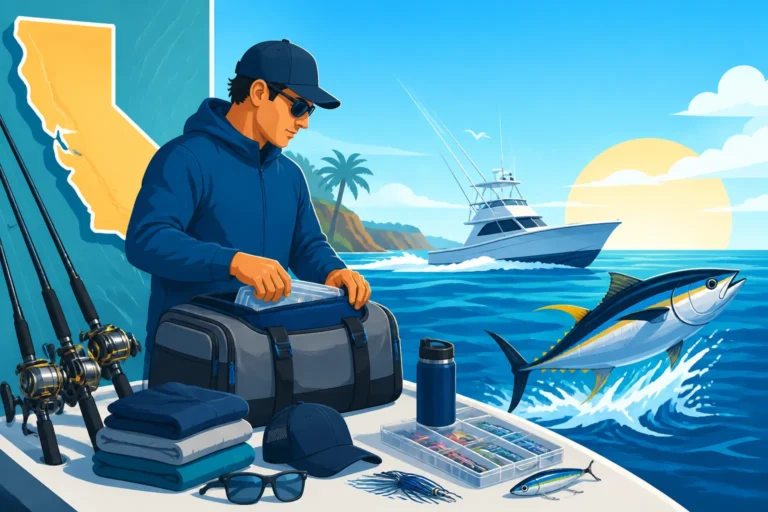
Beyond clothing, here's a packing list to consider:
- Sun protection: Sunscreen (even on cloudy days!), a wide-brimmed hat, and polarized sunglasses are non-negotiable. The sun's glare off the water can be intense.
- Comfortable, non-slip shoes: The deck can get wet and slippery. Boots or sturdy athletic shoes with good grip are ideal.
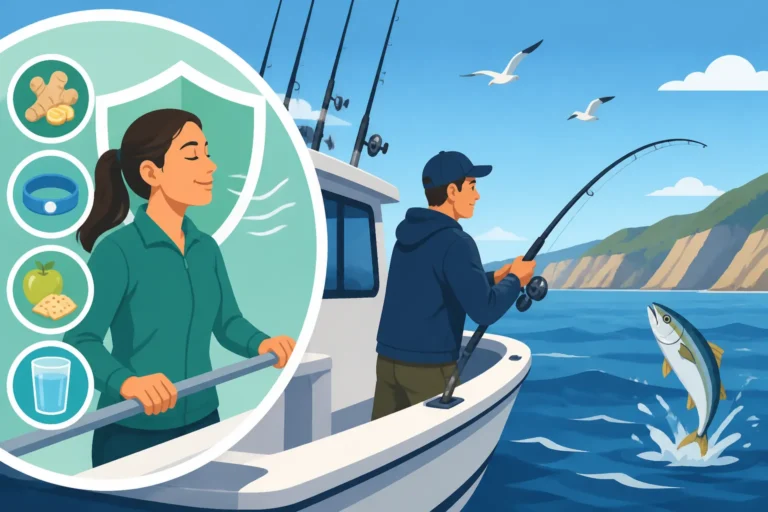
- Seasickness medication: If you're even slightly prone to seasickness, take medication (like Dramamine or Bonine) before you board the boat. Don't wait until you feel sick! Acupressure wristbands can also help. You can learn more about How Seasickness Works on California Offshore Trips.
- Snacks and drinks: Most charters don't provide food, so bring plenty of water, some easy-to-eat snacks, and perhaps a sandwich. Avoid anything too greasy or acidic if you're worried about your stomach.
- Cooler (for your catch): Bring a cooler to leave in your car. Once the fish are cleaned (if offered by the charter) or filleted, you'll want to get them on ice quickly to maintain freshness.
- Camera: To capture those epic moments and trophy catches!
Onboard Etiquette and Working with the Crew
A good charter experience is a team effort. The captain and crew work hard to put you on fish and ensure your safety, and a little common courtesy goes a long way. Listen attentively during the pre-trip safety briefing. When fishing, pay attention to the deckhands' instructions – they’re guiding you on how to best rig your line, handle your rod, and fight a fish. If a deckhand points out a specific technique or tells you to reel in, it's for a good reason.
Be mindful of other anglers on a party boat. Give each other space, avoid casting over other lines, and be prepared to move if the boat needs to turn or reposition. When you hook a fish, call out "Fish on!" so others can clear their lines if necessary. If you need help, don't hesitate to ask a deckhand. They are there to assist with tangles, gaffing fish, and answering questions. A friendly attitude and a willingness to learn will make your day, and their day, much more enjoyable. And remember, it's customary to tip the deckhands at the end of a successful trip; 15-20% of the trip cost is standard for their hard work. You can read more about Tipping on a California Fishing Charter for detailed guidance.
Handling Your Catch and Post-Trip Considerations
So, you've had a fantastic day and caught some beautiful fish! Now what? Most Half Moon Bay charters offer fish cleaning services, either included in the price or for a small fee. The deckhands are incredibly efficient at filleting your catch, making it ready for the cooler you brought. If you're planning to process your fish yourself, make sure you know the regulations about retaining carcasses or specific parts, as some species have rules about leaving the head or tail on for identification.
Once back at the dock, carefully transfer your cleaned fish to your cooler filled with ice. Freshness is paramount for taste. Plan how you'll cook your catch – whether it's grilling, baking, or frying. Nothing beats the taste of fresh ocean-caught fish! Also, take a moment to thank the captain and crew for their hard work. If you had an exceptional experience, consider leaving a positive review online to help other anglers find a great charter, and perhaps even book again next season. With a bit of planning and a good attitude, your Half Moon Bay fishing charter will undoubtedly be an unforgettable adventure.
Disclaimer
Please remember that fishing conditions, regulations, and availability of charters can change rapidly. Always confirm details directly with your chosen charter operator and consult the latest California Department of Fish and Wildlife regulations before your trip. Safety on the water is paramount.