California Trout Season Dates Explained
Oh, the ever-elusive California trout season! If you've ever found yourself scratching your head, staring blankly at the Department of Fish and Wildlife (CDFW) regulations booklet, trying to figure out if that gorgeous creek you just spotted is open for fishing, you are absolutely not alone. It feels like every lake, river, and stream has its own special set of rules, and planning a trout trip can quickly become a bureaucratic headache instead of a relaxing escape. This guide is here to untangle that knot of confusion, explaining exactly why California's trout seasons are so complex and how you can navigate them to ensure you’re always fishing legally and responsibly.
Understanding California's Varied Trout Seasons
Let's face it, California is a massive state, stretching from high desert to alpine peaks, and from fertile valleys to dramatic coastlines. This incredible diversity means that a single, statewide trout season just isn't practical, or even possible. The CDFW works tirelessly to manage fish populations, considering everything from water levels and snowpack to spawning cycles and environmental factors. What works for a high-alpine lake near Mammoth Lakes is going to be completely different from a heavily stocked reservoir near San Diego. This inherent complexity is why the rules can feel so overwhelming, but it's also what makes California one of the most exciting places to fish for trout in the country.
Why Trout Seasons Aren't Simple
The primary reason behind the tangled web of trout regulations is the sheer variety of habitats and trout species found across the state. We're talking about everything from native California Golden Trout clinging to existence in pristine high-altitude streams, to robust Rainbow Trout thriving in stocked reservoirs, and wily Brown Trout lurking in colder river systems. Each species has different spawning habits, growth rates, and environmental needs. For instance, a stream at 8,000 feet elevation might be completely frozen solid for half the year, while a lowland river sees year-round flow and moderate temperatures.
Beyond the biology, human impact plays a huge role. Heavily fished areas, especially those easily accessible to urban centers, might have stricter limits or specific open/closed dates to prevent overfishing and allow populations to recover. Conversely, waters that are regularly stocked by the CDFW or local agencies often have extended or even year-round seasons to maximize recreational opportunities for anglers. It's a delicate balance between conservation and recreation, and that balance often translates into very specific rules for very specific bodies of water.
General Statewide vs. Special Regulations
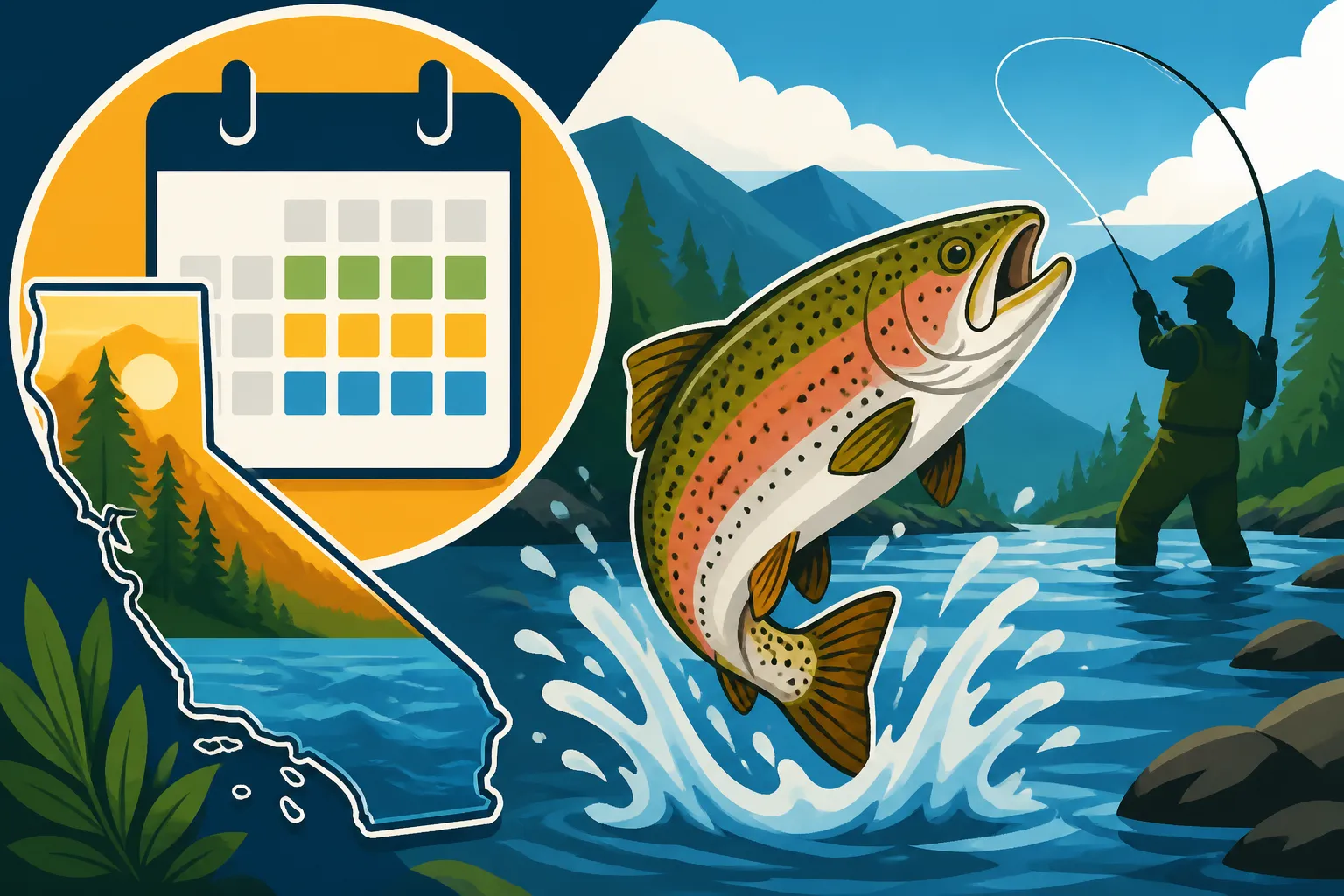
When you first dive into the California fishing regulations, you'll encounter what's often referred to as the "general statewide season." Historically, for many streams and rivers in the state, this has meant an opener on the last Saturday in April and a closure around November 15th. This structure was designed to protect trout during their critical spawning periods, typically in late fall, winter, and early spring. However, and this is where it gets tricky, this "general season" applies to far fewer waters than it once did.
The truth is, many of California's most popular trout fishing destinations now operate under "special regulations." These special regs can mean anything: year-round fishing with specific gear restrictions (like artificial lures or flies only), different bag limits, specific size restrictions, or even designated "wild trout" or "heritage trout" waters with strict catch-and-release rules. It’s no longer safe to assume the general season applies; in fact, it’s safer to assume it doesn't apply until you’ve verified it for your specific spot. This is why always checking the most current regulations booklet is not just good practice, it's absolutely essential to avoid fines and ensure sustainable fishing. You can find comprehensive details in the general guide to California Freshwater Fishing Regulations.
Key Regional Trout Season Calendars
Given the state's vast geography, understanding trout seasons really boils down to breaking it down by region. What might be open and thriving in the Eastern Sierra in May could be completely frozen or still in spring runoff further north.
Eastern Sierra Trout Seasons
The Eastern Sierra is, without a doubt, the crown jewel of trout fishing in California for many anglers. It’s famous for its stunning scenery and incredible fishing opportunities. For many of its lakes and streams, the traditional "opener" on the last Saturday in April is a huge event, drawing thousands of anglers from across the state. Places like Crowley Lake, the June Lake Loop (including June, Gull, Silver, and Grant Lakes), Convict Lake, and countless creeks and rivers open up with a bang, often closing around November 15th.
However, even here, there are nuances. Some popular areas, especially lower elevation lakes or certain sections of larger rivers like the Owens River, might be open for year-round fishing. These often have different bag limits or gear restrictions during the traditional "closed" season for other waters. For example, some sections of the Upper Owens might be artificial lures/flies only with catch-and-release during certain times. It's truly a mosaic of rules, designed to protect the region's phenomenal trout fisheries while still providing ample angling opportunities. For detailed limits in this area, check the California Trout Limits and Regulations.
Northern and Central California Trout Waters
Moving north and into Central California, the landscape for trout fishing changes dramatically. Here, you'll find impressive river systems like the Sacramento River, Feather River, and American River, which are renowned for both resident trout and anadromous fish like Steelhead and Chinook Salmon. While many smaller streams and tributaries in the higher elevations of the Sierra Nevada mountains in these regions follow a similar late April to mid-November season, the larger rivers often have different regulations altogether.
For instance, certain stretches of these big rivers, especially those managed for wild trout or those that see significant anadromous runs, might have year-round seasons but with very strict rules regarding barbless hooks, bait prohibitions, or specific size limits. Lakes like Lake Shasta, Lake Almanor, or Lewiston Lake offer diverse trout fishing, sometimes with year-round access due to stocking programs. Always consult the specific regulations for the lake or river section you plan to visit. Understanding the nuances here can be the difference between a successful outing and a regulatory headache.
Southern California Trout Fishing Opportunities
Southern California might not conjure images of pristine trout streams for everyone, but it offers fantastic trout fishing, largely thanks to extensive stocking programs. Many of the urban and semi-urban lakes and reservoirs in this region are regularly stocked with Rainbow Trout by the CDFW and local water districts, especially during the cooler months from fall through spring.
These stocked lakes, such as Castaic Lake, Diamond Valley Lake, Lake Perris, and Laguna Niguel Lake, often have year-round fishing seasons. The idea is to provide consistent recreational opportunities for a large population base. While these don't typically have the same "opener" excitement as the Eastern Sierra, they offer reliable action, especially after a fresh plant. Higher elevation streams in the local mountain ranges, like the San Bernardino or San Gabriel Mountains, might have more traditional seasonal closures, but these are generally less numerous and less heavily fished than the stocked lakes. Many of these lakes are highlighted in guides like the Best Trout Lakes in California.
Special Regulations and Considerations for Trout Fishing
Beyond the regional variations, there are several overarching categories of special regulations you need to be aware of when targeting trout in California. These aren't just arbitrary rules; they're in place to protect sensitive fish populations and unique habitats.
Wild Trout and Catch-and-Release Waters
California is home to some truly spectacular wild trout fisheries, where the fish are naturally reproducing and have never seen the inside of a hatchery. To protect these precious populations and genetic integrity, many of these waters are designated as "Wild Trout Waters" or "Heritage Trout Waters." These designations often come with very specific regulations that supersede any general season rules.
Typically, you'll find that these waters are open year-round for fishing, but often mandate catch-and-release only, artificial lures or flies only, and barbless hooks. The goal is to minimize stress on the fish and ensure their survival after being caught. Think of places in the high Sierra where native Golden Trout thrive, or specific stretches of rivers known for their wild Rainbows or Browns. It’s crucial to understand these rules, not just for legal compliance, but also to uphold the spirit of conservation that these designations represent. Investing in a good pair of fishing pliers to safely remove hooks and a soft, knotless landing net (you can find great options on Amazon) is highly recommended for these sensitive areas.
Report Cards and Stamps
While standard trout fishing typically doesn't require a separate "trout report card," it’s important to clarify when other report cards might become relevant, especially for anadromous trout species like Steelhead. For instance, if you're fishing a river known for Steelhead runs, you will absolutely need a California Steelhead Report Card in addition to your general California Fishing License Guide.
Steelhead are ocean-going rainbow trout, and their conservation is a high priority. These report cards are vital data collection tools for the CDFW, allowing them to monitor angler effort and harvest. Similarly, if you happen to hook a Salmon while targeting trout in a river where both species coexist, a California Salmon Report Card would be necessary. Always check the regulations for the specific body of water you're fishing to see if any additional report cards are required. It's an extra step, but it's essential for responsible angling.
Fish Planting Schedules
For many recreational anglers, especially those just starting out or fishing with kids, stocked waters are a fantastic resource. The CDFW, along with various local agencies, regularly plants millions of trout into California's lakes and reservoirs. These fish plants significantly impact the "best" times to fish in these locations and often dictate why some waters have year-round open seasons.
Knowing the California Trout Stocking Schedule can be a game-changer for planning a successful trip. Fish are usually most active and easiest to catch shortly after a plant. The CDFW typically publishes planting schedules online, often updated weekly. These schedules are a crucial tool for anyone targeting stocked trout in urban or accessible mountain lakes. Many of the "Best Times to Fish in California" often align with these stocking events in accessible waters.
Tips for Planning Your California Trout Fishing Trip
Navigating California's trout seasons might seem daunting, but with a few key strategies, you can plan a fantastic and legal fishing adventure.
Always Check the Current Regulations Booklet
I cannot stress this enough: the single most important thing you can do before any fishing trip in California is to consult the most current California Fishing Regulations Explained booklet. Regulations change annually, sometimes even mid-season, due to environmental conditions, new scientific data, or policy shifts. Relying on outdated information or hearsay is a recipe for a citation or, worse, unknowingly harming a vulnerable fishery.
You can download the full booklet from the CDFW website, or pick up a physical copy wherever fishing licenses are sold. Take the time to read the sections pertaining to your specific region and the body of water you intend to fish. Pay close attention to the general statewide regulations, but then immediately look for any "special regulations" listed for your specific lake, river, or stream. These special rules always override the general ones. Understanding how to Read the California Fishing Regulations Booklet is a skill every California angler needs. Keep a digital copy on your phone or a waterproof printed version (a waterproof case from Amazon can be a lifesaver) with you when you're out on the water.
Leveraging Technology and Local Knowledge
While the official regulations are your ultimate guide, there's a wealth of information available through technology and local sources that can make your trip even more successful. Start by checking online fishing forums specific to California. Anglers often share real-time updates on conditions, recent catches, and specific local rules they've encountered. Apps like Fishbrain or websites like Western Outdoor News (WON) also provide valuable insights.
But don't forget the original "internet" for fishing information: your local tackle shop! Shops near popular trout fishing areas are goldmines of knowledge. The folks working there live and breathe local fishing. They can tell you what's biting, what gear works best, and, crucially, point out any recent or obscure regulation changes for the specific spots you're interested in. They'll know if a particular section of river has shifted to California Barbless Hook Requirements or if a certain lake is now strictly California Catch-and-Release Rules. Combine this local insight with official regulations, and you'll be well-prepared.
| Region/Water Type | Typical Season Status | Common Regulations | Key Considerations |
|---|---|---|---|
| Eastern Sierra Lakes (e.g., Crowley, June) | Last Sat. Apr. – Nov. 15 | General bag limits, artificials/bait allowed | Iconic "opener," high altitude, weather dependent |
| Eastern Sierra Rivers (e.g., Upper Owens) | Varies greatly | Often year-round, C&R, artificials only | Check specific sections, delicate fisheries |
| Northern/Central CA Streams (High Sierra) | Last Sat. Apr. – Nov. 15 | General bag limits, artificials/bait allowed | Snowpack affects access, wild fish potential |
| Major Rivers (e.g., Sacramento, American) | Often Year-Round | Species-specific, C&R or reduced limits, gear restrictions | Focus on Steelhead/Salmon runs, check specific reaches |
| Southern CA Stocked Lakes (e.g., Castaic, Diamond Valley) | Year-Round | General bag limits, artificials/bait allowed | Frequent stocking, urban access, best in cooler months |
| Wild Trout Waters (Statewide) | Often Year-Round | Catch-and-Release, Artificial Lures/Flies Only, Barbless Hooks | Focus on conservation, often remote, delicate ecosystems |
| Special Regulation Waters (Various) | Highly Variable | Can be any combination of limits, gear, C&R | ALWAYS CHECK BOOKLET FIRST |
This table provides a general overview, but again, always, always confirm with the official CDFW regulations for your specific destination. Even a powerful, portable fish finder from Amazon won't tell you the current regulations!
Disclaimer
Please note that fishing regulations in California are subject to change. While this guide aims to provide accurate and up-to-date information, it is your responsibility to consult the official California Department of Fish and Wildlife (CDFW) regulations booklet or website before embarking on any fishing trip. Failure to comply with current regulations may result in fines or penalties.