Why California Salmon Season Changes Yearly
Oh, the ever-shifting sands of California salmon season! If you’ve ever tried to plan a fishing trip for these magnificent fish, only to find the season dates have changed, been delayed, or even worse, entirely canceled, you know the frustration. It feels like chasing a mirage sometimes, doesn't it? This guide is here to unravel that mystery, explaining why the California salmon season is such a dynamic and often unpredictable beast, leaving anglers and commercial fishermen alike constantly on their toes.
The Core Reason: Salmon Biology and Lifecycle
At the heart of the unpredictable salmon season lies the incredible, yet fragile, biology of these fish. Unlike many other species, salmon have a life cycle that takes them across vast distances and through vastly different environments, each with its own set of challenges.
The Anadromous Journey
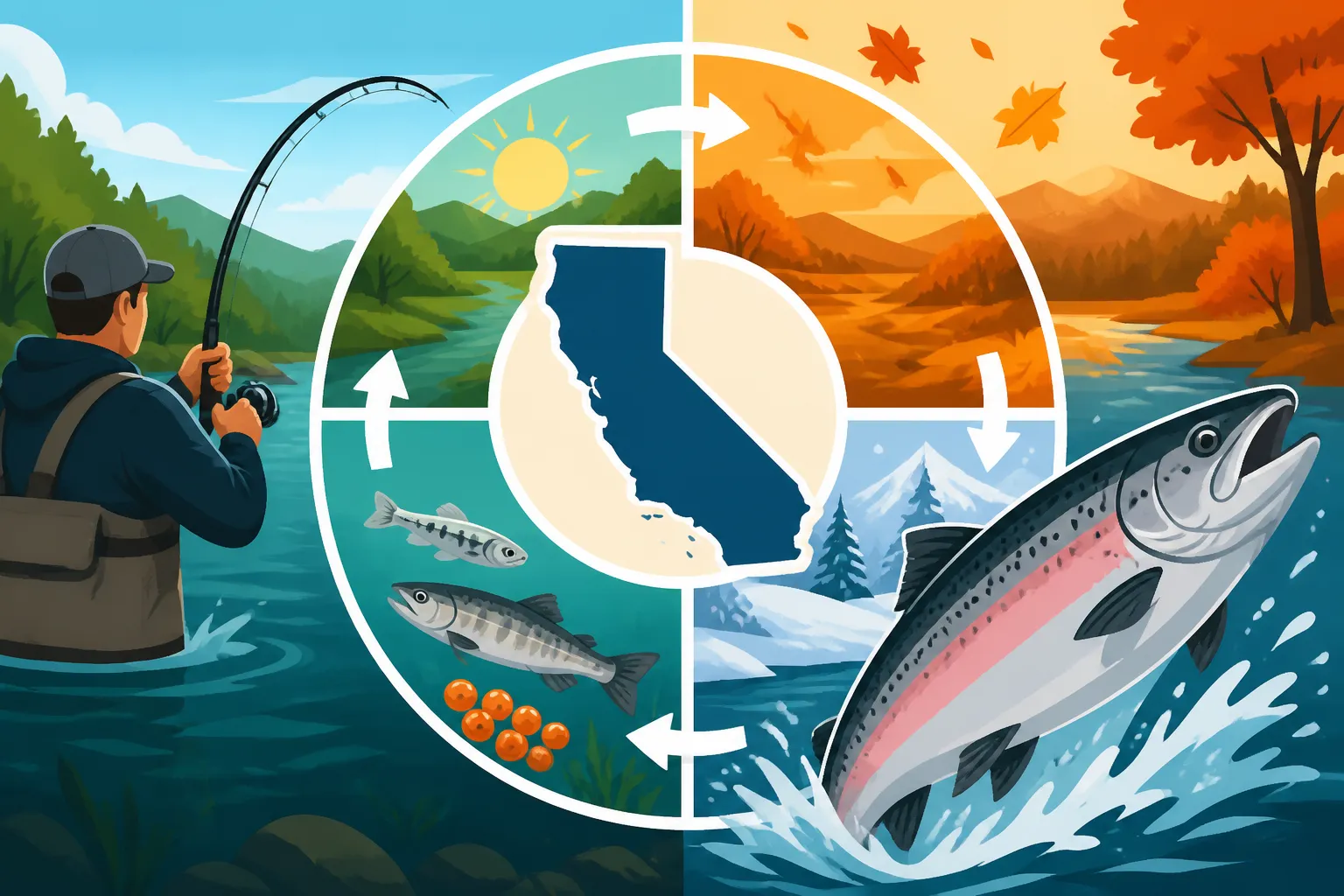
California's primary salmon species for anglers, the Chinook (often called King) salmon, are anadromous fish. This means they hatch in freshwater rivers and streams, spend their juvenile years there, then migrate to the vast Pacific Ocean to mature, growing large and strong on a diet of rich baitfish. After several years at sea, they undertake an epic journey, returning to the very same freshwater systems where they were born to spawn. This incredible migratory instinct is what makes them so vulnerable. Any disruption at any stage of this journey – from their tiny egg form in a gravel redd to their adult life in the ocean – can have a profound impact on future generations.
Think about it: they need cold, clean, flowing water in rivers for spawning and rearing, then a healthy estuary to transition to saltwater, and finally, a robust ocean environment with plenty of food. If even one of these critical habitats is compromised, the entire population suffers, and fewer salmon return. This biological imperative is the ultimate driver behind why the seasons must adjust; if enough fish aren't making it back to spawn, the season simply cannot proceed without risking the future of the species.
Species-Specific Runs and Habits
While we often talk about "salmon" generally, it's important to remember that different populations or "runs" of Chinook salmon exist, often distinguished by when they enter freshwater to spawn. For example, some runs might be in the spring, others in the fall. These different runs can have distinct genetic profiles and even slightly different ocean migration patterns, which means they can be affected differently by environmental conditions or fishing pressure.
The regulations you see posted in the annual California Fishing Regulations Explained booklet are carefully crafted to protect these specific runs, particularly those that are most vulnerable. If a specific run is showing dangerously low numbers, managers might decide to keep a particular area closed or restrict fishing during certain times to allow those fish to pass through safely and reproduce. It’s a delicate balancing act, trying to allow for recreational and commercial fishing while ensuring enough fish escape to continue the cycle.
Environmental Factors Dictating Salmon Abundance
If salmon biology is the foundation, then environmental factors are the unpredictable weather patterns constantly eroding or building upon it. The sheer scale of California's environment, from the Sierra snowpack to the vast Pacific, means countless variables can influence salmon numbers.
Ocean Conditions and Food Availability
Once salmon leave their natal rivers and head into the Pacific, their survival hinges largely on the health of the ocean itself. Ocean temperatures play a massive role. During warm water events, like strong El Niño years or the infamous "blob" of warm water seen in the mid-2010s, the cold, nutrient-rich upwelling that typically brings vital food sources to the surface can be suppressed. This upwelling is crucial for supporting the krill, anchovies, sardines, and other baitfish that salmon feed on.
When these food sources are scarce, salmon simply don't grow as large, and more importantly, fewer of them survive to maturity. Imagine trying to raise a family in a desert – it's tough. The ocean can become a "desert" for salmon when these critical nutrients and food chains break down. Scientists meticulously monitor these conditions, and a poor ocean forage year almost inevitably translates to lower salmon returns a few years later when those cohorts mature. This is a huge factor in why California Salmon Season Dates Explained will look vastly different year to year.
Freshwater Habitat and Spawning Success
Before they even hit the ocean, salmon face immense challenges in their freshwater homes. California is a state of extremes, prone to both devastating droughts and intense flood years. Both can be detrimental. During droughts, river flows drop dramatically, water temperatures rise to lethal levels, and spawning gravels can become exposed or dewatered. This directly impacts the eggs and juvenile fish, often leading to massive die-offs. Less water also concentrates predators, making young salmon easy targets.
Conversely, intense floods can scour riverbeds, washing away eggs and small fish. Habitat degradation from human activities like damming, logging, agriculture, and urban development further compounds these issues, reducing the amount of suitable spawning and rearing habitat available. The health of rivers like the Sacramento, Klamath, and Trinity are absolutely critical, and the amount of snowpack in the Sierra Nevada often gives us a glimpse into the potential freshwater conditions for the upcoming years.
Climate Change and Its Intensifying Effects
We can't talk about environmental factors without acknowledging the elephant in the room: climate change. The patterns we've seen in recent decades – more frequent and severe droughts, hotter summers, earlier snowmelt, and altered ocean currents – are making salmon management an ever more complex challenge. Warmer rivers, reduced snowpack, and a less predictable ocean environment all conspire against salmon populations.
The historical norms that fishery managers once relied on are shifting, demanding constant adaptation in how seasons are set. This isn't just about a bad year here or there; it's about a long-term trend that requires significant conservation efforts beyond just managing fishing seasons. Understanding these broader ecological shifts helps to explain why the salmon season feels so incredibly volatile.
Human Influence and Management Decisions
Beyond the natural world, human decisions and complex regulatory frameworks play an enormous role in shaping the California salmon season. It's a dance between science, economics, and politics.
Fisheries Management and Conservation Goals
Setting the salmon season isn't a simple task; it's a monumental undertaking involving multiple agencies and stakeholders. In California, the California Department of Fish and Wildlife (CDFW) works closely with federal bodies like NOAA Fisheries and the Pacific Fishery Management Council (PFMC). The PFMC, a regional body established by federal law, is responsible for managing fisheries off the coasts of California, Oregon, and Washington. Their primary goal is to manage fisheries sustainably, balancing the needs of conservation with the desires of recreational and commercial fishermen.
This means they're constantly looking at data to ensure that enough fish escape the fishery to spawn and replenish the stocks for future years. If the stock assessment shows numbers are low, aggressive measures like shortened seasons or closures are almost inevitable. This is why understanding the annual California Fishing License Guide and specific regulations is so vital.
Data Collection and Stock Assessments
Before any decisions are made, a massive amount of data is collected and analyzed. Scientists from various agencies track everything from the number of returning spawners (known as "escapement") in rivers, ocean abundance forecasts based on juvenile survival, to hatchery returns. They count fish, estimate populations, and use sophisticated models to predict how many salmon are likely to be available in the coming season.
This data is crucial. For instance, if the number of returning Chinook salmon to the Sacramento River system, a major spawning ground, is projected to be critically low, the PFMC will take immediate action to reduce or eliminate fishing pressure. This scientific assessment process is incredibly thorough, but it's also based on predictions, and nature, as we know, can always throw a curveball. The more you understand these numbers, the more the yearly changes in the California Salmon Regulations Explained make sense.
Political and Economic Considerations
While science is the backbone, the reality is that setting salmon seasons has significant political and economic ramifications. Commercial salmon fishing is a multi-million dollar industry, supporting countless families and coastal communities. Recreational fishing, too, generates substantial economic activity, from charter boats in San Diego and Monterey to tackle shops and hotels in coastal towns.
When seasons are cut short or closed, it can be devastating for these businesses and individuals. This creates understandable pressure from various stakeholder groups – commercial fishermen, sportfishing organizations, environmental advocates, and Native American tribes with treaty fishing rights – all vying for their interests to be heard. The PFMC meetings where these decisions are made are often intense, reflecting the profound impact these regulations have on people's livelihoods and passions. It’s a constant balancing act between preserving the resource and supporting the people who depend on it.
How Season Changes Are Determined
So, with all these moving parts, how do these season changes actually get decided each year? It’s a process that spans several months and involves many voices.
The Annual Regulatory Process
The decision-making for the ocean salmon season generally follows an annual cycle, kicking off in the winter with initial stock assessments. The key part of this process happens in the spring, typically from March to April. The Pacific Fishery Management Council (PFMC) holds several public meetings, starting with an initial scoping meeting in early March, usually in Seattle, followed by a more critical meeting in late March/early April, often in Sacramento or Portland. During these meetings, scientists present the latest data, and the council considers various management alternatives.
They hear public testimony from concerned citizens, recreational anglers, commercial fishermen, and environmental groups. This input is critical. By mid-April, the PFMC adopts a final set of season regulations for the year, which then goes to NOAA Fisheries for approval. This lengthy process aims to be transparent and incorporate the most up-to-date science, but it also means changes can come quite late, making planning challenging.
Different Management Areas
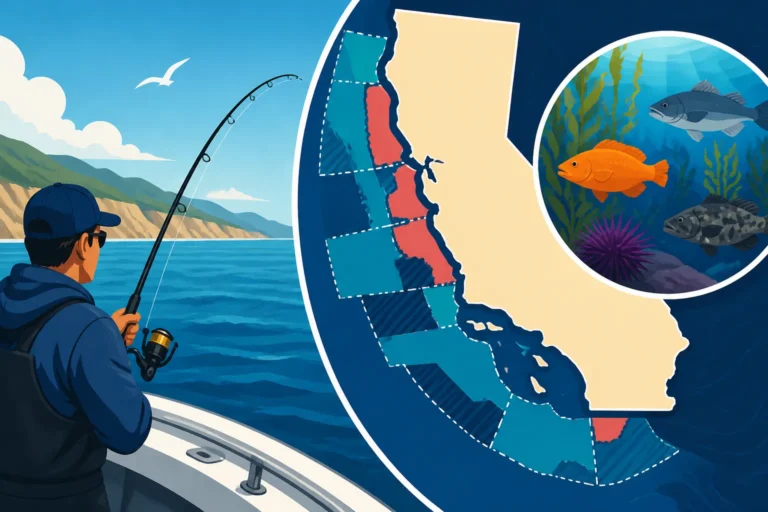
It's also important to realize that "California salmon season" isn't a monolithic entity. Regulations can vary significantly depending on where you are along the coast. The PFMC divides the coast into different management areas, and often, regulations north of Point Arena might be different from those south of Point Arena, or even within smaller zones.
For instance, the San Francisco Bay area might have different opening and closing dates or bag limits than areas further south like Monterey Bay or further north along the coast. This regionalization is a way to tailor management to specific salmon stocks that may be present or absent in certain areas, or to protect unique runs. Always check the specific rules for the area you plan to fish. Details on these regional variations are often found in the California Ocean Salmon Regulations.
Emergency Closures and In-Season Adjustments
Even after the season is set in April, things can change. Sometimes, unforeseen circumstances arise that necessitate emergency closures or in-season adjustments. This could be due to extremely low returns of a specific run that were not predicted, unusual ocean conditions, or even environmental disasters. These changes, while frustrating, are made with the urgent goal of protecting the resource.
For example, if initial returns of spawning salmon to the Klamath River are far lower than projected, managers might decide to close the ocean fishery in the nearby areas even if it had been open, to allow those critically important fish to reach their spawning grounds. Staying informed through official CDFW announcements and local fishing reports is crucial if you want to avoid a wasted trip.
Here’s a quick overview of the key factors influencing the California salmon season:
| Factor | Description | Impact on Season Length/Opportunity |
|---|---|---|
| Ocean Conditions | Water temperature, upwelling, abundance of baitfish (anchovies, krill). | Poor conditions lead to lower salmon survival, thus shorter or closed seasons. |
| Freshwater Habitat | River flows, water temperature, spawning gravel quality, dam impacts. | Poor river health leads to low juvenile survival, impacting future returns. |
| Climate Change | Increased droughts, warmer rivers, unpredictable ocean patterns. | Exacerbates existing issues, leading to more frequent restrictions. |
| Stock Assessments | Scientific estimates of salmon populations (escapement, ocean abundance). | Low forecasts trigger conservative management, often leading to closures. |
| Management Goals | Balancing conservation, commercial, and recreational fishing needs. | Prioritizes long-term sustainability over short-term fishing opportunities. |
| Public Input | Feedback from anglers, commercial fishermen, environmental groups, tribes. | Influences decisions, but scientific data usually takes precedence. |
Ultimately, the yearly changes in the California salmon season are a testament to the complex interplay between the environment and human efforts to manage a precious, yet vulnerable, natural resource. It’s a dynamic system, and patience, understanding, and staying informed are key for any angler hoping to connect with a King salmon. If you're planning a trip, definitely check out our guide on how to Fish for Salmon in California or find the Best Season for Salmon in California for more detailed info. You can also dive deeper into understanding your requirements with the California Salmon Report Card and keep an eye on the California Salmon Bag Limit Explained.
Disclaimer
Fishing regulations, seasons, and limits can change frequently. Always consult the official California Department of Fish and Wildlife (CDFW) regulations before planning any fishing trip. The information provided here is for general guidance only and should not be considered a substitute for the official regulations booklet.