California Halibut Size Limit Explained
There's nothing quite like the thrill of hooking into a nice California halibut, but the joy can quickly turn to anxiety when you start wondering if your catch is legal. California's fishing regulations, especially when it comes to size limits, can feel like a labyrinth, leaving many anglers scratching their heads and fearing an accidental violation. This guide is here to demystify the rules specifically for California halibut, ensuring you know exactly what to look for, how to measure, and why these limits are so important for the future of our incredible fishery.
Understanding the Legal Size Requirements for California Halibut
Let's cut right to the chase because nobody wants to spend precious time on the water second-guessing whether their prized catch is going to land them a fine instead of dinner. The California Department of Fish and Wildlife (CDFW) sets very specific regulations for marine species, and California halibut are no exception. Knowing the exact minimum size is absolutely critical before you even cast your line.
The Statewide Minimum Length for Halibut
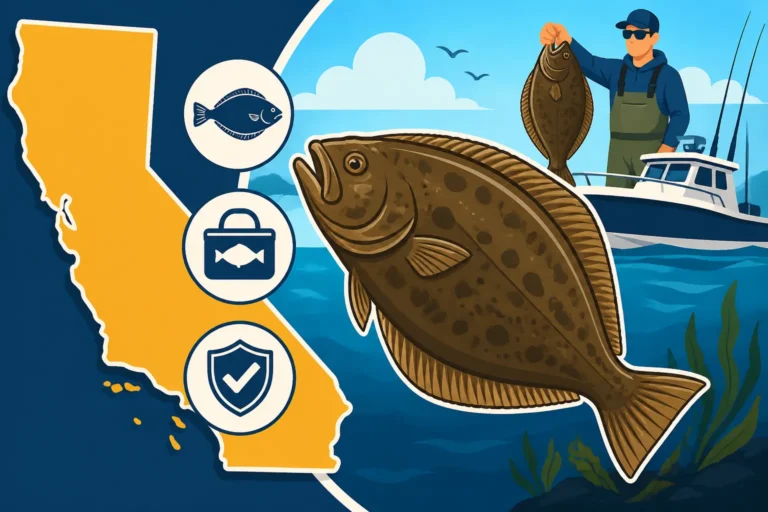
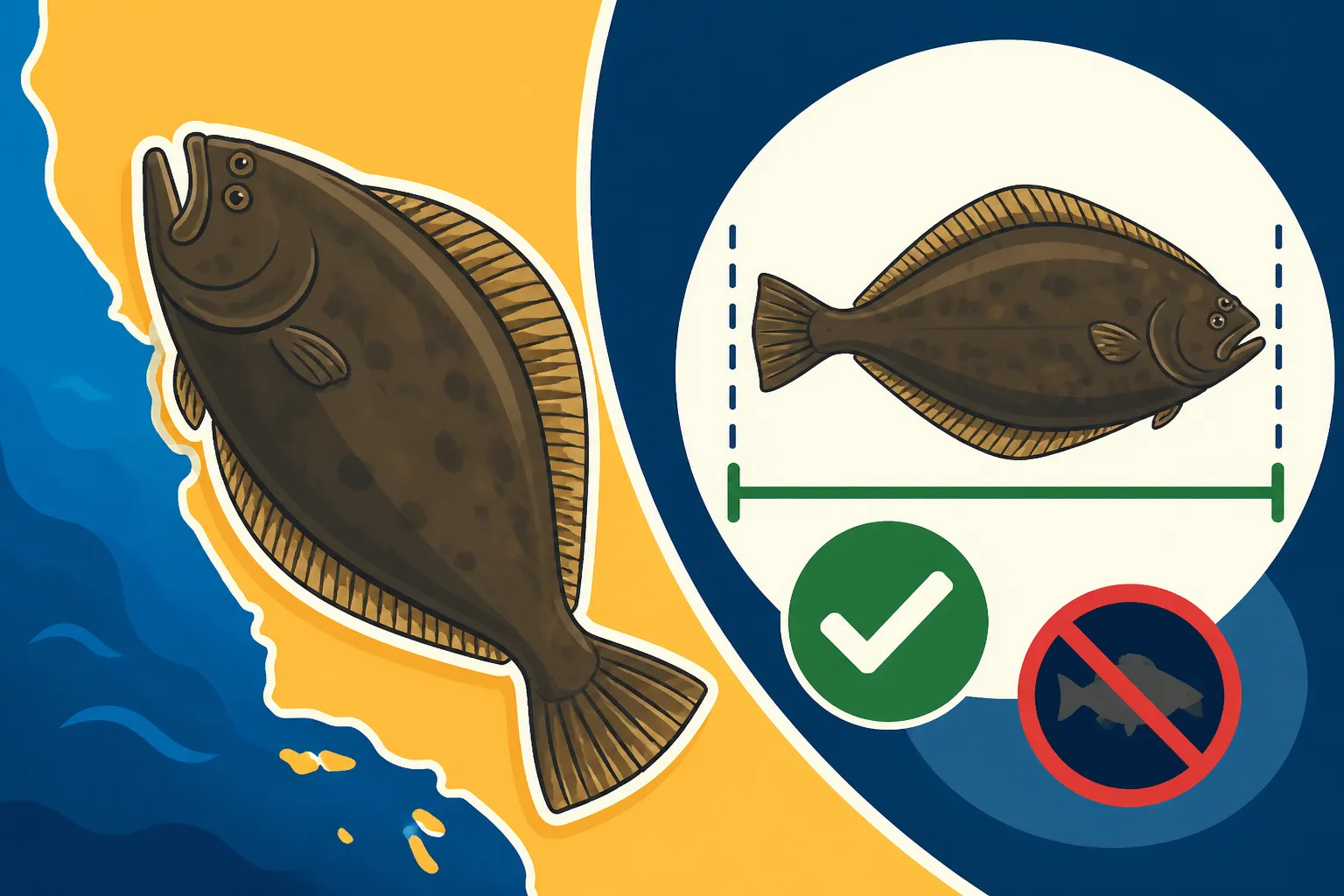
For California halibut, the statewide minimum size limit is 22 inches total length. This is a non-negotiable rule, and it applies whether you're fishing from a private boat, a party boat, or even casting from shore. That "22 inches total length" isn't just a number; it refers to a very particular way of measuring the fish. You need to measure the fish from the tip of its snout (with the mouth closed, mind you) all the way to the very end of the tail, with the tail lobes squeezed together to get the maximum possible length. It sounds simple, but in the excitement of a catch, it’s easy to make a mistake. Make sure you're familiar with the broader California Fishing Regulations Explained, as this specific rule fits into a larger framework.
There are no separate size limits for different regions of California for halibut – it's a consistent 22 inches across the board. However, it's always smart to double-check the latest California Fishing Regulation Booklet Explained, as rules can occasionally be updated. Overlooking this can lead to penalties, including citations and even forfeiture of your catch, which is definitely a bummer after all that effort.
Why "Total Length" Measurement is Crucial
You might hear anglers talk about "fork length" for other species, but for California halibut, the CDFW specifically mandates total length. Why the distinction? Well, fork length is measured to the fork in the tail, which can be easier for some species but wouldn't capture the full growth potential or accurately standardize measurement for a fish like a halibut with its broad, fan-like tail. By requiring total length with the tail squeezed, the regulation ensures a consistent and maximum possible measurement, leaving less room for interpretation or accidental under-measurement.
Imagine you're out on the water, the sun is shining, and you just reeled in what you think is a legal halibut. You quickly eyeball it against your measuring stick, maybe without fully closing its mouth or squeezing the tail, and decide it's good. Later, a game warden checks your cooler, measures your fish correctly, and finds it's a hair under 22 inches. That quick, imprecise measurement could cost you! To avoid this, invest in a reliable measuring device. Many anglers use adhesive rulers attached to their cooler or boat gunwale, or you can find high-quality, durable folding rulers that are perfect for marine environments on platforms like Amazon. Having one that clearly marks 22 inches makes the process quick and foolproof.
The Importance of Halibut Size Limits for Conservation
Sometimes, regulations feel like they're just there to make our lives harder, but when it comes to fishing, size limits are a crucial tool in the grand scheme of conservation. These rules aren't arbitrary; they're based on scientific research aimed at maintaining healthy fish populations for us and for future generations of anglers. It’s all about balance and ensuring sustainability.
Protecting Juvenile Halibut
The primary reason for the 22-inch minimum size limit for California halibut is to protect juvenile fish, giving them a chance to mature and reproduce. Halibut, like many fish species, reach sexual maturity at a certain size and age. By setting a minimum length, we ensure that a significant portion of the halibut population has the opportunity to spawn at least once, if not multiple times, before they're harvested. This is essential for the long-term health and abundance of the species.
Think about it: if we were allowed to keep every halibut, no matter how small, we'd quickly deplete the younger, reproductively immature fish. This would severely impact the number of halibut entering the breeding stock each year, leading to a decline in overall population numbers. By patiently releasing the smaller ones, we're essentially investing in the future of the fishery. It's a fundamental principle of sustainable fishing practices, often outlined in detailed guides like the California Fishing License Guide, which covers the broader regulations ensuring these practices are followed.
Ensuring a Healthy Fishery for Generations
Beyond protecting individual fish, size limits contribute to the overall resilience of the entire California halibut fishery. When enough fish are allowed to reach reproductive age, they contribute more genetic diversity to the population, making the stock stronger and more adaptable to environmental changes. The CDFW continuously monitors fish populations and adjusts regulations, including size and bag limits, to ensure this long-term health. This proactive management helps prevent overfishing and ensures that California halibut remain a viable target species for sport and commercial anglers for decades to come.
These regulations are part of a comprehensive strategy that also includes specific season dates, bag limits, and gear restrictions. For example, while halibut season is generally open year-round, other species have very specific windows. Understanding the California Halibut Bag Limit Explained alongside the size limit gives you a complete picture of legal harvest. By adhering to these rules, every angler plays a direct role in maintaining the balance of marine ecosystems and safeguarding the incredible fishing opportunities we enjoy here in California. It's not just about compliance; it's about being a responsible steward of our natural resources.
Practical Tips for Measuring and Releasing Undersized Halibut
So, you've got a halibut on the line, and now it's time to check its size. The moments after reeling in a fish can be chaotic, but taking a few extra seconds to measure correctly and, if necessary, release it safely is crucial. Rushing this step can lead to inaccurate measurements or unnecessarily stressing the fish, diminishing its chances of survival.
How to Accurately Measure Your Catch
Accuracy is key when it comes to measuring your halibut. Here’s a simple, step-by-step approach to ensure you get it right every time:
- Prepare Your Measuring Device: Before you even start fishing, make sure your measuring tape or stick is easily accessible and clearly marked at 22 inches. Many anglers find adhesive rulers that stick to a boat cooler lid or a kayak deck to be incredibly convenient. You can also find purpose-built fish rulers, often with a 'nose stop' for accuracy, at most tackle shops or online retailers like Amazon.
- Handle with Care: Bring the halibut aboard gently. If possible, avoid dragging it across rough surfaces or letting it flop around excessively. Keep your hands wet when touching the fish to protect its slime coat, which is vital for its health and disease resistance.
- Lay it Flat and Straight: Lay the halibut flat on its side on a level surface. A wet deck or a measuring board works best.
- Close the Mouth and Squeeze the Tail: Gently push the tip of the halibut’s snout against the starting point (zero mark) of your measuring device. Ensure its mouth is fully closed. Then, gently but firmly, squeeze the tail lobes together to extend them as much as possible, measuring to the very end of the longest lobe. This is the "total length."
- Confirm the Measurement: Read the measurement carefully. If it's clearly 22 inches or more, great! If it's close, measure again to be absolutely sure. There's no harm in being diligent.
Remember, if you're fishing on a charter or party boat, the crew is usually excellent at helping with measurements and ensuring compliance with California Saltwater Fishing Regulations. Don't hesitate to ask for their assistance.
Best Practices for Catch and Release
If your halibut doesn't meet the 22-inch minimum, it must be released immediately and unharmed. Proper catch and release techniques significantly increase the fish's survival rate.
- Minimize Air Exposure: Keep the fish in the water as much as possible. Excessive time out of water causes stress and can damage its gills. If you must bring it aboard for a quick measurement, do so swiftly.
- Use Wet Hands or Gloves: As mentioned, wet hands protect the fish's crucial slime coat. Dry hands can strip this protective layer, making the fish vulnerable to infection.
- Unhook Quickly and Gently: Use pliers or a dehooking tool to remove the hook as quickly as possible. If the fish is deeply hooked and removing the hook would cause too much damage, it's often better to cut the line as close to the hook as possible. Circle hooks can be particularly effective in minimizing deep hooking, especially when you're targeting other species and halibut are a potential bycatch.
- Support the Fish Properly: When handling, support the fish horizontally, especially larger ones. Avoid holding them vertically by the jaw or tail, which can damage their internal organs and spine.
- Revive if Necessary: If the fish seems sluggish upon release, gently hold it upright in the water, facing into a mild current, and move it back and forth to force water over its gills until it regains strength and swims away on its own. This is especially important for fish that have put up a long fight.
By following these practices, you're not just complying with the law; you're actively contributing to the health and abundance of California's halibut population, ensuring that there are plenty of fish for everyone to enjoy for years to come.
Common Mistakes and How to Avoid Them
Even seasoned anglers can sometimes slip up when it comes to regulations, and new anglers often feel overwhelmed by the sheer volume of rules. When it comes to California halibut size limits, some mistakes are more common than others. Being aware of these pitfalls can save you a headache (and a citation!) down the line.
Misinterpreting the Regulations
One of the biggest mistakes is simply not fully understanding the nuances of the regulations. While the 22-inch total length for California halibut is straightforward, other species might have different measurement rules (like fork length), or varying bag limits. Sometimes, people might confuse saltwater rules with freshwater regulations, which are entirely distinct. For example, while you don't need a license for Pier Fishing in California: Rules, you still need to follow size and bag limits for any fish you catch.
Another common misinterpretation can stem from relying on outdated information. Fishing regulations, particularly for species like halibut that are closely managed, can change annually or even mid-season if conservation concerns arise. What was legal last year might not be this year. Always refer to the most current CDFW Sport Fishing Regulations booklet, available online or at licensed tackle shops. This ensures you're up-to-date on everything from California Halibut Regulations and Limits to specific gear restrictions. Don't rely solely on what you heard from a friend or saw in an old forum post.
Lack of Proper Tools or Technique
You’d be surprised how many anglers head out without a reliable measuring device. An old, faded tape measure that's hard to read, or one that's not clearly marked, is an accident waiting to happen. The excitement of catching a fish can make even a small error in measurement critical, especially if it's borderline legal.
Similarly, not having the right tools for quick and humane release, such as needle-nose pliers or a dedicated dehooker, can lead to unnecessary stress and injury for undersized fish. Fumbling with a deeply hooked fish while it's out of the water not only increases the chances of mortality but also makes the whole experience less enjoyable.
Here's a quick reference for California Halibut Regulations:
| Regulation Aspect | Detail |
|---|---|
| Minimum Size | 22 inches total length (mouth closed, tail squeezed) |
| Bag Limit | 10 per person, per day |
| Season | Open year-round |
| Measuring Tool | Essential for accurate compliance (e.g., adhesive ruler, dedicated fish ruler) |
| Release Tools | Pliers or dehooker recommended for safe catch-and-release |
To avoid these issues, make a checklist before you go. Is your California fishing license current? Do you have your measuring tape? Are your pliers easily accessible? For visitors, understanding California Fishing License Requirements for Visitors is also crucial. These small preparations go a long way in ensuring a legal and ethical fishing trip. Many anglers even pre-mark their fishing rods with common size limits using a permanent marker, offering a quick reference in the heat of the moment. You can also find some great, affordable measuring tools, including digital fish scales with built-in rulers, on Amazon that will quickly become indispensable in your tackle box.
Ultimately, being a responsible angler means more than just catching fish; it means respecting the resource and understanding the rules designed to protect it. By staying informed about the California Halibut Size Limit Explained and other relevant regulations, you're doing your part to keep California's waters thriving for everyone.
Disclaimer
Please note that fishing regulations, including size and bag limits, can change. While this guide aims to provide accurate and up-to-date information, it is always the angler's responsibility to consult the latest official California Department of Fish and Wildlife (CDFW) regulations before fishing. Always refer to the current CDFW Sport Fishing Regulations booklet or their official website to ensure compliance.