Eel River Fishing Guide
The Eel River, with its breathtaking beauty and wild, untamed spirit, calls to anglers from all corners of California and beyond. Yet, its formidable reputation for challenging conditions, strict conservation rules, and sometimes elusive fish can leave even seasoned veterans scratching their heads. If you're yearning to explore this legendary Northern California waterway for its incredible salmon and steelhead runs but feel utterly overwhelmed by where to begin, this comprehensive guide is your lifeline to understanding and successfully navigating the mighty Eel.
Understanding the Majestic Eel River System
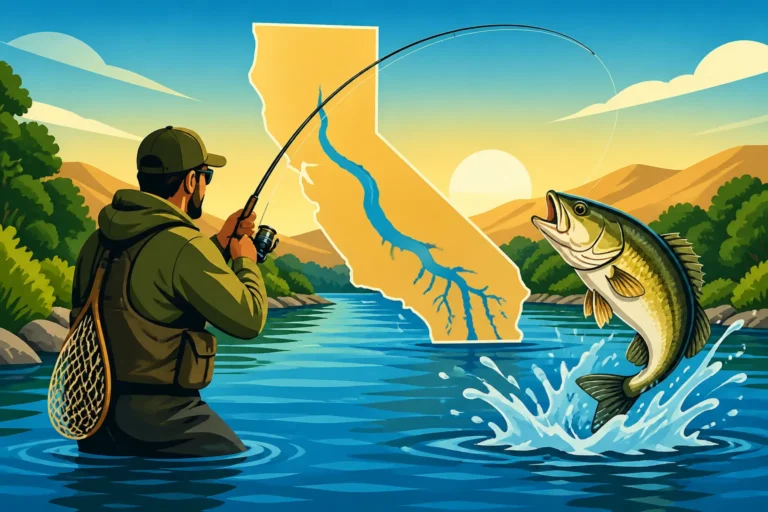
The Eel River isn't just one river; it's a sprawling, intricate network of waterways flowing through the rugged Coast Ranges of Northern California. Known as the third-largest river system in the state, it boasts a main stem that stretches over 196 miles, fed by numerous forks and tributaries before emptying into the Pacific Ocean near Ferndale. This complex system means vastly different fishing experiences depending on which section you're exploring, from the remote upper reaches to the more accessible lower stretches.
The Main Stem: Lower and Middle Eel River
The Main Stem of the Eel River is often what anglers envision when they think of its legendary runs. The lower sections, particularly from the confluence of the Van Duzen River downstream to the mouth, are typically the first to open to fishing and see significant salmon and steelhead activity once enough rain brings the water levels up. These lower reaches are characterized by wider channels, deeper pools, and relatively easier access in many areas, though navigating the gravel bars and swift currents still requires caution. The middle Eel River, further upstream past Alderpoint, tends to be more remote and rugged, offering a true wilderness experience for those willing to put in the effort.
During the prime season, when winter storms hit, the lower Eel can become a vibrant hub of angling activity. Boat anglers often drift or back-troll, while bank anglers find success in accessible bends and riffles. It's a place where you truly feel the power of nature, with the river dramatically rising and falling with each rain event, profoundly influencing fish migration and angler success. Knowing the river's flows and clarity is paramount here, as a "blown out" river means no fishing, while perfect conditions can lead to unforgettable days.
The Forks: North, Middle, and South Eel Rivers
The Eel River system is segmented into distinct forks, each offering unique characteristics and angling opportunities. The South Fork Eel River is perhaps the most well-known and accessible, running largely parallel to Highway 101 for significant stretches. Its waters are generally clearer and warm faster than other parts of the system, making it popular for summer trout fishing and early season steelhead. Towns like Garberville and Miranda offer good access points, and there are numerous camping and lodging options nearby. The South Fork is usually the first to clear after heavy rains, making it a hotspot for anglers eager to hit the water.
The Middle Fork Eel River, on the other hand, is a much wilder, more remote fishery. It carves its way through deep canyons in the Yolla Bolly-Middle Eel Wilderness, offering pristine waters and a true backcountry experience. Access often requires significant hiking or a specialized guide with off-road capabilities. This fork is prized by those seeking solitude and a challenge, with strong runs of wild steelhead making their way far upstream. The North Fork Eel River is equally remote and less fished, joining the main stem near the town of Alderpoint. It's a challenging river to access, requiring determination and often local knowledge, but it can reward anglers with undisturbed stretches of prime water for steelhead. These forks represent the wild heart of the Eel system, demanding respect and preparation.
Prime Fish Species and Seasons on the Eel
The Eel River is a treasure trove for anglers, primarily famous for its anadromous fish runs – species that migrate from the ocean into freshwater to spawn. While trout are present year-round, the real draw for many are the seasonal migrations of salmon and steelhead. Understanding the timing of these runs is crucial for planning a successful trip. The river's health and the success of these runs are heavily dependent on rainfall and water conditions, making it a dynamic and often unpredictable fishery.
Winter Steelhead Fishing
Winter steelhead fishing on the Eel River is what legends are made of. These chrome-bright beauties fight with an intensity that will test your tackle and your resolve. Steelhead are essentially rainbow trout that migrate to the ocean and return to spawn, and the Eel is one of California's most important wild steelhead rivers. The season typically kicks off in late November or December, after the first significant rain events open the mouth of the river and allow fish to enter. The peak of the run usually occurs from January through March, with February often cited as the prime month, though this varies year to year based on precipitation.
Targeting steelhead on the Eel often involves a combination of techniques, depending on the water conditions and the specific stretch of river you're fishing. Drift fishing with roe, yarn, or beads is highly effective, especially when paired with a good baitcasting or spinning setup. Fly anglers often swing flies, nymph, or use indicator setups, particularly in clearer conditions or in the upper reaches of the forks. The thrill of hooking a wild steelhead, watching it leap and run, is an experience that keeps anglers coming back despite the often cold, wet, and challenging conditions. Remember, these are wild fish, and conservation is key, so be prepared for responsible catch-and-release practices.
Fall and Winter Salmon Runs
Before the steelhead take center stage, the majestic King (Chinook) Salmon make their annual pilgrimage up the Eel River. These powerful fish, sometimes weighing in at 30-50 pounds, are a formidable target. The salmon run typically begins in late September or October, peaking in November and sometimes extending into December, again contingent on adequate rainfall to raise river levels sufficiently for them to cross the sandbar at the mouth. The lower Eel River, from the estuary up to Fortuna and Rio Dell, is usually the prime area for salmon.
Fishing for salmon on the Eel requires heavy gear and robust techniques. Plugs, like Kwikfish or Brads KillerFish, back-trolled from a boat, are highly effective. Drift fishing with roe or large spinners can also produce results for bank anglers in deeper pools and runs. It's a truly exciting time on the river, with the anticipation of a massive strike always present. Catching an Eel River King Salmon is a highlight for many anglers, a testament to the river's wild character. As with steelhead, understanding the current California Salmon Season Dates and regulations is critical, as seasons can change due to conservation concerns.
Year-Round Trout Opportunities
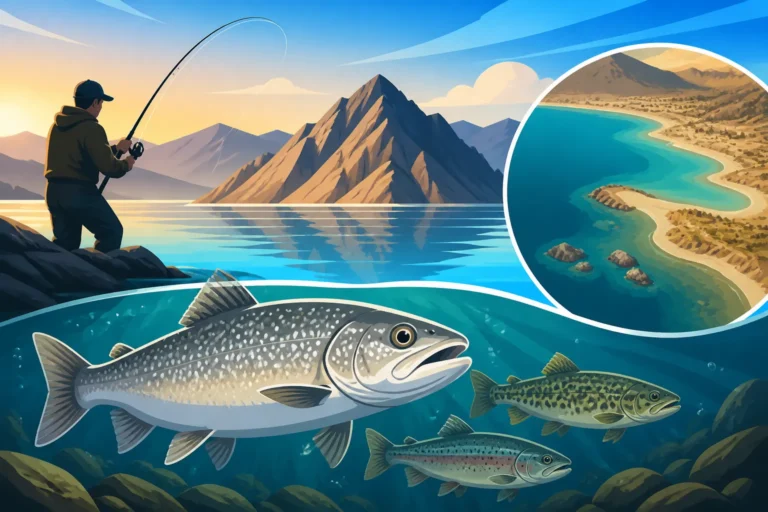
While the anadromous runs grab most of the headlines, the Eel River system offers excellent year-round opportunities for resident trout, primarily rainbow trout and some brown trout, especially in the headwaters and tributaries. During the summer months, when the water levels drop and temperatures rise in the main stem, the upper reaches and cooler tributaries of the South, Middle, and North Forks become prime spots for trout. These fish are generally smaller than their ocean-going steelhead counterparts but are beautiful, feisty, and plentiful.
Fly fishing with dry flies, nymphs, and small streamers is incredibly rewarding in these pristine trout waters. Spin fishing with small lures like Rooster Tails or Panther Martins, or casting small pieces of bait, can also be very effective. The solitude found in these upper stretches, away from the crowds, offers a tranquil fishing experience amidst stunning natural beauty. Always check the California Freshwater Fishing Regulations for specific rules regarding bait, gear, and catch limits in different sections, as some areas may have special designations like "wild trout waters" or "artificial lures only."
Navigating Eel River Fishing Regulations and Conservation
Fishing the Eel River means stepping into an incredibly vital ecosystem, home to threatened and endangered salmon and steelhead populations. Because of this, the California Department of Fish and Wildlife (CDFW) maintains strict regulations aimed at protecting these precious resources. It's not just about what you can catch, but how and when you can fish, as well as where. Staying informed and compliant isn't just a recommendation; it's a responsibility every angler shares to ensure the health of this magnificent river for generations to come.
Essential Regulations: Licenses, Report Cards, and Gear Restrictions
Before you even think about casting a line, ensure you have a valid California Fishing License Guide. Everyone 16 years or older needs one, and they must be readily accessible. Beyond the general license, if you plan to target steelhead or salmon, you'll need a specific report card. For steelhead, this means acquiring a California Steelhead Report Card which helps the CDFW track catch and effort data crucial for conservation. Similarly, California Salmon Report Cards are required for salmon fishing. It's vital to understand how to fill these out accurately and return them by the deadline, even if you don't catch any fish.
Beyond licenses and report cards, pay very close attention to gear restrictions. Much of the Eel River system, especially for anadromous fish, is designated as "barbless hook only" water. This regulation is designed to minimize harm to fish, particularly those released. Many areas also have "artificial lures only" or "single barbless hook" rules to further reduce mortality. Always carry a copy of the current California Sport Fishing Regulations booklet or have the CDFW app on your phone. These regulations can be complex, often varying by specific river section, species, and time of year, so a quick check can prevent a costly violation or, worse, harm to the fish.
Understanding River Closures and Special Rules
The dynamic nature of the Eel River, particularly its dependence on rainfall, means that sections can open and close based on water levels and flows. The CDFW often implements minimum flow requirements for certain sections to open for fishing, ensuring there's enough water for fish to migrate and reducing stress on them. For example, some stretches may only open once flows reach a certain cubic feet per second (cfs) reading at a specific gauge. Conversely, during periods of extreme drought, seasons might be severely curtailed or even closed entirely to protect vulnerable fish populations.
It's not uncommon for the Eel River to have specific "low-flow closures" which can be announced with little notice. Before heading out, always check the CDFW's "Hot News" or "Ocean Salmon Information" pages, as well as local fishing reports and guide websites. These sources will provide the most up-to-date information on river conditions and any emergency closures. Beyond flows, some sections might have specific bait restrictions or be entirely closed to fishing to protect sensitive spawning areas or areas critical for juvenile fish. Respecting these closures is paramount for the long-term health of the Eel River fishery.
Top Fishing Spots and Access Points on the Eel River
The vastness of the Eel River can feel overwhelming when you're trying to pinpoint where to cast your line. From easily accessible spots near towns to remote wilderness stretches, the river offers a diverse range of fishing environments. Finding the right spot often comes down to balancing accessibility with the desire for solitude and, of course, where the fish are holding based on current conditions.
Accessible Spots: Bridges and Parks
For many anglers, especially those new to the Eel or seeking convenience, certain bridges and public parks offer excellent access points. The Fernbridge area, near the mouth of the Eel, is a popular spot for both salmon and steelhead, particularly in the lower river. It offers ample bank access, and anglers can often be seen lining the banks, especially during the peak of a run. Further upstream, near towns like Fortuna, Rio Dell, and Scotia, you'll find various bridge crossings and small park areas that provide good access to productive steelhead and salmon water.
The South Fork Eel River is perhaps the most user-friendly in terms of access. Highway 101 runs alongside much of it, and numerous turnouts, campgrounds (like those in Richardson Grove State Park), and small towns like Garberville, Miranda, and Myers Flat offer places to pull over and explore. Popular spots often include the pools and riffles around these bridge crossings, where fish tend to hold. Just remember that popularity can mean crowds, especially on weekends during prime season. Parking is usually available, but always be mindful of private property and respectful of local residents.
Remote and Wilderness Sections
If solitude and a true wilderness experience are what you crave, the Eel River system has plenty to offer, though it often comes with a significant effort investment. The Middle Fork Eel River, as mentioned earlier, flows through the Yolla Bolly-Middle Eel Wilderness. Access here typically involves long drives on rough roads, followed by strenuous hikes into the canyon. This is not a casual day trip; it requires preparation, proper gear, and an understanding of backcountry safety. Many anglers opt for a guided trip into these remote sections.
Similarly, the upper stretches of the North Fork Eel River and the more remote parts of the Main Stem above Alderpoint also offer incredible seclusion and pristine fishing. These areas are often accessed via logging roads or private land, making local knowledge or a reputable guide invaluable. The reward for this effort can be unpressured fish and breathtaking scenery, truly feeling like you've stepped back in time. For serious adventure seekers, multi-day backpacking trips into these regions can be an unforgettable way to experience the wild side of the Eel River. If you're looking for an experienced hand to lead you into these less-trodden paths, platforms like FishingBooker can connect you with guides specializing in such remote excursions.
Essential Gear and Techniques for Eel River Success
Tackling the Eel River requires more than just a rod and reel; it demands a thoughtful approach to gear and techniques tailored to its unique characteristics. The river's varying depths, currents, and the formidable nature of its fish species mean you need to be prepared for diverse conditions. Whether you're a seasoned fly angler or prefer conventional methods, having the right setup can make all the difference between a frustrating day and a triumphant one.
Conventional Gear: Spin and Baitcasting
For much of the Eel River, especially when targeting salmon and steelhead in the main stem and lower forks, conventional gear reigns supreme due to its versatility and power. A medium-heavy to heavy action spinning or baitcasting rod, typically 8.5 to 10.5 feet long, is ideal. This length provides the leverage needed for long casts, effective line control in swift currents, and cushioning powerful headshakes from large fish. Pair this with a reliable reel spooled with 15-25 lb monofilament or braided line (with a fluorocarbon leader of 10-20 lb test, depending on water clarity and target species).
When it comes to terminal tackle, drift fishing is incredibly popular. This involves using lead weights (pencil lead or slinky weights are common) to get your bait or lure down to the fish zone, allowing it to drift naturally with the current. Popular baits include cured salmon roe, roe bags, and various plastic worms or soft beads. For lures, consider drift bobbers with yarn, or small Spin-N-Glos. Back-trolling with plugs (like Hot Shots or Flatfish) from a boat is also a highly effective method for covering water and enticing aggressive salmon and steelhead, especially in deeper runs. Always have a variety of weights and leader strengths on hand, as conditions can change rapidly.
Fly Fishing Strategies
The Eel River, particularly its clearer sections and forks, offers fantastic opportunities for fly anglers, especially those targeting steelhead and resident trout. For steelhead, a 7 to 9-weight fly rod, 9 to 11 feet in length, is generally recommended. This allows for casting heavy flies, indicator rigs, and battling strong fish. Spey or switch rods (two-handed rods) are also gaining popularity for swinging flies in the larger main stem and lower forks, enabling longer casts and better line control in wide, swift water.
Fly fishing techniques for steelhead on the Eel include nymphing under an indicator, swinging traditional steelhead flies (such as Intruders, Hoh Bo Speys, or General Practitioners), and sometimes even dry-fly fishing in specific conditions for aggressive fish. For resident trout in the upper forks, a lighter 4 to 6-weight rod is perfect for casting dry flies, nymphs, and small streamers. Popular trout patterns include various Caddis, Mayfly, and Stonefly imitations, as well as Woolly Buggers. Remember, presentation is key in these clear waters, and often a stealthy approach will yield the best results. Investing in quality waders and sturdy wading boots is crucial, as you'll be spending a lot of time on slippery riverbeds. You can also explore specific techniques in our guide to California Fly Fishing Guide.
Essential River Safety and Etiquette
Fishing on a wild river like the Eel carries inherent risks, and being prepared is paramount. Swift currents, slippery rocks, and fluctuating water levels can quickly turn a pleasant outing into a dangerous situation. Always wear a PFD (personal flotation device) if you're boating or wading in deeper, faster water. Wading staffs are invaluable for stability. Inform someone of your float plan, especially if you're heading into remote areas. Hypothermia is a real threat in winter, so layer your clothing and bring extra dry clothes.
Beyond personal safety, practicing good river etiquette is crucial. The Eel can get crowded during peak seasons, so be mindful of other anglers. Give them ample space, especially if they are drift fishing or swinging flies, which requires covering a fair amount of water. Avoid "high-holing" – walking directly upstream and fishing just above someone who is already fishing. Pack out everything you pack in, and perhaps even a little extra trash you find. Leave no trace, respect private property, and handle all fish with care, especially if you plan to release them. A good resource for understanding proper fish handling for various species is our guide on California Catch-and-Release Rules.
Planning Your Eel River Fishing Adventure
Embarking on an Eel River fishing trip is an adventure, but like any good adventure, it requires careful planning. From checking river conditions to considering a guided trip, every detail can enhance your experience and increase your chances of success. The wild nature of the Eel means flexibility is key, as conditions can change rapidly.
Checking River Conditions and Forecasts
This might be the single most important step in planning an Eel River trip. The river is entirely rain-fed, meaning its fishability hinges on adequate flows and clarity. Too little rain, and fish can't enter the river or move upstream. Too much rain, and the river turns into a muddy torrent, becoming unfishable for days or even weeks. You'll want to monitor river gauges, such as those provided by the California Department of Water Resources or USGS, which give real-time data on flow rates (cfs) and height. Local fishing forums and guide websites are also invaluable for current reports on clarity and recent catches.
Additionally, keep a close eye on the weather forecast for the entire Eel River watershed, not just your immediate destination. A heavy storm far upstream can impact conditions downstream days later. A general rule of thumb for salmon and steelhead on the lower Eel is that a "green" or "steelhead green" color indicates good fishable conditions after a rain event. This means the water has enough color to provide cover for the fish but is clear enough for them to see your presentation. Being flexible with your dates, if possible, will allow you to hit the river when conditions are optimal.
Hiring a Local Guide
For many, especially those unfamiliar with the Eel River's intricacies, hiring a local fishing guide is an investment that pays dividends. A good guide offers not just expertise in fishing techniques but also invaluable knowledge of the river itself – where fish are holding, what baits or flies are working, and how to safely navigate the currents. They often have specialized boats (drift boats or rafts) that allow access to prime spots unreachable from the bank. Furthermore, guides are intimately familiar with all current California Fishing Regulations Explained and flow conditions, taking the guesswork out of your trip.
When selecting a guide, look for one who specializes in the Eel River and the species you want to target. Reputable guides often have years, if not decades, of experience on these waters. Websites like FishingBooker can be an excellent resource for finding and booking local Eel River guides, allowing you to read reviews and compare offerings. Discuss your expectations with the guide beforehand: do you want to learn specific techniques, target a trophy fish, or simply enjoy a day on the water? A guided trip can significantly increase your chances of success and provide a deeper understanding of this incredible river system.
| Species Targeted | Best Season | Typical Techniques | Key Access Points | Special Regulations |
|---|---|---|---|---|
| Chinook Salmon | Oct – Dec | Back-trolling plugs, drift fishing roe | Lower Eel, Fernbridge, Fortuna | CA Salmon Report Card, Barbless hooks |
| Winter Steelhead | Dec – Mar | Drift fishing roe/yarn/beads, fly swinging/nymphing | All Forks, Main Stem | CA Steelhead Report Card, Barbless hooks |
| Resident Trout | Year-round (Summer peak in upper forks) | Fly fishing (dry/nymph/streamer), small lures/bait | Upper Forks (S. Fork, Middle Fork) | Check local specific rules, some "artificial only" |
Accommodations and Local Amenities
While some prefer the rugged experience of camping along the river, many anglers appreciate the comfort of local accommodations. Towns like Fortuna, Rio Dell, Garberville, and Miranda offer a range of options, from budget motels to charming inns. Fortuna, being one of the larger towns in the lower Eel region, provides the most amenities, including tackle shops, restaurants, and grocery stores. These local shops are fantastic resources for up-to-the-minute fishing advice, local bait, and tackle suited to the river.
If you're planning a trip to the more remote Middle or North Forks, amenities will be much scarcer. Plan to be self-sufficient, bringing all necessary supplies, food, and water. Some remote lodges or cabins might be available through specialized outfitters. Always book accommodations well in advance, especially during peak salmon and steelhead season, as rooms can fill up quickly. Remember that cell service can be spotty to non-existent in many parts of the Eel River watershed, so plan accordingly for navigation and communication. Getting to know the locals and supporting the community can also enhance your overall experience.
Disclaimer
Fishing in California is an outdoor activity that carries inherent risks. This guide provides general information and recommendations; however, conditions, regulations, and fish behavior can change rapidly. Always exercise caution, prioritize safety, and consult the latest official California Department of Fish and Wildlife regulations and local conditions before embarking on any fishing trip.