California Float Tube Fishing Tips and Techniques
For many anglers, the dream of reaching those untouched pockets of water, the ones just out of casting distance from the bank or too shallow for a traditional boat, often feels out of reach. It's frustrating to see fish rising in a spot you simply can't access! That's where float tube fishing comes in, offering a unique blend of stealth, portability, and intimate connection with the water. This comprehensive guide will equip you with all the California float tube fishing tips and techniques you need to confidently explore new waters and reel in more fish.
Why Float Tube Fishing in California is a Game Changer
Float tubing isn't just another way to fish; it's an experience unto itself. It opens up an entirely new world of angling opportunities, especially here in California with our diverse waters. Forget the hassle of launching a boat or getting tangled in brush along a crowded shoreline.
The Allure of Stealth and Access
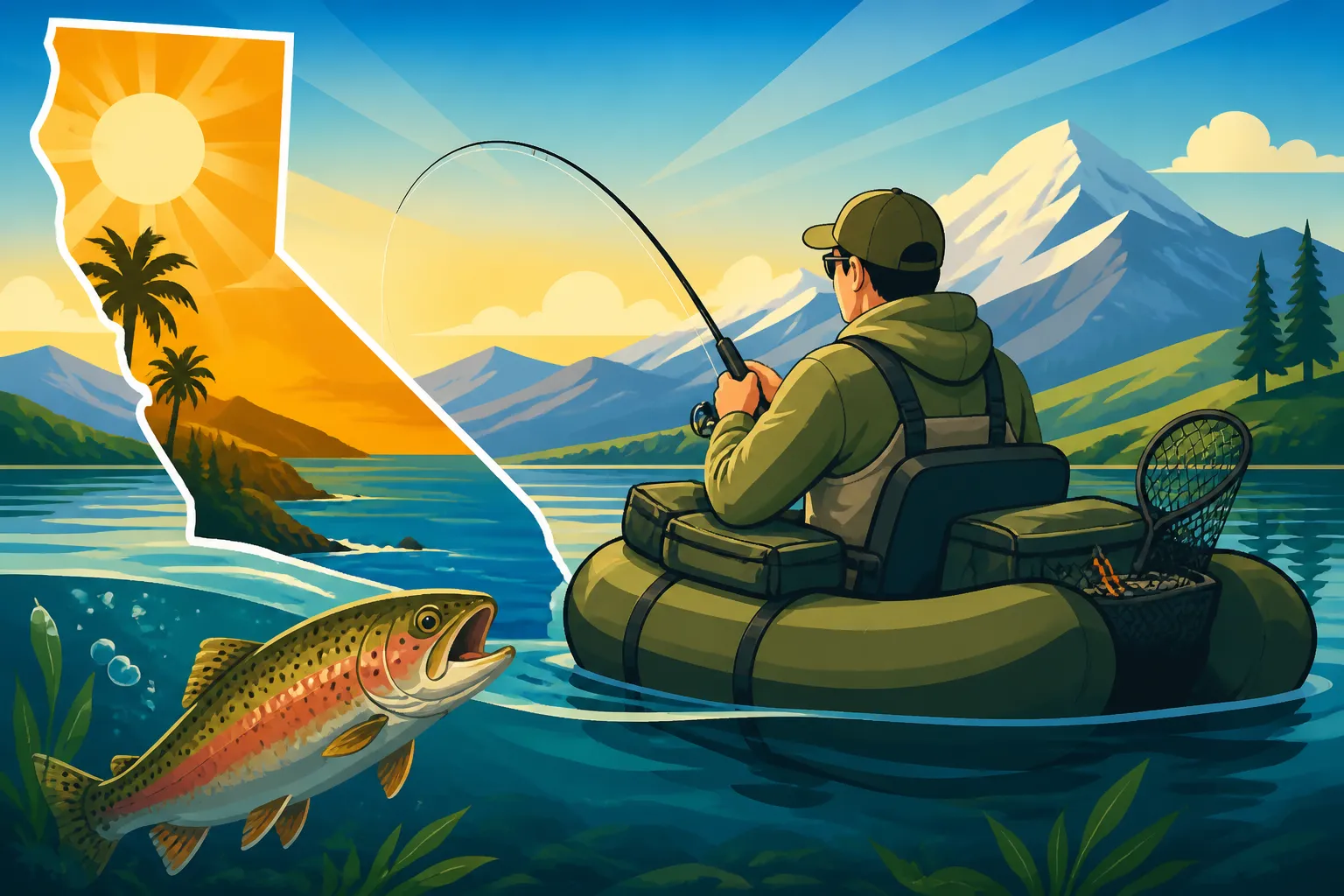
One of the biggest draws of float tube fishing is the incredible stealth it affords. You sit low in the water, becoming less of a visual disturbance to wary fish. The quiet propulsion from your fins means you're not spooking fish with noisy motors or oars. This allows you to approach fishing spots with a subtlety that bank anglers or even kayakers often can't match. Imagine slipping into a calm cove on a serene morning, barely making a ripple, and casting directly into a rising trout's feeding lane. It's a truly immersive and effective way to fish.
Beyond stealth, float tubes grant unparalleled access. They can navigate shallow coves, tight channels, and weed beds where bigger boats fear to tread. Many smaller lakes, ponds, and even sections of larger reservoirs might be inaccessible from shore due to private property, steep banks, or dense vegetation. A float tube lets you bypass these obstacles, giving you a private pathway to prime fishing grounds. It's especially rewarding for those remote, high-country lakes in the Sierra Nevada that require a hike-in – a packed float tube can be a lightweight companion that transforms your fishing experience once you arrive.
Comfort and Convenience on the Water
While it might look like you're just sitting in a glorified inner tube, modern float tubes are surprisingly comfortable and efficient. Many models feature comfortable seats, backrests, and multiple storage pockets, allowing you to spend hours on the water without discomfort. You can easily keep your tackle, snacks, and drinks within arm's reach. The hands-free propulsion with fins means your hands are free for casting, reeling, and managing your line, making for a much more relaxed and focused fishing session.
The convenience factor is also huge. Float tubes are relatively inexpensive compared to boats or even quality kayaks. They're easy to transport – most fit into the trunk of a car or a small pickup bed – and quick to set up. Inflation takes just a few minutes with a hand or electric pump, and deflating and packing away is equally simple. This makes spontaneous fishing trips a breeze, allowing you to hit the water whenever the mood strikes, without the logistical headaches associated with larger watercraft.
Essential Gear for California Float Tubing
Before you hit the water, gathering the right gear is paramount. Float tubing, while simple, requires specific items to ensure comfort, safety, and fishing success. Don't just grab any old inner tube; proper float tube gear is designed for stability and angling efficiency.
Choosing the Right Float Tube
Modern float tubes come in several designs, each with its own advantages. The most common types are U-shaped, V-shaped, and pontoon-style.
- U-shaped tubes are often the most affordable and lightweight, making them popular for beginners or those who hike into remote spots. They offer decent stability but can be a bit slower to paddle. You typically sit partially submerged in the water with these, which can be great on a hot day but less so in colder conditions unless you have proper waders.
- V-shaped tubes (like those from Outcast or Classic Accessories) provide better hydrodynamics, making them faster and easier to maneuver with fins. The V-shape also helps shed water, keeping you a bit drier. Many V-tubes feature raised seats, which further increases comfort and keeps you higher out of the water. This design is excellent for covering more water efficiently.
- Pontoon-style boats are essentially small, personal pontoons, often resembling miniature inflatable rafts. They offer the highest seating position, keeping you almost completely out of the water, which is a huge plus in colder weather or for longer trips. They're also extremely stable and often have oarlocks for rowing, though they can still be finned. While more expensive and heavier, they provide maximum comfort and storage.
When selecting your tube, consider the types of waters you'll be fishing. For small, sheltered ponds, a U-shape might suffice. For larger lakes with potential wind, a V-shape or pontoon-style will be more practical. Look for features like ample storage pockets, a stripping apron (a mesh or fabric lap tray for managing line), and durable construction. Many great options can be found on sites like Amazon, offering a range of prices and features to suit any budget or fishing style.
Waders, Fins, and Safety Essentials
Your personal attire and safety gear are just as critical as the float tube itself.
- Waders: Unless you're float tubing in warm, summer water, a good pair of chest waders is non-negotiable. Neoprene waders are excellent for cold water, providing insulation, while breathable waders are more versatile for varying temperatures. Make sure they fit well and allow for a full range of motion. Avoid cheap, leaky waders; investing in quality here will save you a lot of misery.
- Fins: These are your propulsion system. Stockingfoot waders require flippers designed to go over wading boots (bootfoot fins), while bootfoot waders need traditional scuba-style fins. Short, wide fins are often preferred for float tubing as they provide good thrust with less effort and are easier to manage while sitting. Brands like Force Fin are popular among float tubers for their efficiency.
- PFD (Personal Flotation Device): Even if you're a strong swimmer, always wear a PFD. Accidents happen, and a PFD is your ultimate safety net. Modern fishing PFDs are lightweight, comfortable, and often include pockets for small gear, making them practical for float tubing. Make sure it's Coast Guard approved.
- Wading Staff/Anchor: A collapsible wading staff can be invaluable for pushing off banks, navigating shallow spots, or if you need to stand up in shallow water. A small anchor (2-3 lbs) with a good length of rope is essential for holding your position in wind or current, preventing you from drifting over a prime spot or into hazardous areas.
- Other Safety Items: A whistle for signaling, a small first-aid kit, a knife or line cutters, and a fully charged cell phone in a waterproof case are all smart additions to your safety checklist. For those longer trips, consider a headlamp or flashlight and an emergency blanket.
Rods, Reels, and Tackle Considerations
Float tubing requires a slightly different approach to your rod and reel setup than bank or boat fishing.
- Rods: Shorter rods, typically 6 to 7.5 feet, are generally more manageable in a float tube. They offer better control for casting and fighting fish in a confined space, minimizing the risk of hitting your tube or other gear. A medium-light to medium action rod is usually versatile enough for most freshwater species you'll encounter in California. For trout, a lighter action is often preferred, while bass anglers might lean towards a medium-heavy for throwing heavier lures or working through cover.
- Reels: Pair your chosen rod with a lightweight spinning or baitcasting reel filled with appropriate line. For general trout and panfish, 4-6 lb test fluorocarbon or monofilament is common. For bass, you might go up to 8-12 lb test mono or fluorocarbon, or even braid.
- Tackle: Keep your tackle organized and minimal. Small, waterproof tackle boxes are your best friend. Focus on a versatile selection of lures and baits that are effective for the target species in your chosen water. For example, if you're targeting trout, bring a variety of small spoons, spinners, jigs, and PowerBait or worms. For bass, select some soft plastics, crankbaits, and topwater lures. Remember, you have limited space, so choose wisely. Many float tubes have small, integrated tackle holders or D-rings to clip on accessories purchased from places like Amazon.
Top California Waters for Float Tube Anglers
California boasts an incredible variety of waterways, many of which are perfectly suited for float tube exploration. While float tubes generally shine in freshwater, some calm, protected saltwater estuaries can also offer exciting opportunities.
High Sierra Lakes and Reservoirs
The Eastern Sierra Nevada is a mecca for float tubers, particularly those chasing trout. The countless alpine lakes and reservoirs, many of which are only accessible via a hike, become prime real estate for a float tube angler. Lakes like Crowley Lake, often called the "crown jewel" of Eastern Sierra trout fishing, offer vast expanses where float tubes allow you to get away from the shore crowds and target areas inaccessible to larger boats. Other popular spots include Lake Sabrina, South Lake, and numerous smaller, unnamed lakes tucked away in the backcountry.
When fishing these high-elevation waters, remember that conditions can change rapidly. Mornings are often calm, but afternoon winds can pick up, making finning tough. Focus on areas near drop-offs, weed beds, and submerged structures where trout often hold. These lakes are regularly stocked with rainbow trout and also hold wild brown trout and brook trout. Check the local Department of Fish and Wildlife planting schedules and streamflow reports for the best times to visit. Remember that a valid fishing license is required for all fishing in California's public waters. You can learn how to get a California fishing license before your trip.
Central Valley Ponds and Small Lakes
Don't overlook the smaller, often overlooked ponds and lakes scattered throughout California's Central Valley and coastal foothills. These bodies of water are frequently stocked with trout during the cooler months and offer excellent bass and panfish opportunities year-round. Places like the ponds in Gold Country, various city parks with fishing lakes (e.g., Lake Chabot, Lafayette Reservoir near the Bay Area), or smaller agricultural reservoirs are perfect for a quick float tube outing.
These smaller waters often have dense weed growth or shallow areas that restrict traditional boats but are ideal for float tubes. You can quietly maneuver into these fish-holding areas, presenting your bait or lure with precision. Early mornings and late evenings are often the most productive times in these waters, especially during warmer seasons when fish seek cooler, deeper water during the day. Understanding California Freshwater Fishing Regulations is crucial when fishing these diverse environments.
Larger Reservoirs and Delta Backwaters
Even California's larger reservoirs offer fantastic float tubing opportunities. While you might not cross the entire lake, a float tube allows you to thoroughly explore specific coves, points, and shallow flats that might be too far from shore or too tricky for larger boats. Lakes like New Melones Lake, Lake Berryessa, or even portions of Lake Shasta can be fantastic for targeting bass, crappie, and sometimes even trout from a float tube.
The California Delta, with its intricate network of sloughs, canals, and backwaters, also presents unique float tubing possibilities, particularly for targeting striped bass, largemouth bass, and various panfish. The key here is to choose quieter, protected areas away from heavy boat traffic and strong currents. Always be aware of passing boat wakes and currents in these larger, more dynamic systems. Before heading out, make sure you're familiar with California fishing regulations explained to avoid any unintended issues.
Effective Float Tube Fishing Techniques
Float tube fishing isn't just about getting to the fish; it's about how you fish once you're there. The unique vantage point and mobility offer distinct advantages if you know how to use them.
Mastering Propulsion and Positioning
The art of float tubing lies in efficient finning and precise positioning. Learning to fin backward is a fundamental skill, allowing you to cast forward and then slowly back away from your presentation, maintaining a natural drift or retrieve. Practice making subtle adjustments to your position, using small kicks of your fins to hold steady against a light breeze or current.
- Drifting: Often, the most effective technique is to use the natural drift of the wind or current to cover water. Cast ahead of your drift, allowing your lure or bait to present naturally as you slowly move over the area. Use your fins to slow down or subtly alter your drift path.
- Anchoring: When you find a productive spot, deploy your anchor. This allows you to thoroughly work the area without constantly finning. It's especially useful if you're working a piece of structure, a weed line, or a schooling baitfish aggregation.
- Stealthy Approaches: Always approach a fishing spot with the sun in your face or to the side, minimizing your shadow being cast over the water. Move slowly and deliberately. The less disturbance you create, the more likely you are to encounter fish in an undisturbed state. When pursuing species like trout, mastering California Trout Fishing Techniques from a float tube can be highly rewarding.
Targeting Trout from a Float Tube
Trout are perhaps the most popular target for California float tubers, and for good reason. The quiet approach of a float tube is perfectly suited to these often wary fish.
- Deep Water Trolling: In larger lakes, float tubers can effectively "troll" small lures like spoons, spinners, or even flies behind them as they fin along. Vary your depth by adding split shot or using a lead core line if allowed. This covers a lot of water and is often productive for searching out active fish.
- Shoreline Cruising: In smaller lakes and reservoirs, cruise parallel to the shoreline, casting towards points, submerged timber, or weed beds. Use small jigs, PowerBait, or worms fished under an indicator (bobber). The ability to quickly move and reposition to follow a bite or explore a new contour is a huge advantage.
- Fly Fishing from a Tube: Float tubes are ideal platforms for fly fishing. You have excellent casting clearance and the ability to present flies with precision to rising fish. Cast dry flies to sipping trout or nymph rigs and streamers to deeper holding fish. Knowing how to fish for trout in California, especially in diverse conditions, is key. When it comes to lures, consider checking out Best Lures for California Trout for tried-and-true options.
Chasing Bass and Panfish from Your Tube
Bass (largemouth, smallmouth, and spotted bass) and panfish (bluegill, crappie) are also fantastic targets for float tubers, especially in warmer waters.
- Weed Line Work: Float tubes excel at working weed lines and lily pads. Use weedless baits like soft plastic worms, frogs, or jigs, casting them right into the thick stuff where bass love to ambush prey. Your low profile allows you to sneak right up to the edge of the cover. This is a prime example of effective California Bass Fishing Techniques.
- Structure Fishing: Target submerged timber, rock piles, and drop-offs. Carolina rigs, Texas rigs, and drop-shot setups are excellent for presenting soft plastics to bass holding tight to structure. The float tube allows you to precisely position yourself to cast to these features from multiple angles.
- Topwater Action: For an exciting bite, work topwater lures (poppers, walk-the-dogs, frogs) over calm water during low-light conditions. The stealth of the float tube means you're less likely to spook fish when making your presentation. If you're specifically honing in on these hard-fighting fish, understanding how to fish for largemouth bass in California will elevate your game.
| Float Tube Type | Key Features | Best Use Cases | Pros | Cons |
|---|---|---|---|---|
| U-Shaped | Lightweight, simple, often sit partially submerged | Small ponds, calm days, budget-friendly, hike-in | Very portable, affordable, good for tight spaces | Slower, less stable, can get wet, limited storage |
| V-Shaped | Hydrodynamic design, raised seat, improved tracking | Medium to large lakes, mild wind, covering more water | Faster, more stable, keeps you drier, good storage | More expensive than U-shape, heavier |
| Pontoon-Style | High seating, most stable, oarlocks optional | Larger lakes, all-day comfort, cold weather, heavier wind | Max comfort, highly stable, lots of storage, very dry | Heaviest, largest, most expensive, less agile in tight spots |
Safety First: Float Tube Fishing Precautions
While float tubing is generally safe, it's still an on-water activity, and safety should always be your top priority. A responsible angler is a safe angler.
Pre-Trip Checks and On-Water Awareness
Before you even leave home, perform a thorough check of your gear. Inflate your float tube to the recommended pressure and check for any leaks. Inspect your waders for holes and ensure your fins are secure. Pack your safety essentials, including your PFD. Tell someone where you're going and when you expect to return, especially if you're heading to a remote location. A quick text to a loved one or leaving a note in your car goes a long way.
Once on the water, always remain aware of your surroundings. Scan for other boaters, kayakers, or swimmers. Be mindful of fishing lines from other anglers, especially if you're in a crowded area. Pay attention to changes in wind direction or strength, and be prepared to fin back to shore if conditions worsen. Never tie yourself to your anchor line; if you need to quickly abandon your anchor, you want to be able to do so without being pulled under.
Weather, Wind, and Water Conditions
California's weather can be unpredictable, especially in mountainous regions or along the coast. Always check the forecast before heading out. High winds are the float tuber's worst enemy, making finning extremely difficult and potentially creating hazardous chop on the water. Avoid float tubing in strong winds or when thunderstorms are predicted. If you find yourself in increasing wind, aim for a protected cove or head back to shore immediately.
Water temperature is another critical factor. Even on a warm day, cold water can be deadly if you accidentally go in. Dress in layers, and remember that even breathable waders offer minimal insulation if submerged. In very cold water, dry suits are recommended over waders. Be aware of currents, especially in rivers or large reservoir channels. Float tubes are best suited for calm, slow-moving water, not strong currents. Depending on the season, you might find different fishing challenges and opportunities, whether it's California Fishing in Spring, California Fishing in Summer, California Fishing in Fall, or California Fishing in Winter.
Maintaining Your Float Tube and Gear
Proper care and maintenance will significantly extend the life of your float tube and associated gear, ensuring you're ready for your next adventure.
Post-Fishing Care and Storage
After each outing, take a few minutes to care for your gear.
- Float Tube: Rinse your float tube thoroughly with fresh water to remove dirt, mud, and any aquatic invasives (especially important if moving between different bodies of water). Pay attention to the zippers and fabric. Allow it to air dry completely in a shaded area before deflating and storing. Storing a damp tube can lead to mildew and degradation of the material. Once dry, store it in a cool, dry place away from direct sunlight and extreme temperatures. Sunlight's UV rays can degrade PVC and other materials over time.
- Waders and Fins: Hang your waders upside down to dry thoroughly, both inside and out. Rinse your fins and store them properly. Inspect your waders for any new leaks, patching them promptly with a repair kit.
- Rods, Reels, and Tackle: Wipe down your rods and reels. Open up your tackle boxes to let any moisture escape, preventing rust on hooks and lures. A quick check of your line for nicks or abrasions is also a good habit.
Troubleshooting Common Issues
Even with the best care, you might encounter minor issues.
- Slow Leaks: A slow leak in your float tube is often caused by a small puncture or a faulty valve. Inflate the tube fully and apply soapy water to the entire surface; bubbles will pinpoint the leak. Repair kits, often available from manufacturers or on Amazon, typically include patches and adhesive. Always carry a small repair kit with you on longer trips.
- Zipper Problems: Zippers on storage pockets can get jammed or corroded. Keep them clean and lubricated with a zipper lubricant or silicone spray.
- Fins and Wader Issues: Check your fin straps for wear and tear. Wader leaks are common; learn to patch them effectively with aquaseal or similar products. Don't let a small issue keep you off the water; proactive troubleshooting is key.
Float tube fishing offers an unparalleled sense of freedom and a unique connection to the aquatic world. With the right gear, a focus on safety, and a willingness to learn, you'll soon be exploring California's hidden fishing gems and enjoying some of the most rewarding angling experiences available.
Disclaimer
The information provided in this guide is for informational purposes only. Fishing regulations in California can change frequently. Always consult the latest official California Department of Fish and Wildlife regulations booklet or their website before heading out to fish. Adherence to all local, state, and federal laws is the responsibility of the angler. Fishing carries inherent risks, and personal safety should always be the top priority.