California Ice Fishing for Beginners
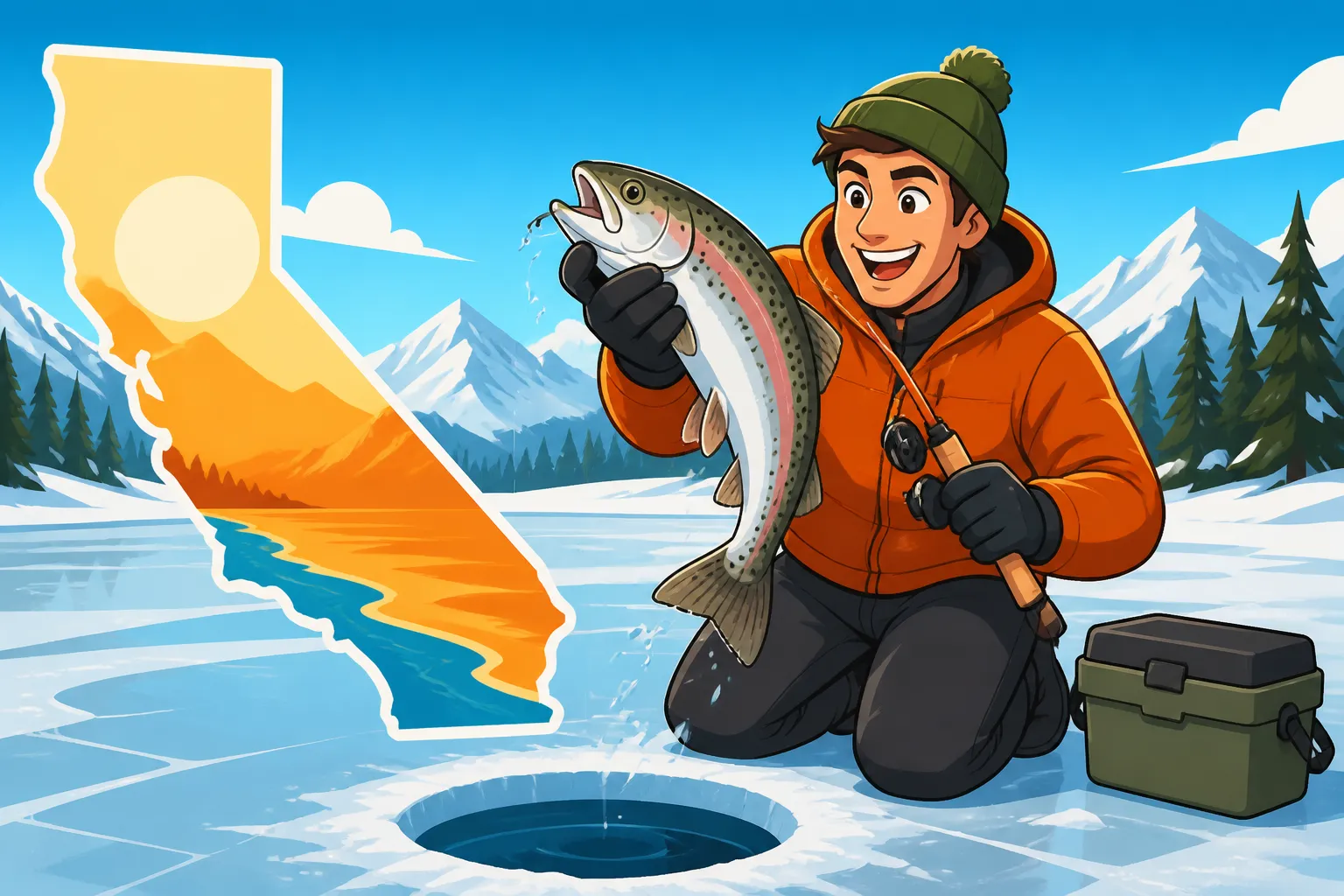
If you've ever mentioned "ice fishing" in California, you've probably been met with a few raised eyebrows, maybe even a chuckle or two. Most people picture sunny beaches and surfing when they think of the Golden State, not frozen lakes and tip-ups. But believe it or not, a dedicated, adventurous few do experience the unique thrill of drilling through ice for a fresh catch right here in California. It's not widespread, and it requires careful planning, but it's an incredibly rewarding winter pursuit. This guide is here to walk you through everything a beginner needs to know to safely and successfully try their hand at ice fishing in California, dispelling myths and setting realistic expectations along the way.
The Reality of Ice Fishing in California's High Country
Let's get one thing straight: you won't be ice fishing near Los Angeles or San Francisco. The vast majority of California is too warm for sustained, safe ice. Our ice fishing opportunities are almost exclusively found in the high-elevation regions of the Eastern Sierra Nevada mountains, where winter temperatures drop low enough and consistently enough to form fishable ice. This means planning a trip often involves traveling to remote areas and checking conditions meticulously. It's a niche pursuit, but for those willing to make the journey, it offers a serene and often productive fishing experience that feels a world away from the bustling coastline.
Where to Find Fishable Ice
The key to ice fishing in California is elevation and persistent cold. You're looking for lakes that sit above 7,000 or 8,000 feet, where the sun's warmth is less impactful and nighttime temperatures plunge.
- Eastern Sierra Lakes: This is the undisputed mecca for California ice fishing. Lakes like Crowley Lake, often accessible via Mammoth Lakes, are prime examples. Other possibilities include June Lake Loop lakes (though conditions vary greatly year to year), Bridgeport Reservoir, and occasionally some smaller, higher alpine lakes in areas like the Mammoth Lakes Basin. These spots don't freeze over every year to a safe degree, and even when they do, not all areas of the lake will be safe. Always check local conditions before heading out.
- Northern California Opportunities: While much less common, some higher-elevation lakes in Northern California, such as those near Lassen Volcanic National Park, might see safe ice in exceptionally cold winters. However, these are generally less reliable and less developed for ice fishing than the Eastern Sierra.
- Managing Expectations: It's crucial to understand that reliable, safe ice conditions are not a guarantee annually, even in the most well-known spots. You must confirm ice thickness with local bait shops, resorts, or the California Department of Fish and Wildlife (CDFW) before venturing out. What might be safe one day can be dangerous the next, especially with fluctuating winter weather patterns. Remember that this isn't Minnesota; California ice is often thinner and less consistent.
What Species You'll Target
When you're out on the ice in California, you'll primarily be targeting trout. The high-country lakes are typically stocked with various trout species, and some also hold healthy populations of native and wild trout.
- Rainbow Trout: These are the most common catch, often stocked in many of the popular ice fishing lakes. They're fun to catch and make for excellent table fare. You'll find them active under the ice, responding well to small jigs and bait.
- Brown Trout: Known for their elusive nature and strong fights, brown trout are a prized catch. They tend to grow larger and can be found lurking near structure.
- Lake Trout (Mackinaw): In some deeper Eastern Sierra lakes like Lake Tahoe or Crowley Lake, you might have a shot at Lake Trout, which can grow to impressive sizes. Targeting these often requires different tactics and heavier gear.
- Kokanee Salmon: These landlocked salmon are another possibility in certain lakes, offering a different challenge with their schooling behavior and delicate bites.
- Regulations and Limits: Just like any other type of fishing, California ice fishing is subject to specific regulations. You'll need a valid California fishing license, and you'll need to adhere to the current California Freshwater Fishing Regulations regarding bag and size limits for each species. These can vary by lake and change annually, so always consult the latest CDFW regulations booklet or online resources before your trip. For example, some lakes might have special rules for certain species or gear restrictions. Checking the regulations is just as important as checking the ice.
Essential Gear for California Ice Anglers
Stepping out onto a frozen lake requires specialized gear, not just for catching fish, but more importantly, for safety and comfort. Don't skimp on these items; your well-being depends on them. Think of it as an investment in a unique winter adventure.
Ice Fishing Specifics
These are the tools that let you actually fish through the ice.
- Ice Auger: This is your primary tool for creating a hole in the ice. You have a few options:
- Hand Augers: These are human-powered, affordable, and lightweight. Great for thinner ice (under 10-12 inches) and a good workout. Brands like Eskimo or ION offer reliable models.
- Propane Augers: These run on small propane tanks, offering more power and speed than hand augers without the weight and fumes of gas augers. They're a popular choice for their convenience.
- Electric Augers: Battery-powered, quiet, and increasingly popular. They're powerful and environmentally friendly, though typically the most expensive option. For a beginner, a sturdy hand auger is a fantastic starting point, especially if you're not sure how often you'll go. You can often find them on Amazon.
- Ice Fishing Rods and Reels: Forget your conventional spinning or casting rods. Ice fishing rods are much shorter (18-36 inches) to make them easier to handle in cramped spaces like ice shelters. They also have a very sensitive tip to detect subtle bites. Pair them with small spinning reels spooled with light monofilament or fluorocarbon line, typically 2-6 lb test for trout.
- Ice Skimmer or Ladle: Once you drill a hole, slush and ice chips will accumulate. A skimmer helps you clear the hole to keep your line free.
- Ice Shelter (Optional but Recommended): A portable ice shelter, like a pop-up hub or flip-over style, provides protection from wind and cold, making your experience significantly more comfortable. Many have built-in seats and can be surprisingly warm with a small heater. Brands like Clam or Frabill are popular choices. For a beginner, a simple bucket with a lid can serve as a seat and gear carrier, but a shelter vastly improves comfort on longer days.
- Portable Heater (for shelters): If you opt for an ice shelter, a small, safe propane heater is a game-changer. Models designed for enclosed spaces, like those from Mr. Heater, come with oxygen depletion sensors for safety. Always ensure adequate ventilation.
Safety and Comfort Gear
This category is non-negotiable. Don't compromise here.
- Ice Picks/Claws: These are absolutely essential safety devices. Worn around your neck, they allow you to pull yourself out of the water if you fall through the ice. They're simple, inexpensive, and could save your life.
- Spud Bar: A heavy metal bar with a chisel-like end. You use it to test ice thickness as you walk. If the bar goes through with one strike, the ice is too thin. This is critical for assessing unknown ice.
- Flotation Suit or PFD (Personal Flotation Device): An insulated flotation suit provides warmth and buoyancy in case you go through the ice. At a minimum, wear a life vest under your winter coat.
- Warm, Layered Clothing: The temperatures on a frozen lake, especially with wind, can be brutally cold.
- Base Layer: Moisture-wicking thermal underwear.
- Mid-Layers: Fleece or wool sweaters/pants for insulation.
- Outer Layer: Waterproof and windproof jacket and pants (bibs are great).
- Insulated, Waterproof Boots: Your feet will get cold. Good quality, insulated boots (like Sorels or similar brands) are vital. Pair them with thick wool or synthetic socks.
- Warm Hat, Gloves/Mittens: Protect your extremities. Mittens are often warmer than gloves, and a good beanie is crucial.
- Hand Warmers and Foot Warmers: These small, disposable packets can provide hours of warmth and are a lifesaver on really cold days. Many outdoor stores and places like Amazon carry them in bulk.
- First-Aid Kit: Always carry one for any outdoor adventure.
- Headlamp or Flashlight: For early morning setups or late evening pack-ups.
- Sunglasses: The glare off the ice can be intense.
- Sunscreen and Lip Balm: Even in winter, UV rays are strong.
- Food and Hot Drinks: Thermoses with hot coffee, tea, or soup can make a huge difference in morale and warmth. High-energy snacks are also a good idea.
Basic Ice Fishing Gear Checklist
| Item Category | Essential Items | Notes |
|---|---|---|
| Ice Fishing Gear | Ice Auger (Hand, Propane, or Electric) | Hand auger great for beginners and thinner ice. |
| Ice Fishing Rods (2-3) & Reels | Short, sensitive rods, small reels, 2-6 lb line. | |
| Ice Skimmer/Ladle | To clear slush from holes. | |
| Ice Fishing Bucket (seat/storage) | Or a portable ice shelter for comfort. | |
| Small Tackle Box | With appropriate baits/lures for trout. | |
| Bait (PowerBait, worms, corn) | Or small jigs, spoons. | |
| Safety Gear | Ice Picks/Claws (worn around neck) | NON-NEGOTIABLE. |
| Spud Bar | To test ice thickness as you walk. | |
| Flotation Suit or PFD | Extra layer of safety in case of breakthrough. | |
| First-Aid Kit | For minor injuries. | |
| Whistle | To signal for help if needed. | |
| Clothing & Comfort | Warm, Layered Clothing (base, mid, outer) | Waterproof and windproof outer layers are key. |
| Insulated, Waterproof Boots | With warm socks. | |
| Warm Hat | Covers ears. | |
| Warm Gloves/Mittens | Extra pair is a good idea. | |
| Hand & Foot Warmers | For extra warmth on cold days. | |
| Headlamp/Flashlight | For low-light conditions. | |
| Sunglasses | Reduces glare. | |
| Sunscreen & Lip Balm | Protects from sun and windburn. | |
| Thermos with Hot Drinks & Snacks | Essential for staying hydrated and energized. | |
| Miscellaneous | Valid California Fishing License | Required by law. |
| Fish Finder (Optional) | For locating fish and structure. | |
| Camera | To capture memories! |
Key Techniques for Success on California Ice
Ice fishing might seem daunting at first, but the techniques are relatively straightforward, especially for trout. The cold water slows fish metabolism, making them less aggressive, so patience and subtle presentations are often key. This is a great opportunity to explore how to fish for trout in California, but through a unique lens.
Understanding Ice Fish Behavior
Fish behavior changes dramatically under a layer of ice. Water temperatures are colder, light penetration is reduced, and their metabolism slows down. This means fish are often less active and more concentrated in certain areas, such as near structure, drop-offs, or oxygen-rich zones. They might not chase a lure as far, so presenting your bait directly in their strike zone is crucial. This is where a fish finder, even a basic flasher unit, can be incredibly helpful for identifying fish and the depth they're holding.
Effective Baits and Lures
For trout under the ice, a variety of baits and small lures can be effective. Experimentation is always a good idea, as fish preferences can change daily.
- Natural Baits:
- PowerBait/PowerEggs: These scented, moldable baits are consistently effective for stocked trout. Form a small ball around your hook or use the pre-formed eggs.
- Mealworms, Waxworms, or Nightcrawlers: Live bait is often irresistible to trout. Hook them lightly to allow for natural movement. You can find these at most local bait shops in areas with ice fishing.
- Canned Corn: Believe it or not, corn can be surprisingly effective for trout, likely due to its scent and bright color. Hook a few kernels on a small hook.
- Small Jigs and Spoons:
- Tungsten Jigs: Small, heavy jigs that sink quickly. Tip them with a waxworm, mealworm, or a small piece of PowerBait. Jig them with subtle up-and-down motions.
- Ice Fishing Spoons: Small, flashy spoons in silver, gold, or bright colors can attract attention. Tip them with a small piece of bait for added appeal. Jig them a few feet off the bottom, letting them flutter back down.
- Small Kastmasters or Pixie Spoons: These classic trout lures also work well through the ice, especially when jigged.
Presentation and Jigging Strategies
The way you present your bait or lure can make all the difference.
- Bottom Bouncing: Many trout will hug the bottom in colder water. Drop your bait or jig all the way to the bottom, then reel up a few inches and hold it still or give it very subtle jigs. Occasionally let it hit the bottom to kick up a little sediment, mimicking natural feeding.
- Vertical Jigging: This involves rhythmically lifting and dropping your rod tip to make your lure "dance" in the water. Start with short, subtle lifts of 6-12 inches, then pause. Sometimes a frantic jigging motion works, other times a barely perceptible twitch is best. Pay attention to what the fish respond to.
- Dead Sticking: Sometimes, the most effective technique is to do nothing at all. Set up a second rod (if regulations allow a second rod stamp, which you can usually purchase when getting your California Fishing License Guide) in a second hole with a stationary bait, often a PowerBait rig, just a foot or two off the bottom, and let it sit. The fish might prefer a motionless presentation.
- Depth is Key: Fish often congregate at specific depths. If you're not getting bites at one depth, try another. Move your bait up or down the water column in increments, especially if you see fish on your fish finder.
- Hole Hopping: Don't be afraid to move if a spot isn't producing. Drill a few holes in a general area, fish each one for 10-15 minutes, and if nothing bites, move on. Fish are often concentrated, so finding the "sweet spot" is crucial. This is where a reliable ice auger comes in handy.
Safety First: Staying Safe on the Ice
Ice fishing is a fantastic experience, but it comes with inherent risks. Safe ice is paramount. No fish is worth risking your life. This isn't just a suggestion; it's a critical component of any successful and enjoyable ice fishing trip, especially for those new to the sport. The unique characteristics of California ice, often subject to more rapid changes, make vigilance even more important.
Understanding Ice Thickness and Conditions
The golden rule of ice safety is: No ice is 100% safe. However, there are general guidelines for minimum safe ice thickness:
- 2 inches or less: Stay off!
- 4 inches: Safe for ice fishing on foot.
- 5-7 inches: Safe for a snowmobile or ATV.
- 8-12 inches: Safe for a small car or light pickup.
- 12-15 inches: Safe for a medium pickup.
These are general guidelines for clear, solid, new ice. Slushy ice, ice with cracks, or ice that has refrozen after thawing can be significantly weaker. Ice thickness can also vary dramatically even on the same body of water due to currents, springs, or underwater structures. Always be suspicious of ice around inlets, outlets, and areas where reeds or logs are frozen in.
Pre-Trip Planning and On-Ice Protocol
Preparation is your best defense against accidents.
- Check Local Conditions: Before you even leave home, contact local bait shops, resorts, or guides in the Eastern Sierra regions like Mammoth Lakes or Bridgeport. They are usually the best source for current ice conditions and safety advisories. Websites like the CDFW or local forums might also have up-to-date reports. Don't rely solely on online reports; try to speak to someone directly.
- Go with a Buddy: Never, ever go ice fishing alone, especially as a beginner. An extra person can provide help in an emergency.
- Inform Someone of Your Plans: Tell a non-fishing friend or family member where you're going, when you expect to return, and what your backup plan is.
- Wear Appropriate Gear: We covered this in the gear section, but it bears repeating: ice picks, a spud bar, and flotation are not optional. Dress in layers, wear insulated boots, and a warm hat. Being cold significantly impairs your judgment and reaction time.
- Test as You Go: Use your spud bar to test the ice in front of you as you walk. Strike it forcefully. If it penetrates or cracks easily, retreat immediately.
- Spread Out: If fishing with a group, spread out your fishing holes to distribute weight and avoid putting too much stress on one area of the ice.
- Stay Sober: Alcohol impairs judgment and body temperature regulation, making a dangerous situation even worse.
- Know How to Self-Rescue: If you fall through, don't panic. Turn towards the direction you came from (that's where the ice was strongest). Use your ice picks to pull yourself up onto the ice, kicking your feet to help propel yourself. Once out, roll away from the hole to distribute your weight, and crawl back to shore. Get to warmth immediately.
- Carry a Rope: A length of rope can be invaluable for helping someone else who has fallen through the ice, or for being pulled out yourself.
- Be Aware of Weather Changes: A sudden warm spell, strong winds, or heavy snow can all impact ice safety. Snow acts as an insulator, preventing thick ice from forming, and it can also hide dangerous thin spots.
- Respect Private Property and Marine Protected Areas: Always know where you are fishing. There are rules about California Marine Protected Areas Explained, even in freshwater areas, and special regulations may apply. Always verify you are on public access land or have permission.
Ice fishing in California is a fantastic adventure that provides a unique connection to nature during the colder months. With the right preparation, gear, and a strong emphasis on safety, you can enjoy the tranquility and excitement of pulling a fresh trout through the ice, creating memories that are distinctly Californian and totally unforgettable. Just remember, patience and caution are your best companions on the ice.
Disclaimer
Fishing regulations, conditions, and safety guidelines can change rapidly. Always consult the latest California Department of Fish and Wildlife (CDFW) regulations booklet and local authorities for the most current and accurate information before planning any fishing trip. Ice conditions, in particular, should always be verified with local experts as they can vary by location and day. This guide is for informational purposes only and does not guarantee safety or fishing success. Always prioritize safety above all else.