California Lingcod Season and Limits
It can be incredibly frustrating to head out to your favorite fishing spot, rods rigged and ready, only to realize you’re not entirely sure if it’s even legal to target the species you’re after, or what the specific rules are for keeping them. For many anglers in California, lingcod are a highly sought-after prize, but navigating the ever-changing seasons and limits set by the California Department of Fish and Wildlife (CDFW) can feel like trying to untangle a particularly nasty birds' nest of line. This comprehensive guide is designed to cut through that confusion, giving you a clear, up-to-date understanding of California’s lingcod season and limits, ensuring your next outing is both productive and compliant.
Understanding Lingcod: A Quick Overview for Anglers
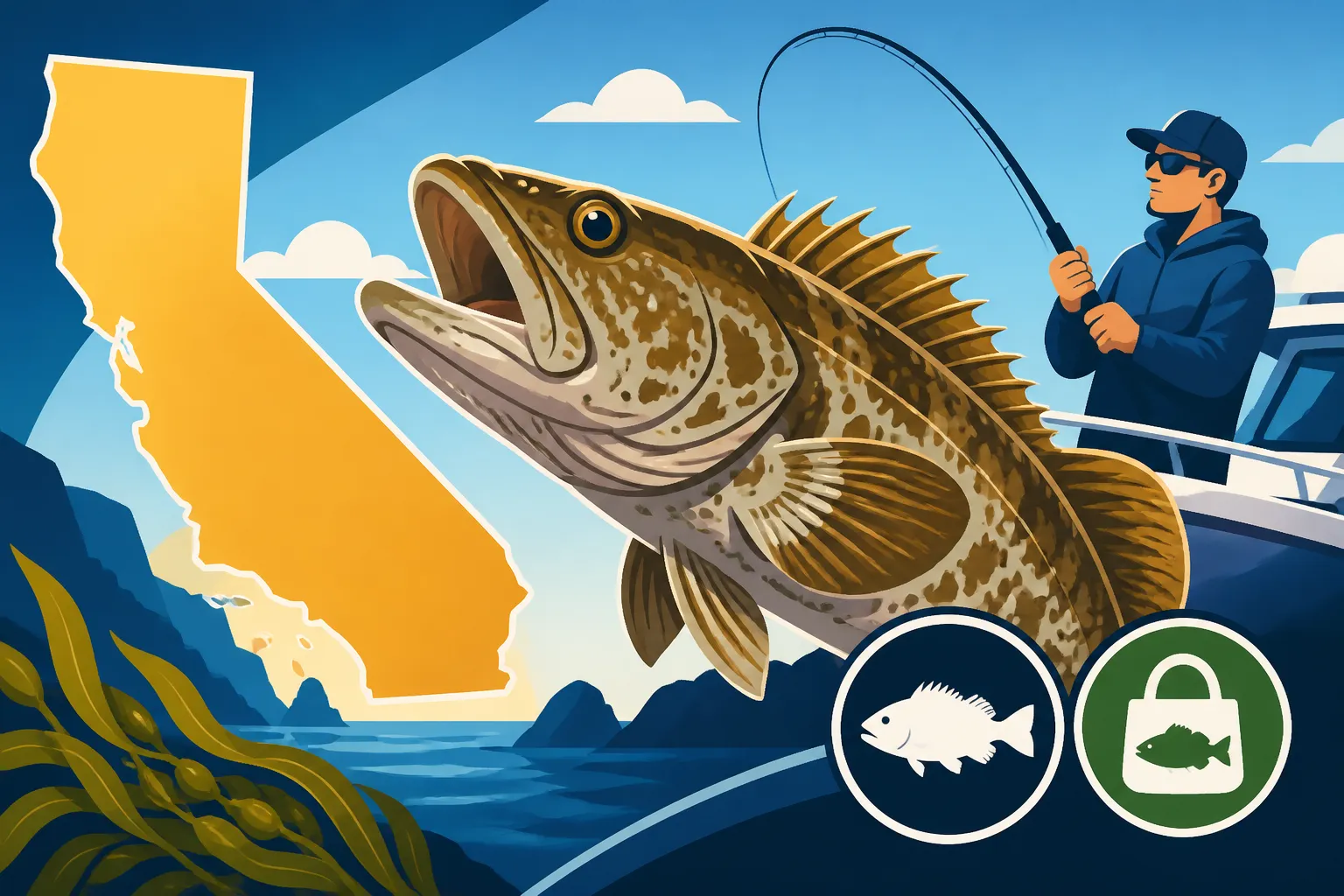
Before we dive into the nitty-gritty of regulations, let's take a moment to appreciate the magnificent creature we're talking about: the lingcod. These aren't your average panfish; they're formidable predators with a distinctive, often mottled appearance and a mouth full of sharp teeth. They might look a bit intimidating, but they offer an incredible fight and are renowned for their delicious, flaky white meat.
The Elusive Nature of Lingcod
Lingcod, despite their name, aren't true cods. They belong to the greenling family and are native to the Pacific coast, ranging from Alaska down to Baja California. Here in California, they primarily inhabit rocky reefs, kelp forests, and wrecks, often hunkering down in crevices or patiently ambushing prey. They're masters of camouflage, blending seamlessly with their surroundings, which makes spotting them a challenge. This preference for structured, often deep, environments means that targeting them usually involves specific techniques and a good understanding of the local topography. Many anglers find them when targeting other groundfish, like rockfish, due to their shared habitats.
One common misconception is that lingcod are solely deep-water dwellers. While they certainly thrive in deeper offshore structures, especially the larger specimens, you can absolutely find smaller lingcod in shallower, nearshore rocky areas, even from shore in some locations with good access to rocky structures. Their territorial nature means that once you find a good lingcod spot, chances are there will be others.
Why Lingcod Are a Prized Catch
So, what makes lingcod such a celebrated species among California anglers? It boils down to a few key factors. First and foremost, their size can be truly impressive. While average lingcod might be in the 20-30 inch range, they can grow much larger, with some monsters exceeding 40 pounds and 5 feet in length! Landing one of these giants is a true test of skill and strength. Imagine the thrill of hooking into something that feels like a Volkswagen trying to drag your boat sideways – that's a big lingcod!
Beyond the fight, their culinary value is consistently ranked high. Lingcod fillets are firm, white, and mild-tasting, making them incredibly versatile in the kitchen. Whether you're grilling, baking, frying, or making a delicious ceviche, lingcod rarely disappoints. This combination of a challenging fight, impressive size potential, and excellent table fare firmly plants lingcod on the wishlist of many West Coast fishermen, myself included. There's nothing quite like bringing home a cooler full of fresh lingcod for a family feast after a successful day on the water.
California Lingcod Seasons: When You Can Target Them
Understanding the lingcod season in California is crucial because it's not a year-round free-for-all. The CDFW implements specific open and closed seasons to manage the population, ensuring sustainability for future generations of anglers. These seasons can vary depending on where you're fishing along California's vast coastline, roughly divided into Northern/Central and Southern Management Areas. These are critical aspects of the broader California Saltwater Fishing Regulations.
Northern/Central California Lingcod Season
For anglers fishing north of the 36° N Latitude line, which is essentially Point Lopez in Monterey County and everything north of that, including popular spots like San Francisco Bay, Half Moon Bay, and Bodega Bay, the lingcod season typically aligns with the general groundfish season. This usually means an open season from May 1st through December 31st.
However, and this is a big however, these dates are subject to change annually based on federal and state assessments of fish stocks and environmental factors. It’s absolutely vital to check the latest regulations directly from the CDFW website or their current sport fishing regulations booklet before every trip. Relying on last year’s knowledge can lead to a hefty fine and a confiscated catch. For example, in recent years, there have been some adjustments to depth restrictions and season lengths for groundfish, which directly impacts lingcod fishing. Imagine planning a trip in early spring, only to find out the season hasn't opened yet – that's a crushing disappointment! Always double-check.
Southern California Lingcod Season
South of the 36° N Latitude line, which covers areas like Morro Bay, Santa Barbara, Los Angeles, Orange County, and San Diego, the lingcod season generally follows a slightly different schedule. Historically, this region has seen an open season from March 1st through December 31st. Again, just like in the north, these dates are not set in stone and can be modified.
The rationale behind these regional differences often comes down to differing stock assessments, environmental conditions, and fishing pressure in various parts of the state. Southern California's warmer waters and generally higher recreational fishing traffic for a wider variety of species can sometimes influence these regulatory decisions. It’s important to remember that these are not arbitrary rules; they are scientifically determined to protect the fishery. If you're planning a trip to the Channel Islands or out of a busy port like San Diego, make sure your knowledge of the regulations is fresh. A quick check of the current California Fishing Regulation Booklet Explained will save you a lot of grief.
How Seasons are Determined by CDFW
The California Department of Fish and Wildlife (CDFW) doesn't just pull these season dates out of a hat. They work in conjunction with federal agencies, primarily the Pacific Fishery Management Council (PFMC), which manages groundfish species along the West Coast. This involves extensive scientific research, stock assessments, and public input. Biologists collect data on lingcod populations, including age, growth rates, reproductive success, and catch data from both commercial and recreational fisheries.
This information is then used to model the health of the lingcod stock and determine sustainable harvest levels. Factors like ocean conditions (such as El Niño or La Niña, which can affect prey availability and water temperatures), overall fishing pressure, and even incidental catch rates of other species (like certain rockfish) are all considered. The goal is to set seasons and limits that allow anglers to enjoy fishing for lingcod while ensuring the species can reproduce and thrive for future generations. It’s a delicate balancing act, and sometimes, regulations have to be adjusted mid-season if new data comes to light or if specific conservation goals aren't being met. This dynamic process highlights why staying current with regulations is paramount.
Lingcod Size and Bag Limits: What You Need to Know
Beyond knowing when you can fish for lingcod, it's equally important to understand how many you can keep and how big they need to be. These bag and size limits are fundamental components of the broader California Fishing Regulations Explained and are designed to prevent overfishing, protect juvenile fish, and allow larger, more reproductively successful fish to contribute to the population.
Statewide Lingcod Bag Limit
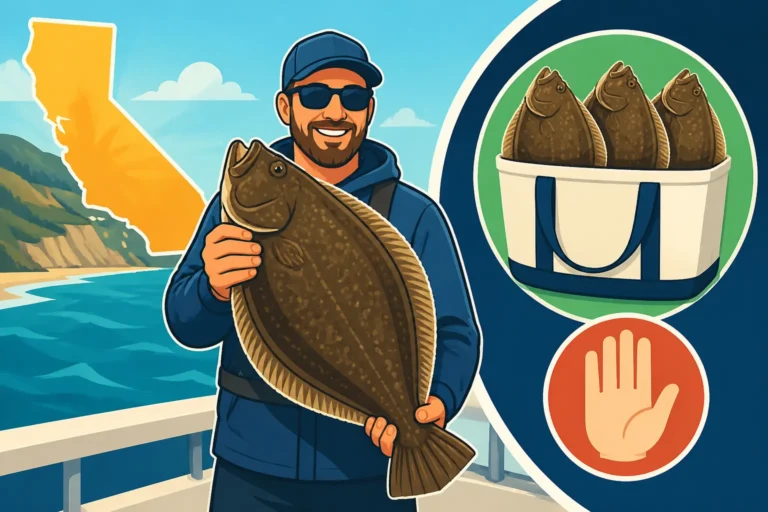
For lingcod, California typically has a statewide bag limit, meaning it generally applies across all open management areas. Currently, and this has been consistent for a while, the bag limit for lingcod is two fish per person per day. This means that regardless of how many lingcod you catch, you are only legally allowed to retain two within a 24-hour period.
It's crucial to understand what "per person per day" truly means. If you go fishing in the morning, catch two lingcod, and come back to shore, you cannot simply go out again in the afternoon on the same day and catch two more. Your daily limit has been met. This limit is designed to spread the catch among more anglers and reduce overall pressure on the population. If you're on a multi-day trip, say a 1.5-day offshore charter, your limits might apply per day fished. Always confirm with your boat captain if you're on a guided trip. Adhering to these limits is not just a legal requirement; it's a vital part of responsible angling that helps preserve the resource for everyone.
Lingcod Minimum Size Requirements
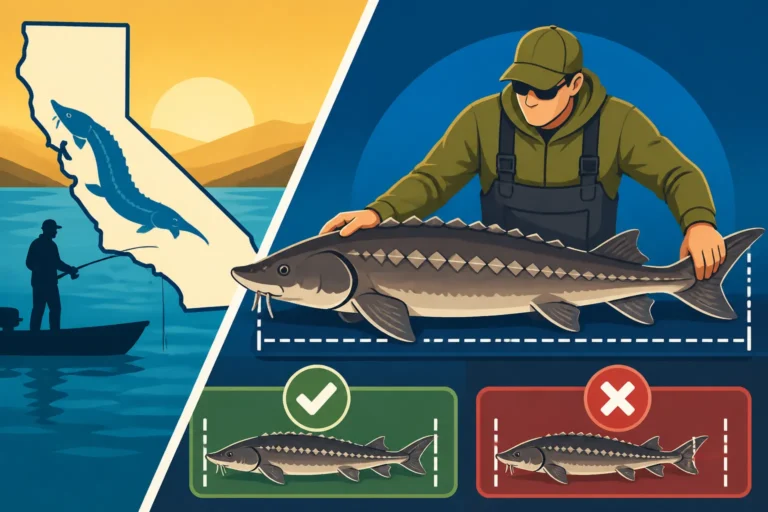
Size limits are just as important as bag limits, and for lingcod, there's a specific minimum length you must observe. Currently, lingcod must be a minimum of 22 inches total length to be legally retained. This "total length" is measured from the tip of the longest jaw to the tip of the longest lobe of the tail, with the fish laid flat.
The reason for this minimum size limit is primarily to protect juvenile fish. Lingcod don't reach reproductive maturity until they're a certain size, and by setting a 22-inch minimum, the CDFW aims to ensure that most lingcod have at least one opportunity to spawn before they are harvested. This allows them to contribute to the next generation of lingcod. It also allows anglers to target larger, more desirable fish. Carrying a reliable measuring device is non-negotiable when lingcod fishing. Many tackle shops, and even online retailers like Amazon, offer specialized fish measuring boards or durable tape measures that are perfect for the job. Don't be that person guessing the length; an undersized fish can lead to significant penalties.
Special Considerations and Exceptions
While the 22-inch minimum and two-fish bag limit are generally standard, there are always nuances to consider. One of the most common situations where lingcod are caught is as part of a "groundfish complex" catch, often alongside various rockfish species. When fishing for these species, you must also be mindful of the California Rockfish Depth Restrictions and overall rockfish bag limits. For instance, if you're fishing in 150 feet of water for chilipepper rockfish, and you happen to hook a legal-sized lingcod, you can keep it as long as you're within the overall groundfish limits and the specific lingcod limits.
However, there aren't many specific "exceptions" to the lingcod limits themselves in the way you might find for highly migratory species or certain protected fish. The main exceptions typically revolve around changes in season dates or depth restrictions in specific management areas. Always be aware of any emergency closures or in-season adjustments announced by the CDFW. These can happen unexpectedly, often due to unforeseen circumstances like unusually high catches or environmental concerns. Being caught unaware isn't a valid excuse when a warden checks your cooler.
Here's a quick summary table of the key regulations:
| Regulation Type | Northern/Central California (North of 36° N Lat.) | Southern California (South of 36° N Lat.) |
|---|---|---|
| Typical Season | May 1 – Dec 31 (check current year) | March 1 – Dec 31 (check current year) |
| Bag Limit | 2 fish per person per day | 2 fish per person per day |
| Minimum Size | 22 inches total length | 22 inches total length |
| Gear Restrictions | Barbless hooks generally required for groundfish | Barbless hooks generally required for groundfish |
| Depth Restrictions | Varies by season/area, align with rockfish rules | Varies by season/area, align with rockfish rules |
Note: These dates are typical and subject to annual review and change by the CDFW. Always verify current regulations before fishing.
Beyond the Basics: Essential Regulations for Lingcod Fishing
Successfully and legally fishing for lingcod involves more than just knowing the season and limits. There are other vital regulations that often come into play, especially since lingcod are frequently caught in conjunction with other bottom-dwelling species. Ignoring these can get you into just as much trouble as keeping an undersized fish.
Gear Restrictions and Methods
California has specific rules about the type of gear you can use, especially when targeting groundfish like lingcod. One of the most significant changes in recent years, affecting much of the West Coast groundfish fishery, is the requirement for barbless hooks when fishing for groundfish and other species in certain areas and depths. While not always a blanket rule for all fishing, it's a very good habit to adopt, and often specifically required when fishing for rockfish and lingcod. Barbless hooks minimize injury to fish that are released, which is crucial for conservation efforts, especially if you catch an undersized lingcod or exceed your bag limit and need to release fish. You can buy barbless hooks, or simply crimp down the barbs on your existing hooks with a pair of pliers. This is a simple step that shows you're a responsible angler.
In terms of methods, jigging, bait fishing (using live or cut bait), and trolling are all common and generally permissible methods for lingcod. However, rules around the number of hooks per line or rods in the water can vary. Always check the general California Freshwater Fishing Regulations or California Saltwater Fishing Regulations for specific rules if you're unsure. While lingcod don't require specific gear like the specialized fly-fishing gear for some trout, having appropriate heavy-duty tackle for these strong fish is always a good idea.
Avoiding Marine Protected Areas (MPAs)
This is a really big one, folks, and often overlooked by even seasoned anglers. California has an extensive network of Marine Protected Areas, or MPAs, designed to conserve marine biodiversity. Many of these areas are "no-take zones," meaning absolutely no fishing is allowed. Others have highly restricted rules. Lingcod, being reef dwellers, often reside in the exact types of habitats that MPAs are designed to protect.
Fishing in an MPA where it's prohibited, or violating the specific rules of a limited-take MPA, is a serious offense that can result in substantial fines and penalties. You must know where these boundaries are. The CDFW provides maps and detailed descriptions of all MPAs. Tools like Navionics charts on your boat's GPS, or even free apps like the "Fish and Wildlife Life" app, can help you identify these zones in real-time. Don't rely on guesswork. Imagine hooking into the biggest lingcod of your life, only to find out you were drifting through a no-take zone. That's a nightmare scenario no angler wants to face. Learn more about California Marine Protected Areas Explained to avoid this.
Understanding the Importance of Report Cards
While lingcod don't currently require a specific report card like some other trophy species such as California Sturgeon Report Card or California Steelhead Report Card, it's a good time to touch on the concept because it's so fundamental to California fishing. Report cards are mandatory tracking documents for certain species, designed to gather vital catch data that helps biologists manage fish populations. Anglers are required to record their catches (or lack thereof) and return these cards to the CDFW by a specific deadline.
Even though you won't be filling one out for lingcod, understanding the purpose of these cards highlights the CDFW's commitment to data-driven management. If lingcod populations ever showed significant decline or needed more detailed monitoring, it's conceivable that a report card system could be implemented for them in the future. Always keep an eye on updates to the California Fishing Report Cards Explained to ensure you're compliant with all species you target.
Practical Tips for Adhering to Lingcod Regulations
Navigating fishing regulations might seem daunting, but with a little preparation and mindfulness on the water, you can ensure your lingcod adventures are always legal and enjoyable. Here are some practical tips to help you stay compliant.
Measuring Your Catch Accurately
When you reel in a lingcod, the first thing you need to do (after admiring its fierce beauty, of course!) is measure it. This isn't a task to rush or guess at. A quick, accurate measurement determines if you can legally retain the fish.
Here's how to do it right:
- Use the Right Tool: Invest in a sturdy, reliable measuring device. A soft tape measure can stretch and give inaccurate readings. A hard plastic or metal measuring board is ideal, especially for larger fish. Many fishing tackle stores, and online retailers like Amazon, offer specialized fish rulers that adhere to your boat or a portable measuring board.
- Lay the Fish Flat: Place the lingcod on a flat surface. This can be your measuring board, the deck of the boat, or even a cooler lid.
- Position Correctly: Push the nose (longest jaw) up against a solid stop or the zero mark of your measuring device.
- Measure Total Length: Ensure the tail is pinched together or held naturally (not stretched unnaturally) and read the measurement at the tip of the longest lobe of the tail. Remember, it's total length, not fork length.
- Be Quick and Gentle: If the fish is undersized and needs to be released, handle it minimally and get that measurement quickly to reduce stress.
- Verify: If there's any doubt, measure again. It’s better to err on the side of caution. An undersized fish in your cooler can lead to a citation and fine, even if it was an honest mistake.
Best Practices for Release
Catching an undersized lingcod is inevitable. Knowing how to release it properly maximizes its chances of survival and contributes to the health of the fishery. This is especially important for deep-water lingcod, which can suffer from barotrauma.
Key release practices:
- Minimize Handling: The less you handle the fish, the better. Try to keep it in the water as much as possible.
- Wet Hands: If you must touch the fish, wet your hands thoroughly first. Dry hands can remove the fish's protective slime coat, making it vulnerable to infection.
- Support its Weight: If you lift it out of the water for a quick measurement or hook removal, support its body horizontally, especially heavier fish. Don't hold it vertically by the jaw alone, as this can damage its internal organs.
- Use a Dehooker: A dehooking tool can make removing hooks much faster and safer for both you and the fish, reducing handling time.
- Address Barotrauma: Lingcod caught from deep water often suffer from barotrauma, where expanding gases in their swim bladder cause their stomach to protrude from their mouth. For rockfish and other groundfish, using a descending device (like a 'fish descender' or 'recompression tool') is often legally required and highly recommended for any fish showing signs of barotrauma. These devices quickly return the fish to depth, allowing its swim bladder to recompress. While not always strictly mandated for lingcod, it's a best practice to ensure their survival if released from deeper water. You can find various models of these tools on Amazon.
- Observe for Recovery: Once released, ensure the fish swims away strongly. If it appears disoriented, you can gently hold it upright in the water until it regains its bearings.
Staying Informed with CDFW Resources
The best way to avoid unintentional violations is to stay proactive and informed. The CDFW is the primary authority for fishing regulations in California, and they provide numerous resources to help anglers.
Your go-to sources:
- CDFW Website: The official CDFW website is a treasure trove of information. It hosts the most up-to-date regulations, often including emergency closures or in-season changes. This should be your first stop before any fishing trip.
- Sport Fishing Regulations Booklet: Every year, the CDFW publishes a comprehensive sport fishing regulations booklet. You can download a PDF version from their website or pick up a physical copy at most bait and tackle shops, as well as some sporting goods stores. This booklet details all statewide and regional rules for both freshwater and saltwater fishing. Familiarize yourself with how to read and interpret it; it’s an invaluable tool. I wrote a whole article on how to read the California Fishing Regulation Booklet Explained because it can be a bit dense.
- CDFW News Releases: Sign up for CDFW email alerts or follow their social media channels. They often post critical updates about season changes, emergency closures, or new regulations as they happen.
- Local Bait & Tackle Shops: The folks who run your local bait and tackle shop are often incredibly knowledgeable about local conditions and regulations. They hear updates regularly and can offer practical advice specific to your area. Don't be afraid to ask!
By making these checks a routine part of your fishing preparation, you can confidently target lingcod, knowing you're doing your part to respect the resource and abide by the law. Happy fishing!
Disclaimer
The information provided in this guide is intended for general informational purposes only and is subject to change. Fishing regulations in California are dynamic and can be updated at any time by the California Department of Fish and Wildlife (CDFW). It is the angler's sole responsibility to consult the most current and official CDFW regulations, including any in-season updates or emergency closures, before engaging in any fishing activity. Failure to do so may result in fines or penalties.