California Abalone Regulations Explained
It's incredibly tough when a cherished pastime, something deeply ingrained in California's coastal culture, suddenly becomes off-limits. For decades, abalone diving was more than just fishing; it was a way of life for many, a connection to the ocean that felt almost primal. But the cold, hard truth is that abalone populations faced immense pressure, leading to a complete closure of the fishery. This guide is here to unravel the complex history and the current state of California abalone regulations, explaining why we can no longer pursue these magnificent mollusks and what this means for marine conservation efforts today.
The Heartbreaking Reality: California's Abalone Fishery Closure
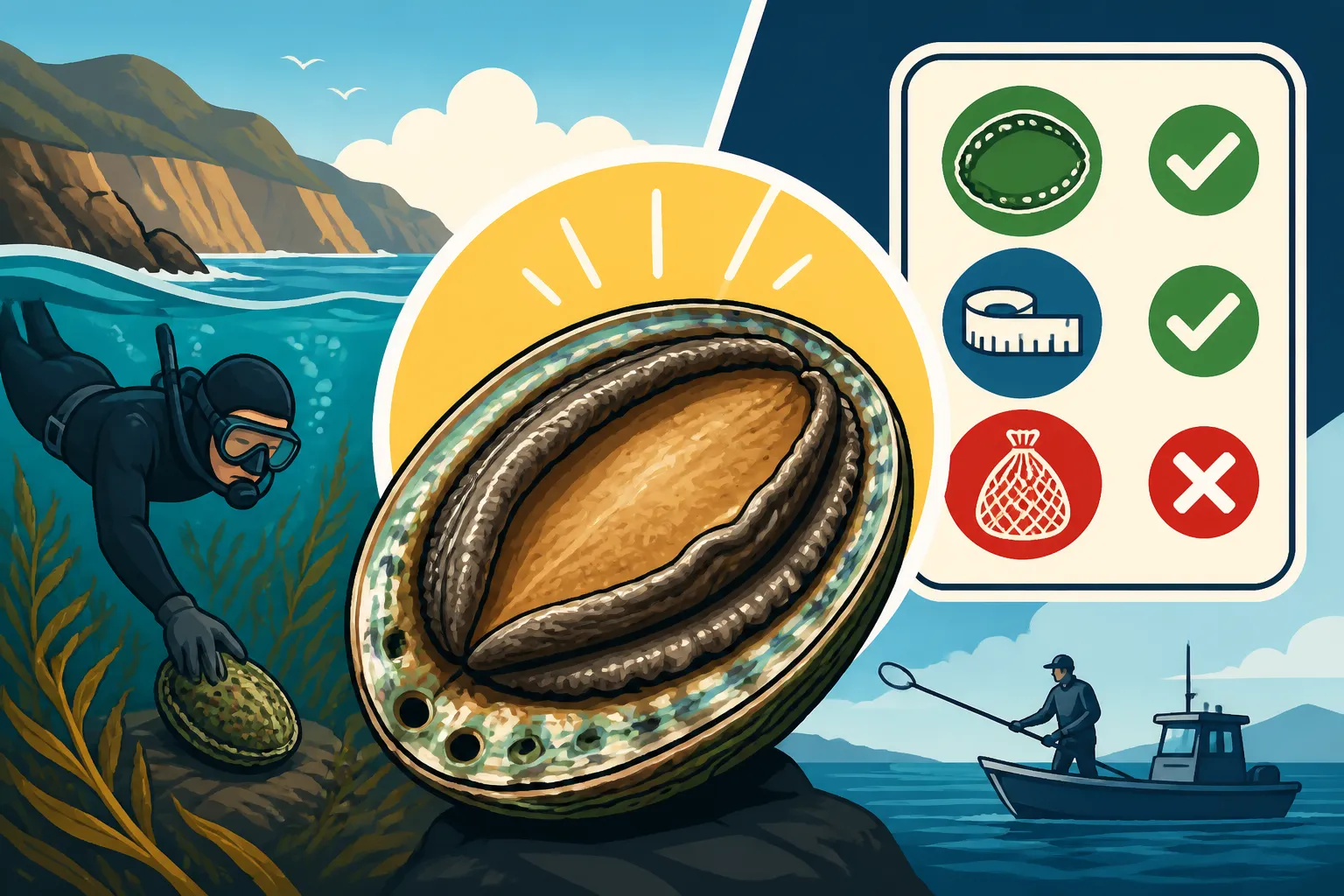
Let's not sugarcoat it: this is a tough pill to swallow for anyone who remembers the thrill of diving for abalone along the California coast. The single most important regulation you need to understand right now, crystal clear, is that abalone fishing is completely closed in California. This isn't just a temporary pause; it's an indefinite closure for all recreational and commercial take of abalone. The once-thriving fishery, particularly for red abalone along the North Coast, has been shut down to protect the dwindling populations.
This closure wasn't a sudden, arbitrary decision. It was the culmination of years of scientific monitoring, public meetings, and heartbreaking observations of declining numbers. Anglers, divers, and scientists alike witnessed the collapse of kelp forests, ocean acidification, warming waters, and increased predation by sea otters, all contributing to a perfect storm that severely impacted abalone's ability to reproduce and survive. If you have fond memories of donning a wetsuit and diving into the chilly Pacific, armed with an abalone iron, those days are, for now, a distant memory. This reality can be incredibly frustrating, especially for generations who grew up with the tradition.
The Indefinite Ban on Abalone Take
As of 2018, the California Fish and Game Commission made the difficult but necessary decision to close the recreational abalone fishery statewide. This closure extends indefinitely, meaning there's no set date for its reopening. The regulations are explicitly clear: it is illegal to take, possess, or land any abalone species in California waters. This applies to red abalone, green abalone, pink abalone, white abalone, and all other species. The intent is to give these shellfish populations the best possible chance to recover from decades of environmental pressures and overfishing.
This comprehensive ban covers all methods of take, whether you're free-diving, shore picking, or using SCUBA gear (which was already illegal for abalone). Even possessing an abalone while in or on California waters or shore can lead to significant penalties. This strict approach highlights the severity of the decline and the critical need for absolute protection. It's a stark reminder that our marine ecosystems are fragile, and when species are pushed to the brink, drastic measures become essential.
Enforcement and Penalties for Violations
The California Department of Fish and Wildlife (CDFW) takes abalone violations very seriously. Given the conservation status of these species, getting caught taking or possessing abalone can lead to severe consequences. We're talking about substantial fines, potential jail time, seizure of equipment, and the loss of fishing privileges for extended periods. It's not a slap on the wrist; it's a firm statement that protecting these vulnerable populations is a high priority.
Wardens patrol coastal areas, and local communities are often highly vigilant. If you suspect any illegal abalone activity, it's crucial to report it to the CDFW. Don't confront individuals yourself, but get as much detail as possible—location, time, vehicle description, and any identifying features—and relay it to the authorities. You can find information on how to do this in guides like How to Report a California Fishing Violation. It's a collective responsibility to ensure that the ban is respected, allowing the ocean a chance to heal.
Why the Abalone Fishery Was Closed: A Look at the Science and History
The decision to close the abalone fishery was not made lightly. It was the culmination of decades of environmental changes, scientific research, and unfortunate declines in abalone populations. Understanding the "why" behind the closure helps us appreciate the gravity of the situation and the complex challenges facing marine life in California. It’s a story of ecological imbalance, climate change impacts, and the difficult choices conservationists must make.
Historically, California's abalone fishery was incredibly vibrant. Commercial and recreational harvesting thrived for many years, primarily focusing on red abalone in Northern California and various species further south. However, the signs of trouble began appearing long before the final closure, with declining catches and shrinking abalone sizes serving as early warnings.
The Role of Environmental Factors
Several key environmental factors contributed significantly to the collapse of abalone populations, particularly the red abalone on the North Coast. A major player was the devastating kelp forest die-off. Kelp, often called the "rainforests of the sea," provides critical habitat and food for abalone. Beginning around 2014, warm ocean conditions, coupled with a massive sea star wasting disease that decimated purple sea urchin predators, led to an explosion in urchin populations. These urchins then mowed down kelp forests, creating vast "urchin barrens" where abalone starved.
This ecological imbalance, largely driven by marine heatwaves linked to climate change, stripped abalone of their primary food source. Imagine your entire food supply vanishing almost overnight – that’s what happened to the abalone. This environmental catastrophe compounded existing pressures from historical overfishing and habitat degradation, pushing the abalone populations beyond their recovery threshold.
Historical Overfishing and Management Challenges
Before the kelp forest collapse, abalone populations were already struggling from a long history of human impact. Commercial abalone fishing in California dates back to the mid-19th century, with significant pressure on various species. By the 1990s, most Southern California abalone species (pink, green, black, and white abalone) had declined so severely that their fisheries were closed, and some were even listed under the Endangered Species Act. White abalone, in particular, became the first marine invertebrate listed as endangered.
Even the robust red abalone fishery in Northern California, which relied exclusively on free-diving (SCUBA was prohibited), faced increasing pressure. Despite strict regulations on size limits, bag limits, and seasons, the sheer number of enthusiastic anglers, combined with environmental shifts, eventually pushed these populations to unsustainable levels. Enforcement became a constant challenge, and even well-meaning divers might have inadvertently contributed to the decline by taking larger, reproductively valuable abalone or simply by the cumulative impact of many people harvesting.
The Impact of Sea Otters
While not the primary cause of the collapse, the recovery of California's sea otter population also plays a role in the complex ecology of abalone. Sea otters are natural predators of abalone, along with crabs and urchins. As sea otter populations have slowly rebounded, their foraging activities naturally increase pressure on abalone in areas where otters are present.
It's a tricky balance: sea otters are a protected, keystone species whose recovery is celebrated, but their diet directly overlaps with species like abalone and urchins. In healthy kelp forest ecosystems, sea otters help control urchin populations, benefiting kelp and, indirectly, abalone. However, in already stressed ecosystems with decimated kelp and booming urchin populations, the dynamic becomes more complicated. The presence of otters can hinder abalone recovery in certain areas, adding another layer to the conservation challenge. It's a reminder that ecosystem management is rarely simple, often involving trade-offs and complex interactions.
Understanding Past Abalone Regulations and What They Taught Us
Even though abalone fishing is closed, looking back at past regulations isn't just a nostalgic exercise. It offers crucial insights into how fisheries are managed, the challenges faced by conservation efforts, and the lessons learned that can be applied to other vulnerable species. For those who used to chase abalone, remembering these rules helps solidify the conservation message. For newcomers, it provides context for just how precious these creatures were.
California's abalone regulations were, at times, incredibly intricate, reflecting the CDFW's ongoing efforts to balance recreational opportunity with sustainable management. They covered everything from the type of gear allowed to the specific times of year you could hunt for them. These detailed rules were designed to protect breeding populations and ensure future harvests, a testament to the dedication of wildlife managers, even if ultimately insufficient to prevent the full closure.
Key Regulations from the Past
Before the closure, California’s abalone regulations were among the strictest for any fishery. These rules were developed over decades, evolving as scientists learned more about abalone biology and population dynamics. They were designed to protect the abalone at various stages of their life cycle and minimize disturbance to their habitat.
Here's a snapshot of some of the key regulations that were in place for recreational red abalone fishing on the North Coast before the 2018 closure:
| Regulation Category | Specifics (Prior to 2018 Closure) | Rationale |
|---|---|---|
| Location | North Coast (N. of San Francisco Bay) | Only red abalone fishery open; other species closed earlier. |
| Season | May 1 to June 30, August 1 to Oct 31 | Closed July and winter months for spawning protection. |
| Bag Limit | 3 abalone per day | Restricted daily take to prevent overharvesting. |
| Possession Limit | 3 abalone (previously higher) | Limited total abalone an individual could possess. |
| Minimum Size | 7 inches (longest diameter) | Protected juvenile abalone, allowing them to reproduce. |
| Measuring | Abalone irons & gauges required | Ensured proper measurement and removal without damaging shell. |
| Method of Take | Free-diving or shore picking ONLY | Prohibited SCUBA to make abalone harder to catch. |
| Abalone Card | Annual Abalone Report Card required | Tracked individual take, provided data for management. |
| Retention | Must remain attached to shell | Prevented high-grading or swapping small abalone for large ones. |
| Reporting | Report Card to be returned by Jan 31 | Essential data for assessing harvest levels. |
These regulations highlight the precision with which managers attempted to control the harvest. For example, the season closure in July was specifically to protect abalone during their peak spawning period. The minimum size limit ensured that most abalone had at least one opportunity to reproduce before being harvested. You can imagine the frustration of getting out on the water, only to realize you left your abalone report card at home, or forgot your gauge! These rules, while sometimes cumbersome, were vital for data collection and managing a high-demand resource.
Lessons Learned from Past Management
The ultimate closure of the abalone fishery, despite these stringent regulations, serves as a powerful, albeit painful, lesson in fisheries management and ecosystem resilience. It taught us that even with careful oversight, a combination of intense fishing pressure and unprecedented environmental change can overwhelm conservation efforts. The decline of abalone underscores the critical importance of adaptable management strategies and the need for a deeper understanding of ecosystem-wide health.
One key takeaway is the difficulty in rapidly responding to environmental shifts, especially those driven by climate change. The kelp forest collapse happened quickly and severely, leaving little time for traditional management adjustments to take effect. Another lesson is the cumulative impact of seemingly small individual actions. When thousands of divers are each taking a few abalone, the combined pressure on the population becomes immense, especially when environmental conditions turn unfavorable. It reinforces the idea that robust baseline populations are essential to withstand such shocks.
The Role of Citizen Science and Compliance
For years, citizen scientists and dedicated anglers played a crucial role in providing data through mandatory California Fishing Report Cards Explained. This data was invaluable for tracking catch rates, understanding population trends, and informing management decisions. The compliance of individual divers in accurately filling out and returning their cards was a cornerstone of the management strategy. However, like any system, it was only as effective as the participation it received.
The past regulatory framework also highlighted the challenge of fostering compliance when resources are highly prized. The allure of abalone, considered a delicacy, often led to temptation for some to push the limits, complicating management efforts further. The ultimate closure of the fishery is a somber reminder that successful conservation relies not only on scientific understanding and regulatory frameworks but also on the collective responsibility and adherence of every single participant.
Moving Forward: Conservation, Enforcement, and Future Hopes for Abalone
The closure of California's abalone fishery is undeniably a blow to recreational anglers and commercial enterprises alike, but it's also a clear call to action for conservation. The focus has now shifted entirely from harvest to recovery. This means understanding ongoing threats, supporting scientific research, and rigorously enforcing the ban to give these iconic shellfish the best possible chance to rebound. For those of us who love California’s coastline, it's about shifting our perspective from what we can take to what we can protect.
The future of abalone in California is uncertain, and recovery will be a slow, difficult process, if it happens at all. However, despair isn't the answer. Instead, it's an opportunity to learn, to engage, and to support broader marine conservation efforts that benefit not just abalone, but the entire ecosystem. While we can't hunt them, we can still appreciate them and play a role in their survival.
Ongoing Conservation Efforts
Even with the fishing closure, abalone face numerous challenges, and dedicated conservation efforts are vital. Scientists from institutions like the California Department of Fish and Wildlife (CDFW) and various universities are continuously monitoring abalone populations, studying their habitat requirements, and researching methods for potential restoration. This includes studying remaining populations to understand their genetics, disease susceptibility, and reproductive success.
For species like the white abalone, which have been on the endangered species list since 2001, captive breeding programs at facilities like the Cabrillo Marine Aquarium and Bodega Marine Laboratory are critical. These programs aim to raise abalone in controlled environments and then, carefully, release them back into suitable habitats to augment wild populations. It's a long, arduous process, but it offers a glimmer of hope for species on the brink. These efforts require sustained funding and public support.
The Broader Picture of Marine Ecosystem Health
The fate of abalone is inextricably linked to the health of California's entire marine ecosystem. The kelp forest die-off that severely impacted abalone also affected countless other species that rely on these underwater forests for food and shelter. Therefore, supporting broader marine conservation initiatives is crucial for abalone recovery. This includes advocating for policies that address climate change, reduce ocean acidification, and protect critical habitats like kelp forests.
Understanding and respecting California Marine Protected Areas Explained (MPAs) is another vital component. These designated zones protect biodiversity and allow marine ecosystems to thrive without human extraction. While abalone are currently protected statewide, robust MPAs provide refuges where populations of many species, including abalone prey and predators, can recover and potentially contribute to the health of surrounding waters. Education is key, and even for general fishing information, resources like the California Fishing License Guide can connect you to broader ecological knowledge.
What Anglers Can Do Now
For those who miss the thrill of abalone diving, the question often becomes, "What can I do now?" First and foremost, respect the closure. Do not attempt to take abalone, and encourage others to do the same. If you encounter someone violating the ban, use the official reporting channels to alert the CDFW. Protecting these species is a collective responsibility.
Secondly, channel your passion into other forms of sustainable fishing or marine recreation. California offers an incredible diversity of fishing opportunities, from chasing California Halibut Size and Bag Limits in the bays to targeting California Trout Limits and Regulations in freshwater lakes. Consider exploring different fishing techniques, or even take up underwater photography to appreciate marine life without harvesting it. Many dedicated anglers are also keen citizen scientists, contributing data for other species or participating in habitat restoration projects. You can still enjoy the water safely with appropriate gear and knowledge, readily available from sources like Amazon, where you can find excellent guidebooks on marine identification, sustainable seafood choices, or even diving safety equipment.
Finally, stay informed. The CDFW is the primary source for current regulations. While the abalone closure is indefinite, the state constantly reviews scientific data. By understanding the science and supporting conservation, you become part of the solution, helping to ensure that future generations might, just might, once again witness thriving abalone populations in California's rich coastal waters.
California Abalone Regulations: Quick Reference
| Aspect | Current Status (2024) | Important Notes |
|---|---|---|
| Recreational Fishing | CLOSED INDEFINITELY (since 2018) | No take, possession, or landing of any abalone species is permitted anywhere in California. |
| Commercial Fishing | CLOSED INDEFINITELY (long before recreational closure) | Commercial take of abalone has been prohibited for decades in California due to population collapse. |
| All Abalone Species | All species are protected | This includes Red, Green, Pink, White, Black, and all other abalone found in California waters. |
| Penalties | Severe fines, jail time, equipment seizure, license revocation | Violations are taken very seriously due to the critically low populations and endangered status of some species. |
| Conservation | Ongoing monitoring, research, and captive breeding | Efforts focus on understanding remaining wild populations and potentially reintroducing captive-bred abalone. |
| Reporting Violations | Report illegal activity to CDFW | Contact CalTIP (Californians Turn In Poachers and Polluters) at 1-888-334-CALTIP or via the CDFW app. |
Disclaimer
The information provided in this guide is for general informational purposes only and is subject to change. While we strive to offer the most accurate and up-to-date details, fishing regulations, seasons, and limits are complex and frequently updated by the California Department of Fish and Wildlife (CDFW). It is your responsibility to consult the official CDFW regulations before engaging in any fishing activity. Always check the latest Sport Fishing Regulations booklet or the CDFW website to ensure full compliance. Fishing laws can be nuanced, and ignorance of a regulation is not a defense against a violation.