California Salmon Punch Card Explained
For many of us who love chasing salmon in California's beautiful waters, navigating the regulations can feel like trying to untangle a particularly stubborn fishing line. It's easy to get confused between licenses, stamps, and those ever-present report cards, especially when it comes to specific species like salmon. This guide is here to untangle that confusion, specifically explaining what the California Salmon Punch Card is, who needs it, how to properly use it, and why it's such a critical part of sustainable salmon fishing in our state.
Understanding the California Salmon Punch Card
Let's be honest, fishing regulations can be a bit of a maze, and the California Salmon Punch Card is one of those specific requirements that often leaves anglers scratching their heads. It’s not just a simple license; it's a dedicated tool for tracking one of California's most prized game fish. This card serves a vital purpose for the California Department of Fish and Wildlife (CDFW), allowing them to monitor fishing pressure and manage salmon populations effectively.
What is the Salmon Punch Card?
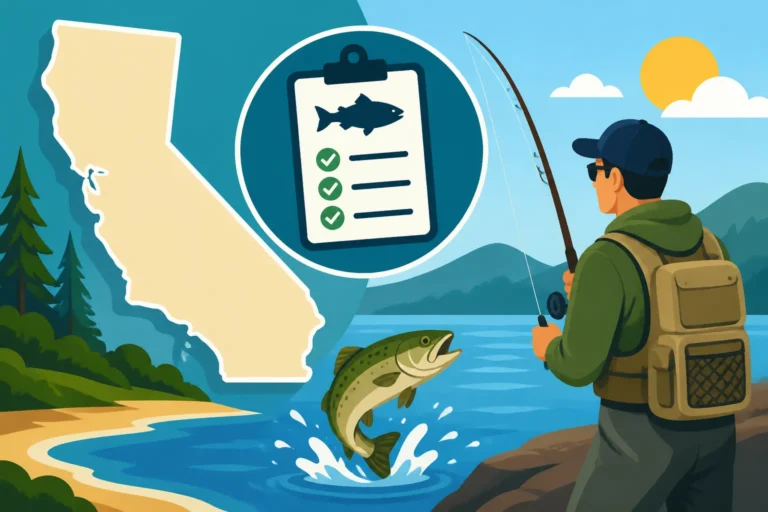
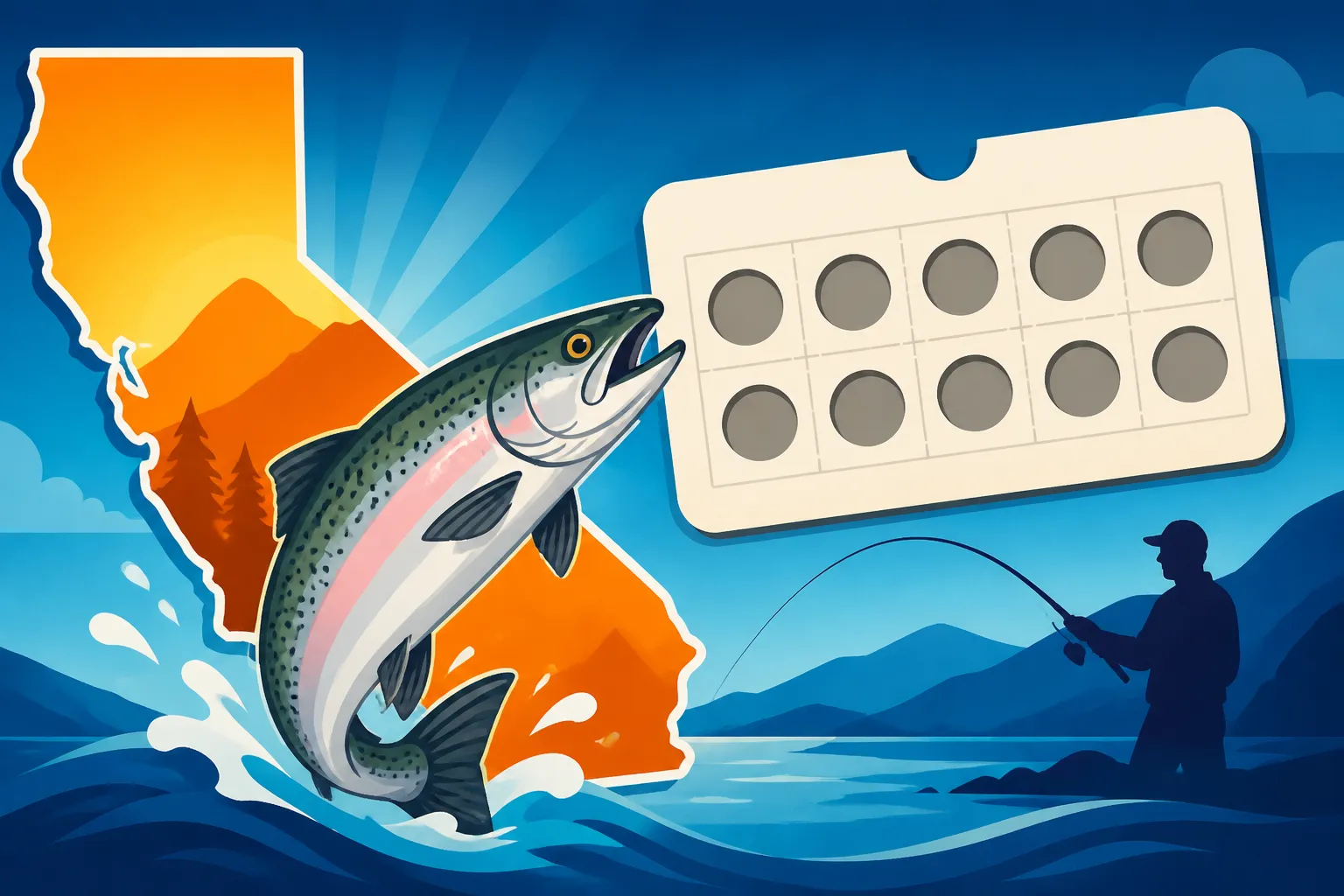
At its core, the California Salmon Punch Card is a specialized report card specifically designed for sport anglers targeting Chinook (King) salmon and Coho (Silver) salmon in designated ocean and inland waters. Unlike your general sport fishing license, which covers a broad spectrum of species, this card is focused solely on salmon. Think of it as an extra layer of accountability for a species that requires careful management due to environmental factors and commercial fishing pressures. When you successfully catch a salmon that you intend to keep, you're required to immediately "punch" or mark your card, recording the date and location of your catch. This immediate documentation is crucial for accurate data collection.
This card is separate from your general California Fishing License Guide, which everyone over the age of 16 needs to possess before even casting a line. It's an additional requirement, much like the special report cards for steelhead or sturgeon. The data collected from these cards helps biologists understand how many salmon are being caught, where they're being caught, and at what rate. Without this precise information, it would be much harder for the CDFW to set appropriate seasons, bag limits, and other protective measures necessary to keep our salmon fisheries healthy for future generations.
Why is it Necessary for Salmon Management?
The need for a dedicated Salmon Punch Card stems from the unique challenges of managing salmon populations. Salmon are anadromous fish, meaning they hatch in freshwater, migrate to the ocean to grow, and then return to freshwater to spawn. This complex life cycle makes them particularly vulnerable to environmental changes, habitat loss, and fishing pressure across various ecosystems—rivers, bays, and the open ocean. Historically, California's salmon runs have seen significant fluctuations, sometimes to alarming lows, leading to strict management actions, including season closures.
The punch card provides real-time (or near real-time, once cards are returned) data on harvest rates that complements other biological monitoring programs, like creel surveys and redd counts. Without this detailed angler-reported information, it would be difficult to assess the impact of recreational fishing on specific runs. For instance, if a particular year sees a strong return of salmon to the Sacramento River, but the punch card data shows unusually high harvest rates early in the season, regulators might adjust bag limits or implement emergency closures to ensure enough fish make it to the spawning grounds. This level of granular data helps protect the resource and supports sustainable fishing practices, ensuring that passionate anglers can continue to experience the thrill of catching these magnificent fish.
Who Needs a California Salmon Punch Card and When
It's easy to assume that if you're fishing for salmon, you automatically need a punch card. While that's often true, there are specific nuances regarding who, what, and where that can save you a headache (and a potential fine) out on the water. Knowing these details is as important as knowing your knot-tying skills.
Age and Residency Requirements
Generally speaking, any angler, regardless of age or residency, who is 16 years or older and intends to catch and keep salmon in California's ocean or inland waters will need a Salmon Punch Card. This isn't just for residents; it applies equally to visitors planning a fishing trip to the Golden State. Just like the general requirement for a California Fishing License, if you're old enough to drive, you're old enough to need this card when targeting salmon. The card is tied to the individual, not the boat or fishing trip. So, if you're on a party boat out of San Diego targeting tuna, you don't need a salmon card. But if that same boat switches gears to salmon during a specific season, you absolutely will.
It's also important to remember that this card is usually required in addition to your annual or short-term fishing license. If you're a California resident planning to fish for salmon multiple times a year, an annual license and punch card make the most sense. If you're visiting for a quick weekend trip, you'd likely get a California One-Day Fishing License or a California Two-Day Fishing License plus the salmon punch card if you're specifically targeting salmon. Always double-check the latest regulations, as they can sometimes change annually based on stock assessments and environmental conditions.
Designated Salmon Fishing Areas
The Salmon Punch Card is specifically for salmon fishing in certain designated areas, which primarily include California's ocean waters, bays, and many major inland rivers known for their salmon runs. This means if you're fishing for trout in a high Sierra lake or bass in Clear Lake, you won't need a Salmon Punch Card. However, if you're drift fishing the Sacramento River for Chinook salmon or trolling for them in the ocean off Bodega Bay, then yes, the punch card is essential.
Here’s a breakdown of common areas where the Salmon Punch Card is required:
- Ocean Waters: This includes offshore areas along the entire California coast, where anglers target salmon, particularly Chinook.
- Bays and Estuaries: San Francisco Bay, Humboldt Bay, and other coastal estuaries often have salmon seasons where the card is necessary.
- Major Inland Rivers: Key salmon rivers such as the Sacramento River, Feather River, American River, Klamath River, Trinity River, and Eel River are prominent salmon fishing destinations where the card is mandatory during open seasons.
It’s crucial to consult the annual California Freshwater Fishing Regulations and California Saltwater Fishing Regulations booklets, available online or at license agents. These booklets will clearly outline which waters are open for salmon fishing and when, specifying if a punch card is required. Remember, regulations like California Salmon Season Dates Explained can change each year based on conservation needs, so staying updated is paramount.
How to Obtain and Use Your Salmon Punch Card
Getting your Salmon Punch Card is usually a straightforward process, but knowing the exact steps and how to properly mark it can prevent a lot of stress (and potential violations) when you're out on the water. Think of it like preparing your tackle box – it's all part of getting ready for a successful and compliant fishing trip.
Where and How to Purchase
Purchasing a California Salmon Punch Card is relatively easy and follows the same channels as buying your general fishing license. The most convenient way for many is to buy it online through the California Department of Fish and Wildlife (CDFW) website. This allows you to purchase it from the comfort of your home, print a temporary card, and have the official one mailed to you. Make sure you do this well in advance of your trip, especially if you're relying on the mailed physical card.
Alternatively, you can visit any authorized CDFW license agent. These agents are typically found at bait and tackle shops, sporting goods stores, and even some larger retailers. Places like your local independent tackle shop or even larger chains that carry fishing gear will usually be equipped to issue these cards. When you go, you’ll need to provide your California fishing license number. It’s a seamless process if you already have your primary license. I've personally found it easiest to get everything at once – my license, my ocean enhancement stamp, and any necessary report cards, including the salmon punch card. It streamlines the whole process so you’re ready to hit the water without any last-minute scrambling. Remember, the cost is usually quite minimal compared to the overall expense of a fishing trip, and it’s a direct contribution to conservation efforts.
Proper Marking and Reporting Procedures
This is where the "punch" in "punch card" comes in, though it's more of a mark. Once you've successfully caught a salmon that you intend to keep, you are legally required to immediately, and I mean immediately, mark your card. This isn't something you do when you get back to the dock or home. It's an on-the-spot requirement.
Here's how it generally works:
- Date: You'll find designated spaces for each day of the month. You need to punch out or clearly mark the current date you caught the fish. Some cards have boxes you check, others have numbers you circle.
- Location: Most cards will have boxes to indicate if the fish was caught in ocean waters or inland waters. You'll mark the appropriate one.
- Species: While it's a "salmon" card, sometimes there are specific distinctions to be made (e.g., Chinook vs. Coho if both are open). Make sure to mark the correct species if the card allows for it.
- Punch/Mark: Use a waterproof pen (a fine-point Sharpie or similar works great, and you can often find suitable options on Amazon) to clearly mark the correct date and location. Some anglers use a hole punch if the card design allows, but a clear, indelible mark is the key.
Here’s a simplified table illustrating the marking process:
| Requirement | Action | Example Mark | Notes |
|---|---|---|---|
| Date of Catch | Mark the calendar date | Check or circle "15" for the 15th | Must be immediate after retaining the fish. |
| Catch Location | Indicate if Ocean or Inland Water | Check "Ocean" box | Specific to where the fish was legally caught. |
| Species (if applicable) | Mark specific salmon species (e.g., Chinook) | Check "Chinook" box (if card has this distinction) | Some cards differentiate, others are general "salmon". |
| Method (if applicable) | If specific methods are restricted/allowed | Not typically on Salmon Punch Card itself | More for general report cards; check regulations. |
It's vital that your mark is permanent and clear. Don't use a pencil that can be erased, or a pen with ink that runs when wet. I remember once having a cheap pen smudge my card after a light rain, and it was a real pain to explain to a warden that it wasn't an attempt to illegally change my catch! Make sure you understand the California Salmon Bag Limit Explained and California Salmon Size Limit Explained regulations before you even head out. Catching a fish that's too small or exceeding your daily limit is a violation, punch card or not.
Returning Your Card
Unlike some other report cards, the California Salmon Punch Card typically does not need to be returned to the CDFW at the end of the year. This is a significant difference from, say, the California Steelhead Report Card or the California Sturgeon Report Card, which have strict return deadlines. However, you must retain your Salmon Punch Card for the remainder of the fishing season and for one year thereafter. This is so that if a game warden asks to see your card, you can produce it, even if you’re no longer actively fishing for salmon.
While you don't return it annually, the CDFW may sometimes conduct surveys or request specific cards for research purposes. Always keep it safe. Think of it as an important piece of documentation that validates your legal catches and helps maintain the health of our fisheries. Proper care of your card, like keeping it in a waterproof wallet or tackle box (many of which you can find on Amazon), is a good idea. Knowing how to properly fill out a California Report Card is essential for all regulated species.
Avoiding Common Pitfalls and Ensuring Compliance
Even with good intentions, it's easy to accidentally slip up when it comes to fishing regulations. The California Salmon Punch Card is one of those items that can lead to confusion, especially for new anglers or those who only target salmon occasionally. Understanding the common mistakes and how to avoid them will ensure your fishing trips remain enjoyable and hassle-free.
Misconceptions About the Punch Card
One of the biggest misconceptions is confusing the Salmon Punch Card with your general fishing license or other report cards. Some anglers mistakenly believe that if they have their annual license, they're good to go. However, the punch card is a distinct requirement. It's not optional if you're targeting salmon in open waters. I've seen firsthand how an excited angler, fresh from reeling in a beautiful Chinook, suddenly remembers they forgot their punch card, or didn't even know they needed one. That excitement quickly turns into anxiety!
Another common misconception is that the punch card is only needed for certain types of salmon or in specific water bodies. While there are sometimes different regulations for Chinook (King) and Coho (Silver) salmon, if a salmon season is open and you're keeping a salmon, a card is generally required for anyone 16 or older. Always verify the latest California Fishing Regulations Explained, as specific rules for California Ocean Salmon Regulations or salmon in inland rivers can differ and are subject to change based on the health of the salmon runs. It's easy to get caught off guard if you assume prior year rules still apply.
Consequences of Non-Compliance
Let's not beat around the bush: not complying with salmon punch card regulations can lead to some pretty serious headaches. Fishing without the required punch card, or failing to properly mark it immediately after retaining a salmon, constitutes a violation of California fishing laws. The penalties can range from a substantial fine to the confiscation of your catch and even your fishing gear. Nobody wants their dream fishing trip to end with a citation.
Game wardens are out there specifically to enforce these regulations, and they take salmon conservation very seriously. They're not out to ruin your day, but they are ensuring the longevity of the resource. Imagine spending a whole day fishing, finally catching a legal-sized salmon, only to have it confiscated and receive a hefty fine because your card wasn't marked correctly, or worse, you didn't have one. It's a costly lesson. Moreover, repeat offenses can lead to the suspension of your fishing privileges. It's simply not worth the risk. Always make sure you have your California Fishing License Guide and any required report cards with you, and understand how to use them.
Best Practices for Anglers
To ensure you stay compliant and enjoy your salmon fishing experience, here are some best practices:
- Plan Ahead: Before every salmon fishing trip, double-check that you have your valid California fishing license and your Salmon Punch Card. Keep them in a waterproof holder or bag. Many outdoor shops and even Amazon sell great waterproof cases specifically for licenses and permits.
- Stay Informed: Regulations, especially for salmon, can be dynamic. Before you head out, quickly review the latest California Salmon Season Dates Explained and California Fishing Bag and Size Limits. The CDFW website is your best friend here, or pick up a physical copy of the regulation booklet from your local tackle shop.
- Mark Immediately: This cannot be stressed enough. The moment that legal salmon hits your cooler or stringer, get out your waterproof pen and mark your card. This habit will save you a world of trouble.
- Keep it Accessible: Don't bury your card at the bottom of your tackle box. Keep it in an easily accessible pocket or compartment so you can mark it quickly and present it to a warden if asked.
- Ask Questions: If you're ever unsure about a specific regulation regarding the Salmon Punch Card or any aspect of California Fishing Regulations Explained, don't hesitate to ask a CDFW representative, a licensed charter captain, or experienced anglers at your local bait shop. They are usually more than happy to help clarify things.
By following these simple steps, you can focus on the thrill of the catch and the beauty of California's salmon runs, knowing you're doing your part to protect this incredible resource.
Important Considerations for Salmon Anglers
Fishing for salmon in California is a truly special experience, one that many of us cherish. But beyond just the punch card, there are a few other critical aspects that salmon anglers need to be acutely aware of to ensure compliance and contribute to conservation. These aren't just rules; they're vital practices for responsible angling.
Understanding Special Regulations and Closures
Salmon fishing regulations in California are highly dynamic, probably more so than for almost any other species. This is due to the complex life cycle of salmon, their sensitivity to environmental conditions like drought and ocean temperatures, and their importance to both recreational and commercial fisheries. The California Salmon Season Dates Explained change almost yearly, and sometimes even mid-season, based on scientific stock assessments. It's not uncommon for ocean salmon seasons to be heavily restricted or even completely closed in some years if salmon returns are projected to be low.
These special regulations can include specific open and closed dates, varying bag and size limits for different areas (e.g., Northern California vs. Southern California coast), and even gear restrictions like barbless hooks only in certain rivers. For instance, sometimes certain rivers will have specific rules for "fall-run" or "spring-run" Chinook salmon that differ significantly. The best way to stay on top of these changes is to regularly check the CDFW ocean salmon regulations page, sign up for their email updates, or frequent your local fishing report websites. Many charter boat captains and bait shops are also excellent sources for the most current information, as their livelihoods depend on knowing the exact rules. Don't rely on last year's knowledge; always verify before you cast your line.
Protecting Salmon Through Responsible Angling
Beyond legal compliance, responsible angling practices play a huge role in salmon conservation. The Salmon Punch Card helps track harvest, but how we fish also impacts the health of the population. One of the most critical aspects is practicing proper catch-and-release techniques for fish that are undersized, out of season, or simply not intended to be kept. Salmon, especially Chinook and Coho, can be delicate, and improper handling can lead to high mortality rates even for released fish.
Here are a few tips for responsible salmon angling:
- Minimize Fight Time: Bring fish in as quickly as possible to reduce exhaustion, especially if you intend to release them.
- Wet Hands: Always wet your hands before touching a fish you plan to release to protect its slime coat, which is vital for disease resistance.
- Use Barbless Hooks: Many salmon fisheries, particularly in rivers, now mandate barbless hooks to make releases easier and less damaging. Even where not required, using barbless hooks is a great conservation practice. You can often buy barbless hooks directly or crimp the barbs on your existing hooks with a pair of pliers.
- Keep Fish in Water: If possible, unhook and release fish while they are still in the water. If you must bring them out for a quick photo, keep them out of the water for the absolute minimum time. Avoid letting them flop on hard surfaces.
- Understand California Catch-and-Release Rules: Familiarize yourself with how to properly revive a fish before releasing it, especially if it's been a long fight.
By embracing these practices, we not only ensure compliance with the spirit of conservation behind the Salmon Punch Card but also contribute directly to the health and abundance of California's salmon fisheries. Every angler has a role to play in safeguarding these magnificent fish for generations to come.
The Role of Report Cards Beyond Salmon
While this guide focuses on the California Salmon Punch Card, it's worth noting that it's part of a larger system of report cards in California designed for various species. These include the California Steelhead Report Card, the California Sturgeon Report Card, and sometimes others for abalone or lobster, depending on the season and specific regulations. Each of these cards serves a similar purpose: to gather specific harvest data for species that require close monitoring due to their conservation status or popularity.
Understanding the differences between a California Fishing License vs Report Card is crucial. Your license grants you general permission to fish. Report cards grant you permission to target specific species, and more importantly, are the primary mechanism for collecting detailed catch information. Failing to possess or properly use any of these report cards when required can lead to the same fines and penalties as mismanaging your Salmon Punch Card. Always take a moment before any fishing trip to confirm what licenses, stamps, and report cards are needed for the species you intend to pursue. It's a small administrative step that makes a huge difference in the grand scheme of fisheries management.
Disclaimer
Please remember that fishing regulations, including those pertaining to the California Salmon Punch Card, can change. While this guide provides comprehensive information, it is always your responsibility to consult the most current regulations published by the California Department of Fish and Wildlife (CDFW) before engaging in any fishing activity. This article is for informational purposes only and does not constitute legal advice.