California Lingcod Bag Limit Explained
It can be incredibly frustrating to head out for a fantastic day of fishing, only to come back wondering if you actually followed all the rules, especially when it comes to species with specific limits like lingcod. The regulations in California can sometimes feel like a labyrinth, with different rules for different areas and times of year. This guide is here to untangle the complexities of the California lingcod bag limit, ensuring you're confident and compliant on your next angling adventure.
Understanding Lingcod Regulations in California
Fishing for lingcod in California is a fantastic experience – these powerful, toothy predators offer a thrilling fight and make for excellent table fare. But with that popularity comes the responsibility of managing the fishery sustainably. The California Department of Fish and Wildlife (CDFW) sets strict regulations to protect lingcod populations, ensuring future generations can enjoy the same opportunities we do today. These rules aren't arbitrary; they're based on scientific data, stock assessments, and public input to prevent overfishing and maintain healthy ecosystems.
Why Lingcod Regulations Matter
Imagine a scenario: You're out on the water, having a banner day, and you've already boated a few impressive lingcod. Without regulations, it would be easy for every angler to keep every fish they catch, leading to a rapid decline in population. Lingcod, while robust, are susceptible to fishing pressure, especially larger, mature females who are crucial for spawning. These regulations, including bag and size limits, are designed to distribute the catch among anglers more equitably and, most importantly, allow enough fish to reproduce and replenish their numbers. It's about finding that delicate balance between recreational enjoyment and long-term conservation. Nobody wants to see a fishery collapse, and understanding and adhering to these rules is our part in preventing that.
Where to Find Official Information
While this guide aims to be comprehensive, the absolute source of truth for all California fishing regulations is always the CDFW. They publish an annual California Sport Fishing Regulations booklet, which is available both digitally on their website and in print at most tackle shops and license agents. I cannot stress enough how important it is to have a copy of the current year's regulations with you, especially when dealing with species like lingcod that often have nuanced rules. Things can change, sometimes unexpectedly, so a quick check before each season or trip is always a good habit. You can often find detailed information about specific species, including lingcod, on the CDFW website, breaking down regulations by region and specific management areas. Knowing where to look for the most current information is key to avoiding any unfortunate misunderstandings or, worse, violations.
California's Lingcod Bag Limit: The Core Rule
Alright, let's get down to brass tacks: what's the actual number? The statewide daily bag limit for lingcod in California is generally quite consistent, but it's crucial to understand how it applies to you and your fish. This limit dictates how many fish of a specific species you can legally keep in a single day, regardless of how many times you go out or where you fish within that 24-hour period.
The Statewide Daily Limit
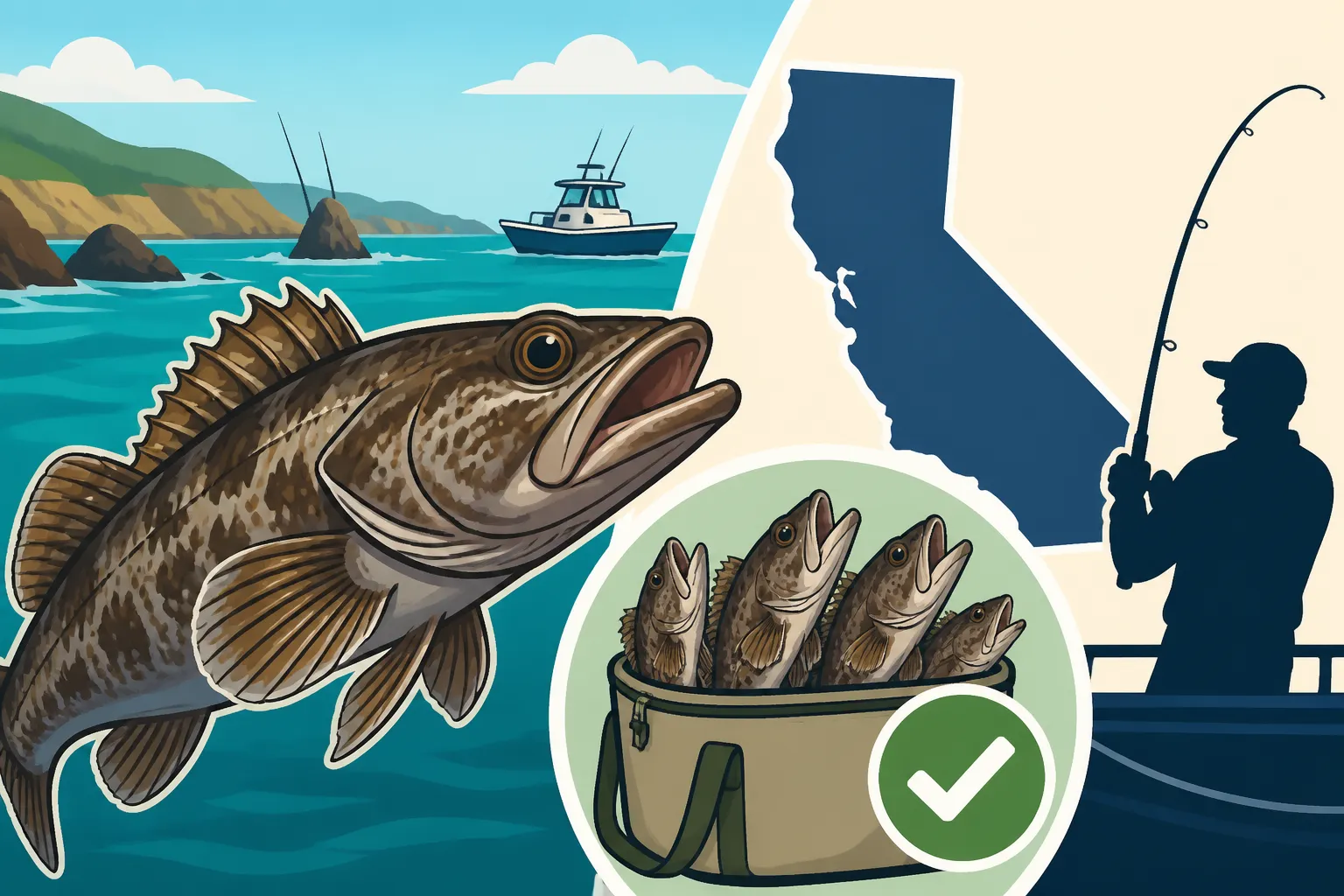
For most of California's marine waters, the daily bag limit for lingcod is two fish per angler. This is a fairly standard limit that aims to provide a reasonable catch for anglers while protecting the overall population. It means that once you've retained two legal-sized lingcod, your lingcod fishing for the day is done. If you're on a multi-day trip, say an overnight charter, the daily limit still applies to each calendar day. So, if you catch two on Monday, you can catch two more on Tuesday, but you can't accumulate more than your possession limit (which we'll discuss next) at any given time. This straightforward rule helps prevent excessive harvest by individuals and ensures that the resource is shared.
Here's a quick look at the lingcod bag limit structure:
| Category | Bag Limit | Notes |
|---|---|---|
| Daily Bag Limit | 2 Fish | Per angler, per calendar day. |
| Possession Limit | 2 Fish | Cannot possess more than daily limit while afield. |
| Filleting at Sea | Special Rules | Whole or fillet with skin patch (see regulations for specifics). |
Possession vs. Daily Limit
This is where a little confusion can sometimes creep in, so let's clear it up. The "daily bag limit" means the maximum number of fish you can catch and keep in one calendar day. The "possession limit" means the maximum number of fish you can have in your possession at any given time, whether you're still fishing, heading home, or back at your car or dock. In California, for lingcod, the possession limit is typically the same as the daily bag limit: two fish.
What does this practically mean? If you're out on the ocean and you've caught your two lingcod, you cannot continue to fish for lingcod, even if you plan to release them. This is because releasing lingcod, especially from deeper waters, can cause barotrauma, where rapid pressure changes can injure or kill the fish. The intent of the possession limit matching the daily limit is to discourage unnecessary catch and release of a species that is vulnerable to such issues. So, once you've got your two legal lings, it's time to shift your focus to another species or call it a day for lingcod. It's an important distinction that helps manage the overall impact of fishing.
Regional Variations and Specific Zones
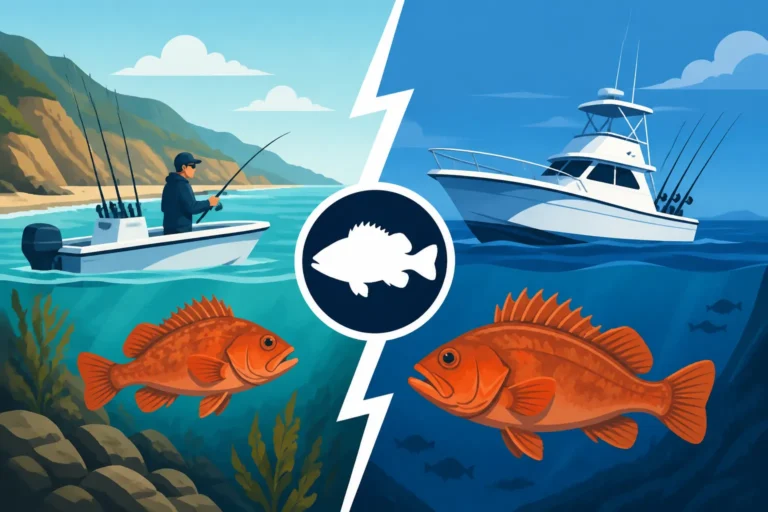
California's coastline is incredibly diverse, stretching over 800 miles with varying habitats and fishing pressures. It makes sense, then, that fishing regulations for groundfish like lingcod aren't always a one-size-fits-all deal. What applies in Crescent City might be different from San Diego, and understanding these nuances is critical for staying within the law and truly maximizing your fishing success.
Northern and Central California Specifics
The waters off Northern and Central California, roughly from Cape Mendocino south to Point Conception, are home to some of the state's most productive lingcod fisheries. Areas like Bodega Bay, Fort Bragg, and the Monterey Bay are famous for producing large lingcod. The general two-fish daily bag limit applies here, but anglers often encounter specific depth restrictions, especially when fishing for lingcod in conjunction with other groundfish like rockfish. These depth limits are dynamic and change throughout the year, often becoming shallower during specific conservation periods. For instance, sometimes you might be restricted to fishing only in waters shallower than 180 feet, while at other times, deeper fishing might be permitted. These restrictions are in place to protect various rockfish species, which often inhabit the same rocky structures as lingcod, but they inherently impact how and where you can target lingcod. Always consult the most current "Groundfish Regulations" for your specific area. You can find detailed updates on the CDFW website or through local fishing reports and charter operations.
Southern California Specifics
As you head south of Point Conception, into the waters off Santa Barbara, Los Angeles, Orange County, and San Diego, you'll still find excellent lingcod fishing, particularly around offshore islands like the Channel Islands or specific deepwater reefs. The base daily bag limit of two lingcod per angler remains the standard here. However, Southern California also has its own set of seasonal depth restrictions and sometimes different management area boundaries that dictate where and when you can fish. Anglers often target lingcod while on trips for yellowtail, rockfish, or even offshore tuna, making it easy to accidentally overlook specific groundfish rules. For example, if you're on a charter out of Fisherman's Landing in San Diego targeting rockfish and lingcod, the captain and crew will be intimately familiar with the current depth rules for that region, but it's always good for you to have a basic understanding. These depth restrictions are crucial because they directly influence where you can drop your lines and which species you're likely to encounter.
Marine Protected Areas (MPAs)
This is a big one and it often trips people up. California has established an extensive network of Marine Protected Areas (MPAs) along its coast, designed to conserve marine biodiversity. Many of these MPAs are "No-Take" zones, meaning absolutely no fishing or removal of marine life is allowed, while others might permit certain types of recreational fishing under very specific rules. It's incredibly important to know if you are fishing in or near an MPA. Lingcod are often found in the rocky reef habitats that are frequently encompassed within these protected areas. Accidentally fishing within a "No-Take" MPA can lead to severe penalties, including hefty fines and confiscation of gear. Before you head out, especially to a new spot, take a few minutes to review a map of the local MPAs. Resources like the California Department of Fish and Wildlife's interactive MPA maps are invaluable. Ignorance of the law is not an excuse, so being proactive about understanding these boundaries is essential for a compliant and enjoyable trip. For a deeper dive into this, you might want to read our guide on how to know if you're in a California MPA.
Beyond the Bag Limit: Other Important Lingcod Rules
While the bag limit is a major piece of the puzzle, it's just one part of the comprehensive framework of lingcod regulations. To be a truly responsible and law-abiding angler, you need to be aware of other critical rules that govern how, when, and what size lingcod you can keep. Overlooking these can be just as problematic as exceeding your bag limit.
Lingcod Size Limits
Beyond the number of fish you can keep, there's also a minimum size requirement for lingcod in California. This is put in place to ensure that lingcod have a chance to mature and reproduce at least once before they are harvested. Currently, the minimum size limit for lingcod in California is 22 inches total length. This measurement is taken from the tip of the longest jaw to the tip of the longest lobe of the tail, with the fish laid flat.
What does this mean for you? Any lingcod you catch that does not meet this 22-inch minimum must be immediately released back into the water, regardless of its condition. It's a common practice for anglers to carry a reliable measuring device, easily found on Amazon or at any tackle shop, to quickly and accurately check their catch. If you're on a charter, the deckhands will typically handle this, but it's still good for you to know the rule. Releasing undersized fish properly is also crucial to their survival. Minimize handling, get them back in the water quickly, and if they've come from deep water, consider using a descending device to help them recover from barotrauma.
Seasonality for Lingcod
You can't just fish for lingcod year-round everywhere in California. Just like with many other groundfish species, there are specific open and closed seasons, which can vary by management area and even change from year to year based on stock health and conservation needs. These seasonal closures are particularly important during spawning periods when lingcod are more vulnerable.
For instance, in the past, there have been times when lingcod fishing was closed for several months in the winter to protect spawning aggregations. The exact dates often align with the larger "Groundfish Management" seasons. It's vital to check the current year's regulations for "California Lingcod Season Dates Explained" specific to your intended fishing zone. Fishing outside of the open season, even if you're only targeting other species, can still put you in violation if you accidentally catch a lingcod. Always double-check the calendar before planning your trip to ensure lingcod are in season for your chosen location. This is one of the most frequently updated regulations, so don't rely on last year's knowledge!
Gear and Method Restrictions
Beyond the fish itself, there are also rules about how you can fish for lingcod. These regulations are often designed to minimize incidental catch of other protected species or to promote sustainable fishing practices.
One of the most notable general requirements for groundfish, which includes lingcod, when fishing with bait and hooks, is the barbless hook requirement. This is a statewide rule for most saltwater sportfishing to facilitate easier and safer release of incidentally caught or undersized fish. Always make sure your hooks are either manufactured barbless or that you've crimped down the barbs on your barbed hooks. Another consideration is the number of hooks or lines you can use. Typically, you're limited to two rods or lines per person when fishing for finfish, though there can be exceptions for specific fisheries or methods.
Furthermore, when fishing in depths where rockfish are present (which is usually where you find lingcod), the regulations regarding "terminal tackle" or the "fishing methods" you can use might come into play, especially during certain seasons or in specific areas. For example, during some periods, live bait might be restricted in certain depths, or the number of hooks on a single line might be limited. If you're using a specific type of rig, like a sabiki rig for bait, be mindful of how many hooks are on it. While you can often pick up versatile tackle kits on Amazon, always verify they comply with current California regulations. These gear restrictions are often complex and intertwined with overall groundfish management, so a thorough review of the current "California Saltwater Fishing Regulations" is highly recommended before your trip.
Tips for a Successful and Compliant Lingcod Trip
Navigating fishing regulations can feel like a chore, but with a bit of preparation and mindfulness, it becomes second nature. A successful lingcod trip isn't just about catching fish; it's about doing so responsibly and legally. Here are some seasoned tips to ensure you have a fantastic and compliant day on the water.
Pre-Trip Preparation
Before you even step foot on a boat or cast a line from shore, a little homework goes a long way.
- Check the Latest Regulations: This is paramount. Visit the CDFW website for the most current Sport Fishing Regulations booklet. Pay special attention to the Groundfish section and any recent emergency closures or changes. These can be updated frequently, so what was true last month might not be true today. This includes reviewing any specific "California Rockfish Depth Restrictions" that might indirectly affect lingcod.
- Acquire Your License: Make sure your California fishing license is current. If you're also targeting specific species that require it, ensure you have any necessary report cards, like a California Steelhead Report Card if you happen to be in an area where steelhead might be present in inland waters, though not typically for lingcod. You can usually buy your license online or from a local tackle shop. Knowing the specific "California Fishing License Requirements for Visitors" is also important if you're not a resident.
- Gear Check: Ensure your tackle is appropriate and legal. This means checking your hooks for barbs (crimp them down if they have them), making sure your weights are heavy enough for the depths you'll be fishing, and having a reliable measuring device. A good quality digital scale and a sturdy tape measure are essential tools for any serious angler, and many excellent options are available on Amazon.
- Consult Fishing Reports: Local fishing reports are a goldmine of information. They often mention current conditions, what's biting, and any recent regulation changes or clarifications from local guides and charter operators. Many bait and tackle shops provide these freely. This is especially useful for understanding current "Best Times to Fish in California" for lingcod.
- Plan Your Spots: If you're fishing independently, review maps for Marine Protected Areas (MPAs) around your chosen spots. Websites like Fishbrain or Navionics can overlay MPA boundaries onto fishing maps, giving you clear visual guidance. Know your "California Marine Protected Areas Explained" before you go.
On-the-Water Best Practices
Once you're out there, a few practices will keep you compliant and make for a better overall experience.
- Measure Immediately: As soon as you land a lingcod, measure it. If it's undersized (less than 22 inches), release it immediately and carefully. Avoid putting undersized fish in a livewell if you intend to release them, as this can cause unnecessary stress. Handle the fish minimally, support its weight horizontally, and get it back in the water gently.
- Know Your Count: Keep a mental (or even a written) tally of how many legal lingcod you've retained. Once you hit two, that's it for lingcod for the day. If you're fishing with friends or family, make sure everyone is aware of their individual limits. This is particularly important on private boats where accountability is entirely on the anglers.
- Proper Filleting (if applicable): If you plan to fillet your fish at sea, be aware that many groundfish, including lingcod, have specific requirements. Often, a "skin patch" rule applies, meaning a portion of the skin must remain on the fillet until you are on shore and done with your trip. This allows wardens to identify the species and confirm it meets size limits. Always check the current regulations for exact filleting rules.
- Respect Marine Life: Lingcod share their habitat with a variety of other species. If you inadvertently catch a protected species or a fish you don't intend to keep, release it as quickly and gently as possible to maximize its chances of survival.
- When in Doubt, Ask: If you're on a charter boat, don't hesitate to ask the captain or deckhands about any regulations you're unsure of. They are professionals and are usually very knowledgeable about the rules. For independent anglers, a quick call to a local tackle shop can often clarify uncertainties.
Staying Updated
Regulations, especially for groundfish, are dynamic. They can change annually, seasonally, or even through emergency closures if conservation concerns arise. Subscribing to CDFW's email updates, regularly checking their website, and following reputable California fishing forums or news outlets are great ways to stay informed. Many fishing license agents will also have posters or flyers with recent changes. Remember, a little ongoing vigilance will prevent any unpleasant surprises and ensure your fishing adventures are always within the bounds of the law, allowing you to focus on the thrill of the catch!
Disclaimer
Please note that fishing regulations can change frequently. While this guide aims to provide accurate and up-to-date information, it is not a substitute for the official California Department of Fish and Wildlife (CDFW) regulations. Always consult the current year's California Sport Fishing Regulations booklet or the CDFW website before heading out to fish. Compliance with all applicable laws and regulations is the sole responsibility of the angler.