California Sturgeon Bag Limit Explained
Trying to figure out the exact rules for fishing sturgeon in California can feel like navigating a maze blindfolded. You hear whispers of slot limits, report cards, and dire warnings about hefty fines, making a potentially thrilling fishing experience feel incredibly daunting. It's a valid frustration because these regulations are complex, and getting them wrong can ruin your day – and your wallet! This comprehensive guide is here to untangle the complexities of California's sturgeon bag and size limits, helping you understand the rules so you can fish with confidence and respect for these incredible prehistoric fish.
Understanding the California Sturgeon Fishery
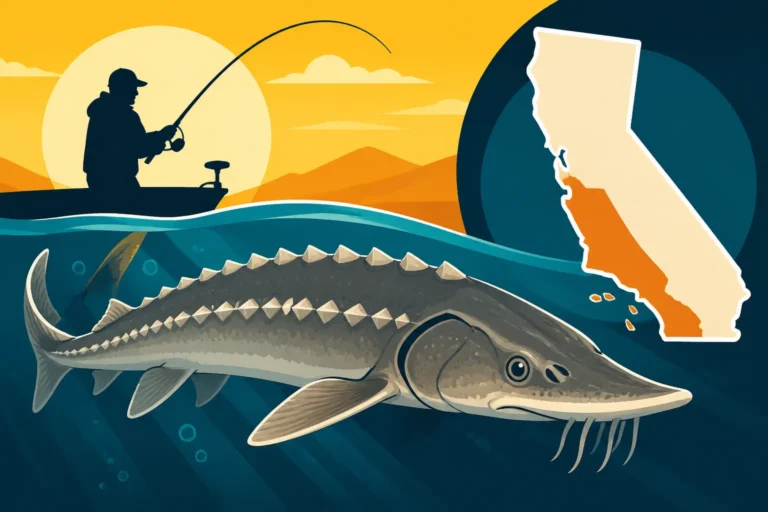
Sturgeon fishing in California is truly a unique experience, a blend of patience, power, and deep respect for an ancient species. The primary target for anglers here is the White Sturgeon, a magnificent fish that can live for over 100 years and grow to immense sizes. But because they're so long-lived and slow to reproduce, they're also incredibly vulnerable, which is why the California Department of Fish and Wildlife (CDFW) has some of the strictest regulations in place to protect them. It's not just about catching a fish; it's about participating in a delicate ecosystem and ensuring these giants continue to thrive for generations to come.
Why Sturgeon Are So Heavily Regulated
The strictness around sturgeon isn't arbitrary; it's a critical conservation effort. Imagine a fish that takes 10 to 20 years just to reach maturity and start reproducing. That's the White Sturgeon. Unlike many faster-growing species, sturgeon can't bounce back quickly from overfishing or habitat loss. Historically, sturgeon populations faced significant declines due to commercial fishing and changes to their river systems. Today, the regulations are designed to prevent those mistakes from being repeated. They focus on protecting the breeding stock – those medium-sized fish that are actively contributing to future generations – while allowing for some recreational harvest of younger, non-breeding adults. It’s a delicate balance, and every rule, from size limits to report cards, plays a vital role in maintaining it. If you're curious about the broader regulatory landscape, you can learn more in our detailed guide on California Fishing Regulations Explained.
The Essential White Sturgeon Report Card
Before you even think about dropping a line for sturgeon, you must have a California fishing license and a White Sturgeon Report Card. This isn't optional; it's absolutely mandatory. Think of the report card as your personal, legally binding logbook for every sturgeon encounter. It’s how the CDFW tracks catch and effort, providing crucial data that informs future management decisions. Whether you keep a legal sturgeon or release one, every single interaction needs to be recorded immediately and accurately. Forgetting to fill out your card, or not having one at all, can lead to significant fines. It’s separate from your regular fishing license, and understanding its importance is key to responsible sturgeon fishing. If you’re just getting started, make sure you understand the difference between a California Fishing License vs Report Card.
Deciphering the California Sturgeon Bag and Size Limits
Now, let's get down to the nitty-gritty: the actual numbers and rules that dictate what you can keep and what you must release. This is where it gets a little tricky, but once you understand the logic, it makes perfect sense from a conservation standpoint. The goal is always to protect the fish that are most vital for reproduction, which means both the very young and the very old, large sturgeon are off-limits for retention.
Daily and Annual Bag Limits
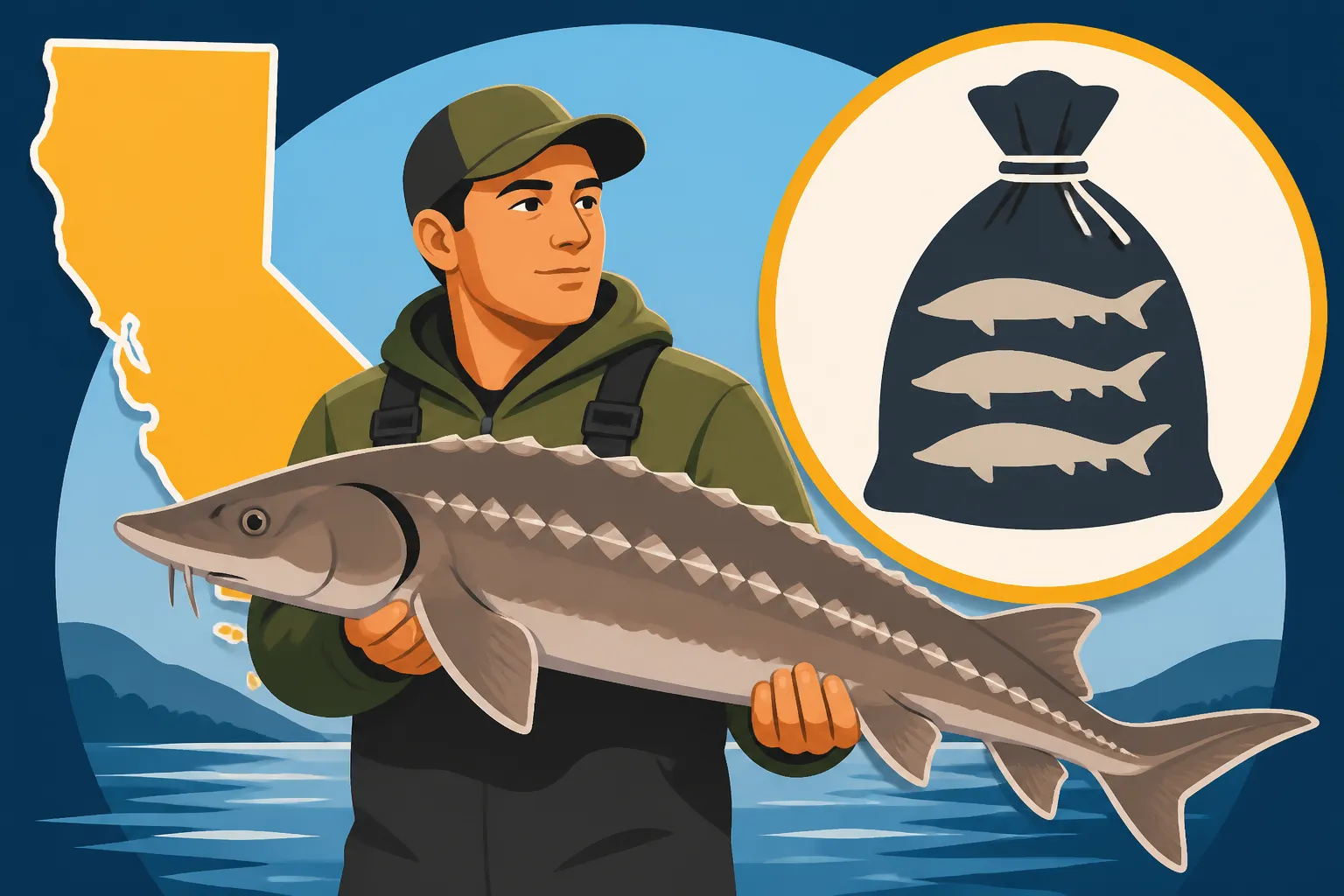
When you're out there, rods bent, battling a massive sturgeon, it's easy to get caught up in the excitement. But remember the limits! For White Sturgeon, the daily bag limit in California is one fish. That's it – just one legal-sized sturgeon per day. But here's where it gets even more restrictive: there's also an annual bag limit. As of current regulations, you are permitted to keep a maximum of three White Sturgeon per calendar year.
This annual limit is a huge part of the conservation strategy. It ensures that pressure on the overall population is spread out among many anglers rather than allowing a few individuals to harvest numerous fish. Once you've kept your three sturgeon for the year, you cannot keep any more, even if you continue to fish and catch legal-sized fish. You would then be strictly on a catch-and-release basis. It's critical to know exactly how many sturgeon you've retained throughout the year and to meticulously track this on your White Sturgeon Report Card. For more details on the big picture, check out our piece on California Sturgeon Regulations and Limits.
The Critical Slot Limit Explained
Perhaps the most important and often misunderstood regulation is the slot limit. Unlike many species where you can keep anything above a minimum size, sturgeon have both a minimum and a maximum size limit for retention. This creates a "slot" from which you can keep a fish.
Currently, the legal slot limit for White Sturgeon in most of California's inland waters, including the Sacramento-San Joaquin River Delta and its tributaries, is between 40 inches and 60 inches fork length. What does "fork length" mean? It's measured from the tip of the snout to the fork in the tail.
Here’s a breakdown of what that means:
- Under 40 inches: If you catch a White Sturgeon that measures less than 40 inches fork length, it must be immediately released unharmed. These are the younger fish, not yet mature enough to contribute significantly to breeding.
- Between 40 and 60 inches: This is the "slot." If your White Sturgeon falls within this range, you may choose to retain it, provided you have a valid White Sturgeon Report Card and haven't exceeded your daily or annual limits. These fish are generally mature enough to have reproduced at least once, but aren't the large, highly fecund breeders.
- Over 60 inches: If you catch a White Sturgeon that measures over 60 inches fork length, it must be immediately released unharmed. These are the large, older breeding females (and males) that are the backbone of the population. Protecting these "broodstock" fish is paramount for the health of the entire fishery.
This slot limit strategy is a cornerstone of responsible sturgeon management, designed to protect both the juveniles and the most important breeders, allowing for a sustainable harvest of the middle-aged fish. You can find more specific rules regarding this in the California Sturgeon Slot Limit guide.
Permitted Gear and Catch-and-Release Protocol
Beyond the bag and size limits, how you fish for sturgeon is also heavily regulated, especially concerning catch-and-release practices. You are only allowed to use a single rod and reel, and the use of snares or gaffs to assist in landing a sturgeon is strictly prohibited. The reasoning behind this is to ensure the fish's safety and increase its chances of survival, especially for those you are required to release.
When releasing an undersized or oversized sturgeon, or any sturgeon you choose not to keep, you must do so with the utmost care. This means minimizing its time out of the water, handling it gently with wet hands or gloves, and never dragging it over abrasive surfaces. Many experienced sturgeon anglers use a cradle or a large, wet landing mat to support the fish while measuring and de-hooking. Investing in good quality catch-and-release tools, like a proper measuring tape or specialized fish handling gloves (which you can easily find on Amazon), can make all the difference. Barbless hooks are also required when fishing for sturgeon, which greatly aids in quick and clean releases. This strict approach to handling and gear is outlined in the California Catch-and-Release Rules.
Practical Steps for Compliant Sturgeon Fishing
Staying on the right side of the law when fishing for sturgeon isn't just about knowing the rules; it's about applying them correctly and consistently every time you hit the water. This involves preparation, precision, and quick action.
Measuring Your Catch Accurately
This is arguably the most crucial step after landing a sturgeon. A mismeasurement by even an inch could turn a legal fish into an illegal one, with serious consequences. Here’s how to do it right:
- Be Prepared: Always have a reliable, sturdy measuring device with you. A flexible tape measure is okay, but a rigid bump board or a long, waterproof tape measure specifically designed for fish can be more accurate. You can find excellent options for these, often with clear markings, on Amazon.
- Handle Gently: Get the fish into a large, wet cradle, sling, or onto a wet mat. Avoid lifting large sturgeon vertically by the head or tail, as this can injure their internal organs.
- Find the Fork: Measure from the tip of the snout to the fork of the tail. Don't measure to the end of the longest tail filament. Lay the fish flat and straight, ensuring the tape follows its contour for an accurate "fork length" measurement.
- Double-Check: If you're unsure, measure again. It's better to be overly cautious than to make a mistake.
Remember, if a fish is clearly oversized or undersized, and you're releasing it, try to measure it in the water as much as possible to reduce stress. Your quick and accurate measurement determines if you have a trophy photo opportunity or a costly violation on your hands.
What to Do If You Catch an Oversized or Undersized Sturgeon
The rule here is simple and non-negotiable: immediate release.
- Minimal Handling: If the fish is obviously outside the slot limit, do not bring it into your boat or onto the bank unless absolutely necessary for safe de-hooking. Try to unhook it while it's still in the water.
- Quick Release: Once de-hooked, gently guide the fish back into the current, ensuring it's strong enough to swim off on its own. Often, giving the fish a few moments to regain its bearings by holding it upright in the water can make a big difference for its survival.
- No Harassment: Don't delay the release for photos or showing off. While it's tempting to snap a quick pic of a huge sturgeon, the law prioritizes its immediate and safe release.
- Report Card Marking: Even if you release an oversized or undersized sturgeon, you still need to record the catch on your White Sturgeon Report Card. Mark it as "released" and include its estimated size and location. This data is vital for CDFW's population assessments.
Understanding California Freshwater Fishing Regulations, particularly concerning vulnerable species, will provide additional context on why these rules are so important.
Keeping Your Report Card Up to Date
Your White Sturgeon Report Card isn't just a piece of paper; it's your legal responsibility. Timely and accurate reporting is paramount.
- Immediate Recording: The moment you decide to retain a legal sturgeon, you must immediately punch out the month and day on your report card. You also need to record the location and approximate length. This isn't something you do at the end of the day or when you get home; it's immediate.
- Carry a Pen: Always carry a waterproof pen. Attaching it to a lanyard or keeping it in a dedicated, easily accessible spot is a good habit. You might even consider having a spare, perhaps a multi-pack of robust writing tools from Amazon, just in case.
- No Erasures or Alterations: Once marked, a report card entry cannot be changed. If you make a mistake, you must contact the CDFW for guidance. Attempting to alter the card can be seen as a violation.
- Return Requirements: Don't forget that your report card must be returned to the CDFW by January 31st of the following year, even if you didn't catch any sturgeon or didn't retain any. This data is crucial for future management. For detailed instructions, check out our guide on How to Fill Out a California Report Card.
By diligently following these steps, you not only stay within the law but also contribute meaningfully to the conservation efforts for these truly remarkable fish.
Table of California White Sturgeon Regulations (Summary)
To help visualize these crucial regulations, here's a quick summary of the key points for White Sturgeon in most inland California waters:
| Regulation Type | Rule | Rationale |
|---|---|---|
| Fishing License | Required for all anglers 16 years and older. | Funds conservation and enforcement. |
| Report Card | Mandatory White Sturgeon Report Card required in addition to a license. | Tracks catch and effort for population assessment. |
| Daily Bag Limit | One (1) White Sturgeon. | Limits individual harvest impact. |
| Annual Bag Limit | Three (3) White Sturgeon per calendar year. | Limits overall angler pressure on the population. |
| Minimum Size | 40 inches fork length. | Protects juvenile fish that haven't reached reproductive maturity. |
| Maximum Size | 60 inches fork length. | Protects large, mature breeding stock (broodstock). |
| Legal Slot | 40 to 60 inches fork length (inclusive). | Allows harvest of middle-aged fish while protecting critical breeding populations. |
| Hook Type | Barbless hooks required. | Minimizes injury to fish, especially those released. |
| Gear Restriction | Single rod and reel only; gaffs and snares prohibited. | Ensures fair chase and safe handling/release. |
| Release Protocol | Immediate release of all fish outside the slot limit or those not retained, with minimal harm. | Maximizes survival rates for released fish. |
| Recording | Immediately mark report card upon retention or release of any sturgeon. | Provides accurate, real-time data for fisheries management. |
This table provides a snapshot, but it's always best to consult the official CDFW regulations booklet or website for the most current and specific rules, as regulations can and do change.
Common Mistakes and How to Avoid Them
Even experienced anglers can slip up, especially when dealing with such intricate regulations. Being aware of the most common pitfalls can help you avoid costly mistakes and ensure your sturgeon fishing adventure is memorable for all the right reasons.
Misidentifying Sturgeon Species
While White Sturgeon are the primary target, California waters also host Green Sturgeon, another species that looks quite similar to the untrained eye. Here’s the critical difference: Green Sturgeon are a federally protected species, meaning it is illegal to retain them under any circumstances. Catching and keeping a Green Sturgeon, even accidentally, can lead to severe penalties.
How can you tell them apart?
- Scutes: White Sturgeon typically have 11-14 bony plates (scutes) between their dorsal fin and their head. Green Sturgeon have noticeably more, usually 23-30.
- Lateral Scutes: Green Sturgeon have a single row of prominent lateral scutes along their side, while White Sturgeon have two distinct rows.
- Vent Scutes: Green Sturgeon have a small, single scute near their anus (vent), which White Sturgeon lack.
- Coloration: Green Sturgeon often have a more olive-green or dark grey coloration, whereas White Sturgeon tend to be lighter, more greyish-white on their belly.
- Barbels: The four barbels (whiskers) under a Green Sturgeon's snout are typically closer to the mouth than the tip of the snout. On a White Sturgeon, they are usually closer to the tip of the snout.
If you are ever in doubt, the safest bet is to treat the fish as a Green Sturgeon and release it immediately and unharmed. It’s better to be safe than sorry, especially with endangered species.
Forgetting to Punch Your Report Card
This might seem like a minor oversight, but it's a huge deal in the eyes of the law. You've battled a fantastic 50-inch White Sturgeon, measured it perfectly, and decided to keep it. In the excitement, you put it on ice and promise yourself you'll fill out the report card later that night at camp or once you get home. This is a violation. The regulations explicitly state that the report card must be validated immediately upon retaining the fish.
Consequences can range from a hefty fine to the confiscation of your catch and gear. Wardens patrol the waterways and often conduct inspections at boat ramps. If they find you with a retained sturgeon that hasn't been immediately recorded on your report card, you're in trouble. Develop the habit of pulling out your report card and a pen the moment the decision to keep a fish is made. Make it part of your routine. You can learn more about these potential issues in our guide on California Fishing License Fines and Penalties.
Incorrect Measurement Techniques
As we covered earlier, precision in measurement is paramount. The difference between 39.5 inches and 40 inches, or 60.5 inches and 60 inches, is the difference between a legal catch and an illegal one. Rounding up or down is not an option; the measurement must be accurate to the fork length.
Some common mistakes include:
- Measuring to the tip of the tail: Sturgeon tails have long, wispy filaments. Measuring to the very end of these will give you an artificially long measurement and potentially put you over the 60-inch maximum. Always measure to the fork of the tail.
- Measuring on an uneven surface: A fish flopping around on an uneven boat deck or sandy bank makes accurate measurement nearly impossible. Use a flat, wet surface, or better yet, a dedicated measuring board or cradle.
- Measuring a curved fish: A sturgeon that is bowed or not laid out straight will appear shorter than it actually is. Gently straighten the fish for a true measurement.
Practicing your measurement technique on a friend's fish (with their permission, of course!) or even with a large piece of wood cut to the slot limit can help you develop a quick and accurate routine. Precision truly is your best friend when it comes to staying compliant with California's sturgeon regulations.
Disclaimer
Please remember that fishing regulations, including bag and size limits for sturgeon, can change frequently. While this guide provides a comprehensive overview based on current information, it is your responsibility as an angler to always consult the most up-to-date official California Department of Fish and Wildlife (CDFW) regulations booklet or their website before heading out. This content is for informational purposes only and should not be considered legal advice.