Folsom Lake Fishing Guide
It can be incredibly frustrating to head out to a beautiful body of water like Folsom Lake, rod in hand, only to cast repeatedly with no bites. Many anglers feel this struggle, wondering if they're in the right spot, using the right bait, or even fishing at the right time. This comprehensive guide is designed to cut through that confusion, giving you all the insider tips and detailed information you need to confidently target and catch fish at Folsom Lake.
Welcome to Folsom Lake: An Angler's Paradise and a True Challenge
Folsom Lake, nestled in the foothills of the Sierra Nevada just northeast of Sacramento, is much more than just a reservoir; it's a massive, diverse ecosystem offering some fantastic fishing opportunities. But let's be real, its sheer size and fluctuating water levels can make it feel like trying to find a needle in a haystack. Covering thousands of acres with miles of shoreline and numerous coves, finding that sweet spot where the fish are biting often feels like a guessing game. It's not uncommon to hear tales of anglers spending an entire day only to come up empty-handed. However, with the right approach and a bit of local knowledge, Folsom Lake can become one of your most rewarding freshwater fishing destinations in California.
This isn't your average small pond where fish are everywhere. Folsom Lake demands a strategic approach, blending understanding its unique characteristics with solid fishing fundamentals. The lake is a primary water source and recreation area, meaning it sees a lot of activity, both from boaters and bank anglers. Its depths can plunge over 200 feet, and the shoreline changes dramatically with the seasons as water levels rise and fall. These dynamic conditions, while challenging, also create incredible habitats for a variety of popular sport fish, making it a truly exciting place to cast a line once you learn its rhythm.
Prime Fish Species in Folsom Lake
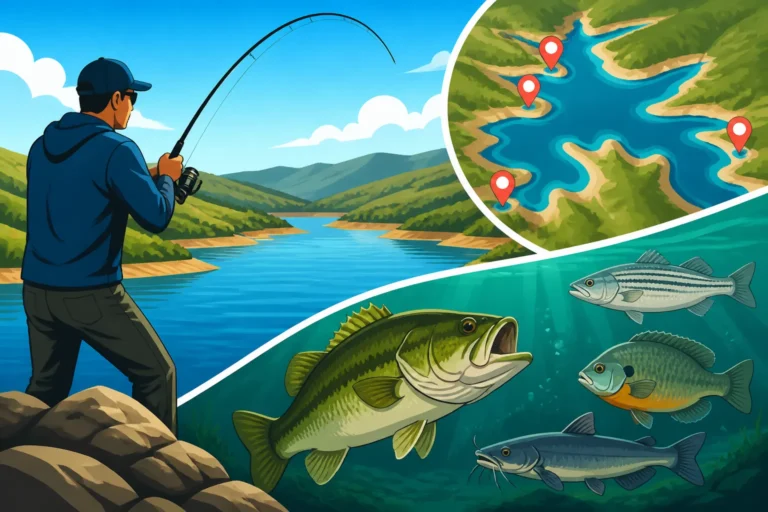
Folsom Lake is renowned for its diverse fishery, hosting a range of species that appeal to different angling styles. From aggressive bass to elusive trout and schooling kokanee, there’s something for everyone, but knowing what you’re targeting and their habits is key to success.
Largemouth and Smallmouth Bass
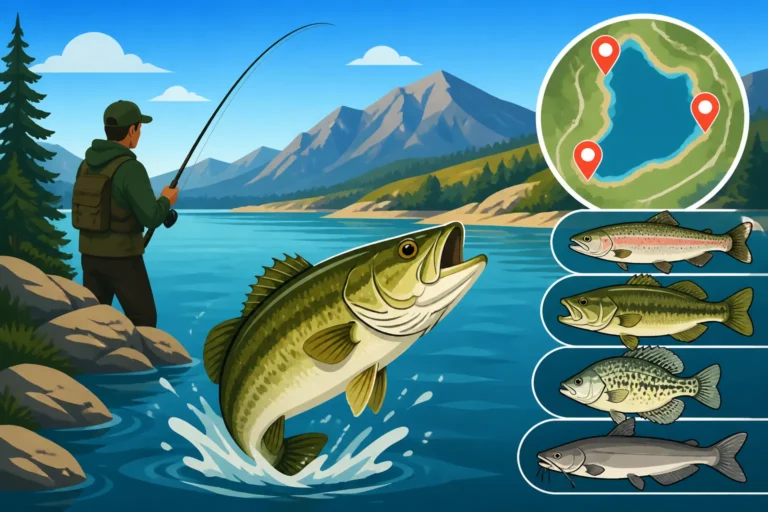
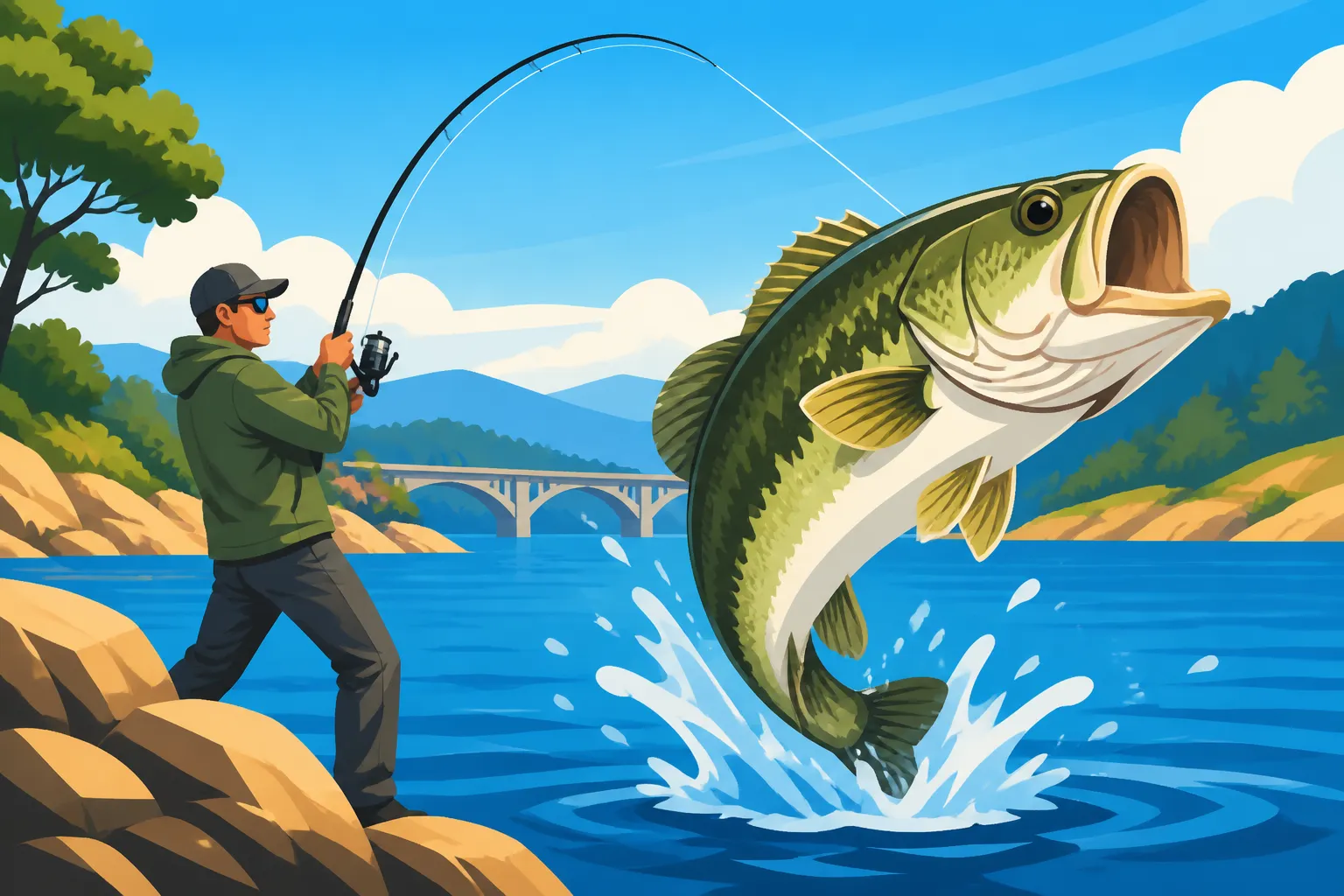
When most people think of bass fishing in California, their minds often jump to largemouth, and Folsom Lake has a healthy population. These fish are ambush predators, often found lurking around submerged structures, rock piles, brush, and shady areas. They love to hide and dart out to strike unsuspecting prey. Smallmouth bass, on the other hand, prefer clearer, rockier areas and can be a fantastic fight on lighter tackle. They are often found a bit deeper than largemouth, especially during the warmer months, schooling up around ledges and points.
Many anglers find it frustrating when they can't pinpoint these bass, especially with Folsom's vast and often featureless-looking banks. The trick is to focus on areas that offer cover or changes in depth. Think about areas where old creek beds run, or where boulders have tumbled into the water. In the spring, when the water warms up, largemouth will move into shallower coves to spawn, making them more accessible for sight fishing or casting Texas-rigged plastics. Smallmouth are often found in similar areas, but they tend to stay closer to main lake points and rocky drop-offs. For more detailed insights, check out our guide on how to Fish for Largemouth Bass in California.
Spotted Bass
While largemouth and smallmouth get a lot of attention, the true dominant bass species in Folsom Lake is often the spotted bass. These feisty fish are known for their aggressive nature and willingness to bite, making them a favorite for many anglers, especially when other species are finicky. Spotted bass typically have a dark, lateral band of irregular spots along their sides and a small patch of teeth on their tongue. They tend to school up more than largemouth and often prefer deeper, clearer water, especially around main lake points, submerged islands, and rocky ledges.
Spotted bass are also quite tolerant of colder water, which means they can be active throughout much of the year, even when other bass species slow down. They readily hit a variety of lures, from finesse worms and drop shots to crankbaits and swimbaits. The sheer numbers of spotted bass in Folsom Lake can make for incredibly productive days, even if they don't always reach the trophy sizes of their largemouth cousins. Don't be surprised if you catch several in a row once you find a school, as they are highly competitive feeders.
Trout Rainbow and Brown
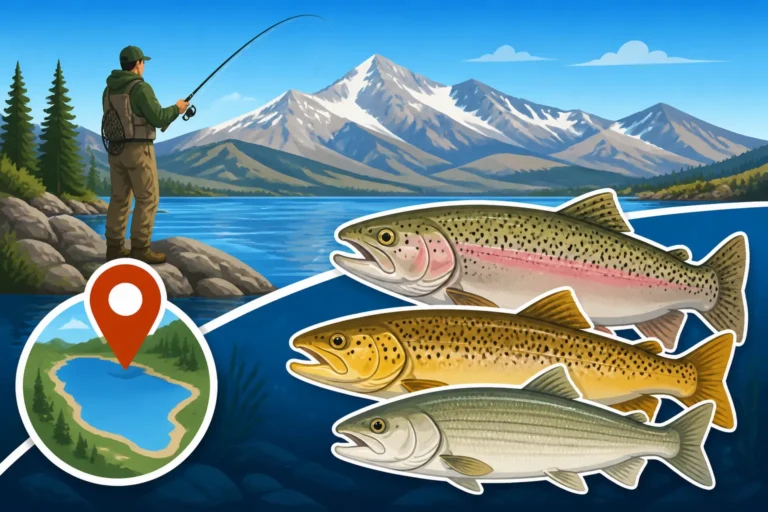
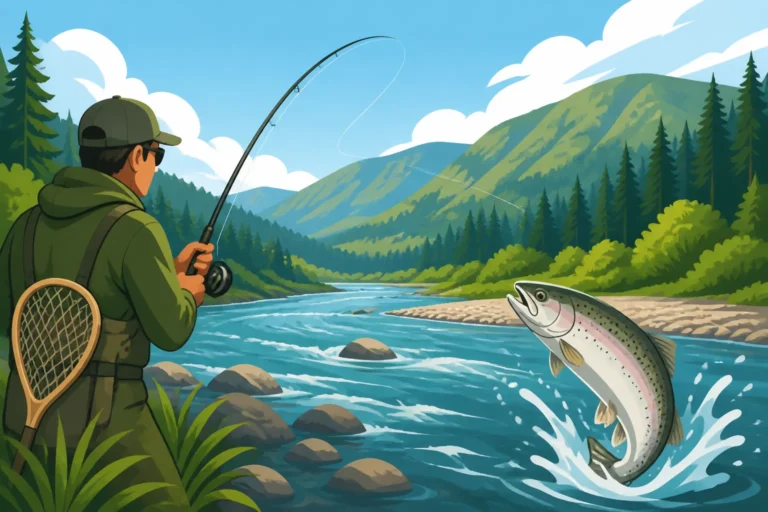
Folsom Lake is also a prime destination for trout fishing, particularly rainbow and brown trout. The California Department of Fish and Wildlife regularly stocks rainbow trout into the lake, ensuring a consistent population for anglers. These stocked fish are often found near boat ramps and accessible shorelines shortly after planting. Wild rainbows and brown trout, however, are a bit more elusive and generally prefer the cooler, deeper sections of the lake.
Brown trout, known for their predatory instincts, often grow larger in Folsom, feeding on smaller fish species. Targeting them requires a different approach, often involving trolling larger lures or fishing with live bait near rocky outcrops and deep points. Many anglers find the hunt for a trophy brown incredibly rewarding. Knowing the nuances of trout fishing can significantly improve your chances, and you might find our guide on California Trout Limits and Regulations helpful before your next trip.
Kokanee Salmon
Kokanee salmon are a landlocked sockeye salmon, and Folsom Lake supports a fantastic population, making it a popular destination for those who love to troll. These beautiful fish are renowned for their vibrant red flesh and delicious taste. They are plankton feeders, so they tend to congregate in open water, often suspending at specific depths where their food source is abundant. Kokanee are known for being incredibly sensitive to light and temperature, often requiring precise depth control and specific lure colors.
Catching kokanee successfully in Folsom typically involves specialized gear, including downriggers or lead core line to get lures down to the fish. They are often found in large schools, and once you locate them, the action can be non-stop. Early mornings and late afternoons are usually prime times for kokanee, as they are less light-sensitive during these periods. The thrill of a kokanee strike and the subsequent fight on light tackle is something every angler should experience at Folsom.
Catfish and Panfish
Beyond the popular sportfish, Folsom Lake also offers excellent opportunities for catfish and various panfish species like bluegill and sunfish. Channel catfish are abundant and can grow to impressive sizes, offering a powerful fight. They are primarily bottom feeders and are often caught using baits such as cut bait, chicken liver, or nightcrawlers fished on the bottom in shallower coves or deeper channels. Night fishing is particularly effective for catfish, as they become more active after dark.
Panfish, while smaller, provide fantastic action for kids and new anglers, and they are delicious table fare. Bluegill and sunfish can be found throughout the lake, especially in shallow, weedy areas or around docks and submerged brush. A simple setup with a bobber, a small hook, and a piece of worm or grub is often all it takes to have a blast with these eager biters. These species provide a great way to introduce beginners to fishing and ensure a fun, active day on the water.
Best Fishing Spots and Access Points on Folsom Lake
Folsom Lake is vast, and knowing where to launch your boat or cast your line from shore can make all the difference. It's easy to get overwhelmed by the sheer amount of water, so let's break down some of the most productive areas.
North Fork Area Browns Ravine, Beal's Point
The North Fork area of Folsom Lake, particularly around Brown's Ravine and Beal's Point, offers some of the most consistent fishing action and accessible launch points. Brown's Ravine is home to a large marina, making it a popular spot for boaters. This area features numerous submerged structures, old creek channels, and gradual drop-offs that hold a variety of fish. For bass anglers, the rocky points and coves near the marina and stretching towards Beal's Point are excellent. Largemouth and spotted bass often patrol these areas, especially where there's a mix of rock and brush.
Beal's Point, popular for its picnic areas and campgrounds, also provides great bank fishing access. The shoreline here features a mix of sandy beaches and rocky stretches. In spring, trout are often stocked nearby, providing easy targets for shore anglers using power bait or worms. During warmer months, you can find bass and sunfish cruising the shallows or hiding in any available cover. The constantly changing water levels mean that what was a dry bank last week might be a productive shallow flat this week, so always keep an eye on the current conditions.
South Fork Area Folsom Point, Granite Bay
Moving to the South Fork area, Folsom Point and Granite Bay offer another set of prime locations with different characteristics. Folsom Point is a significant launch area with ample parking and multiple ramps, serving as a gateway to the main body of the lake. The waters immediately surrounding Folsom Point feature deep access and rocky ledges, making it excellent for targeting spotted bass and even deeper-holding trout. Trolling efforts often start or pass through this area, especially for kokanee salmon during their seasons.
Granite Bay, on the western side of the lake, is known for its beautiful shoreline and recreational opportunities, but it's also a fantastic fishing hub. The granite formations extend into the water, creating excellent habitat for smallmouth bass and spotted bass. These fish love to hang around the submerged boulders and ledges, ambushing prey. The coves within Granite Bay can also be productive for largemouth bass, especially those with some brush or woody debris. Bank anglers can find good spots along the walking trails, casting various lures or natural baits into the deeper water near the shore. Many local guides listed on platforms like FishingBooker often focus their efforts in these well-known, productive zones.
Key Coves and Submerged Structures
Beyond the general access points, success on Folsom Lake often comes down to identifying and fishing specific key coves and submerged structures. Due to the lake's fluctuating water levels, many areas that were once dry land, including old foundations, trees, and roads, are now underwater and act as prime fish habitat. These structures provide cover, ambush points, and foraging areas for bass, trout, and other species.
For bass, focus on coves that feature steep drop-offs, underwater points, or clusters of submerged timber. A good fish finder is invaluable here for locating these hidden gems. The coves along the northern and southern shores, away from the busiest recreational areas, often hold less pressured fish. During the spring, look for protected, warmer coves for spawning bass. For trout and kokanee, attention shifts to the main lake body and deeper coves, especially around prominent underwater humps and ledges. Knowing how to read a depth finder and interpreting topographic maps of the lake can reveal old creek channels and other features that are goldmines for suspended fish. It's these subtle, submerged details that often separate a tough day from a banner one at Folsom Lake.
| Species | Best Time to Fish | Preferred Lures/Baits | Typical Habitat | Notes |
|---|---|---|---|---|
| Largemouth Bass | Spring, Fall | Jigs, Plastic Worms, Crankbaits, Swimbaits | Shallow coves, submerged brush, rock piles | Seek cover and ambush points. |
| Smallmouth Bass | Spring, Summer | Drop Shot, Small Crankbaits, Tubes, Grubs | Rocky points, main lake ledges, clear water | Aggressive, strong fighters. |
| Spotted Bass | Year-round, especially Summer | Drop Shot, Finesse Worms, Small Crankbaits | Deep points, rocky ledges, submerged islands | Most abundant bass, often school in numbers. |
| Rainbow Trout | Spring, Fall, Winter | PowerBait, Worms, Small Spinners, Spoons | Cooler, deeper sections; near stocking points | Actively stocked, good for shore fishing. |
| Brown Trout | Fall, Winter | Trolled Plugs, Large Jerkbaits, Live Bait | Deep rocky structure, main lake points | Predatory, elusive, trophy potential. |
| Kokanee Salmon | Spring, Summer | Trolled Hoochies, Wedding Rings, Apex Lures | Open water, suspended in schools at specific depths | Requires downriggers or lead core; very light tackle fun. |
| Channel Catfish | Summer, Night | Cut Bait, Chicken Liver, Nightcrawlers | Shallow coves, deeper channels, muddy bottoms | Excellent night fishing opportunities. |
| Panfish (Bluegill) | Spring, Summer | Worms, Crickets, Small Jigs, Bread | Shallow, weedy areas, docks, submerged brush | Great for kids and beginners. |
Effective Fishing Techniques for Folsom Lake
Having the right gear is one thing, but knowing how to use it effectively in a lake like Folsom is another. The techniques you employ will often dictate your success, especially given the varying behaviors of its diverse fish population.
Targeting Bass: Lures and Tactics
For bass anglers, Folsom Lake provides a playground of options, from power fishing to finesse tactics. When the bass are active, especially during spring and fall, covering water with reaction baits like crankbaits, spinnerbaits, and chatterbaits can be highly effective. Focus these efforts around points, creek channels, and the edges of submerged weed lines. Look for changes in structure or depth, as these are natural ambush points. Many anglers find success with a medium-heavy rod and a baitcasting reel for these applications.
However, Folsom Lake's clearer waters and sometimes finicky fish often call for a more subtle approach, particularly for spotted and smallmouth bass. Finesse techniques such as drop-shotting, shaky heads, and Ned rigs can be incredibly productive. These involve lighter line (6-10 lb fluorocarbon is common), lighter tackle, and smaller, soft plastic baits that mimic baitfish or crawfish. Presenting these baits slowly and methodically around deep points, rocky ledges, and submerged islands can coax bites when other methods fail. For detailed tips on what baits work best, our guide on Best Lures for California Largemouth Bass offers some great suggestions.
Trolling for Trout and Kokanee
Trolling is the undisputed king of techniques for targeting trout and kokanee salmon on Folsom Lake. These pelagic fish often suspend in the water column, making them challenging to reach with traditional casting methods. The key to successful trolling is precise depth control and choosing the right lures and colors. Downriggers are invaluable for getting your lures down to the exact depth where fish are holding, which you typically determine with a good fish finder. If you don't have downriggers, lead core line or diving planes can also help get your gear deep enough.
For kokanee, popular lures include small dodgers or flashers paired with mini hoochies (squid skirts) or wedding rings tipped with corn. The corn adds scent and changes the lure's profile, making it more appealing. For trout, spoons, small plugs (like Rapalas or Kwikfish), and even flies trolled behind an action disc are highly effective. Vary your speed, make wide turns, and experiment with different depths until you find where the fish are active. The depth at which these fish hold can change throughout the day and with seasonal temperature shifts, so constant adjustment is crucial.
Bank Fishing Strategies
Don't have a boat? No problem! Folsom Lake offers plenty of opportunities for productive bank fishing, especially if you know where to go and what to use. The key is finding accessible spots that offer quick access to deeper water or submerged structure, without needing to cast a mile. Areas like Beal's Point, Negro Bar, and portions of Granite Bay offer good bank access. During spring, after trout stockings, these spots can be red-hot for rainbows using PowerBait, salmon eggs, or worms fished off the bottom with a simple slip-sinker rig.
For bass from shore, focus on casting soft plastics (like Senkos or creature baits) or small jigs into submerged brush, rock piles, or along drop-offs. Early mornings and late evenings are often the most productive times for bass near the shore, as they move shallower to feed. Light spinning tackle is usually best for bank fishing, allowing for versatile casting and presentation. Remember to scout your chosen spot at different water levels; what might be a shallow, unproductive flat one day could be a prime bass-holding drop-off the next. If you're new to fishing or just looking for a low-key day, bank fishing is a fantastic way to enjoy Folsom Lake.
Seasonal Fishing Guide for Folsom Lake
The fishing experience at Folsom Lake changes dramatically with the seasons. Understanding these shifts and adapting your strategies is crucial for consistent success. From the frenetic action of spring to the slower pace of winter, each season offers unique opportunities and challenges.
Spring Strategies
Spring at Folsom Lake is a time of renewed life and, for anglers, often the most exciting period. As water temperatures begin to rise, fish become incredibly active. This is prime time for bass, particularly largemouth, as they move into shallower coves and protected areas to spawn. Anglers targeting bass should focus on pre-spawn and spawning patterns, looking for fish cruising or bedding in depths of 5-15 feet. Jigs, spinnerbaits, and soft plastics (like Senkos or creature baits) cast to visible structure or spawning beds are highly effective. For more on this, check out our guide on California Fishing in Spring.
Trout and kokanee also become more accessible in spring. As the water warms, kokanee can be found closer to the surface in the early mornings, and trolling with small lures behind dodgers is very productive. Rainbow trout, recently stocked, will be active near launch ramps and popular bank fishing spots, eager to bite PowerBait, worms, or small spinners. The key to spring fishing is covering water, experimenting with different depths, and staying alert for signs of schooling fish or spawning activity.
Summer Heat Tactics
Summer at Folsom Lake can be a bit more challenging, especially as water temperatures soar and recreational boat traffic increases. The fish tend to move deeper to find cooler, more oxygenated water. For bass, this means focusing on main lake points, deep rocky ledges, and submerged humps, often in 20-40 feet of water. Drop-shotting, Carolina rigging, and deep-diving crankbaits become indispensable tools. Early mornings and late evenings are often the most productive, as bass might venture shallower to feed under low-light conditions.
Kokanee salmon continue to be a prime target during summer, but they will be holding much deeper, often in the 40-80 foot range. Downriggers are essential for getting your lures to these depths. Look for them over old creek channels and suspended over the deepest parts of the main lake. Trout will also be found in deeper, cooler water, and trolling large spoons or plugs for browns in the depths can yield impressive results. Persistence and adapting to the deeper patterns are vital for summer success. Our article on California Fishing in Summer offers more insights into this period.
Fall Feasting
Fall is arguably one of the best times to fish Folsom Lake, offering a fantastic balance of comfortable weather and active fish. As water temperatures start to drop, baitfish become more active, and all predatory species go on a feeding frenzy in preparation for winter. Bass fishing can be phenomenal, with both largemouth and spotted bass aggressively chasing reaction baits like crankbaits, spinnerbaits, and swimbaits in shallower to mid-depth ranges. They’ll be gorging themselves on baitfish, so matching the hatch with your lures is a great strategy.
Trout and kokanee also become very active in the fall. Kokanee, especially, will be in their pre-spawn colors and aggressively biting trolled lures, often shallower than in summer. Trout move up into the mid-water column and closer to shore, offering excellent opportunities for both trolling and bank fishing with spoons, plugs, or live bait. The crisp air and beautiful scenery make fall fishing on Folsom Lake an incredibly enjoyable experience. It's a prime time to hit the water, as detailed in our California Fishing in Fall guide.
Winter Patience
Winter fishing at Folsom Lake is often overlooked, but for those willing to brave the colder temperatures, it can offer some truly rewarding experiences, particularly for trophy fish. The pace slows down considerably, but the quality of fish can be exceptional. Bass will be sluggish and schooled up in deep water, often around major changes in depth or submerged structures. Finesse techniques are paramount here; slow-rolling jigs, blade baits, or patiently working a drop-shot rig in 40-60+ feet of water can tempt dormant giants. Look for fish suspended over deep structure or hunkered down tight to the bottom.
Trout and kokanee remain catchable, though they will also be in deep water. Trolling slowly with spoons or plugs for larger brown trout is a classic winter tactic, often yielding fewer bites but potentially bigger fish. Bank fishing for stocked trout can still be productive near popular access points, especially after a recent plant. Winter requires patience, precise boat control, and a willingness to fish slowly, but the reward of a big, cold-water fish can be well worth the effort. For more on this, explore our California Fishing in Winter article.
Essential Gear and Regulations for Folsom Lake
Before you even think about hitting the water at Folsom Lake, you need to make sure you're properly equipped and, more importantly, that you understand the local rules. Getting caught without the right license or violating a regulation can quickly turn a fun day into a costly headache.
Recommended Rods, Reels, and Line
Having the right tackle for Folsom Lake's diverse fishery will significantly enhance your experience. For bass fishing, a medium-heavy baitcasting setup (6'6" to 7'6" rod, paired with a fast retrieve baitcaster) is ideal for throwing jigs, crankbaits, and larger plastics. Spool it with 12-17 lb fluorocarbon or monofilament. For finesse techniques like drop-shotting or Ned rigs, a medium-light to medium power spinning rod (6'8" to 7'2") with a sensitive tip, paired with a 2500-3000 size spinning reel, is perfect. Load it with 10-15 lb braided line and a 6-10 lb fluorocarbon leader for stealth.
For trout and kokanee trolling, a lighter, more forgiving rod (like an ultralight or light action spinning or casting rod, 7-8 feet long) is often preferred to absorb the surges of these spirited fighters. Pair this with a small spinning reel spooled with 6-8 lb monofilament or fluorocarbon. If using downriggers or lead core, specialized trolling rods are available, but a solid medium-action spinning or casting rod can often suffice. For beginners, a simple medium-action spinning combo with 8-10 lb monofilament is a versatile starting point that can handle many of the lake's species.
Must-Have Baits and Lures
Your tackle box for Folsom Lake should reflect the variety of species and fishing techniques you'll encounter. For bass, a selection of soft plastics is non-negotiable: Texas-rigged worms, Senkos, creature baits, and drop-shot worms in natural colors like green pumpkin, brown, and watermelon are staples. Hard baits like deep-diving crankbaits (for deeper bass), lipless crankbaits, and spinnerbaits are great for covering water. Don't forget a few topwater lures for those exciting early morning or late evening bites.
For trout and kokanee, PowerBait (especially in bright colors like chartreuse or rainbow), inflated nightcrawlers, and salmon eggs are excellent for bait fishing. When trolling, small spoons (like Kastmasters or Thomas Buoyants), Wedding Rings, and mini hoochies (tipped with corn) are incredibly effective for kokanee. For bigger trout, Rapala plugs, Acme Hyper-Rattles, or larger spoons can tempt a strike. Having a good variety ensures you're prepared for whatever the fish are biting on that day. Many of these effective lures can be found at local tackle shops, or you can find specific recommendations from local guides on platforms like FishingBooker.
Understanding Folsom Lake Regulations
Fishing in Folsom Lake, like all public waters in California, requires strict adherence to California fishing regulations. The first and most critical requirement is a valid California fishing license. This applies to almost everyone over the age of 16, so make sure yours is current before you even leave home. You can find comprehensive information on obtaining one in our California Fishing License Guide. Always keep your license with you while fishing.
Beyond the general license, Folsom Lake falls under specific freshwater fishing regulations that dictate bag limits, size limits, and specific gear restrictions for different species. For instance, there are specific California Freshwater Fishing Regulations regarding the number of bass, trout, and kokanee you can keep, as well as minimum or maximum size requirements for certain species. It's crucial to consult the current California Freshwater Sport Fishing Regulations booklet, available online or at tackle shops, before each trip, as rules can change seasonally or annually. Always be aware of special regulations for trout, bass, and kokanee. For example, there might be specific California Bass Fishing Regulations or California Trout Limits and Regulations that apply specifically to Folsom Lake. Ignorance of the law is no excuse, and wardens regularly patrol the lake. Being prepared and informed will ensure your fishing trip is both enjoyable and legal.
Disclaimer
The information provided in this guide is for general informational purposes only and is subject to change. Fishing regulations, conditions, and fish behavior can vary. Always consult the most current California Department of Fish and Wildlife regulations before heading out. Fishing involves inherent risks; please exercise caution and fish responsibly.