Klamath River Fishing Guide
The Klamath River, snaking its way through rugged Northern California, presents a unique and sometimes challenging tapestry for anglers. If you've ever felt overwhelmed by the sheer size of it, or wondered where to even begin looking for those elusive salmon and steelhead, you're not alone. This guide aims to unravel the Klamath's mysteries, offering practical insights and detailed information to help you navigate its waters and find success, whether you're a seasoned pro or just starting your adventure.
Why the Klamath River is a California Gem
The Klamath isn't just another river; it's a living, breathing entity with a story that stretches back millennia, a story deeply intertwined with its ecosystem and the people who call its banks home. For anglers, this means more than just good fishing; it's an experience rooted in wildness and history.
Unique Ecosystem and Fish Diversity
The Klamath River embarks on an incredible journey, originating in the high desert of southern Oregon and carving its way nearly 250 miles through Northern California before finally meeting the Pacific Ocean. This epic trek means it passes through dramatically different climate zones and landscapes, creating a mosaic of unique habitats. You'll find everything from broad, slow-moving sections in the upper basin to swift, rocky riffles and deep, emerald pools in its middle and lower reaches. These diverse environments support a surprisingly wide array of aquatic life. It’s not just about the big migratory fish; the river is a sanctuary for unique flora and fauna that thrive in its varied conditions.
This sheer ecological diversity is precisely what makes the Klamath so special for fishing. Different sections of the river literally offer different angling experiences and target species. One day you might be casting dry flies for resident trout in a clear, fast-moving upstream stretch, and the next you could be back-trolling plugs for chrome-bright salmon downstream. It truly feels untamed in many places, offering that sense of wild adventure that’s becoming increasingly rare. The health and complexity of this ecosystem are what sustain such vibrant fish populations, making it a constant source of wonder and challenge for those willing to explore its depths.
Historical and Cultural Significance
Beyond its natural allure, the Klamath River holds profound historical and cultural significance, especially for the Native American tribes who have lived along its banks for thousands of years. The Karuk, Yurok, and Hoopa peoples have an inseparable spiritual and subsistence connection to the river, particularly to its salmon runs. Their traditional fishing practices, passed down through generations, are a testament to their deep respect for the river and its resources. Understanding this rich heritage adds a layer of depth to any fishing trip here; you're not just casting a line, you're participating in a tradition that spans countless lifetimes.
The Klamath has also played a significant, albeit sometimes troubled, role in California's more recent history. Early European settlers were drawn by its fertile valleys and later by the promise of gold during the Gold Rush, which brought immense environmental changes and stresses to the river system. Over the past century, the construction of dams further altered its natural flows and fish migration patterns. However, the story isn't static. There's a powerful and ongoing movement to restore the river's health, particularly through the unprecedented dam removal project. This endeavor aims to revitalize the salmon and steelhead runs, reconnecting miles of historic spawning habitat. As an angler on the Klamath today, you're fishing a river that is actively healing and reclaiming its wild spirit, making every cast feel like a small part of a much larger, inspiring narrative of conservation and renewal.
Key Fish Species You'll Encounter
When anglers talk about the Klamath, certain species inevitably come to mind first. These are the fish that draw people from all over, offering thrilling battles and unforgettable experiences.
Salmon and Steelhead: The Big Draws
Without a doubt, the main reason most anglers visit the Klamath River is for its incredible anadromous runs of salmon and steelhead. The king of the river is often the Chinook Salmon, also known as King Salmon. These powerful fish begin their arduous journey from the Pacific Ocean, making their way upstream to spawn. Depending on the specific run (there are spring and fall runs), you can find them from late summer well into the fall. Their sheer size and incredible fighting spirit make them a prized catch, often requiring stout gear and strong nerves. Coho Salmon, though typically smaller than Chinooks, are equally spirited fighters and add another exciting dimension to the fall fishing season. The success of these runs is monitored closely, and anglers need to be aware of the specific rules and seasons, especially for salmon, which can fluctuate year to year. Keeping up with the current California Salmon Season Dates is crucial.
Then there are the Steelhead, the magnificent sea-run rainbow trout that are legendary for their elusive nature and acrobatic fights. The Klamath is famed for its "half-pounders"—smaller, younger steelhead that return to the river in massive numbers, often starting in late summer and continuing through fall. While not as large as their adult counterparts, these energetic fish provide fast action on lighter tackle and are a fantastic way to hone your skills. The larger adult steelhead typically arrive later, primarily from late fall through winter and into early spring. These true trophies demand patience, skill, and often a bit of luck. Hooking into a chrome-bright adult steelhead in the cold winter waters of the Klamath is an experience that keeps anglers coming back year after year. Always remember to carry and properly fill out your California Steelhead Report Card, as these are vital for conservation efforts.
Trout and Other Freshwater Favorites
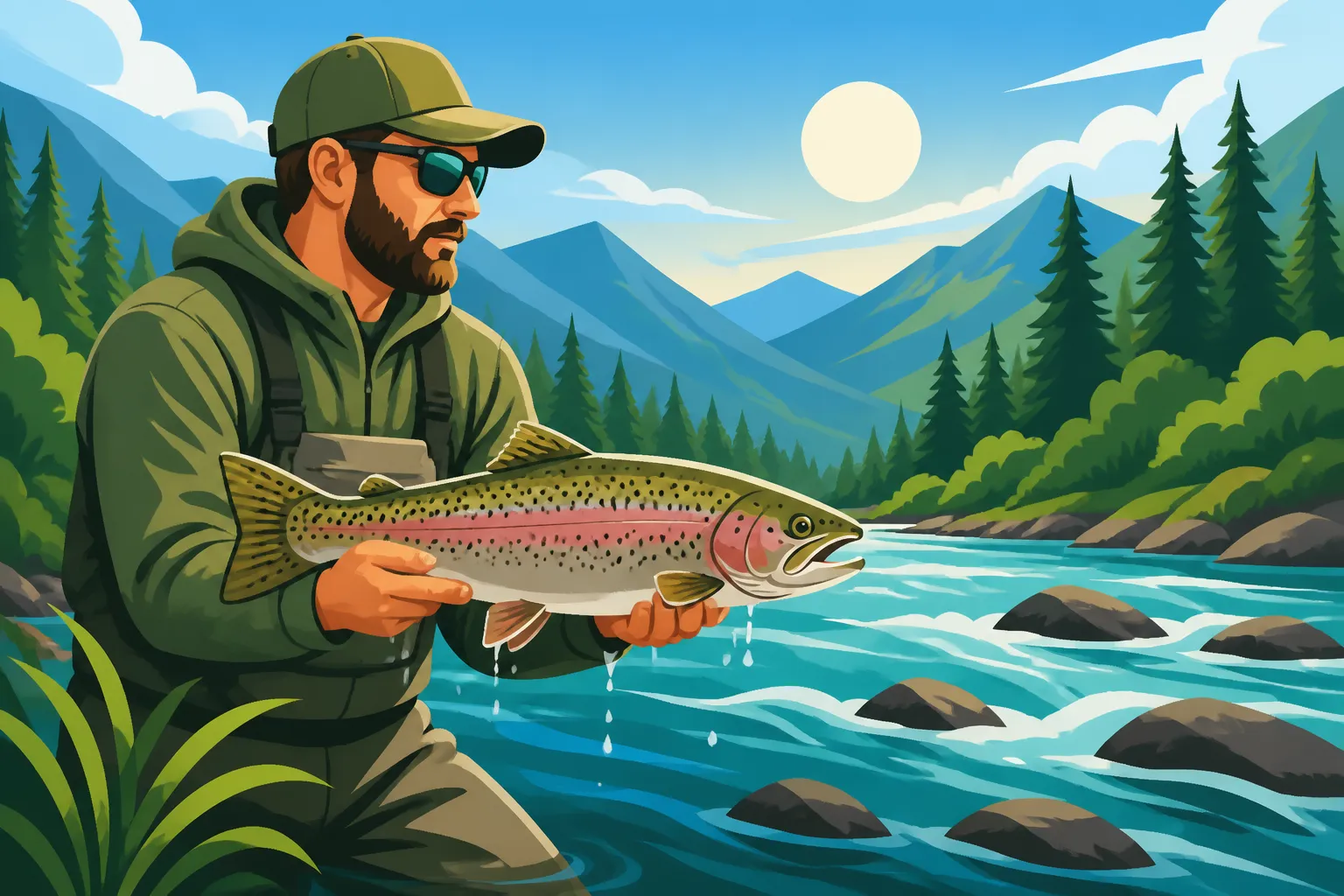
While salmon and steelhead grab the headlines, the Klamath River is also home to a healthy population of resident trout that offer fantastic fishing opportunities, especially in the upper and middle sections of the river. Rainbow Trout are abundant, and in some of the cooler, higher tributaries, you might even find wild Brown Trout. These resident fish are often willing to strike a well-presented fly or lure, providing consistent action when the anadromous runs are not yet in full swing or when you simply prefer a more relaxed pace. They are typically found in riffles, pools, and undercut banks, always on the lookout for an easy meal. Many anglers enjoy targeting these feisty trout with lightweight fly rods or ultralight spinning gear, making for an enjoyable day on the water.
Beyond trout, various other freshwater species populate different parts of the Klamath. In some of the slower, warmer sections, particularly in the lower river, you might encounter Smallmouth Bass. These aggressive fighters can provide a lot of fun, especially during the warmer months, hitting crankbaits, spinners, or soft plastics with gusto. Other species like pikeminnow are also present. The beauty of the Klamath is its versatility; you can tailor your trip to target specific fish, or simply enjoy the diversity of what bites. It’s a great place to experiment with different techniques and broaden your angling horizons, offering year-round options even when the prime salmon and steelhead seasons are winding down.
| Species | Primary Season | Common Techniques | Typical Gear |
|---|---|---|---|
| Chinook Salmon | Fall (Sept-Nov) | Back-trolling, Drifting Roe, Pulling Plugs | Heavy baitcasting/spin gear, Plugs, Spinners |
| Coho Salmon | Fall (Oct-Nov) | Drifting, Twitching Jigs, Spoons | Medium spin gear, Jigs, Spoons |
| Steelhead | Fall-Winter (Oct-Mar) | Fly fishing (Spey/Nymphing), Drifting Roe | Spey rods, Nymph rods, Spin rods, Side drifting |
| Rainbow Trout | Spring-Summer | Fly fishing (Dry/Nymph), Spinners, Worms | Light fly rods, Ultralight spin rods, Small lures |
| Smallmouth Bass | Summer | Spinners, Crankbaits, Soft Plastics | Light to medium spin rods, Variety of lures |
Best Fishing Seasons and Times
Understanding the seasonal rhythms of the Klamath River is perhaps the most critical factor for a successful fishing trip. The river transforms throughout the year, offering different challenges and rewards.
Spring and Summer Opportunities
As the snowmelt subsides and waters begin to warm in spring, the Klamath River truly awakens. This period, typically from April through June, is an excellent time for targeting the river's resident trout. The fish become more active, feeding eagerly on emerging insects, making it prime time for fly anglers to present dry flies or nymphs. The water levels, while still healthy from winter rains, are often clearer and more inviting than the high, turbid flows of peak winter. Spring also offers a chance to explore the river without the intense crowds that descend during the salmon and steelhead runs. It's a wonderful season for quiet contemplation and enjoying the burgeoning wildlife along the riverbanks.
Summer, from July through August, brings warmer water temperatures, which can make some stretches less ideal for trout, particularly in the lower main stem. However, this warmth can actually favor species like Smallmouth Bass in the slower, deeper sections, especially in the middle and lower river. It's also the time when the earliest trickles of fall-run salmon and steelhead begin to show up in the very lower river and estuary, though these early arrivals are often sparse and challenging to target. Conditions can become quite low and clear in some years, necessitating stealthier approaches and lighter tackle. This is also a fantastic time for family fishing trips, offering plenty of opportunities to catch a variety of fish and enjoy the beautiful scenery. While it might not be peak season for the famous anadromous runs, summer still offers distinct and enjoyable fishing experiences.
Fall and Winter Steelhead Runs
If there’s one season that truly defines Klamath River fishing for many, it’s fall. From September through November, the river becomes a magnet for anglers as it experiences its most significant salmon runs. Both Chinook and Coho salmon push upstream from the Pacific, filling the river with their powerful presence. This is when techniques like back-trolling with plugs, drifting cured roe, and casting large spinners become incredibly effective. The energy on the river is palpable, with guides and independent anglers alike pursuing these magnificent fish. It's a time of vibrant colors, both in the foliage along the banks and in the chrome-bright fish fresh from the ocean. However, remember that salmon regulations can change frequently, so checking the California Salmon Season Dates is non-negotiable before heading out.
As fall transitions into winter, from December through March, the focus shifts squarely to Steelhead. While some adult steelhead arrive in the fall, winter is truly prime time for these sea-run beauties. The famous "half-pounders" are still present, offering consistent action, but the larger, powerful adult steelhead are the main prize. Winter fishing on the Klamath is a different beast entirely. It can be cold, wet, and challenging, with fluctuating water levels and temperatures. But for those dedicated enough, the rewards are immense. Techniques often involve drift fishing with bait (like roe or worms) under a float, or intense fly fishing with spey rods or nymphing setups. There's a certain solitude and raw beauty to winter fishing on the Klamath that hardcore steelhead anglers cherish. To truly understand the full seasonal cycle of opportunities, delve into a comprehensive guide like the California Fishing Seasons: Month-by-Month Guide.
Top Klamath River Fishing Spots and Access Points
The Klamath River is a long and varied system, and understanding its different sections is key to planning a successful trip. Each stretch offers unique characteristics and access points.
Upper Klamath Basin to Iron Gate Dam
The uppermost reaches of the Klamath River, before its waters reach what was formerly Iron Gate Dam, offer a different kind of fishing experience than the more celebrated lower sections. This part of the river, as it flows out of the high desert and towards the former dam sites, is primarily known for its resident trout fisheries. The water here tends to be clearer, and the river meanders through a mix of private and public lands. Anglers targeting rainbow trout and occasional brown trout will find success with standard fly-fishing techniques – dry flies, nymphs, and streamers – or with light spinning gear using small spinners and spoons. The scenery is often pastoral, with open skies and quieter stretches of river, a stark contrast to the canyon sections downstream.
Access points in this upper basin can be a bit more spread out and might require some local knowledge, as much of the land is privately owned. Areas around the towns of Keno or Klamath Falls in Oregon, and then as it flows south into California, provide some public access. The former reservoir sections behind the now-removed Iron Gate and Copco dams are undergoing significant changes. Historically, these areas offered warm-water fishing for bass and other species, but with the dams being breached, the river is returning to a free-flowing state. This transformation is exciting, promising new and restored habitats for native fish, but it also means the fishing landscape in these specific areas is currently in flux and evolving rapidly. It's a testament to the ongoing efforts to restore this vital waterway.
Below Iron Gate Dam to the Estuary
Once the Klamath flows below where Iron Gate Dam once stood, it transforms into the legendary anadromous fishery that draws anglers from around the world. This expansive section, stretching roughly 190 miles to the Pacific Ocean, is the primary highway for migrating salmon and steelhead. As the river carves through rugged canyons and broad valleys, it presents countless opportunities for drift fishing, wading, and bank access. Towns like Happy Camp, Orleans, and Weitchpec become important hubs, offering guides, tackle shops, and various services. The river here features a mix of deep pools, swift riffles, and braided channels, each holding fish depending on water levels and time of year. Knowing the specific character of each stretch, and whether it's best for a drift boat, jet boat, or wading, is crucial. For detailed insights on getting to these spots, check out our guide on Klamath River: Fishing Access and Tips.
Further downstream, as the river nears the coast, the landscape flattens somewhat, and the river widens considerably. The famous Klamath River estuary, particularly around the small community of Requa at the river's mouth, is a critical staging area where ocean-fresh salmon and steelhead congregate before making their final push upstream. Fishing in the estuary can be incredibly productive, with anglers often targeting fresh, aggressive fish. However, this area also has very specific and sometimes complex regulations, often with special restrictions on methods and open dates. It's crucial to consult the California Freshwater Fishing Regulations booklet for the most current rules. Many anglers opt to hire local guides in this area, not just for their expertise in finding fish, but also for their intimate knowledge of the ever-changing regulations and access points. If you're looking to book a guided trip, resources like FishingBooker can connect you with experienced Klamath River guides who specialize in these prime lower river and estuary fisheries. They know the subtle nuances that can make or break a day, especially during the peak runs.
Essential Gear and Techniques for Klamath Anglers
The Klamath River demands versatility from its anglers. Depending on the species you're targeting and the section of the river you're in, your gear and approach will need to adapt. It's not a one-size-fits-all fishery, which is part of its charm and challenge.
Fly Fishing and Spey Rod Setups
For many, fly fishing on the Klamath is an art form. In the upper and middle reaches, targeting resident trout with traditional single-handed fly rods (typically 4-weight to 6-weight) is a classic pursuit. Dry flies can be deadly during insect hatches, while nymphs and streamers are often productive when fish are feeding sub-surface. This requires careful presentation and understanding of trout behavior in flowing water.
However, when it comes to the migrating salmon and steelhead, particularly the larger adults, the Klamath truly shines for two-handed rods, known as Spey rods. These longer rods (often 12 to 15 feet) allow anglers to cast heavy flies and sink tips across wide expanses of the river with minimal back-cast room, which is often a necessity along the brushy Klamath banks. Skagit and Scandi lines are commonly used, designed to deliver large, weighted flies (Intruders, marabou flies, leech patterns) that mimic baitfish or invertebrates. Spey casting for steelhead is a captivating, rhythmic dance that, once mastered, is incredibly effective and immensely satisfying. It's a technique that connects you deeply with the river and its powerful inhabitants. If you're new to this, seeking out a local guide or consulting a detailed guide like our California Fly Fishing Guide can dramatically shorten the learning curve and enhance your experience on the water.
Spin Fishing and Baitcasting Approaches
For those who prefer conventional gear, spin fishing and baitcasting are highly effective methods on the Klamath, particularly for salmon and steelhead. For resident trout and the smaller "half-pounder" steelhead, a light to medium spinning setup (6-8 lb test line, paired with a sensitive rod) is ideal. Small spinners like Mepps or Rooster Tails, spoons, and drifted bait (like worms or small pieces of roe) can draw aggressive strikes. The key here is stealth and a natural presentation.
When targeting the larger salmon and adult steelhead, heavier-duty spin or baitcasting gear becomes necessary. Rods in the 8-10 foot range, capable of handling 15-30 lb test line (or braided line with a fluorocarbon leader), are common. Popular techniques include drift fishing with cured salmon roe or roe bags, often fished under a float in deeper pools or side-drifting through runs. Back-trolling with diving plugs, such as Kwikfish or Wiggle Warts, from a boat is a highly productive method for Chinook salmon, covering water efficiently and presenting a tempting target. Additionally, casting and retrieving larger spoons or heavy spinners can entice a strike from an aggressive salmon or steelhead. Understanding how to "read" the river — identifying seams, current breaks, and holding water — is paramount, no matter your chosen tackle. For a deep dive into targeting these specific species, our guides on How to Fish for Salmon in California and How to Fish for Steelhead in California offer comprehensive tactics.
Navigating Regulations and Conservation Efforts
Fishing the Klamath River is not just about catching fish; it's also about understanding and respecting the intricate web of regulations and ongoing conservation efforts designed to protect this precious resource. This river, perhaps more than any other in California, exemplifies the challenges and triumphs of fisheries management.
Understanding Special Regulations and Report Cards
The regulations for fishing on the Klamath River can be notoriously complex, and they often change from year to year, sometimes even mid-season. This complexity stems from a combination of factors: the presence of multiple anadromous species with varying run timings, the need to manage populations for both sport and tribal subsistence, and the river's unique interstate journey. It is absolutely essential to consult the latest California Fishing Regulations Explained booklet published by the California Department of Fish and Wildlife (CDFW) before every trip. Do not rely on outdated information or hearsay; what was legal last year might not be this year.
Beyond a standard California Fishing License Guide, specific report cards are mandatory for certain species. If you're targeting salmon, you'll need a California Salmon Report Card. For steelhead, a California Steelhead Report Card is required. These cards are critical tools for biologists to monitor populations and assess fishing pressure. It's not just about buying them; it’s about diligently filling them out, accurately recording your catch (or lack thereof), and returning them to the CDFW by the specified deadline, typically in January. Ignoring these requirements can result in significant fines and penalties. Furthermore, many sections of the Klamath, especially in the prime salmon and steelhead zones, often have special restrictions, such as barbless hook requirements, specific gear limitations (e.g., no bait during certain times), and precise daily bag and size limits that differ from general statewide rules. Always double-check the region-specific rules for the exact stretch you plan to fish.
Protecting the Klamath's Future
The Klamath River is currently undergoing one of the most significant river restoration projects in history: the removal of four hydroelectric dams (Iron Gate, Copco 1, Copco 2, and J.C. Boyle). This monumental undertaking, which began with the first dam removals in 2023, is aimed at restoring the river to a free-flowing state for the first time in over a century. The long-term vision is to dramatically improve water quality, reconnect hundreds of miles of historical spawning and rearing habitat for salmon and steelhead, and ultimately revitalize the entire Klamath Basin ecosystem. This project is a testament to the power of collaboration between state and federal agencies, tribal nations, conservation groups, and local communities.
As anglers, we have a vital role to play in supporting these conservation efforts. Beyond adhering to all regulations, practicing responsible angling ethics is paramount. Catch-and-release, especially for sensitive species or during low-water conditions, helps ensure the health of future runs. Minimizing your impact on spawning grounds, properly disposing of trash, and educating yourself on the river's ecological needs all contribute to its recovery. Supporting organizations involved in Klamath River restoration and advocacy helps ensure that future generations will also have the opportunity to experience the magic of this incredible river. By being good stewards, we help write the next chapter in the Klamath's long and inspiring story.
Disclaimer
Fishing regulations and conditions in California can change frequently. Always consult the latest California Department of Fish and Wildlife (CDFW) regulations guide and local advisories before heading out on the water. This guide is for informational purposes only and should not replace official sources.